
What Are Garden Trellis Ideas And Why Every Garden Needs One
The Purpose And Function Of A Garden Trellis
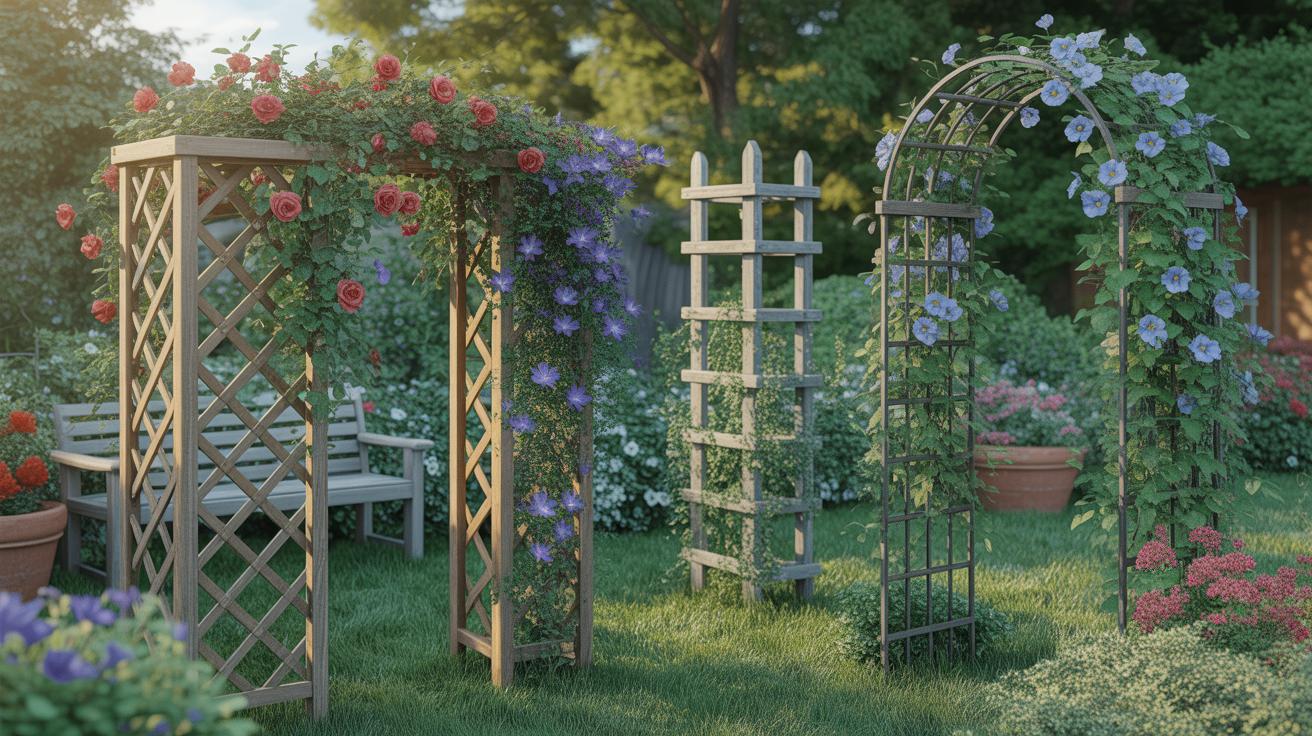
A garden trellis serves as a rigid framework designed to support climbing plants. It manages vertical growth by providing a stable structure for tendrils and stems to grip. This tool maximizes limited ground space by moving foliage upward rather than outward. Growers use various materials like wood, metal, or plastic to create these supports. Effective trellis design ensures the structure can withstand the weight of mature crops or vines.
Gardeners use trellises to organize the layout of a growing area. These structures create clear boundaries and define specific zones within a plot. They facilitate easier harvesting by keeping fruit and vegetables off the soil surface. This positioning prevents rot and makes the produce visible for picking. A well-placed trellis also acts as a windbreak for delicate species. It provides a permanent anchor point for seasonal or perennial vegetation throughout the year.
How A Trellis Improves Plant Health And Garden Aesthetics
Vertical growth significantly improves air circulation around plant leaves and stems. Better airflow reduces the risk of fungal infections and powdery mildew. Lifting plants away from the ground also minimizes contact with soil-borne pathogens and pests. Sunlight reaches a larger surface area of the foliage when it climbs a trellis. This exposure increases photosynthesis and leads to higher yields for edible crops like beans or cucumbers.
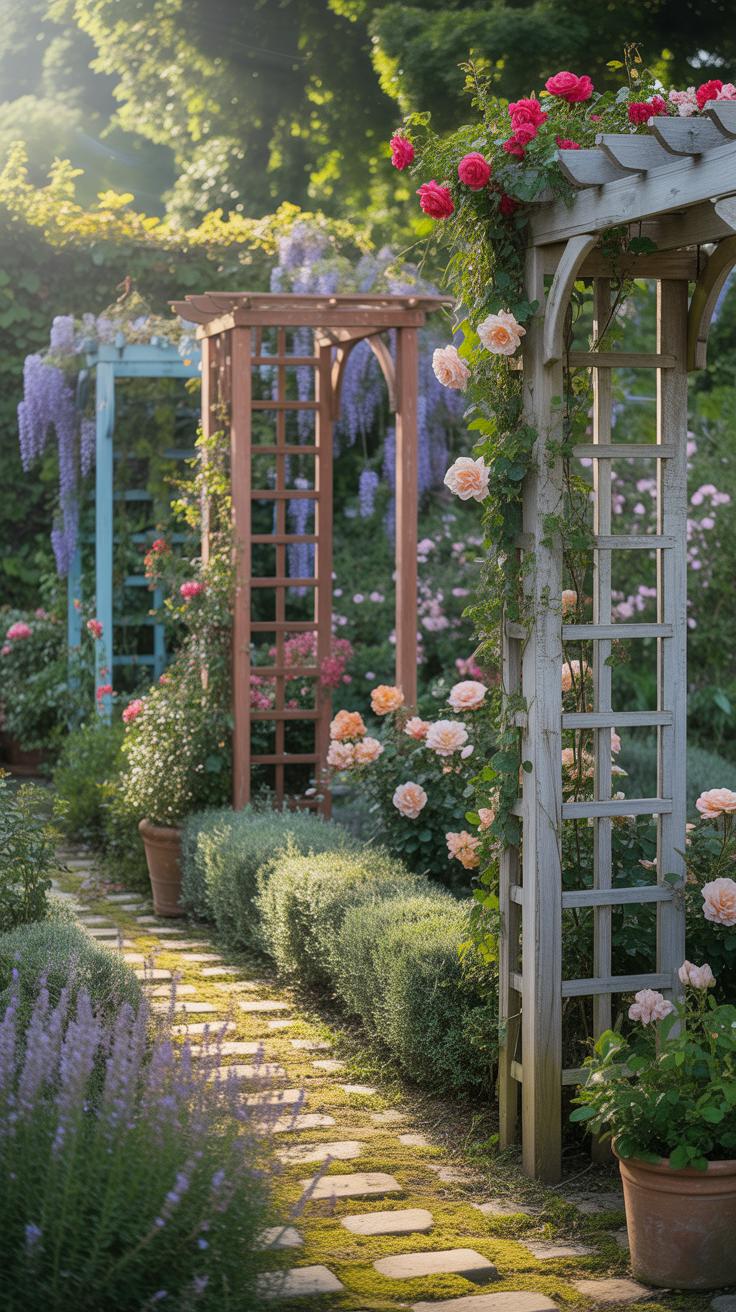
A trellis adds a deliberate architectural element to any outdoor space. It hides unsightly walls or fences by covering them with living greenery. These structures introduce height and depth to flat landscapes. Designers use trellises to create privacy screens or shaded areas without building solid walls. The clean lines of a trellis provide visual order even in wilder garden styles. This balance of function and form increases the overall value of the property.

Best Climbing Plants To Pair With Your Garden Trellis
Popular Flowering Climbing Plants For Vertical Garden Displays
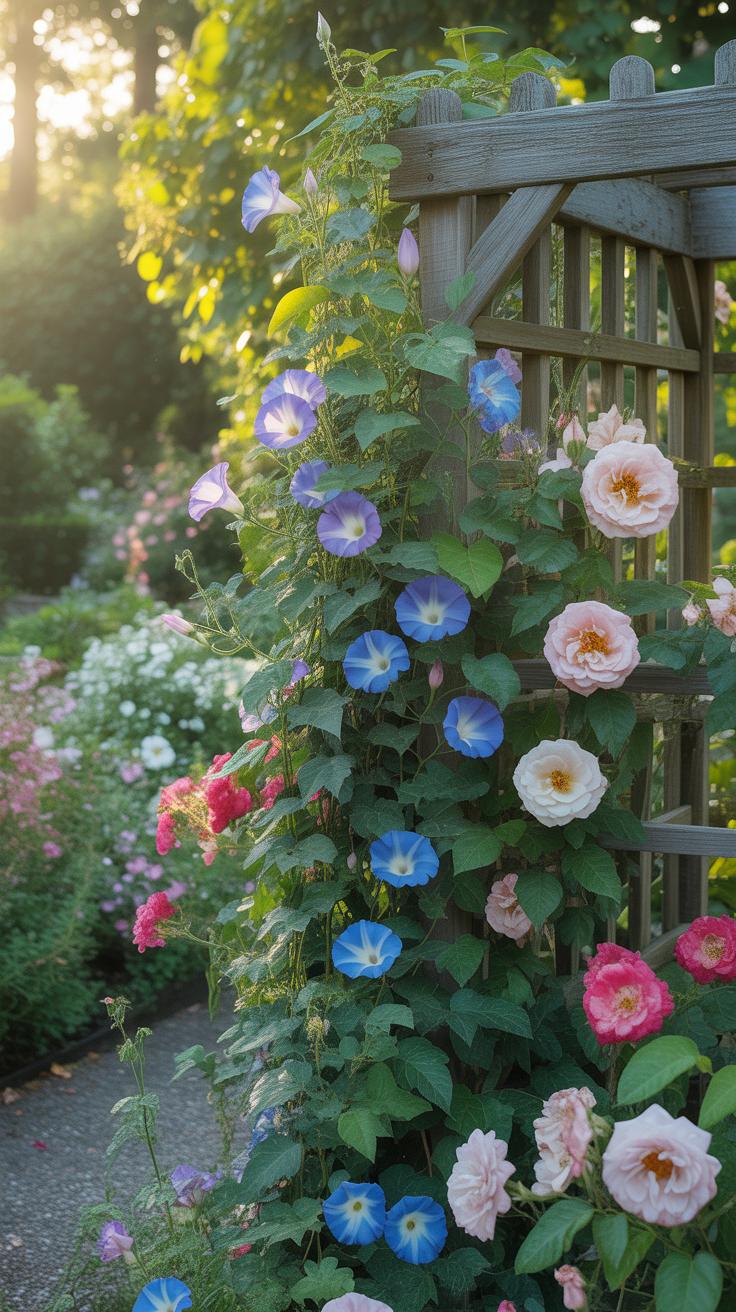
Clematis and climbing roses dominate vertical gardening for tactical reasons. Clematis uses petioles to twist around thin supports like wire or mesh. This plant requires a cool root zone and full sun on the foliage. Large flowered hybrids offer heavy bloom loads in spring. You must select the specific pruning group to ensure the plant continues to produce flowers on the correct wood type each year.
Wisteria and trumpet vine provide massive structural weight and require heavy duty timber trellises. These woody climbers use twining stems to grip supports. Wisteria can crush weak structures as it matures over decades. Trumpet vine attracts pollinators but spreads aggressively via underground runners. Homeowners must install these against detached structures or reinforced walls to prevent damage to siding. Regular pruning controls their rapid expansion and weight.
Edible Climbing Plants That Thrive On A Garden Trellis
Pole beans and peas maximize small garden footprints by growing upward. These annuals use tendrils to find and grip thin supports like twine or cattle panels. Pole beans produce higher yields per square foot than bush varieties. Harvest these crops frequently to ensure the plant continues producing fruit throughout the season. These plants add nitrogen back into the soil which improves the overall health of your garden bed.

Hardy kiwi and grapes require permanent trellis systems for long term production. These vines grow heavy with fruit and need horizontal support wires to manage the canopy. Proper spacing allows airflow which reduces the risk of fungal diseases like powdery mildew. You must prune these vines during the dormant winter season to maintain a manageable size. Strong vertical growth allows for easier harvesting and better sun exposure for ripening fruit.
How To Make A Wood Trellis From Scratch In Your Backyard
Choosing The Right Lumber And Materials For A Durable Wood Trellis
Wood selection dictates the lifespan of your garden structure. Softwoods like pine rot quickly when they touch wet soil. You must use species with natural tannins that resist decay and insects. These woods cost more upfront but prevent structural failure within three years. Avoid chemically treated wood for edible crops to prevent toxin leaching. Use stainless steel or galvanized fasteners to stop rust streaks.
- Western Red Cedar: This wood contains natural oils that repel bugs and fungi. It stays straight and resists warping in humid climates. It is the gold standard for outdoor garden projects due to its durability and light weight.
- Black Locust: Farmers have used this hardwood for fence posts for centuries. It is incredibly dense and resists rot better than almost any other North American species. Use this for heavy vines that require a permanent support system.
- Redwood: This material offers high stability and natural chemical resistance similar to cedar. It handles ground contact better than most softwoods. Ensure you source heartwood rather than sapwood to get the highest level of decay resistance for your trellis.
- Galvanized Screws: Standard steel screws will corrode and snap under the weight of wet plants. Galvanized or stainless steel hardware survives the elements without weakening. Quality fasteners ensure the joints remain tight during high winds and heavy harvests.
- Exterior Wood Glue: Mechanical fasteners alone often fail over time. A waterproof exterior glue adds a chemical bond to the joints. This prevents the wood from shifting or sagging as the seasons change and the plant weight increases.
Standard dimensional lumber works best for vertical posts. Use two by two or one by two strips for the interior grid. This sizing provides enough surface area for climbing tendrils to grip. Always inspect boards for large knots that create weak points. Thinner slats allow air to flow through the foliage. This reduces the risk of fungal diseases on your plants.
Step By Step Assembly Tips For A Sturdy Wooden Trellis Structure
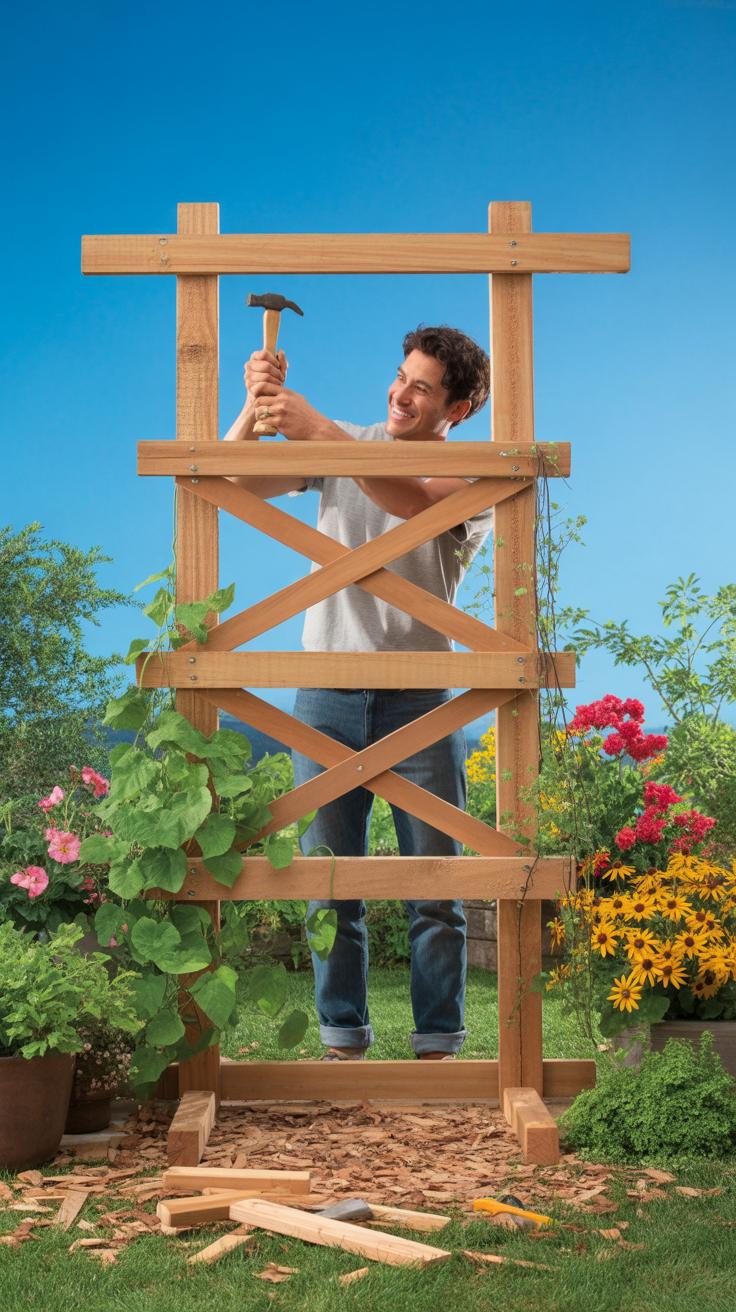
Layout your outer frame on a flat concrete surface before driving any screws. Squaring the frame is the most critical step for stability. Use a carpenter square to check every corner. Clamp the joints together to prevent the wood from walking while you drill. Pre-drill every hole to avoid splitting the grain near the ends of the boards. This creates a professional finish.

Secure the horizontal rungs to the vertical posts using a consistent spacing gap. Use a wooden spacer block to keep every opening identical without measuring each time. Drive screws through the back of the trellis for a cleaner look on the front side. Apply a UV-rated sealer to protect the wood fiber from sun damage. Anchor the base deep into the ground or attach it to a heavy planter.
Homemade Trellis Ideas Using Everyday And Recycled Materials
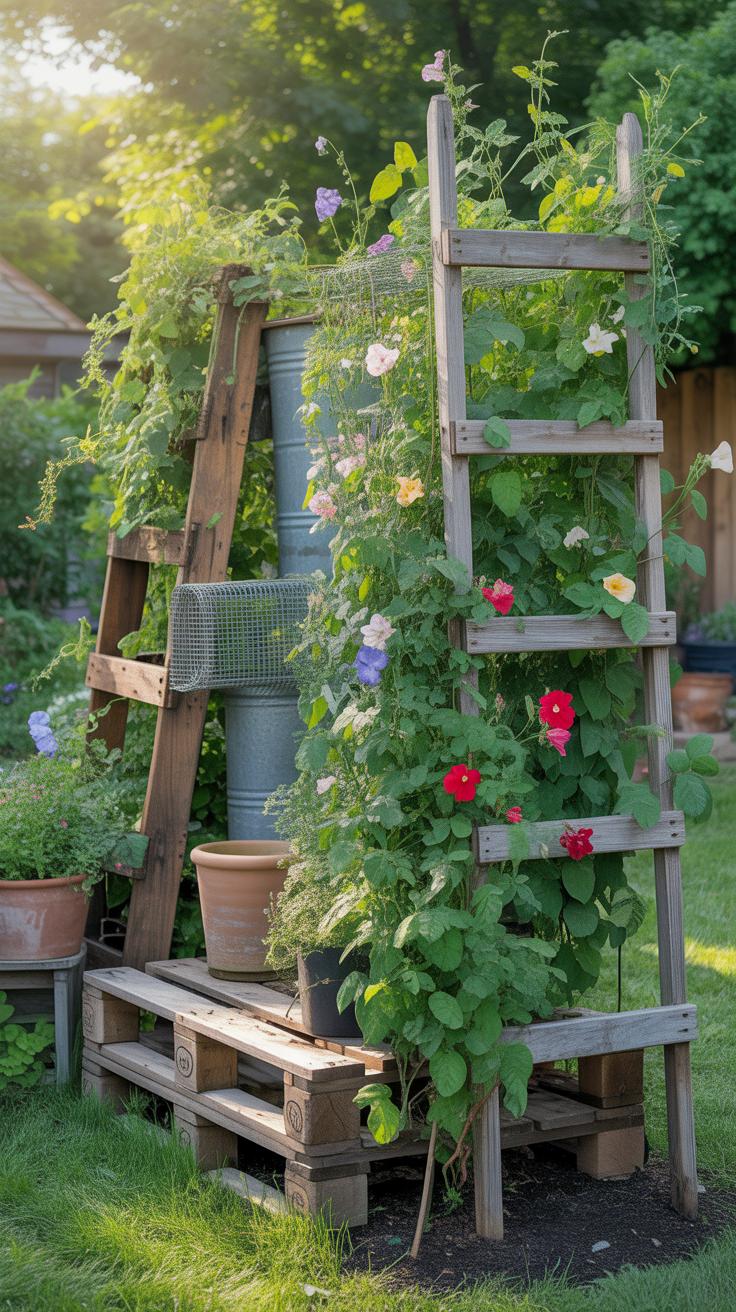
Repurposing Old Ladders, Pallets, And Fencing Into A Homemade Trellis
Old wooden step ladders provide immediate vertical structure without assembly. Lean the ladder against a wall or stand it up in open soil. The rungs act as built-in support beams for climbing vines like clematis or ivy. Wood resists heat better than metal. This protects tender plant stems from burning during peak summer hours. Repurposing these items keeps durable wood out of landfills.
Shipping pallets offer a rigid frame for heavy fruiting plants. Remove every second slat to increase airflow and light penetration. Lean the pallet at a forty-five degree angle for squash or cucumbers. This allows gravity to pull the fruit away from the foliage. Secure the base with stakes to prevent wind damage. Discarded chain-link fencing also works when zip-tied to a sturdy wooden perimeter.
A garden is a grand teacher, and even the humblest frame of wood and twine can lead a seedling toward the sun. There is a deep, quiet joy in building something simple that helps a living thing reach its full potential.
Budget Friendly Homemade Trellis Ideas That Look Professionally Made
Uniform materials create a high-end look on a low budget. Use copper plumbing pipes to build a geometric frame. Copper develops a natural green patina over time which blends with the garden. Connect the pipes using standard ninety-degree elbows and industrial glue. This creates a modern industrial aesthetic found in professional landscape designs. It provides a rigid skeleton for heavy wisteria or climbing roses.

Thin cedar lath strips allow for precise custom builds. Stake two vertical posts into the ground first. Nail the lath strips in a tight diamond pattern across the front. Painting the wood black or dark grey hides manufacturing flaws. It highlights the green foliage of your plants. This technique mimics expensive English garden joinery. Vertical lines guide the eye upward and make small garden spaces appear larger.
Wooden Trellis Designs That Add Natural Warmth To Your Garden
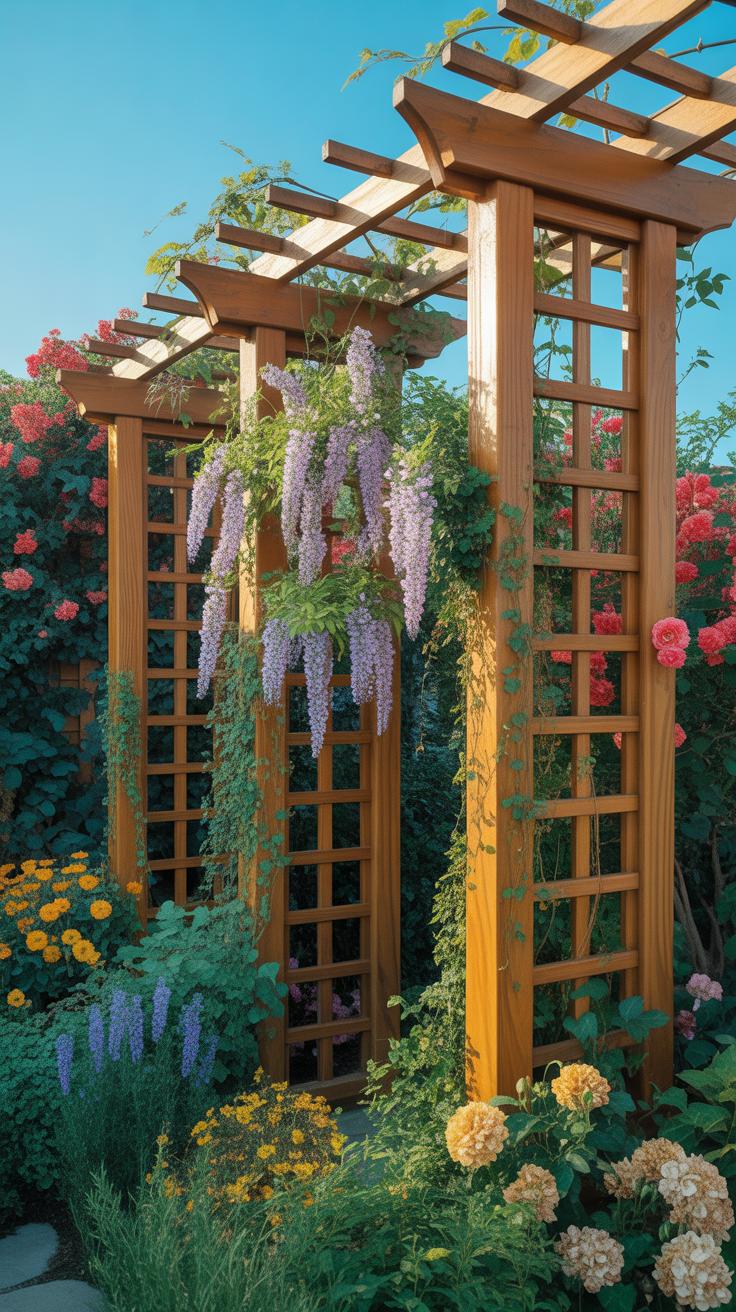
Classic Fan And Lattice Wooden Trellis Styles For Garden Beds
Fan trellises feature a radiating design that starts at a narrow base and widens at the top. This shape directs plant growth outward to maximize sunlight exposure. Use fan styles for individual shrubs or climbing roses against flat walls. The structure provides multiple anchor points for soft ties. Wood remains the standard material because it does not conduct heat like metal or plastic.
Lattice trellises use a crisscross pattern of thin wood strips. Standard diamond or square grids offer dense support for heavy vines like ivy or clematis. Builders fix these panels to fence posts or heavy frames to ensure stability under weight. These designs originated in formal European gardens to create privacy screens. They provide a high ratio of grip surface for plants that use tendrils to climb.
How To Treat And Maintain A Wooden Trellis For Long Term Outdoor Use
Raw wood rots quickly when it touches damp soil. Use pressure treated lumber or naturally resistant species like cedar or redwood to extend life. Apply a penetrating oil based stain every two years to block ultraviolet rays. Sun damage makes wood brittle and prone to snapping under heavy plant loads. Check for loose galvanized nails or screws after winter freezes to maintain structural integrity.
Keep the base of the trellis slightly above the ground level. Use metal post spikes or concrete footings to prevent direct contact with earth. Moisture wicking causes the lower sections of wood to decay first. Clean off old plant debris every fall to prevent fungal growth. Fungi thrive in trapped pockets of moisture between the plant and the wood. Proper airflow keeps the wood dry and strong.
Metal Trellis Options That Offer Strength And Modern Style
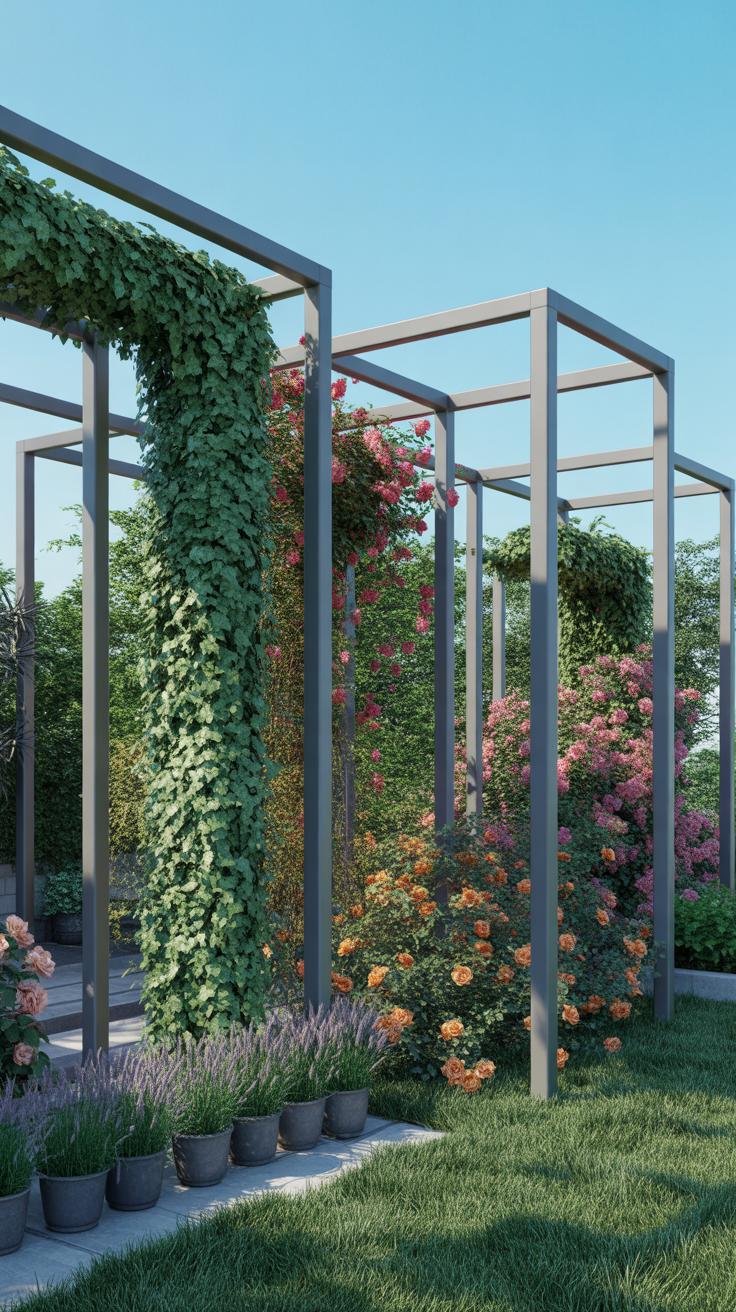
The Advantages Of Using A Metal Trellis In High Wind Or Heavy Vine Gardens
Metal provides unmatched structural integrity for vertical gardening. Unlike wood, steel and iron do not rot when exposed to constant moisture. Heavy vines like wisteria or grapes produce significant weight that crushes flimsy plastic frames. Metal resists these forces without bowing. It handles high wind loads because it has a slim profile. This profile allows air to pass through instead of acting like a solid sail.
Choose metal when you need a permanent solution for the landscape. You can anchor metal posts deep into the ground using concrete for maximum stability. This prevents the trellis from toppling during summer storms or winter gales. Galvanized coatings prevent rust and extend the life of the structure for decades. You save money over time because you do not have to replace decayed timber or broken plastic components.
Wrought Iron And Steel Metal Trellis Designs For Contemporary Outdoor Spaces
Modern garden design favors clean lines and industrial materials. Wrought iron offers a classic look that fits formal or minimalist styles. Black powder-coated finishes create a sharp contrast against green foliage. This aesthetic draws the eye to the architectural shape of the garden. Steel panels with laser-cut geometric patterns provide privacy while serving as art. These designs reflect the mid-century modern movement and focus on functional simplicity.

Precision engineering allows for thinner bars that maintain high load capacities. Use these slim frames to create a floating effect for your climbing plants. Stainless steel cables offer a hi-tech look for urban balconies or modern walls. These systems use tension to support vines without bulky hardware. By selecting raw or treated metals, you control the color palette of your space. This ensures the trellis complements the existing building architecture.
Unique Trellis Ideas That Go Beyond The Traditional Grid
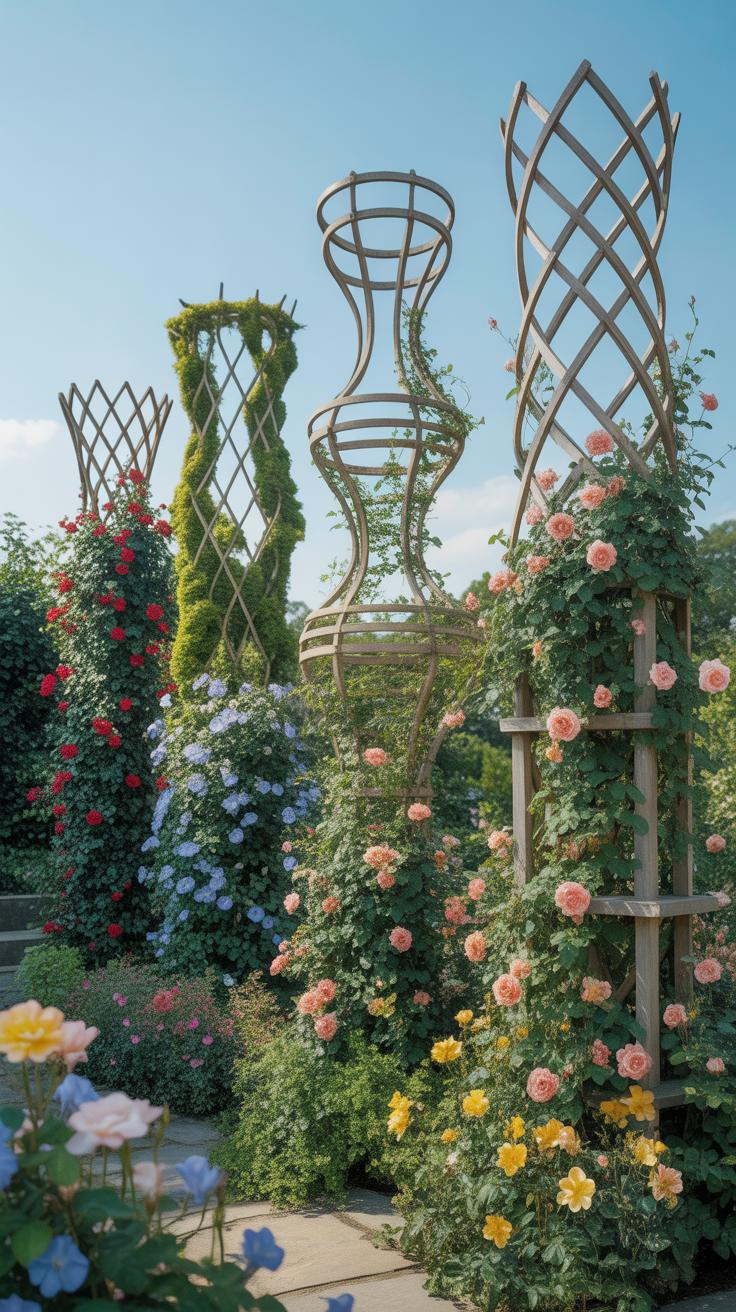
Geometric, Arched, And Sculptural Unique Trellis Ideas For Creative Gardeners
Geometric designs move away from simple squares to reinforce modern landscape aesthetics. Hexagonal patterns provide superior structural integrity for heavy vines like wisteria. These shapes distribute weight evenly across the frame. Metal rods welded into triangles create a rigid support system. These shapes prevent the trellis from sagging under tension. Clear lines force the eyes to move vertically through the garden space.
Arched structures utilize the Roman arch principle to support climbing plants over walkways. High tensile steel or rebar provides the required flex for these curves. Weld the joints for permanent stability. Sculptural forms act as focal points even during winter months when foliage dies back. Position these structures where they catch morning light. Use powder coated finishes to prevent rust and maintain a clean profile.
Using Bamboo, Rope, And Natural Materials For One Of A Kind Trellis Designs
Bamboo offers high tensile strength and remains a staple in Asian garden construction. Use cured poles to prevent cracking and pest infestation. Lash the joints with waxed twine using a square knot for maximum grip. This material resists rot better than untreated softwoods. Position the thickest poles at the base for a stable foundation. Bamboo works best for vertical climbing peas and beans.

Rope trellises provide a flexible and cheap solution for soft stemmed plants. Jute or sisal cord blends into the environment and decomposes naturally after the season. Fasten the rope to a sturdy wooden top rail. Space the vertical lines six inches apart to allow airflow. This method reduces fungal diseases on the leaves. Use a simple grid pattern to support lighter vines like morning glories or clematis.
Trellis Design Principles For Small Spaces Balconies And Raised Beds
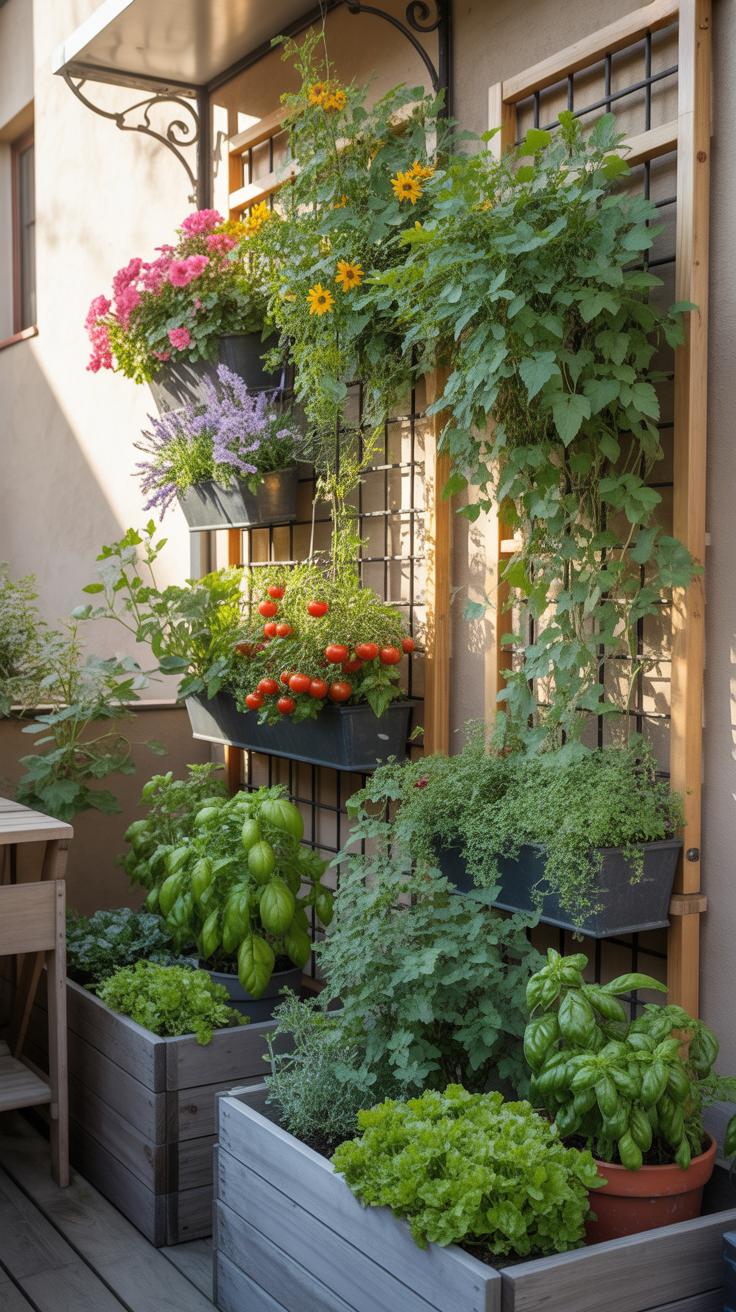
Vertical Trellis Design Strategies That Maximize Limited Garden Space
Vertical gardening shifts the growing plane from horizontal to vertical to save ground area. In small gardens, every square foot must produce high yield or aesthetic value. You must select plants that naturally climb or provide support systems that train stems upward. High density planting requires rigid structures to handle the weight of mature vines. Use narrow footprints to keep pathways clear and manageable.
Strategic placement against existing structures offers the most stability for heavy crops like squash or melons. Lean-to designs work well in raised beds to create a dual use of space. You can plant shade-loving crops beneath the trellis while sun-seekers climb the mesh. This tiered approach doubles your productivity without increasing the garden footprint. Ensure the structure faces south to capture maximum sunlight for all layers.
Freestanding Vs. Wall Mounted Trellis Design Options For Compact Gardens
Wall-mounted trellises utilize existing vertical surfaces like fences or brick walls. These systems save the most floor space and offer superior wind resistance. Use standoff spacers to allow air circulation between the wall and the foliage. This prevents fungal diseases and keeps the building material dry. Wire grid systems provide a clean look and support heavy climbers without bulky wooden frames.

Freestanding trellises like obelisks and A-frames offer more flexibility for crop rotation. You can move these structures annually to prevent soil depletion in raised beds. They provide structural interest and act as focal points in open garden layouts. Metal cattle panels formed into arches create a walk-through tunnel that maximizes overhead space. Choose these when your walls lack sunlight or structural integrity to hold heavy mounting hardware.
DIY Garden Trellis Ideas For Vegetables Fruits And Herbs
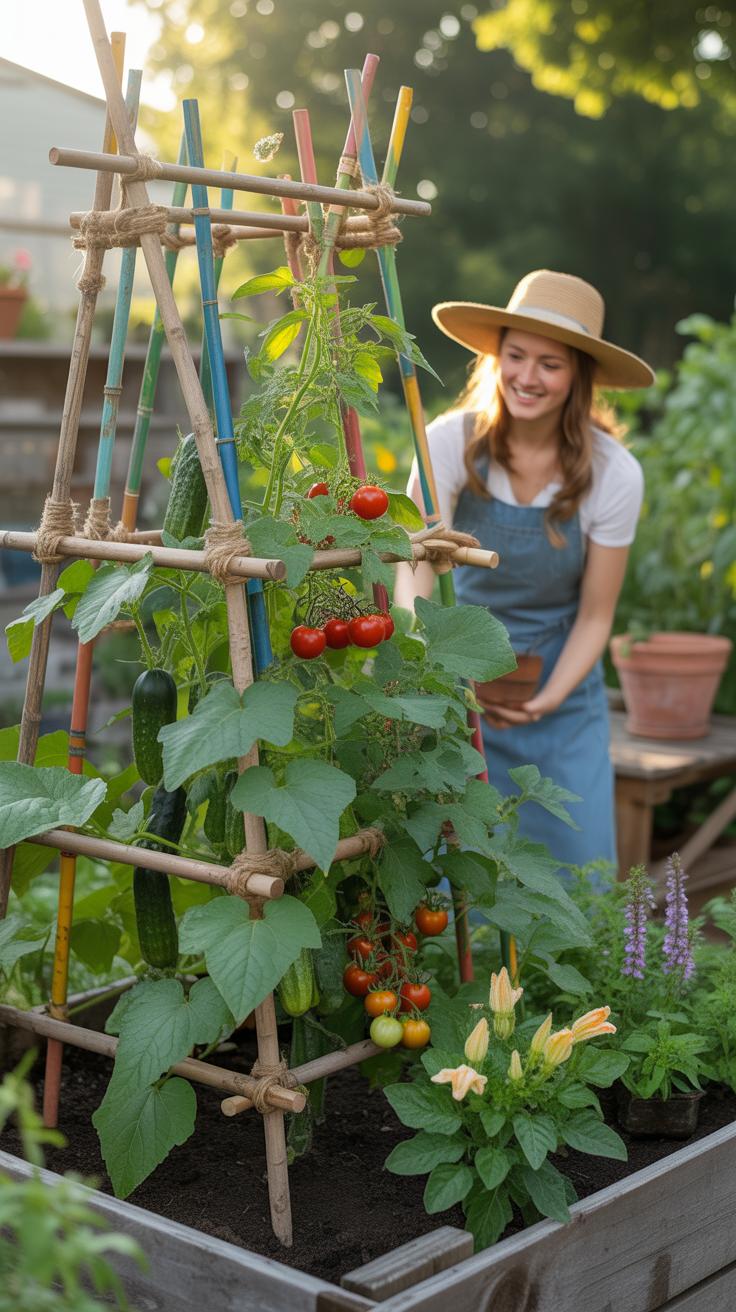
Building A Simple A Frame Or Teepee Trellis For Tomatoes And Cucumbers
Construct an A-frame trellis using two rectangular frames hinged at the top. Use cull lumber or cedar for durability. Lean the frames against each other to create a stable triangle. This shape supports heavy fruit like slicing cucumbers. It keeps the produce off the soil. This prevents rot and protects against ground pests. Air flows better through the center of the structure.
A teepee trellis requires three or more long poles tied securely at the summit. Use bamboo or sturdy saplings for a low cost option. Push the base of the poles six inches into the soil. This prevents the wind from toppling the unit. Wrap twine around the poles to create rungs. Indeterminate tomatoes grip these rungs and grow vertically. This saves significant garden floor space.
Training Squash, Beans, And Peas Up A DIY Garden Trellis For Better Yields
Vertical gardening increases sunlight exposure for dense foliage crops. You must guide the young vines toward the trellis early in the season. Use soft ties or garden twine to secure the main stems. Do not tie the knots too tight. The stems need room to expand as they mature. This practice reduces fungal diseases by keeping leaves dry and off the ground.
- Cattle Panels: Use heavy gauge galvanized steel panels for heavy squash. These panels do not sag under the weight of large winter varieties. Secure them to T-posts for a permanent and rigid vertical structure.
- Nylon Netting: String soft mesh netting between two vertical posts for peas. The fine tendrils of pea plants easily grip the thin fibers. This material is cheap and easy to store during the winter months.
- Twine Wraps: Vertical twine runs work best for pole beans. Fasten the string to a top rail and anchor it in the ground with stakes. Beans naturally spiral up the twine without much manual intervention or tying.
- Wire Fencing: Re-purpose old rolls of woven wire fencing for vining crops. The small openings provide multiple attachment points for climbing plants. This material lasts many seasons and handles the weight of climbing pumpkins or melons.
- Bamboo Stakes: Build a simple grid using bamboo and zip ties for lightweight herbs. This setup fits well in small raised beds or containers. It provides enough support for top-heavy plants like cilantro or dill in windy conditions.
Proper training improves harvest efficiency and fruit quality. You can see the produce clearly through the mesh or rungs. This prevents hidden vegetables from over-ripening on the vine. Pick crops regularly to encourage the plant to produce more. Vertical systems make it easier to spray for pests like aphids or beetles. Consistent maintenance ensures your trellis system remains stable throughout the entire growing season.
Tips For Choosing The Right Garden Trellis Ideas For Your Yard And Climate
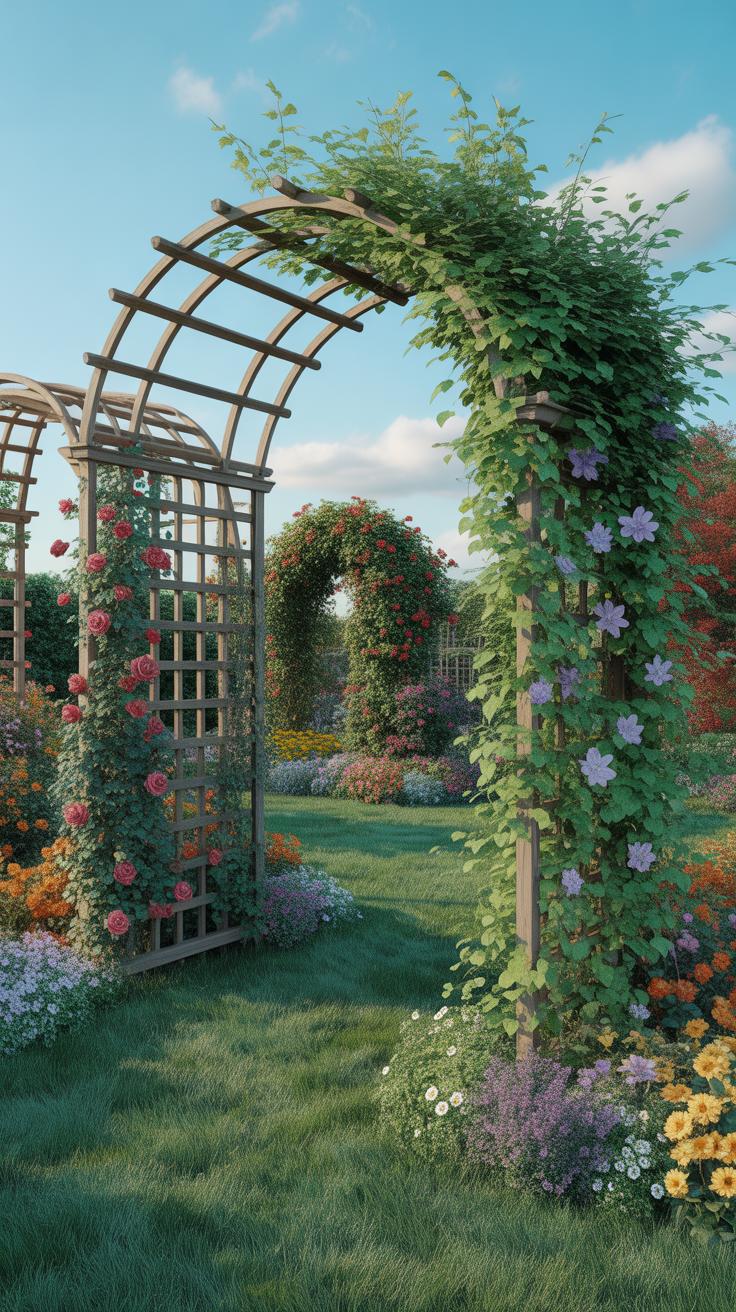
Matching Your Trellis Material To Your Local Weather Conditions
Regional weather dictates your material choice. High humidity environments destroy untreated softwoods through rot and fungal growth. Use cedar or redwood in damp climates because these woods contain natural tannins that resist decay. Metal options like powder-coated steel provide better longevity in wet areas. Avoid thin plastic in regions with high UV exposure. Solar radiation breaks down chemical bonds in cheap polymers and causes them to crack.
Arid climates require heat-resistant materials. Metal trellises can reach temperatures high enough to scorch delicate plant tendrils during peak summer. Use thick timber or light-colored composite materials in desert zones to keep plant contact points cool. Coastal areas demand high-grade stainless steel or thick resin to survive salt spray. Standard wrought iron will oxidize and fail within seasons if you live near the ocean. Choose wisely to avoid yearly replacements.
How To Anchor And Position A Trellis Safely For Seasons Of Growth
Stability depends on the wind load and the mature weight of your plants. A trellis acts like a sail during storms. You must sink vertical posts at least eighteen inches into the ground for basic support. Heavy woody vines like wisteria require concrete footings to prevent the structure from leaning over time. Use galvanized hardware to prevent rust from weakening the joints and causing a total structural collapse.
Positioning affects plant health and structural integrity. Place your trellis three to six inches away from walls to allow for air circulation. This gap prevents moisture trapped against your siding from causing rot and discourages pests. Ensure you align the structure to catch the prevailing sun without shading other critical crops. Proper orientation maximizes photosynthesis while the offset distance protects your home. Test the ground density before installation to ensure the soil can hold the weight.
Frequently Asked Questions

What are the best plants to grow on a basic garden trellis?
If you are new to vertical gardening, start with lightweight climbers that naturally cling to structures. Sweet peas, clematis, and morning glories are fantastic floral options that provide quick coverage. For those interested in edible crops, pole beans and cucumbers are perfect garden trellis ideas because they save significant ground space. These Hardy plants are forgiving for beginners and will quickly transform a simple frame into a lush, living wall of greenery.
How do I properly secure a trellis so it doesn’t fall over?
Stability is essential for supporting heavy vines. For a free-standing structure, drive wooden stakes or metal rebar at least 12 inches into the ground and lash the trellis to them using galvanized wire. If you are leaning a frame against a wall, use spacers to maintain air circulation while anchoring it with masonry screws. Implementing these sturdy garden trellis ideas ensures your vertical garden remains upright during summer storms and heavy harvest periods.
Can I build a functional garden trellis using recycled materials?
Absolutely! You can create beautiful vertical accents without spending a fortune by repurposing household items. Old wooden ladders, copper piping, or even fallen branches lashed together with twine make excellent rustic supports. Using leftover cattle panels or repurposed wooden pallets are popular low-cost garden trellis ideas that offer incredible durability. These DIY solutions are not only budget-friendly and accessible for any homeowner, but they also add a unique, eco-friendly charm to your landscape.