
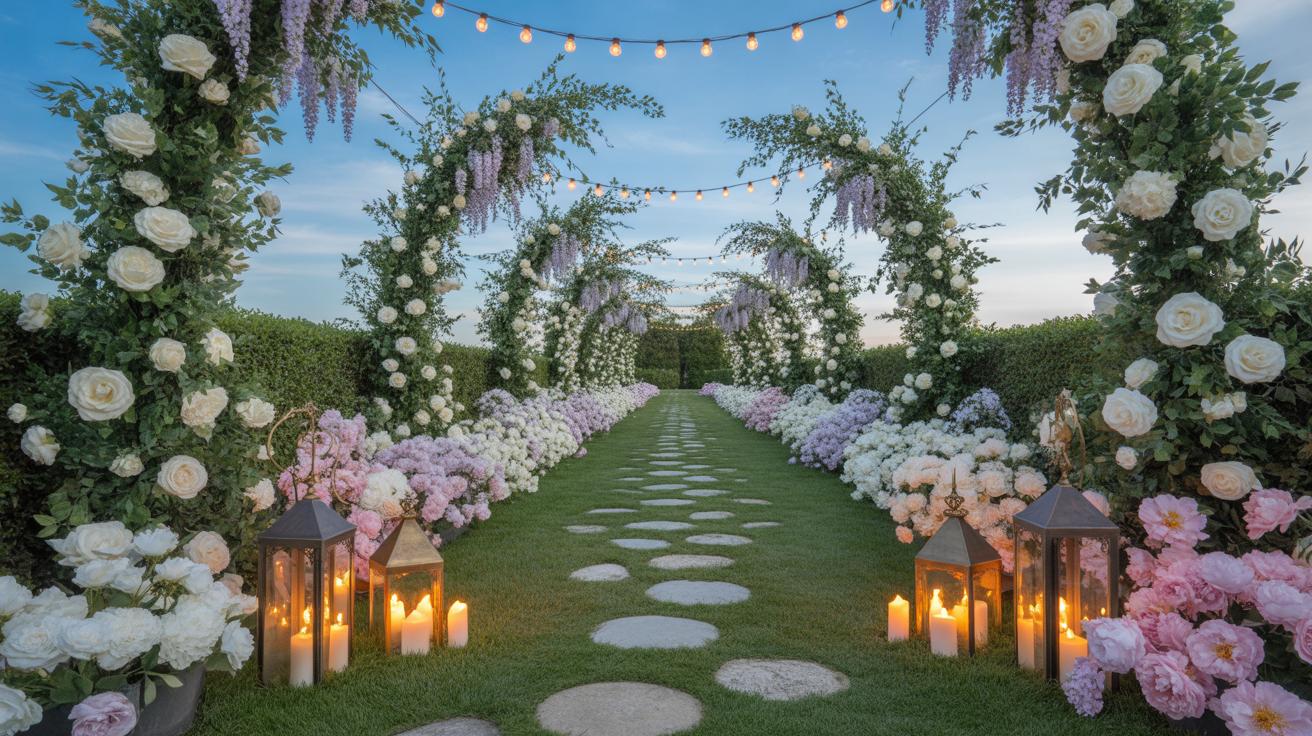
Why Garden Path Ideas Set The Tone For Special Occasions
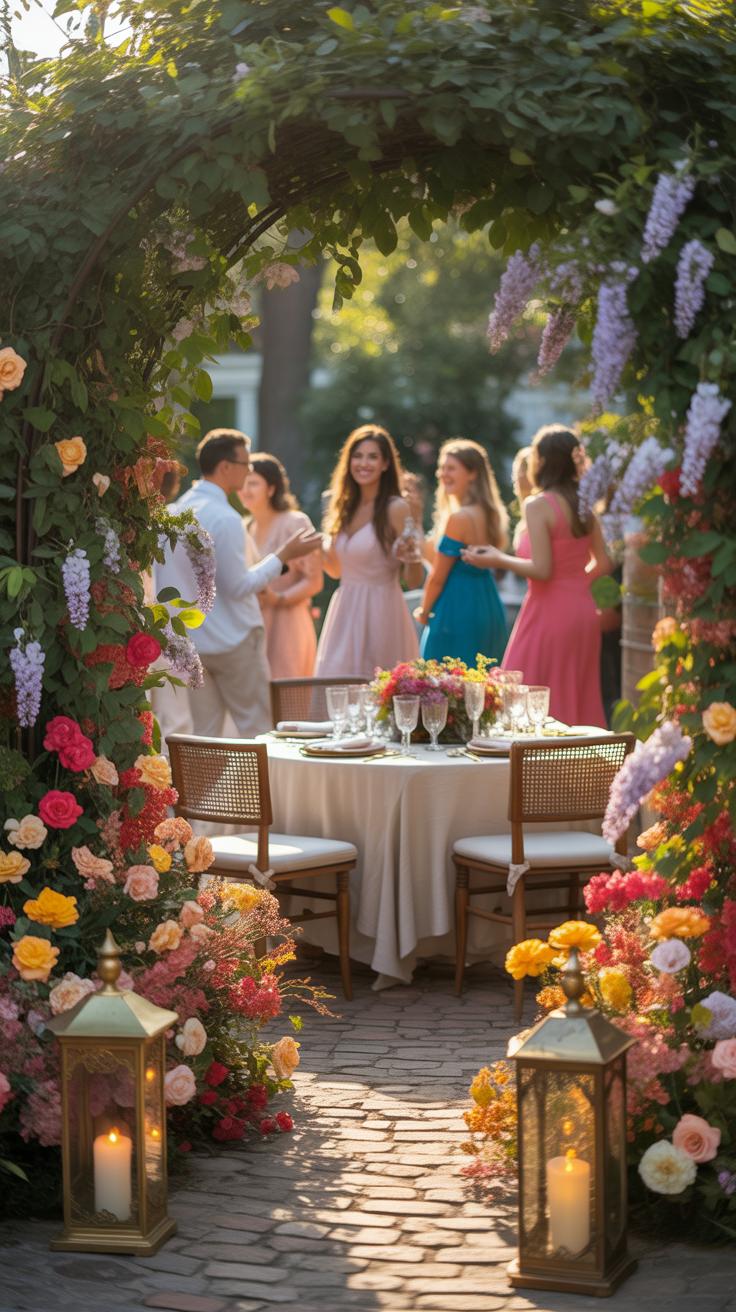
How A Well Designed Path Creates A Welcoming Atmosphere For Guests
A path functions as the first physical touchpoint for every guest. It transitions visitors from public spaces into a controlled environment. Strategic designers use materials like reclaimed brick or flagstone to signal the quality of the event. Proper width ensures easy movement for pairs or groups. Clean edges and flat surfaces prevent spills and falls. This structural clarity builds immediate trust between the host and the guest.
Psychologically, a path removes the guesswork of navigation. Guests feel comfortable when they see a defined route. Using light colored stone or gravel increases visibility during evening events without harsh electrical lighting. Historical designs often used wide promenades to encourage social pacing. This layout slows down the entrance experience. It forces guests to observe the landscape before they reach the main venue area.
The Role Of Garden Paths In Guiding Flow And Visual Interest Outdoors
Paths control the movement of people through a landscape. Landscape architects use lines to dictate where guests look and walk. Straight lines create speed and lead directly to focal points like altars or dining setups. Curved paths create a sense of discovery by hiding the destination. This technique is common in English landscape gardens. It manages crowd density by spreading guests across the available square footage.
Texture and material choice also drive visual interest without adding clutter. Mixing pea gravel with pavers provides auditory feedback as guests walk. This sound alerts others to movement and adds a sensory layer to the experience. Contrast between the path and the surrounding lawn highlights the garden’s layout. Efficient path placement prevents foot traffic from damaging turf. It keeps the event organized and preserves the property’s long-term value.

Simple Stone Walkway Designs That Elevate Any Garden Occasion
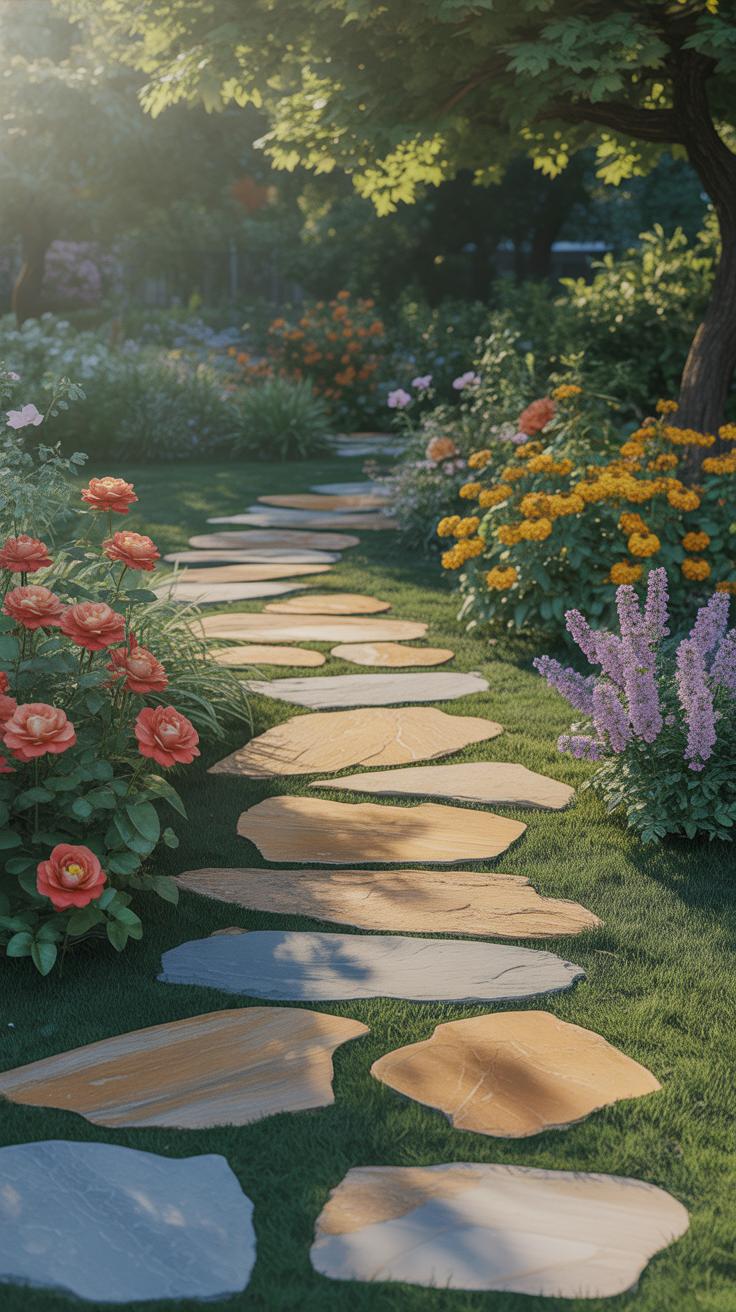
Choosing The Right Stone Materials For A Durable And Elegant Walkway
Select materials based on compressive strength and porosity. Flagstone remains the industry standard for high-end residential paths. It offers a flat surface and natural slip resistance. Bluestone provides a formal geometric look suitable for modern events. Granite offers the highest durability for heavy foot traffic. Limestone provides a lighter color palette but requires sealing to prevent staining from organic debris.
Assess the stone thickness before purchase to ensure structural integrity. Use stones at least two inches thick for sand-set applications. Thinner stones crack under uneven pressure. Local stone reduces shipping costs and matches the native regional geology. This creates a cohesive look with existing rock formations. Avoid polished finishes as they become dangerously slick when wet. Matte or thermal finishes provide necessary grip.
How To Lay A Simple Stone Walkway That Complements Your Garden Style
Excavate the path area to a depth of six inches. This depth allows for a four-inch sub-base of crushed gravel. Compact the gravel thoroughly to prevent future settling or shifting. Add one inch of leveling sand over the compacted base. This layer allows you to adjust the height of each stone. Use a rubber mallet to set stones firmly into the sand bed.

Maintain consistent joint widths to ensure a professional appearance. For a rustic look, use irregular flagstones with wide gaps for ground cover plants. For formal settings, use dimensional stone with tight, uniform joints. Fill the gaps with polymeric sand to lock the stones in place and stop weed growth. Proper drainage requires a slight slope away from building foundations. Check your levels frequently during the installation process.
DIY Walkways Pathways You Can Build Before Your Next Special Event
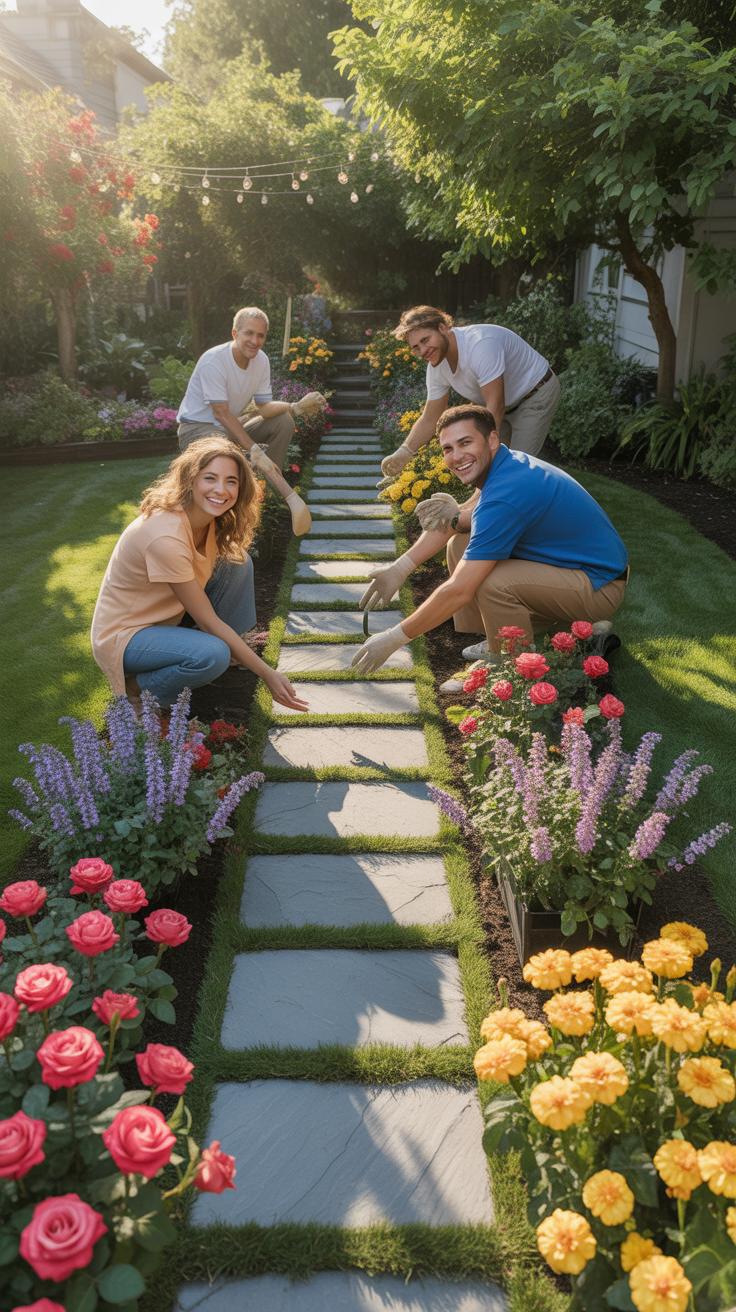
Budget Friendly Materials To Use When Planning Your DIY Garden Pathway
Building a functional path requires selecting high-utility materials that fit tight budgets. Strategic DIY Garden Path Ideas focus on bulk aggregates rather than custom masonry. These choices reduce lead times and labor costs for event-driven projects. You must prioritize stability and drainage when picking your base. Use heavy materials for high-traffic zones to prevent shifting. Porous options serve best for temporary setups.
- Pea Gravel: These small rounded stones provide quick coverage and excellent drainage. They are cheap to buy in bulk and easy to spread over uneven ground. Use a firm border to keep stones inside the designated walking path area.
- Wood Chips: This organic material offers a soft walking surface and looks natural in garden settings. It is often available for free from local arborists or at low cost from mulch suppliers. This material suppresses weeds while letting water pass through.
- Reclaimed Brick: Salvaged bricks provide a classic aesthetic without the high cost of new pavers. Sourcing these from demolition sites or local classifieds saves money. Lay them in sand to create a durable, level surface for guests to use.
- Decomposed Granite: This material packs down into a hard, nearly solid surface that resists erosion. It provides the stability of concrete with the price of loose stone. It works perfectly for paths that need to support heavy foot traffic or chairs.
- Concrete Pavers: Pre-cast stones are affordable and widely available at hardware stores. They offer a uniform look and are easy to install in a grit base. You can space them out with ground cover between them to save on total units.
Compare the unit price against the area total to avoid overspending. Loose fill materials like gravel require a containment edge to maintain the path shape. Rigid materials like bricks need a deeper sand bed for leveling. Finalize your choice based on the shoes your guests will wear. Heels sink into loose stone but work on packed granite or flat pavers.
Step By Step Tips For Preparing The Ground Before Installing A DIY Pathway
Proper ground preparation prevents the path from sinking or shifting during your event. Start by marking the route with stakes and string to visualize the flow. Remove all grass and organic matter from the area to reach firm soil. Dig down at least four inches to make room for your base layers. Level the bottom of the trench with a heavy metal rake.

Compact the soil using a hand tamper or a rented plate compactor. Add a layer of landscape fabric to block weeds and keep your materials from mixing with dirt. Pour two inches of crushed stone or coarse sand as a leveling agent. Smooth this layer with a straight board to ensure a flat finish. A solid foundation ensures your pathway remains safe for every guest.
Simple Garden Path Ideas That Work For Weddings And Outdoor Parties
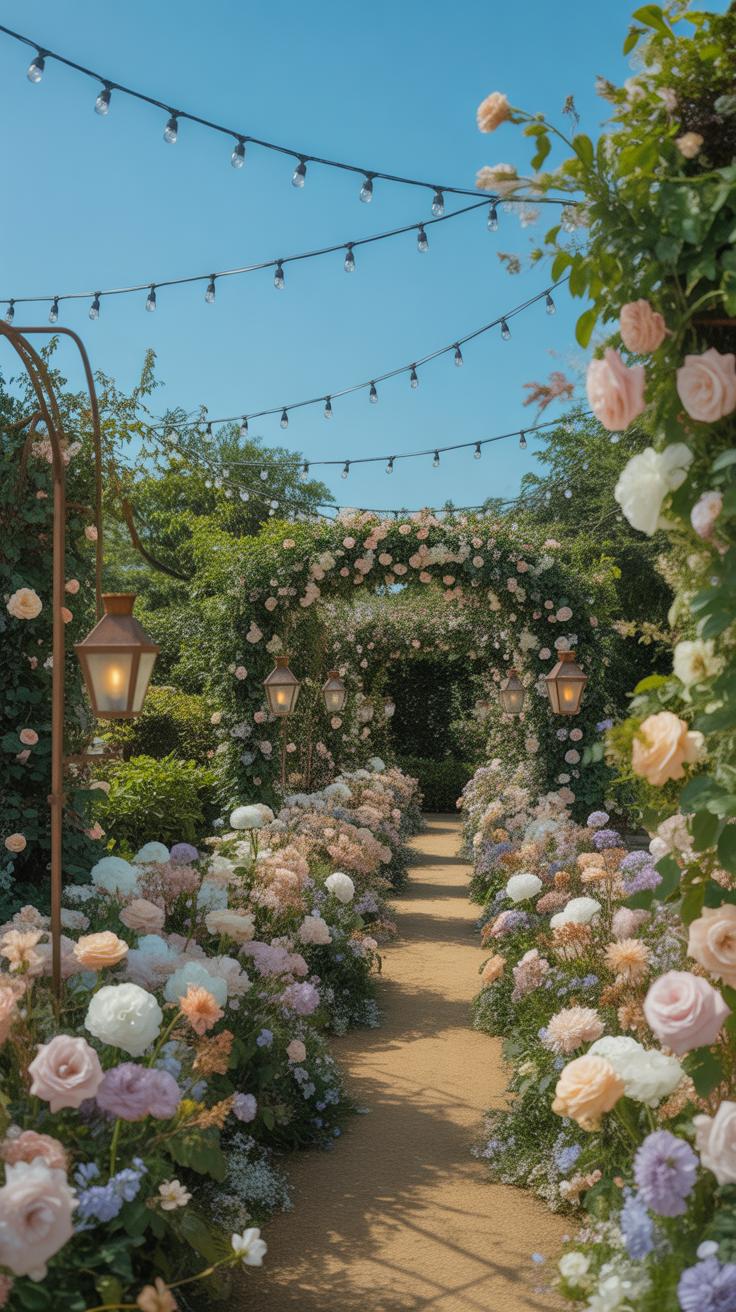
Using Gravel, Mulch, And Pavers To Create Charming Low Cost Garden Paths
Gravel offers a fast and functional solution for temporary event traffic. It provides a stable surface for guests in formal footwear. Select crushed stone or pea gravel for the best compaction. These materials drain water quickly and prevent mud during rain. Use a landscape fabric base to stop weeds from pushing through the path. This keeps the walkway clean for the entire ceremony.
Mulch and wood chips provide a soft texture for casual outdoor settings. These organic materials suppress weeds and retain soil moisture. They work well for winding paths through wooded areas or rustic venues. Concrete pavers offer a more permanent feel without high costs. Set them into the ground to create a flat walking surface. Proper spacing ensures the ground remains permeable and prevents water pooling.
How To Dress Up Simple Garden Paths With Lighting And Seasonal Flowers
Lighting identifies the path edge and improves visitor safety after dark. Solar stakes and low voltage LED fixtures provide consistent light without complex wiring. Place lights at regular intervals to guide the flow of movement. Hurricane lanterns and glass jars offer a classic look for evening events. Consistent light levels prevent trips and falls on uneven terrain. Position lights low to minimize glare for guests.

Border plants define the path and add immediate color. Use seasonal flowers like marigolds or petunias to line the walkway. These plants grow quickly and fill gaps between pavers or stones. Mass planting creates a strong visual impact for photography. Choose hardy species that tolerate occasional foot traffic near the edges. Fresh mulch around the base of these plants creates a polished and professional finish.
Garden Stepping Stone Ideas To Add Character And Charm To Your Path
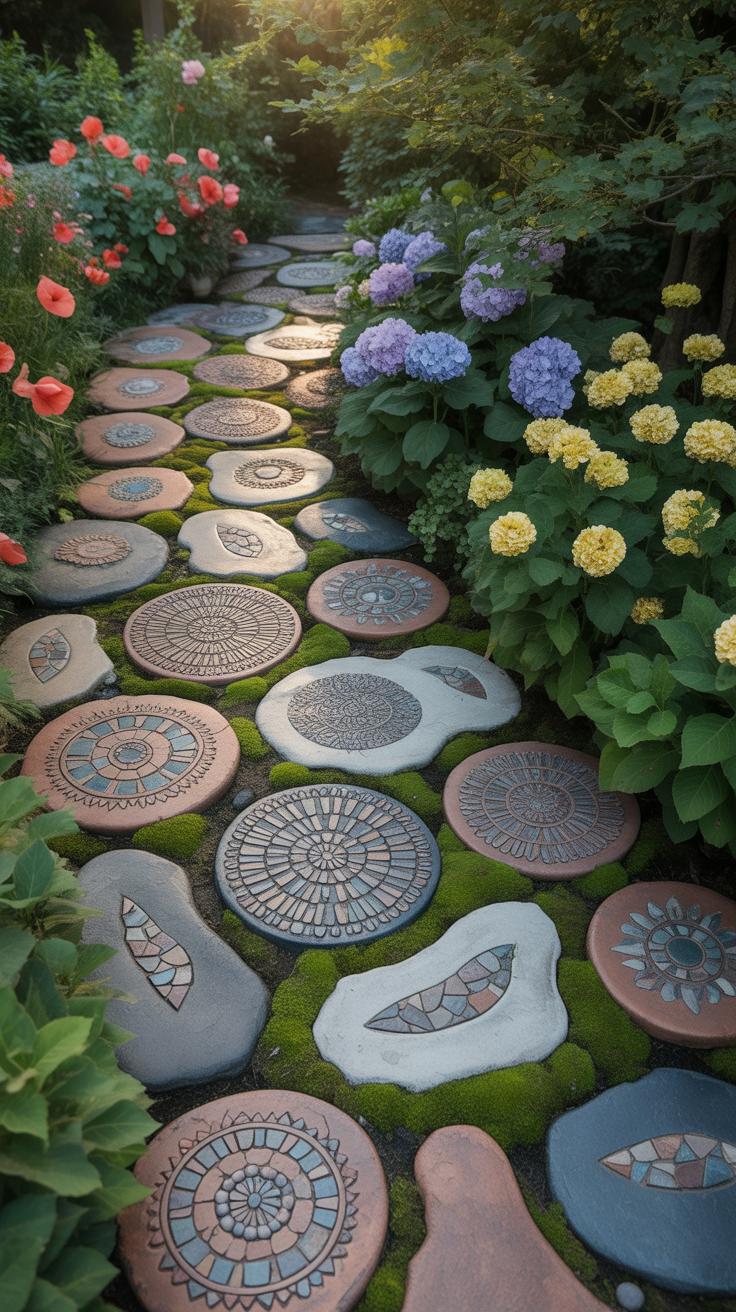
Decorative Stepping Stone Styles That Suit Formal And Informal Garden Settings
Formal gardens require geometric precision and high-grade materials. Use sawn sandstone or granite slabs for these layouts. These materials offer clean edges and smooth surfaces. They mirror the structure of French and Italian classical designs. Square or rectangular shapes establish a clear rhythm along the walkway. Use consistent sizing to maintain balance. This approach directs the eye toward a specific focal point or architectural feature.
Informal settings benefit from irregular shapes and varied textures. Use flagstone or fieldstone with natural cleft faces. These choices reflect the English Cottage movement. They blend into the surrounding landscape rather than dominating it. Weathered edges create an aged appearance. This style works best for winding paths through wooded areas or perennial beds. Select local stone to ensure the color palette matches the regional environment and existing soil tones.
Every garden path laid for a celebration is a journey through your own story, leading the heart home through a mosaic of memories. Let your steps wander where beauty has bloom, for a garden represents the soul’s most creative invitation.
Spacing And Placement Techniques For Safe And Visually Pleasing Stepping Stones
Professional installers measure the average human gait before placing stones. Standard spacing follows a center to center distance of twenty to twenty four inches. This ensures most adults can walk without breaking their natural stride. Always sink stones so they sit flush with the surrounding ground level. This prevents trip hazards and allows lawn mowers to pass over them. Stability is the primary goal for long term safety.

Dig a hole twice as deep as the stone thickness. Fill the base with compacted gravel and a thin layer of sand. This foundation prevents the stone from shifting or rocking under weight. Use a spirit level to ensure the surface is flat but slightly sloped for drainage. Fill the gaps with ground cover plants or decorative pea gravel. These materials lock the stones in place while providing a finished look.
Creative Walkways To Backyard Spaces For Memorable Outdoor Gatherings
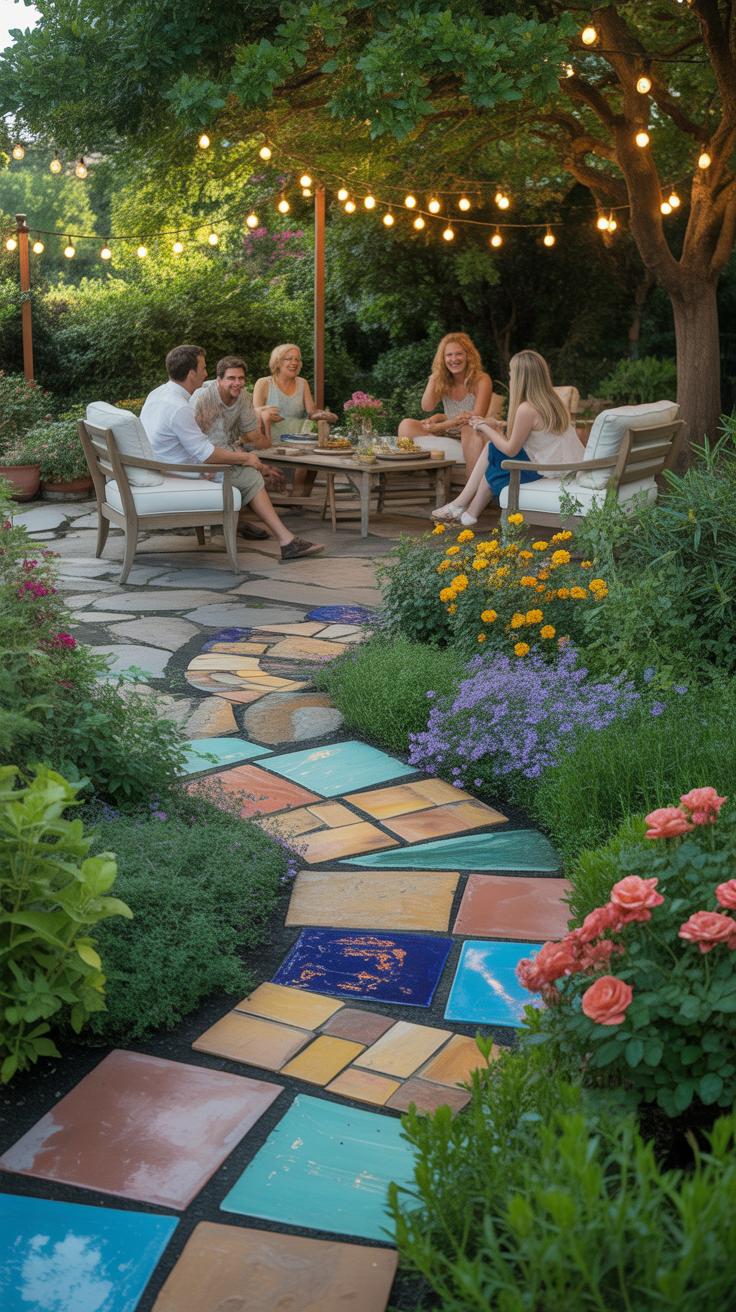
Designing A Backyard Pathway That Connects Entertaining Zones Seamlessly
Successful backyard layouts prioritize flow between the patio, grill, and seating areas. Use wide paths to accommodate two people walking side by side. Standard residential paths require at least 36 inches of width. For high-traffic events, increase this to 48 inches. This prevents bottlenecks during large parties. Straight lines offer the fastest route. Curved paths slow down movement and encourage guests to linger.
Choose materials that match the elevation of your entertaining zones. Flush transitions prevent tripping hazards for guests wearing dress shoes. Large pavers or flagstones provide a stable surface for heavy foot traffic. Use a crushed stone base to ensure the path remains level over time. Proper drainage prevents water from pooling on the walkway. This keeps the path usable during rain or after cleaning the deck.
Adding Borders And Edging To Define Walkways Leading To Your Backyard
Borders provide physical and visual structure to a path. They contain loose materials like gravel or wood chips. Rigid edging prevents grass from creeping into the walkway. Steel edging offers a minimalist look and high durability. Brick or stone borders create a traditional aesthetic. These materials also protect nearby plants from being crushed by guests. Proper edging keeps the path tidy during high-use events.

Strong edges guide the eye toward the destination. Use contrasting colors to make the path stand out at night. For example, dark slate borders against light limestone pavers improve visibility. Install the edging deep enough to block root growth. This reduces maintenance and keeps the transition sharp. Permanent borders increase the lifespan of your garden path. They secure the pavers and prevent shifting under the weight of furniture or crowds.
How To Create A Relaxing Garden Path For Intimate And Peaceful Events
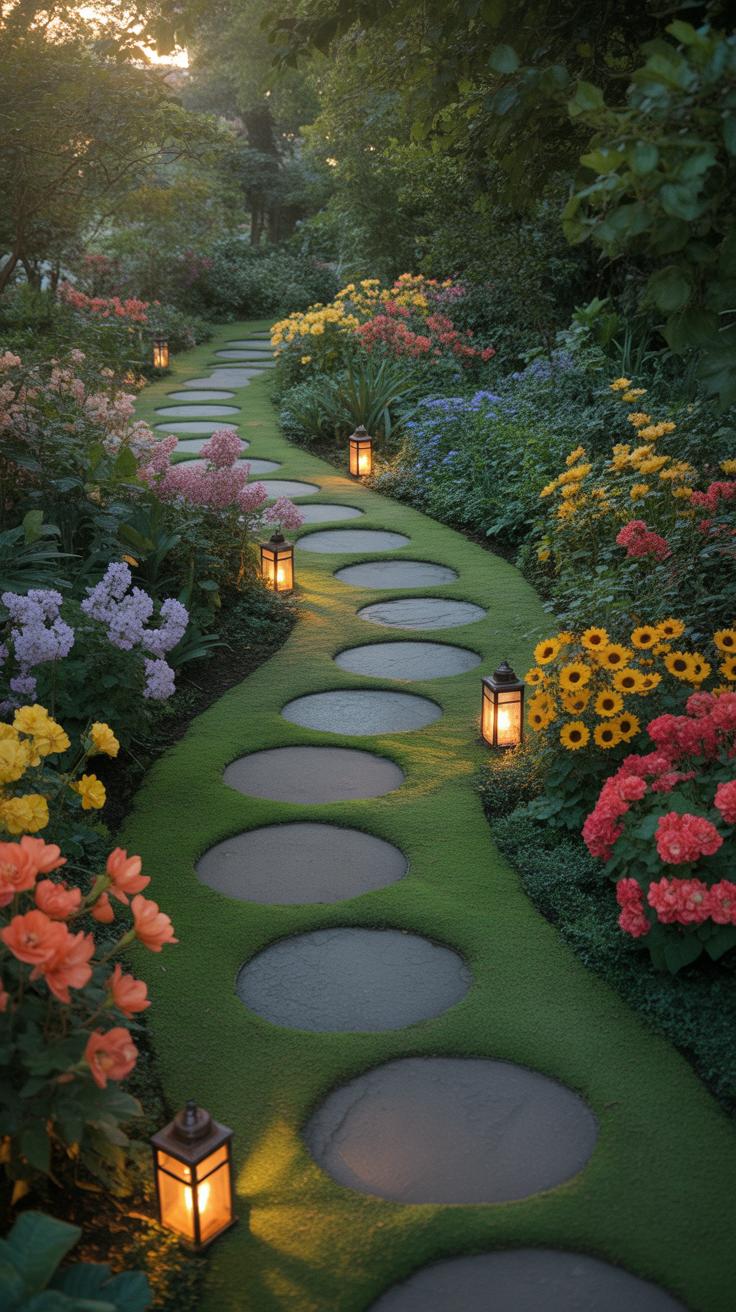
Incorporating Soft Planting, Fragrant Herbs, And Ground Cover Along Your Path
Soft planting creates a sensory buffer between the path and the rest of the garden. Use low-growing ground covers like creeping thyme or chamomile between pavers. These plants release scents when feet brush against them. This technique turns a standard walk into a sensory experience. Ensure you choose plants that tolerate light foot traffic. Dense greenery absorbs sound and reduces echoes during quiet events.
Fragrant herbs serve a tactical purpose beyond aesthetics. Plant lavender or rosemary at knee height along the path edges. These species provide structural borders and natural aromatherapy. Use silver-foliage plants to reflect moonlight during evening gatherings. This strategy improves visibility without harsh artificial lighting. Position these plants in clusters to create pockets of intense fragrance. Consistent pruning keeps the walkway clear and maintains plant health.
Using Curves, Arches, And Natural Features To Enhance A Relaxing Garden Path
Curves dictate the pace of movement. Straight lines encourage speed and direct transit. Curved paths force the brain to slow down and focus on the immediate surroundings. This design choice mimics natural animal tracks and water flow. Use the English Landscape Movement style by hiding the end of the path from view. This creates a sense of seclusion and privacy for guests.
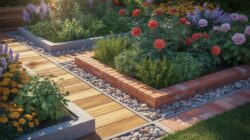
Arches and natural features define specific zones within the garden. Place a timber or metal archway over the path to signal a transition into a quiet area. Incorporate existing trees or large rocks into the path layout. Do not move large natural boulders. Instead, divert the path around them to integrate the landscape. This approach preserves the soil structure and adds authentic character to the transition space.
Contemporary Garden Design Pathways That Impress At Modern Celebrations
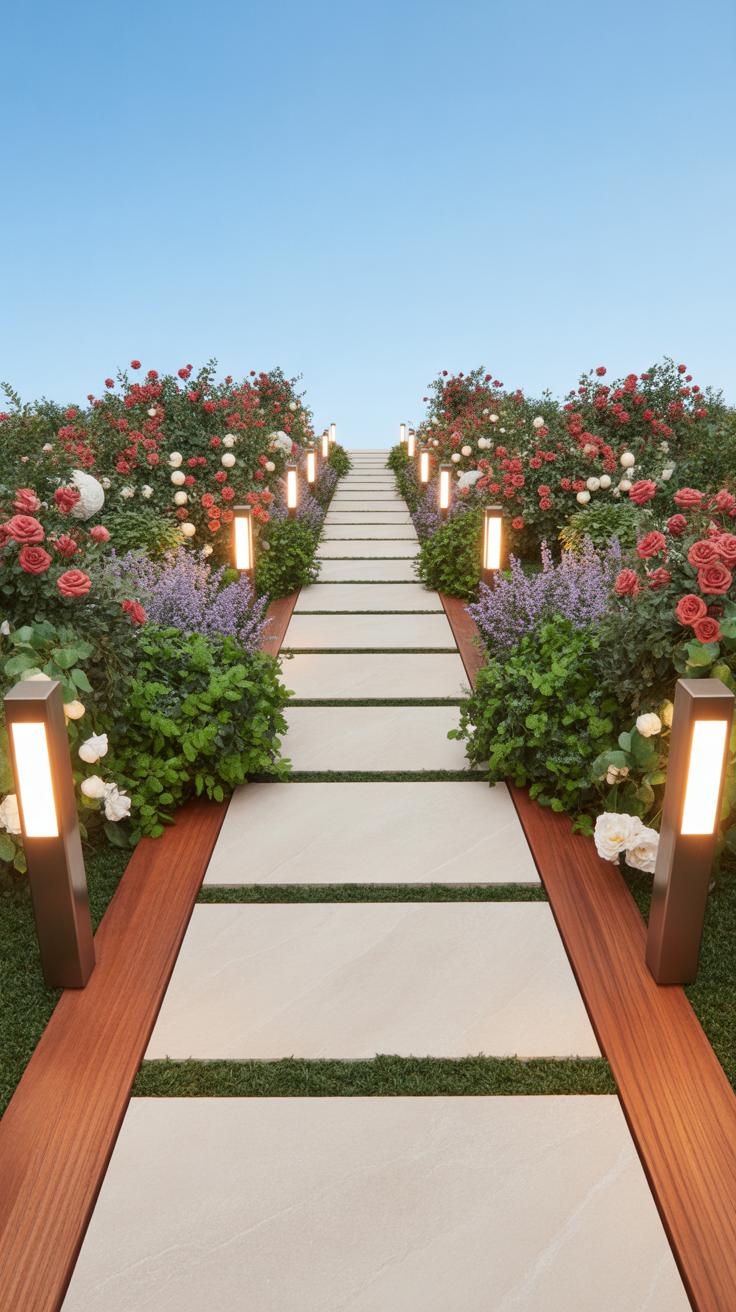
Sleek Materials Like Concrete, Resin, And Composite Pavers For Modern Garden Paths
Modern events demand clean lines and high durability. Poured concrete provides a seamless surface that prevents guests from tripping. You can finish it with a smooth trowel or a light broom texture for slip resistance. Precast concrete pavers offer a geometric look that fits formal gatherings. These materials handle heavy foot traffic without shifting. They provide a neutral backdrop for high-end outdoor furniture.
Resin-bound gravel offers a porous yet solid surface for garden celebrations. It combines natural stone with a clear binder to create a flat finish. This prevents loose stones from getting stuck in footwear. Composite pavers use recycled plastics and wood fibers to resist stains from food and drinks. These materials require very little maintenance before a party. They stay level and keep their color under harsh sun.
How Minimalist Landscaping Principles Apply To Contemporary Garden Path Design
Minimalism focuses on the essential elements of the path. Use a limited color palette to keep the focus on the event. Straight lines and 90-degree angles create a sense of order. This layout helps direct the flow of guests toward specific areas like a bar or stage. Every edge must be sharp and defined. Use steel or aluminum edging to keep grass from encroaching.

Negative space plays a vital role in modern path design. Leave large gaps between pavers and fill them with dark river rocks or ground cover. This creates a rhythmic pattern that looks like art. Avoid cluttering the path edges with too many plants. Choose one or two species for a uniform look. This strategic simplicity creates a high-end atmosphere. It makes the garden feel larger and more professional.
Natural Pathway Ideas And Landscaping Pathways Using Organic Materials
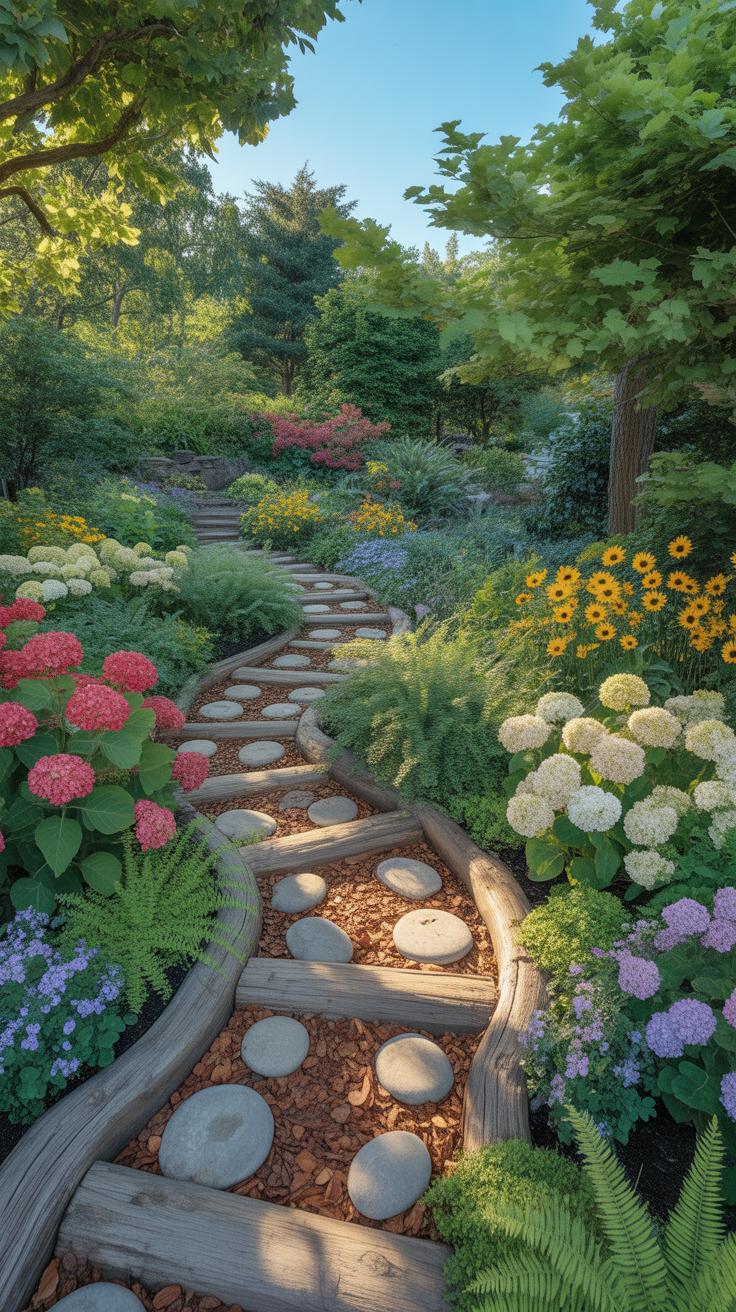
Bark Chips, Pea Gravel, And Moss As Eco Friendly Natural Pathway Materials
Bark chips and pea gravel provide immediate drainage and stabilize soil. These materials are cost-effective and easy to install over level ground. Use a landscape fabric base to prevent weed growth and keep the materials from sinking into the earth. Bark creates a soft walking surface. Gravel offers a firm footing and clear sound when people walk on it.
Moss serves as a living mulch for shaded areas with high moisture. It prevents soil erosion and requires no mowing or chemical fertilizers. Select regional moss species to ensure survival and low maintenance. Combine moss with flat stepping stones to protect the plants from heavy foot traffic. These organic materials return nutrients to the soil as they break down over several years.
How To Blend Natural Landscaping Pathways Into Existing Garden Ecosystems
Effective pathway design follows the natural contours of the land to minimize soil disruption. Use local materials to maintain chemical balance in the soil. Heavy machinery compacts the earth and kills beneficial microorganisms. Hand-tool installation preserves the root systems of existing trees and shrubs. Observe water runoff patterns before placing any materials to avoid creating unwanted dams or pools.
- Locally Sourced Mulch: Use wood chips from native tree species to avoid introducing invasive pests or fungi. Local mulch matches the color of the existing landscape and supports native insect populations during the winter months.
- Permeable Edging: Install fallen branches or untreated cedar logs to define path borders. These natural barriers allow water to pass through freely. They provide essential habitats for beneficial beetles and other garden predators.
- Strategic Grade Changes: Build timber steps or use large flat rocks to manage slopes. Proper grading prevents topsoil washout during heavy rain. This method keeps the path stable while protecting the lower garden levels from silt buildup.
- Interplanting Techniques: Grow low-growing herbs like thyme or chamomile between stone gaps. These plants tolerate light foot traffic and release pleasant scents when stepped on. They outcompete weeds and reduce the need for manual weeding or herbicides.
- Natural Light Analysis: Place paths in areas that receive sufficient air circulation to prevent mold growth on organic materials. Proper light exposure ensures that moss and groundcovers stay healthy. This step reduces the frequency of material replacement.
Integrating pathways requires a minimalist approach to hardscaping. Avoid concrete or asphalt which traps heat and stops water from reaching roots. Instead, use organic layers that mimic the forest floor. This approach supports a healthy water cycle and encourages earthworm activity. Renew the top layer of organic material every two seasons to maintain the structural integrity and appearance of the walk.
Frequently Asked Questions

What are some simple ways to decorate a garden path for an outdoor party?
If you are looking for beginner-friendly garden path ideas, start with lighting and greenery. Lining your walkway with solar-powered lanterns or battery-operated LED candles creates an instant celebratory glow. For a whimsical touch, place small potted flowers or glass jars filled with wildflowers along the edges. These simple additions define the space beautifully without requiring permanent renovations, making your garden entrance feel welcoming and intentional for arriving guests.
How do I make a garden path safe to walk on at night for evening events?
Beyond decorative lighting, focus on functional safety by using solar path lights spaced evenly along both edges of the walkway to clearly define the route. Choose warm white LEDs rather than colored lights for better visibility. For uneven surfaces, adding a few extra lights at any steps or transitions helps guests navigate confidently after dark.
What garden path materials work best for a temporary event setup?
For a one-time occasion, avoid permanent materials like poured concrete or pavers and instead use interlocking foam mats, outdoor-rated rugs, or a simple layer of mulch or wood chips over grass. These options protect the lawn from heavy foot traffic and can be rolled up or raked away afterward, making cleanup fast and keeping the garden intact for everyday use.