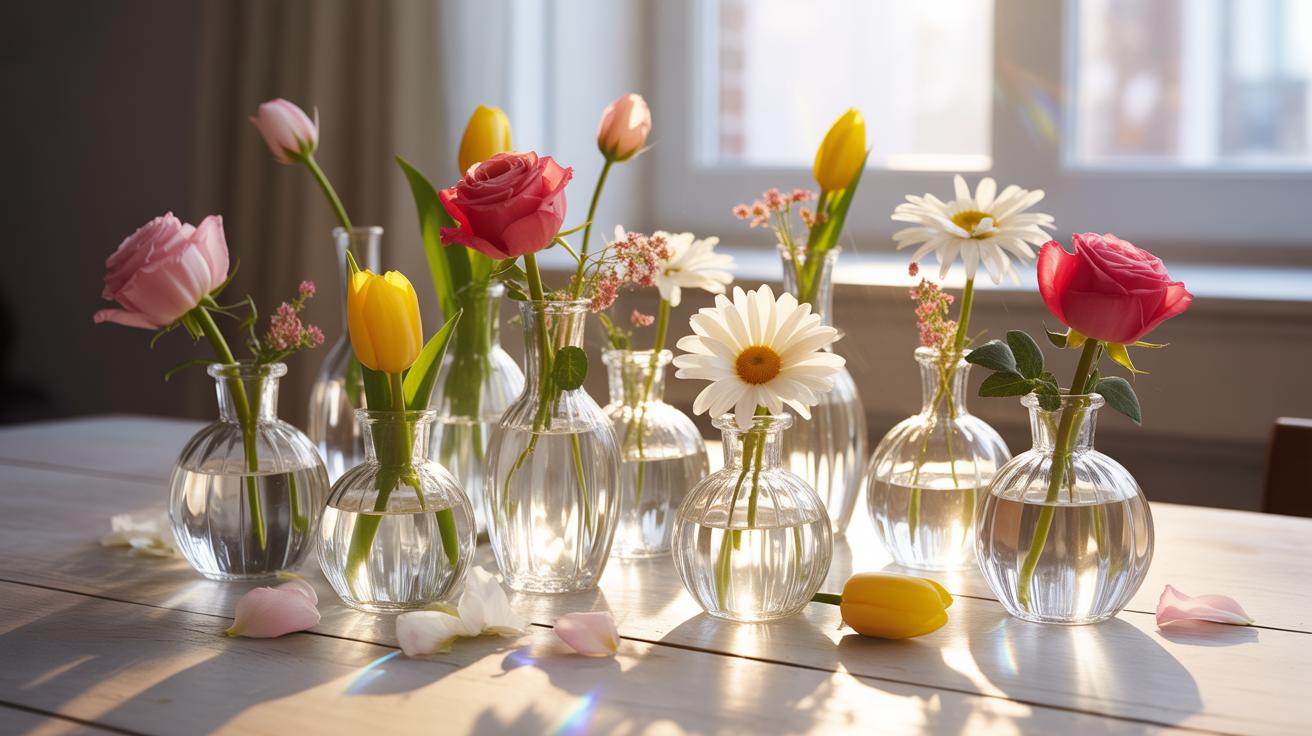
What Are Bud Vase Arrangements And Why Are They So Popular

The Origins And Appeal Of Small Floral Arrangements
Bud vase arrangements date back to early European apothecary practices and the 18th-century French court. Elite society used small glass vessels to showcase rare, single stems. This style shifted the focus from bulk mass to individual botanical specimens. It highlighted the specific color and structure of one flower. This minimalist approach allowed collectors to display expensive blooms without needing large, costly bouquets.
Modern design movements like Japanese Ikebana also influenced the rise of small-scale floral work. Ikebana prioritizes line, shape, and negative space over high flower counts. Traditional bud vases use this same logic to create visual impact. You save money by using fewer stems. You also reduce waste. This efficiency makes small arrangements a top choice for professionals and homeowners who value clean, organized aesthetics.
Why Bud Vases Have Become A Staple In Modern Home DéCor
Bud vases thrive in modern homes because they fit small living spaces. You can place them on narrow windowsills, bedside tables, or crowded desks. Traditional large vases require too much room and block sightlines during dinner. Small vessels maintain an open feel in a room. They solve the problem of bulky decor. They allow for natural elements in every corner of the house.
Cost and maintenance drive the popularity of this trend. You can harvest single stems from a backyard or buy one bunch to fill five vases. This strategy lowers your weekly floral budget significantly. It also simplifies cleanup because you manage less water and fewer decaying leaves. Smart homeowners use these vases to create a high-end look with minimal effort. They provide a quick way to update any room easily.
Choosing The Right Flowers For Small Bud Vases With Flowers
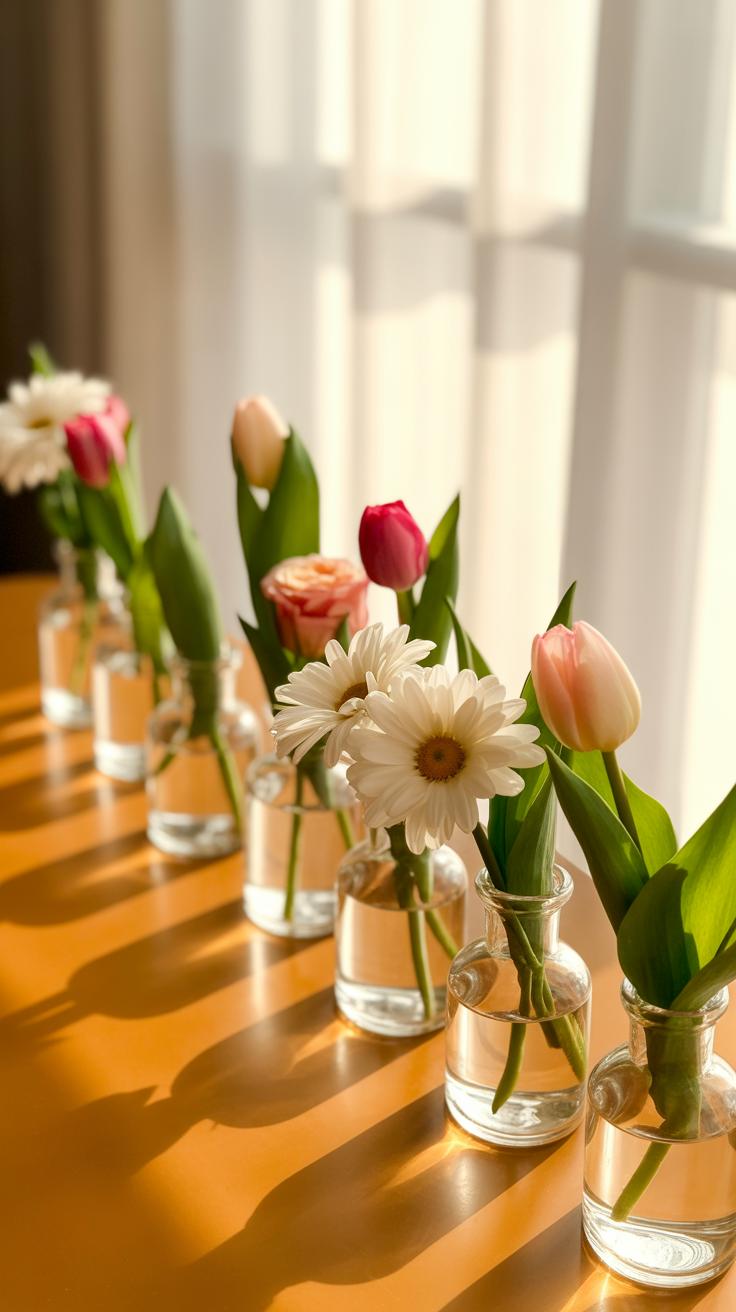
Best Flower Varieties That Thrive In Narrow Necked Vases
Narrow necks limit stem count but provide vital structural support. Select flowers with naturally sturdy stems and high visual impact. Ranunculus and anemones work well because their curved stems create movement in tight openings. Choose blooms that look complete as single specimens. A single peony or garden rose fills the space without needing fillers. These varieties maintain their posture and do not require wire reinforcement.
Focus on scale and proportion relative to the glass height. Small bulbs like Muscari or Lily of the Valley suit miniature vessels. Use woody stems like waxflower or eucalyptus for longevity in small water reservoirs. Avoid top-heavy flowers with weak stems like certain tulips unless the neck is very tight. Match the stem diameter to the opening to prevent the flower from leaning too far or falling out.
Seasonal Flower Selection Tips For Year Round Bud Vase Beauty
Seasonal selection ensures stem strength and maximum hydration capacity. Spring provides delicate textures like sweet peas and hellebores. These flowers have high water needs but thrive in frequent water changes typical of small vases. Summer offers zinnias and cosmos which provide bright colors and rigid stems. Use heat-tolerant species during warm months to prevent drooping. Freshly cut local flowers last longer in low-volume water environments.
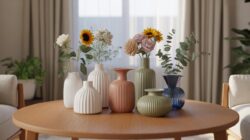
Transition to dahlias and chrysanthemums during the autumn months for richer tones. Winter requires hardy options like amaryllis or evergreen sprigs. Use forced bulbs in late winter to bridge the gap before spring. Always cut stems at a forty-five degree angle before placing them in the vase. This maximizes surface area for water intake. Check water levels daily because small vases evaporate quickly and lose volume to thirsty stems.
How To Select The Perfect Vases For Centerpieces And Everyday Use
Understanding Bud Vase Materials: Glass, Ceramic, And Beyond
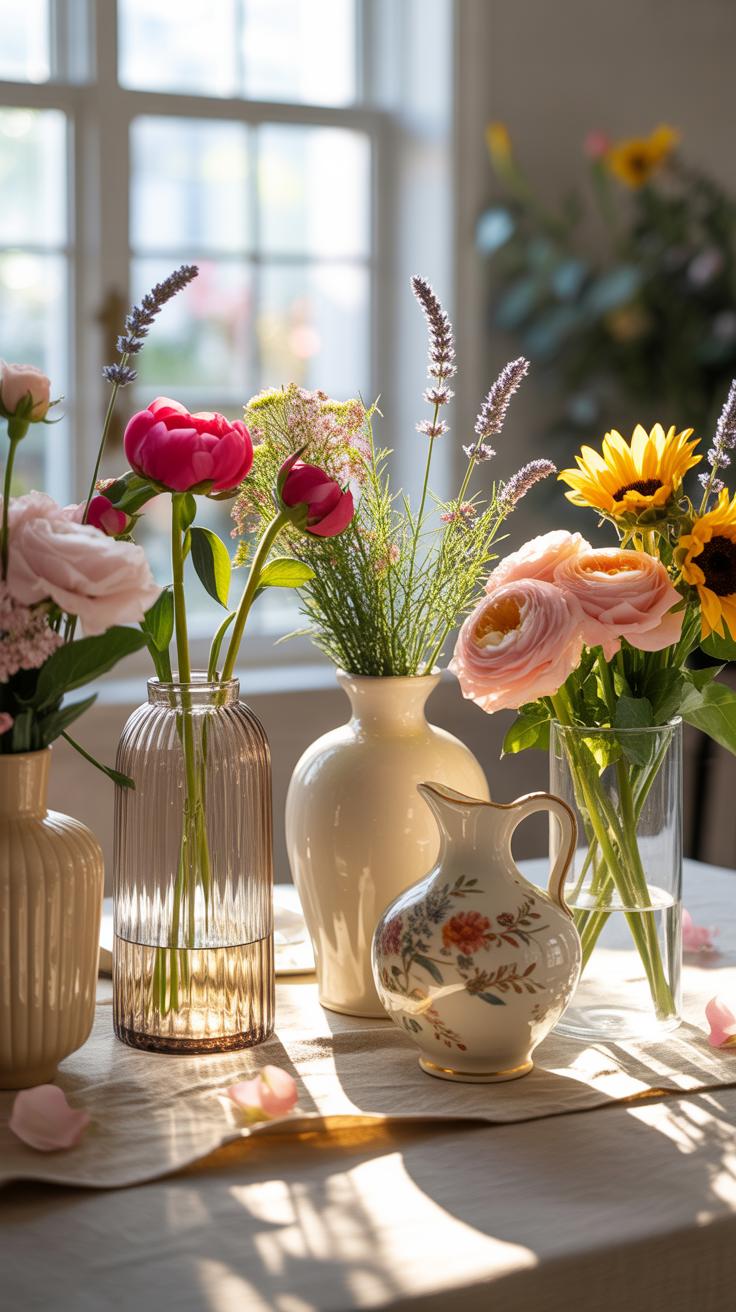
Clear glass remains the industry standard for tactical reasons. It allows you to monitor water levels and stem health instantly. Glass fits the Minimalist and Modernist movements by focusing on the plant rather than the vessel. Choose high-borosilicate glass for heat resistance and durability. This material withstands frequent cleaning and temperature shifts better than soda-lime glass. You prioritize transparency when the stem structure is part of the design.
Ceramic vases offer structural variety based on clay type. Stoneware provides a rustic, heavy base for top-heavy blooms. Porcelain offers a refined finish often seen in classic Chinoiserie styles. Opaque materials hide messy water and stem decay. This is critical for multiday events. Metallic vessels like brass or copper provide a mid-century modern aesthetic. These materials require liners to prevent oxidation when they touch acidic flower food and water.
Shape, Height, And Neck Width: What To Look For When Buying Bud Vases
Function dictates form in bud vase selection. The neck width determines how many stems the vessel holds. A narrow opening of one inch or less supports a single focal flower. This prevents the bloom from flopping over. Wide-based vases provide a lower center of gravity. You need this stability for tall stems like snapdragons or ranunculus. Always match the vessel weight to the expected floral weight to prevent tipping.
Height ratios are fixed by the rule of thirds. The vase should typically account for one-third of the total arrangement height. Standard bud vases range from three to seven inches tall. Use varied heights to create visual depth in centerpieces. Narrow necks create a natural grid that holds stems upright without floral foam. Look for thick glass bottoms. These add necessary weight for outdoor use where wind can disrupt lightweight tabletop arrangements.
Step By Step Guide To Creating Simple Table Flower Arrangements
Essential Tools And Supplies You Need Before You Begin
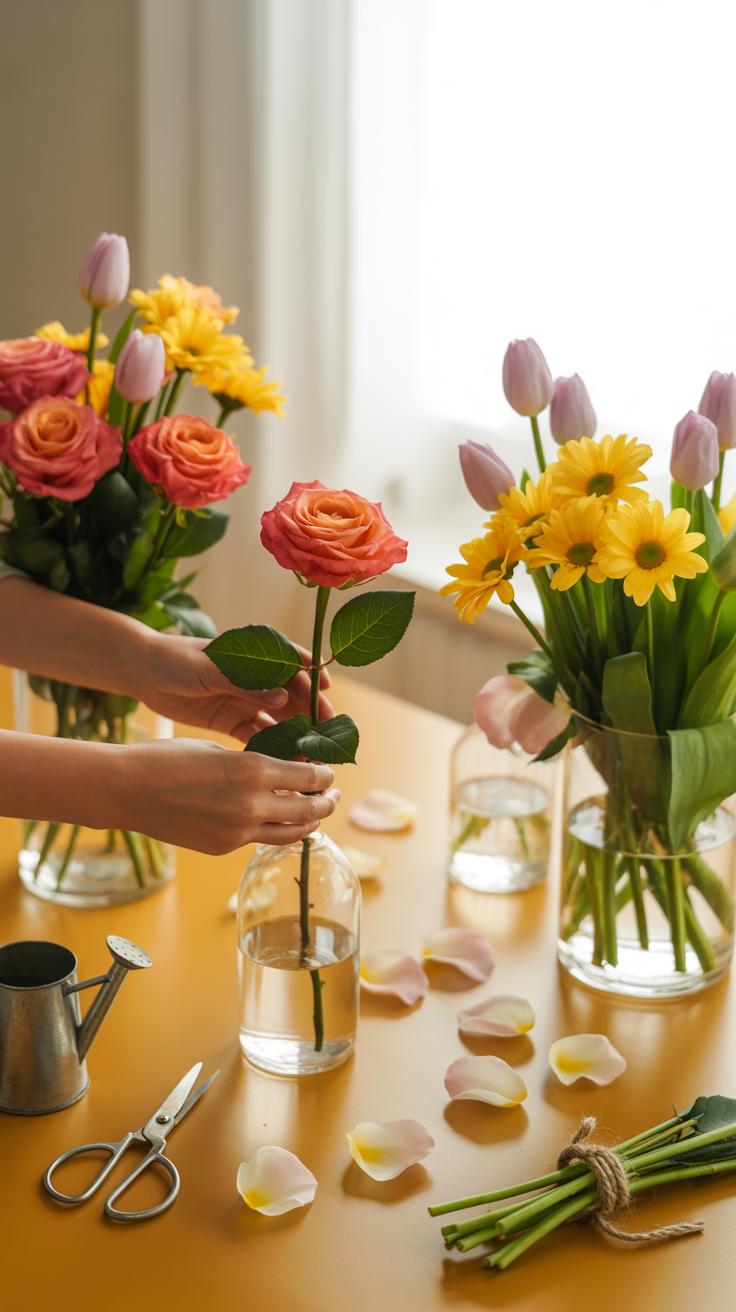
Preparation dictates the quality of the final arrangement. You must gather all hardware before handling live botanical products to prevent moisture loss. Using the wrong tools damages delicate vascular systems in stems. Professional setups prioritize clean surfaces and sharp blades to ensure plant longevity. High-quality materials reduce the risk of bacterial growth and structural failure during the design process.
- Floral Snips or Shears: Use sharp bypass blades rather than anvil cutters. Dull blades crush the stem tissue and block water intake. Sharp cuts allow the flower to hydrate efficiently. Keep blades clean with isopropyl alcohol to prevent the spread of pathogens between different plant varieties.
- Clean Glass Bud Vases: Select vessels with narrow necks to provide natural support for individual stems. Scour every vase with bleach or professional floral cleaner. Bacteria in a dirty vase will kill flowers in less than forty-eight hours. Ensure the glass is clear of any visible residue.
- Floral Preservative Solution: Use a mixture containing carbohydrates, biocides, and acidifiers. The sugar provides energy while the acidifier lowers the water pH for faster absorption. Biocides keep the water clear of rot. Follow the manufacturer instructions for the exact water-to-powder ratio to avoid chemical burns.
- Measuring Pitcher and Lukewarm Water: Use a dedicated pitcher to mix your solution before filling vases. Lukewarm water moves through the stem faster than cold water because it has fewer air bubbles. Fill each bud vase about two-thirds full to leave room for stem displacement and prevent spills.
- Microfiber Cloth: Keep a dry cloth nearby to wipe down the exterior of vases after filling. Water droplets on the glass create messy rings on tables and can damage wood surfaces. Professional presentation requires a spotless vessel. Use the cloth to remove fingerprints and water spots before final placement.
Organize your workspace to minimize movement once you begin cutting. Keep your tools on your dominant side and your flowers in a bucket of water on the opposite side. This layout speeds up the assembly process and reduces the time flowers spend out of water. Efficiency in the setup phase leads to a more professional and durable table display.
How To Trim, Condition, And Place Stems For A Polished Look
Strip all foliage that would sit below the water line in the vase. Leaves submerged in water decay and create toxic bacteria that shorten the life of the bloom. Cut each stem at a forty-five-degree angle using sharp shears. This angle increases the surface area for water intake and prevents the stem from sitting flat against the bottom of the vase.
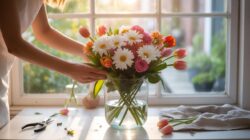
Place the tallest or heaviest bloom first to establish the vertical axis of the arrangement. Use the natural curve of the stem to direct the eye toward the center of the table. Insert secondary texture or greenery to provide contrast and hide the rim of the vase. Check the balance from all angles to ensure the arrangement looks complete for every seated guest.
Designing An Assorted Vases Centerpiece For Any Occasion
How To Mix And Match Vase Sizes, Shapes, And Heights Effectively
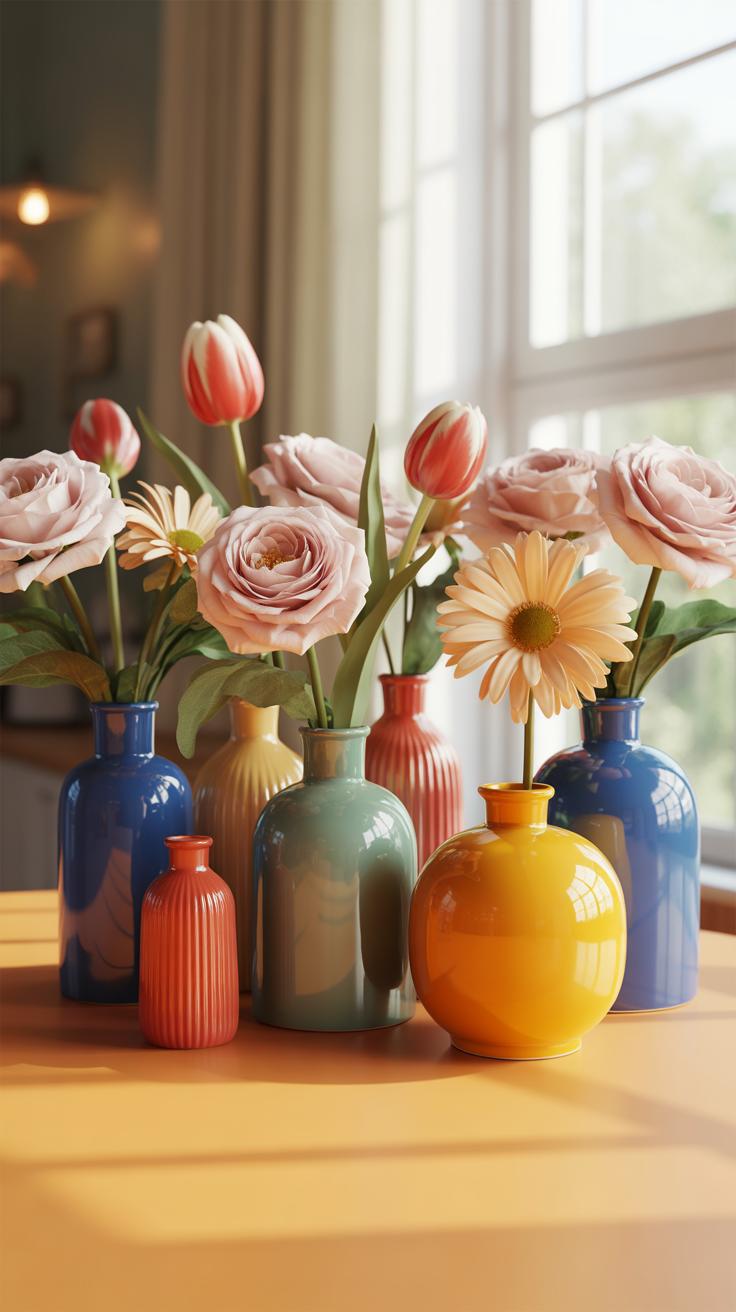
Group vases in odd numbers to create visual balance. Start with a tall anchor vessel to establish a vertical focal point. Surround the anchor with mid sized and short vases. Use varied mouth diameters to control stem angles. Narrow necks keep single stems upright while wider openings allow for more organic movement. This method directs the eye through the entire arrangement without gaps.
Maintain clear sightlines for seated guests by keeping the highest bloom below chin level. Cluster three to five vases for small tables. Use ten or more for long banquet setups. Distribute different shapes like cylinders, cubes, and spheres to break up repetitive lines. Ensure the base of each vessel sits close together. This creates a unified look rather than a scattered collection.
To create a beautiful arrangement, you don’t need a whole garden, just one perfect bloom to hold the light. A single flower in a simple glass can tell a story of beauty more powerful than any grand bouquet.
Color Palette And Texture Tips For A Cohesive Grouped Display
Select a primary color to ground the display. Use varying shades of that single hue to build depth. Uniform vessel materials like clear glass or dark stoneware provide a consistent backdrop. This allows the floral textures to stand out. Combine smooth petals with jagged greenery or dried elements. Contrast prevents the arrangement from looking flat. Minimalist designs often rely on these structural differences.
Incorporate foliage to bridge the gap between different flower types. Use silver eucalyptus or dark ruscus to unify the palette. Repeat specific textures across three different vases to create a rhythm. This technique leads the viewer through the centerpiece. Avoid using too many competing patterns in the vessels. Stick to one metal or glass finish. Consistently applying these rules ensures the final grouping looks intentional.
Simple Flower Table Decor Ideas For Weddings Dinners And Events

Using A Small Vase Centerpiece To Elevate Your Wedding Table Setting
Wedding planners use bud vases to manage table space. Large centerpieces block sightlines and stop conversation. Small vases keep views clear across the table. Use odd numbers for a natural look. Place three or five vases in a cluster or line. This technique creates visual depth without adding bulk. It works best on long farmhouse tables or round banquet setups.
Select heavy glass or ceramic materials to prevent tipping. Wind or accidental bumps top-heavy containers easily. Choose flowers with stiff stems like ranunculus or spray roses. These species hold their shape in minimal water. Cut stems at different heights to guide the eye. This creates movement and flow along the tabletop. Strategic placement ensures every guest sees fresh blooms without feeling crowded by large floral structures.
Casual And Everyday Flower Bud Vase Centerpiece Ideas For The Home
Daily home decor requires low maintenance and high durability. Use varied vessels like amber bottles or stoneware jars. These materials hide murky water better than clear glass. Place a single stem in each room to unify the house design. Focus on kitchen islands, bedside tables, and bathroom vanities. These small accents brighten spaces without taking up functional work surfaces or requiring expensive bulk floral orders.
Source greenery from your own garden to reduce costs. Foraged stems like rosemary or eucalyptus last longer than delicate imported flowers. Change the water every two days to stop bacterial growth. Trim the bottom of the stem at an angle during water changes. This practice extends the life of the bloom. Simple arrangements focus on the natural form of the plant. They bring nature indoors using minimal effort and zero specialized equipment.
Pro Tips For Styling A Simple Flower Centerpiece That Impresses
The Rule Of Odd Numbers And Negative Space In Floral Design
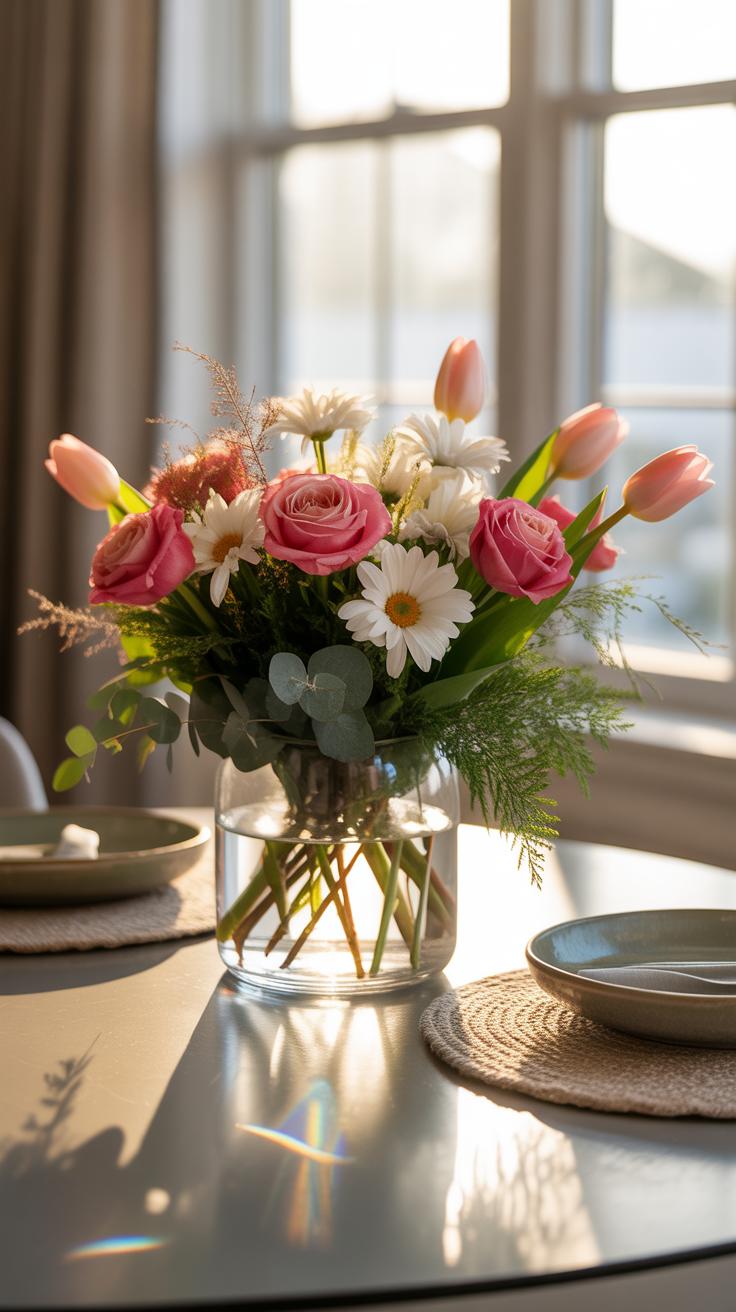
Designers use the rule of three to create visual balance. Grouping bud vases in odd numbers prevents the eye from splitting the arrangement into two equal halves. This technique mimics natural growth patterns found in wild environments. Forcing asymmetry makes a display look more organic and professional. Use different heights within your groupings to draw the eye across the entire table surface.
Negative space defines the shape of your arrangement. Do not crowd the vases or fill every gap with foliage. Open space allows the viewer to focus on the specific texture of each stem. Clean lines are essential for a modern aesthetic. If you remove the clutter, you highlight the quality of the flowers. Less volume often leads to a higher impact in a minimalist setting.
Common Bud Vase Arrangement Mistakes And How To Avoid Them
Effective floral design requires attention to scale and water management. Many beginners ignore the ratio between the stem height and the base width. This lack of planning leads to unstable vases that tip over during service. You must also consider the clarity of the water in glass containers. Cloudy water ruins the clean look of a professional display and signals poor hygiene.
- Mismatched Proportions: Cutting stems too long for small vases creates top-heavy arrangements. Ensure the flower head sits no more than one and a half times the height of the vase. This ratio maintains physical stability and visual weight.
- Dirty Water: Decaying leaves left below the water line promote bacterial growth. This bacteria clogs the stems and kills the flowers early. Always strip the lower foliage to keep the water clear and the stems healthy.
- Ignoring Sight Lines: Tall stems in the center of a dinner table block guests from seeing each other. Keep arrangements below eye level or use very thin stems. Practical utility matters as much as the visual design of the centerpiece.
- Uniform Heights: Placing all flower heads at the same level looks flat and boring. Vary the stem lengths to create rhythm and movement across the table. Use the natural curve of the branches to guide the viewer’s gaze.
- Crowding Stems: Forcing too many flowers into one narrow neck damages the stems. This compression prevents the plant from drinking enough water. One or two high-quality focal flowers usually perform better than a cramped bunch of filler.
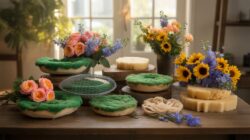
Avoid choosing heavy blooms with weak stems for narrow vessels. Large hydrangeas or heavy roses will droop without proper support. Match the strength of the flower to the opening of the vase. If the neck is wide, the stem will lean too far. If the neck is tight, the stem will starve. Precision in selection ensures your arrangement lasts for the entire event.
How To Keep Your Bud Vase Arrangements Fresh And Long Lasting
Water Care, Stem Re Cutting, And Placement For Maximum Flower Longevity
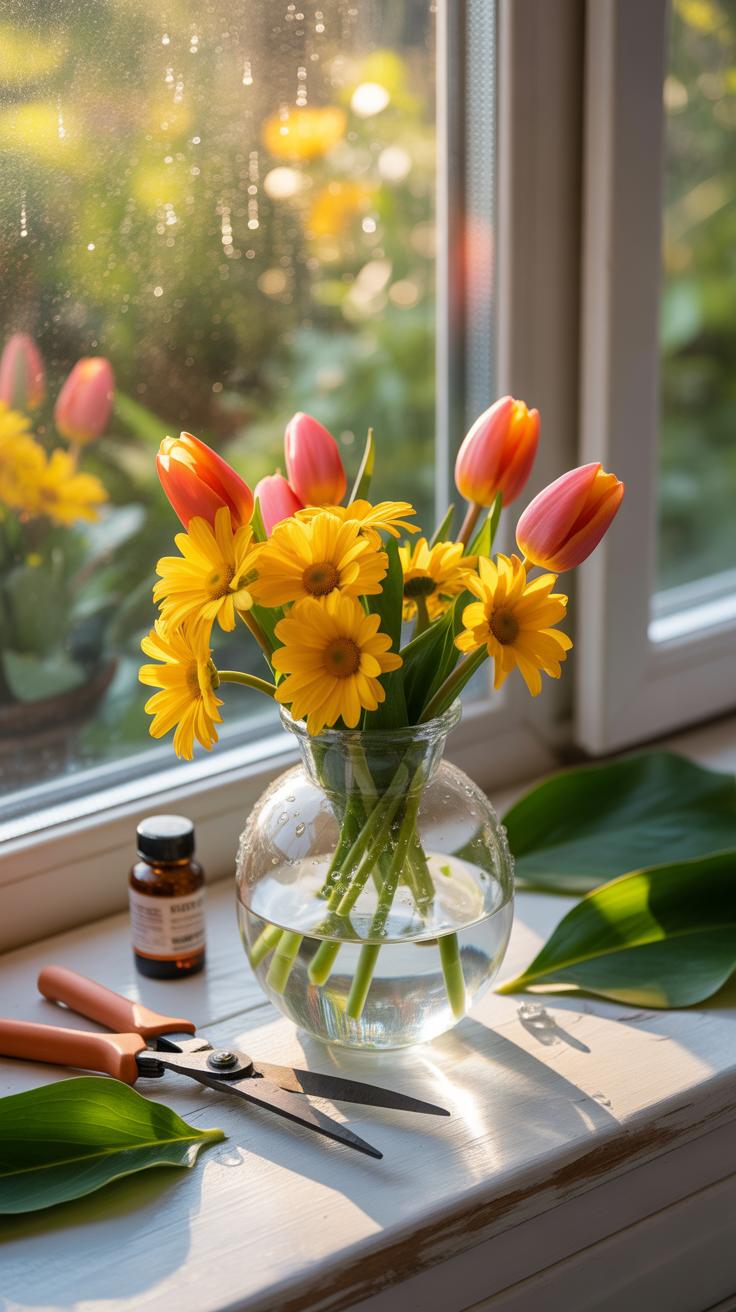
Bacteria kill flowers faster than age does. Use a clean vase to start. Fill the vessel with room temperature water mixed with floral preservative. This food lowers the pH and inhibits microbial growth. Replace the water every two days. Cloudy water indicates high bacterial levels. Rinse the stems under a tap before returning them to the clean vase to prevent contamination.
Recut stems at a forty-five degree angle using sharp shears. Avoid crushing the vascular tissue with dull blades. This angle increases the surface area for water intake. Keep the arrangement away from direct sunlight and heat sources. These factors accelerate transpiration and cause wilting. Place vases away from ripening fruit. Ethene gas from fruit causes flowers to drop petals and die prematurely.
When To Refresh Your Arrangement And How To Repurpose Wilting Blooms
Monitor each stem individually rather than treating the group as one unit. Remove any flower showing brown edges or soft stems immediately. This prevents the spread of rot to healthy stems. Dead foliage submerged in water releases toxins that shorten the lifespan of the remaining blooms. Pruning ensures the nutrients reach the flowers that are still viable and healthy in the display.
Dry certain cultivars before they lose their structural integrity. Roses and hydrangeas hold their shape well when air dried upside down in a dark space. This technique preserves the form for long term use. Alternatively, press flat blooms between heavy absorbent paper. Use these dried elements in future bud vase designs to add texture. This strategic reuse reduces waste and extends the value of your floral investment.
Frequently Asked Questions

What exactly is a bud vase and why should I use one?
A bud vase is a small, narrow-necked vessel designed to hold just one to three floral stems. These petite containers are perfect for beginners because they remove the intimidation of large-scale floral design. Using bud vase arrangements allows you to highlight the delicate beauty of a single prize bloom, such as a ranunculus or peony, making it easy to add a touch of sophisticated nature to any small corner of your home.
How do I choose and prep flowers for bud vase arrangements?
When creating bud vase arrangements, look for stems with interesting curves or unique textures. Always strip any foliage that sits below the water line to prevent bacteria growth and keep the water crystal clear. Cut your stems at a sharp 45-degree angle to maximize hydration. For a professional look, vary the heights of your flowers so that some sit low near the rim while others soar gracefully above the vessel.
Can I create beautiful floral displays if I am on a tight budget?
Absolutely! One of the biggest advantages of this style is its incredible cost-effectiveness. Instead of buying expensive full bouquets, you can purchase a single bunch of flowers or even forage greenery from your backyard to create multiple stunning displays. Since each vessel only requires a few stems, you can spread the beauty across your entire home or an event table without spending a fortune on bulk floral supplies.