
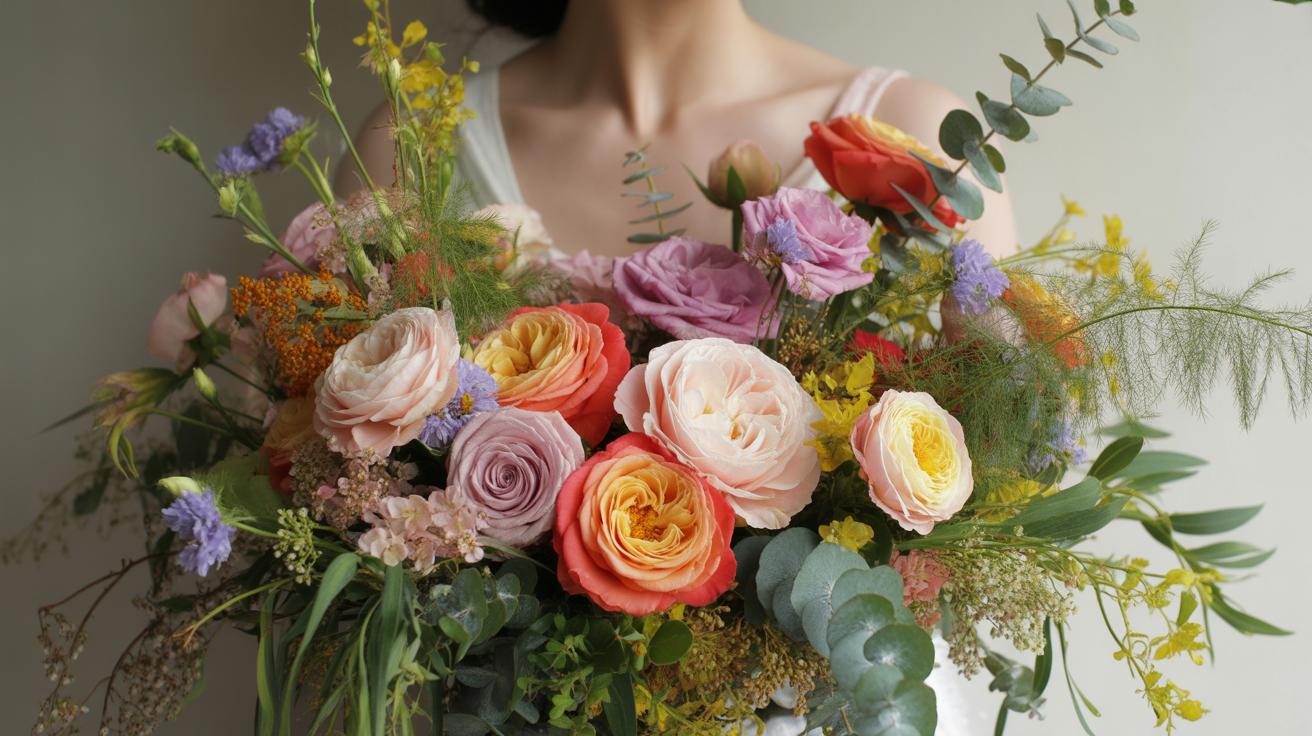
What Is Asymmetrical Flower Design And Why Is It Trending
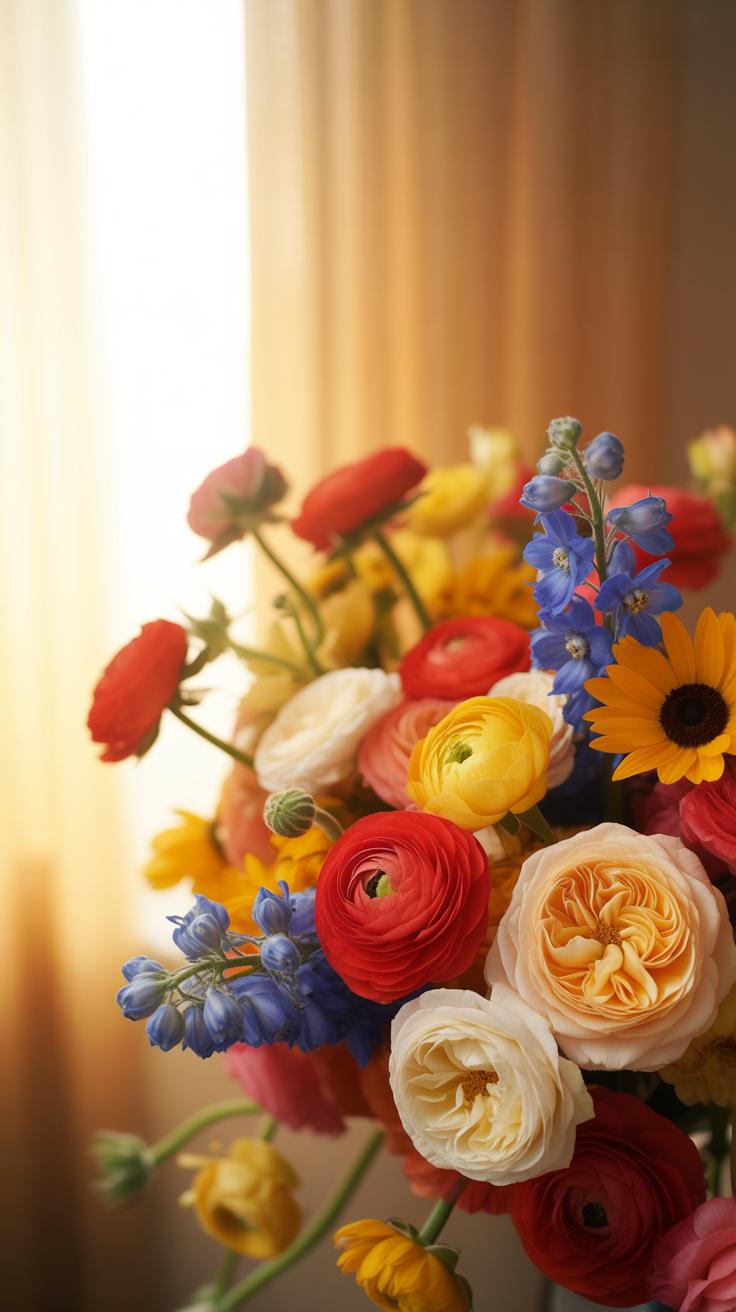
The Core Principles Behind Asymmetrical Flower Design
Asymmetrical bouquet design rejects the traditional round shape. It relies on a central axis with unequal weight on either side. Designers use negative space to balance heavy blooms against thin stems. This technique requires an understanding of visual weight rather than physical count. You do not mirror the left side on the right. Instead, you use placement to achieve stability.
This style draws heavily from Japanese Ikebana principles. It focuses on line, form, and space. Modern florists use these rules to create high-impact arrangements with fewer materials. You must select a primary focal point to anchor the work. All other elements extend at varying lengths to create a sense of movement. This method forces the eye to travel across the entire arrangement.
How Asymmetry Creates Visual Interest And Natural Flow In Floral Work
Modern consumers demand designs that look grown rather than manufactured. Asymmetry mimics the way plants actually grow in nature. It eliminates the stiff appearance of mass-produced floral work. By varying stem lengths, you create depth and layers. This allows each flower to stand out without crowding. The eye tracks the highest and lowest points to find a path through the design.
Trends shifted toward asymmetry as wedding and event photography evolved. Digital cameras capture three-dimensional depth better when elements are layered. Flat, symmetrical balls of flowers lack shadow and contrast. Asymmetrical designs provide better angles for close-up shots. Professional florists use this style to command higher prices. It demonstrates technical skill and an understanding of fine art composition over basic floral mechanics.

The Art Of Asymmetrical Flower Arrangement Balancing Without Symmetry
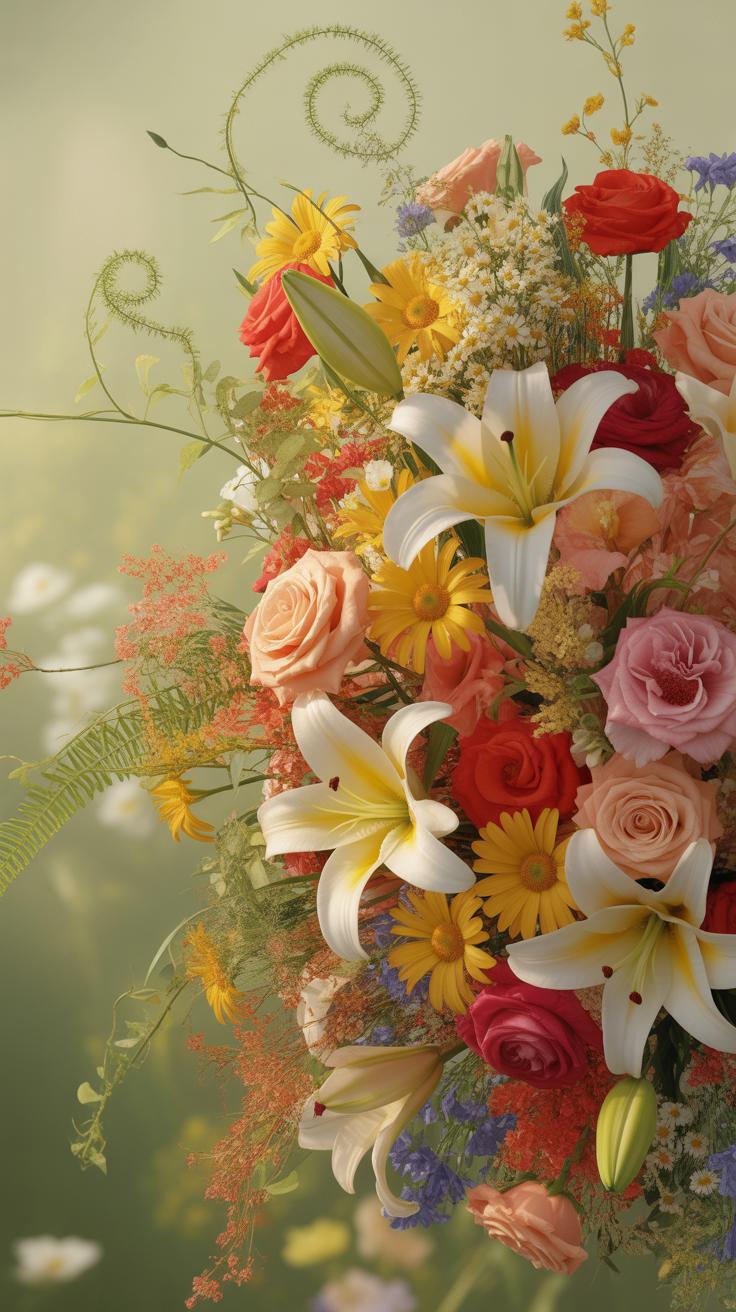
Understanding Visual Weight And Balance In Asymmetrical Compositions
Asymmetrical Bouquet Design relies on optical balance rather than mirror images. You must calculate the visual weight of every stem. Dark colors and large heads carry more weight than pale colors and small buds. Place heavy elements near the central axis or lower in the design to stabilize the base. This technique prevents the arrangement from looking top heavy or physically tipping over.
Achieving balance requires a counterpoint strategy. If one side extends horizontally with long vines, the opposite side needs a dense cluster of focal flowers. This creates a fulcrum effect. Use negative space to define the shape. Empty areas give the eye a place to rest. They emphasize the intentional placement of your primary blooms. This approach ensures the design feels finished and deliberate.
Popular Flower Pairings That Work Best In Asymmetrical Arrangements
Structure defines the success of asymmetrical pairings. Combine rigid, architectural flowers with flexible, trailing materials. Tropical stems like Protea or Anthurium provide a strong physical anchor. Pair these with jasmine vine or eucalyptus to create movement. The contrast between the heavy center and the airy perimeter builds interest. This method draws the eye across the entire composition instead of stuck in the middle.

Layering textures is the second critical tactical Step. Use large, flat focal flowers like Peonies or Garden Roses to occupy the primary visual space. Offset these with tall, spiked fillers like Delphinium or Snapdragon. These spikes create directional lines that pull the arrangement away from the center. Mixing rounded shapes with sharp lines creates the tension necessary for a modern look. This strategy delivers professional results.
The Cascade Bouquet A Timeless Expression Of Asymmetrical Elegance
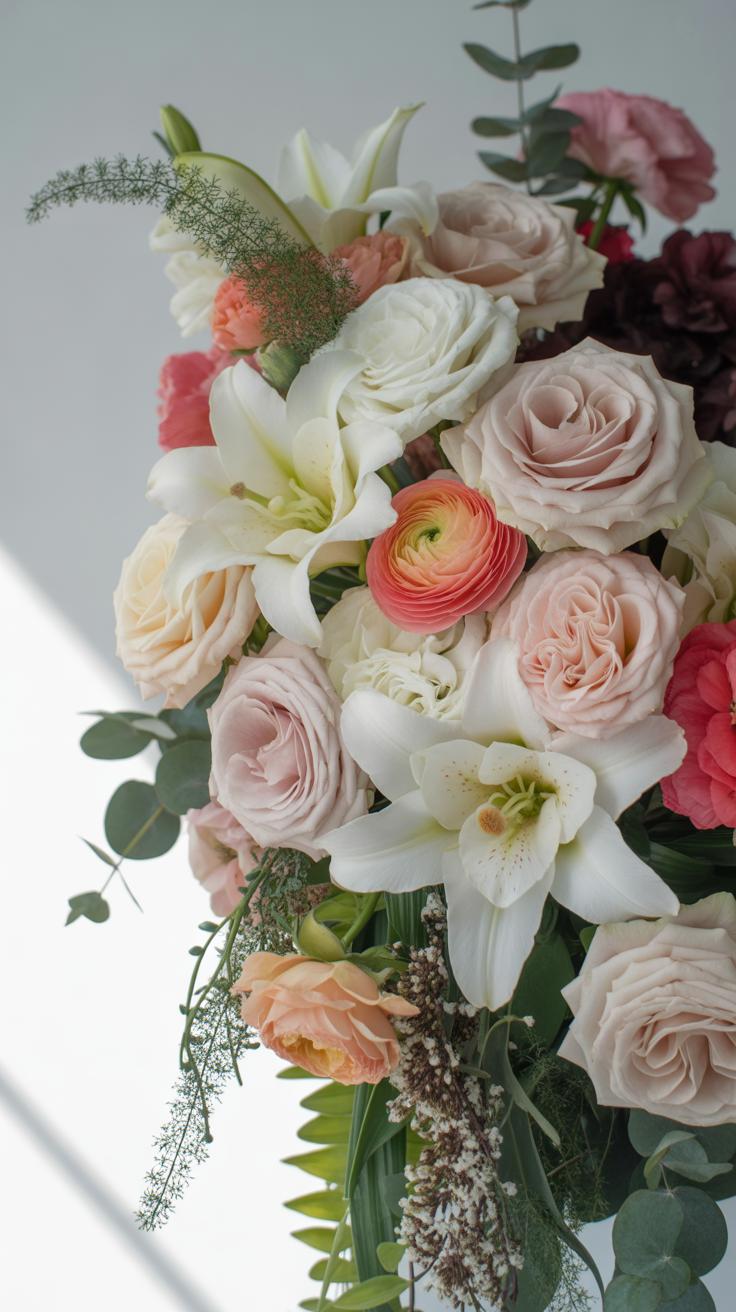
The History And Enduring Appeal Of The Cascade Bouquet In Bridal Culture
The cascade bouquet emerged as a dominant floral style during the Victorian era. It reflected the formal aesthetic of the period. Florists used wire and moss to create a heavy trail of greenery and flowers. This teardrop shape focused on downward movement. The style signaled wealth because it required high quantities of expensive blooms. It remained the standard for formal weddings until the mid-twentieth century.
Princess Diana revived the trend in the 1980s. Her oversized arrangement brought the cascade back into mainstream fashion. Modern designers now use this shape to anchor Asymmetrical Bouquet Design. It provides a clear vertical axis. The design draws the eye from the bodice to the floor. Its enduring appeal lies in this ability to alter the visual proportions of the bride through intentional floral placement.
How To Style A Modern Cascade Bouquet With Wild And Structured Blooms
Modern styling rejects the stiff wiring of the past. Designers now use natural stem placement to achieve a loose silhouette. You should mix rigid flowers like orchids with flexible vines such as jasmine or ivy. The rigid blooms provide the necessary structure at the focal point. The vines create the asymmetrical spill. Use different lengths of greenery to break the perfect teardrop shape for a more organic look.

Balance the weight of the arrangement to ensure the bride can carry it easily. Place larger, heavier blooms near the handle to keep the center of gravity stable. Distribute smaller buds and airy fillers toward the tail. This technique prevents the bouquet from tipping forward. Use clear floral tape or thin wire only where necessary to support delicate stems. This strategy maintains the movement while ensuring the design holds its form.
Contemporary Bridal Bouquet Trends Rooted In Asymmetrical Design
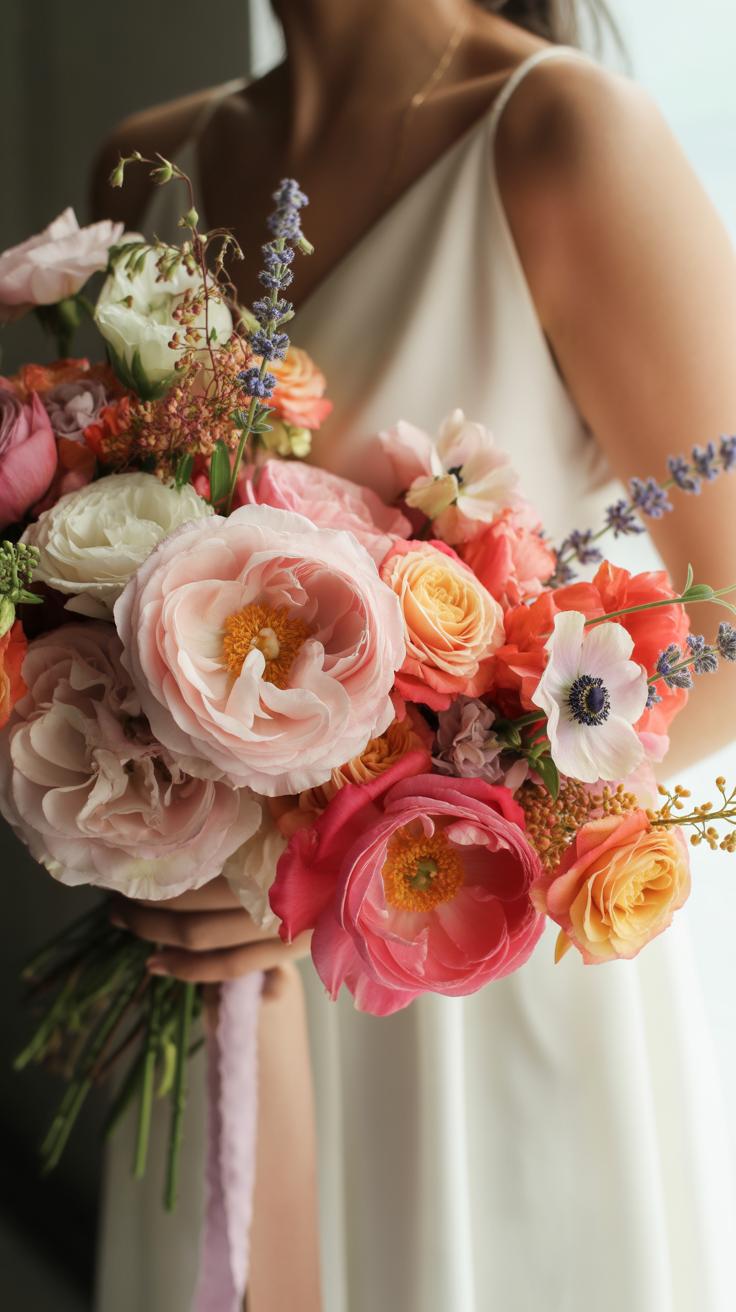
Why Brides Are Choosing The Contemporary Bridal Bouquet Over Traditional Round Styles
Modern brides reject the rigid symmetry of the Biedermeier style. This traditional look feels dated and stiff in contemporary settings. Asymmetrical design offers a more natural aesthetic. It mimics how flowers grow in the wild. This shift aligns with the move toward outdoor and industrial wedding venues. Brides want arrangements that look effortless rather than industrially manufactured or overly processed.
The asymmetrical shape provides better visual balance for diverse dress silhouettes. Traditional round bouquets often block intricate bodice details. An asymmetrical design allows the floral artist to direct the eye. It uses negative space to highlight both the flowers and the gown. This style emphasizes personal expression over cookie-cutter tradition. It allows for a custom weight and flow that fits the specific movements of the person carrying it.
Key Floral Elements That Define A Contemporary Asymmetrical Bridal Look
Designers create these looks by selecting materials with distinct structural roles. You cannot achieve this style by using only soft, round blooms. You must mix textures to create depth and movement. The design relies on a clear focal point paired with extending lines. This technique ensures the bouquet looks intentional rather than messy. Every placement serves a specific purpose in the overall composition and visual weight.
- Line Flowers: These tall stems establish the primary axis and overall width of the bouquet. Designers use snapdragons or gladiolus to reach outward and break the circular boundary. They create the initial skeleton of the asymmetrical shape.
- Focal Blooms: Large flowers like peonies or garden roses provide a central visual anchor. They sit lower in the arrangement to stabilize the design. This prevents the bouquet from appearing top heavy or unstable during the ceremony.
- Mass Flowers: These mid-sized blooms fill the gaps between the focal point and the edges. They add color density without distracting from the main lines. Designers use them to build the core volume while maintaining a loose, airy feel.
- Trailing Greenery: Vines like jasmine or eucalyptus create a downward flow and organic movement. They soften the edges of the arrangement. This element bridges the gap between the floral structure and the fabric of the bridal gown.
- Textural Accents: Dried elements or berries add physical grit and visual interest to the design. Eryngium or scabiosa pods break up soft petal surfaces. These materials provide high contrast and make the arrangement photograph with more dimensional depth.
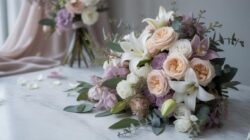
Successful execution requires the professional use of mechanics like floral wire or tape. These tools hold heavy stems in place while maintaining the illusion of a loose hand-tied bundle. The designer must balance the physical weight so the bride can carry it comfortably for hours. A well-built asymmetrical bouquet stays secure despite its wild appearance. Precision in the hidden structure supports the artful chaos of the visible flowers.
Flowers Arrangements For Church How Asymmetry Elevates Sacred Spaces
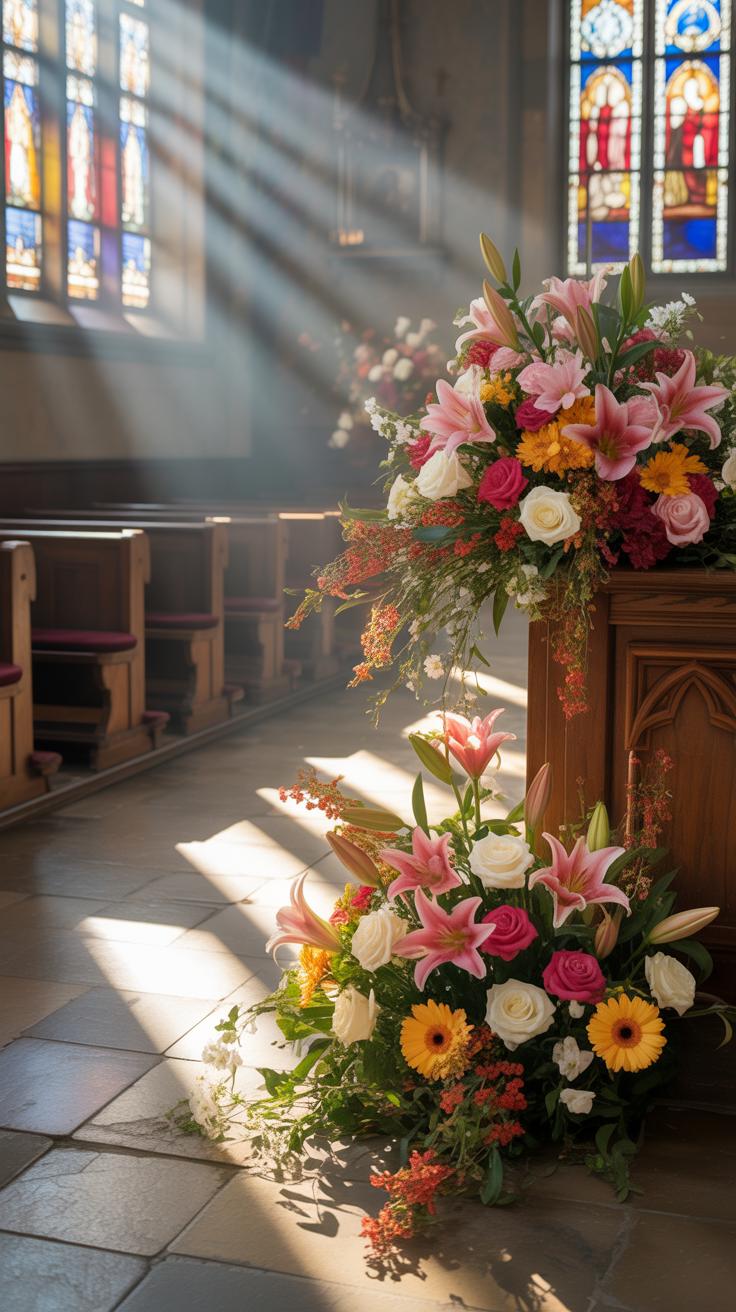
Design Considerations When Creating Flowers Arrangements For Church Settings
Asymmetrical Bouquet Design in churches must respect architectural focal points. Traditional altars often feature central crosses or ornate carvings. Designers must place weight on one side of the arrangement to complement rather than block these elements. Use the natural lines of the building to guide the floral silhouette. High ceilings require vertical extension while maintaining a heavy base on the opposite side for balance.
Designers must account for sightlines in large ecclesiastical halls. Viewed from the back pews, small details disappear. Use large foliage like monstera or palm fronds to create the primary asymmetrical shape. Ensure the skeletal structure of the design remains visible from forty feet away. Incorporate sturdy stems that withstand temperature shifts common in old stone buildings. Prioritize mechanics that keep flowers hydrated in dry environments.
Flower Arrangements Church Congregations Love: Scale, Color, And Placement
Scale dictates the success of any church installation. An asymmetrical design must be large enough to assert its presence without overwhelming the pulpit. Use varying heights to draw the eye toward the speaker or the altar. High-contrast colors help the arrangement stand out against dark wood or stone backgrounds. Bright whites and deep greens are standard choices because they symbolize purity and life in most traditions.

Placement affects how the congregation interacts with the space. Position asymmetrical pieces at the base of the lectern to frame the speaker. This creates a modern look that feels less rigid than matched pairs. Use negative space on one side of the arrangement to allow for movement in the sanctuary. This tactical use of void space prevents the floral display from feeling cluttered or distracting during service.
Triangle Arrangement A Structured Approach To Asymmetrical Floral Design
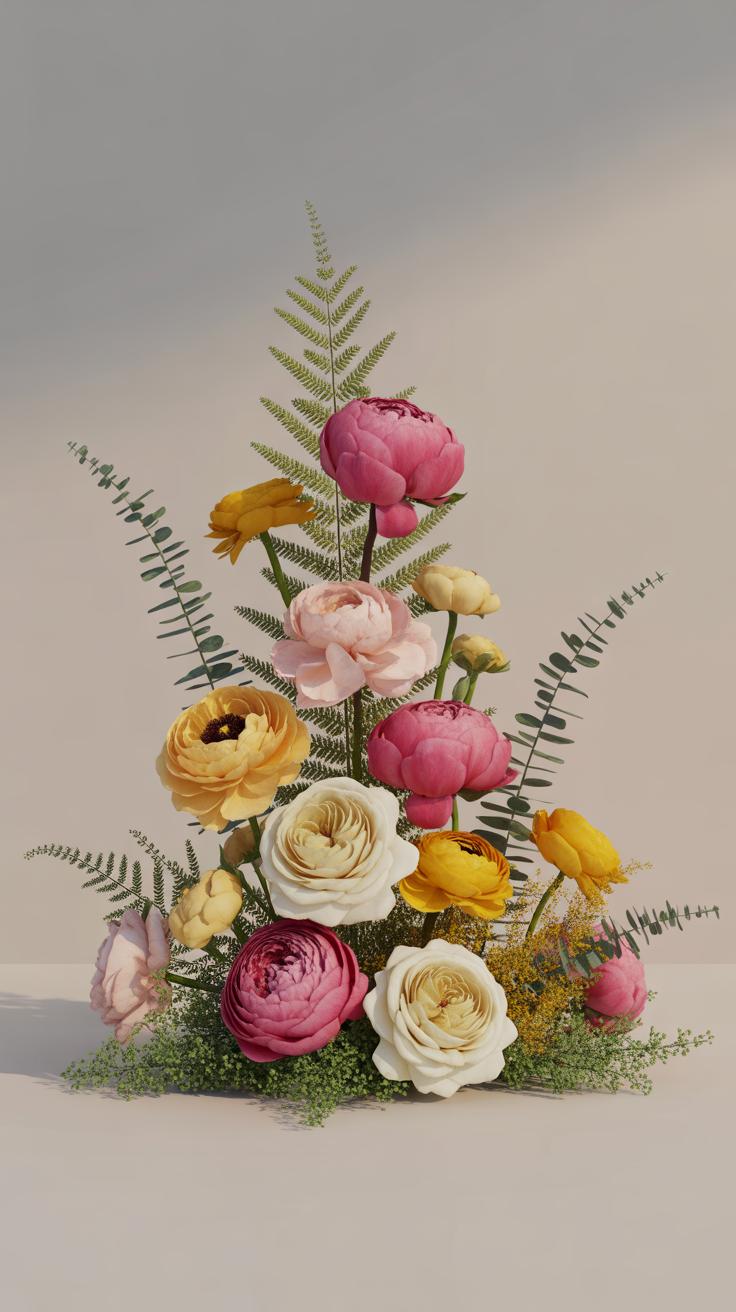
What Makes The Triangle Arrangement A Classic Asymmetrical Framework
The triangle arrangement provides a geometric base for asymmetrical bouquet design. It relies on three distinct points of unequal lengths to create a stable yet dynamic form. Designers use a central vertical axis that is off-center to force the eye away from perfect symmetry. This framework allows for significant negative space on one side while maintaining overall weight and balance.
This method draws from Western line design and classical principles found in early European floral art. It moves away from the dense massing seen in traditional round bouquets. By establishing a clear height, width, and depth point, the florist creates a fixed skeletal structure. This skeleton supports heavy flowering branches or tall stems without losing the intended shape during transport or handling.
Nature never did betray the heart that loved her, especially when her blooms are allowed to spill over with the wild and untamed grace of a memory.
How Florists Use The Triangle Arrangement To Guide The Viewers Eye
Florists use the unequal sides of the triangle to dictate exactly where a viewer looks first. The tallest point serves as the primary focal entrance. From there, the eye follows a diagonal path down toward the focal flowers located at the base. This directional movement creates a sense of action. The eye never rests in one spot because the uneven lines suggest constant flow.

Designers place varying textures along these diagonal lines to sustain interest. They use shorter stems and filler foliage to bridge the gaps between the three main points. This technique prevents the arrangement from looking like three separate sticks. By controlling the placement of color and mass along the triangular perimeter, the strategist ensures the bouquet feels intentional. Accurate placement ensures the design looks finished from every angle.
The Right Triangle Arrangement Precision And Drama In One Design

How The Right Triangle Arrangement Differs From The Isosceles And Scalene Triangle Styles
The right triangle arrangement uses a vertical axis and a horizontal base that meet at a ninety degree angle. Isosceles designs use two equal sides to create perfect balance and symmetry. Scalene designs use three unequal sides for a wilder look. The right triangle creates a sharp L shape. This design directs the eye quickly from the high tip down to the side extension.
Focus on the focal point at the corner where the vertical and horizontal lines meet. This anchor point holds the weight of the design. Traditional isosceles triangles center their weight to look stable. Scalene triangles shift weight to create motion. The right triangle combines these ideas. It provides a formal structure through the vertical line but adds a modern edge with the side stretch.
Best Flowers And Foliage For Achieving A Striking Right Triangle Arrangement
Structural integrity is the main goal in a right triangle setup. You need stems that stay straight and do not droop. Use tall flowers for the vertical line and flat foliage for the horizontal base. These materials define the sharp corner of the L shape. Weak stems will ruin the geometry. Choose materials that can support their own weight without extra wiring or tape.
- Liatris: Use these for the vertical spike. Their straight growth habit and top-down blooming pattern highlight the height of the right triangle. They provide a clean line that does not lean or bend easily under heat.
- Snapdragons: These serve as secondary vertical lines. They offer a tapered look that softens the sharp point of the arrangement. Use them to build volume along the main axis without losing the necessary geometric precision of the design.
- Standard Carnations: Place these at the ninety degree focal point. They provide a dense mass that anchors the corner where the two lines meet. Their round shape contrasts with the straight lines to draw immediate visual attention to the base.
- Aspidistra Leaves: Fold or layer these along the horizontal axis. Their broad surface area creates a strong floor for the arrangement. This foliage reinforces the flat base line and hides the mechanics of the floral foam or vase rim.
- Eucalyptus: Use the silver dollar variety for the horizontal extension. The flat leaves follow the base line while adding texture. This material helps transition the eye from the heavy focal point out to the tip of the horizontal side.

Select your focal flowers last to fill the corner. Ensure they sit deep in the arrangement to maintain a low center of gravity. This placement prevents the tall vertical stems from tipping the container over. Balance the visual weight by using smaller filler flowers on the outer edges. This technique keeps the right triangle shape crisp and recognizable from a distance.
Pastel Floral Vases Soft Color Palettes That Complement Asymmetrical Designs
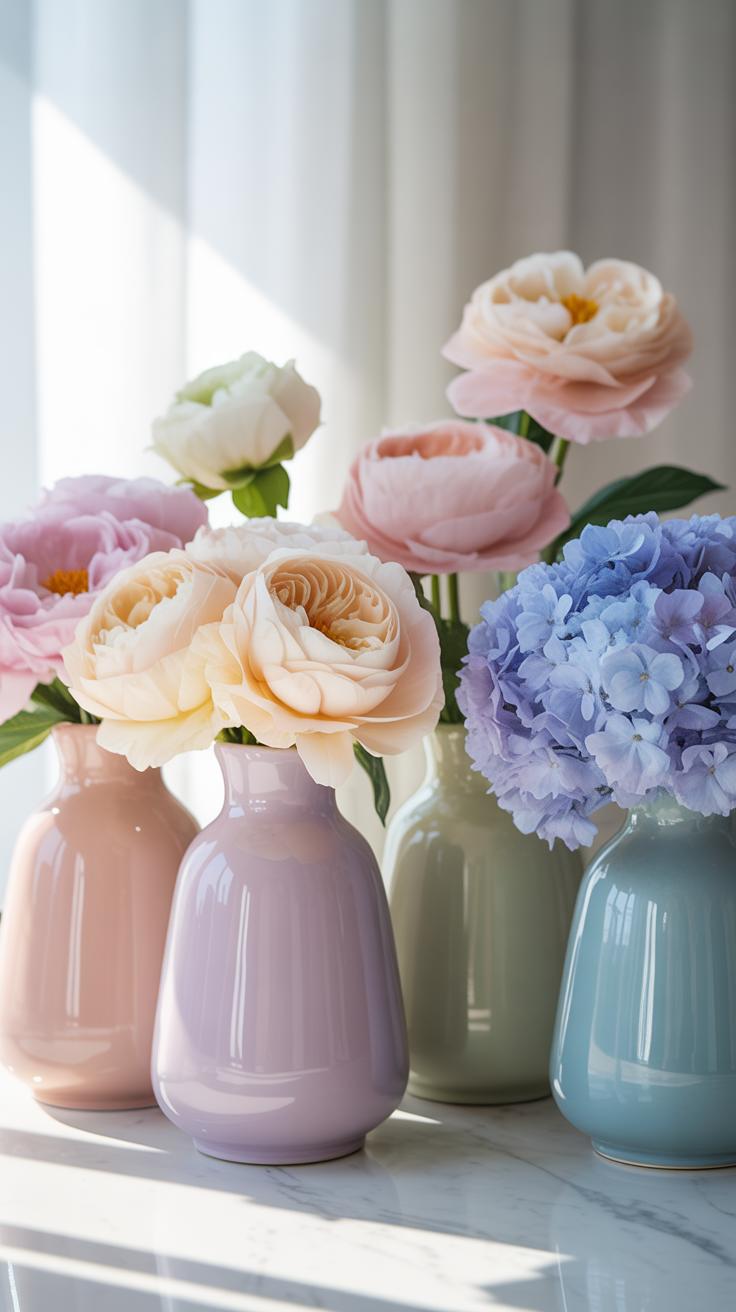
Why Pastel Floral Vases Pair So Naturally With Asymmetrical Bouquet Styles
Asymmetrical bouquet design relies on visual weight and negative space. Bold or dark vases often draw the eye downward. This creates a hard stop that breaks the flow of the stems. Pastel vases use low-saturation tones like blush, mint, or lavender. These shades act as neutrals. They allow the irregular silhouette of the flowers to remain the primary focus. This technique ensures the vessel supports rather than distracts.
Pastel tones mimic the natural highlights found in many garden-style blooms. Using a soft-colored base bridges the gap between the organic plant material and the structural container. It softens the transition at the rim of the vase. This is critical when stems exit the vessel at sharp angles. The light color palette reflects ambient light. This brightness enhances the airy feel required for successful asymmetrical composition and balance.
Choosing The Right Vase Shape And Tone To Enhance Your Asymmetrical Arrangement
Select a vase shape based on the center of gravity of your arrangement. Compote bowls or low cylinders work best for heavy one-sided designs. These shapes provide a wide footprint to prevent tipping. The matte finish of modern ceramic pastels absorbs light. This creates a flat background for delicate textures. Use a cool-toned pastel for greenery-heavy designs. Choose warm peach tones for arrangements featuring ivory or cream flowers.

The material of the vase dictates the final mood. Stoneware provides a rustic foundation for wilder designs. Porcelain offers a refined look for formal asymmetrical displays. Ensure the vase opening is narrow enough to hold mechanics like chicken wire or floral frogs. These tools are necessary to secure stems at extreme angles. A properly scaled pastel vase creates a cohesive unit. It anchors the design without overpowering the intentional imbalance of the flowers.
Texture Foliage And Negative Space The Hidden Tools Of Asymmetrical Bouquet Design
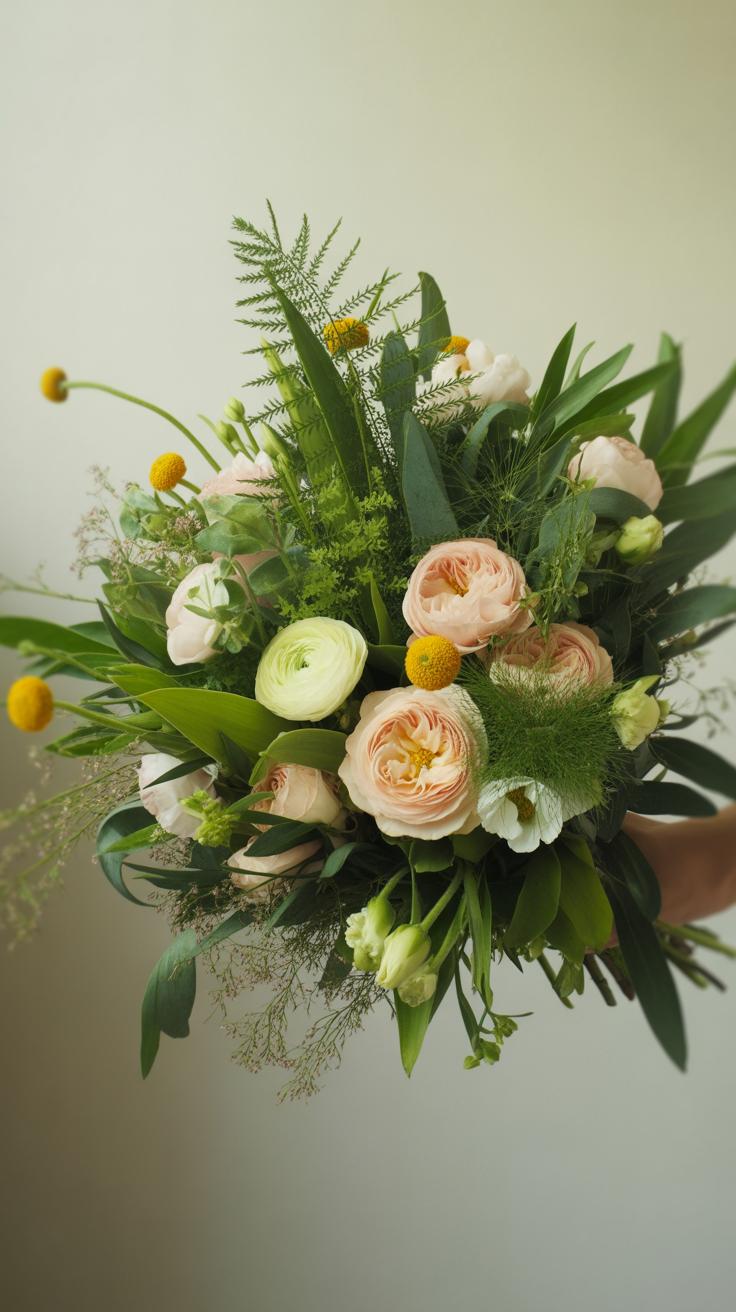
How Greenery And Trailing Vines Reinforce The Asymmetrical Aesthetic
Greenery acts as the structural framework for an asymmetrical bouquet. Unlike traditional round arrangements, these designs use foliage to establish a clear visual axis. Designers select specific materials like eucalyptus or ruscus to create directional movement. This tension draws the eye toward a specific focal point. You must place greenery at varying heights to break the standard circular perimeter.
Trailing vines extend the reach of the design beyond the central mass. Jasmine vine or clematis provide a fluid line that drops lower on one side. This weight shift creates the necessary imbalance for a successful asymmetrical look. Robust foliage provides a backdrop that allows different flower shapes to pop. Use stems with natural curves to reinforce the organic direction of the work.
Using Negative Space Intentionally To Give Asymmetrical Designs Room To Breathe
Negative space is the empty area between floral components. It is a deliberate design choice, not an accident. Without these gaps, the bouquet becomes a dense clump of material. Strategic holes allow the viewer to see the individual shape of each bloom. This technique highlights the unique geometry of high-end stems. It makes the overall arrangement appear lighter and more sophisticated.
Proper use of negative space mimics how flowers grow in nature. Stems do not crowd each other in a field. You create depth by pushing some flowers back and bringing others forward. This creates shadows and highlights within the arrangement. This depth keeps the eye moving throughout the design. Mastering the void is just as important as choosing the flowers. It defines the final silhouette.
How To Apply Asymmetrical Bouquet Design Trends To Any Occasion
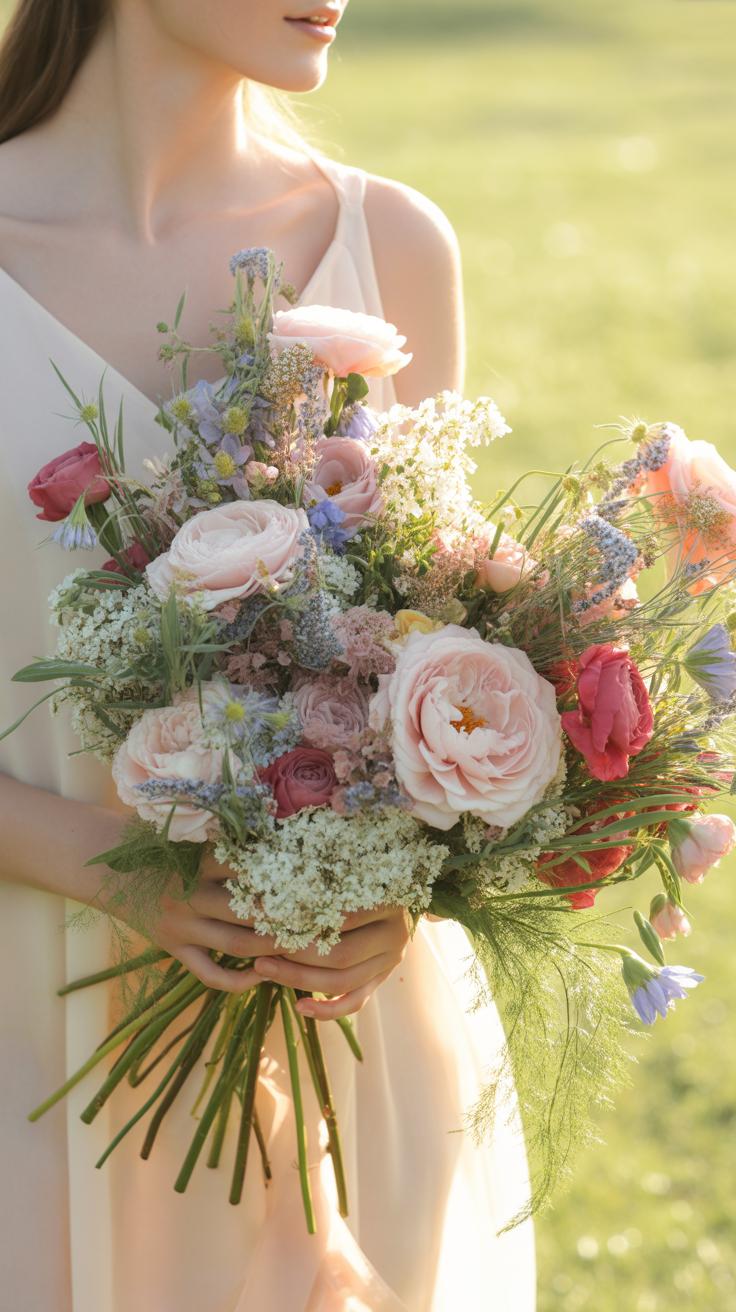
Adapting Asymmetrical Design Principles Across Weddings, Events, And Everyday Arrangements
Scale dictates the success of asymmetrical design in different settings. Large wedding installments require heavy woody stems to support a sweeping lateral line. These branches provide the structural skeleton for the floral weight. You must counterbalance a long extending branch with a dense cluster of focal flowers near the base. This method keeps the arrangement stable and visually grounded. Use the rule of thirds to place your primary focal point.
Everyday arrangements use shorter stems but keep the same emphasis on negative space. You do not need massive volume to achieve an organic look. Use delicate vines or grasses to create a sense of movement in small vases. Select a container that complements the unbalanced shape without tipping over. Weight the bottom of the vessel with stones if necessary. Movement and line matter more than the total number of expensive stems used.
Working With A Florist To Bring Your Asymmetrical Bouquet Vision To Life
Communication with your florist must center on mechanics and specific line movements. Typical flower shops often default to rounded, symmetrical shapes out of habit. You must specify a preference for gestural lines and varying stem lengths. Request a design built in a frog or kenzan rather than floral foam. This technique allows for the sharp angles required in high quality asymmetrical work. It also improves water uptake for the flowers.
Provide images that show specific silhouettes rather than just colors. Point out where you want empty space to exist within the arrangement. A skilled designer understands that what you leave out is as important as what you put in. Discuss the seasonal availability of branching materials. Local foliage often provides the most natural curves for an irregular shape. Clear mechanical instructions ensure the final product stays true to the intended modern aesthetic.
Frequently Asked Questions

What exactly defines an asymmetrical bouquet design compared to traditional styles?
Unlike classic round arrangements that prioritize perfect symmetry and uniform borders, an asymmetrical bouquet design focuses on intentional imbalance and organic movement. These designs often feature a “high point” on one side and flowing elements on the other, mimics how flowers grow in nature. This artistic approach creates a dynamic focal point that feels modern, editorial, and far more personalized than standard, tightly packed floral spheres commonly seen in traditional decor.
How can I create a balanced look when working with an uneven floral arrangement?
Achieving the perfect asymmetrical bouquet design requires focusing on visual weight rather than physical measurements. Start by placing a wandering vine or a tall filler stem on one side to establish height, then anchor the opposite side with a large, heavy “hero” bloom lower down. Use varying stem lengths and textures to guide the eye across the arrangement, ensuring that while the sides are different, the overall composition feels stable.
Is an asymmetrical floral style more expensive to create than a standard bouquet?
Interestingly, this style can be very budget-friendly because it celebrates negative space and unique foliage. You don’t need a massive volume of expensive blooms to make an impact; instead, you can use architectural branches, dried grasses, or foraged greenery to create that sought-after sprawling shape. By choosing a few high-quality focal flowers and filling the gaps with interesting textures, you achieve a high-end, bespoke look without the premium price tag.