
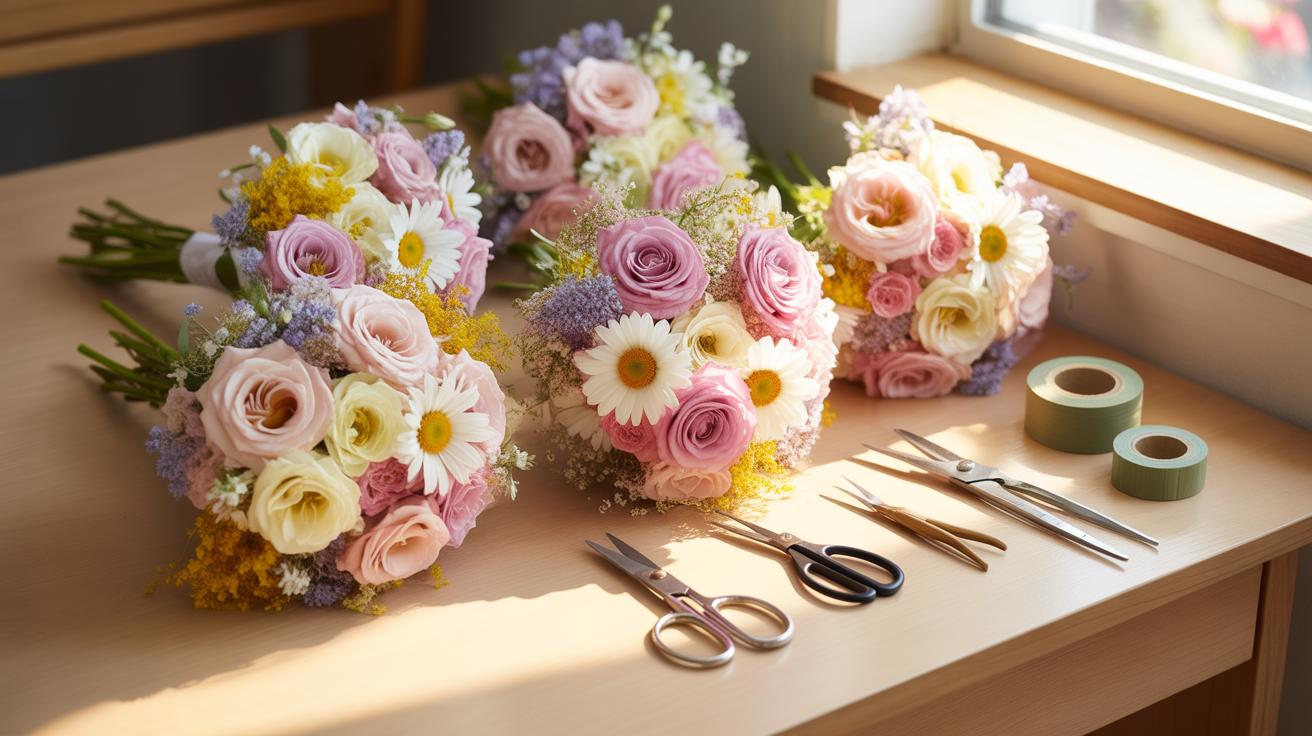
What Are Compact Posy Bouquets A Beginner Friendly Small Floral Bouquet Overview

The History And Definition Of The Posy Bouquet Style
Posy bouquets are small, round floral arrangements held in one hand. Historically, they rose to prominence in the Victorian era as talking bouquets. People used them to send secret messages through the language of flowers. These arrangements utilize a dense grouping of blooms. Designers cut the stems to a uniform length. This creates a tight, dome-shaped profile.
Modern posy styles focus on structural integrity and color theory. You must strip the foliage below the binding point to ensure a clean look. The design requires a central focal flower surrounded by supporting greenery or smaller buds. Its small size makes it manageable for transport. Precision matters more than volume in this style. You aim for a symmetrical, balanced, and firm circular shape.
Why Compact Posy Bouquets Are Perfect For First Time Floral Arrangers
New designers benefit from the limited scale of the posy. Larger arrangements require complex mechanics like chicken wire or floral foam. The posy relies on a simple hand-tied technique. You can control every stem with one hand while you work. This immediate feedback helps you understand stem placement and tension. Small mistakes are easy to see and fix without wasting expensive bulk inventory.
A compact design reduces the financial risk for beginners. You only need a few high-quality stems to create a professional look. This allows you to practice color blending and texture layering on a small budget. The round shape provides a clear geometric goal. You do not need to master complex asymmetrical balance yet. Stick to the circular form to build your fundamental skills and confidence quickly.

Essential Tools And Materials You Need To Create A Cute Small Bouquet
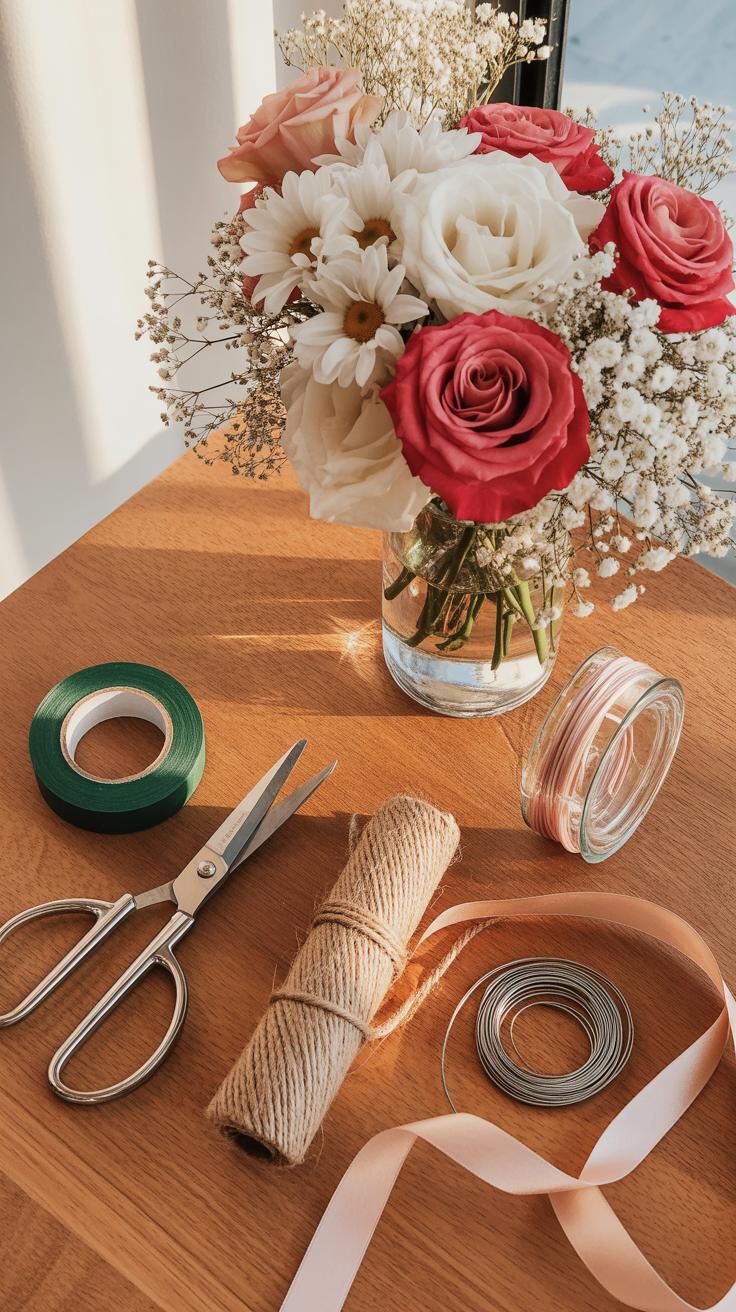
Basic Floral Supplies Every Beginner Should Have On Hand
Professional floral design requires specific hardware to ensure structural integrity and stem health. Beginners often make the mistake of using standard household scissors which crush delicate stems. You need sharp tools that make clean cuts to allow for maximum water uptake. Proper preparation prevents premature wilting and keeps the bouquet shape tight. Gather these items before you start working with any fresh botanical materials.
- Floral Snips: These specialized cutters feature short pointed blades designed for precision. Use them to trim soft green stems without pinching the vascular tissue. This ensures the flower remains hydrated and healthy for a longer period.
- Stem Strippers: This tool removes thorns and excess foliage from the lower half of the stem quickly. Removing submerged leaves prevents bacterial growth in the water. Clean stems are critical for maintaining a professional appearance in small compact designs.
- Floral Tape: This self-sealing rubberized wrap stretches to become tacky. It secures the stems at the binding point without slipping. It provides the necessary friction to hold a spiral arrangement in place while you work on the outer layers.
- Anchor Tape: This waterproof adhesive tape secures foam or structural grids if you use a vessel. It survives high moisture environments without losing its grip. Use it to create a stable base for your compact flower placement.
- Floral Wire: Gauge 22 or 24 wire adds support to weak stems or heavy heads. It allows you to manipulate the direction of a bloom within a tight cluster. Proper wiring ensures the bouquet maintains its dome shape even during transport.
Cleanliness is the most important factor in floral longevity. Wash all tools with a mild bleach solution or specialized floral cleaner after every use. Bacteria from old sap will clog new stems and kill your flowers fast. Keep a dedicated bucket of room temperature water nearby to hydrate stems immediately after cutting. Organization in your workspace translates directly to more efficient and successful design outcomes.
Choosing The Right Ribbon Wrap And Finishing Touches For Your Posy
The binding point is the most vulnerable part of a compact posy. Traditional French hand-tied techniques rely on twine or raffia for the initial structural bind. Modern designs often hide this structural layer with decorative materials that match the event theme. You must select a wrap that stays secure even when the stems shrink slightly as they lose moisture over time.

Satin and grosgrain ribbons are standard choices for formal bridal or gift posies. Burlap or twine works better for rustic styles but requires more tension to stay in place. Ensure your finishing wrap covers all tape and mechanics completely. Use pearl-headed pins to secure the fabric at the back of the stems. Angle the pins downward so they do not poke the person holding the bouquet.
Best Flowers To Use For A Small Boquet Varieties That Work Well Together
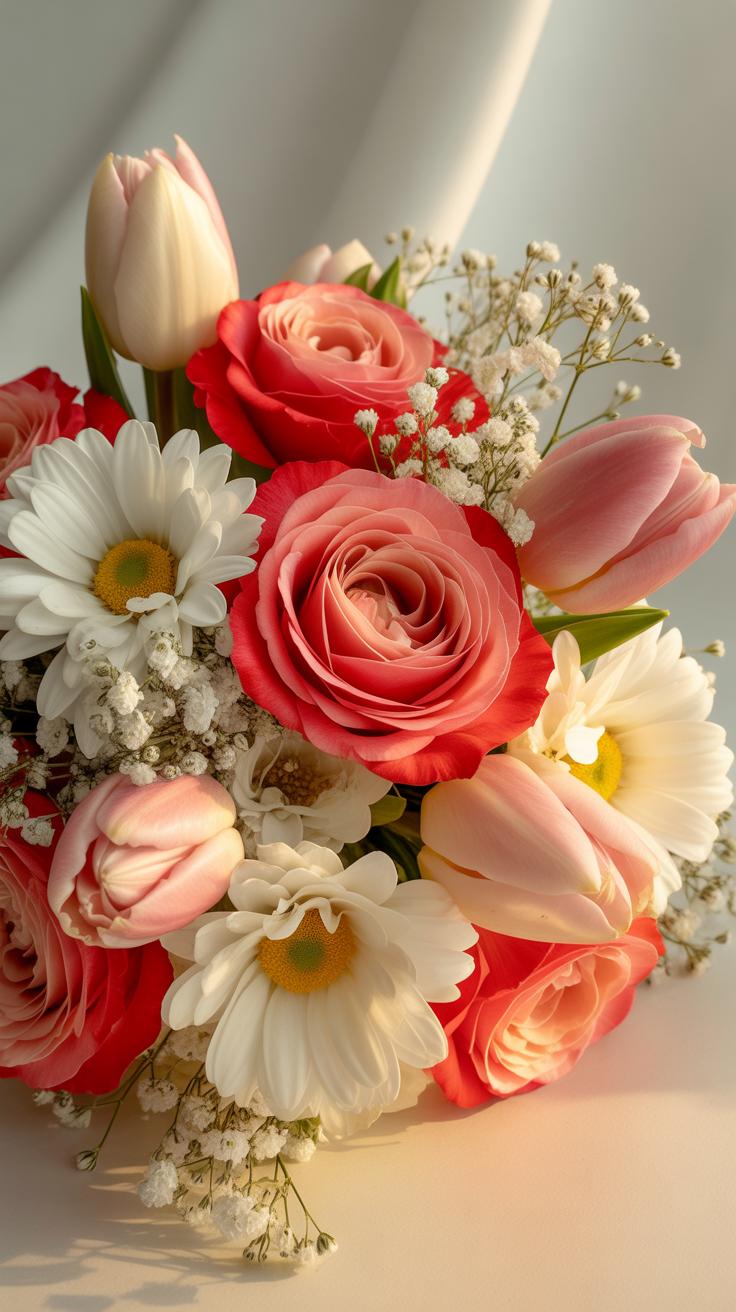
Top Beginner Friendly Blooms That Hold Their Shape In A Posy
Beginners must select flowers with sturdy wood or cellulose stems. Roses and carnations are the standard for compact posy bouquets. Their rigid stems resist bending during the binding process. These blooms feature high petal counts that provide structural integrity. They create a firm dome shape without collapsing under pressure. Avoid soft-stemmed bulb flowers like tulips that continue to grow and shift after being cut.
The Biedermeier style influences modern compact design by prioritizing symmetry and dense clustering. Use spray roses to fill small gaps effectively. Their multiple heads on a single stem offer natural volume. Ranunculus also works well due to its circular form. These flowers maintain a predictable radius. This predictability allows you to control the final diameter of the bouquet. Steady stems ensure the arrangement survives handling and transportation.
How To Mix Textures, Colors, And Filler Flowers For A Balanced Look
Balance requires a clear distinction between focal flowers and supporting elements. Use secondary blooms like feverfew or waxflower to break up solid blocks of color. These small-scale flowers add visual depth without increasing the overall footprint. Contrast matte foliage against glossy petals to define individual shapes. Proper spacing prevents the bouquet from looking like a solid mass. Strategic layering ensures every flower remains visible from the top view.

Color theory dictates the visual weight of the arrangement. Darker shades appear heavier and should sit toward the center. Lighter colors lead the eye toward the outer edges. Use green filler like ruscus or eucalyptus to frame the perimeter. This framing technique highlights the primary blooms. Avoid using too many different species in one small bouquet. Limit your selection to three varieties to maintain a clean and professional look.
Step By Step Guide To Assembling A Flower Bouquet Easy Enough For Anyone
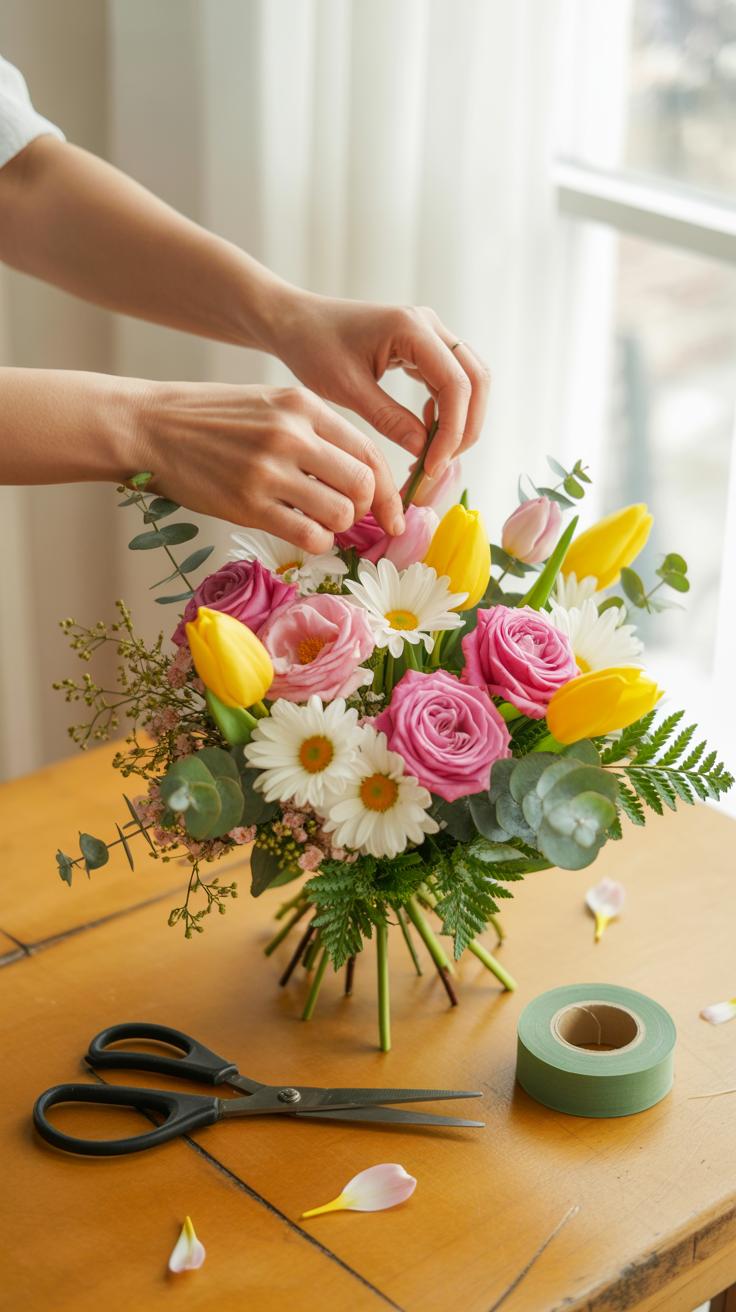
Preparing Your Stems: Cutting, Stripping, And Conditioning Flowers Correctly
Raw stems carry bacteria and air bubbles that kill flowers fast. You must strip every leaf that sits below the water line. Decaying foliage creates toxic sludge in the vase. This sludge blocks the stem’s ability to drink. Use sharp shears to cut stems at a forty-five-degree angle. This increases the surface area for water intake and prevents the stem from sitting flat.
Conditioning ensures your posy stays firm and upright. Place prepared stems in room temperature water for at least two hours before styling. This process allows the blooms to hydrate fully. Use clean buckets to avoid cross-contamination. Remove any damaged outer petals, known as guard petals, from roses. Clean stems result in a professional look and a longer vase life for your compact arrangement.
Building The Posy From The Center Outward: A Simple Spiral Technique
The spiral technique is the global standard for professional posy construction. This method allows you to adjust individual stems without collapsing the entire shape. Start by holding one strong, straight stem vertically in your non-dominant hand. This serves as your central axis. You will add every subsequent stem at an angle across this focal point to create a sturdy, balanced structural core.
- Central Focal Flower: Select the largest or most attractive bloom to act as your anchor. Hold this stem firmly between your thumb and index finger. It dictates the height of the finished bouquet and serves as the visual midpoint for the entire compact design.
- First Layer Addition: Place the second stem across the first at a slight angle. Ensure the head sits just below the central bloom. This begins the circular expansion. Always keep the stems crossing at the same pinch point to maintain a tight and secure handle.
- Rotating the Bundle: Turn the bouquet a quarter inch after every two or three stems. This rotation ensures you distribute flowers evenly around the center. It prevents flat spots and keeps the posy symmetrical. Consistent turning is the only way to achieve a perfect dome shape.
- Angled Stem Placement: Insert every new stem in the same direction, following the established diagonal line. This creates a natural spiral below your hand. A correct spiral prevents stems from crushing each other. It also allows the bouquet to stand up on its own when finished.
- External Greenery Wrap: Add a final layer of foliage around the perimeter of the blooms. Use leather leaf or salal to frame the flowers. This border hides the mechanics and protects delicate petals. It also provides a finished look that keeps the compact shape locked in.

Once you finish adding stems, check the dome shape from the top. The flowers should form a dense, even surface with no gaps. Secure the binding point tightly with waterproof floral tape or twine. Ensure the tie is tight enough to prevent slipping but loose enough to avoid snapping the stems. Cut the stem ends to an equal length to finish.
Cute Small Bouquet Flowers Seasonal Picks And Where To Source Them
Seasonal Flower Availability And Why It Matters For Freshness And Cost
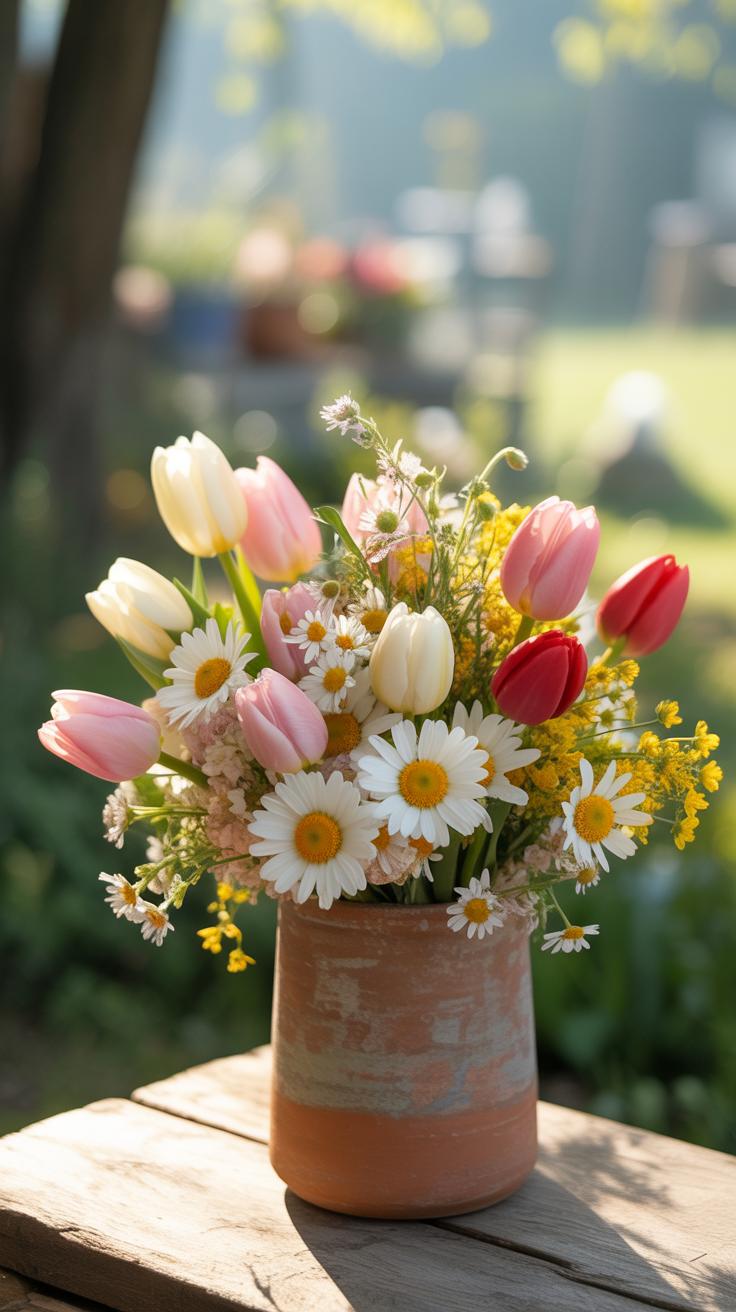
Seasonality dictates the structural integrity and price of your posy. Flowers grown in their natural cycle possess stronger stems and more resilient petals. This strength is vital for compact designs where stems are tied tightly together. Purchasing out of season requires expensive refrigerated transport from distant climates. These imported blooms often wilt faster because of the long travel times and chemical preservatives.
Buying in season slashes your unit cost per stem. Local farms provide peak harvests during spring and summer months when peonies and dahlias thrive. You avoid the markup added by international shipping and middleman logistics. Freshly harvested flowers also retain their scent and color longer than warehouse stock. Focus on what grows nearby to ensure your small bouquet stays vibrant for a full week or more.
Buying From Local Markets Vs. Florists Vs. Growing Your Own Blooms
Local markets offer the best balance of price and variety for beginners. Vendors sell bundles at wholesale rates which allows you to practice without breaking your budget. You can inspect the bucket water and stem quality before you commit to a purchase. Markets prioritize high turnover so the stock stays current. This environment helps you learn which flowers are currently in peak bloom for your region.

Florists provide curated selections but charge a premium for their sourcing expertise. Use them when you need specific focal flowers like ranunculus or high end roses. Growing your own blooms offers the ultimate level of control over stem length and organic quality. It requires time and garden space but eliminates all middleman costs. Homegrown zinnias and herbs add unique textures that commercial shops rarely carry in bulk.
Small Flower Bouquet Ideas To Spark Your Creativity And Personal Style
Theme Based Posy Concepts: Wildflower Monochromatic And Garden Style Looks
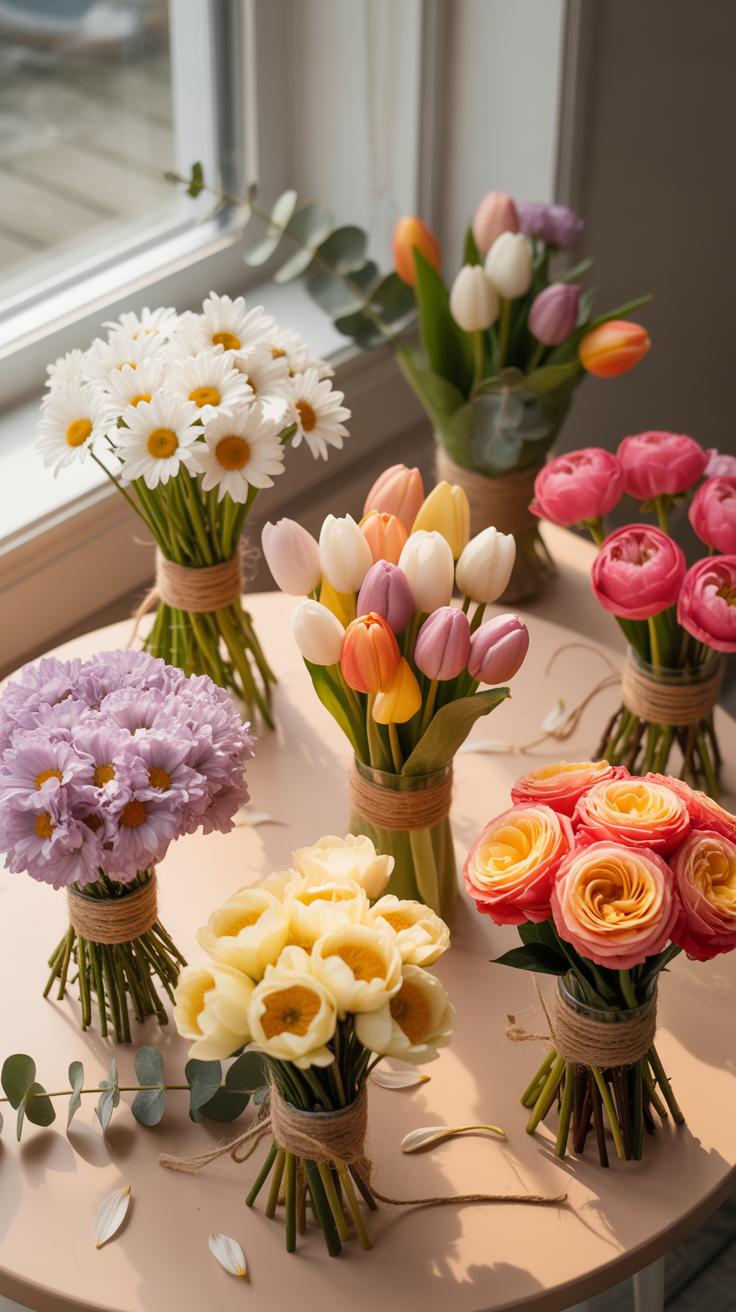
Design themes dictate your material selection and stem placement. A wildflower posy uses varied heights and jagged textures to mimic nature. You must use hardy field species like Queen Anne’s Lace or Scabiosa. Monochromatic themes focus on a single hue but utilize different shapes. Combine round roses with spiky veronica in the same color. This creates depth without visual clutter. Strategic color blocking ensures the bouquet looks intentional rather than messy.
Garden style posies rely on the English cottage aesthetic. This requires a mix of focal blooms and airy fillers. Use ranunculus or spray roses as your primary mass. Surround them with jasmine vine or sweet peas to break the circular perimeter. This style emphasizes movement and organic growth patterns. Always place heavier blooms near the center. Use lighter stems to create a soft outer edge. This technique prevents a rigid or flat appearance.
Handfuls of beauty, held together by a simple ribbon, bring the garden’s quiet joy into the heart of a home. Even the smallest bouquet is a masterpiece when gathered with a beginner’s wonder and a love for the earth.
How To Personalize A Mini Bouquet With Meaningful Flowers And Accents
Personalization increases the value of a compact arrangement without adding bulk. Use the Victorian language of flowers to select stems with specific meanings. Rosemary signifies remembrance while yellow roses represent friendship. These choices add a layer of communication to the gift. Small bouquets allow for precise detail that larger sprays lose. Select one signature stem that tells a story. This makes the design unique to the recipient.

Hardware and wraps provide the final custom touch. Replace standard floral tape with velvet ribbon or heirloom lace. Secure the stems with a vintage brooch instead of a common pin. You can also incorporate non floral elements like dried herbs or small feathers. These accents change the texture and scent profile. Keep additions proportional to the small scale of the posy. Excessively large decorations will overwhelm the delicate balance of your flower work.
Small Bridesmaid Bouquet Simple Designs That Look Elegant Without The Effort
Why Compact Posy Bouquets Are A Popular Choice For Bridal Parties
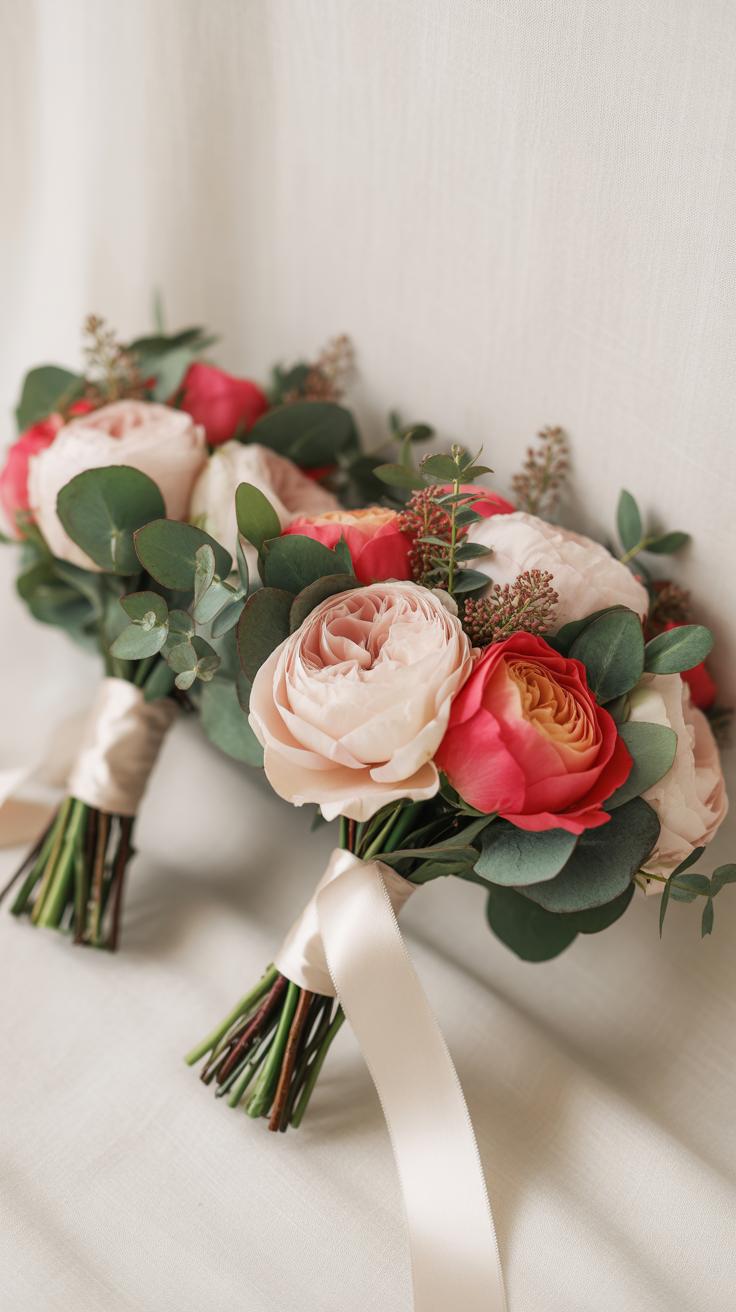
Compact posy bouquets focus on structural integrity and ease of movement. Modern bridal parties prioritize maneuverability and comfort over heavy, cascading arrangements. These smaller bundles use less water and maintain their shape for hours without wilting. They allow the dress design to remain visible rather than blocking the silhouette. This practical approach ensures the bridal party looks sharp in photos from every angle.
Historically, the posy style gained traction during the Victorian era as a functional accessory. These nosegays allowed women to carry fragrant herbs and flowers in a tight, manageable grip. Today, the design remains a staple because it requires minimal hardware to assemble. You only need stems, floral tape, and ribbon. Short stems reduce the weight, preventing hand fatigue during long ceremonies and professional photo shoots.
Coordinating A Small Bouquet Of Flowers For A Wedding Party On Any Budget
Financial efficiency defines the small bouquet strategy. You save money by using fewer stems per person. Most professional florists recommend using three to five primary blooms for a bridesmaid posy. Fill the gaps with hardy greenery like eucalyptus or ruscus. This method allows you to buy premium flowers, such as garden roses or peonies, without exceeding your total floral budget for the event.

Technical consistency is vital when organizing multiple bouquets. Use a single focal flower type to create a uniform look across the entire group. This repetition grounds the visual theme and simplifies the assembly process for beginners. Focus on clean cuts and tight binding. A well-secured handle ensures the bouquet stays together if dropped. High-quality ribbon covers the tape and provides a professional finish for very little cost.
Caring For Your Compact Posy Bouquet So It Stays Fresh And Beautiful Longer
Water, Temperature, And Light: The Key Factors In Extending Bloom Life
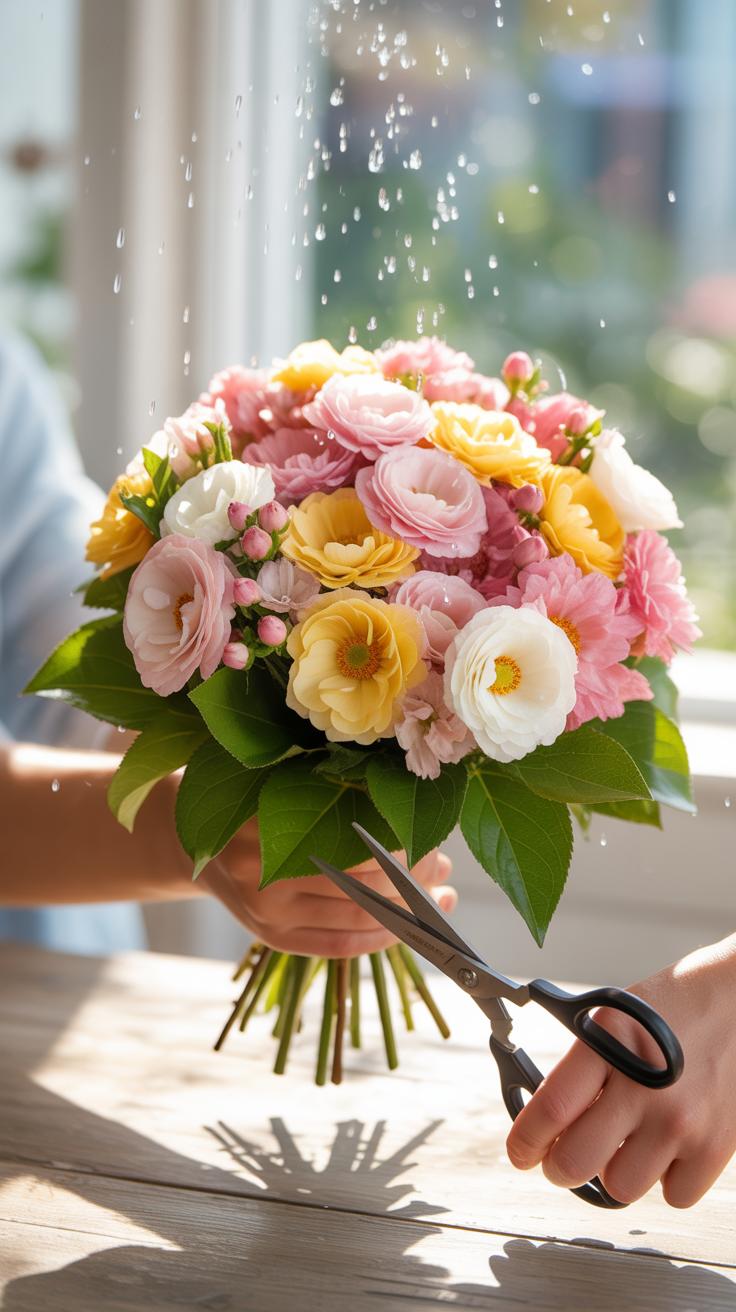
Cut stems immediately before placing the bouquet in water. Use a sharp knife or shears to create a clean forty-five-degree angle. This increases the surface area for water intake. Use lukewarm water to prevent air bubbles in the vascular system. Change the water every two days to stop bacteria from growing. Bacteria block water transport and cause stems to rot quickly.
Keep the posy away from direct sunlight and heat sources like radiators. High temperatures accelerate the respiration rate of the flowers and cause wilting. Professional florists often store arrangements in cool environments to slow down the aging process. Avoid placing the bouquet near ripening fruit. Fruit releases ethylene gas which triggers early petal drop. Consistent cool air and clean water preserve the cellular structure.
How To Dry And Preserve Your Mini Bouquet As A Lasting Keepsake
Air drying is the most effective way to preserve a compact posy. Remove all leaves from the lower stems to prevent mold growth. Bind the stems tightly with a rubber band or twine. Hang the bouquet upside down in a dark and dry room with good airflow. Darkness prevents the colors from fading under UV light. Hanging ensures the stems stay straight during drying.

Silica gel provides an alternative for faster moisture removal. Place the posy in a sealed container and cover it with the crystals. This method retains the original shape of delicate petals better than air drying. Check the bouquet after five days to see if the moisture is gone. Once dry, spray the flowers with a light coat of unscented hairspray. This seals the surface and prevents shattering.
Frequently Asked Questions

What exactly defines a posy bouquet compared to other floral arrangements?
A posy is a small, round cluster of flowers typically held in one hand. For beginners, creating compact posy bouquets is the perfect entry point into floral design because they focus on a dense, dome-like shape rather than complex vertical layers. These arrangements emphasize color harmony and texture in a petite size, making them ideal for bedside tables, small gifts, or simple handheld accessories for intimate events.
How do I keep my flowers in place while assembling the bouquet?
The secret to professional-looking compact posy bouquets is the spiral technique. Start with a focal flower and add stems at a slight angle, rotating the bunch as you go. This creates a sturdy, self-supporting structure. Once you achieve the desired fullness, wrap the stems tightly with floral tape or twine. This ensures your arrangement keeps its signature rounded silhouette and prevents the stems from shifting once placed in a vase.
Can I create an elegant posy on a tight budget?
Absolutely! You don’t need expensive exotic blooms to make a high-impact arrangement. Many beautiful designs utilize affordable “filler” flowers like baby’s breath, waxflower, or even greenery foraged from your own backyard. By focusing on a tight, monochromatic color scheme, you can make grocery store carnations or daisies look incredibly sophisticated. Petite arrangements require fewer stems anyway, allowing you to achieve a lush, high-end look without a significant financial investment.