What Makes A Textured Bouquet Stand Out Among Wedding Flowers Multicolor Designs
The Role Of Depth And Dimension In Textured Floral Arrangements
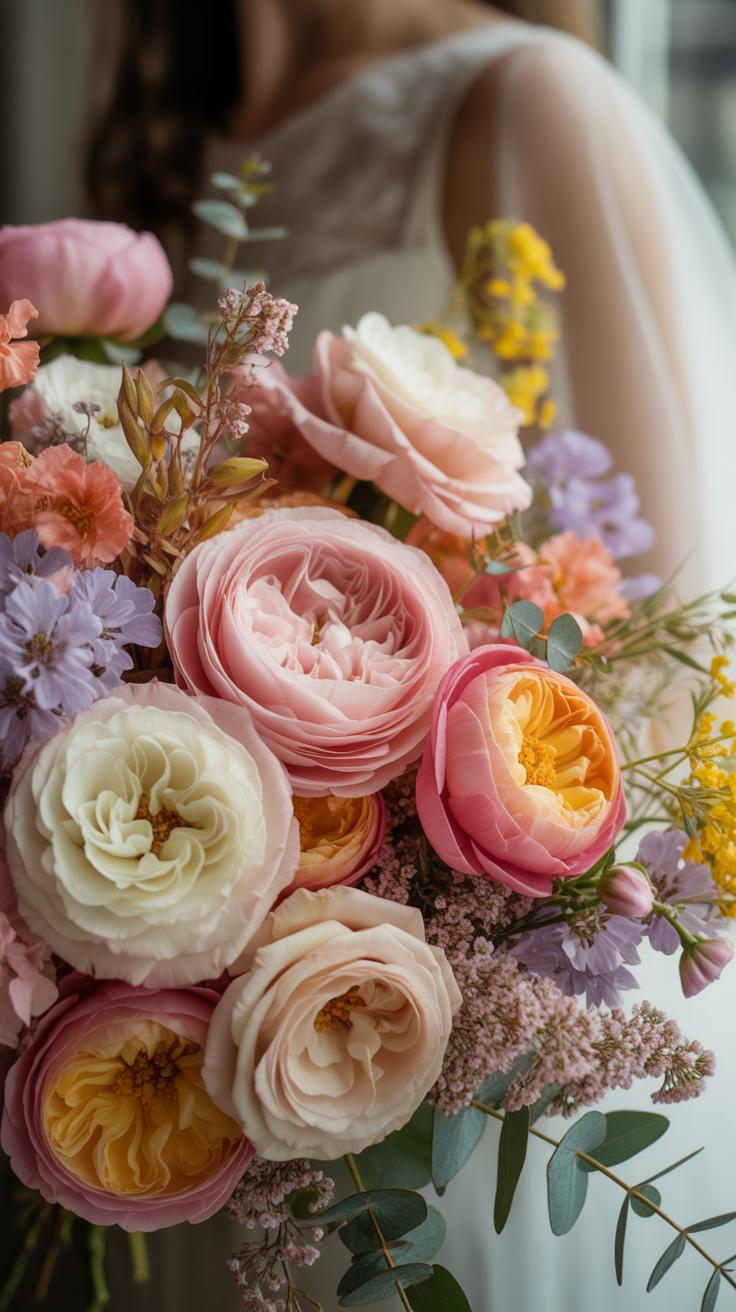
Texture creates visual weight by using plants with different physical surfaces. Smooth petals like roses need rough counterparts to create contrast. Designers achieve depth by layering materials at varying heights. Using spiked elements like eryngium or fluffy stems like pampas grass forces the eye to move across the arrangement. This technique prevents the bouquet from looking like a flat, solid mass of color.
Dimension relies on the strategic placement of receded and protruding focal points. Darker, denser flowers act as anchors in the center. Lighter, airy bits like jasmine vine or ferns reach outward to break the traditional circular silhouette. This structural variety mimics natural growth patterns found in Victorian garden styles. It ensures the arrangement remains visually interesting from every angle during photography or movement throughout the event.
How Multicolor Palettes Amplify The Visual Impact Of A Textured Bouquet
Multicolor designs use different hues to highlight individual plant structures. A monochromatic bouquet hides the unique shapes of various species. Contrast occurs when a bright yellow Billy ball sits next to a deep purple anemone. The color change draws immediate attention to the change in surface feel. Strategic color placement ensures that fine details do not disappear into the background of a large wedding arrangement.
Vibrant palettes maximize the shadows created by irregular surfaces. Darker tones placed deep within the bouquet emphasize the height of lighter flowers on top. This interaction between light and shadow defines the overall shape. Using multiple colors allows a florist to blend soft pastels with gritty, earthy elements. This method creates a complex look that appears more expensive and intentional than a single-toned bundle of flowers.

Exploring The Best Types Of Flowers For Bouquet Texture And Volume
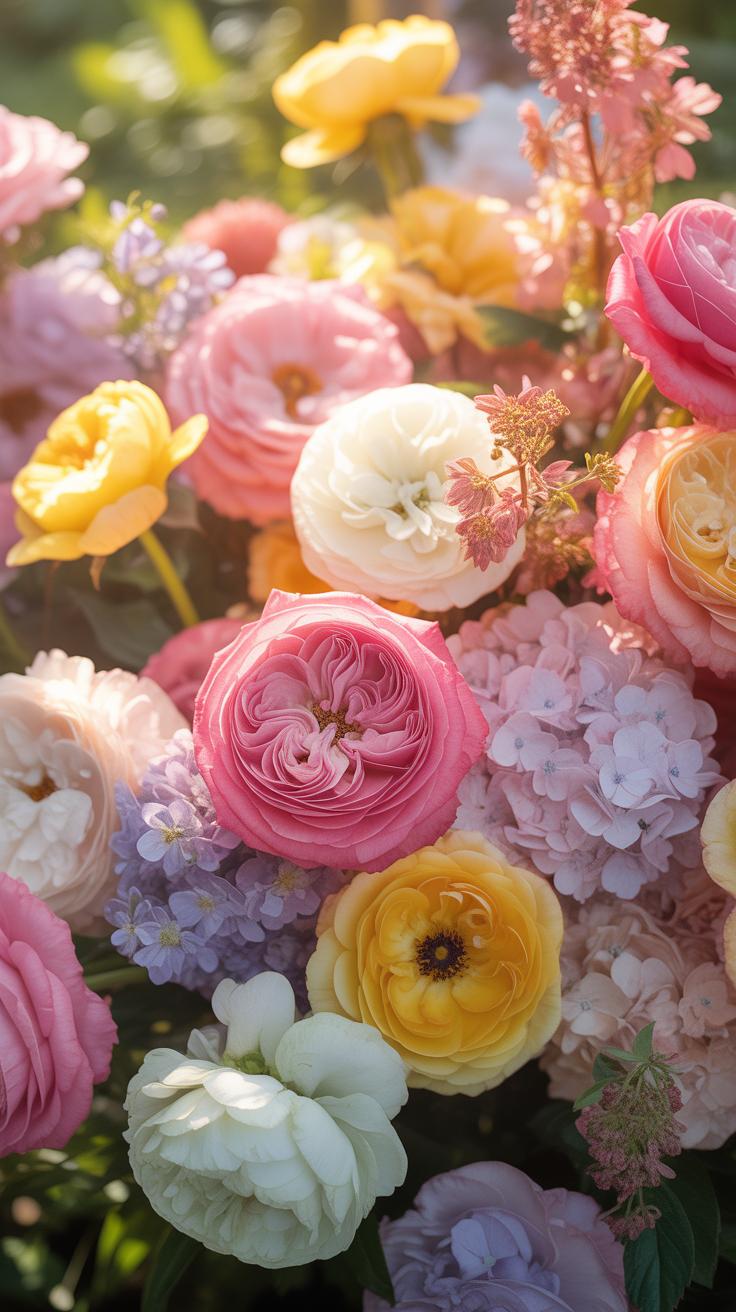
Structural Blooms That Add Bold Texture: Protea, Ranunculus, And Garden Roses
Structural blooms serve as the foundation for high-impact floral design. Protea offers a prehistoric aesthetic with stiff bracts and fuzzy centers that command attention. Ranunculus provides a different tactile experience through tight, paper-thin petals that create a circular pattern. Garden roses bring depth with ruffled, layered petals that differ from standard uniform roses. Use these flowers to establish a clear focal point in your arrangement.
Strategic placement of these blooms determines the overall silhouette. Proteas work best at the base or center because of their heavy weight. Ranunculus stems are flexible and allow for movement at the edges. Garden roses bridge the gap between hard structures and soft fillers. Choose these types when you need to break up flat surfaces. They provide the physical volume necessary for a modern, architectural look.
Filler Flowers And Foliage That Elevate Bouquet Texture Naturally
Filler elements translate raw space into a cohesive composition. These materials fill gaps and add intricate detail between larger focal flowers. Using a variety of leaf shapes and seed pods creates visual interest. You should choose fillers that match the scale of your main blooms. This ensures the bouquet does not look cluttered or messy. Proper selection improves the professional finish of any design.
- Eryngium: This thistle-like plant offers a sharp, spiky texture and a metallic blue hue. It provides a rugged contrast to soft petals. Use it to add structural grit and a masculine edge to mixed arrangements.
- Scabiosa Pods: These provide a unique spherical shape with a geometric, papery surface. They remain after the petals fall away. They add an organic, earthy feel and create distinct points of interest throughout the bouquet.
- Seeded Eucalyptus: This foliage features small clusters of berries along the stems. It provides a dusty green color and a pebbled texture. The cascading nature of the seeds adds weight and motion to the lower half of designs.
- Astilbe: This plant has feathery, plume-like spikes that add soft vertical height. It softens harsh lines and fills empty spaces with a light, airy quality. It is essential for creating a romantic or wild garden aesthetic.
- Grevillea: This foliage offers long, serrated leaves with a felt-like back. It contributes a fine, needle-like texture that contrasts with broad-leaf greenery. Use it to create a sense of depth and architectural complexity in larger installations.
Foliage is not a secondary thought in textured bouquet ideas. It defines the shape and provides a backdrop for color. Silver-toned leaves like Dusty Miller offer a velvet feel. Darker greens like Ruscus provide a glossy contrast. Mixing different leaf textures prevents the bouquet from looking like a single mass of color. Successful florists prioritize these elements to build height and width effectively.
Trendy Bouquet Styles That Are Dominating The Wedding Scene Right Now
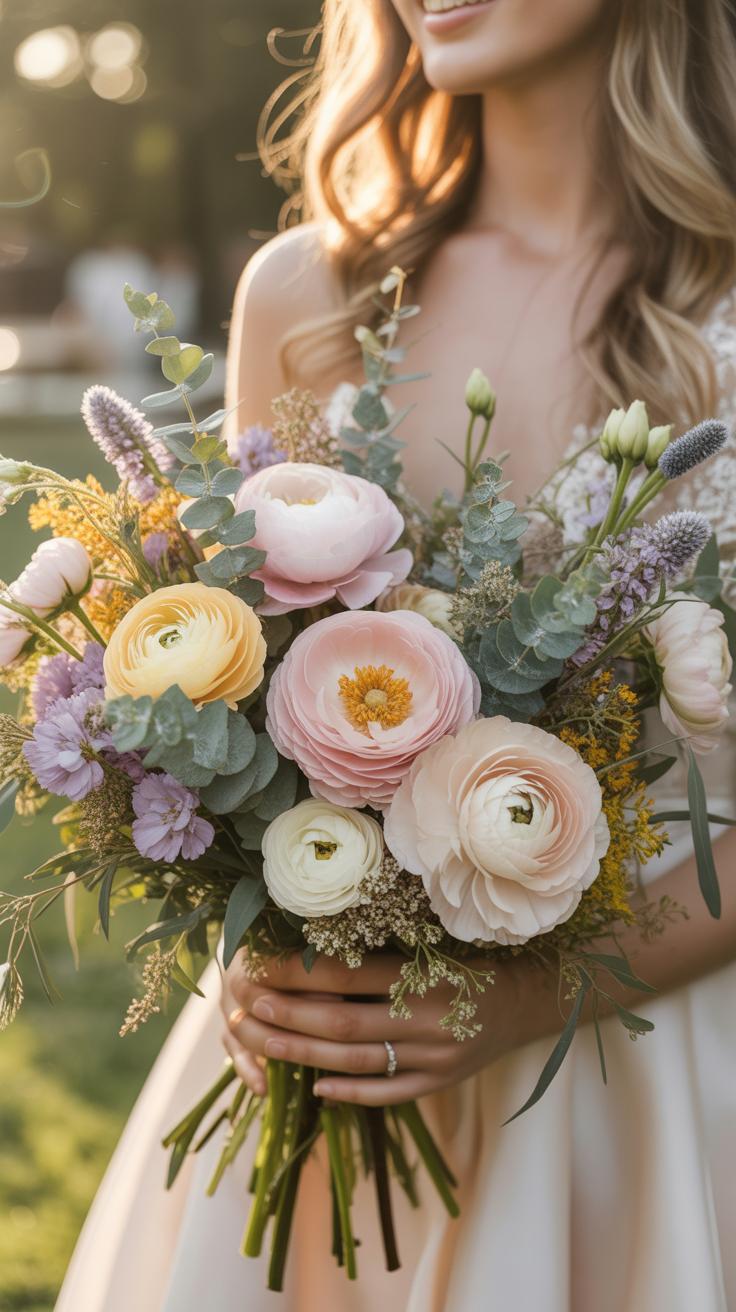
The Rise Of The Organic, Unstructured Bouquet Aesthetic In Modern Weddings
The organic aesthetic moves away from the rigid symmetry of traditional floral design. Florists now prioritize movement and negative space to mimic natural growth. This style rejects the tightly packed domes seen in previous decades. Instead, designers use varying stem lengths to create a wilder look. This shift forces the eye to move across the arrangement rather than focusing on a single point.
Modern weddings require these loose shapes to balance sleek bridal attire. Unstructured styles rely on “scaffolding” plants like jasmine vine or clematis to break the standard circular perimeter. You achieve this look by focusing on the natural bend of each flower stem. Avoid forcing flowers into unnatural positions. This approach highlights the raw silhouette of each plant species while providing depth through intentional placement.
Dried And Fresh Flower Combinations Making Textured Bouquets More Fashionable
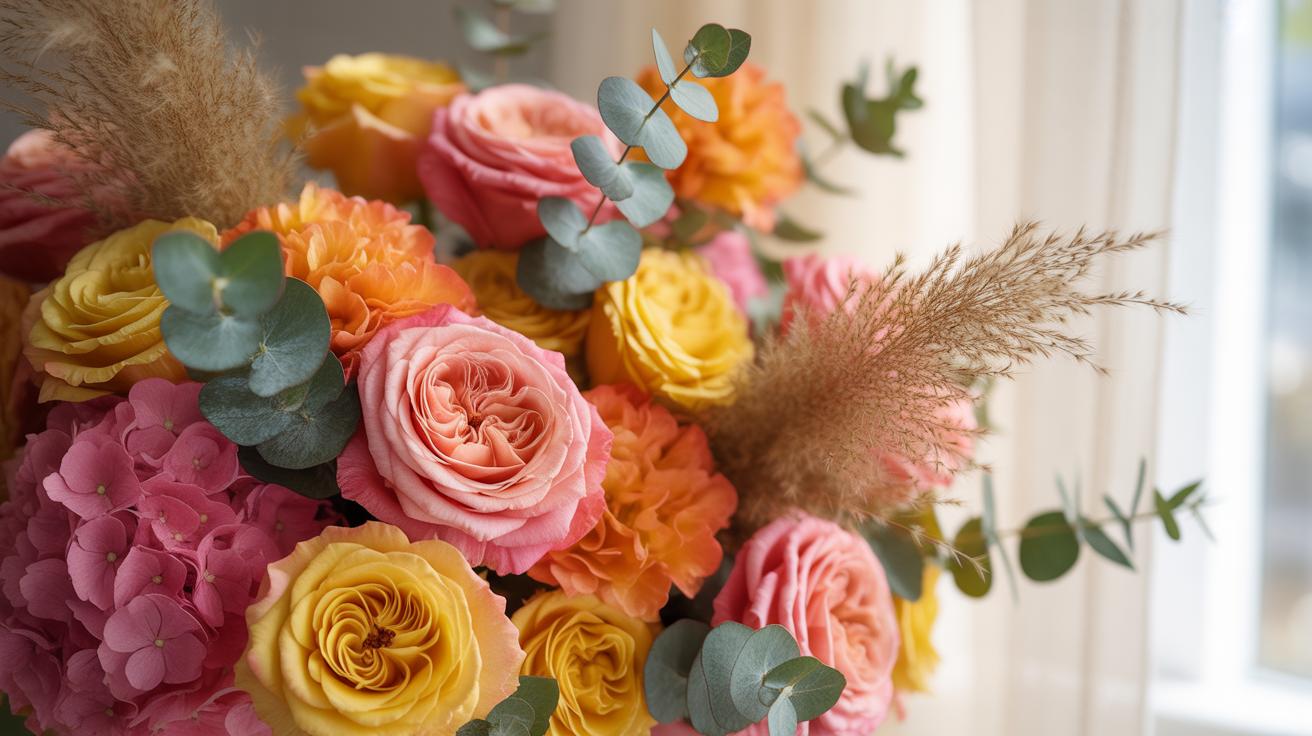
Mixing dried elements with fresh blooms adds immediate grit and contrast to any arrangement. Designers now pair soft petals with architectural items like sun-bleached palm leaves or preserved pampas grass. This technique allows for a wider color palette, including muted earth tones that fresh flowers cannot provide. It also strengthens the physical structure of the bouquet, making it more durable throughout the event day.

Technical execution involves balancing hydration needs with moisture-sensitive materials. You must keep dried stems away from direct water contact to prevent molding or drooping. Use floral tape to secure delicate dried pieces to sturdy fresh stems. This hybrid method creates a multi-dimensional surface that looks superior in photographs. It provides a tactile experience that appeals to clients looking for a sturdy, high-fashion floral statement.
Contemporary Wedding Bouquet Designs That Embrace Bold Textured Florals
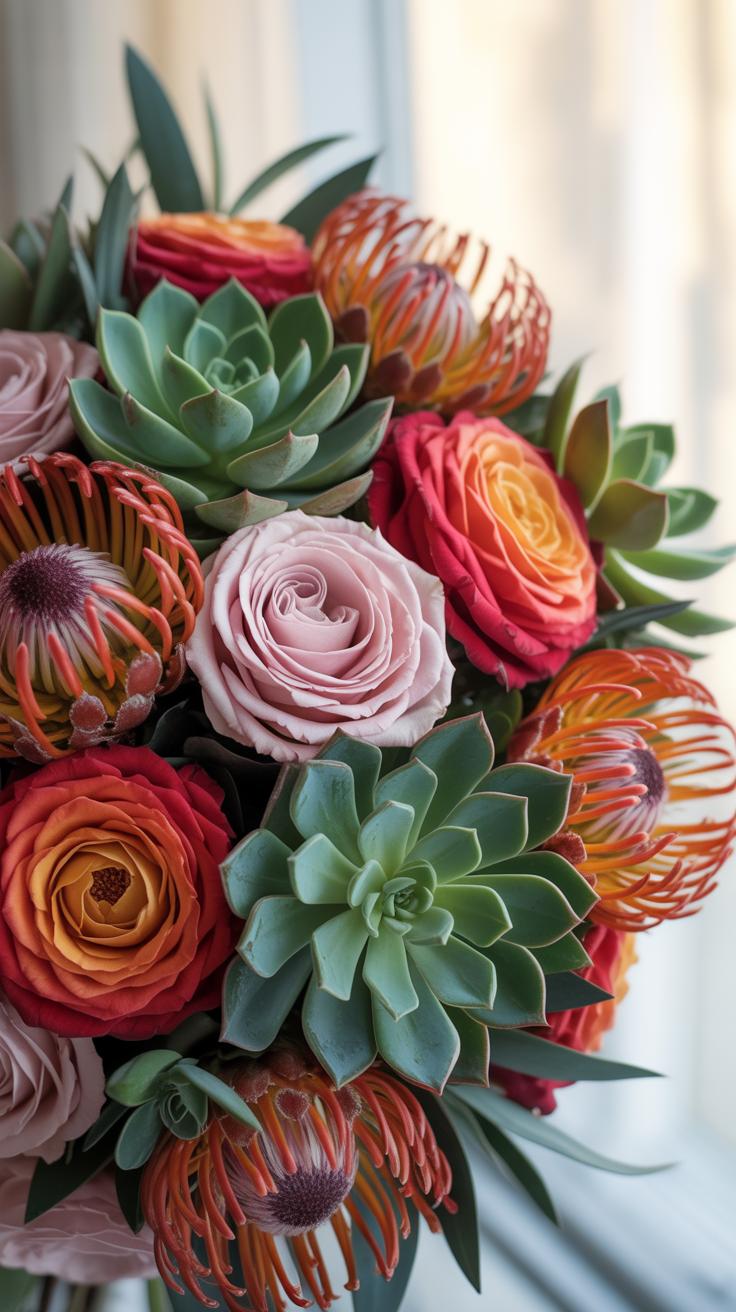
Architectural Bouquet Shapes That Define The Contemporary Aesthetic
Modern design moves away from the standard round cluster. Designers now use line and form to create visual tension. Large focal flowers like King Protea provide a heavy base. Long stems of Orchids or Gladiolus extend outward to create asymmetrical paths. This movement builds a silhouette that looks like a sculpture. You must choose stems with strong external structures to maintain this shape throughout the day.
The structural approach relies on the principle of negative space. Do not pack every gap with filler. Leave open areas to highlight the unique angles of each branch or bloom. Use rigid materials like Monstera leaves or dried palms to frame the edges. These hard lines contrast with softer petals. This technique draws the eye to specific textures. It forces the viewer to see the bouquet as a deliberate piece of art.
Mixing Unexpected Elements Like Berries, Pods, And Bark Into Modern Bouquets
Classic florals lack the tactical grit found in raw botanical elements. Hypericum berries and Scabiosa pods add hard, round surfaces that break up soft petal clusters. Dried Lotus pods provide deep shadows and circular patterns. These items do not wilt. They keep their physical integrity in high heat or wind. Use them to ground the design. These heavy textures create a balanced weight across the entire handheld arrangement.

Natural bark and wood accents introduce earthy brown tones and rough skins. Strips of birch or curly willow branches add height and a rugged finish. These materials change the light reflection within the bouquet. Smooth petals absorb light while rough bark scatters it. This contrast makes colors appear more vivid. Use these non-floral items to add depth without increasing the petal count. This strategy lowers costs while increasing visual impact.
Lush And Romantic Floral Wedding Bouquets Bursting With Layered Texture
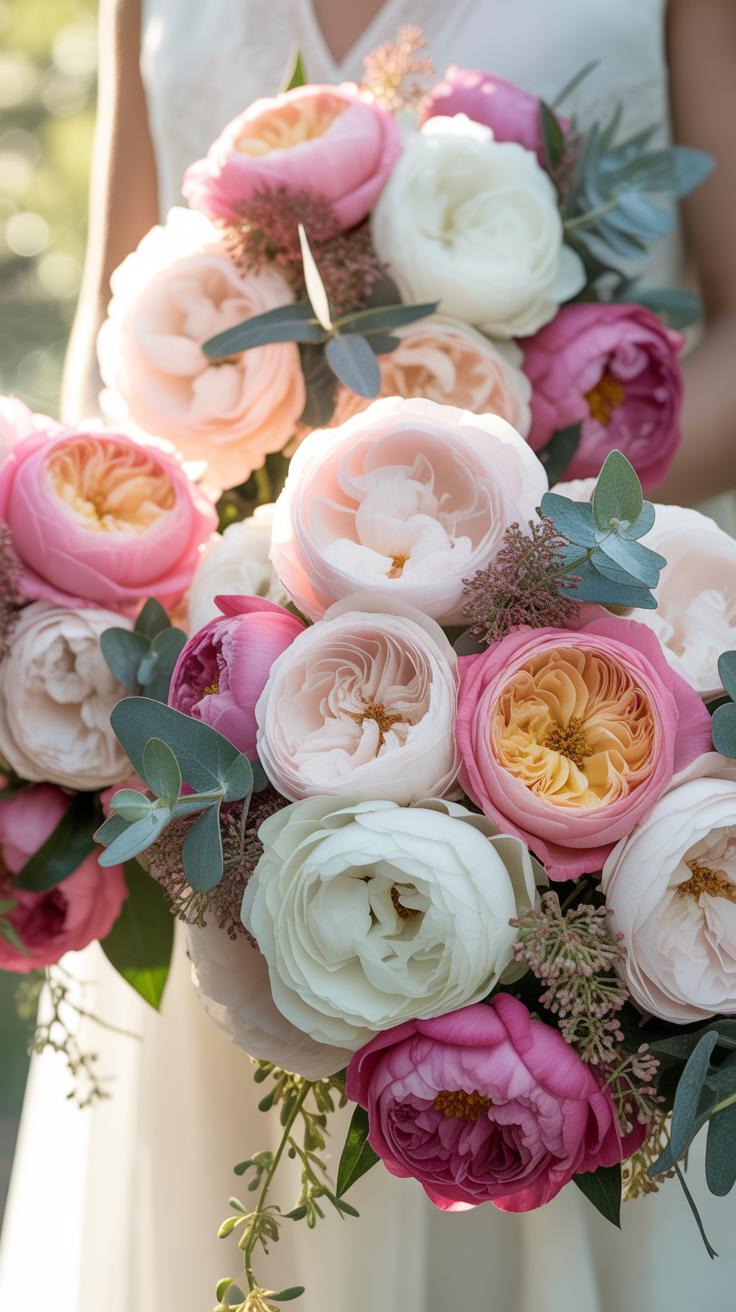
Garden Style Bouquets And Why They Remain A Timeless Floral Choice
Garden-style bouquets prioritize a natural look. They mimic how flowers grow in the wild. This style avoids the stiff, round shapes of the past. Designers use various stem lengths to create depth. This technique creates a loose and airy feel. It works because it highlights the unique shape of every flower. No two bouquets look exactly the same with this method.
This movement gained popularity during the Dutch Golden Age. Old Master paintings showed overflowing arrangements with mixed textures. Today, this style remains popular because it looks organic. It uses local and seasonal blooms to mirror the environment. You gain a high-end look without looking over-processed. It provides a relaxed aesthetic that still feels professional. Use this approach to achieve a sophisticated and effortless result.
How To Layer Bloom Sizes For A Full, Cascading Textured Effect
Layering requires a strategic mix of three bloom sizes. You start with large focal flowers like peonies or garden roses. These act as the foundation. Next, add medium-sized secondary stems to bridge gaps. Finally, use small filler flowers and delicate greenery. This hierarchy builds a visual path for the eye. It creates a three-dimensional shape that looks good from every angle.
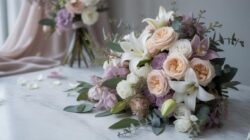
The cascading effect depends on stem placement. Place larger, heavier blooms near the center of the bouquet. Position lighter, trailing elements to spill over the edges. Use vines or clematis to add movement and length. This technique adds weight at the base and lightness at the tips. It creates a flow that guides the viewer’s gaze downward. Proper layering ensures the bouquet looks lush rather than cluttered.
Boho Bouquets And The Art Of Effortless Wildflower Texture
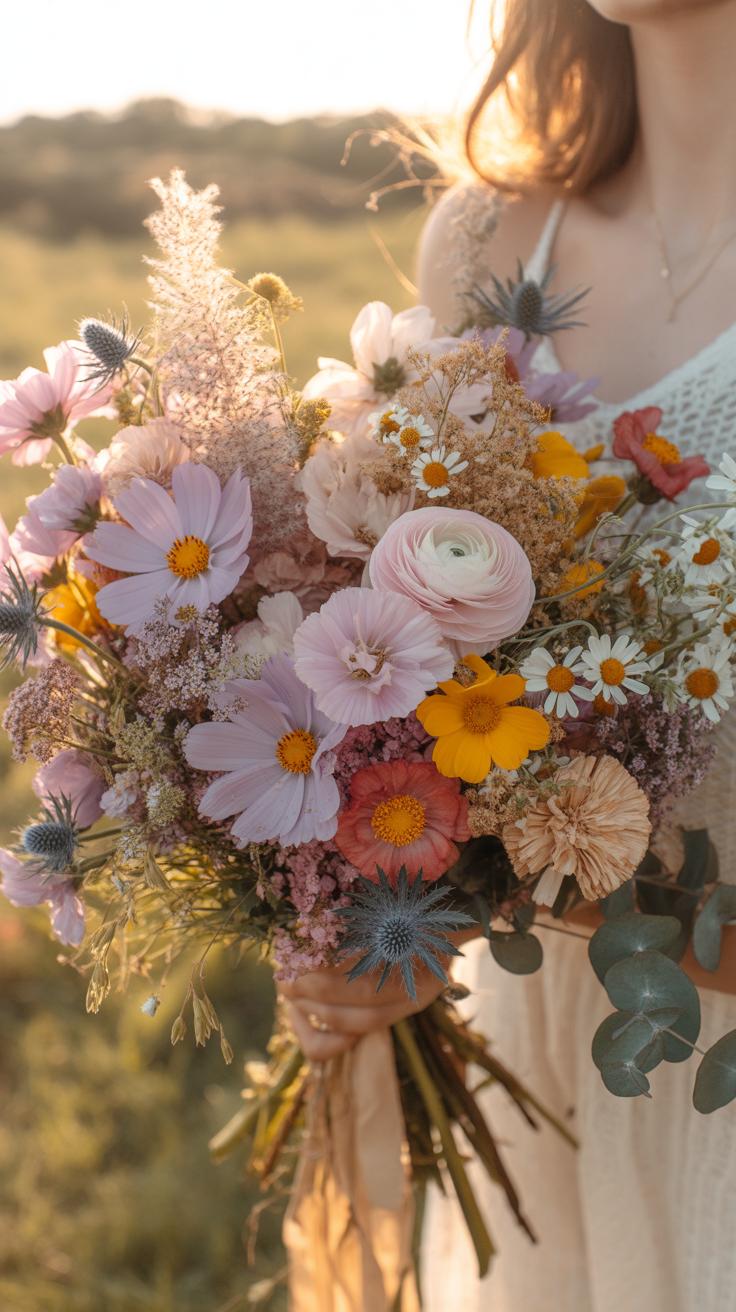
Signature Elements That Define A True Bohemian Textured Bouquet
Bohemian floral design relies on asymmetry and varied stem lengths to create visual depth. Designers avoid tight circles or uniform shapes. They focus on the natural growth patterns of the plants. This method uses negative space to highlight individual textures. You must leave room between focal flowers. This gap allows smaller fillers and delicate stems to stand out. It breaks the traditional round silhouette.
Structural integrity comes from woody stems and dried elements rather than plastic foam. Professionals use chicken wire or waterproof tape grids to hold heavy blooms. This technique maintains a loose look while securing the placement. You should mix different maturity levels of flowers. Use tight buds alongside fully open petals. This creates a timeline of growth within a single arrangement. It emphasizes the raw botanical aesthetic.
Top Wildflowers And Grasses Used In Boho Textured Bouquet Styling
Modern boho arrangements use specific species to create a chaotic but controlled look. These plants provide the erratic movement required for this style. You need materials that offer both height and fine detail. Select items that do not wilt quickly in outdoor settings. The following materials are industry standards for adding immediate texture and volume to any wildflower inspired design.
- Pampas Grass: This tall grass provides a soft and architectural background. Its feathery plumes add significant volume without adding heavy weight to the bouquet. It bridges the gap between dried and fresh elements effectively.
- Dried Protea: These flowers offer a prehistoric and rigid structure. They serve as a dominant focal point due to their size and unique petal scales. Their low water needs make them ideal for long events.
- Astrantia: These small and star-shaped blooms add intricate detail. They work best as a filler that bridges larger flowers together. Their pin-cushion appearance creates a micro-texture that draws the eye into the center of the bouquet.
- Scabiosa Pods: These globe-shaped heads provide a geometric contrast to soft petals. They remain sturdy and keep their shape throughout the day. Their brownish-green tint adds an earthy color palette essential for the bohemian aesthetic.
- Eryngium Thistle: This blue or silver plant introduces a sharp and prickly tactile element. It stands out against soft foliage. Its rigid structure helps support weaker stems within the arrangement while providing a cool color tone.
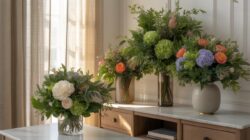
Balance these textures by grouping similar items in clusters. Do not spread them evenly across the bouquet. Clustering creates impact and mimics how these plants grow in nature. Use flowing greens like eucalyptus to soften the edges. This connects the wild textures to the overall shape. Avoid shiny or plastic ribbons for the stems. Use raw silk or linen to finish the look.
High End Floral Arrangements That Transform Textured Bouquets Into Works Of Art
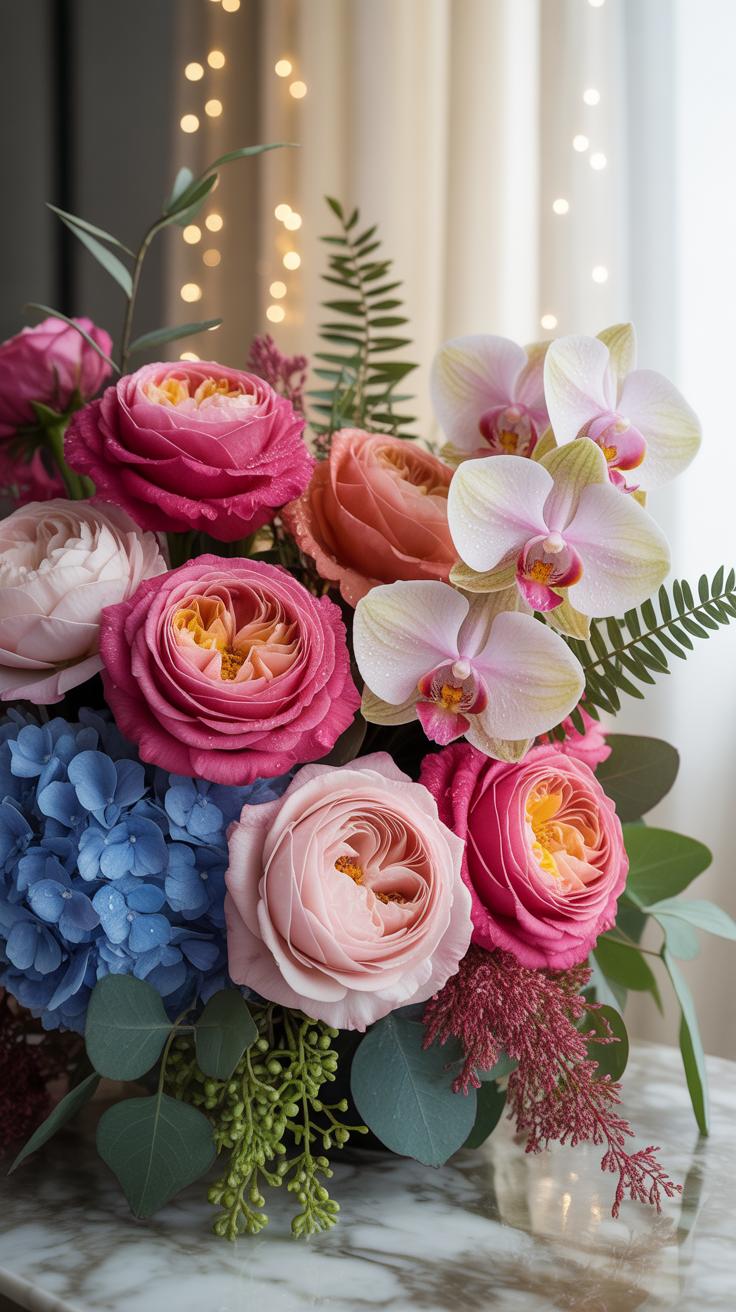
Luxury Blooms Like Peonies, Orchids, And Hellebores In High End Bouquet Design
High end floral design uses specific species to build visual depth. Peonies provide a dense mass that anchors the arrangement. Their many petals create a soft but thick surface. Orchids offer sharp lines and waxy finishes. These contrast against the matte texture of other flowers. Hellebores add a leathery feel and muted colors. These choices ensure the bouquet looks complex and expensive.
Strategists select these blooms based on their physical structural integrity. Peonies occupy large volumes of space quickly. Orchids provide directional movement with their long stems and unique shapes. Hellebores bridge the gap between green foliage and focal flowers. This combination forces the eye to move across different elevations. This technique creates a three dimensional effect that standard flowers cannot achieve in modern designs.
The Craftsmanship Behind Couture Floral Bouquets And What Sets Them Apart
Couture floral design focuses on advanced technical construction. Designers do not just bundle flowers together. They use wiring and taping to position every stem precisely. This control allows for dramatic angles and negative space. High end work often incorporates architectural principles. It treats flowers like raw building materials. Proper mechanics ensure the bouquet holds its shape during long events or photoshoots.
The difference lies in the finish and the quality of the base. Expert florists remove every leaf or thorn that disrupts the line. They use silk ribbons or leather wraps to finish the handle. The internal structure must remain invisible to the viewer. Precision engineering prevents the arrangement from looking crowded or messy. This level of detail justifies the high price point of custom luxury floral work.
Wedding Florals Simple Yet Stunning Achieving Texture With Minimal Blooms
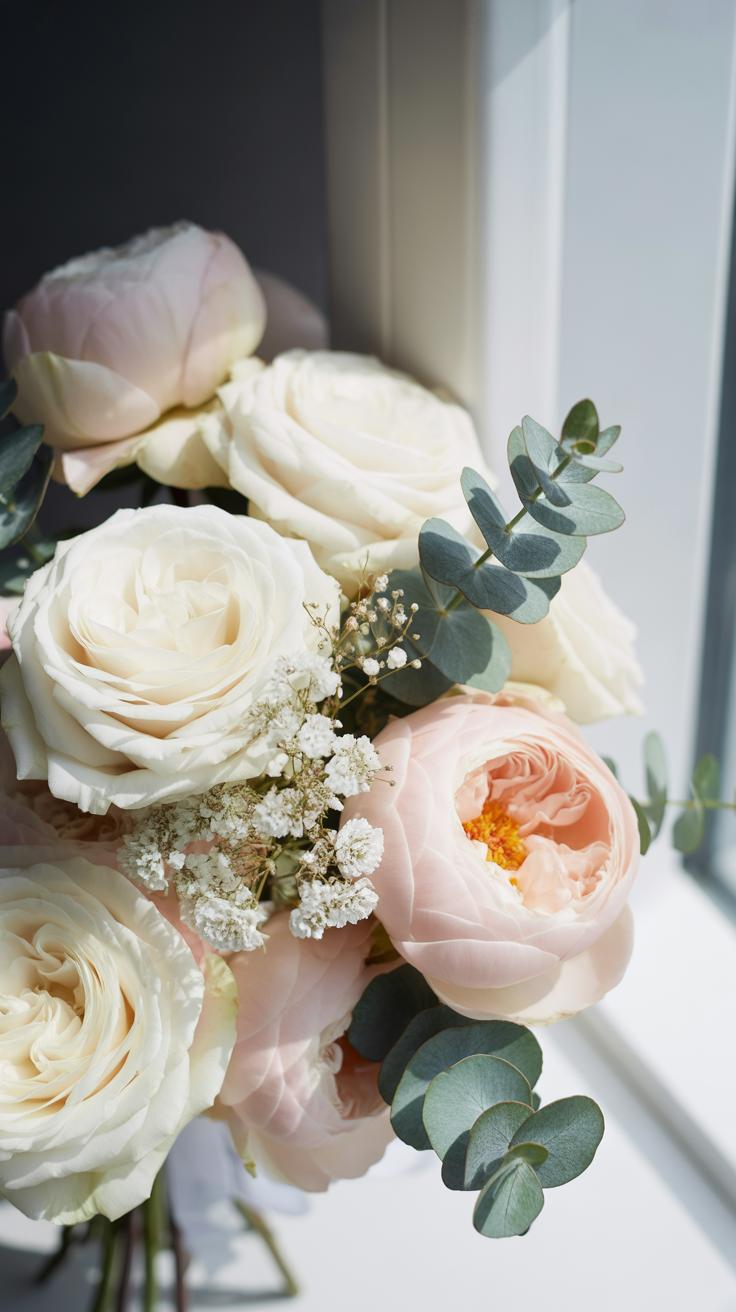
How Greenery Forward Bouquets Create Rich Texture Without Overcomplicating The Design
Greenery forward designs prioritize leaf shape and surface quality over traditional flower heads. Designers use foliage with varying edge patterns to build visual depth. Selecting leatherleaf fern provides a jagged edge while eucalyptus offers a smooth matte finish. These contrasts create layers without requiring many individual stems. This strategy reduces costs while maintaining a high level of visual interest for the viewer.
Using different shades of green adds more texture to a simple bouquet. Mixing dark forest green leaves with silvery sage tones breaks up the silhouette. This technique creates shadows and highlights naturally. It mimics the depth found in a wild forest floor. Florists avoid a flat look by layering stiff branches against soft drooping vines. This method ensures the bouquet remains dynamic during movement.
Every flower is a soul blossoming in nature, and mixing textures brings back the layered beauty of a wild, sun-drenched garden. When we gather these tactile stems together, we weave the stories of our heritage into a single, breathtaking arrangement.
Single Variety Bouquets That Prove Simplicity And Texture Can Coexist Beautifully
Single variety bouquets rely on the natural repetition of one flower type to build texture. Using only one species highlights the unique structural details of that specific plant. For example, a bundle of baby breath creates a frothy cloud like effect. A group of calla lilies emphasizes smooth architectural lines. This approach focuses on the collective impact of identical shapes packed tightly together.
Consistency in the flower type allows the eye to notice subtle differences in petal ruffles or stem thickness. Large mono botanical arrangements create a bold modern statement. These designs work well for minimalist aesthetics where clutter is unwanted. You achieve a high end look by choosing flowers with strong physical characteristics like protea or anemones. This tactic maximizes the visual payoff while minimizing the technical complexity.
Choosing The Right Textured Bouquet Ideas To Complement The BrideS Bouquet Vision
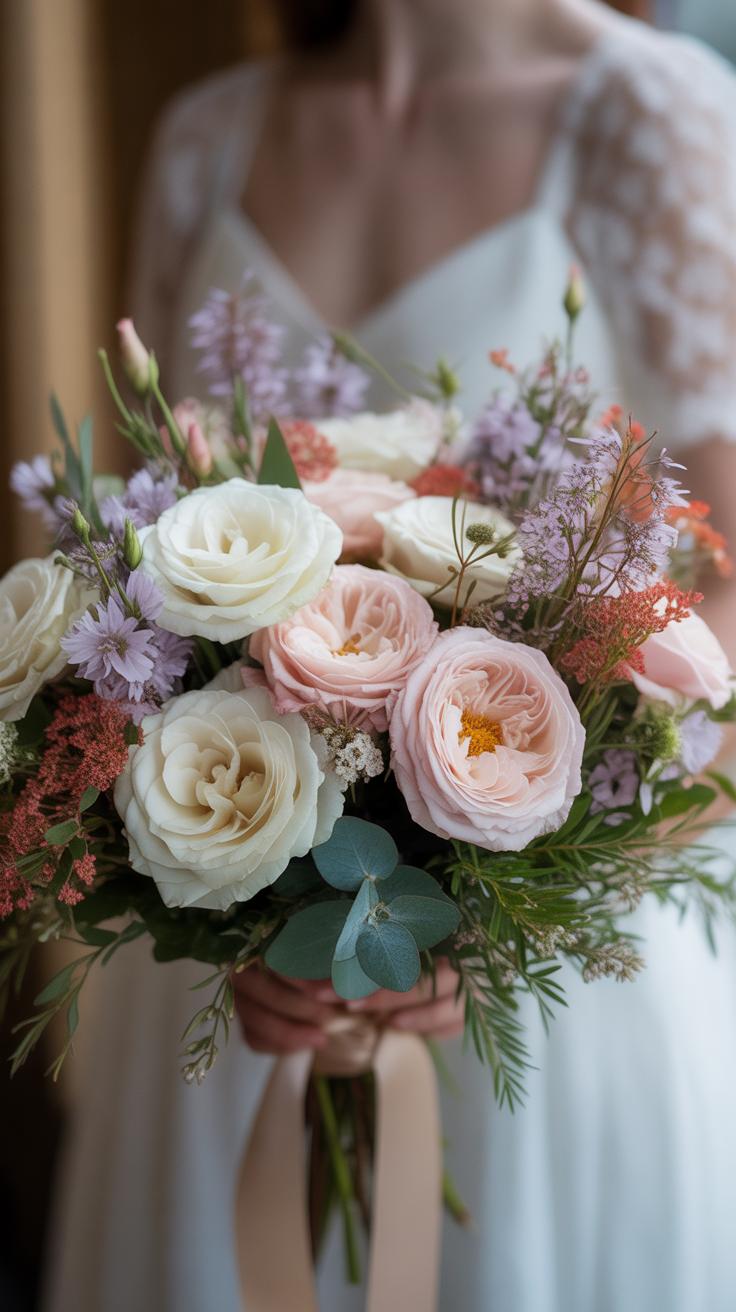
Matching Your Textured Bouquet To Your Wedding Theme, Season, And Dress Style
Texture adds depth and creates a visual hierarchy. Pair smooth silk dresses with highly architectural plants like thistles or proteas to create contrast. Heavy lace gowns require more refined textures like ranunculus or sweet peas to avoid visual clutter. Align your material choices with the setting and architecture of the venue. Modern industrial spaces benefit from sharp lines while garden settings favor soft greenery.
Seasonal availability dictates the structural integrity of your bouquet. Use berries and woody stems in winter for durability. Spring offers soft petals and delicate vines that add movement. Summer heat requires hardy succulents or waxy tropicals to prevent wilting. Match the weight of the stems to your body frame. A large bouquet can overwhelm a petite person. Select textures that enhance the gown without snagging delicate fabrics.
Working With A Floral Designer To Bring Your Textured Bouquet Vision To Life
Communication with your designer requires technical specifics instead of vague feelings. Provide images that show preferred leaf shapes and stem finishes. Discuss the construction method such as hand-tied or wired styles. A professional designer understands how to balance focal flowers with filler materials. They will suggest substitutions if your desired plant is out of season. Listen to their advice on weight and balance for better handling.
Define your budget before the first meeting to guide the material selection. High-texture bouquets often require more labor and diverse sourcing. Request a mock-up or a detailed list of the species being used. This ensures the final product matches your tactical goals. Monitor the scale of the arrangement during the planning phase. Clear instructions on stem length and ribbon choice finalize the look. Professional execution ensures the textures remain intact throughout the day.
Frequently Asked Questions

What exactly is a textured bouquet?
A textured bouquet moves away from the traditional, rounded look of uniform roses. It focuses on sensory variety by mixing different shapes, edge types, and finishes. These textured bouquet ideas typically incorporate a blend of “spiky” greenery, soft petals, and architectural elements like seed pods. The goal is to create a multi-dimensional arrangement that looks interesting from every angle, offering a more organic and high-fashion feel for your home or event.
How can I create more dimension in a DIY floral arrangement?
To master textured bouquet ideas at home, follow the rule of layers. Start with a sturdy base of eucalyptus or ferns, then add focal flowers with varying petal counts, like ruffled ranunculus alongside smooth tulips. Finally, tuck in “filler” elements with unique surfaces, such as dried bunny tails, thistles, or wax flowers. This contrast between soft, sharp, and fuzzy surfaces creates the professional, high-end depth that makes modern arrangements stand out.
Can I achieve a high-texture look on a tight budget?
Absolutely! You don’t need expensive exotic blooms to create a stunning visual impact. Focus on foraging local greenery, ornamental grasses, or dried wheat to add height and grit without the high price tag. Herbs like rosemary or lavender are affordable ways to introduce tactile interest and fragrance. By mixing these inexpensive elements with a few statement supermarket flowers, you can achieve luxurious results while keeping your floral costs manageable and eco-friendly.