What Makes A Leafy Bouquet So Timeless And Universally Appealing
The Natural Aesthetic That Has Endured Through Floral Design History
Greenery heavy bouquets trace back to ancient Greek and Roman traditions. These cultures used laurel, ivy, and olive branches to symbolize status and victory. They prioritized foliage over rare blooms because leaves stayed fresh longer. This durability established greenery as a reliable design staple. Modern florists still use these historical foundations. They rely on green tones to provide a neutral base for any setting.
The Victorian era shifted focus toward complex floral meanings. However, foliage remained essential for structure and volume. Designers used ferns and palms to create large, architectural shapes in grand homes. Today, the resurgence of greenery stems from a desire for organic styles. People want arrangements that look like they came directly from nature. This raw look bypasses the stiff, formal patterns of mid-century floral design.
How Texture And Layering Define The Character Of A Leafy Bouquet
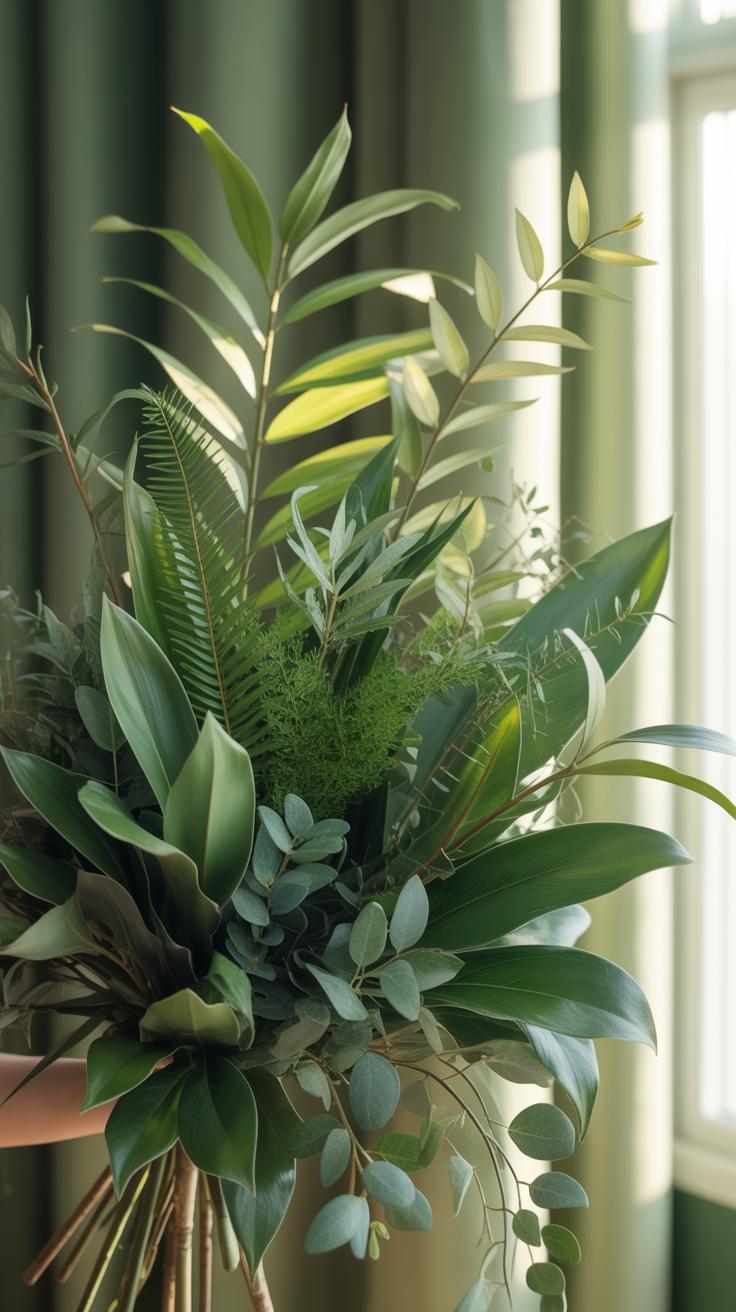
Texture serves as the primary tool for adding visual depth. A successful bouquet uses different leaf shapes to catch light and create shadows. Smooth leaves like Ruscus provide a clean backdrop. In contrast, seeded Eucalyptus adds a gritty, matte finish. Mixing these surfaces prevents the arrangement from looking flat. Proper layering ensures the eye moves through the entire design. It creates a sense of movement.
Layering requires a strategic placement of stems based on density. Florists place heavy, broad leaves at the base to hide mechanics like tape or foam. Lighter, wispy stems like Grasses or Asparagus Fern go on the outer edges. This technique mimics how plants grow in the wild. It gives the bouquet a three-dimensional quality. Without varied textures, a green arrangement becomes a solid mass of color.

Stunning Green Wedding Bouquets Bride Inspiration For Your Big Day
Choosing The Right Shade Of Green To Complement Your Wedding Palette
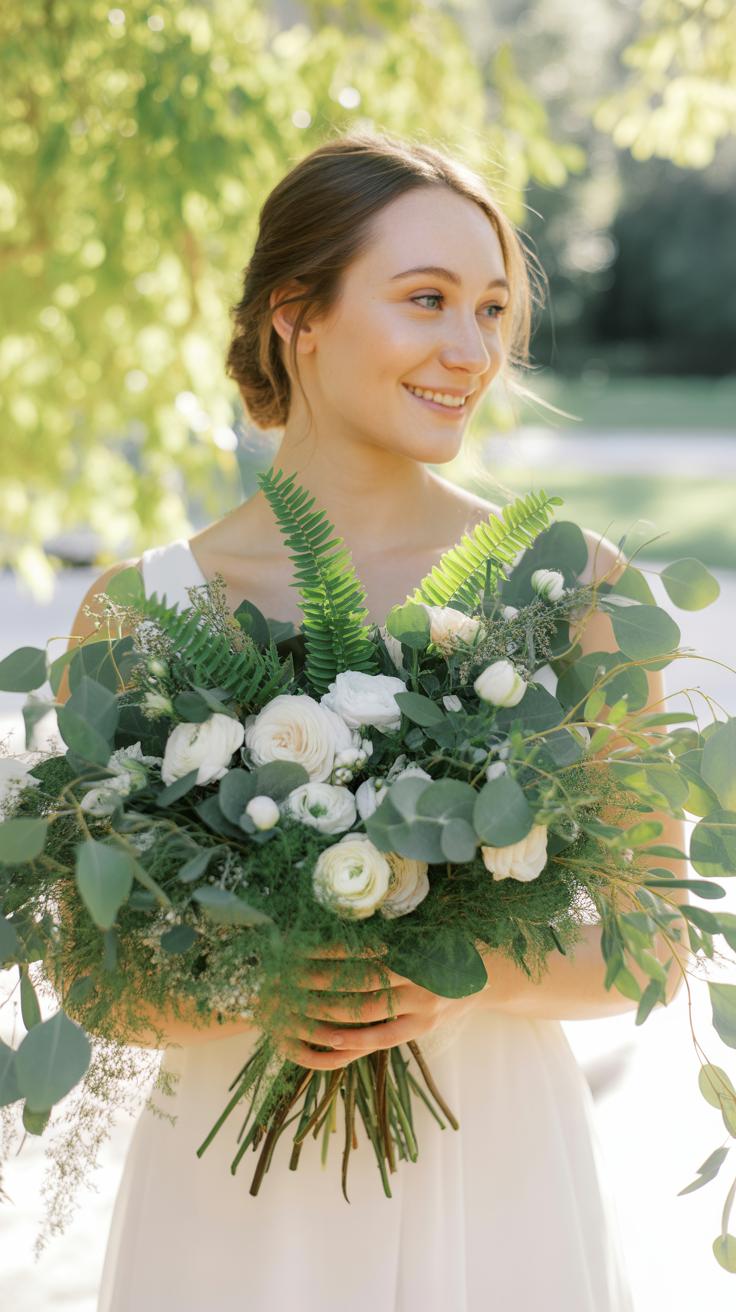
Greenery behaves as a neutral in wedding design. You must match the leaf undertone to your primary colors. Cool palettes with blues or purples require silvery greens like Eucalyptus or Dusty Miller. Warm palettes featuring gold or orange need yellow-based greens like Italian Ruscus. Mismatched undertones create visual friction. Select your foliage based on the color temperature of your bridesmaid dresses and table linens.
Foliage density also impacts the color depth of your bouquet. Darker greens like Magnolia leaves provide heavy contrast and formal structure. Lighter shades like Ferns or Asparagus greenery create a soft and airy feel. Consider the lighting of your venue before finalizing your selection. Indoor ballrooms often swallow dark greens. Outdoor settings under direct sun make bright greens pop. Use these tactical shifts to control the mood.
Pairing White Florals With Lush Greenery For An Elegant Bridal Look
The white and green combination is a classic design standard. It relies on texture rather than color for visual interest. Large white flowers like Peonies or Garden Roses act as focal points. Surround these heavy blooms with varied foliage types to prevent a flat appearance. Use Scabiosa pods or hypericum berries to add structural variety. This technique creates a professional and high-end aesthetic for any bride.

Balance is the most critical factor in a greenery heavy arrangement. Use the sixty-forty rule to ensure the greenery dominates without hiding the white flowers. Greenery provides the frame and the white petals provide the light. Designers often use cascading ivy or flowing eucalyptus to add movement to the shape. This movement draws the eye across the bouquet. It makes the arrangement look organic and sophisticated instead of stiff.
How To Create A Breathtaking Forest Wedding Bouquet Full Of Wild Charm
Best Foliage And Botanicals To Capture A True Forest Aesthetic
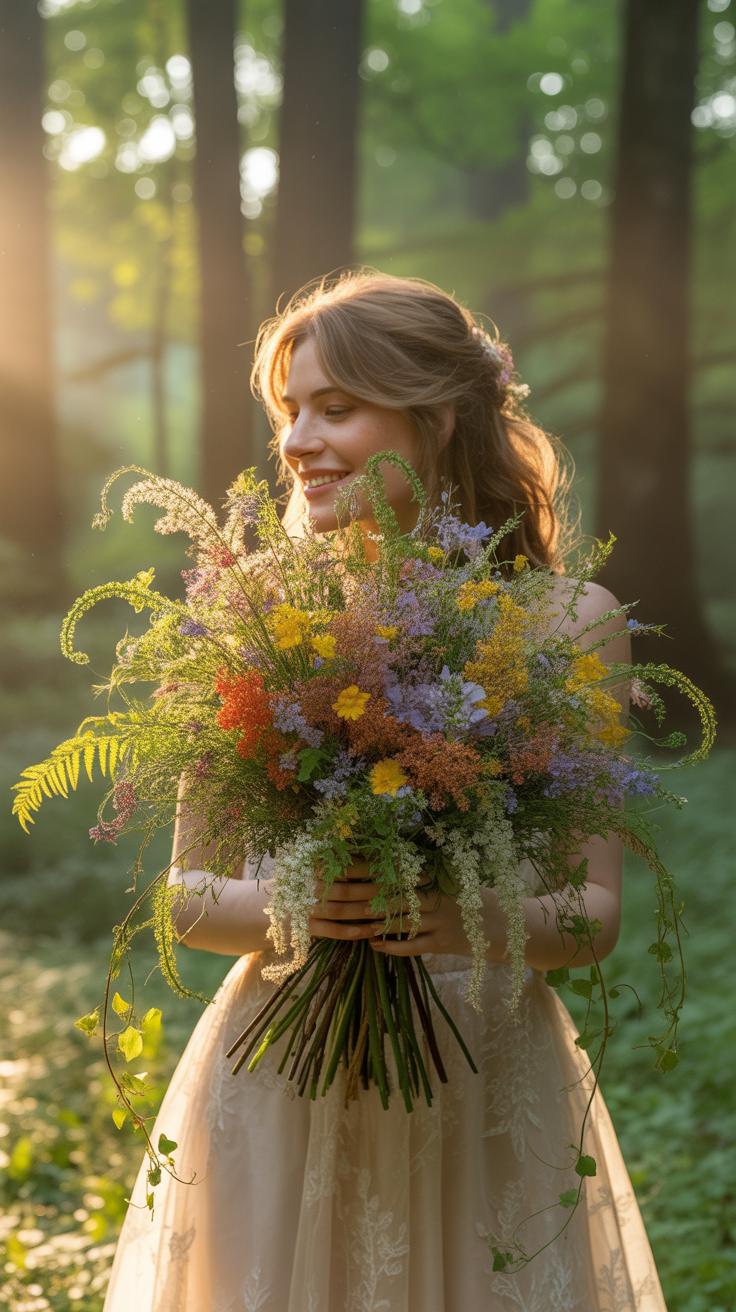
A forest aesthetic requires layers of different textures to mimic a natural woodland floor. Focus on using cool-toned evergreens and feathery ferns to build a dense foundation. These plants offer structurally sound bases that support heavier floral accents. Select materials with varying leaf shapes to create visual depth. Avoid uniform patterns and symmetry to maintain a wild and organic appearance.
- Leatherleaf Fern: This foliage provides a sturdy, triangular shape that serves as a reliable base. Designers use it to create structural height and fill gaps in the bouquet core. Its dark green hue adds immediate depth and mimics ancient forest undergrowth convincingly.
- Eucalyptus Populus: This variety features small berries and round leaves that offer a soft, draped effect. It breaks up harsh lines and adds a dusty, muted color palette common in natural environments. Its flexible stems allow for a cascading silhouette.
- Seed d Eucalyptus: These plants add unique texture through their clumping seed pods rather than just leaves. They provide a rugged, tactile element that contrasts with smooth petals. This botanical is essential for achieving a non-traditional and harvested look.
- Sword Fern: Long and narrow fronds provide sharp vertical lines and a prehistoric feel. Use these at the back of the bouquet to extend the reach and create a dramatic, overgrown shape. They replicate the dense foliage found in temperate rainforests.
- Tree Fern: This botanical offers a light, airy texture that softens the overall arrangement. Its delicate, needle-like foliage mimics the appearance of moss or soft forest ground cover. It is ideal for filling small spaces without adding significant bulk or weight.
Incorporate non-traditional elements like moss-covered branches or pinecones to enhance the woodland theme. These additions provide a grounded, earthy feel that standard greens lack. Ensure all materials are hardy enough to survive without a constant water source. Professionals often use floral wire to secure these heavier pieces into the bouquet handle. This technique prevents shifting during the ceremony.
Styling Tips For Pairing A Forest Wedding Bouquet With Rustic Venues
Align the bouquet size with the scale of the venue. Large, sprawling venues like timber barns or outdoor groves require oversized arrangements to make an impact. Use raw silk or linen ribbons in earth tones like slate, moss, or terracotta. These materials complement the unpolished textures of wood and stone found in rustic architecture. Keep the handle wrap simple to highlight the greenery.

Balance the untamed look of the bouquet with the venue lighting. Darker forest bouquets can disappear in dim wood-paneled rooms. Counter this by adding silver-toned foliage or white berries to catch the light. This contrast ensures the greenery remains visible in photographs. Place the bouquet against neutral backgrounds like weathered wood or brick. This placement emphasizes the botanical shapes and the natural wild charm.
Bridal Bouquets Greenery Designing With Foliage As The Star Of The Show
Why Florists Are Leaning Into Greenery As The Focal Point Rather Than Filler
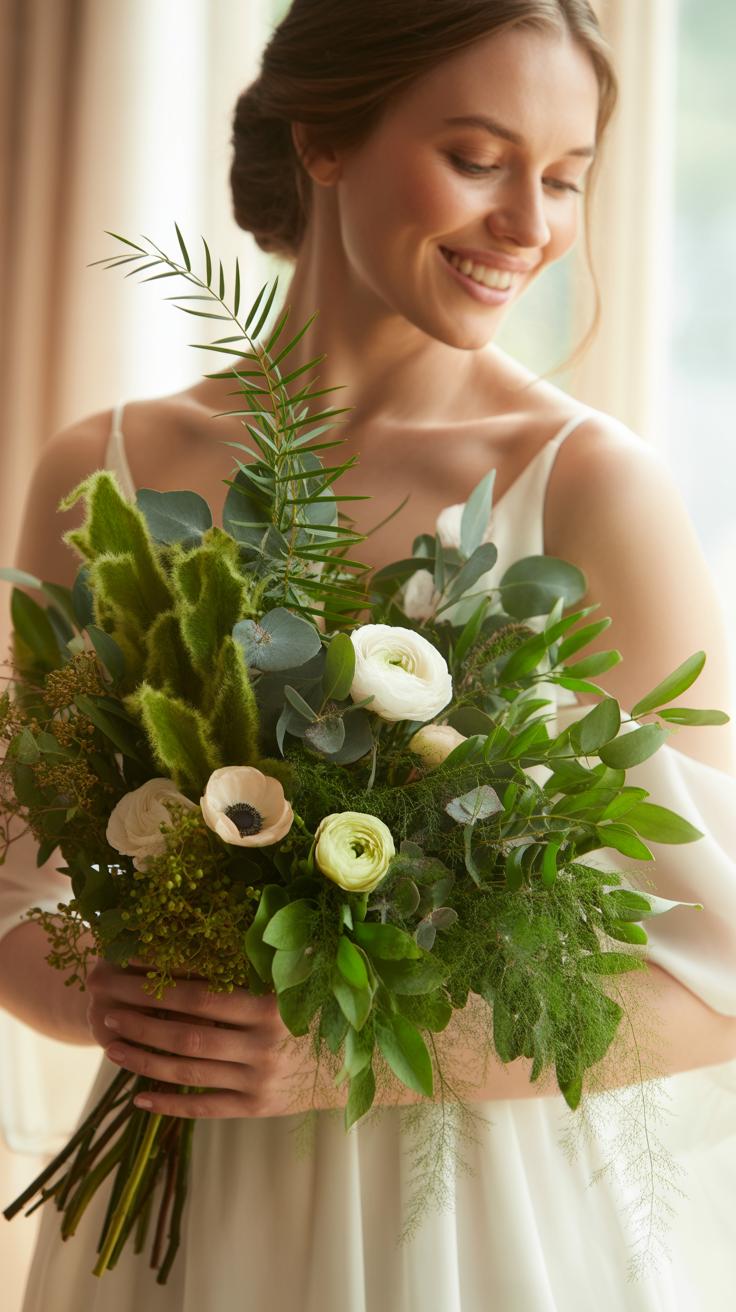
Modern florists now treat foliage as the primary structure. They no longer use it to hide plastic foam or wire. Designers use stems to create movement and shape. This shift follows the rise of organic and wild design styles. Greenery offers superior durability compared to delicate blooms. It stays fresh longer during outdoor events. It also provides a neutral base for any color palette.
Using greenery as the lead element lowers the total cost of materials. High end flowers like peonies or ranunculus are expensive and fragile. Greenery provides a high visual impact for a lower price per stem. It allows for larger and more dramatic shapes. Florists utilize different textures to create depth. These designs feel more natural and less forced. They reflect a modern preference for botanical authenticity.
Popular Greenery Varieties Florists Use In Modern Bridal Bouquet Designs
Professional designers select specific species for their unique physical traits. Silver Dollar Eucalyptus is a staple for its dusty blue hue and flat leaves. It covers space efficiently and adds a muted tone. Italian Ruscus provides a flexible vine like quality. It works well for cascading shapes. Scabiosa pods and thistle add structural interest. These choices ensure the bouquet maintains its form throughout the long wedding day.

Monstera leaves and palms dominate tropical themes. They offer sharp lines and bold silhouettes. For traditional styles, designers choose seeded eucalyptus or olive branches. Olive foliage brings a silvery green color and historical significance to the arrangement. Ferns provide a soft and feathered texture. Each variety serves a specific mechanical purpose in the build. Florists mix these textures to ensure the final product looks rich and complex.
The Minimalist Beauty Of A Greenery Only Bouquet For Weddings And Homes
Why A Greenery Only Bouquet Works Beautifully In Contemporary Interiors
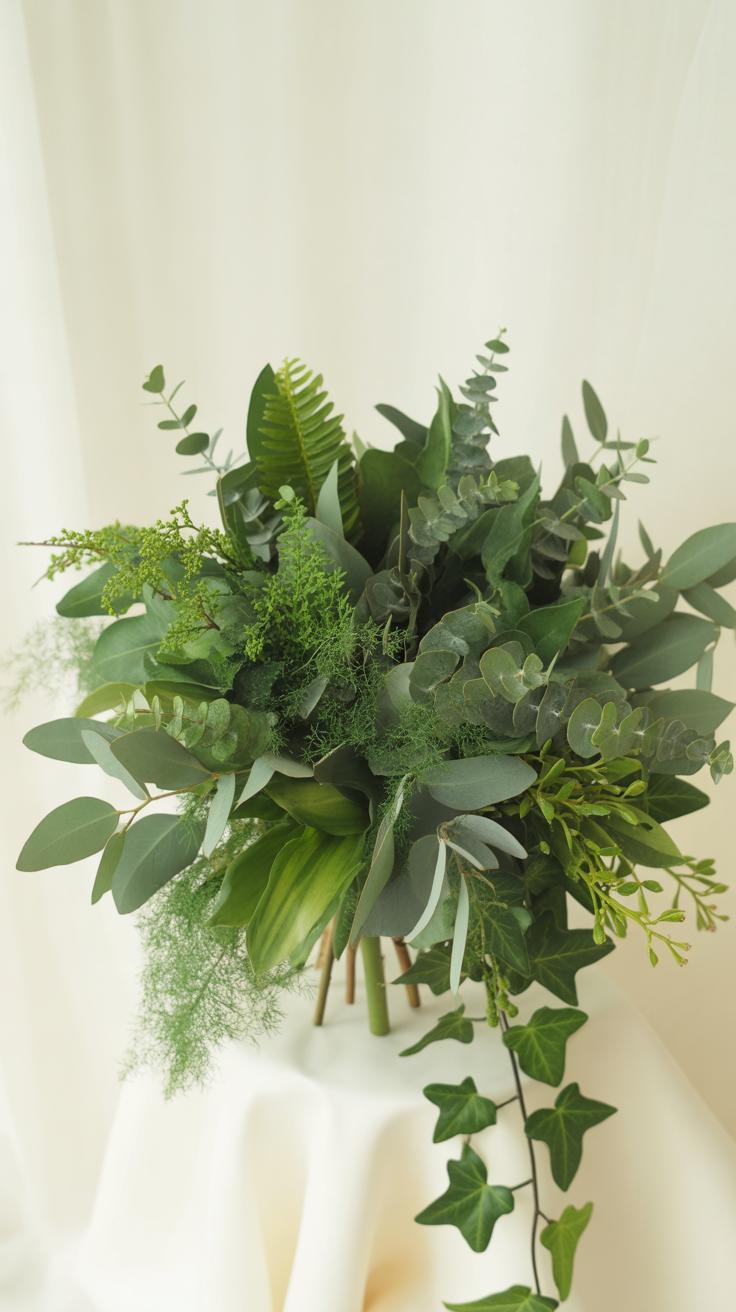
Contemporary interiors prioritize clean lines and functional forms. Greenery only bouquets support this by removing visual noise and bright colors. These arrangements draw focus to wood, stone, and metal surfaces without clashing. They emphasize the architectural shape of the plants rather than the temporary bloom of a flower. This approach creates a sense of permanence and calm within a modern living space.
Greenery matches the neutral palettes common in modern design. White walls and grey furniture provide a stark backdrop for deep forest greens and silvery eucalyptus tones. These bouquets last longer than floral counterparts, making them cost-effective for home maintenance. They bridge the gap between indoor and outdoor environments. This connection to nature improves the atmosphere of a room without requiring constant replacement or high maintenance.
How To Build A Lush Greenery Only Bouquet That Holds Its Shape All Day
To build a durable greenery bouquet, you must establish a rigid structural foundation. Start with woody stems like Myrtle or Salal to create a stable framework. These stems prevent the softer foliage from drooping or losing its intended form. Proper hydration starts with a clean 45-degree cut to maximize water intake. Use high-quality floral tape to secure the binding point and keep stems locked in place.
- Woody Base Stems: Use Italian Ruscus or Salal to create a firm skeleton. These plants have thick stems that support the weight of other foliage. They ensure the bouquet maintains its width and height during movement or transport across different environments.
- Textural Layers: Incorporate Eucalyptus varieties like Silver Dollar or Seeded for visual depth. The different leaf shapes prevent the arrangement from looking flat. Mixing matte and glossy finishes creates a sophisticated look that mimics the complexity of a natural forest floor.
- Structural Binding: Secure the stems with waterproof floral tape at the narrowest point of the handle. This technique prevents the greenery from shifting out of position. Wrap the tape tightly to ensure the arrangement stays compact and easy to hold throughout the day.
- Hydration Maintenance: Mist the leaves with a finishing spray to seal in moisture and prevent wilting. This is critical for thin-leaved plants like Ferns that lose water quickly. Keep the stems in cool water until the moment the bouquet is needed for display.
- Trailing Elements: Add Ivy or Jasmine vine for movement and an organic silhouette. These long strands break the rigid circular shape of a standard bouquet. They create a natural flow that makes the arrangement feel alive and dynamic rather than static or artificial.
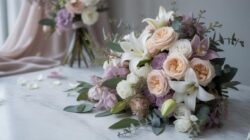
Balance the density of the bouquet by alternating leaf sizes. Place larger leaves at the bottom to provide visual weight and support for smaller, delicate sprigs at the top. Check the arrangement from all angles to ensure there are no hollow spots. A well-constructed greenery bouquet should feel heavy and solid. This structural integrity allows it to survive long events or weeks of display in a home setting.
Greenery Wedding Bouquets Top Styles That Work For Every Wedding Theme
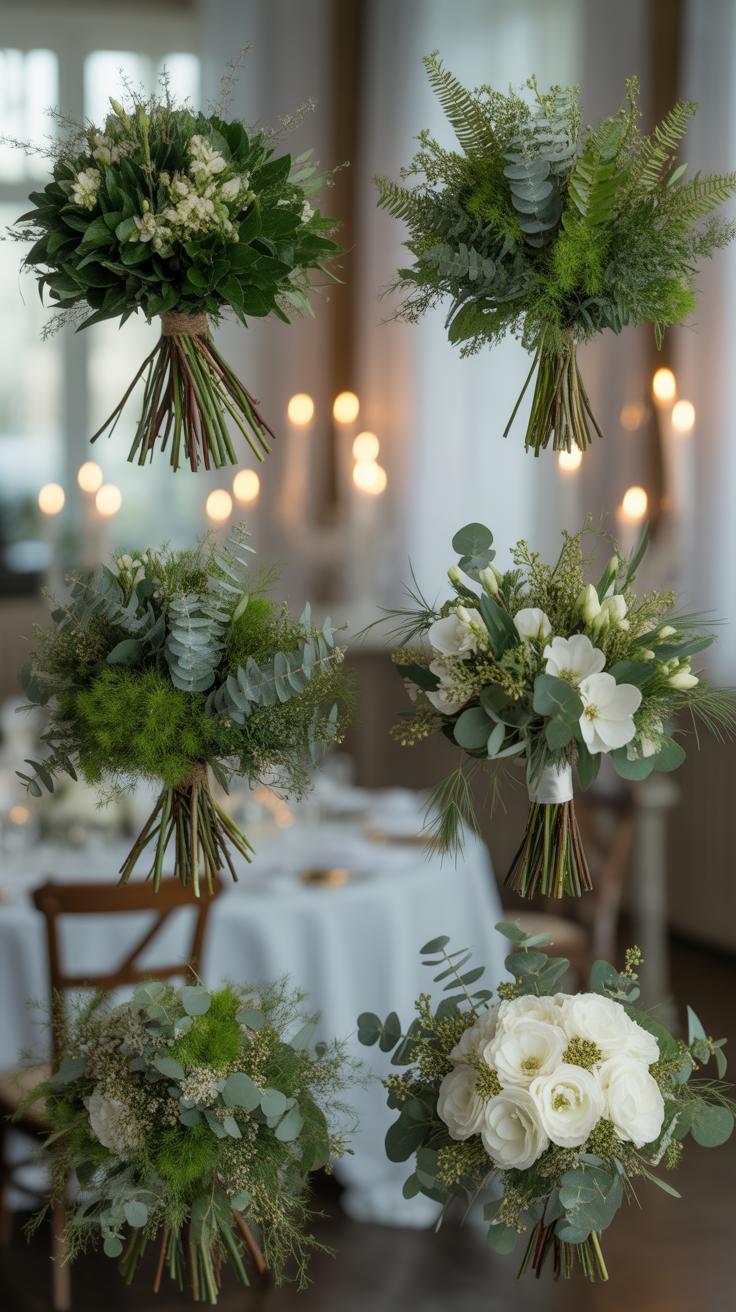
Matching Greenery Wedding Bouquets To Your Style
Bohemian weddings require loose and organic shapes. Use cascading greenery like silver dollar eucalyptus or jasmine vine to create width. These plants provide a natural look that mimics wild growth. Avoid tight structures or symmetrical patterns. This style focuses on movement and texture. Choose muted tones to maintain a rustic feel. These choices ensure the arrangement looks effortless and matches the relaxed bohemian atmosphere.
Classic weddings demand structure and polished finishes. Use dark leaves like ruscus or camellia foliage for a formal look. These greens create a strong backdrop for white flowers. Select leather leaf fern for traditional volume. Ensure the bouquet has a rounded or teardrop shape. Symmetry matters in this style. This approach provides a clean aesthetic. It works well with architectural silhouettes and traditional wedding attire.
A house is made of brick and stone, but a home is made of the lush boughs and forest greens we bring inside to cherish.
Seasonal Considerations When Selecting Greenery For Your Wedding Bouquet
Winter weddings require hardy greenery that resists cold temperatures and low humidity. Cedar and pine branches offer structural strength. They also provide a deep green color that contrasts well with winter whites. Berried ivy adds visual interest without needing fragile petals. These plants survive longer in freezing temperatures. They maintain their shape during outdoor photos. You must select species that do not wilt in dry indoor heating.

Spring and summer allow for delicate and leafy varieties. Use ferns and herbs like rosemary for scent and soft textures. High heat requires thick leaves to prevent drooping. Tropical greens like monstera or palm fronds work best in humidity. These plants hold water longer than thin ferns. They provide a bold look for beach or garden settings. Choose greens that match the local climate to ensure the bouquet lasts all day.
Greenery Floral Arrangements Wedding Centerpieces That Transform Any Space
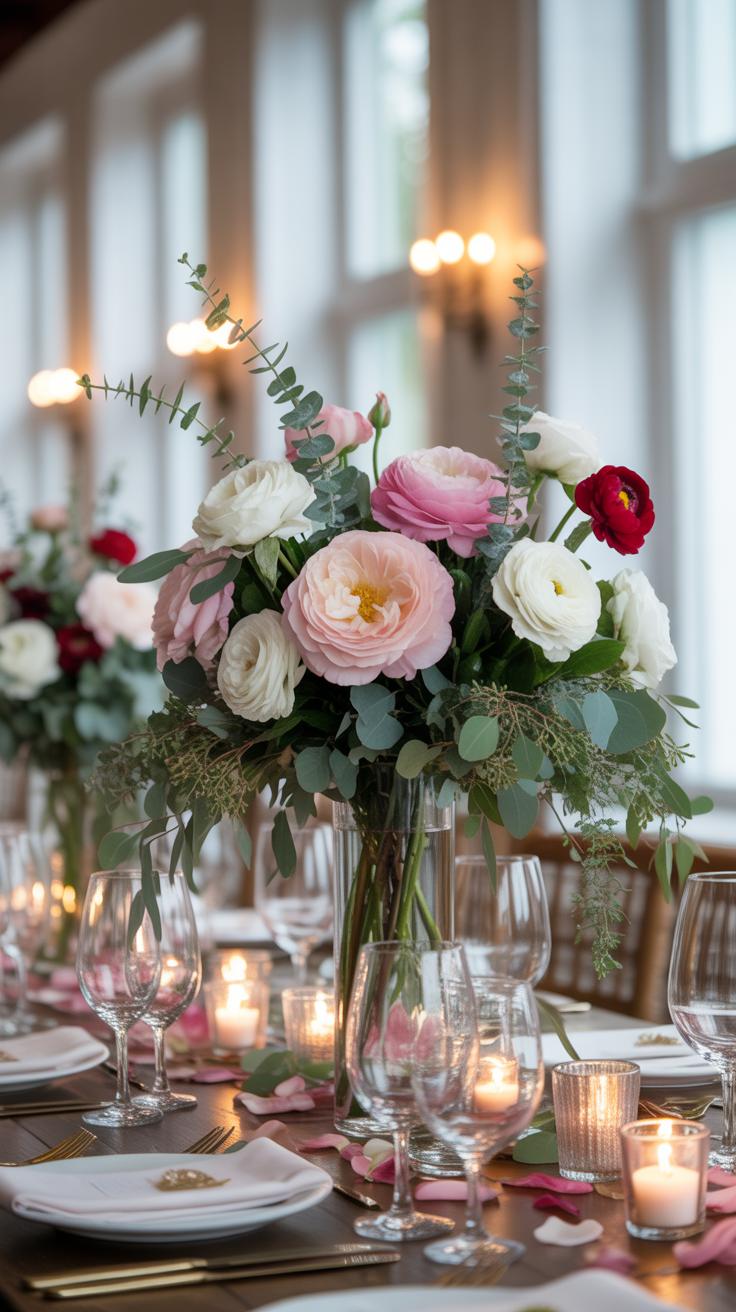
How Greenery Floral Arrangements Create Depth And Drama On Reception Tables
Greenery floral arrangements utilize contrasting leaf shapes to build immediate visual interest. Designers use broad leaves like monstera to create solid base structures. They layer fine-textured stems like plumosus fern over these bases to add dimension. This technique creates a sense of movement across a flat table surface. Darker tones like ruscus provide shadows that make lighter flowers pop.
Tall greenery centerpieces draw the eye upward to fill large spaces with high ceilings. Eucalyptus gunnii and silver dollar varieties offer structural height without blocking lines of sight between guests. These arrangements function as architectural elements rather than just decorative accents. Effective use of foliage reduces the need for expensive filler flowers. It creates a lush look that feels full and intentional.
Adapting Wedding Greenery Floral Arrangements As Long Lasting Home Decor
Repurposing wedding greenery into home decor requires proper stem treatment and humidity control. Woody stems like eucalyptus or magnolia branches can survive for weeks in fresh water. Many foliage types dry naturally and maintain their structural integrity for months. This durability makes them superior to soft-stemmed flowers for long-term display. Move these arrangements to entryways or dining tables to extend their functional life.

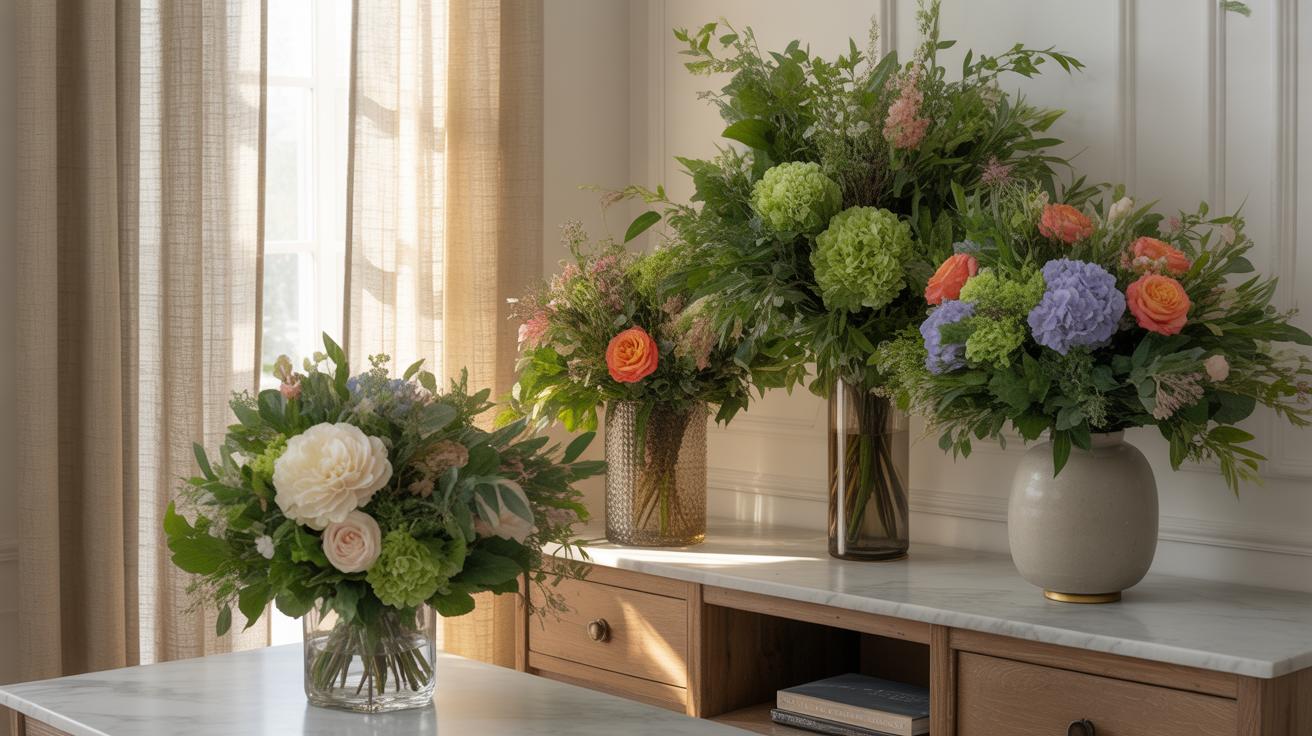
Modern interior design movements like Biophilic design emphasize the use of raw natural elements in living spaces. Greenery heavy bouquets fit this requirement by bringing outdoors inside. Use heavy ceramic vessels to support the weight of large branches and avoid tipping. Change the water every three days to prevent bacterial growth. Prune any submerged leaves to ensure the water remains clear and the stems stay healthy.
Green Amaranthus Wedding Bouquet And Bridal Bouquet Greenery Finishing Touches
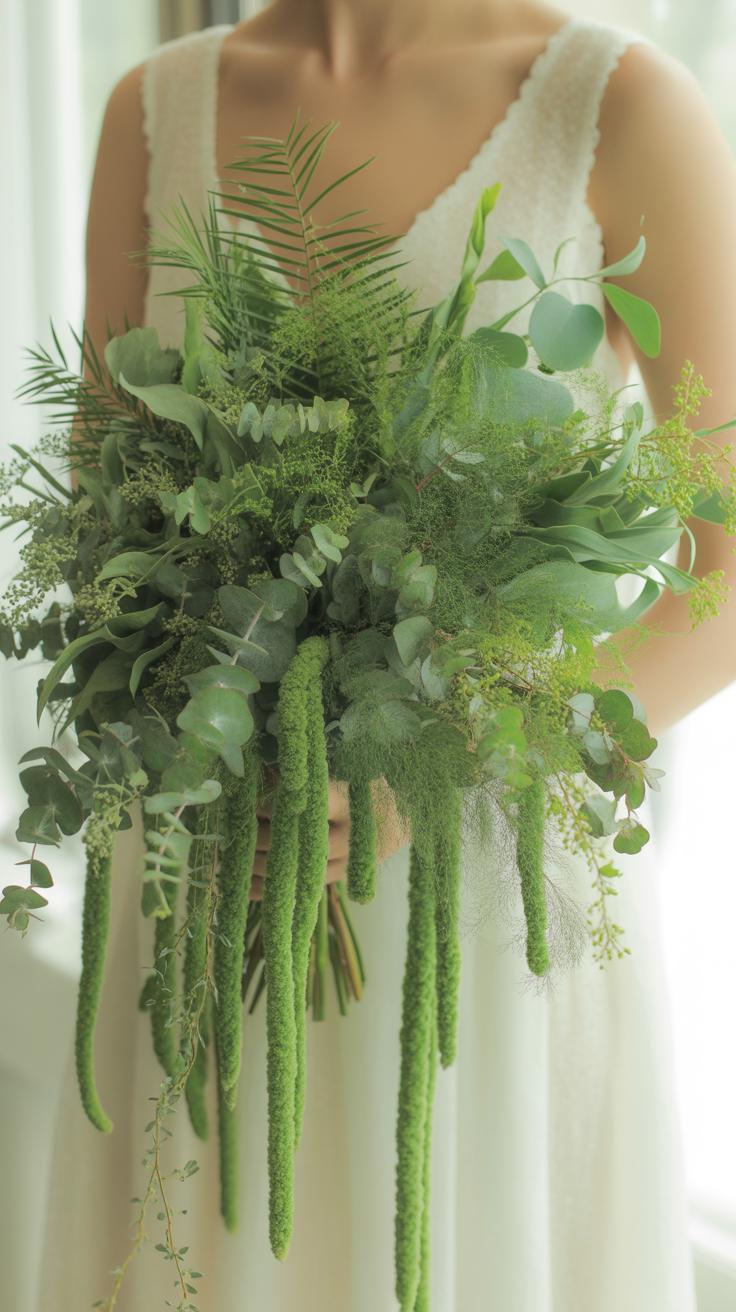
What Makes Green Amaranthus A Show Stopping Addition To Any Bridal Bouquet
Green amaranthus provides a unique vertical element that standard foliage lacks. Its pendulous tassels create a cascading effect known as the weeping habit. This structure adds immediate visual weight and movement to greenery heavy bouquets. Florists use it to break up rounded shapes and add architectural interest. It serves as a natural extension of the bridal gown lines when held at the waist.
This plant thrives in warm climates and belongs to the Amaranthaceae family. Its sturdy stems support heavy flower ropes without wilting quickly. The muted lime and forest green tones complement neutral palettes. It works well in Victorian style arrangements and modern minimalist designs alike. You can use it fresh for a vibrant look or dried for a rustic texture. It demands attention through its unconventional form.
How To Finish And Preserve Your Bridal Bouquet Greenery After The Wedding Day
Preserving greenery heavy bouquets requires immediate action after the event. Use the air drying method for sturdy foliage like eucalyptus and amaranthus. Strip away damaged leaves and hang the bunch upside down in a dark room. This prevents gravity from drooping the stems and maintains the original shape. Proper airflow is critical to prevent mold growth during the three week drying process.

Silica gel offers a faster alternative for delicate greens. Place the bouquet in an airtight container and cover it completely with the desiccant crystals. This method retains the original green pigment better than air drying. Once dry, spray the foliage with a UV resistant floral sealant. This protects the brittle leaves from solar fading and moisture. Store the finished piece in a shadow box to ensure longevity.
Frequently Asked Questions

What are greenery heavy bouquets and why are they popular in home decor?
Greenery heavy bouquets are floral arrangements where lush foliage, such as eucalyptus, ferns, or ruscus, takes center stage rather than just acting as a filler. They have become immensely popular in modern home decor because they offer a fresh, organic aesthetic that lasts longer than traditional blooms. These verdant arrangements bring a calming, nature-inspired vibe to any room, making them a versatile choice for minimalist, rustic, or bohemian interior styles.
How do I arrange greenery heavy bouquets to look professional at home?
To create stunning greenery heavy bouquets, start by selecting various textures, such as broad monstera leaves mixed with wispy asparagus ferns. Begin by “building a nest” with your sturdiest stems to create a structural base. Crisscross the stems in your vase to provide support for smaller accents. Focus on varying the heights and angles of the foliage to ensure a natural, effortless look that provides visual interest from every single side.
Can I create an impressive greenery arrangement on a limited budget?
Absolutely! One of the best things about these arrangements is their affordability. You can source materials for greenery heavy bouquets directly from your own backyard by foraging branches, ivy, or evergreen clippings. If buying from a florist, foliage is significantly cheaper than premium flowers like peonies or roses. Even a few inexpensive bundles of lemon leaf or silver dollar eucalyptus can fill a large vase, creating a high-end look for very little cost.