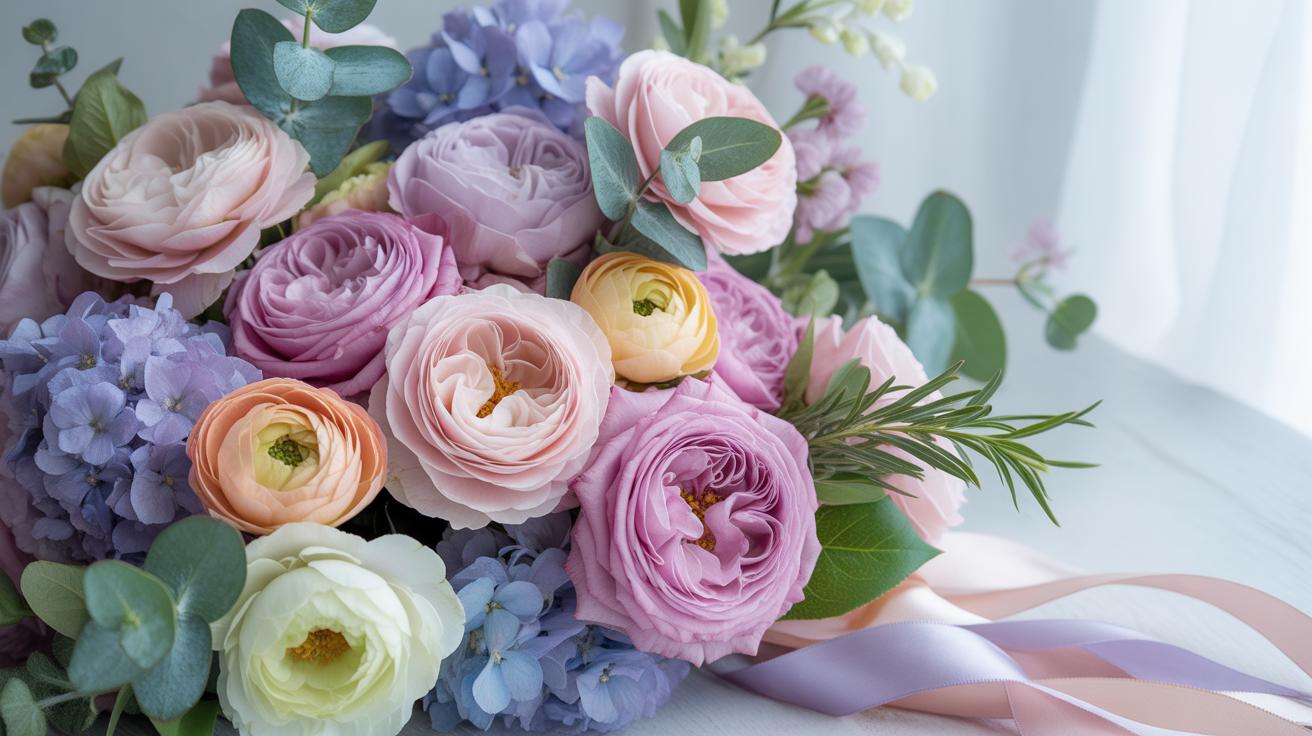
What Makes A Bridal Bouquet Pastel Color Palette So Enduringly Popular
The Psychology Behind Soft, Muted Hues In Bridal Florals
Pastel colors use high light values and low saturation to trigger specific brain responses. These tones create a sense of calm and biological safety. Designers use these hues to lower the stress levels of the viewer. Research shows that desaturated colors reduce visual noise during high-emotion events. This strategic use of color ensures the focus stays on the ceremony and the couple.
The historical shift to pastels began in the Rococo era. Artists like Fragonard used pale pinks and blues to show refinement. In modern floristry, these colors symbolize a fresh start and cleanliness. They provide a neutral backdrop that does not compete with the human face for attention. This lack of visual aggression is why pastels dominate the wedding industry year after year.
How Pastel Tones Complement A Wide Range Of Skin Tones And Dress Styles
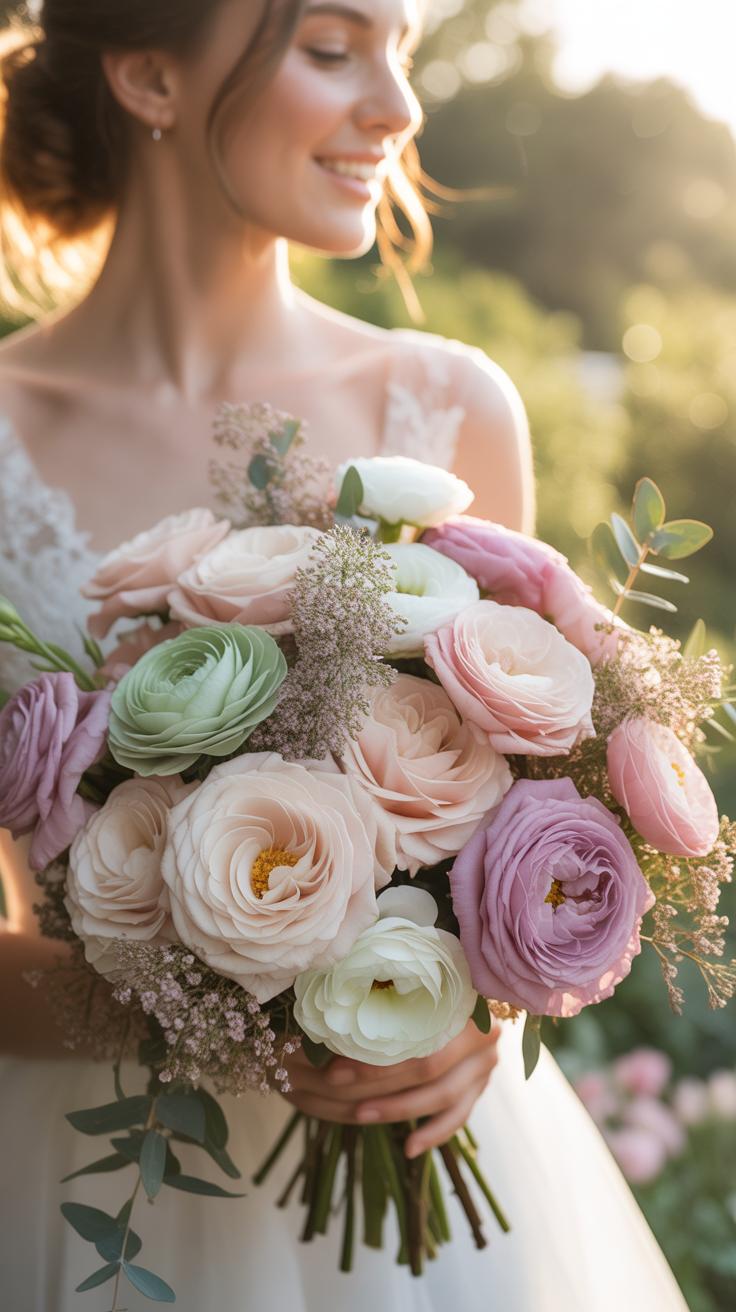
Pastel bouquets act as a natural light reflector for the bride. Soft peach and lavender tones bounce light onto the skin. This effect softens shadows and hides blemishes in photography. Strong, dark colors can drain the color from a person’s face. Pastels do the opposite by adding a healthy glow. They work with cool, warm, and neutral skin undertones without clashing.
These shades also match various fabric types found in bridal gowns. Silks and tulles have different levels of sheen. Pastels absorb and reflect light in balance with these materials. Vibrant flowers often bleed color into white fabrics during photos. Muted tones prevent this optical distraction. This versatility makes pastels a safe tactical choice for any dress style, from minimalist modern to traditional lace.
Colourful Pastel Wedding Flowers The Best Blooms To Choose From
Top Flowers That Naturally Bloom In Pastel Shades
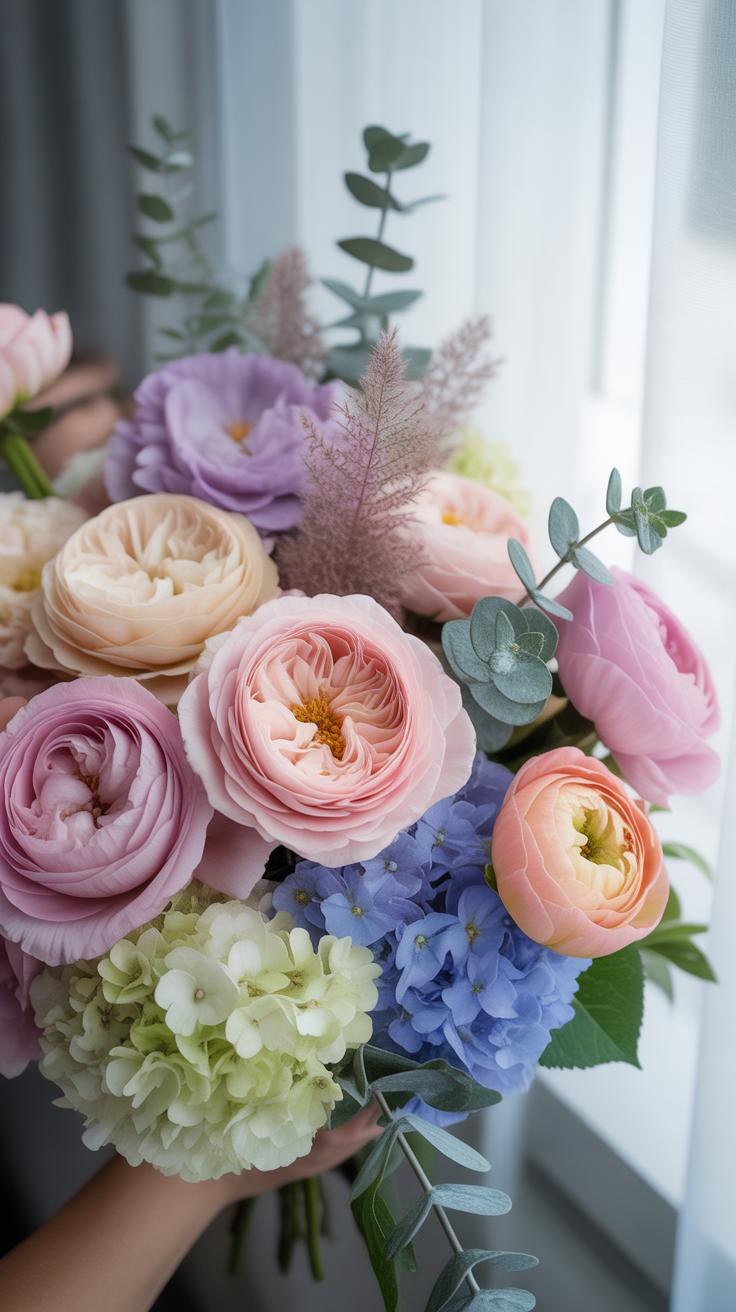
Select flowers based on their natural pigment levels. High-quality pastel bouquets rely on species that produce soft tones without chemical dyes. These blooms offer stable coloration and structural integrity for day-long events. Professionals prioritize these specific varieties because they represent the standard for muted palettes. You must focus on species that maintain their pale hue even under harsh event lighting.
- Peonies: These large blooms provide the foundational structure for luxury pastel arrangements. Most varieties offer soft pink, cream, and blush tones naturally. They feature high petal counts that create significant visual volume in a bridal bouquet.
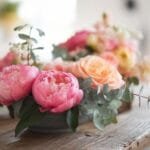
- Garden Roses: Varieties like ‘Quicksand’ or ‘Juliet’ are industry standards for muted peach and champagne tones. These roses offer a complex petal structure compared to standard export roses. They provide a high-end aesthetic with reliable color consistency for designers.
- Sweet Peas: These delicate climbing flowers introduce movement and authentic scent. They naturally produce pale lavender, soft blue, and peach shades. Their ruffled texture breaks up the solid mass of larger focal flowers in a professional arrangement.
- Hydrangeas: These woody shrubs produce large clusters that act as excellent mechanical fillers. They are one of the few species that naturally yield soft blue and antique green hues. Use them to provide a consistent color base for the entire design.
- Ranunculus: These flowers offer a precise, circular form with many thin layers of petals. They come in a wide range of pastel shades including pale yellow and soft orange. Their sturdy stems make them ideal for adding detail to the bouquet edges.
Technical selection requires understanding the difference between focal flowers and filler stems. Focal flowers like peonies or roses establish the primary color story. Secondary flowers such as sweet peas or ranunculus add depth and texture. Mixing these layers ensures the bouquet looks professional rather than flat. Always verify the specific variety name with your supplier to ensure the color matches your target palette exactly.
Seasonal Availability And What To Expect From Your Florist
Timing dictates your floral budget and the quality of your pastel palette. Spring offers the widest selection of natural pastels due to the blooming cycles of bulbs and tubers. Summer shifts toward hardier varieties like dahlias and zinnias that handle heat better. You must align your expectations with the current season to avoid inflated shipping costs and wilted products. Florists will suggest substitutions based on local market conditions.
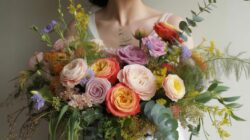
Expect your florist to prioritize freshness over specific rare breeds if shipping delays occur. A professional will maintain the color story even if the exact flower species changes. They use cooling equipment and hydration treatments to preserve soft petal textures. Open communication about your color priorities allows the designer to make tactical adjustments. Trust their expertise regarding which stems will survive the local climate on your wedding day.
Pastel Wildflower Bouquet Ideas For The Free Spirited Bride
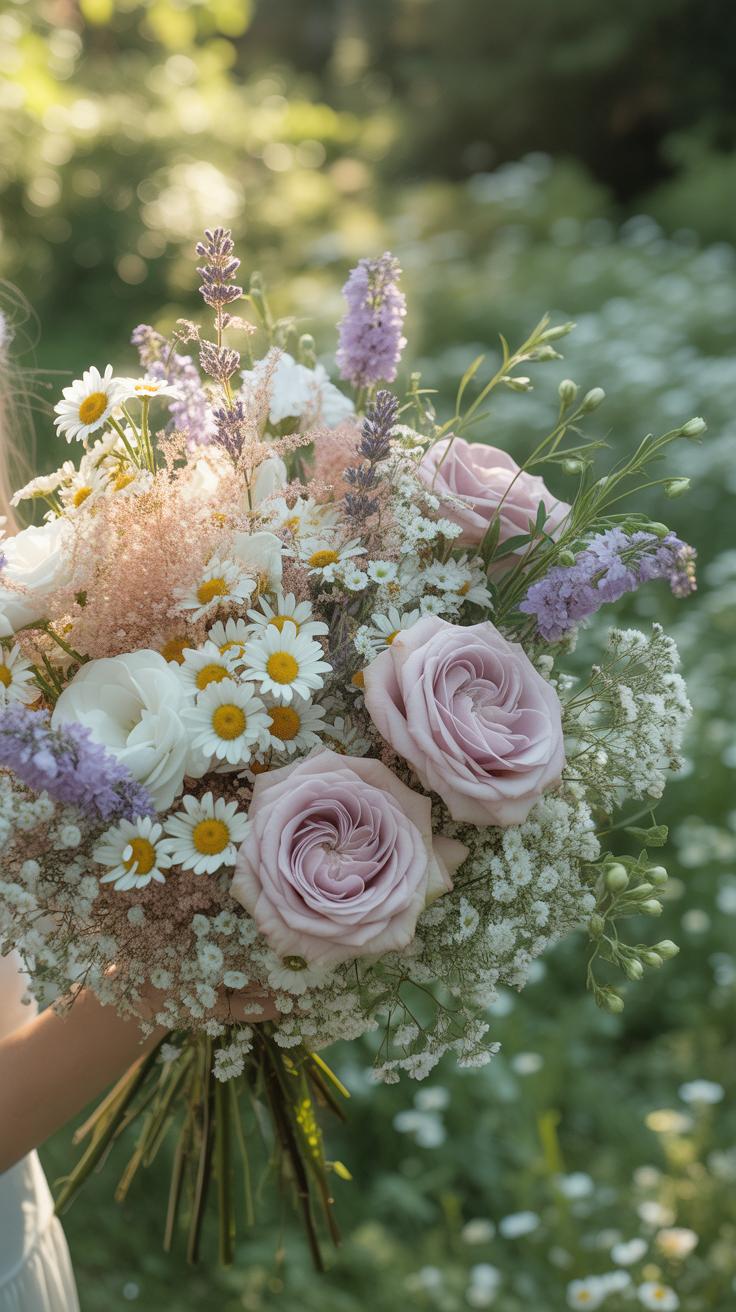
How To Achieve A Natural Gathered Look With Wildflower Stems
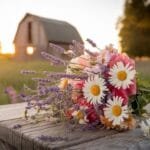
To achieve a natural look you must avoid strict geometry. Use varying stem lengths to mimic how flowers grow in nature. This technique is called the Dutch Masters style. It uses high and low placements to create movement. Use airy pastel fillers like Queen Annes Lace or Ammi to add volume without weight. These flowers provide a delicate structure for focal blooms.
Select stems based on their natural curves. Forcing a straight line ruins the organic feel. Use the spiral hand-tied technique to keep the arrangement loose but secure. This method allows you to adjust heights easily. Focus on asymmetry to keep the design interesting. A gathered look should appear effortless but requires a firm foundation. Use thin wire only when necessary to support weak stems.
Pairing Wildflowers With Greenery And Textural Foliage For Depth
Texture adds depth to a pastel palette. Silver-toned greenery like Eucalyptus or Dusty Miller complements soft pinks and blues. These muted greens stabilize the bright wildflower colors. Use different leaf shapes to create visual layers. Broad leaves provide a solid backdrop for fine-petaled wildflowers. This contrast makes each individual flower stand out. Avoid using too much foliage or you will hide the blooms.

Incorporate dried elements like bleached ferns or wheat for a modern edge. These materials provide a matte finish that absorbs light. This highlights the dew-like quality of fresh wildflowers. Balance the arrangement by placing darker greens toward the center. Use lighter foliage on the edges to soften the silhouette. This technique creates a three-dimensional effect. Proper layering ensures the bouquet looks full from every viewing angle.
Colorful Wedding Bouquet Designs That Go Beyond Single Tone Pastels
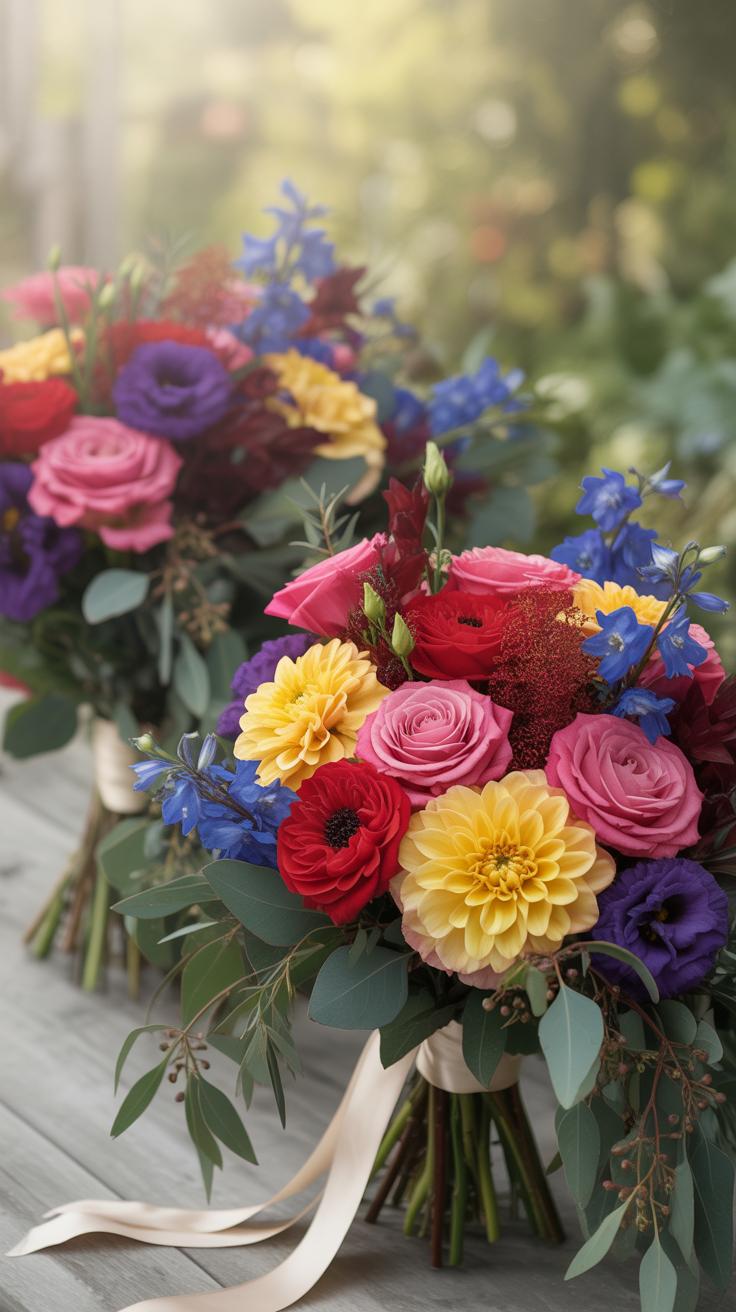
Blending Multiple Pastel Shades Without Clashing: A Colour Theory Primer
To blend multiple pastel shades, use the color wheel to find harmony. Analogous colors sit next to each other and create a soft flow. For example, light blue works well with pale purple and soft green. These combinations prevent visual jarring. Use a primary pastel as your sixty percent base. Add thirty percent of a secondary tint. Finish with ten percent of a third shade.
Proper saturation levels ensure balance across the arrangement. Avoid mixing warm pastels like peach with cool pastels like mint without a neutral bridge. White or cream flowers act as these necessary buffers. They separate the colors so they do not muddy together. This technique keeps the design crisp. Professionals use varying flower shapes to define the different colors. This adds depth without relying on high contrast.
When To Add A Pop Of Deeper Colour To Your Pastel Arrangement
Adding deep colors creates a focal point in a pale bouquet. Strategically place dark tones like burgundy or navy at the center. This anchors the design and draws the eye. Pastel colors alone can appear flat in bright sunlight or photography. A darker shade provides needed contrast. It makes the lighter petals appear more vibrant. Use seasonal berries or dark greenery to achieve this effect naturally.
Do not overdo the dark elements. Limit deeper tones to five percent of the total volume. Too much dark color overwhelms the delicate pastel theme. Choose a deep version of a color already present in the bouquet. A dark plum rose complements a lilac arrangement perfectly. This follows monochromatic principles while adding visual weight. It prevents the bouquet from looking washed out in high-contrast outdoor lighting conditions.
The Classic Pastel Bouquet Shapes Sizes And Arrangement Styles
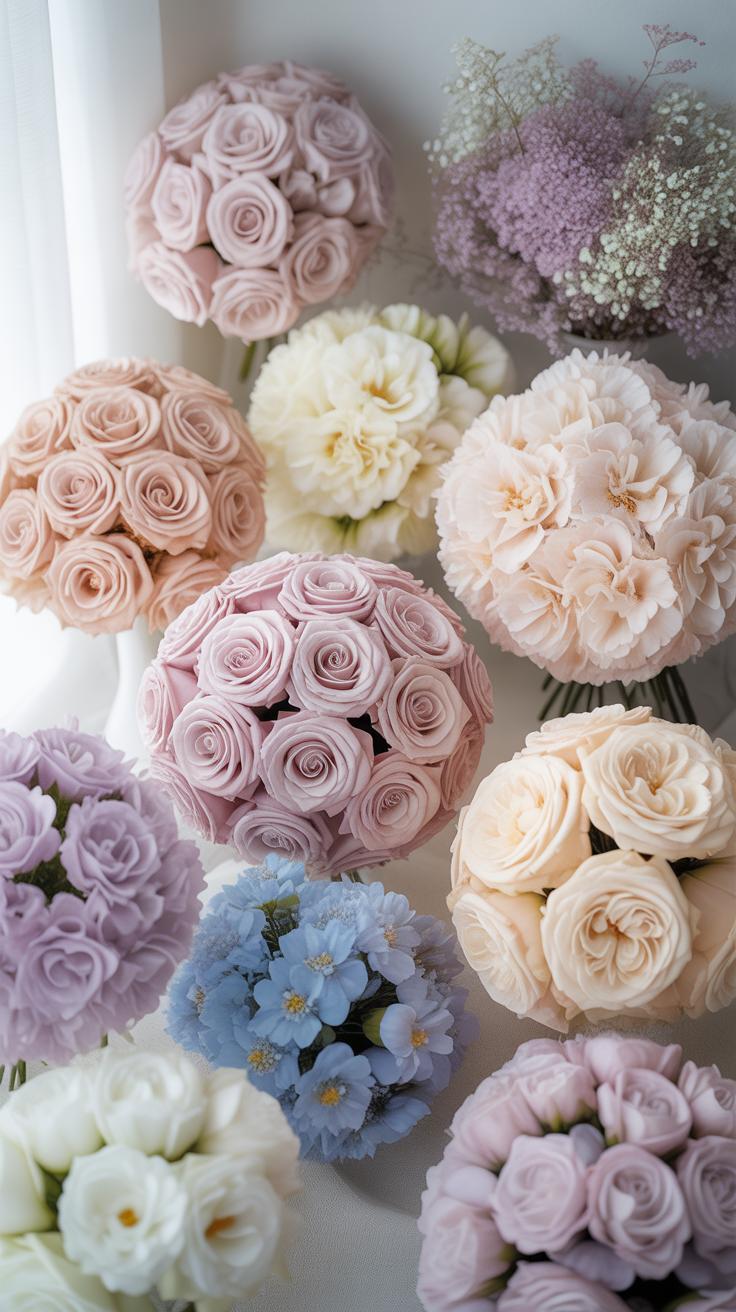
Round Posy Vs. Cascading Bouquet: Choosing The Right Shape For Your Wedding
The round posy offers a symmetrical and structured look. Florists build this shape by keeping stems at a uniform length and density. This style works best with high-density flowers like peonies or ranunculus. It provides a clean silhouette that does not block the details of a dress. Traditional weddings frequently use this shape because it remains stable and easy to hold during long ceremonies.
The cascading bouquet draws influence from the 1920s and the 1980s. This style uses trailing greenery and long-stemmed flowers to create downward movement. It demands more technical skill to balance the weight of the water-weighted foam or wired stems. Use this shape to add vertical lines to your frame. It fits formal settings but requires careful handling to prevent the delicate pastel blooms from bruising or breaking.
How Bouquet Size Impacts The Overall Visual Balance On Your Wedding Day
Bouquet size must scale with the wearer and the venue. An oversized pastel arrangement can overwhelm a small frame or a simple dress. High-volume bouquets require heavy stems and more hydration, which increases the total weight. Experts calculate the diameter based on the waistline of the individual. A bouquet that is too wide will hide the silhouette and make the person appear shorter in photographs.
Strategic sizing ensures the pastel colors remain visible without becoming a distraction. Large arrangements allow for a greater variety of flower species and textures. Smaller nosegay styles focus on a single focal point or a tight color palette. Choose a size that allows for comfortable movement through narrow aisles. Correct scaling maintains the visual focus on the person rather than the floral accessories. Tight, compact sizes suit modern, minimalist aesthetics.
Wedding Bouquet Inspiration Pastel Themes Across Different Wedding Styles
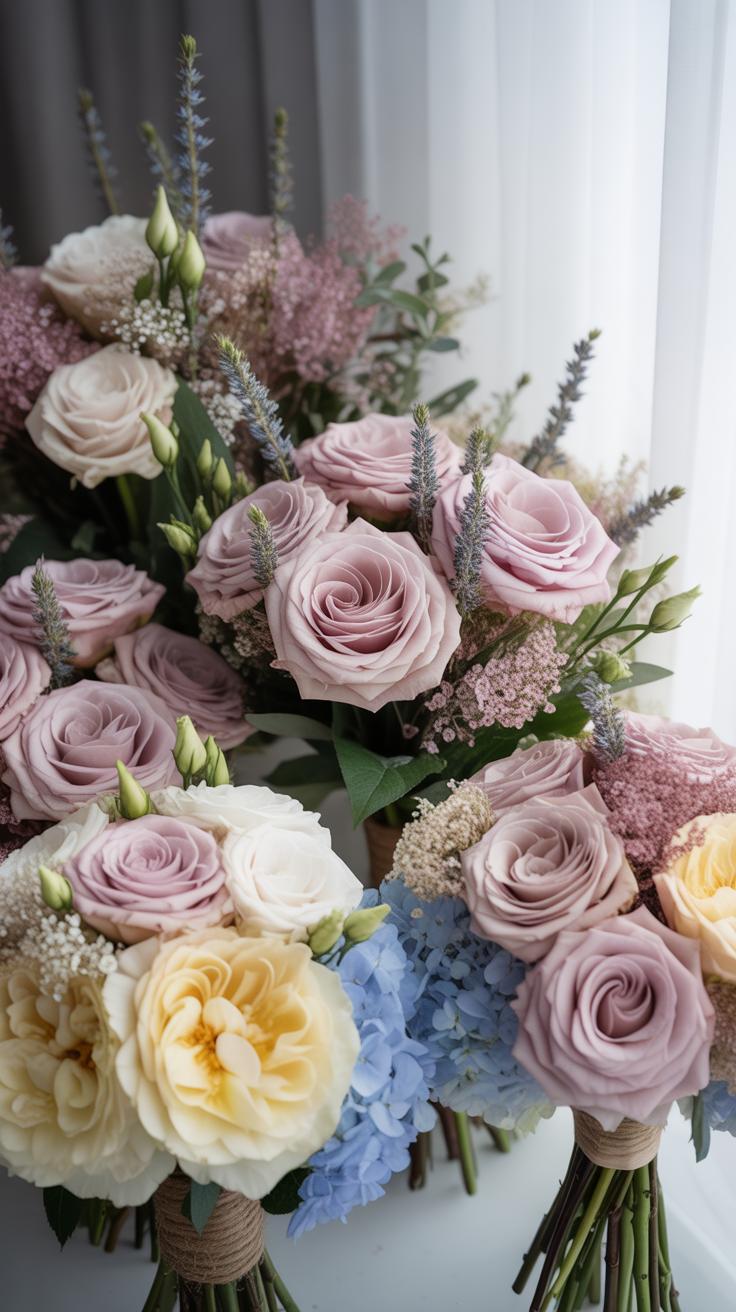
Pastel Bouquets For Garden, Rustic, And Boho Themed Weddings
Garden and rustic weddings prioritize texture and movement. Use flowers with varying stem lengths to create an organic shape. Incorporate pale peach ranunculus and lavender sweet peas. These blooms bridge the gap between structured and wild styles. Add dried elements like bleached ruscus or pampas grass for boho aesthetics. These materials provide a matte finish that contrasts with fresh petals.
Select muted tones to ground the design in nature. Avoid overly bright dyes or artificial stabilizers. Utilize French hand-tied techniques with exposed stems. This method keeps the arrangement looking unforced and raw. Jute or linen wraps complement the earthy palette of sage and blush. Focus on asymmetrical balance to mirror natural landscapes. This approach ensures the bouquet integrates with the outdoor environment.
Elegant Pastel Arrangements That Suit Formal And Ballroom Weddings
Formal weddings require high symmetry and dense bloom counts. Select premium flowers like Peonies or Dutch Roses in creamy whites and soft pinks. These species offer high petal counts that fill space effectively. Round, dome-shaped silhouettes project a sense of order and tradition. Use structural greenery like dark ivy to create a sharp perimeter. This contrast emphasizes the lightness of the pastel flowers.
Incorporate luxurious finishes to match ballroom settings. Wrap stems in silk or satin ribbons that match the bridal gown. Use invisible binding wires to maintain a perfect spherical form. Avoid wild or cascading vines that look disorganized in a structured venue. Focus on monochromatic pastel schemes for a sophisticated look. This strategy creates a visual impact without overwhelming the ornate details of a grand ballroom.
Muted Wedding Bouquet Aesthetics The Art Of Understated Floral Beauty
What Distinguishes A Muted Palette From A Standard Pastel Arrangement
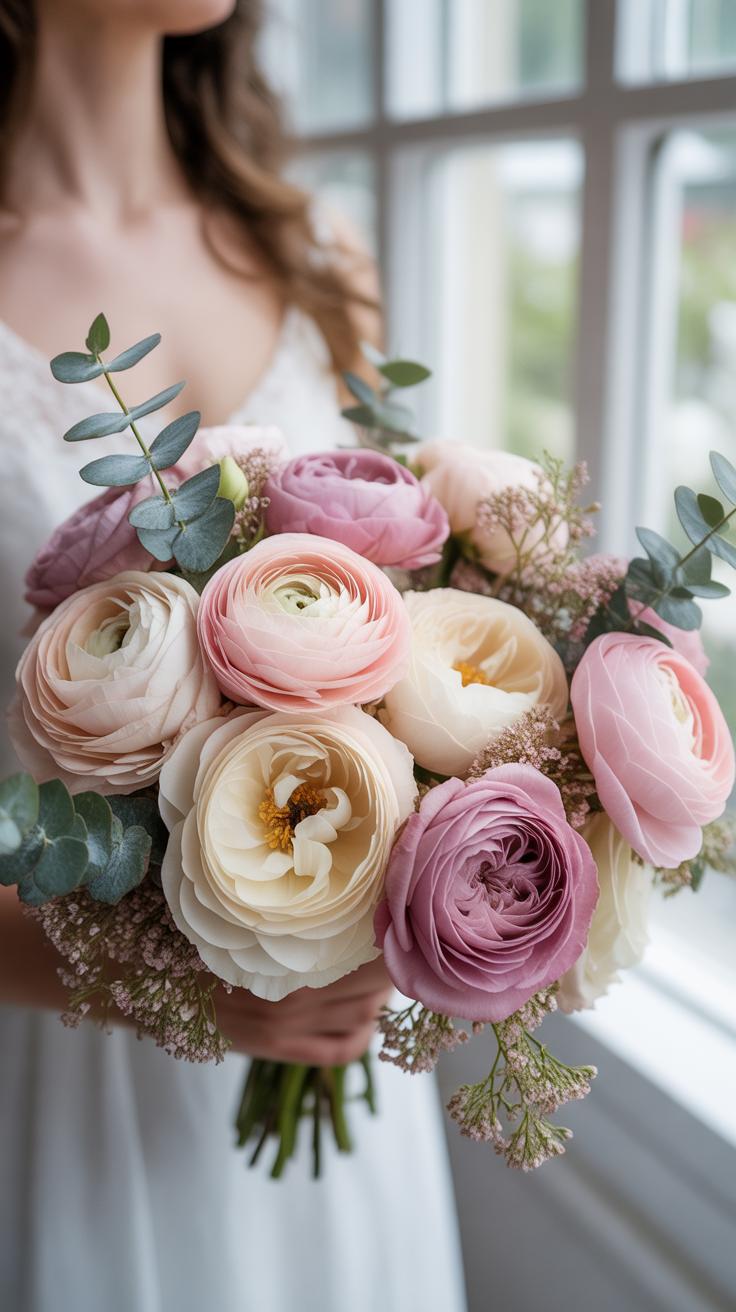
Standard pastels rely on clear tint variations of primary and secondary colors. These arrangements look bright and clean. Muted palettes introduce gray or brown undertones to lower the color saturation. This shift moves the aesthetic away from high-energy candy tones. Designers call this desaturation. It creates a smoky appearance that absorbs light rather than reflecting it. This technique aligns with modern minimalist trends.
Achieving a muted look requires precise color theory. You must blend shades that share a similar tonal value. High contrast breaks the muted effect. Use tertiary colors like mauve, taupe, and dusty rose. These shades bridge the gap between neutral earth tones and traditional colors. Floral artists use these palettes to create sophisticated visual depth. The result feels grounded and antique rather than youthful and vibrant.
Flower Varieties That Deliver A Soft Dusty And Muted Finish Naturally
Specific plant species produce low-saturation colors through natural pigmentation. The Amnesia rose and Quicksand rose are industry standards for this look. These flowers grow with inherent tan and lavender hues. They do not require artificial dyes to look weathered. Native Australian plants like Banksia also provide matte textures. These varieties offer a structural dry look that fits the muted aesthetic perfectly without extra processing.
Foliage plays a critical role in cooling the bouquet temperature. Eucalyptus and Dusty Miller provide silvery blue and gray foundations. These plants have a fuzzy or waxy coating that dulls their green base. This natural barrier reduces visual shine. Use these fillers to separate focal blooms. This spacing ensures the muted colors do not blend into a single muddy mass. Texture variety keeps the monochromatic look interesting.
May Wedding Flowers For Bridal Bouquets Seasonal Pastel Picks In Full Bloom
Why May Is One Of The Best Months For Sourcing Fresh Pastel Blooms
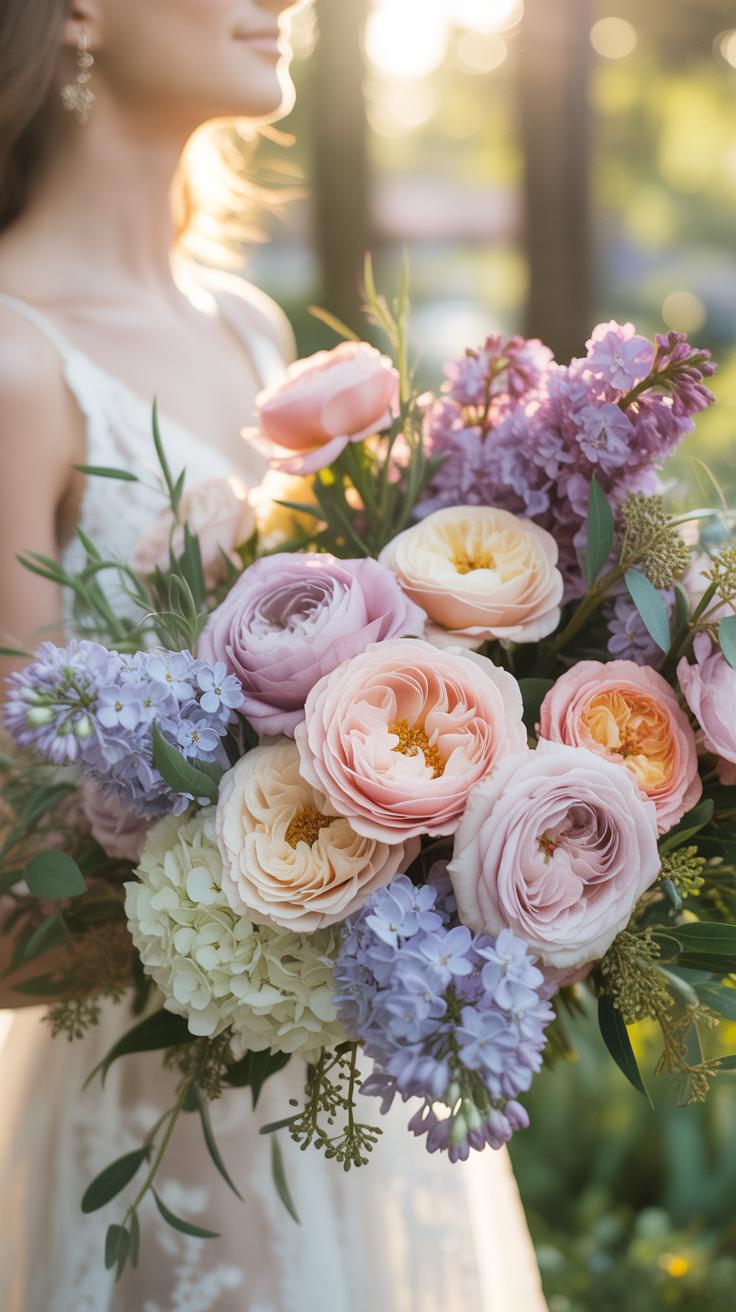
May acts as the peak transition period for northern hemisphere floral production. Modern logistics allow for global sourcing, but local May harvests provide superior stem strength and petal hydration. Cooler spring temperatures prevent premature wilting during transport. This climate ensures that delicate pastel shades remain vibrant rather than washed out. Growers harvest high volumes during this month, which lowers costs for premium bulk orders.
Florists favor May because it marks the convergence of bulb flowers and woody perennials. You get access to the widest variety of natural textures in a single window. Most iconic pastel species reach their natural maturity now without greenhouse forcing. This reduces the risk of stunted heads or weak colors. Buying in season guarantees that your pastel bouquet ideas feature the largest bloom sizes and the longest possible vase life.
Love is the flower you’ve got to let grow, painted in the softest hues of a dream.
Seasonal Flowers Commonly Available In May And Their Pastel Varieties
May provides a specific inventory of heavy hitters that defineপুর modern wedding design. These blooms offer the structural integrity needed for large bridal arrangements. Selecting these varieties ensures color consistency across your centerpieces and bouquets. You can achieve a high end look by focusing on these flowers while they are in their natural prime. Use these species to build a reliable color palette.
- Peonies: These massive blooms are May staples available in blush, cream, and soft coral. Their high petal count fills space quickly and reduces the total number of stems required per bouquet. They provide a dense texture that anchors lighter, airy fillers.
- Sweet Peas: These delicate climbing flowers offer a wide range of lavender, peach, and pale blue options. Their ruffled edges add movement and a fine scent to personal flowers. They work best as accent pieces to soften the hard edges of larger focal blooms.
- Lilacs: Available in shades of deep mauve and pale lavender, these woody stems provide immediate height and volume. The clusters of tiny star shaped flowers offer a unique visual texture. They are ideal for creating a natural, gathered look in garden style arrangements.
- Ranunculus: These flowers feature tight circular petals and come in soft yellow, peach, and white. Their flexible stems carry significant weight and allow for precise positioning in hand tied bouquets. They are durable and withstand heat better than softer spring bulb flowers.
- Tulips: Double or parrot varieties in May offer complex textures in pale pink and apricot. These are not standard grocery store tulips but specialized florist grades with thicker stems and larger heads. They continue to grow and move toward light even after being cut.
Sourcing these specific flowers in May maximizes your budget. These varieties are at their lowest price points when local supply is high. High availability also means better quality control at the wholesale level. You can demand specific color matching because the volume of product is so high. Stick to these seasonal picks to ensure your design stays structurally sound and visually cohesive throughout the event.
Mixed Bouquets How To Curate The Perfect Pastel Floral Medley
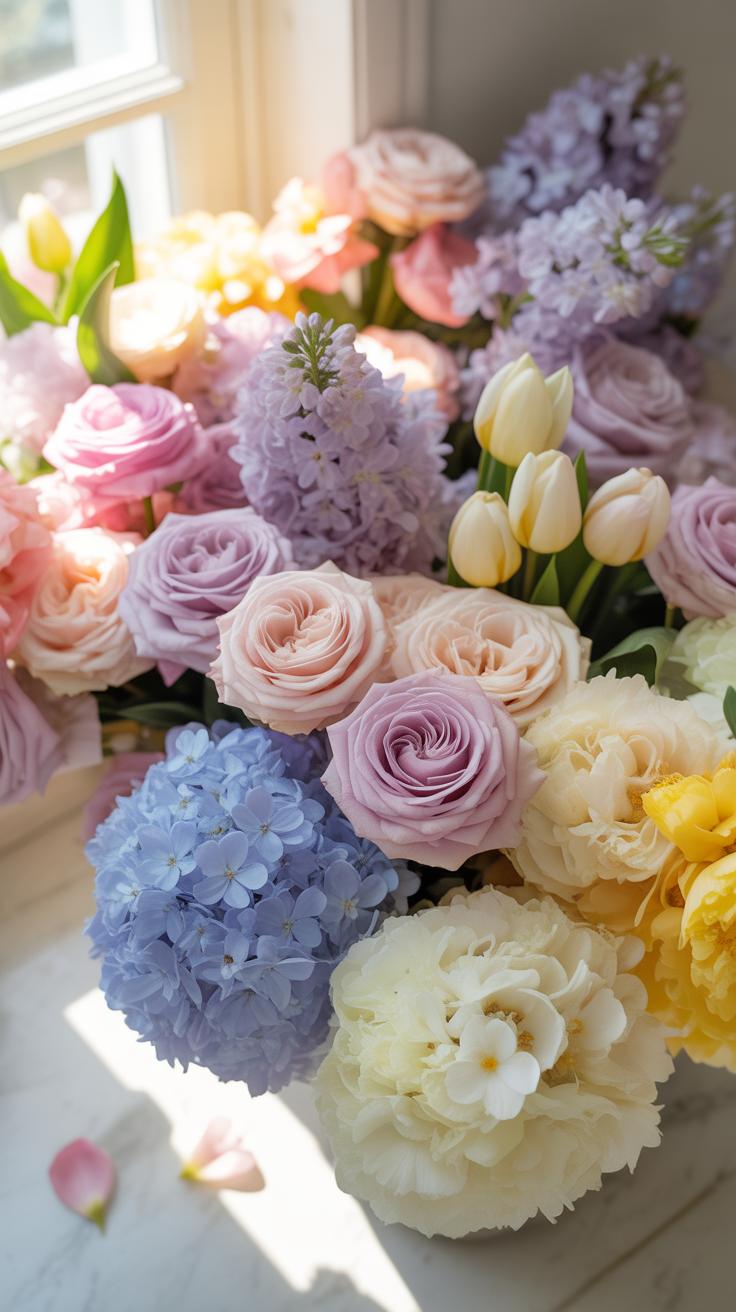
Combining Different Flower Types And Textures For A Lush Mixed Pastel Look
Successful mixed pastel bouquets rely on structural variety. You must balance large focal flowers with secondary blooms and fine fillers. Use round peonies or ranunculus to establish shape. Add verticality with delphinium or snapdragons. This creates a silhouette that looks professional and intentional. Texture prevents the pale colors from blurring together. Incorporate matte foliage against shimmering petals to provide visual separation.
Contrast is vital when working within a limited color value. Use serrated leaves or fuzzy dusty miller to break up smooth floral surfaces. This technique highlights the individual form of each stem. Avoid using too many flowers of the same size. Varying the scale makes the arrangement appear dense and high-end. Focus on the physical edges of the petals to ensure the design has depth.
Working With Your Florist To Build A Cohesive Mixed Pastel Bouquet
Communicate specific color shifts to your florist rather than broad terms. Request a palette based on undertones like peach or lavender to ensure harmony. Ask for seasonal availability to secure the strongest stems. Local flowers often have better pigment and scent than imported varieties. A clear brief prevents mismatched hues. Trust the florists expertise on stem strength and water needs for a lasting display.
Establish a firm budget and a focal point priority. Decide if you want a garden style or a structured architectural look. Provide photos of specific textures you prefer such as ruffles or sharp lines. Clear expectations lead to a better technical outcome. Discuss the venue lighting because it changes how pastel tones appear to the eye. Smart planning ensures the final bouquet matches your specific vision.
Frequently Asked Questions

What are the best flower varieties for a beginner pastel arrangement?
If you are new to floral design, start with hardy flowers that naturally come in soft hues. Hydrangeas, spray roses, and carnations are excellent choices for exploring pastel bouquet ideas because they offer great volume and a forgiving structure. These blooms provide a lush, romantic base that makes it easy for beginners to experiment with subtle color transitions like blush pink, creamy lemon, and pale lavender without needing advanced technical skills.
How can I mix different soft colors without the bouquet looking washed out?
To keep your arrangement vibrant, focus on varying the textures and greenery within your pastel bouquet ideas. Incorporate silver-toned foliage like dusty miller or eucalyptus to provide a soft contrast that anchors the pale petals. Using different flower shapes—such as spiky snapdragons mixed with round peonies—adds visual depth. This approach ensures that your monochromatic or multicolored pastel palette feels intentional and architecturally interesting rather than blending into a single flat tone.
Are pastel floral arrangements an affordable option for weddings or home decor?
Pastel themes are very budget-friendly because many inexpensive, year-round flowers come in beautiful light shades. Opting for seasonal filler flowers like waxflower, baby’s breath, or Queen Anne’s lace can create a high-end look at a fraction of the cost. By choosing mass-market blooms in soft peach or mint tones and pairing them with vintage glass vases, you can achieve sophisticated style while keeping your floral expenses manageable and accessible.