What Are Hand Tied Bouquet Styles And Why Are They So Popular
The Origins And Definition Of The Hand Tied Bouquet
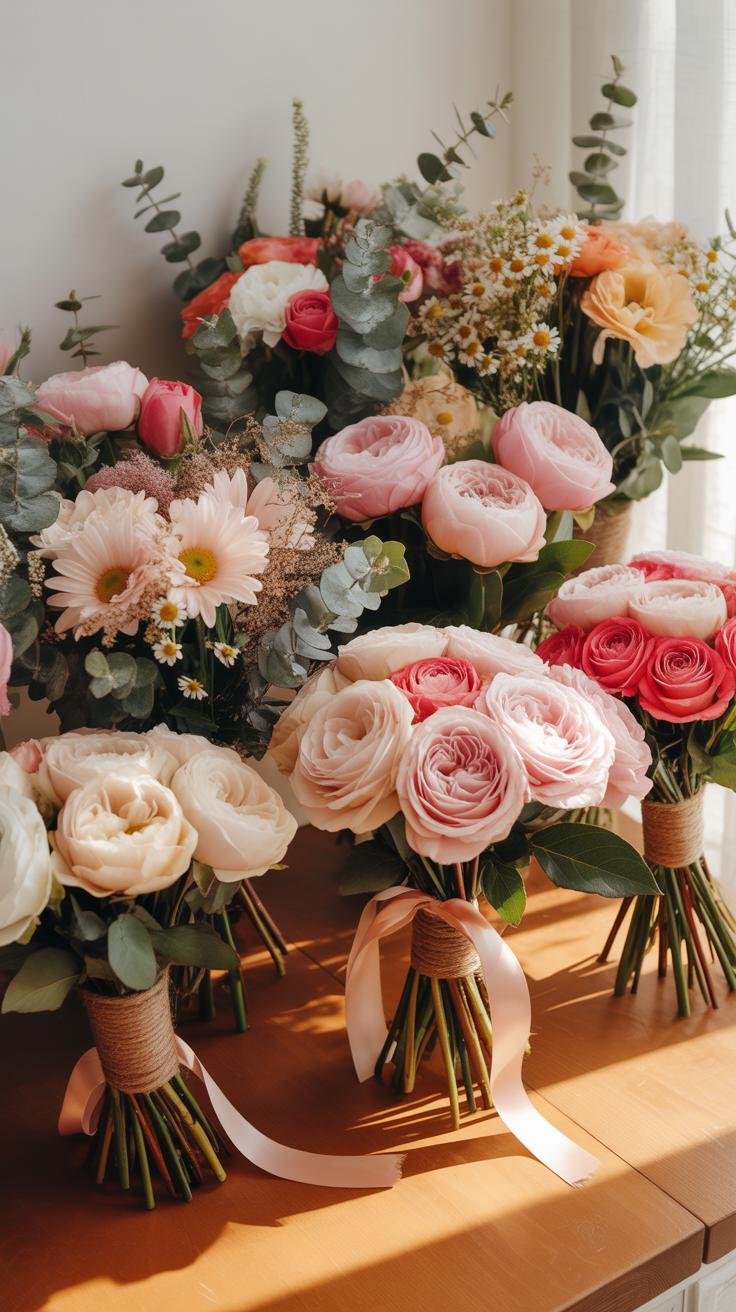
The hand tied bouquet is a specific floral construction technique. Designers gather stems in their hands and spiral them around a central point. This method creates a self-supporting structure. Historically, this style traces back to European flower markets. Vendors bundled fresh blooms quickly for immediate transport and sale. This functional origin sets it apart from formal wired or foam-based arrangements.
A true hand tied bouquet relies on the spiral technique. Florists place each new stem at an angle to ensure the stems do not crush each other. This creates a flared base and a rounded top. You can place these arrangements directly into a water vase without extra support. The technique demands skill to maintain tension. It remains the foundation for most modern bridal and retail floral designs.
Why Hand Tied Bouquets Remain A Timeless Choice For Modern Celebrations
Modern demand focuses on the natural look. Hand tied styles allow flowers to retain their organic movement and shape. This style eliminates the need for plastic holders or green floral foam. Many clients now prioritize sustainability in their event planning. Stems stay intact and continue to hydrate effectively in water. This increases the lifespan of the flowers throughout a long wedding day.
Efficiency drives the popularity of this style. Designers can create these bouquets faster than complex wired structures. The exposed stems offer a clean and tactical grip for the person carrying them. You can easily trim the ends to keep blooms fresh. This versatility makes the style a standard in professional floristry. It balances high-end aesthetics with practical, durable construction for any high-pressure event or celebration.

Exploring The Most Common Types Of Bouquets In The Hand Tied Style
Round, Cascading, And Posy: Understanding The Core Hand Tied Silhouettes
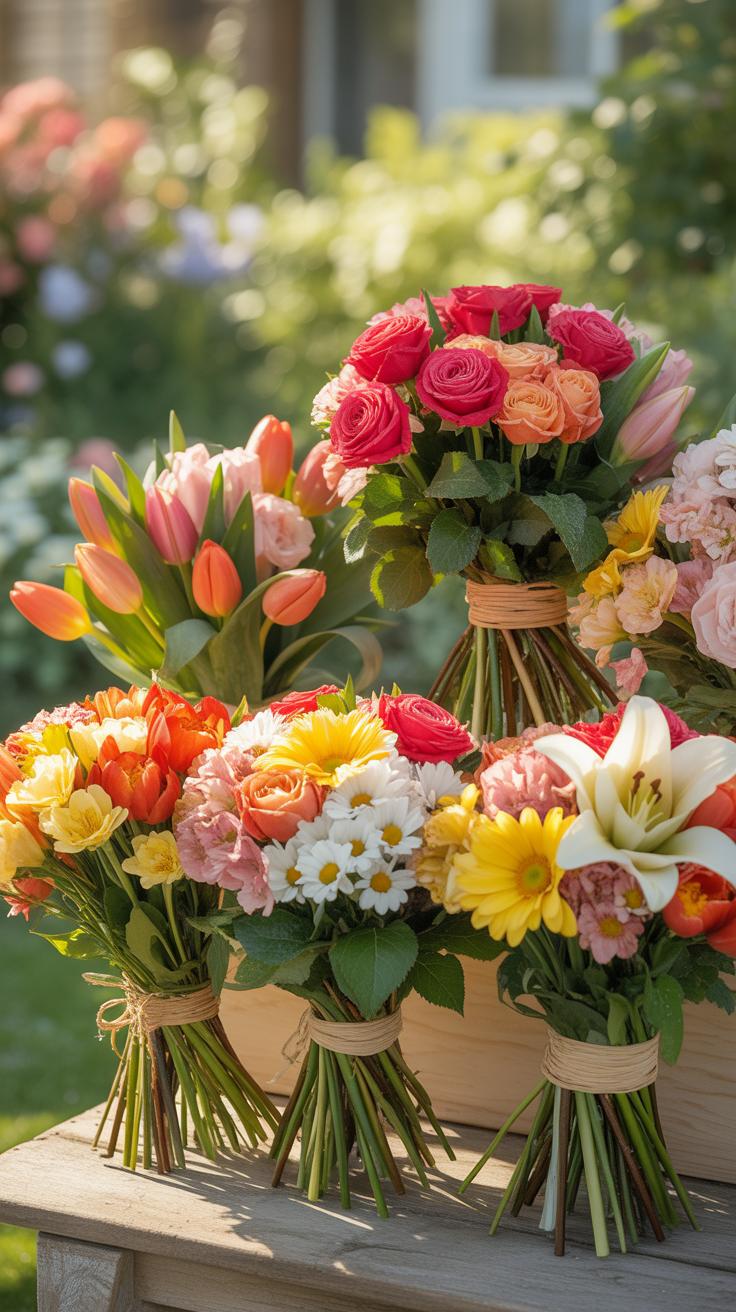
Round hand tied bouquets focus on symmetry and a dense radial structure. Florists group stems at a central binding point to create a uniform dome. This style uses a spiral stem technique to ensure the flowers stay in place without a plastic holder. It creates a clean look that emphasizes color and texture consistency across the entire arrangement surface area.
Cascading hand tied styles use gravity and specific stem placement to create a downward flow. Unlike wire based versions, hand tied cascades rely on the natural arch of greenery and long stems. Posy bouquets are the smallest core silhouette. They feature a compact design easily held in one hand. This style uses a tight binding technique to maintain a firm and circular shape throughout.
How Each Bouquet Shape Suits Different Body Types And Dress Styles
Bouquet shapes must balance the wearer’s physical proportions and the garment’s lines. A round bouquet provides a focal point that works well with A-line dresses. It adds volume without distracting from the bodice details. For larger frames, a larger diameter round bouquet maintains visual scale. Small posies suit petite frames because they do not overwhelm the body or hide the dress’s architectural features.

Cascading styles elongate the torso and complement sheath or mermaid dresses. The vertical line draws the eye downward, which helps shorter individuals appear taller. Conversely, large ball gowns require substantial bouquets to avoid looking lost. You must match the bouquet diameter to the waist width of the dress. Proper scaling ensures the floral arrangement enhances the silhouette rather than obstructing the overall visual design.
Best Types Of Flowers For Bouquet Design In The Hand Tied Technique
Structural Vs. Filler Flowers: Choosing The Right Blooms For A Balanced Bouquet
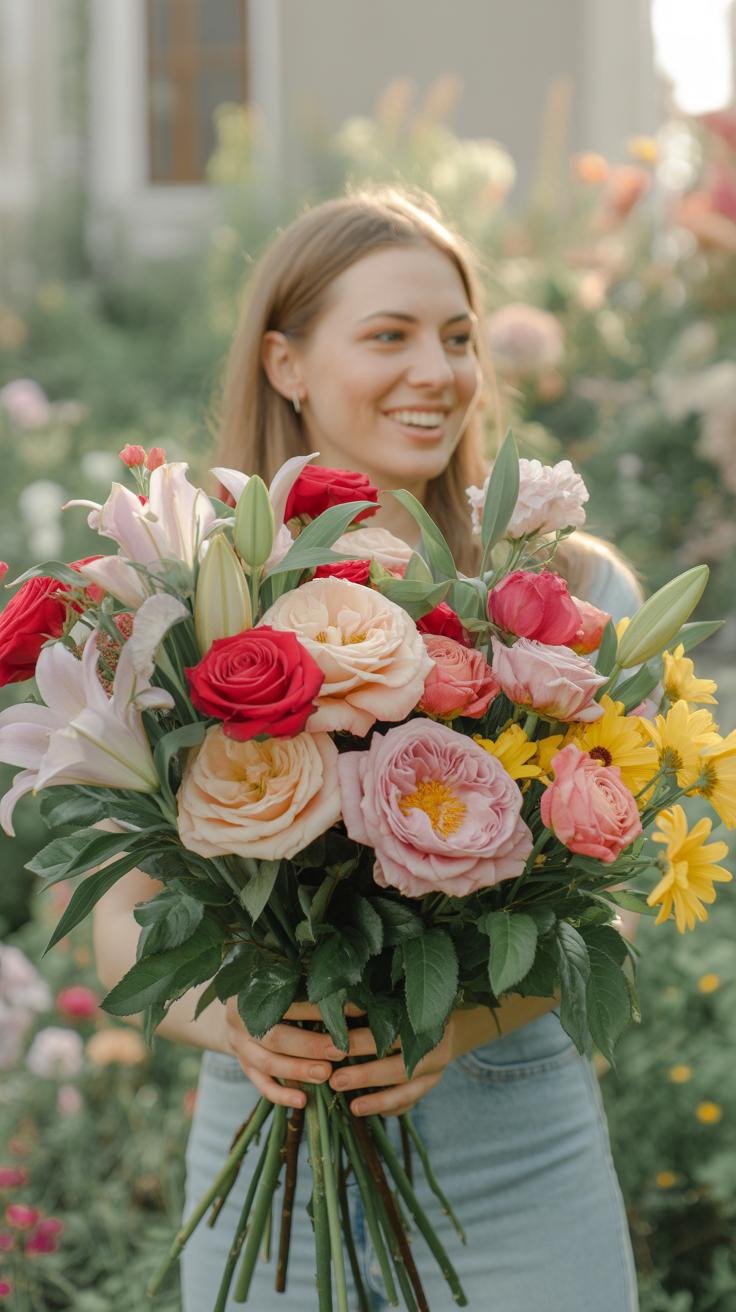
Structural flowers form the skeleton of any hand tied arrangement. These stems must have thick, straight stalks to handle the pressure of the spiral grip. Designers use these focal blooms to set the height and width of the bouquet. Large heads like hydrangeas or garden roses provide the primary visual weight. They anchor the center and establish the overall shape.
Filler flowers serve a different tactical purpose in the design. They hide the technical mechanics and gaps between larger stems. These stems usually feature multiple small blooms or branching structures like waxflower. They add density without increasing the physical weight of the bundle. Strategic placement of fillers prevents the structural blooms from shifting or collapsing during the binding process.
Earth laughs in flowers, and a hand-tied bouquet is like a gathered memory of a summer garden from long ago. Each blossom stands as a reminder that true beauty is found in the simple, tangled elegance of nature’s own design.
Seasonal Flower Selections That Work Best For Hand Tied Arrangements
Seasonal choices dictate the lifespan and stability of a hand tied bouquet. Fresh stems contain more moisture and resist wilting during the assembly process. Choosing flowers in their natural peak ensures the stems are strong enough to endure the spiral technique. Proper seasonal selection also reduces the need for external wiring or support. This makes the final product more durable and easier to handle.
- Peonies: These spring favorites offer massive bloom heads and thick, woody stems. Their natural volume fills huge spaces in a bouquet with very few stems. They provide excellent structural support for smaller, more delicate spring bulb flowers during the early months.
- Sunflowers: These summer staples feature extremely rigid stalks that resist bending under pressure. Their flat faces provide a bold focal point that stays upright in a tight spiral. They work well for rustic styles because they maintain their shape without water for several hours.
- Dahlias: These late summer blooms come in various sizes and geometric shapes. They offer a firm texture that holds up well against neighboring stems in a dense hand tied bundle. Their hollow stems require careful handling but provide unmatched visual depth and color variety.
- Anemones: These fall and winter flowers provide localized contrast with their dark centers. Their flexible stems allow for slight movement within a structured hand tied arrangement. They add a modern edge to traditional designs while remaining light enough to avoid pulling the bouquet off balance.
- Hellebores: These late winter blossoms are incredibly hardy and tolerate cold temperatures well. Their nodding heads add a naturalistic feel to a structured spiral. They provide a unique green or muted tone that bridges the gap between traditional foliage and primary floral focal points.

Designers must match the stem thickness of seasonal choices to ensure a uniform grip. Mixing thin, soft stems with heavy, woody branches causes uneven tension in the binding point. This leads to stems slipping or breaking once you wrap the twine. Always group stems with similar durability to maintain the integrity of the spiral. Consistent stem diameter creates a professional finish.
Stunning Bridal Bouquet Flowers For Your Wedding Day Hand Tied Look
Classic Bridal Blooms: Roses, Peonies, And Ranunculus In Hand Tied Bouquets
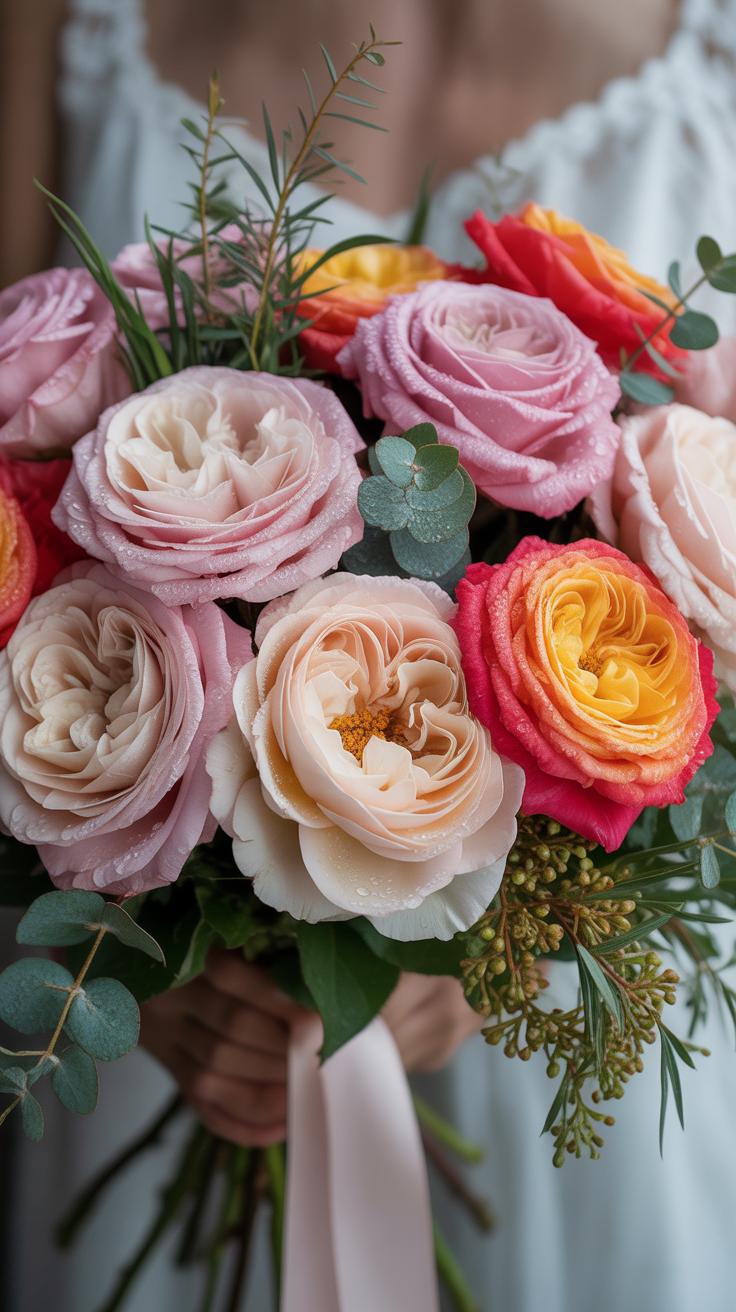
Roses, peonies, and ranunculus dominate hand tied bouquet styles due to their structural integrity. Roses provide a firm central axis that supports the spiral stem technique. Florists choose these flowers because they hide the binding point well. Peonies offer significant volume which reduces the total stem count needed for a full look. Their heavy heads require tight tying to prevent drooping during the ceremony.
Ranunculus adds a secondary layer of texture. These flowers have fragile stems that require careful placement within the bundle. Designers often place them near the center where the thicker rose stems protect them from breaking. This combination ensures the bouquet maintains its shape from the binding wire to the petal tips. You must strip all foliage below the tie point to keep the handle clean and professional.
How To Match Your Bridal Bouquet Flowers To Your Wedding Color Palette
Color selection determines the visual weight of your hand tied arrangement. Darker shades like burgundy or deep plum make a bouquet appear smaller and denser. Use these colors at the base of the design to create a focal point. Lighter tones like cream or blush expand the visual space. They work best on the outer edges of the spiral to create a soft transition toward the greenery.

Successful palettes rely on the 60-30-10 rule. Use a primary color for sixty percent of the blooms. Add a secondary color for thirty percent of the floral mass. Use the final ten percent for high-contrast accents. This balance prevents the bouquet from looking messy or disorganized. Always check your flower choices under natural light. Artificial lighting changes how colors interact with the fabric of a white or ivory bridal gown.
The Elegance Of A White Bouquet Timeless Hand Tied Arrangements In Ivory And Cream
Why All White Hand Tied Bouquets Continue To Dominate Wedding Trends
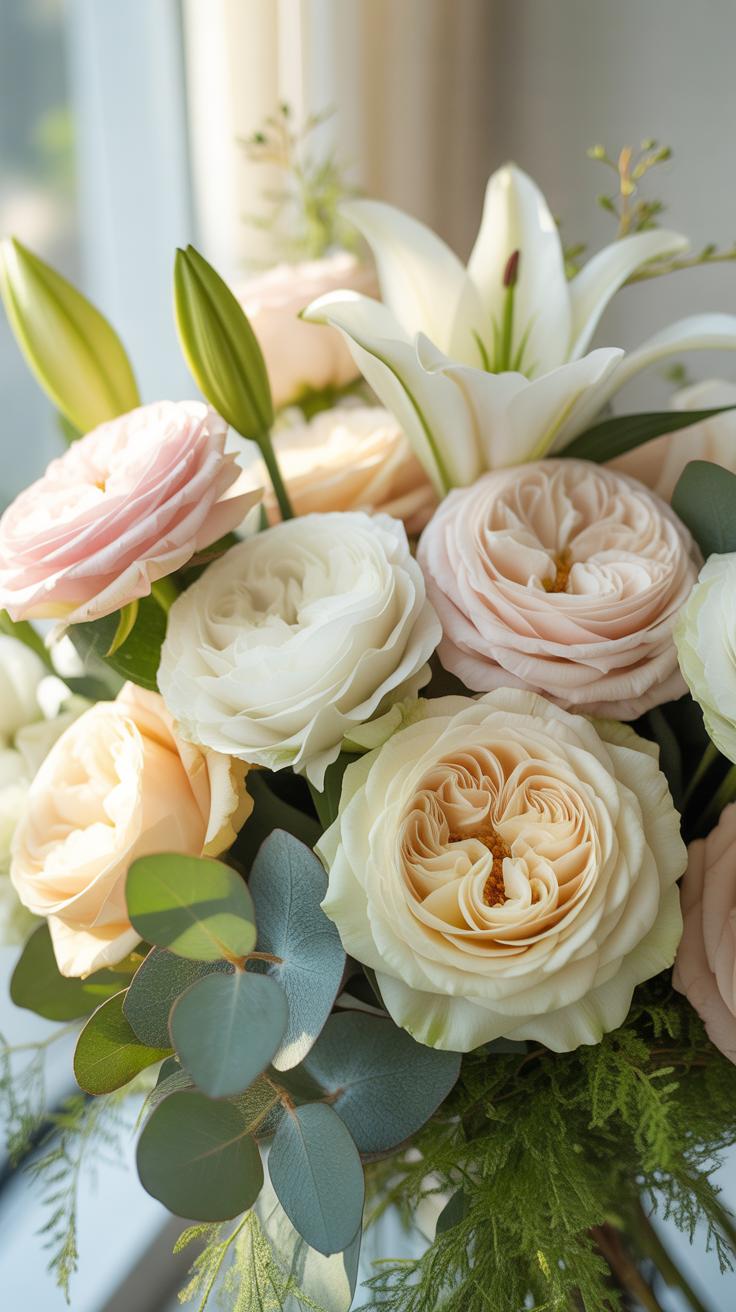
White bouquets dominate the market because they offer maximum versatility. This style integrates with any venue or dress color without visual conflict. Modern brides choose all-white arrangements to achieve a clean and organized look. The hand tied technique keeps these designs from looking too formal or stiff. It balances traditional color choices with a contemporary and relaxed structural form.
Strategically, the white palette serves as a high-contrast element against dark suits and greenery. It simplifies the design process by removing color theory complications. Florists use this approach to highlight the natural silhouette of the flowers. These bouquets photograph clearly and maintain their aesthetic value across different lighting conditions. They remain the standard for client requests due to their consistent reliability and classic appeal.
White Flower Varieties That Add Texture And Depth To A Monochromatic Bouquet
Monochromatic bouquets require varied shapes to avoid looking like a flat mass. Designers use different petal structures to create visual interest. Garden roses provide density and layers in the center of the arrangement. Ranunculus offer tight circular patterns that contrast with the open petals of anemones or sweet peas. This variety ensures the bouquet looks complex despite the single-color limitation.
Texture plays the lead role when color is absent. Bleached dried elements or silver-toned foliage like dusty miller enhance the depth of the ivory tones. Incorporating small buds alongside large blooms creates a natural rhythm. Professional florists use these height and shape differences to guide the eye across the arrangement. This technical layering prevents the bouquet from appearing one-dimensional in professional event photography.
Small Hand Bouquet Simple Designs That Make A Big Impression
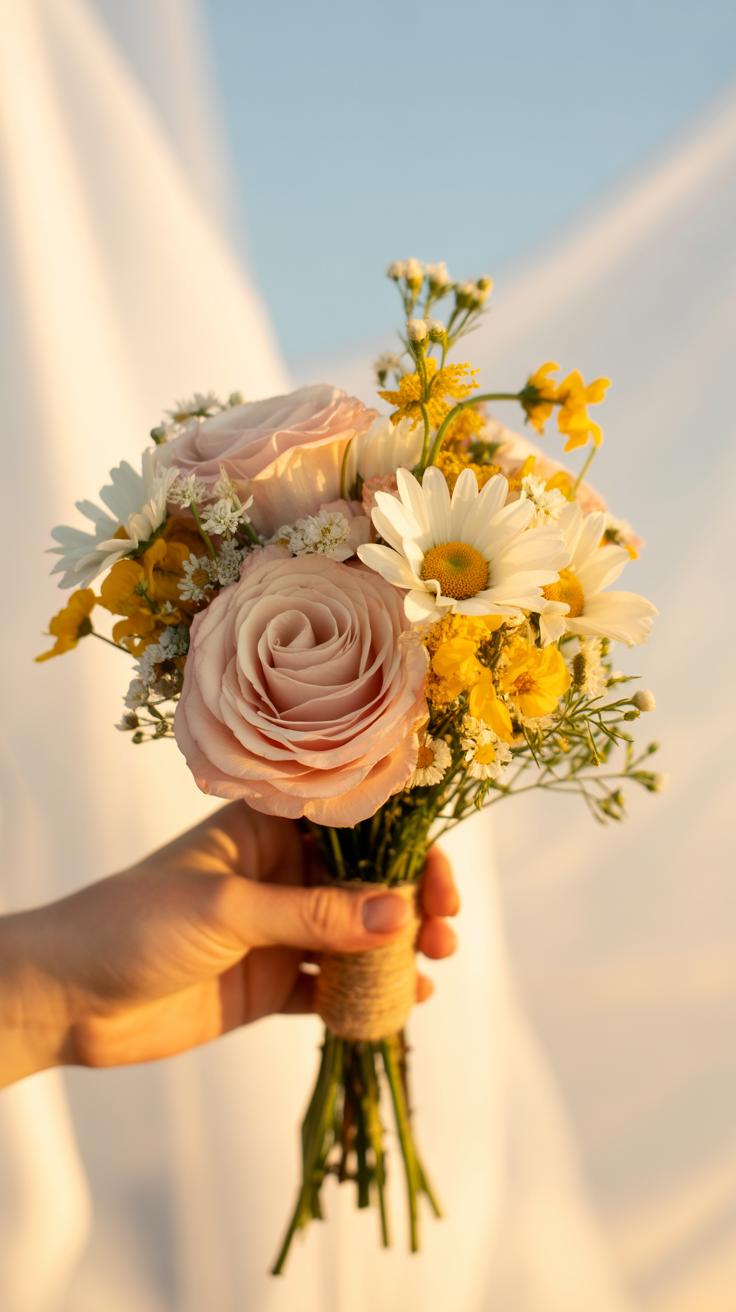
The Beauty Of Minimalism: When Less Is More In Hand Tied Floristry
Minimalist hand tied bouquets focus on negative space and clean lines. This style relies on the structural integrity of the stems rather than sheer volume. Designers select a primary focal flower and pair it with a single type of greenery. This approach reduces visual clutter and highlights the natural geometry of the bloom. Professional florists use this technique to create sophisticated looks quickly.
Minimalism in floristry mirrors the mid-century modern design movement. It prioritizes function and form over decoration. You achieve this look by stripping away excess foliage below the tie point. Use high-quality ribbons or twine to secure the bundle tightly. This method ensures the bouquet remains stable while looking effortless. It works best with high-impact flowers like calla lilies, tulips, or long-stemmed roses.
Simple Small Hand Bouquet Ideas For Bridesmaids, Guests, And Everyday Gifting
Small bouquets solve logistical problems for bridesmaids and event guests. These compact arrangements are easy to carry for long periods without fatigue. Select three to five high-quality stems for the core. Bind them with a spiral technique to create a rounded top. This construction allows the bouquet to stand upright when placed in a shallow tray or vase. It ensures durability during busy events.
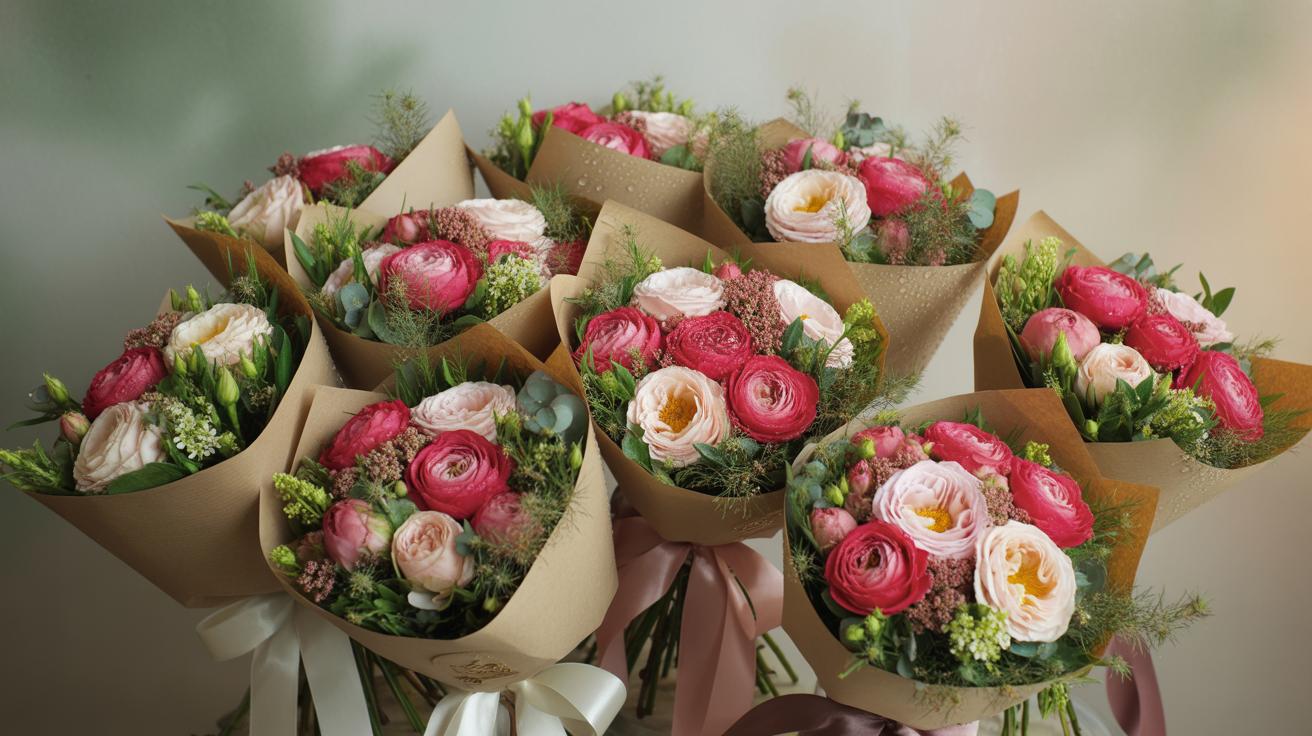
Everyday gifting requires speed and clear presentation. Use seasonal blooms to keep costs low and freshness high. A monochromatic palette creates a cohesive look with minimal effort. Wrap the stems in kraft paper or simple linen for a professional finish. Avoid complex filler flowers that distract from the main subject. This strategy delivers a premium feel without the need for expensive tools or lengthy assembly times.
DIY Bouquet Ideas How To Create Your Own Hand Tied Bouquet At Home
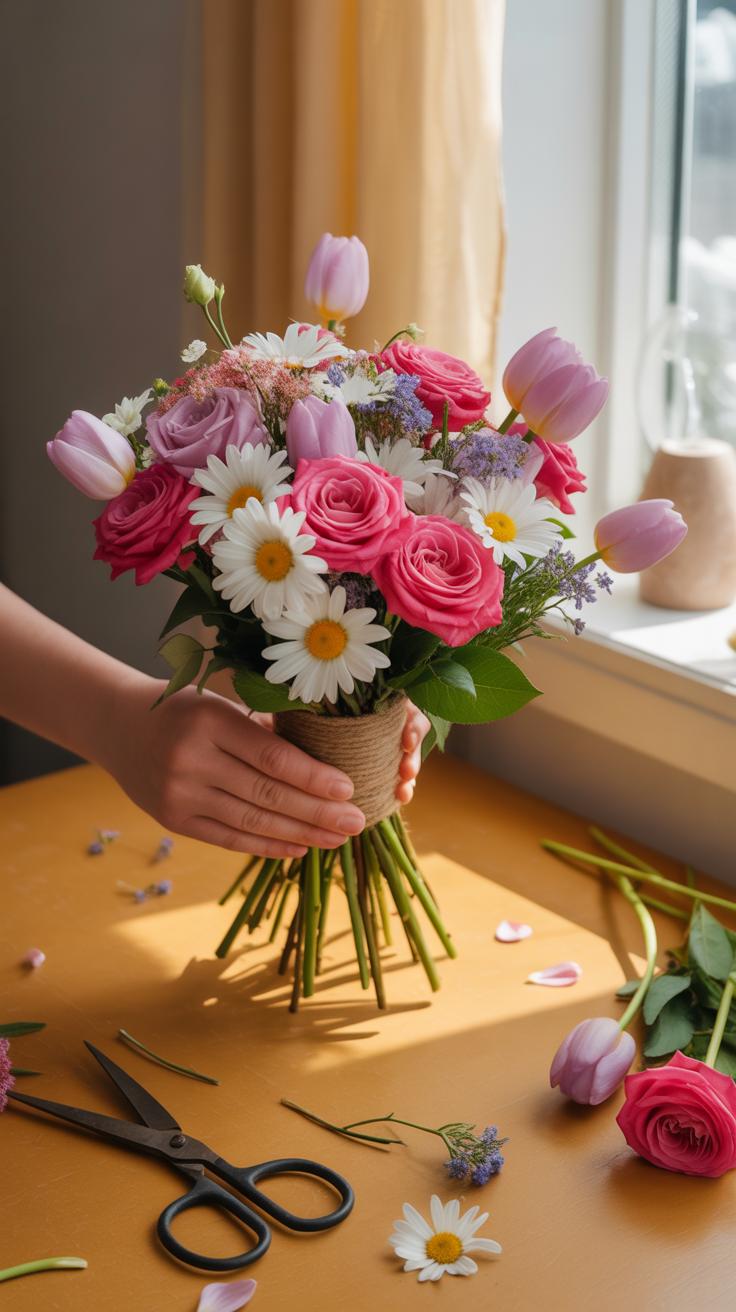
Essential Tools And Materials You Need Before You Start Your DIY Bouquet
Preparation determines the final quality of any floral arrangement. Professional florists rely on specific hardware to ensure structural integrity and stem health. You must strip all foliage that will sit below the water line to prevent bacterial growth. Having every tool within reach prevents the bouquet from shifting during the assembly process and maintains the tension required for a clean spiral.
- Floral Shears: High-quality bypass pruners or floral snips provide clean cuts without crushing the vascular system of the stem. Sharp blades ensure the flower can continue to draw water efficiently after placement. Dull tools lead to premature wilting and stem rot.
- Stem Strippers: These tools quickly remove thorns and excess foliage from the lower half of the stems. Removing leaves is a tactical necessity to keep the water clear of rot-inducing bacteria. Consistent stem cleaning creates a smooth handle for the finished bouquet.
- Floral Tape or Twine: Pressure-sensitive floral tape or waterproof jute twine secures the binding point of the bouquet. These materials provide the necessary tension to hold the spiral shape without severing delicate stems. Use green or neutral colors to blend with the natural foliage.
- Bucket of Conditioned Water: Stems must enter clean, room-temperature water immediately after cutting. Recutting stems at a forty-five-degree angle underwater or just before immersion maximizes hydration. Proper hydration ensures the blossoms remain turgid and upright throughout the assembly and display stages.
- Finishing Ribbon: Professional finishing requires a decorative wrap to hide the structural binding. Heavyweight silk or cotton ribbon adds the final aesthetic touch while providing a comfortable grip. Pin the ribbon in place using pearl-headed corsage pins for a secure and polished finish.
Select a primary focal flower, secondary filler flowers, and structural greenery. High-density blooms like roses or ranunculus work best as anchors for the design. Line flowers provide height and movement. Focal flowers should be in various stages of opening to extend the life of the arrangement. Use hardy greenery like eucalyptus or ruscus to create a framework that supports the softer stems.
Step By Step Guide To Assembling A Professional Looking Hand Tied Bouquet
Begin by holding a single focal stem in your non-dominant hand. Place the second stem across it at an angle to start the spiral. Always add new stems in the same direction, rotating the bouquet slightly after each addition. This Dutch spiral technique ensures that stems do not crush each other. It creates a wide base that allows the bouquet to stand on its own.

Distribute color and texture evenly as you build outward from the center. Keep the binding point high to maintain a tight, controlled look. Once you reach the desired size, wrap the stems tightly with floral tape at the narrowest point. Trim the stem ends to an equal length so they sit flat in a vase. Check the balance from all angles to ensure no gaps exist in the silhouette.
Bouquet Recipes Tried And Tested Flower Combinations For Hand Tied Styles
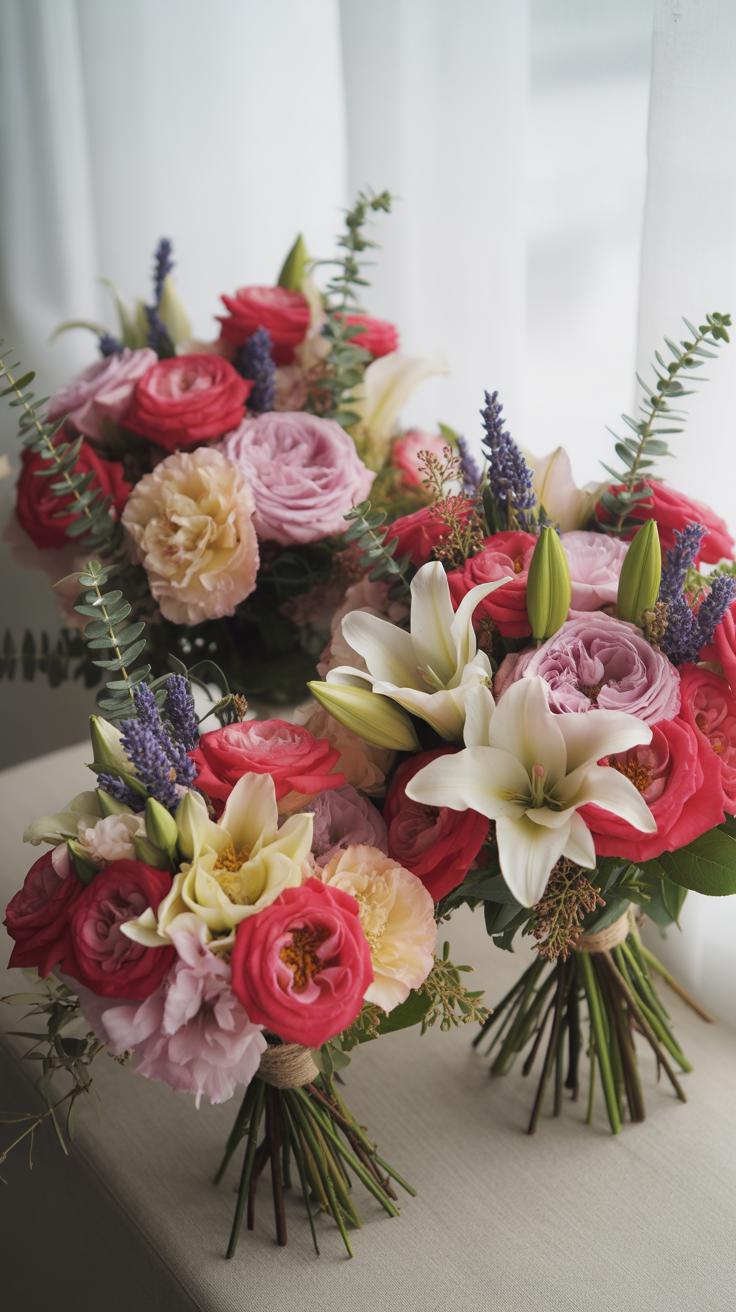
Romantic Garden Style Bouquet Recipe Using Roses, Sweet Peas, And Eucalyptus
This recipe relies on the structural contrast between heavy focal blooms and delicate climbers. Start with three to five large Garden Roses as your primary foundation. These roses provide the necessary mass to anchor the visual weight. Position them at varying depths within the spiral. This layering creates a dome shape that avoids a flat appearance. Scale is critical for a balanced garden aesthetic.
Add Sweet Peas to introduce movement and line. These thin stems should sit slightly higher than the roses to simulate natural growth patterns. Use Silver Dollar Eucalyptus to frame the base and fill gaps between stems. The flat leaves provide a matte texture that absorbs light. This combination works because the eucalyptus supports the fragile Sweet Pea stems. Use a loose spiral technique to ensure airflow.
Wildflower And Meadow Bouquet Recipes For A Natural, Effortless Hand Tied Look
Focus on botanical diversity to achieve the meadow look. Use Scabiosa and Nigella as your primary textural elements. These species provide thin, wiry stems that move independently. Mix in Astrantia to fill internal space without adding bulk. The key is avoiding a single focal point. Instead, distribute several small interest points throughout the arrangement. This mimics the chaotic growth of a natural field.
Incorporate grasses like Panicum or fountain grass to soften the perimeter. These elements break the circular outline of the bouquet. Use a binding point high on the stems to keep the top spread wide and airy. Avoid using heavy greenery like Salal which can weigh down the light meadow stems. Mechanics must remain hidden but strong. Use green waterproof tape or twine to secure the stems without crushing them.
Flower Bouquet Ideas Inspired By Global Trends Including
Middle Eastern And Arabic Bridal Bouquet Influences Shaping Modern Floral Design
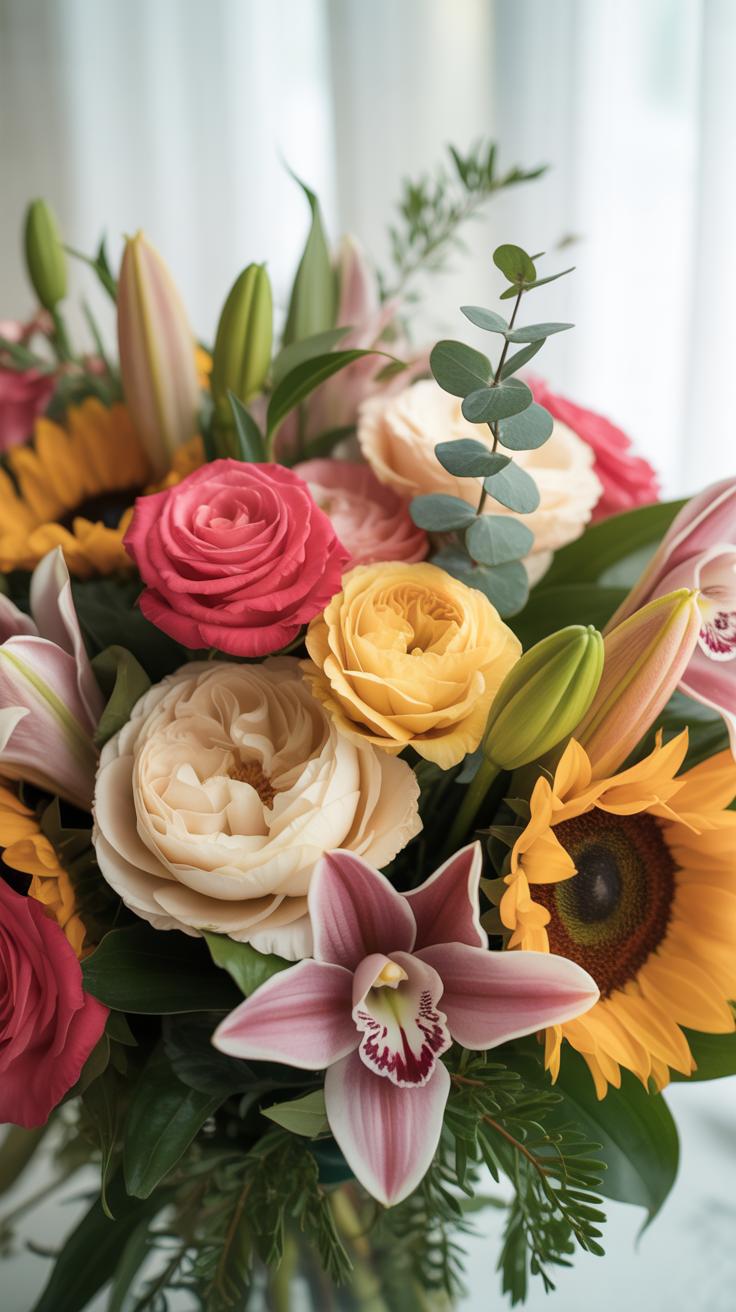
Middle Eastern floral design prioritizes high density and luxury. Modern Arabic bridal bouquets, known as بوكيه ورد للزفاف, often feature a perfectly round shape. Designers use a tight radial clustering technique to create a full look. This style emphasizes symmetry and premium textures. Common flower choices include heavy blooms like peonies and garden roses. These designs signal status and abundance through volume rather than airy space.
Strategic use of fragrance is another hallmark of this style. Designers integrate jasmine or gardenias to provide a sensory experience. This tradition influences global trends by pushing florists to focus on the scent profile of a hand tied bouquet. Dark greenery like eucalyptus or ruscus provides a sharp contrast against white or cream petals. This high-contrast palette creates a bold visual impact that defines modern luxury weddings worldwide.
How To Blend Cultural Floral Traditions Into Your Personal Hand Tied Bouquet Style
Merging cultural traditions requires a focus on specific mechanics and symbolic materials. Start by selecting a base structure from one culture and adding accents from another. For example, use the structural discipline of Japanese Ikebana with the lushness of European garden styles. This creates a unique silhouette that remains grounded in tradition. Focus on the binding point of the bouquet to ensure all diverse elements stay secure and balanced.
Use color palettes and specific foliage to represent regional heritage. Mediterranean styles often include olive branches for texture and meaning. Pair these with the structured rounding found in Middle Eastern designs. This blending technique creates a personal statement without sacrificing professional aesthetics. Always choose hardy stems when mixing varieties from different climates. Proper hydration and stem height management ensure the different floral types remain fresh throughout the event.
Frequently Asked Questions

What exactly is a hand tied bouquet and why is it popular?
A hand tied bouquet is a floral arrangement where the stems are gathered and tied together with ribbon or twine, rather than being arranged in floral foam. This technique creates a natural, “just-picked” look that is currently dominating wedding and home decor trends. Many people prefer hand tied bouquet styles because they showcase the organic movement of the flowers, allowing for a more relaxed and effortless aesthetic compared to traditional structured displays.
How can I create a balanced professional look with my arrangement?
To master various hand tied bouquet styles, start by crisscrossing your stems in a spiral pattern as you hold them. This technique provides stability and allows the blooms to fan out beautifully. Focus on mixing different textures, such as Focal flowers, filler buds, and airy greenery like eucalyptus. Regularly rotate the bouquet in your hand as you build it to ensure the arrangement looks lush and balanced from every possible angle.
Can I achieve a high-end floral look on a limited budget?
Absolutely! You can achieve luxury hand tied bouquet styles by using affordable “filler” flowers like carnations or baby’s breath in large clusters to create volume. Mixing in foraged greenery from your own backyard, such as ferns or ivy, adds a designer touch without the extra cost. By focusing on a cohesive color palette rather than expensive exotic stems, you can create a stunning, sophisticated arrangement that looks professionally curated for a fraction of the price.