

Qi Gong Poses for Improved Health and Fitness
Qi Gong is a practice combining body posture, movement, breathing techniques, and meditation. It has roots in ancient Chinese traditions and is used to promote health and balance the body’s energy. Qi Gong poses focus on smooth, gentle movements designed to improve physical fitness and mental wellness.
This article covers several Qi Gong poses that can improve your health and fitness. You’ll learn step-by-step instructions to practice these poses and understand how each can benefit your body and mind. Let’s start with the basics and move towards advanced methods that enhance your overall wellbeing.
Qi Gong Poses Explained
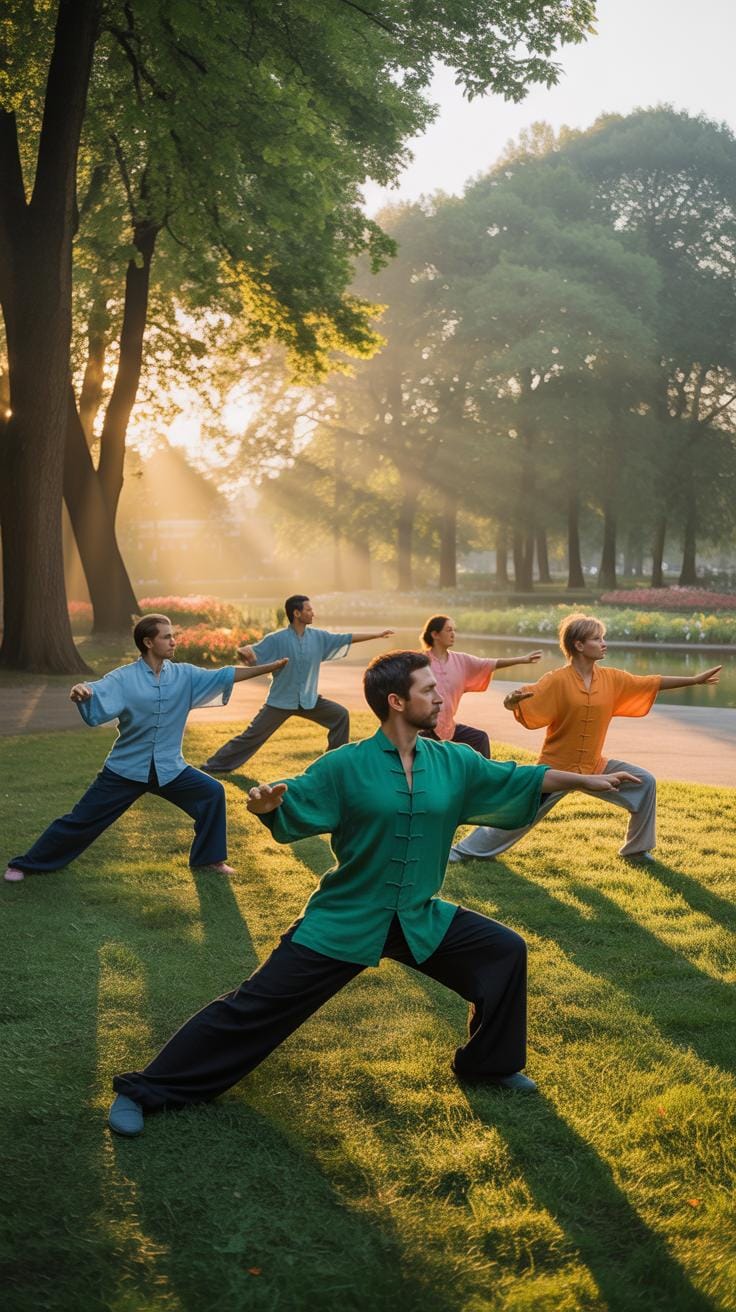
Qi Gong poses are more than just physical stances; they represent a practice where body posture, movement, breathing, and meditation come together. They aim to cultivate and balance the vital energy called “qi” flowing through the body. This practice isn’t just exercise—it’s a moving meditation focused on harmonizing your internal state.
At the core, Qi Gong involves slow, deliberate movements combined with deep, rhythmic breathing. The mind maintains a calm, meditative focus, which may be harder than expected for beginners but essential for the full benefits. The poses serve as vessels to direct energy and attention, helping to calm the mind, reduce stress, and potentially improve bodily functions over time.

One might wonder how simple poses affect health so profoundly. It seems to rely on a balance of cultivating awareness and the gentle stimulation of the body’s energy pathways. Not everyone feels the effects immediately, and some describe it more as an intuitive feeling rather than scientific certainty, which leaves room for personal interpretation. But the integration of breath, movement, and mindfulness is thought to nurture both physical and mental well-being.
Basic Qi Gong Postures For Beginners
If you’re new to Qi Gong, starting with simple postures is key. One well-known beginner stance is called “The Holding the Ball.” Stand with feet shoulder-width apart, knees slightly bent, arms rounded as if holding a ball in front of the abdomen, palms facing each other but not touching. Breathe deeply and slowly.
This posture helps align the spine, opens the chest for better breathing, and promotes relaxation. Beginners often notice a sense of grounding and centeredness, even after just a few minutes. The benefits are subtle yet cumulative: better posture, increased calm, and gentle stimulation of qi flow.
Another easy pose is the “Wu Chi” stance—standing straight, feet parallel, arms relaxed by your sides, eyes softly gazing ahead. Focus on calming the breath and letting your body settle. This is the starting point before moving into more active poses, and it conditions both body and mind to be more receptive.
Advanced Positions To Boost Health
Once comfortable, exploring advanced Qi Gong postures can deepen your practice. These positions often involve more complexity in body alignment, breathing, and visualization, aiming to intensify energy flow and strengthen the body.
For instance, the “Single Whip” pose combines a deeper squat with extending one arm while the other curls near the waist, paired with deliberate breath control. This posture encourages greater circulation of qi throughout the torso and limbs, requiring focus and balance.
Another advanced posture, “Dragon Spreads Its Claws,” involves a twisting motion that opens the chest and stimulates energy channels in the back. Learning these requires patience and guidance, as precise movements are crucial to avoid strain and achieve the intended energy benefits.
While progress can feel slow, mastering these stances may improve your physical fitness, energy levels, and mental clarity. It’s tempting to rush, but advancing too quickly sometimes leads to frustration or discomfort, emphasizing the importance of steady and mindful practice.
How To Practice Qi Gong Poses Daily
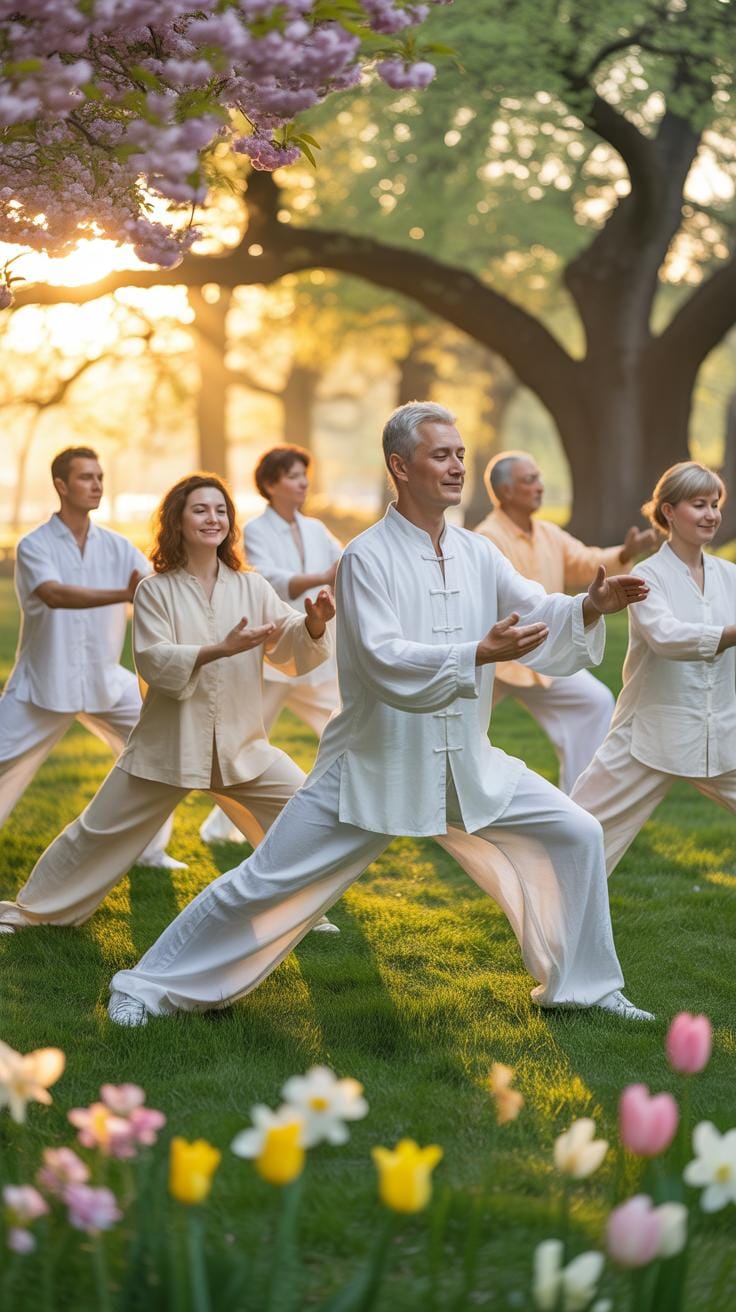
Start with setting aside about 15 to 30 minutes each day. Find a time when you feel neither rushed nor tired—maybe early morning or just before bed. Begin with slow, gentle warm-ups to awaken your body and mind. Then, move through a sequence of simple poses, holding each for a few breaths. You might aim for five to seven poses depending on your pace.
Focus on steady, calm breathing. Inhale through your nose, let your belly rise, then exhale smoothly through your mouth. This breath-awareness helps you stay present and deepens the energy flow. If your mind wanders, gently return to the breath without judgment—that’s part of the practice.
Ending your session with a quiet moment of standing still or sitting in meditation can anchor your experience. Over time, you’ll notice subtle changes in your energy and mood, even if at first it seems slow or uneven. Remember, the goal is consistency, not perfection.
Setting Up Your Practice Space
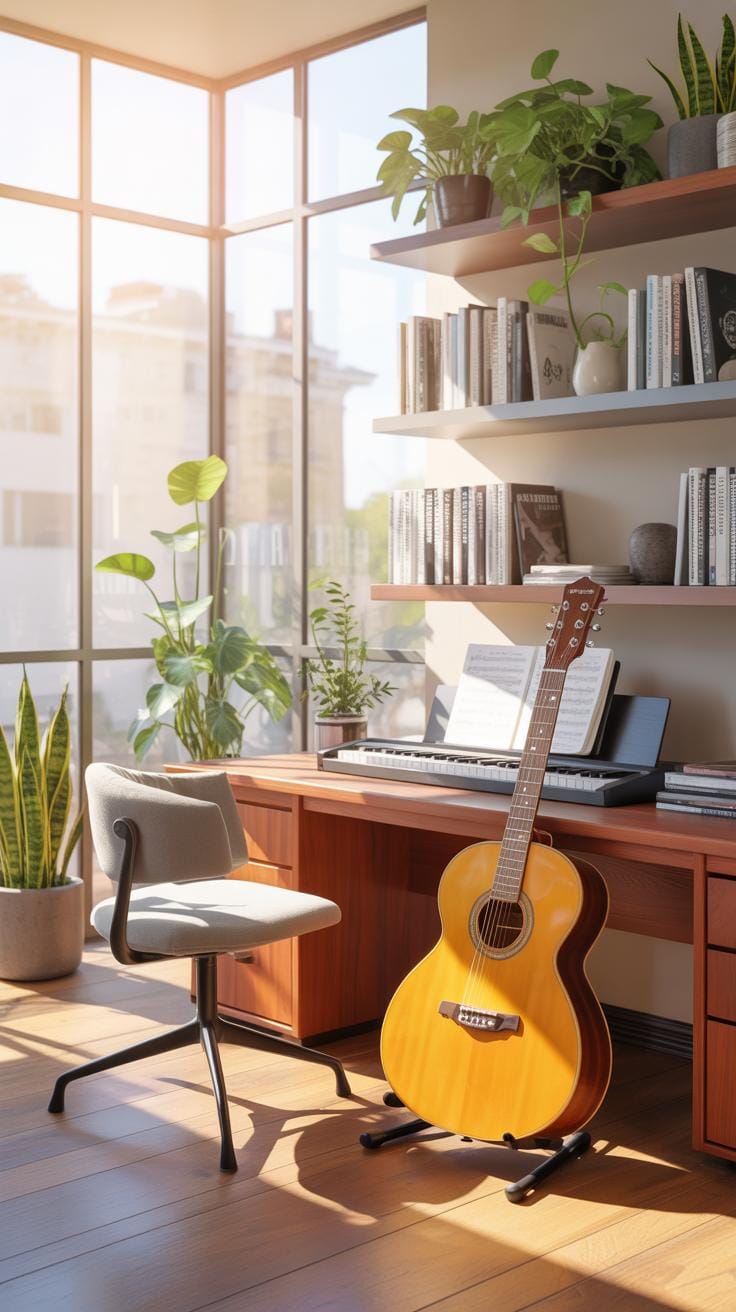
Create a quiet spot where interruptions are unlikely. It doesn’t need to be large—just enough room to stretch and move freely. Ideally, choose a place with soft natural light or minimal artificial glare. If you can, arrange some cushions or a yoga mat for comfort, especially if you include seated postures.
Keep the space free from clutter and distractions like phones or laptops. Some people find that adding a subtle element—a plant, incense, or gentle background music—can help focus their attention. But if that feels like a distraction for you, it’s perfectly fine to keep things plain.
The ambient temperature matters too: too hot or too cold can disrupt your concentration. Check your surroundings and adjust if necessary. The idea is to make it easy for yourself to sink into the practice without external annoyances pulling your focus away.
Breathing Techniques To Pair With Movements
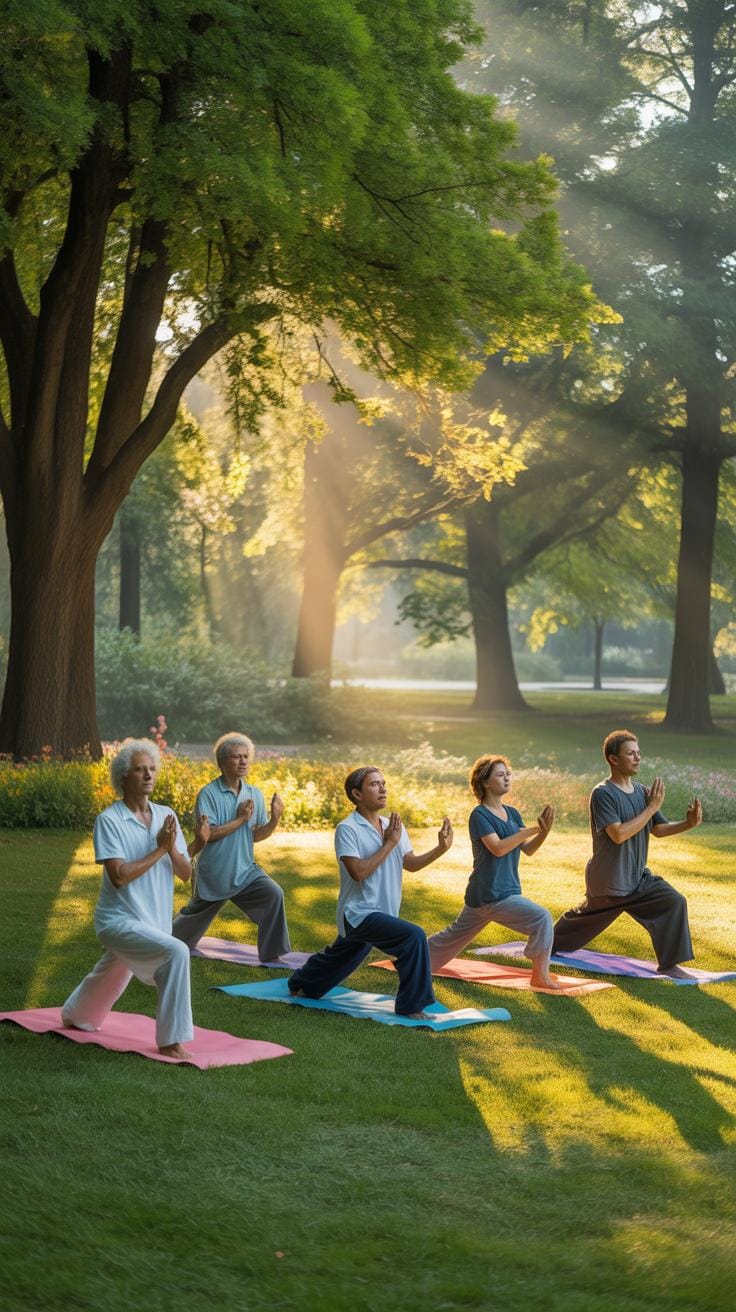
Qi Gong often matches breath rhythm with movement pace. For example, when raising your arms slowly, breathe in gently; lower them while breathing out. This coordination fosters a smooth energy flow. Try to keep your breath soft and natural, avoiding forceful or hurried breaths.
Another method involves deep abdominal breathing—sometimes called “belly breathing.” As you inhale, expand your abdomen outward; as you exhale, let it fall naturally. This technique supports deeper oxygen exchange and helps anchor your attention.
Focus on prolonging exhalations slightly longer than your inhales. This invites relaxation and calms the nervous system. You might notice, though, that some poses encourage shorter, sharper breaths. Feel free to adapt and find what works best for your body and mental state. The key is paying attention to your breath as an integral part of each movement.
Why Qi Gong Enhances Health
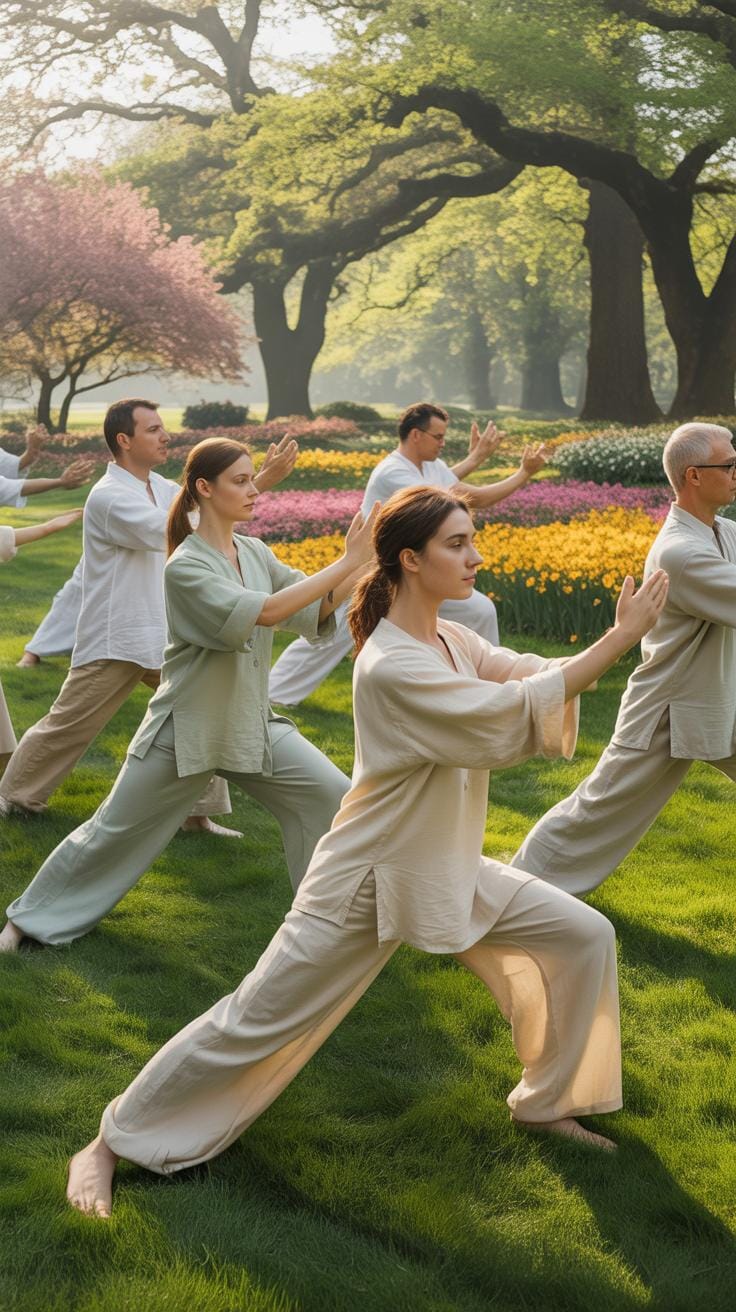

Qi Gong is often praised for its ability to improve health in ways that feel both subtle and profound. At its core, practicing Qi Gong poses gently encourages blood flow and circulation. When you slow down your movements and focus on breathing, you invite your body to relax in a way that reduces tension — which might explain why many people report feeling less stressed after a session. Scientific studies hint at improvements in immune function, possibly because these practices lower stress-related hormones that can weaken the immune system.
Physiologically, the rhythmic motions and mindful breathing can enhance oxygen delivery throughout your body. Traditional Chinese medicine frames this as balancing and cultivating ‘Qi,’ or life energy, which helps the body resist illness. The science may not have all the answers, but many practitioners swear by these effects, feeling more energized and less prone to common ailments. Could it be that the combination of movement, breath, and focus creates a unique environment for healing? That’s something you might discover if you commit to regular practice.
Mental And Emotional Benefits
Qi Gong isn’t just about the body — it’s a workout for your mind, too. Many people find it provides a quiet space to reduce anxiety. The deep, steady breathing paired with slow, deliberate movements can anchor your attention, making it easier to move away from racing thoughts and stress. It’s not a quick fix, but over time, the calming influence can improve mental focus and foster a sense of inner peace.
The practice encourages you to be present, which naturally calms the nervous system. This calmness spills over into everyday life, helping with emotional regulation and resilience. Imagine starting your day with even ten minutes of Qi Gong — you might find yourself reacting less impulsively and feeling more grounded. But of course, everyone’s experience varies, and some may need more consistent discipline to notice changes.
Impact On Physical Fitness
Regular Qi Gong practice subtly shapes your body. Most poses demand balance and flexibility, which can improve over time with consistent practice. Unlike high-intensity workouts, Qi Gong’s gentle approach tones muscles without strain. Those slow, controlled movements engage stabilizer muscles often overlooked in other exercises, helping to enhance posture and reduce risk of falls.

It’s not about building bulk but refining muscle tone and joint mobility. Many practitioners note reduced stiffness and better coordination. Even if you’re not naturally flexible, Qi Gong can offer a way to safely stretch and strengthen. Perhaps it’s this blend of physical and mindful practice that encourages steady progress, even if it’s not always immediately obvious.
Qi Gong Vs Other Exercise Forms Intensity Impact and Meditation
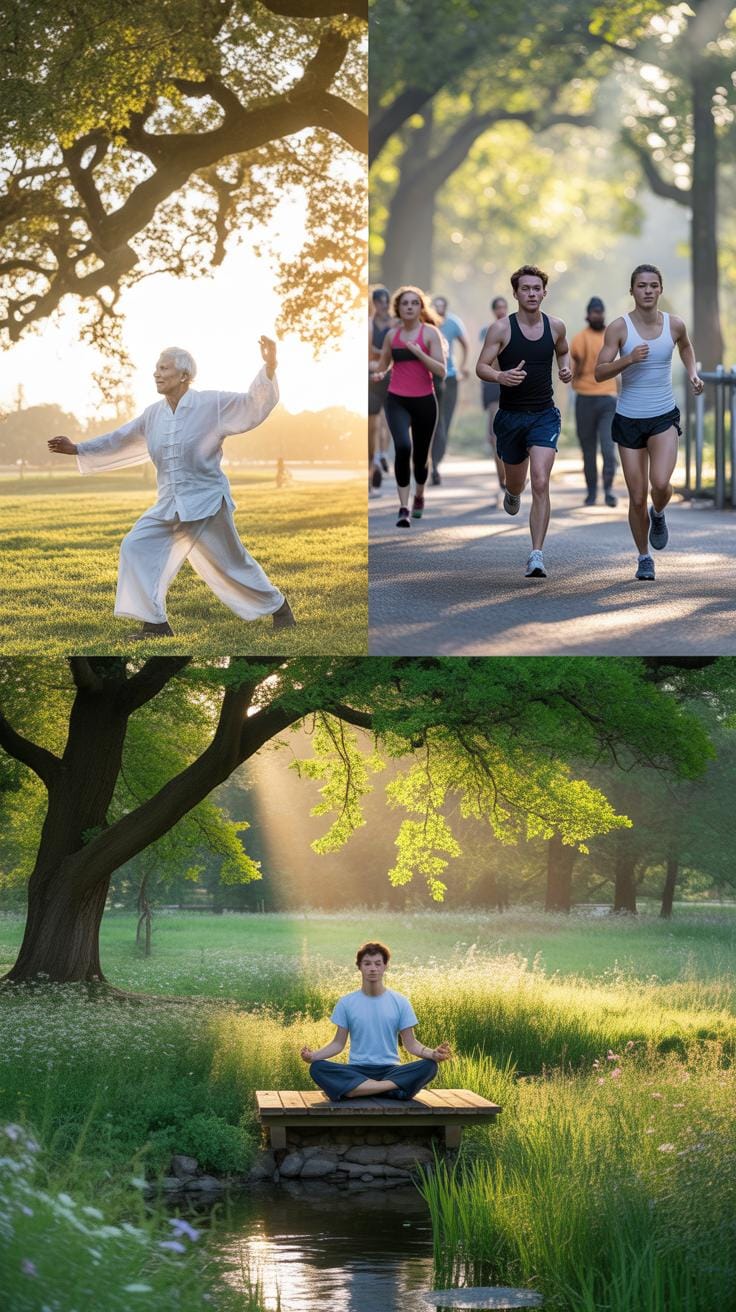
Comparing Qi Gong with exercises like yoga or aerobic workouts reveals some clear and subtle differences. Qi Gong mostly involves slow, deliberate movements. It tends to be gentler in intensity, focusing more on cultivating internal energy than pushing the body hard. Yoga, meanwhile, often includes stretches and holds that build strength and flexibility, while aerobic exercises ramp up heart rate quickly for cardiovascular endurance. These differences shape what you might expect after practicing each form—Qi Gong leaves you calm and centered more so than sweaty and breathless.
Low Impact Movements
One thing I appreciate about Qi Gong is how smooth and continuous the movements are. They are often circular or flow naturally from one posture to another, which puts far less strain on your joints compared to high-impact exercises like running or jumping. It makes Qi Gong more accessible if you have issues with knees, hips, or back. Plus, it feels like the body has time to adjust and respond rather than being jolted abruptly.
Meditative Focus Differences
Qi Gong’s breath and meditation technique differs from other practices too. While yoga might emphasize breath control (pranayama) tied to physical poses, Qi Gong links breath deeply with movement and the idea of energy flow inside the body. Aerobic workouts generally don’t focus on breath beyond maintaining stamina. The meditation in Qi Gong often invites a state of relaxed awareness—not blankness, but a calm observation of sensations and energy shifts. It’s more about cultivating a sense of inner balance than silencing the mind entirely.
Common Mistakes In Qi Gong Practice
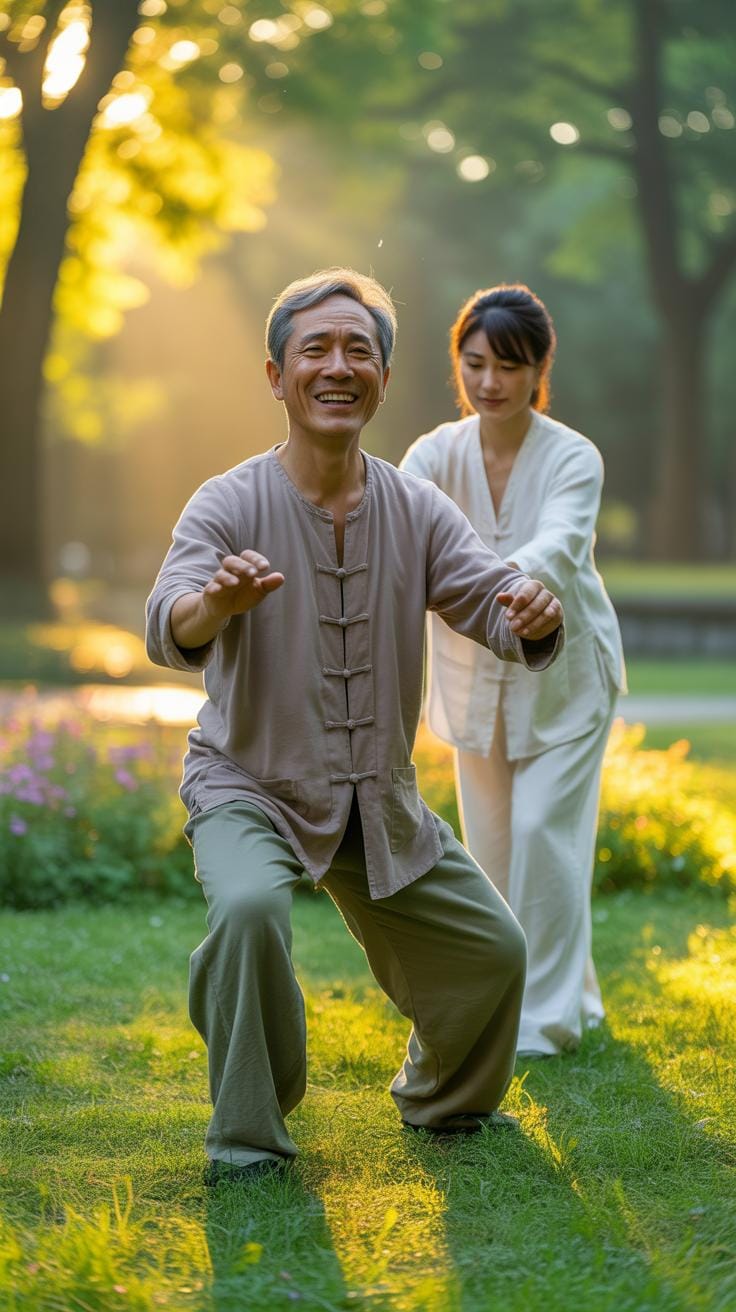

When starting Qi Gong, many beginners face similar stumbling blocks that hinder the full benefits of their practice. One of the most frequent errors is incorrect posture alignment. It’s easy to think your stance looks fine, but even slight misalignments can block the smooth flow of qi and strain your body. For example, leaning too far forward can cause tension in the lower back and disrupt balance. To correct this, ensure your spine is straight yet relaxed, your knees slightly bent but not locked, and your weight evenly distributed. Picture a gentle lift from the crown of your head, even if that imagery feels vague at first.
Breath coordination often gets overlooked too. Qi Gong isn’t just about the movements; it’s the breath–movement connection that powers it. You might find yourself going through the motions mechanically without syncing your breath. This disconnection diminishes the energy flow Qi Gong aims to cultivate. A helpful tip is to start by observing your natural breathing pattern, then gently guide it to match the rhythm of your movements. It won’t happen instantly, and sometimes you’ll catch yourself holding your breath without noticing. When this happens, just pause and reset. Developing this habit takes patience, but it reshapes your experience significantly.
Tracking Progress With Qi Gong
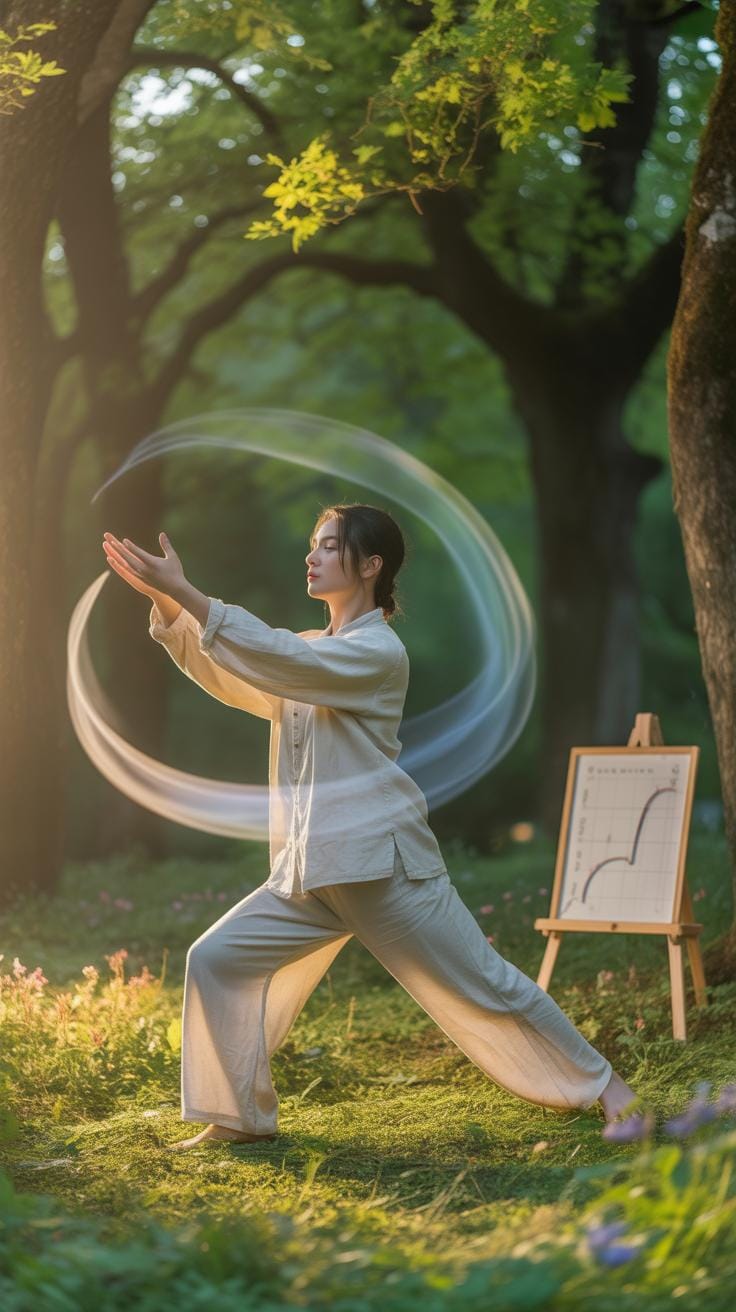
When practicing Qi Gong, you might wonder how to tell if it’s truly working for you. Tracking progress isn’t always straightforward. But there are some simple signs to look out for that can give you clues.
Noticing Physical Changes
Pay attention to your body’s responses over time. Maybe your flexibility improves—a stretch that once felt tight now feels easier. Or pain that nagged you before starts to fade. Increased stamina during daily activities can mean your Qi Gong practice is strengthening your body’s endurance. Sometimes the changes are subtle and slow, so it helps to keep a journal or note down when you feel physically better.
Mindfulness And Energy Awareness
Qi Gong isn’t just physical; it’s about tuning in to your mind and energy too. You might find yourself calmer during stressful moments. Or more aware of sensations in your body—like warmth, tingling, or a general sense of ease. After practice, there’s often a lingering peaceful feeling. These mental and energetic shifts can be tricky to measure but recognizing them can be rewarding. Do you notice a difference in your breath or focus as days go by? Tracking those changes can deepen your connection to Qi Gong.
Case Examples Of Qi Gong Benefits
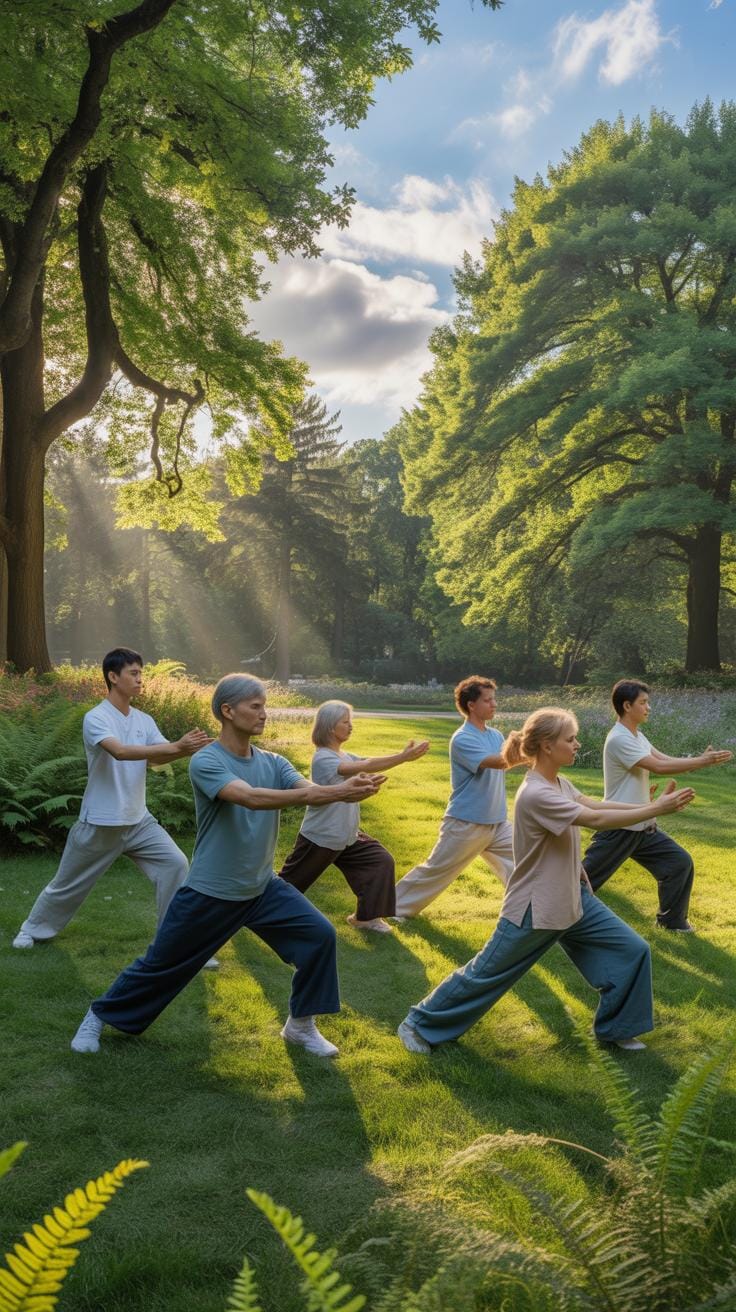

Qi Gong is more than just a set of movements; it’s a practice that many people have found helpful in their daily lives for various health goals. If you ever wonder how it actually plays out in real situations, there are a few examples worth considering.
Stress Reduction In Office Workers
Some office workers, tangled in deadlines and computer screens, found that starting their day with just a few simple Qi Gong poses made a difference. It’s not about long sessions — sometimes, just five to ten minutes of guided breathing and gentle movements helped them release tension. One participant noted feeling less distracted and more grounded, which is crucial in a busy work environment. It might seem minimal, but this shift in calmness appeared to boost focus and even reduce headaches.
Fitness Gains For Older Adults
Older adults who were concerned about balance and strength tried Qi Gong regularly over a period of months. The results were encouraging; many experienced steadier footing and an increased sense of physical confidence. It’s subtle work—slow movements paired with controlled breathing—but combining these helped improve stability. Some seniors even reported feeling more energetic during daily tasks. This isn’t a quick fix by any means, but persistent practice brought tangible improvements that traditional exercise sometimes couldn’t achieve comfortably for them.
Checklist For Starting Qi Gong Practice
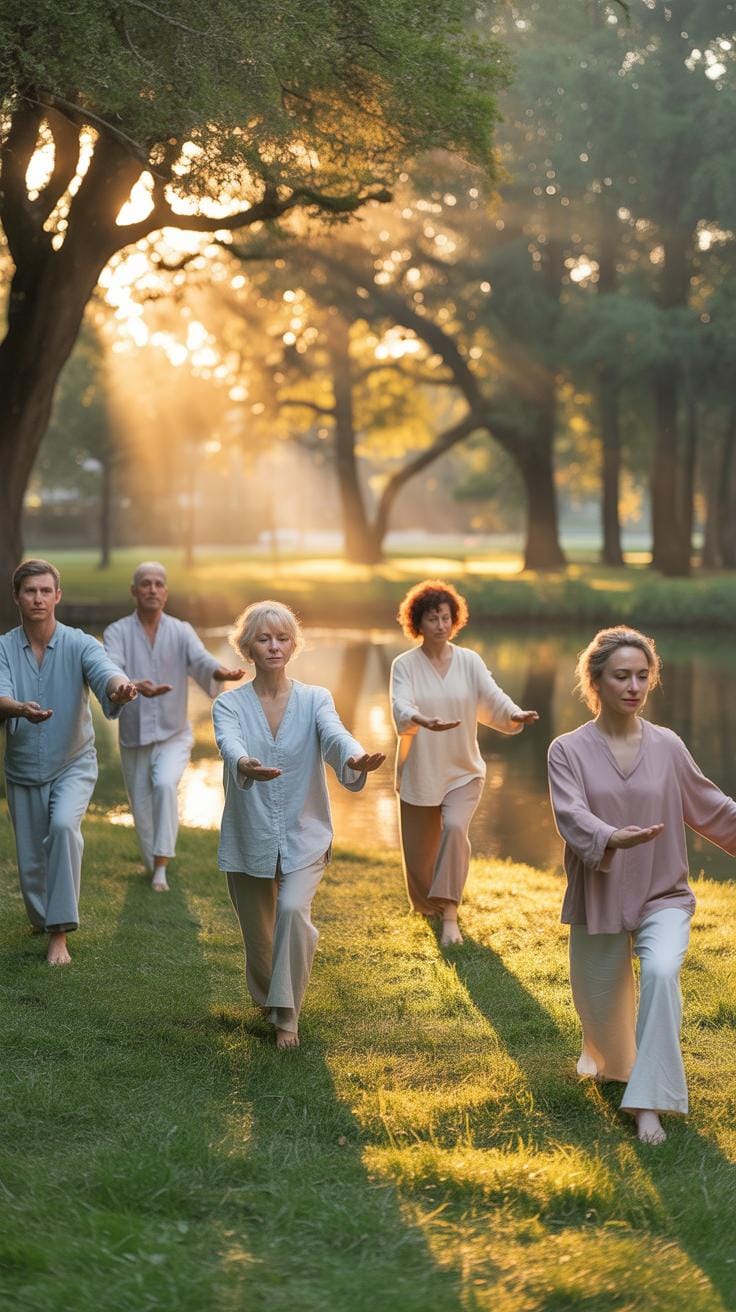
Starting Qi Gong might seem straightforward, but having the right checklist can make all the difference.
Equipment And Clothing Needed
You don’t need much—really just comfortable, loose-fitting clothes that let you move easily. Breathable fabrics work best since Qi Gong involves breathing exercises alongside movement. Some people prefer supportive props like a yoga mat or a cushion for seated meditation, but they’re totally optional. The goal is freedom of movement without distraction.
Scheduling And Consistency Tips
Choosing a regular practice time is crucial. Morning is often ideal for many, as it sets a calm tone for the day. But if your mornings are hectic, late afternoon can work too. Just be honest with yourself about when you’re least likely to skip it.
Try to carve out even just 10 to 20 minutes a day. That consistency beats occasional long sessions that are hard to maintain. You might want to set reminders or pair your practice with another habit, like right after brushing your teeth.
Mentally, approach Qi Gong with an open mind but no pressure. It’s okay to have sessions that feel off or distracted; the practice grows over time. Just commit to showing up, and let the rest unfold naturally.
Conclusions
Qi Gong poses offer practical methods to enhance health through simple, mindful movements. Regular practice improves circulation, reduces stress, and supports overall fitness. By learning both basic and advanced postures, you build a routine that suits your level and goals.
Whether you seek relaxation, better energy flow, or fitness benefits, Qi Gong poses provide accessible tools. Practice consistently to see progress. Starting slow and focusing on breath and posture helps you develop skill and confidence. Your body and mind will benefit over time.