

The Benefits of Meditation for Fitness Beginners
Meditation is a simple practice that can help beginners improve health, sport performance, and fitness. It trains your mind to focus and stay calm. People new to meditation often find that it helps reduce stress and improves how they feel physically and mentally.
This article looks at how meditation helps beginners, especially in sports and fitness. You will learn about key benefits, how meditation affects your body and mind, and practical tips for getting started. The goal is to show you how meditation can support your health and fitness goals.
Benefits Of Meditation For Health
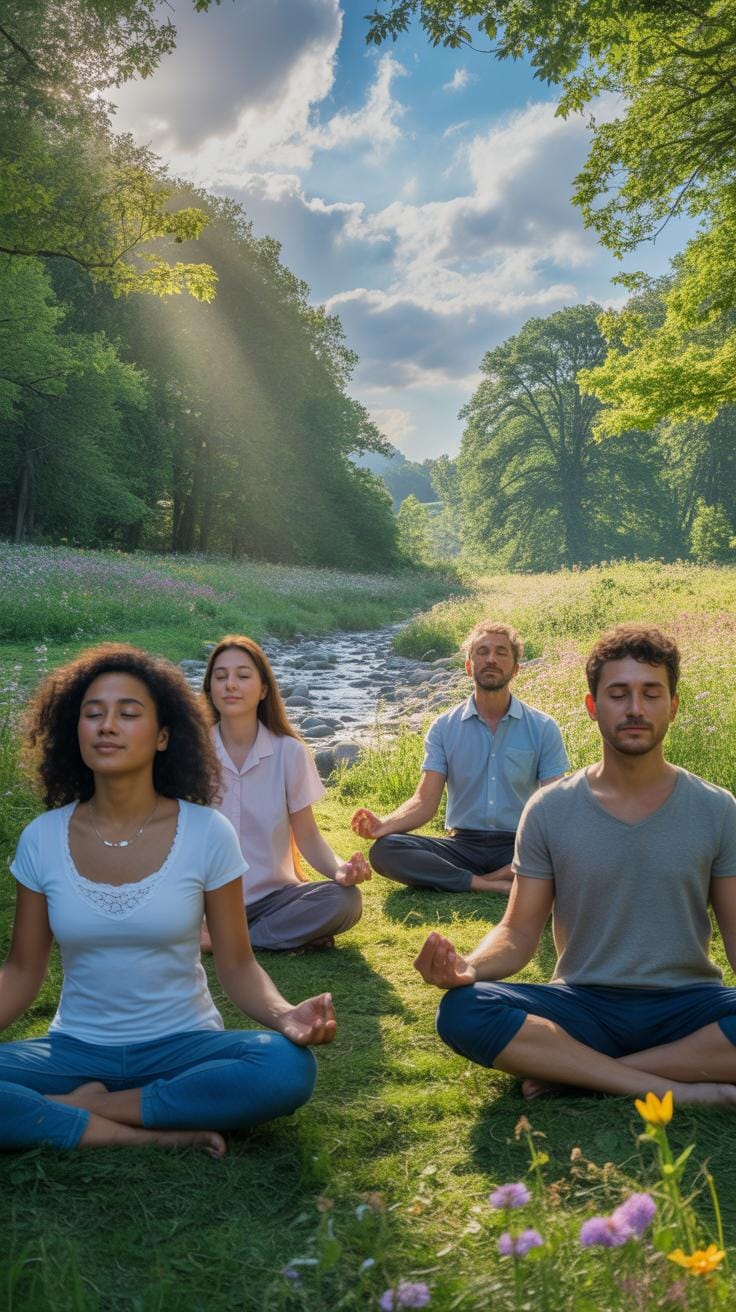
Meditation offers a broad range of health benefits that can be particularly helpful for beginners. It acts as a tool to reduce stress and anxiety, those persistent background buzzes that sap your energy and focus. You might notice pain relief, too, which seems surprising at first, but meditation really does help shift how your brain processes discomfort.
Besides easing mental strain, meditation promotes overall well-being by calming the mind and creating a sense of balance. This isn’t some overnight transformation; it’s more like a gentle unfolding. Beginners often find themselves feeling more relaxed, even if just subtly, which slowly builds up to a steadier mood and better sleep over time.
Meditation Impact On Physical Fitness
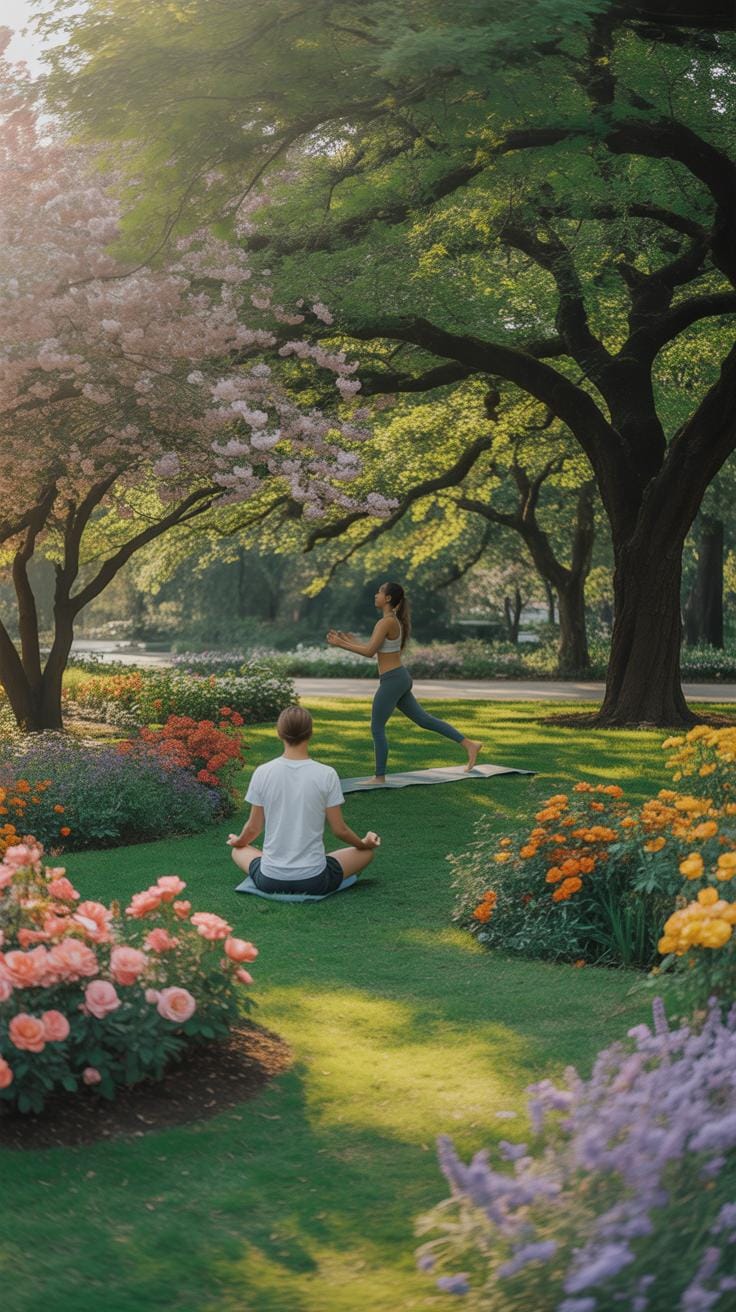

Meditation has effects on your body that go beyond the mind. For example, it can enhance recovery after workouts, helping muscles relax and reducing inflammation. Ever felt tight after a run or intense gym session? Meditation can encourage muscle relaxation, easing that tension.
Endurance might improve too. While it may sound odd, focusing attention inward during meditation can extend your capacity to keep pushing through physical effort. Some athletes use breathing techniques from meditation to regulate heart rate and maintain calm under pressure, which can subtly boost performance.
Meditation Effects On Mental Wellbeing
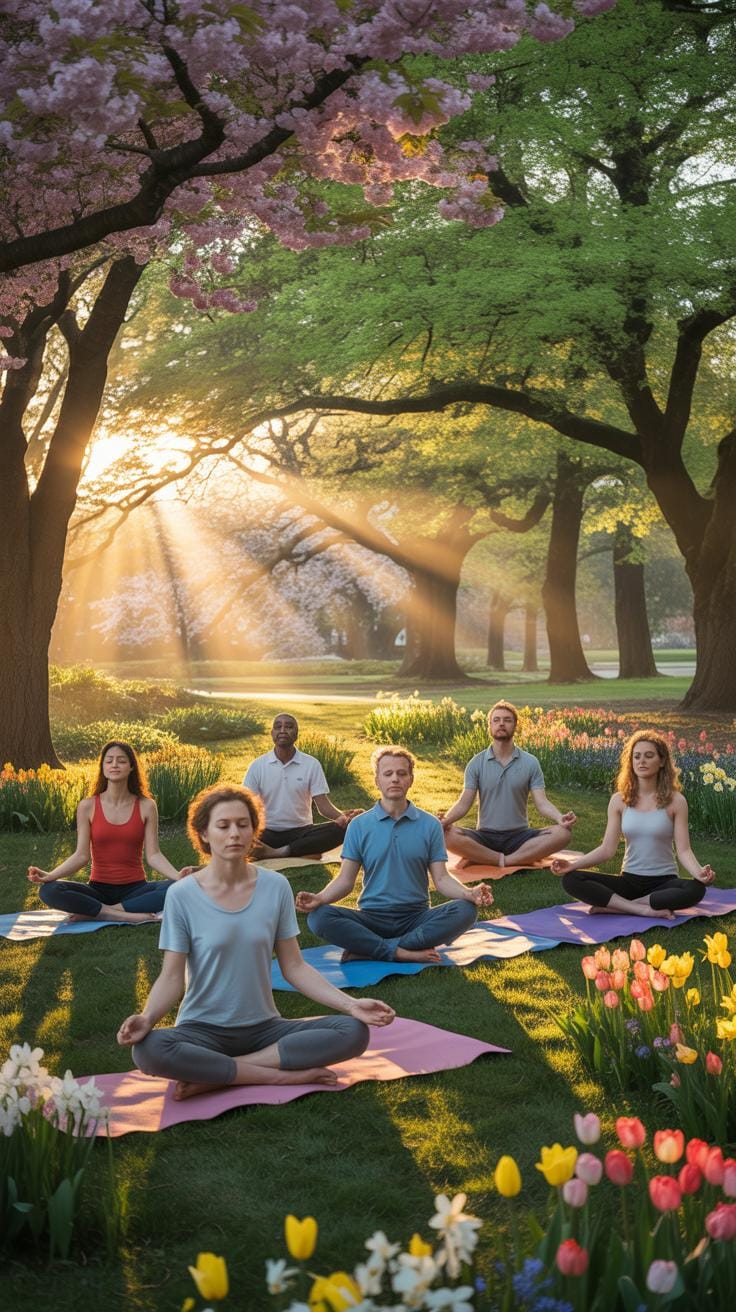
When you start meditating, your mind gradually learns to focus better. It’s not magical, but the repeated practice of returning your attention—maybe to your breath or a simple mantra—strengthens mental clarity. Beginners often report feeling less overwhelmed by negative emotions, gaining emotional balance little by little.
There’s also a notable drop in stress responses; meditation helps modulate reactions that typically spiral into anxiety. Oddly enough, some days you might still feel the tension creeping in despite meditating regularly, which can be frustrating, but this ebb and flow is part of the process.
How To Begin Meditation Practice
Step-by-Step Process For Beginners
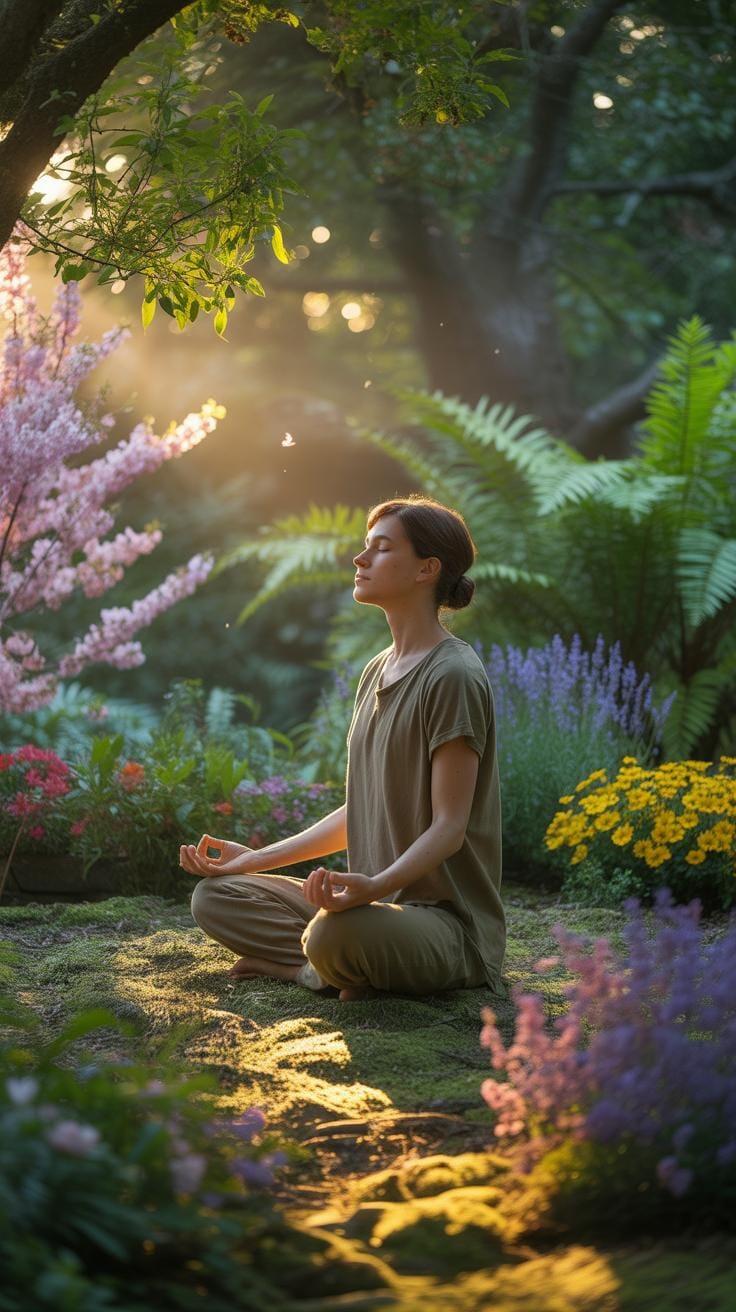
Starting meditation can feel daunting at first, but it doesn’t have to be complex. A simple way is to focus on your breath. Sit comfortably, close your eyes if you like, and gently pay attention to the sensation of your breath as it flows in and out. When your mind wanders—which it very likely will—just notice the distraction and gently bring your focus back to breathing. Repeat this process patiently.

Alternatively, you can try simple mindfulness. This means observing your thoughts and feelings without judgment as they come and go, like watching clouds pass in the sky. You don’t need to control anything; just be an observer for a few minutes.
Setup Checklist For Meditation Space
Creating a space for meditation doesn’t require much. Here’s a quick checklist:
- A quiet spot where interruptions are minimal.
- A comfortable seat or cushion; it’s okay if that’s just a chair or carpet.
- Soft lighting or natural light, avoiding harsh fluorescents.
- Optional: a small timer or phone app to track time without distraction.
- Loose, comfortable clothing to avoid feeling constricted.
Keep the space simple; too many objects or noise can pull your attention away. I find even a small corner works fine—it’s more about your commitment than perfect conditions.
First Meditation Session Example
Let’s walk through a basic meditation lasting about 5 to 10 minutes:
- Settle into your space and sit upright but relaxed.
- Close your eyes or keep a soft downward gaze.
- Start by taking a few slow, deep breaths to settle your body.
- Bring your attention to your natural breathing. Feel the air enter and leave your nostrils or the rise and fall of your chest.
- If your mind drifts—and it will—simply notice where it went and guide it back to your breath without frustration.
- As time passes, you might notice physical sensations or emotions emerging. Just observe without reacting or trying to change anything.
- When your timer goes off, open your eyes slowly and take a moment before moving on.
You might expect to feel completely calm or empty-headed, but that’s not necessary. Sometimes meditation surfaces restlessness or thoughts—you can gently acknowledge that and continue. Just showing up for this few minutes already sets a foundation.
Common Challenges Beginners Face

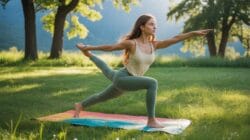
Starting meditation can feel harder than expected. Many beginners notice their minds wandering off—thoughts float in and out like unexpected guests. It’s easy to feel impatient, especially when results don’t appear immediately. Maybe you try to meditate but bump into distractions, physical discomfort, or simply struggle to carve out the time in an already packed day.
It’s quite common to find meditation slipping through the cracks when life gets busy. Even a few minutes can seem like a challenge. Sometimes, you might wonder if you’re “doing it right,” which adds pressure. The struggle with consistency often leads to frustration, making it tempting to quit before getting started.
Tips To Overcome Distraction During Meditation
Distractions are part of the process—that’s almost certain. Instead of fighting them, try gently noticing when your attention drifts and then guide it back without judgment. You could use a simple anchor, like your breath or a word repeated silently, to bring your mind back in.
- Accept wandering thoughts as natural, not failures.
- Try shorter sessions at first—maybe just 3 to 5 minutes.
- Create a quiet space, but if noise appears, treat it like part of the meditation.
- Experiment with focusing on body sensations or sounds if breath seems tricky.
These small adjustments can make a difference. You might find that with practice, distractions begin to feel less disruptive—more like passing clouds rather than storms.
Scheduling Meditation In Your Day
Finding time feels tricky but think about moments you can reclaim: early morning before the rush, lunch breaks, or right before bed. It doesn’t have to be long. Even five minutes daily counts. Making it a habit linked to another routine—like brushing your teeth or having a coffee—can help keep meditation on your radar.
- Set reminders on your phone, but don’t stress if you miss one.
- Try different times to see when meditation fits best for you.
- Be flexible—what works one week might shift the next.
- Consider guided apps for support and structure when starting out.
Consistency often matters more than duration, so keep it simple and realistic. Meditation isn’t a chore but a small gift to yourself, even if it feels awkward or unfinished sometimes.
Meditation Versus Other Relaxation Methods
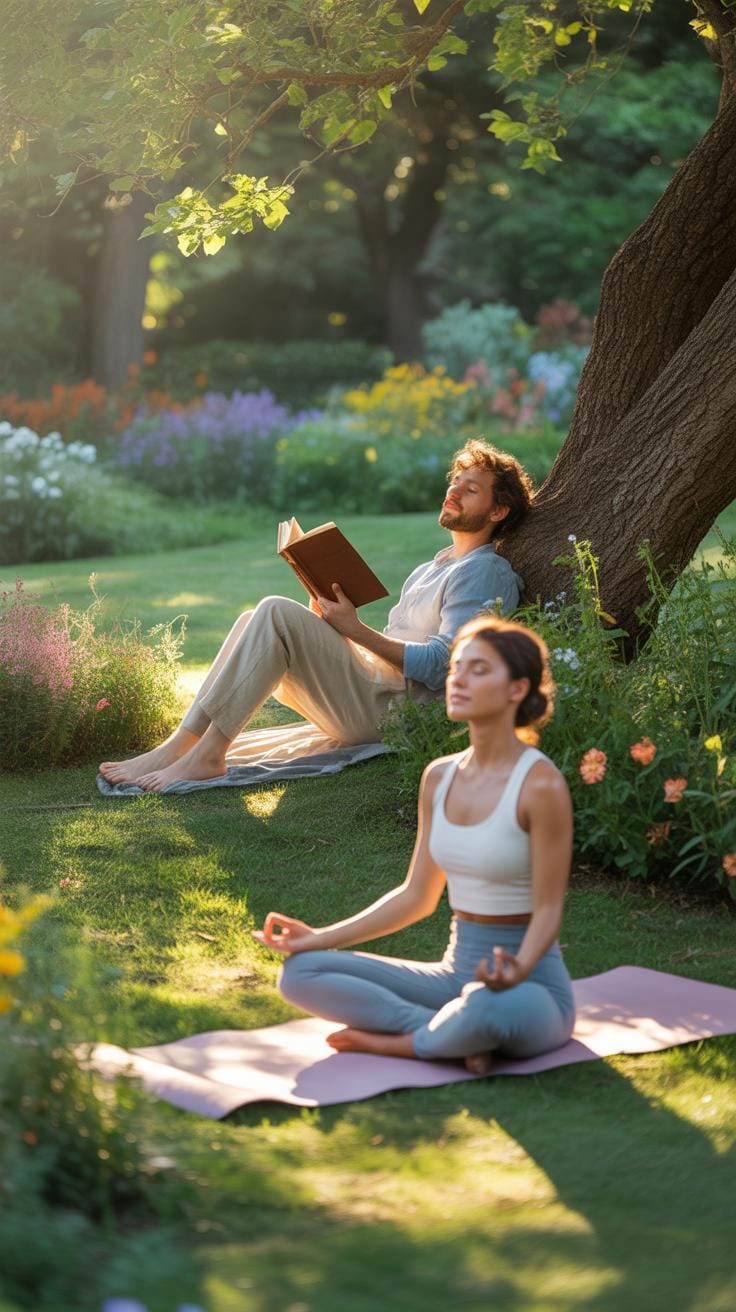
When you look at meditation alongside other common relaxation methods — deep breathing, yoga, or even listening to music — some key differences and overlaps appear. Meditation centers heavily on training your attention and awareness to reach calmness and mental clarity. Deep breathing shares this mindfulness element but is more narrowly focused on controlling the breath. It’s simpler, often used as a quick way to reduce immediate stress.
Yoga, meanwhile, mixes movement with breath and sometimes meditation. It’s physical and meditative at once, which can be great if you want bodily activity paired with mental focus. Meditation, though, tends to go deeper on mental stillness without the requirement of physical exertion. Listening to music is a more passive, sensory form of relaxation — it can help shift your mood but might not build the same kind of mental control meditation does.
So, maybe meditation asks more patience and practice than deep breathing or music, but it offers a broader toolkit to manage your mind in everyday life.
Meditation Compared To Deep Breathing
Meditation and deep breathing definitely overlap since many meditation styles use breath as an anchor. Both teach you to slow down and focus, but deep breathing exercises zero in on how you inhale and exhale, often to activate your parasympathetic nervous system quickly.

However, meditation usually involves a wider mental scope. You might watch your thoughts or feelings without reacting, rather than just controlling your breath patterns. Deep breathing is more of a technique you can do anywhere without much training, while meditation often needs more commitment to develop. Quick breath work can calm you down fast, but meditation might build longer-lasting peace and mental clarity.
Yoga Versus Meditation Benefits
While yoga and meditation sometimes walk hand in hand, meditation offers unique benefits, especially for beginners aiming to improve mental health. Yoga requires movement — poses and stretches — which can be intimidating if you’re not flexible or confident in exercise. Meditation’s strength lies in accessibility; you just need a quiet space and willingness to practice focusing your mind.
For mental health, meditation trains you to notice and detach from stressful thoughts, which helps with anxiety or depression in ways yoga can’t fully address on its own. Physical benefits like flexibility and strength come more from yoga, but if mental calm is your goal, meditation might suit you better. Beginners often find meditation easier to fit into busy schedules because it doesn’t demand physical energy.
Have you tried both? Which felt like it gave you more long-term mental shifts? The answer might surprise you.
Meditation Impact On Sport Performance
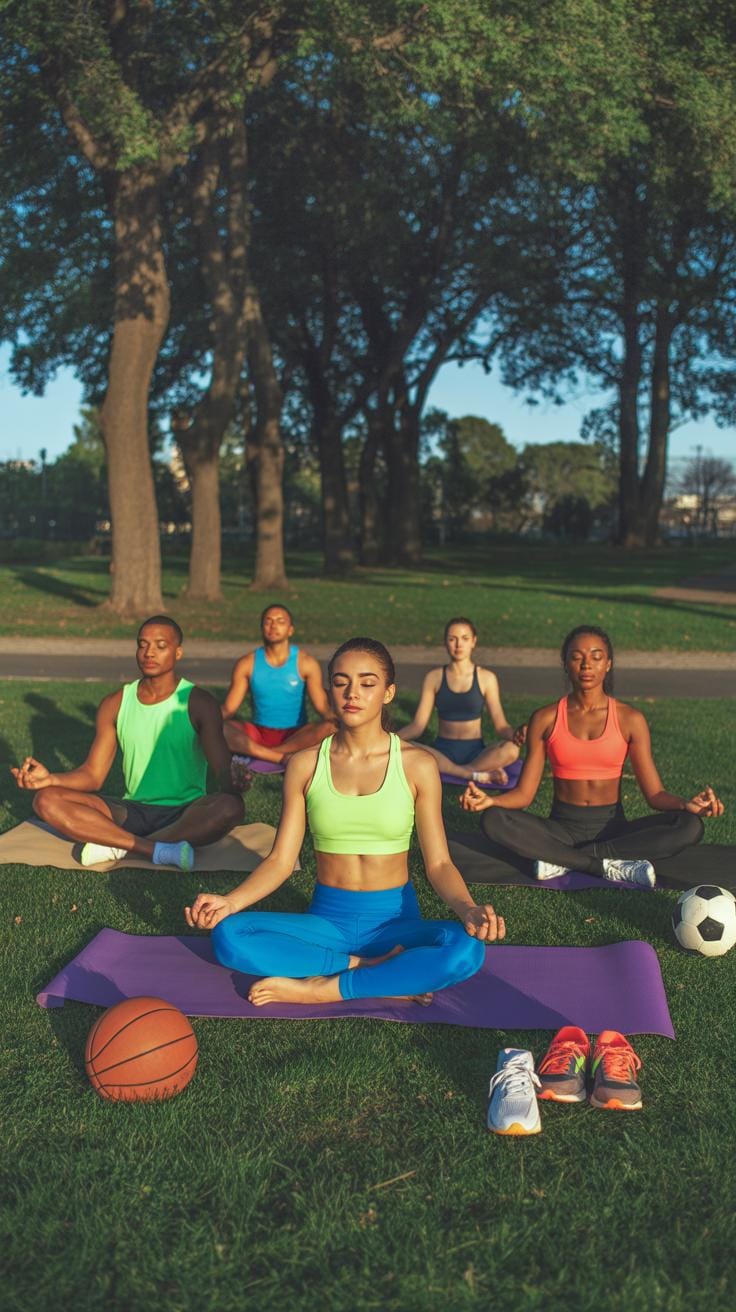

When you think of sports, you might imagine muscle power, speed, and technique—but there’s a quieter element that sometimes flies under the radar: the mind. Meditation can actually play a role here, helping athletes in a few ways. Focus is one big factor. I’ve heard from athletes who say meditation helps them shut out distractions during practice and games. It’s not magic, but it might give your brain a little edge in zoning in on the task.
Performance anxiety? That jittery feeling before a big event is common. Meditation is one tool some use to calm those nerves. It’s like pressing a mental pause button, even if just for a moment, which can ease the stress. Of course, it’s not going to erase all nerves, but it might nudge them down enough to keep you steady.
Recovery time also comes into play. Physical exertion comes with wear and tear, and mental fatigue can hang around too. Meditation encourages relaxation—sometimes a deep one—that might help your body and mind bounce back a bit faster. You might find a longer session of mindfulness after a tough workout helps your muscles feel less tense or your thoughts feel clearer. It’s a quiet form of rehab, really.
Focus Improvement In Training
It’s interesting how athletes report meditation improving their focus. Rather than just reacting to what’s happening, you become more aware of your body and movements. That awareness can sharpen your attention, especially when training gets intense or repetitive. Imagine staying present instead of getting lost in distracting thoughts or external noise.
Many say short, daily meditation sessions help build this mental muscle. The practice trains you to gently bring your mind back when it wanders. That skill carries over to competitions where distractions are everywhere. Instead of losing concentration, athletes can redirect their focus more quickly. Not everyone experiences this immediately; sometimes it takes some trial and error to find what type works best.
Meditation Helping With Recovery
Recovery isn’t just about rest days and nutrition. A lot happens upstairs in your brain during the recovery phase. Meditation introduces moments of calm that might speed mental recovery after stressful or exhausting events. You could say it helps “reset” your stress response, which otherwise might linger and make you feel fatigued.

On the physical side, meditation might reduce muscle tension indirectly. By calming the nervous system, it can ease the tightness that follows hard training. It’s subtle but notable for some. Certain breathing techniques during meditation promote oxygen flow, which is crucial for healing tissues. Combining these practices might just add a gentle boost to your recovery routine.
Of course, meditation isn’t a replacement for proper rest or medical care. But perhaps it complements them better than you might expect. You might want to explore different styles—like guided imagery or focused breathing—to see what aligns with your needs. Maybe it’s something to fit into your schedule when you want more than just physical recovery.
Meditation Tools And Resources For Beginners
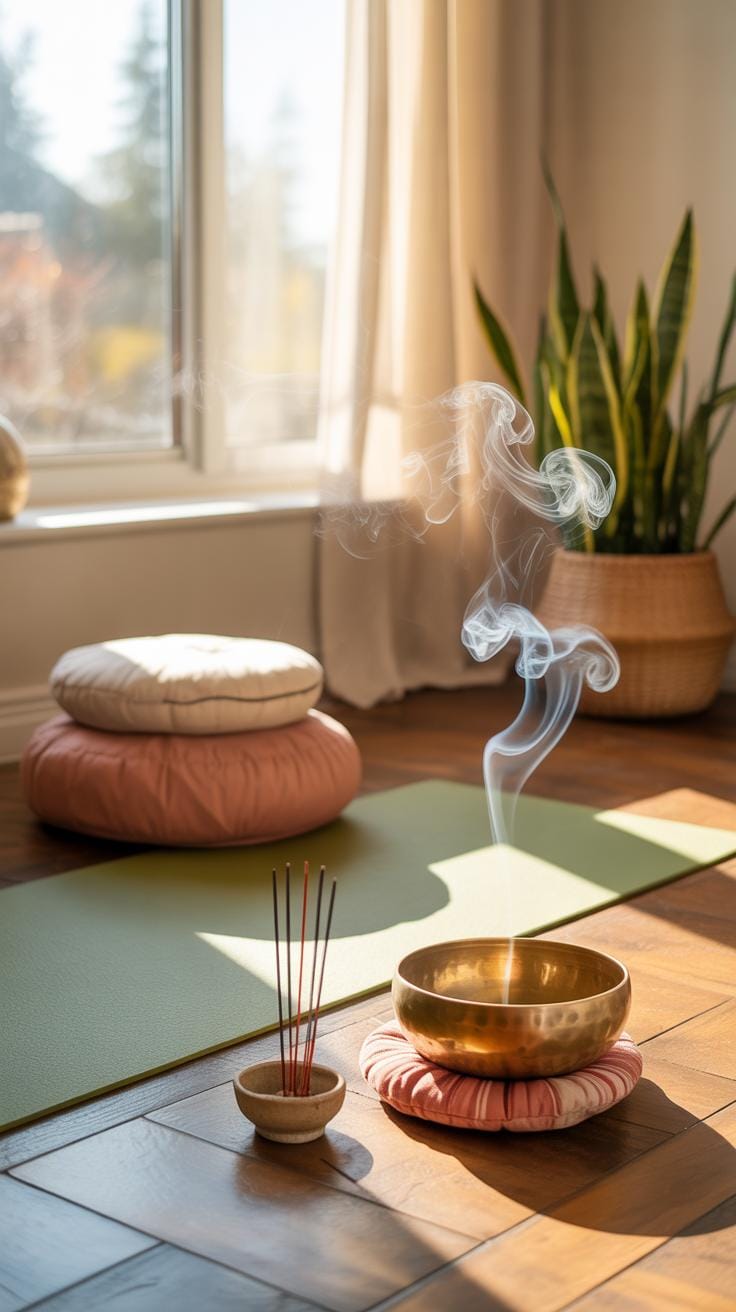
Getting started with meditation can feel a bit intimidating, but thankfully, there are a variety of accessible tools and resources that can guide you through those first steps.
Apps are a popular choice. For instance, Calm offers a wide range of guided meditations, breathing exercises, and even “Sleep Stories” to help ease you into rest. It’s easy to use, which makes it appealing if you just want something straightforward without the fluff. Another app worth mentioning is Hallow, which combines meditation with prayer and offers a more spiritual approach if that’s your thing.

Besides apps, books can be a great reference. “Zen Mind, Beginner’s Mind” by Shunryu Suzuki breaks down meditation into manageable concepts and emphasizes the importance of an open, curious attitude. It’s less about strict rules and more about understanding your practice personally. If you prefer something more direct, there are plenty of written guides that explain different meditation techniques step-by-step.
Starting meditation doesn’t have to be complicated—you just need a little guidance and a willingness to explore what works best for you.
Meditation Progress Checklist For Beginners
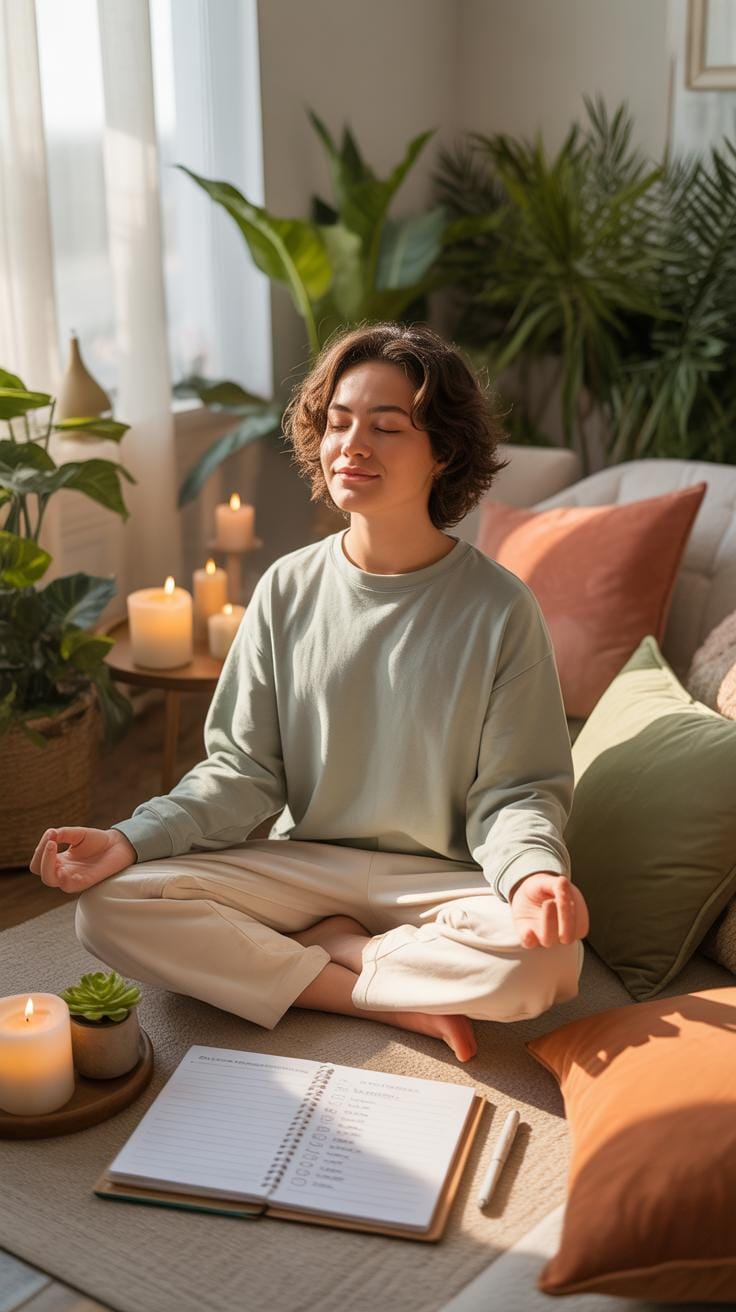
Tracking your meditation progress can feel a bit tricky at first, but having clear milestones can help you stay motivated and see how your practice unfolds. Here’s a simple checklist to help you recognize your growth as a beginner:
Week 1 Meditation Milestones
- You’ve managed to set aside a few minutes each day despite distractions.
- Your mind wanders a lot, but you’re learning to gently bring focus back to your breath.
- Physical discomfort is noticeable but less disturbing with each session.
- You notice small moments of calm, even if brief.
These first few days can feel like a constant battle with restlessness, but even struggling is part of the journey. It’s normal to feel like you aren’t “doing it right.”
One Month Continued Practice Goals
- Meditation time feels less forced; you start to crave the sessions.
- A growing awareness of thoughts and emotions, with less automatic reacting.
- Increased patience and easier settling into stillness.
- Better sleep or moments of mindfulness creep into daily life.
By one month, you might find yourself less judging the experience and more accepting of it—even when the mind wanders. Progress is irregular; some days better than others, and that’s completely fine. Keep the checklist handy, check in often, and adjust your goals as you feel your practice shift.
Practical Examples Of Meditation Benefits
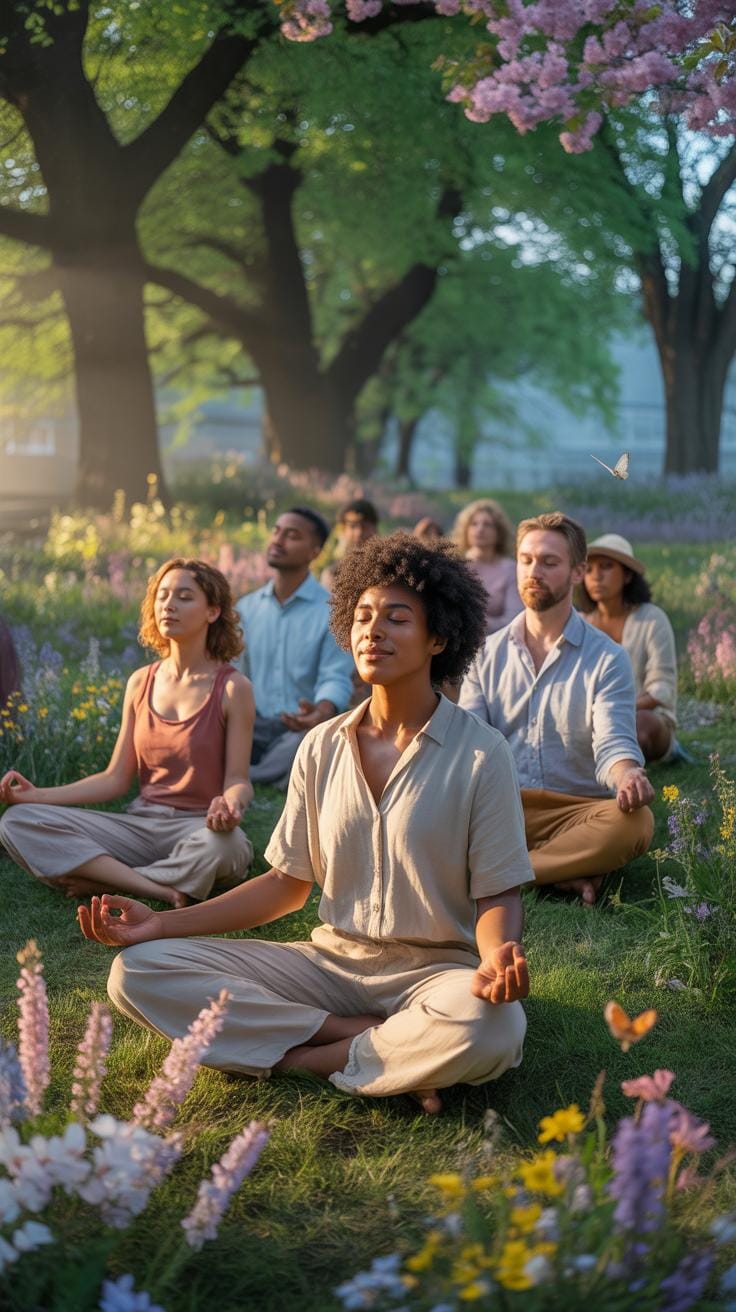
Example Athlete Using Meditation
Consider the case of a marathon runner who, after introducing a daily meditation practice, noticed a tangible change in their performance. The meditation helped refine their focus during long runs, allowing them to stay mentally sharp even as physical fatigue set in. They reported feeling calmer before races, less thrown off by external distractions. Meditation became a tool for managing anxiety and staying in the moment, which translated into steadier pacing and improved times. It’s interesting because the improvement wasn’t just physical—there was a shift in mindset that made pushing through discomfort easier. This example shows meditation’s subtle yet impactful role in enhancing sport performance.
Health Improvements Seen By Beginners
Many beginners starting meditation report noticeable health changes within weeks. Common improvements include reduced stress levels, better sleep quality, and lower blood pressure. Some find headaches or muscle tension easing, which they hadn’t anticipated. It’s curious how something as simple as sitting quietly can influence such physical symptoms. Others notice improved digestion or a heightened sense of well-being, which might feel surprising at first. These effects seem to build gradually, not overnight, but they often encourage continued practice. The variety of benefits beginners experience hints at meditation’s broad influence on overall health, even if not every effect is fully understood or straightforward.
How To Avoid Pitfalls Starting Meditation
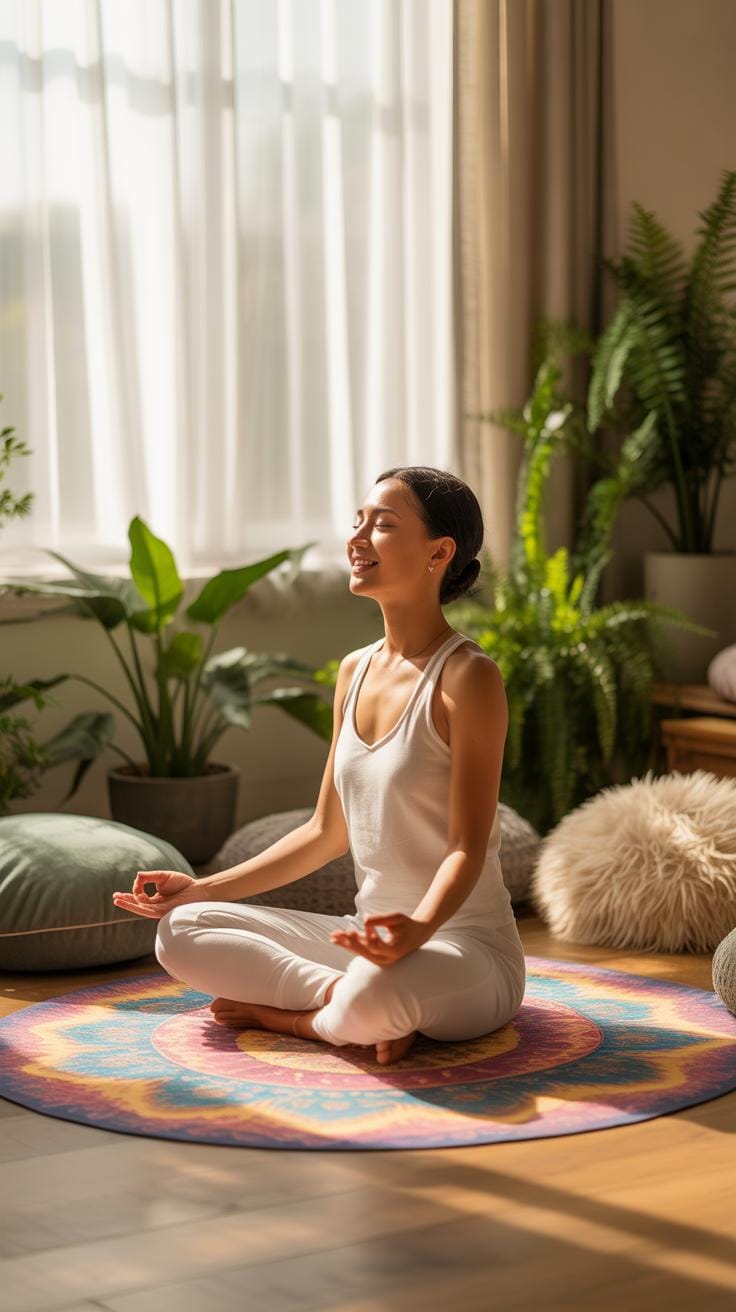
Starting meditation can feel a bit confusing at first. You might expect instant calm or deep insight right away, but that’s rarely how it works.
One common mistake is setting too high expectations. If you expect perfection or quick results, you might get discouraged fast. Meditation is more about gentle, steady progress — even just a minute of focus is a step forward. So don’t rush or expect a total transformation on day one.
Keeping your practice manageable helps too. Try short sessions at the same time daily instead of long occasional ones. This builds habit without pressure. If you miss a day, it’s okay — just start fresh without guilt.
Here are a few tips to keep things enjoyable and sustainable:
- Pick a comfortable spot and stick to it.
- Use guided meditations if sitting quietly feels tricky.
- Be patient with wandering thoughts — it’s normal.
- Focus on how you feel afterward rather than how “good” you were at meditating.
What feels most important is making meditation part of your routine without it becoming a chore. Try to stay curious and open rather than judging your progress too harshly. Meditation is a skill developed over time, not a magic switch.
Measuring Meditation Effects On Fitness
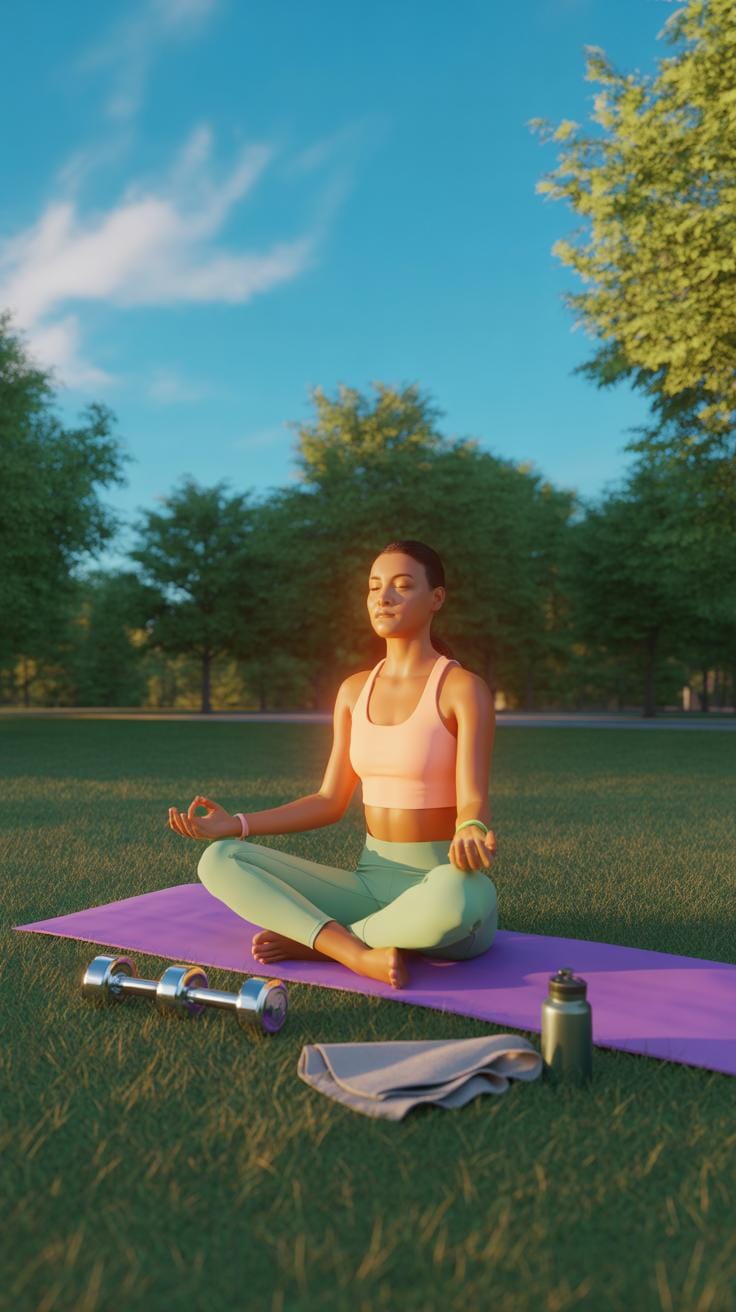
Keeping track of how meditation influences your fitness journey can feel a bit elusive at first. Still, there are practical ways to notice change, even if it seems subtle. For mental clarity and calmness, you might start by simply jotting down moments when you feel focused or less distracted during the day. A brief journal entry after each session—or even once a week—can reveal shifts over time. You may surprise yourself by noticing that your mind wanders less during workouts or stressful situations.
Another approach is to observe your physical recovery. Pay attention to muscle soreness after exercise. Does it lessen or dissipate more quickly since you began meditating? Tracking endurance helps, too. You could set small performance goals, like an extra minute on the treadmill or one more rep of an exercise, and see if these improve alongside meditation practice. These markers, while simple, hint at how meditation could be easing stress on your body and boosting resilience.
It’s a bit of trial and error finding what works best for you. The key is consistency in observation and a willingness to notice the less obvious signs. Over weeks, these measures can help you piece together the true effect meditation has on your fitness and well-being.
Conclusions
Meditation offers many benefits for beginners who want to improve their health, sports performance, and overall fitness. Regular practice can reduce stress and improve your focus and stamina. This simple tool can complement your physical training and help you feel better inside and out.
Starting meditation does not require special skills or a lot of time. By adding meditation sessions to your daily routine, you can enjoy better mental clarity, calmness, and physical recovery. Use the tips and insights here to build your meditation habit and enhance your health and fitness journey.