

Losing Weight With a Quick Workout Routine
Losing weight with a quick workout routine for fit body goals can be a powerful way to improve your health and feel better every day. This method focuses on short, effective exercises that fit into busy schedules, making weight loss achievable for many people.
This article explains how quick workouts help burn fat, the best exercises to include, and common mistakes to avoid. You will find simple steps to start your routine and practical advice to keep you motivated on your weight loss journey.
Benefits Of Quick Workouts For Weight Loss

Quick workouts hold a particular appeal if your schedule is packed. The beauty here is in making exercise less of a time burden—just 15 to 30-minute sessions can slot nicely around work, errands, or family time. It’s not always easy to carve out hours for the gym, and quick workouts make sticking to fitness goals manageable.
From what I’ve noticed, short bursts of exercise can gently kickstart metabolism. When you raise your heart rate quickly and intensely, your body continues to burn calories long after you’re done exercising. That post-workout effect, often called excess post-exercise oxygen consumption (EPOC), means your metabolism is boosted temporarily, helping weight loss efforts.

I find that workouts like jumping rope, quick HIIT bursts, or even brisk stair climbing surprisingly effective. These exercises don’t demand special equipment and feel doable even if you’re just squeezing in a session before dinner. The key—keeping it intense but short, so each minute counts.
Why Short Sessions Can Burn Fat Faster
There’s a lot of chatter about longer workouts being better, but short sessions of high intensity seem to have their own perks. When you push hard in brief intervals, your metabolism shifts gears, speeding up calorie burning.
The science says that intense work raises energy demands sharply, meaning your body burns more fat not just during the workout but in recovery. It’s as if your system is playing catch-up, using extra fuel to restore balance. Still, that doesn’t mean longer, slower workouts lack merit—they just work differently.
Sometimes I wonder if people overlook quick workouts because they don’t feel as exhausting. But the afterburn effect surprises many. It’s like firing up your internal furnace for hours after a short blitz of effort.
Examples Of Efficient Quick Exercises
Effective quick exercises often share elements of intensity with short rests. High-intensity interval training (HIIT) is a great example—think 30 seconds of sprinting followed by a minute of walking, repeated several times. HIIT is known for challenging your heart and muscles in a compact timeframe.

Circuit training is another, mixing resistance exercises like squats, push-ups, and lunges in sequence with minimal downtime. This keeps your heart rate elevated while targeting different muscle groups.
You might also explore bodyweight moves, which need no equipment and can be done anywhere. Burpees, mountain climbers, and planks are all quick and effective—easy to pack into your day and to keep things varied.
Setting Realistic Quick Workout Goals
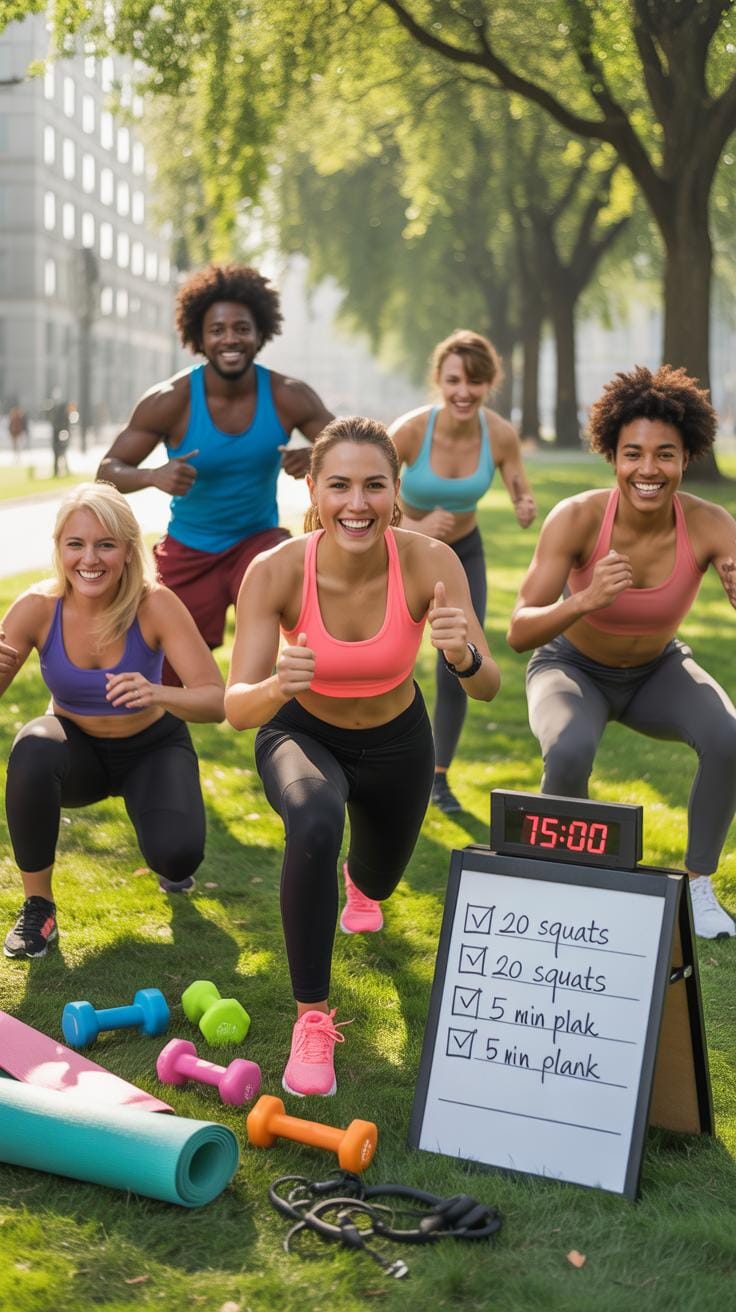
When you start with quick workouts aimed at weight loss, it’s easy to get carried away with ambitious goals. But setting achievable targets can make a real difference. Think smaller, manageable steps rather than giant leaps. For example, rather than vowing to work out for an hour daily, aim for 15–20 minutes five days a week. It feels less overwhelming and, honestly, more doable.
Tracking your progress doesn’t have to be complicated. Simple methods, like noting down your workout times or reps in a journal, can help. You might prefer apps that remind you and track automatically. Sometimes, measuring changes in how your clothes fit or how you feel energy-wise can be more meaningful than obsessing over the scale.

Staying motivated is a challenge. Remind yourself why you started and celebrate the small wins along the way. Maybe treat yourself after hitting a week of consistency. Just don’t expect perfection. Some days you’ll skip a session, and that’s okay––consistency over time matters much more than every single workout.
How To Track Workout Success
Not all progress shows up immediately on the scale, so tracking success needs flexibility. Use whatever feels easiest—pen and paper, smartphone apps, or even voice notes. Jot down details like workout duration, exercises done, or how you feel afterward. Some people find taking weekly photos helps, even if they’re hesitant at first.
Regularly measuring your waist or using fitness bands can be useful, but don’t stress if numbers don’t shift quickly. Sometimes your body changes internally before the mirror shows anything noticeable. The key is watching for trends, not daily ups and downs. Maintaining a record keeps you honest and helps you adjust your workouts when needed.
Importance Of Consistency In Workouts
Getting those quick workouts in regularly outweighs the benefit of occasional long sessions. It’s the daily, weekly rhythm that nudges your body toward fat loss and strength gains. Skipping days may feel harmless but can stall your momentum. Funny how it’s sometimes easier to commit for short periods consistently than to block large chunks sporadically.
Don’t get stuck thinking every workout needs to be intense or lengthy to count. A 15-minute brisk walk counts. A few sets of bodyweight exercises in the morning counts. This steady habit forms the backbone of weight loss efforts, building endurance and burning calories little by little. So, aim for regular quick workouts—your body will thank you in the long run.
Starting Your Quick Workout Routine

Choosing Exercises For Your Routine
Picking the right exercises is trickier than it looks. You want to match what you pick to your current fitness level and your body goals. For example, if you’re new or haven’t exercised in a while, starting with low-impact moves like walking or gentle yoga can ease you in. More advanced routines can mix strength moves like squats or push-ups with short bursts of cardio, like jumping jacks.

It’s helpful to think about what you enjoy, too. If you hate running, it probably won’t stick. So maybe cycling or dancing fits better. Ultimately, your choices will shape how your routine feels. Consistency grows when the exercises don’t feel like a chore.
Preparing Mentally And Physically To Start
Mental readiness is often overlooked but crucial. Are you just thinking about exercising because you should, or do you truly want it? Setting realistic expectations helps avoid frustration early on. Picture a small win — even 10 minutes is progress. That can build momentum.
Physically, start with a quick warm-up to get muscles ready and avoid injury. Hydrate and wear comfortable gear. And don’t underestimate the power of simple things like planning your workout time or prepping your space beforehand. These small preparations can make starting feel less daunting.
Diet Tips To Support Weight Loss

When you’re squeezing in quick workouts, what you eat really shapes the results. You can’t out-exercise a bad diet, even if the routine is short but intense. Calorie awareness matters—if you consume more than you burn, those extra calories stick around as fat. But cutting calories too low might backfire, slowing metabolism or causing muscle loss, which nobody wants.

Striking nutritional balance is key. Think about meals that combine protein, healthy fats, and fiber-rich carbs—they keep you full and energized for your workouts. Protein, especially, supports muscle repair and growth, making the workout effort more worthwhile. Without proper nutrients, you might feel weak or just plain tired. So, it’s about quality, not just quantity of calories.
Smart Eating Habits To Combine With Workouts
Simple changes can make a difference. Maybe swap sugary snacks for nuts or fresh fruit. Drink water before meals to help control portions. Eating smaller, more frequent meals can keep your energy steady, so you don’t crash and binge later. I remember trying to skip breakfast once, thinking it would cut calories, but ended up overeating at lunch—lesson learned, breakfast counts.
Also, avoid mindless eating, like snacking while distracted by screens. Pay attention to hunger signals—are you truly hungry or just bored? And try to prep meals ahead. It’s easier to choose healthy foods when they’re ready to go.
Foods To Avoid For Fast Weight Loss
Some foods tend to work against your weight loss goals. Processed foods high in sugar and unhealthy fats can stall progress. Think chips, sugary cereals, soda, and fast food. They often provide empty calories, spike blood sugar, and leave you craving more.
Refined carbs like white bread and pastries can cause energy crashes and fat storage. Also, watch out for high-calorie beverages—alcohol and sweetened drinks add up quick with little satiety. Cutting back on these won’t guarantee magic results, but it definitely helps speed things up.
Common Workout Mistakes To Avoid

Skipping Warmup Or Cooldown
You might think cutting out warmups or cooldowns saves time, but skipping them can actually slow your progress and increase injury risk. Warming up prepares your muscles and joints for exercise, boosting blood flow and flexibility. Without it, you’re more prone to strains or sprains. Cooldown, on the other hand, helps your heart rate and breathing return to normal and reduces muscle soreness. I used to skip cooldowns, thinking I was done after the main workout — but later, stiffness crept in, and it kept me from pushing hard the next day. Taking even five minutes for both warmup and cooldown can improve your recovery and performance over time.
Overtraining And Poor Form Problems
It’s easy to get carried away, doing too much too soon. Overtraining can leave you exhausted, hinder weight loss, and increase injury chances. Rest days matter because your body repairs and grows stronger during recovery. Also, poor exercise form is a silent saboteur. For example, unconsciously rounding your back during squats puts strain on the spine. I remember pushing through bad form just to finish reps — the discomfort later made me rethink my technique. Focus on mastering form; it’s not just about doing more reps but doing them right. This prevents injuries and helps you build strength more effectively in the long run.
Motivation Tips For Staying On Track


Keeping motivated when following a quick workout weight loss plan can be quite challenging. You might start strong, only to find your enthusiasm waning after a few sessions. One practical approach is setting clear, achievable goals. Rather than aiming for an abstract “lose weight” target, break it down. For example, commit to completing three workouts a week or improving your squat by 10%. These tangible goals offer a sense of direction and accomplishment.
Another subtle but effective strategy is using rewards wisely. You could treat yourself to a favorite healthy snack or take a relaxing bath after sticking to your routine for a week. These small incentives create positive associations with your efforts and make the process feel less like a chore. It’s important, though, to avoid rewards that might contradict your goals, like bingeing on junk food.
Motivation isn’t a constant state. It fluctuates, sometimes quite unpredictably. Keeping this in mind helps you be kinder to yourself during dips, rather than giving up entirely. What types of rewards work best for you? Trying different ones might surprise you.
Creating A Workout Schedule You Can Keep

Designing a workout schedule that fits your life isn’t about packing every available moment with exercises. It’s about balance and flexibility. Start by identifying times when you usually feel energized and see if you can set those as workout slots. Some people prefer mornings; others find afternoons or evenings work better. Be honest about your real availability and don’t overcommit.

Flexible scheduling means it’s okay if some days you need to swap workouts around. Missing a session doesn’t have to derail your entire plan. Think of your schedule as a guide, not a rigid contract. A few missed days do not equal failure.
Also, vary the types of workouts you include. This can prevent boredom and help you stay engaged longer. For instance, mix cardio, strength training, and stretching. Recognize that your energy and priorities might shift week to week. A sustainable plan adapts accordingly.
Using Rewards To Boost Motivation

Rewards can be powerful if used thoughtfully. They don’t need to be extravagant. Sometimes a simple “you did it” acknowledgment is enough to keep you going. You might set up a system where after completing a certain number of workouts, you treat yourself to a new workout shirt or a massage. Something that feels like a win but also encourages you to stick with your routine.
Be careful that rewards align with your goals. For example, avoiding food-based rewards avoids the risk of undoing progress. Instead, focus on non-food rewards that make you feel good and reinforce your efforts. Maybe a new book, a movie night, or even extra downtime.

The key is consistency. Using rewards regularly, but not excessively, maintains motivation without creating dependency. Have you ever noticed how some people respond better to internal rewards, like pride, while others need external ones? Finding your style matters.
Measuring Your Weight Loss Progress
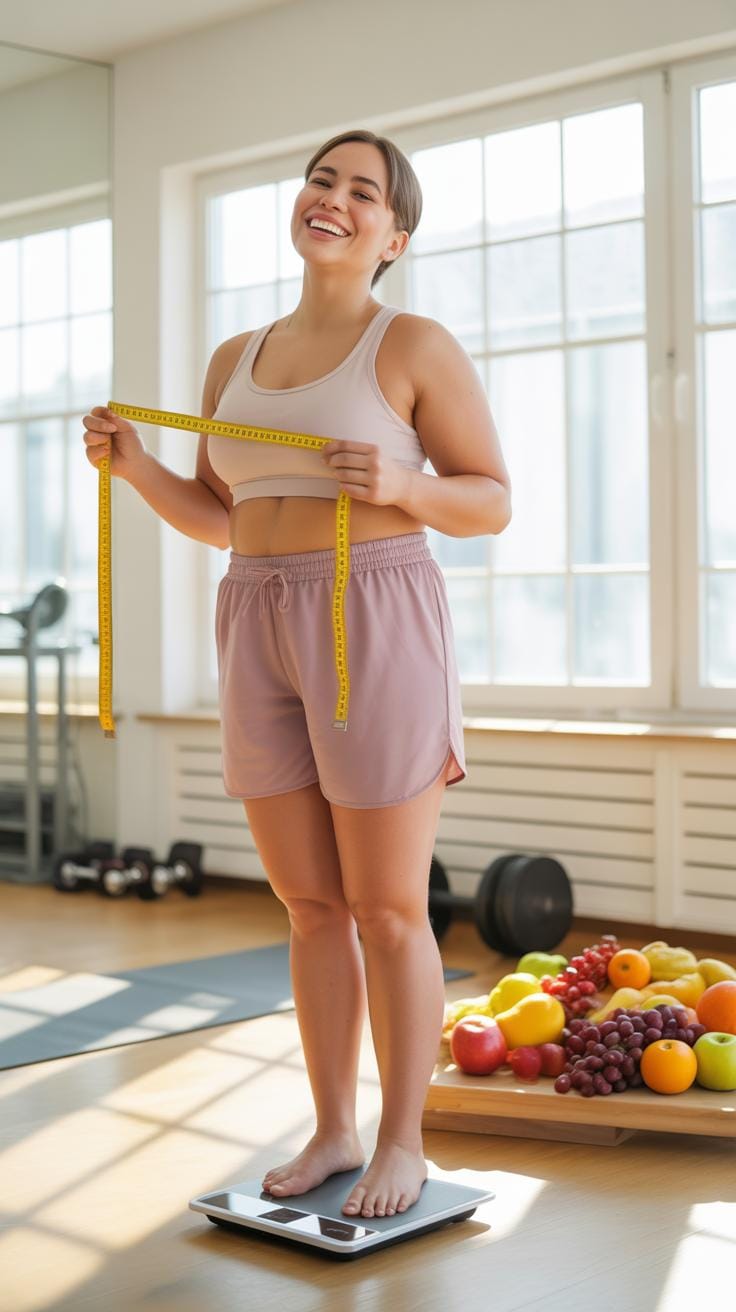
Tracking your weight loss isn’t just about what the scale says. The number can fluctuate for all sorts of reasons—water retention, muscle gain, even the time of day you step on. So, what else can you do to get a clearer picture?
Using Body Measurements And Photos
Taking measurements of key areas like your waist, hips, chest, arms, and thighs offers a solid way to observe changes. Sometimes, you might not see much difference on the scale but notice your clothes fitting differently or inches lost. Photos help here too. A front, side, and back picture taken regularly can show subtle physical transformations that scales simply can’t capture. In fact, comparing photos over weeks can be more encouraging than just numbers.
Benefits Of Fitness Tests And Journals
Fitness tests, like timing your runs or counting reps, provide a concrete look at your growing strength and endurance. These indicators matter because they reflect improved health beyond weight. Journals can be surprisingly motivating too—when you jot down workouts, feelings, and achievements, you create a record that shows progress over time. It also helps identify what works for you and what doesn’t. Sometimes, seeing incremental gains in stamina or strength keeps you going, even when the scale stalls.
Have you ever noticed your energy levels improving or your clothes fitting better despite the scale sticking around the same number? That’s why it’s good to look beyond just weight. Tracking in multiple ways gives a fuller, if sometimes a bit messy, story of your journey.
Signs You Should Increase Workout Challenge
When you’re on a weight loss journey, it’s tricky to know exactly when to ramp up your workouts. But a few signs can really help you decide if it’s time. If you find yourself finishing workouts and barely feeling tired, or if the exercises seem easier than before, that’s one big clue. Also, when you stop seeing progress—your weight loss plateaus or your energy doesn’t dip post-exercise as it used to—that could mean your body has adjusted and needs a new challenge.
Other signals might include: feeling stronger during lifts, completing your routine faster, or simply becoming bored with the same moves. If you can do more reps or last longer without fatigue, your workouts might have become too gentle for your goals.
On the flip side, don’t rush into harder routines just because you feel “okay.” Think about how your muscles and joints feel and be honest if fatigue lingers for too long. There’s a balance between pushing harder and protecting yourself from setbacks.
How To Safely Add Intensity Or Time
Adding challenge doesn’t mean going all out suddenly. Incremental changes work best. Try this approach:
- Add 5 to 10 minutes to your cardio, but keep the pace moderate to avoid overstrain.
- Increase resistance or weights gradually, maybe by a small fraction each week.
- Incorporate new moves that target muscles differently, which can keep workouts fresh and prevent repetitive strain.
- Listen closely to any discomfort. Soreness is fine, but sharp pain signals it’s time to pull back.
Also, recovery is part of the plan. Don’t skip rest days, even as you dial up the intensity. Overdoing it risks burnout and injury, which can undo your progress entirely. A cautious approach allows your body to adapt safely, creating a stronger base to lose more weight over time.
Combining Quick Workouts With Daily Activity

Quick workouts are like concentrated bursts of effort, but adding movement throughout your day can really push your weight loss further. Think of it as building momentum—each small activity adds up to more calorie burn. It’s not just about sweating it out once or twice. Moving often, even lightly, raises your overall energy expenditure.
It’s easy to overlook how much just standing up or walking around can help. Maybe you’ve tried quick exercises but still feel stuck? Try mixing in little bursts—walk while on calls, take stairs, or pace during thinking moments. These small shifts feel manageable, yet can complement the more intense stuff.
Simple Daily Habits To Increase Activity
Here are some straightforward ways to slip more movement into your day without a full workout:
- Choose stairs over elevators whenever possible. Climbing stairs uses more muscle and burns more calories than flat walking. It’s a gentle but effective way to boost your heart rate.
- Park farther from entrances so you get extra steps in.
- Break long periods of sitting by standing or stretching regularly.
- Use household chores like vacuuming or gardening as low-key workouts.
- Walk around while talking on the phone; it’s surprisingly doable and calorie burning.
They sound simple but these habits add movement without needing big time commitments.
Why Moving Often Helps Weight Loss
You might wonder why all this light activity matters when you’re also doing quick workouts. Moving frequently keeps your metabolism engaged throughout the day, preventing dips. Those moments of activity also help improve blood sugar regulation and cardiovascular health. Even moderate movements can burn noticeable calories over time.
Staying active in short bursts avoids the problem where you feel “done” after one workout and then stay sedentary. Instead, it encourages a pattern where your body is constantly working a bit—better for long-term weight control and overall well-being. So, moving, often and steadily, can be surprisingly powerful for losing weight.
Conclusions
Quick workout routines offer a practical path to losing weight for those with tight schedules. By focusing on the right exercises and avoiding common mistakes, you can make progress toward your fitness goals consistently.
Remember, supporting your workouts with proper eating habits and staying active throughout the day will boost your results. Use the tips and steps shared here to create a plan that fits your lifestyle and helps you achieve lasting weight loss.