

Japanese Philosophy Words That Enhance Sport and Fitness
Japanese philosophy has developed through a mix of indigenous beliefs and Asian philosophies like Buddhism, Taoism, and Confucianism. It offers unique concepts that influence many parts of life, including sport, health, and fitness. These philosophies bring ideas about balance, mindfulness, and respect that can enhance how we approach physical and mental well-being.
This article will introduce key Japanese philosophical ideas and show how these words and concepts can improve your sport performance, health habits, and fitness routines. By using these philosophies, you can build a more focused and balanced lifestyle.
Basic Ideas Of Japanese Philosophy

Japanese philosophy is a blend of several traditions that evolved over centuries. It draws heavily from Shinto, Buddhism, Taoism, and Confucianism. These are not separate systems imposed on Japan but rather streams flowing into one another, affecting everyday life and thought.
The core themes tend to be balance and harmony, not just within oneself but with others and nature. You might say it’s less about abstract reasoning, more about living with respect and awareness. The respect that grows from seeing the world as interconnected is central to this philosophy.
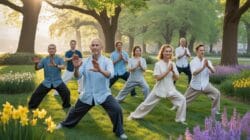
Key influences:
- Shinto: Japan’s indigenous spirituality.
- Buddhism: Introduced meditation and mindfulness.
- Taoism: Focus on natural flow and non-resistance.
- Confucianism: Emphasizes social order and ethical behavior.
Each adds something unique, yet they all seem to stress a life lived in harmony. It’s quite practical, really. You see this philosophy reflected in art, martial arts, and, of course, health and fitness.
How Shinto Shapes Nature Respect
At its heart, Shinto is about kami—spirits believed to inhabit natural things: rocks, rivers, trees, even thunder. The belief that these spirits watch over everything around us creates an attitude of reverence towards nature. It’s not just respect; it’s a relationship.
For example, many Shinto rituals involve offerings at shrines located in natural settings. People purify themselves before worship, symbolizing a desire to live in harmony with the environment. Some local communities still celebrate festivals that honor nature’s cycles, reinforcing this connection.
Think about it: If you truly believe a mountain’s spirit is alive and watching, wouldn’t you treat it with care? This thinking influences environmental attitudes and has grown more relevant as people look for ways to reconnect with the earth. Shinto invites a respectful coexistence rather than domination.
Buddhism’s Role In Mindfulness
Buddhism, which came to Japan in the 6th century, brought meditation practices focused on mindfulness—a way of paying full attention to the present moment. Unlike a scattered mind, mindfulness asks you to stay centered and observe without judgment.

This practice is not just for monks but has practical implications. It fosters mental clarity, emotional balance, and calmness. You can notice this in Zen practices that emphasize seated meditation and simplicity. It’s almost a disciplined pause amid life’s chaos.
In martial arts and fitness, mindfulness helps athletes stay focused, avoid injury, and understand their body’s limits. The mental training became as important as the physical. So, mindfulness is not some abstract spiritual concept; it’s a tool, helping people live healthier and more aware lives.
Applying Philosophy In Sport

Japanese philosophy shapes sports performance in unique ways, often emphasizing mental strength alongside physical skill. Self-discipline stands out as a core concept. Unlike fleeting motivation, which can vary day-to-day, self-discipline creates steady progress through routine and commitment. It’s about showing up even when enthusiasm fades—a struggle almost everyone faces.
Focus is another important concept. The practice of mindfulness, influenced by Zen Buddhism, encourages athletes to stay fully present, shutting out distractions. This sharpens reaction times and decision-making. You might notice how some athletes seem almost “in the zone,” a state perhaps cultivated by such philosophical roots.

Respecting opponents goes beyond mere etiquette. In Japanese sports culture, bowing to a competitor acknowledges their skill and effort, fostering fairness and humility. This respect, surprisingly, can raise performance levels by promoting a mindset open to learning rather than merely defeating others. It’s an approach that might seem modest but proves effective in intense competition.
Japanese philosophy invites athletes to see continuous improvement as a journey rather than a quick fix. It’s about embracing discipline, focus, and respect—not just winning. If you think about it, these principles might improve not just sport, but how you approach personal challenges too.
Integrating Philosophy For Fitness
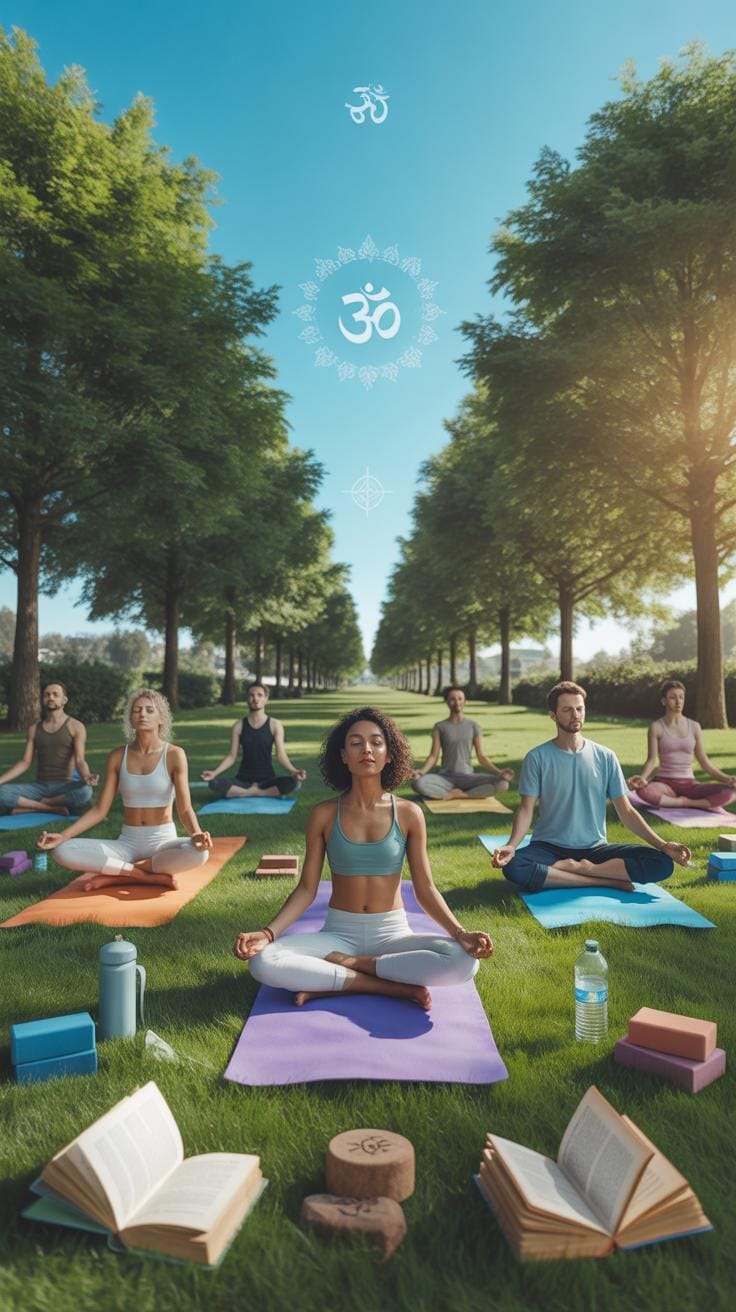
Japanese philosophy offers a way to shape your fitness habits through simple yet profound ideas. One key principle is the focus on regular practice—committing to your routine without overthinking results is what matters most. It’s tempting to want quick wins, but Japanese thought often suggests patience and persistence as a path to deeper progress. Think about how a potter carefully shapes clay over time. Fitness, like that, demands steady effort rather than bursts of intensity.
Another core concept is gradual improvement. Instead of rushing, setting small, incremental goals can help you build momentum. The idea is to aim for slight betterment each day, even on days when motivation feels low. Patience becomes your ally, not a trial to endure.
Step By Step Fitness Growth
Taking small steps intended to stack over time is central here. You might begin with modest workouts, then slowly increase intensity as your body adapts. Don’t underestimate the power of consistency over occasional extremes.
- Set achievable daily or weekly targets.
- Recognize progress in tiny victories like extra reps or better breathing.
- Learn to appreciate the journey rather than obsess over the outcome.
- Allow room for mistakes—they’re part of steady growth.

Following this path encourages sustainable fitness, maybe not perfect progress, but progress that lasts.
Balancing Mental And Physical Health
Mind and body are seen as interconnected in Japanese philosophy. You can’t nurture one without the other. Focusing solely on the body might lead to burnout, and neglecting mental well-being could reduce motivation. The trick is maintaining equilibrium.
Simple practices like mindful breathing during exercise or taking moments to reflect can bridge this gap. It’s not always easy; sometimes your mind races, or your body feels resistance—but that tension reveals the ongoing effort to balance both aspects.
When you engage your mind and body together, fitness becomes more than physical strength—it becomes clarity and calmness that extend beyond workouts. Have you noticed how a calm mind sometimes makes challenging workouts feel almost easier?
Using Zen Philosophy Daily
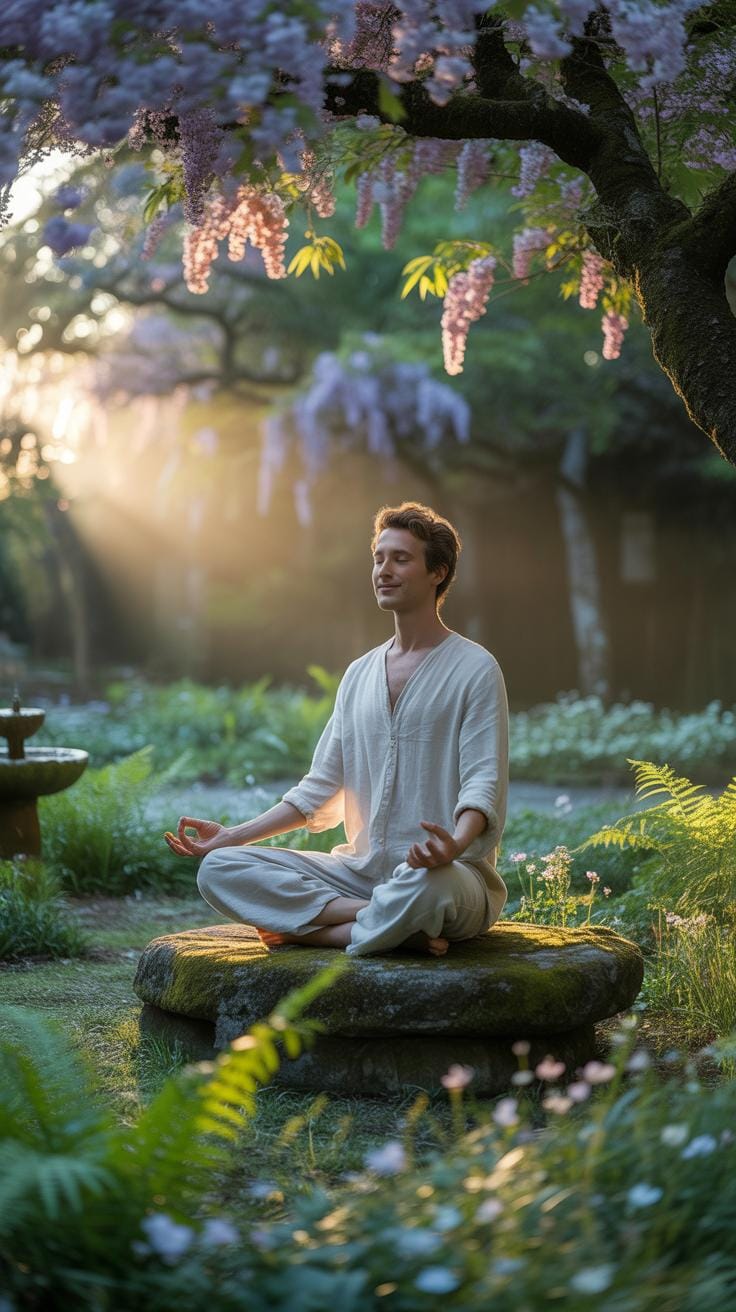

Zen Buddhism, a branch of Mahayana Buddhism, focuses on meditation and direct insight into one’s own nature. Its influence extends beyond religious practice, shaping everyday living with ideas like presence, simplicity, and letting go of distractions. Zen emphasizes being fully engaged in the present moment, which can feel surprisingly different from the usual tendency to multitask or dwell on worries. This idea isn’t just spiritual fluff—it’s practical.
In daily life, practicing presence means truly focusing on what you’re doing right now. Whether it’s washing dishes or training for a race, you’re not merely going through the motions. This kind of mindfulness can improve your concentration, reduce stress, and make your efforts more effective. Letting go of unnecessary distractions—whether mental clutter or physical mess—frees you to channel your energy better. Perhaps the hardest part is simply noticing when distractions sneak in, but it’s a skill anyone can build with practice.
Simplicity is another cornerstone of Zen. A complex, over-planned routine or an elaborate diet often leads to burnout and frustration. Zen invites you to strip away what isn’t essential. For training, it means focusing on steady progress rather than complicated regimens. For diet, it often means eating whole, unprocessed foods without obsessing over every nutrient. This simplicity helps maintain long-term consistency without draining your motivation. It might seem too basic at first—but sometimes less truly is more.
Checklist For Sport Mindfulness

Before engaging in sport, grounding yourself mentally can shape your entire performance. Try stepping into stillness briefly—focus on your breath, just counting calmly, nothing complicated. Picture yourself facing the challenge not with tension but with a clear, calm mind. This isn’t about forcing focus but letting it naturally settle.

As you prepare, consider the concept of “mushin,” or “no mind,” from Japanese philosophy. It suggests emptying distracting thoughts—not becoming blank, but freeing yourself from inner chatter so you react fluidly. Could you try a few moments of gentle awareness to quiet your mind before activity?
During reflection after sport, mindfully review what unfolded without harsh judgment or self-criticism. The Japanese approach often leans toward acceptance and learning, not just success or failure. Jot down honest observations, focus on what you might improve, and accept what you can’t change in the moment.
A short ritual of bowing or respectful gratitude can help close your session, reconnecting mentally and physically. This might sound simple, yet it provides space to process experience calmly and prepares you for future efforts with a balanced mindset.
Would you consider adding one of these ideas to your routine next time? Sometimes, the smallest mindful step makes the biggest difference.
Examples Of Philosophy In Martial Arts
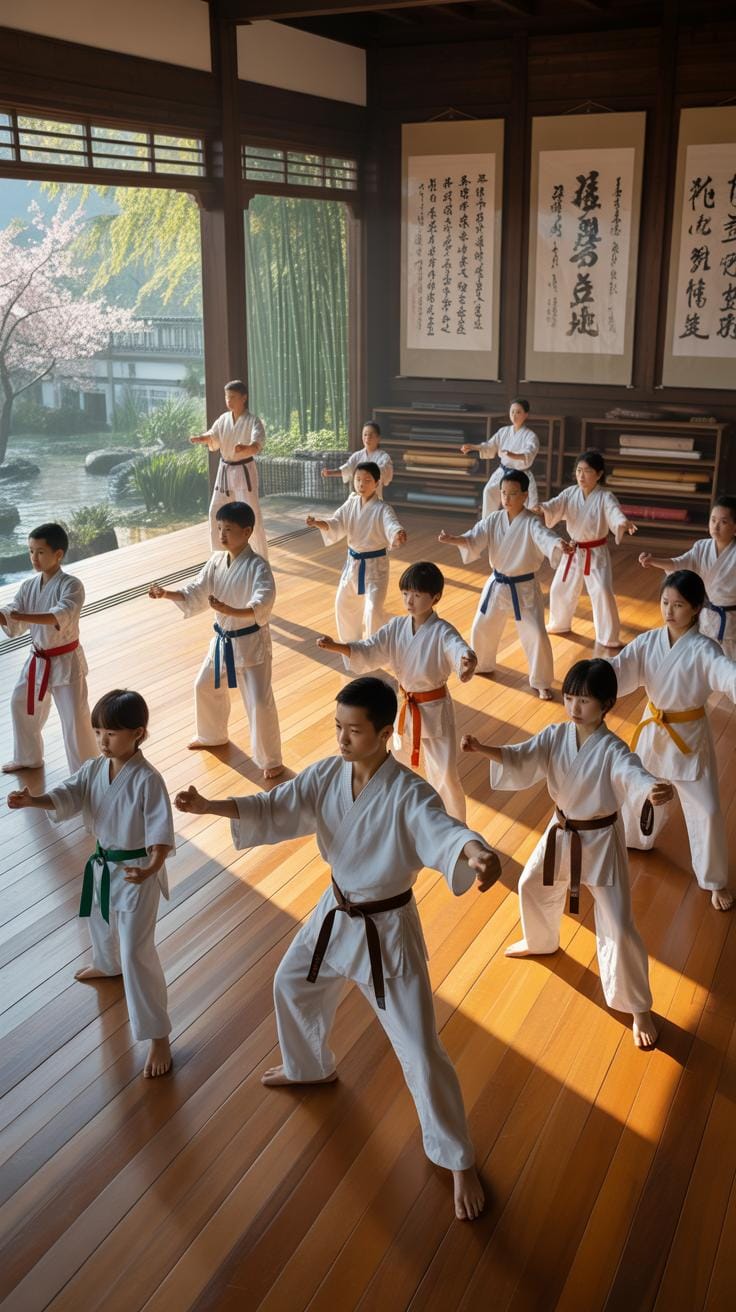

Japanese martial arts like Aikido, Karate, and Judo are not just physical disciplines; they embed deep philosophical ideas right at their core. You’ll often find respect, discipline, and balance emphasized—not just as rules, but as lived values.
Take Aikido, for instance. It’s built on respect and non-resistance principles that come from the idea of harmony. Instead of confronting force with brute strength, Aikido teaches you to blend with an opponent’s energy, redirecting attacks without harm. This reflects a philosophy that values protecting both yourself and others, which is, well, quite different from many other fighting systems.
Karate still stresses discipline but in a more rigorous, repetitive way. You grind through forms, punches, and kicks, over and over—building focus and mental toughness alongside physical power. It’s less about harmonizing with an attacker and more about mastering control over your own mind and body.
- Aikido values non-resistance and blending with opponents, rooted in harmony and respect for life.
- Karate’s repetitive practice fosters discipline by demanding consistent focus and perseverance.
Interestingly, while Karate can push you to develop a strong-willed mindset, Aikido invites you to question the need for conflict altogether. So, even within martial arts, you see subtle philosophical tensions at play. It’s not just about winning but also about how you choose to engage—or not engage—with the world around you. Have you ever noticed how these different approaches impact your mindset outside the dojo, maybe even in daily challenges?
How Philosophy Supports Health Habits


Japanese philosophy isn’t just about abstract ideas; it often translates into practical habits that promote long-term health. The emphasis on balance and mindfulness in everyday activities encourages a lifestyle that supports well-being over the long haul. For instance, the principles of moderation in eating, rooted in cultural and philosophical values, help avoid extremes and promote steady, healthy energy.
Exercise isn’t just about physical fitness but reflects a discipline of the mind and body working as one. Consistent movements inspired by martial arts and traditional practices nurture both strength and mental focus. It’s not always about intensity, but about steady persistence. You might find yourself appreciating how routine movement can become a form of moving meditation.
Meditation, particularly from Zen traditions, encourages sitting quietly with one’s thoughts, observing without judgment. This isn’t always easy or comfortable, but it’s a gentle habit forming a foundation for dealing with stress and maintaining mental clarity. You may notice that even a few minutes of focused breathing can slow racing thoughts—though it takes practice to feel its full benefits.
Healthy Eating Habits Checklist
- Eat more fish and vegetables, focusing on seasonal and fresh ingredients.
- Practice portion control by serving smaller amounts and savoring every bite.
- Embrace the concept of ‘hara hachi bu’—eat until you are 80% full.
- Choose natural flavors over heavy sauces or excessive seasoning.
- Incorporate fermented foods like miso and pickled vegetables for digestion.
- Limit processed and overly fatty foods.
- Eat meals mindfully and avoid distractions like screens during eating.
Meditation For Stress Relief
Zen meditation, or zazen, centers on seated awareness—simply sitting upright and focusing on breathing or a koan (a paradoxical question). You don’t need a special place; even a quiet corner in your home can work. The aim is not to clear the mind entirely but to observe thoughts without attachment.
People often find it helpful to start with short sessions, perhaps 5 to 10 minutes daily. You might notice the mind wandering—that’s normal. The key is gently returning focus to the breath, cultivating patience rather than frustration. This practice can help reduce the buildup of stress and improve concentration over time, even though the results might not be immediate.
Common Pitfalls Without Philosophy

When athletes or fitness enthusiasts ignore Japanese philosophical principles, several issues crop up that often go unrecognized until it’s too late. Impatience is a major stumbling block. I’ve seen firsthand how rushing progress without patience can actually result in injury or burnout. When you push your body faster than it can adapt, small strains become serious injuries. There’s a subtle trap here: impatience feels like taking control, yet it actually undermines your goals.
Disrespect towards the process or others also creates barriers. Whether it’s trainers, teammates, or even your own body, a lack of respect interrupts learning. You might skimp on warm-ups or ignore signals of fatigue. Ultimately, this leads to frustration and setbacks.
Another big issue is mental neglect. It’s easy to focus all energy on physical training and overlook mental discipline. Yet, mental focus sharpens your performance. Ignoring it reduces your ability to stay composed under pressure, to strategize, and to respond to challenges. This dimension is often underestimated, but it plays a huge role in long-term success.
- Impatience promotes injury and burnout by forcing rapid progress.
- Disrespect disrupts learning and harmony in training environments.
- Mental neglect reduces focus and resilience during competitions.
Thinking about these pitfalls makes me wonder – do we really succeed without integrating mind and body philosophies, or are we just spinning our wheels waiting for a break? You might feel confident pushing through, but sometimes stepping back and reflecting offers the direction your training actually needs.
Tools To Practice Philosophy Concepts

When you think about applying Japanese philosophy in sport and fitness, tools become more than just gadgets. They help bring abstract ideas like focus, discipline, and continuous improvement into your daily routine. For example, simple meditation apps can help you build focus bit by bit. Starting with just five minutes a day can ground your mind, which is especially useful if your thoughts tend to wander during training. Apps like Insight Timer or Headspace offer straightforward guided sessions without overwhelming you with too much jargon or complexity.
Keeping a journal is another way to weave philosophy into your practice. Writing down your training sessions, your mental state, or your reflections creates a space for honest self-assessment. You don’t have to write an essay—just bullet points or a few sentences can keep you honest and aware of progress or setbacks. It encourages discipline by making daily or weekly reflections a habit, and it feels rewarding to see your growth over time.
Besides meditation and journaling, training logs provide structure to your fitness journey. Recording details like workout type, duration, and feelings afterward brings mindfulness into physical exertion. It’s not just about numbers; it’s about tuning into how your body and mind respond, aligning with Japanese ideas of being present and fully engaged.
So, what tools might suit you best? Which practice feels natural to adopt, and can you imagine sticking with it? Maybe it’s starting a short meditation, or just jotting down thoughts post-workout. Either way, these tools help you not just train your body, but train your mind, too.
Setting Goals With Japanese Ideas
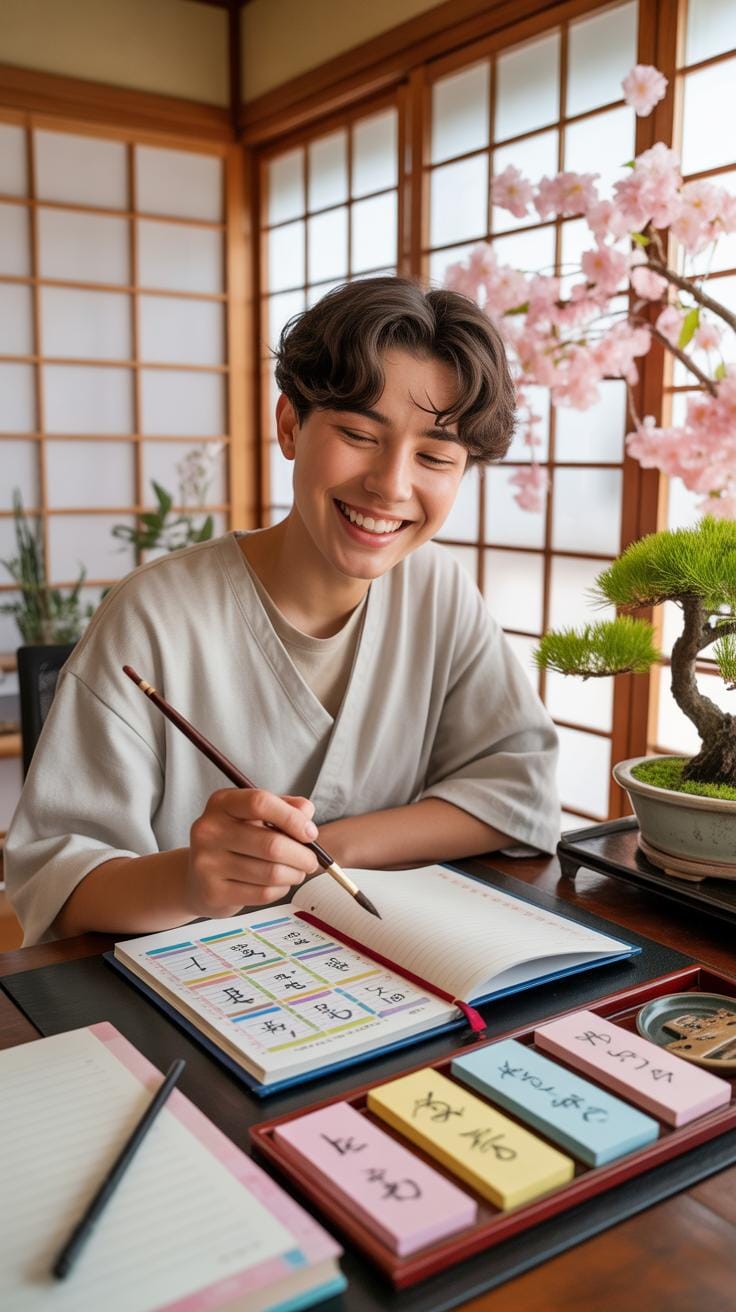
Japanese philosophy offers a unique lens on goal setting in sport and fitness, emphasizing balance, patience, and respect. When you think about your goals, it’s not just the end result that matters but the journey, the rhythm of effort and rest that you cultivate along the way.
Creating Balanced Fitness Goals
Balance is a central idea here. You might be tempted to push full throttle every day, but the philosophy suggests something different. It’s about recognizing when to engage with high intensity and when to step back—rest is part of the process, not the enemy of progress. Maybe after a tough training session, you take a moment to simply breathe, recover, and allow your body and mind to rejuvenate. This ebb and flow is crucial. Without rest, you risk burnout; without effort, you don’t grow. So, setting goals means considering this dynamic tension between work and recovery, not just piling on more reps or miles.
Respecting Your Limits
Respect is another key theme. But respect doesn’t mean resigning yourself to limits—it means accepting where you are now, honestly, and working within those boundaries. This isn’t about giving up; it’s more a matter of listening deeply. Working with your limits can actually push them gently, over time. The Japanese idea here might feel a bit paradoxical—you respect your current ability but do so with patience and mindfulness, and slowly, limits become stepping stones rather than barriers. You might find this view reduces frustration and keeps motivation steady, even when progress seems slow. It’s not always easy to walk this middle path, I find, but it’s worth trying.
Conclusions
Japanese philosophy offers practical guides for living that connect deeply with sport and health. Concepts like mindfulness and balance encourage you to care for both body and mind equally. Using these ideas can create better sport habits and healthier life choices.
Applying these philosophies brings attention to your actions and helps maintain focus. By embracing the principles found in Japanese thought, you gain tools to enhance your fitness journey and overall well-being sustainably.