
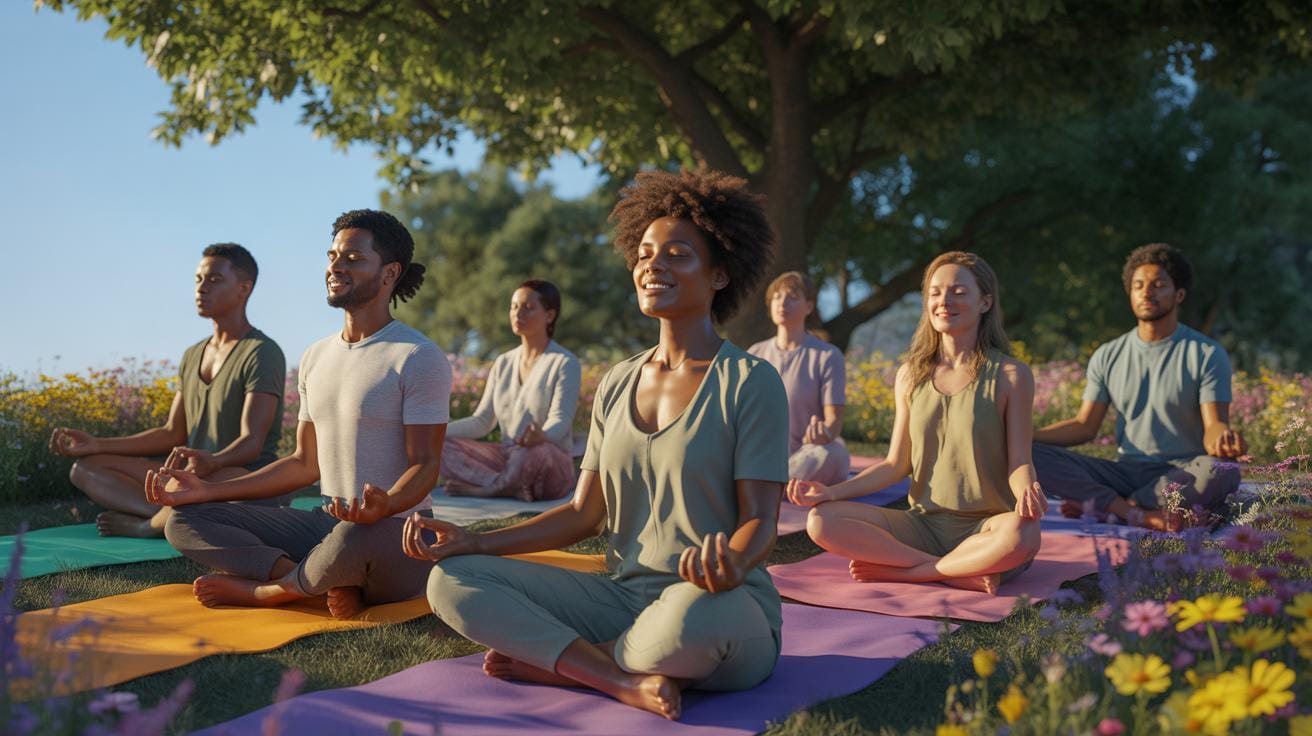
Meditation Benefits and Tips for Getting Started
Meditation is a practice where you train your attention and awareness to reach a calm and clear mental state. It involves techniques like focusing on your breath or simply observing your thoughts without judgment. This article covers Meditation Benefits And Tips For Effective How To Meditate Practice, guiding you through the essential steps to start and maintain meditation.
You will learn simple methods to meditate, understand why it matters for your health, and discover practical tips to improve your practice. By following this article, you can reduce stress and improve your well-being in a straightforward way.
What Meditation Is And Does
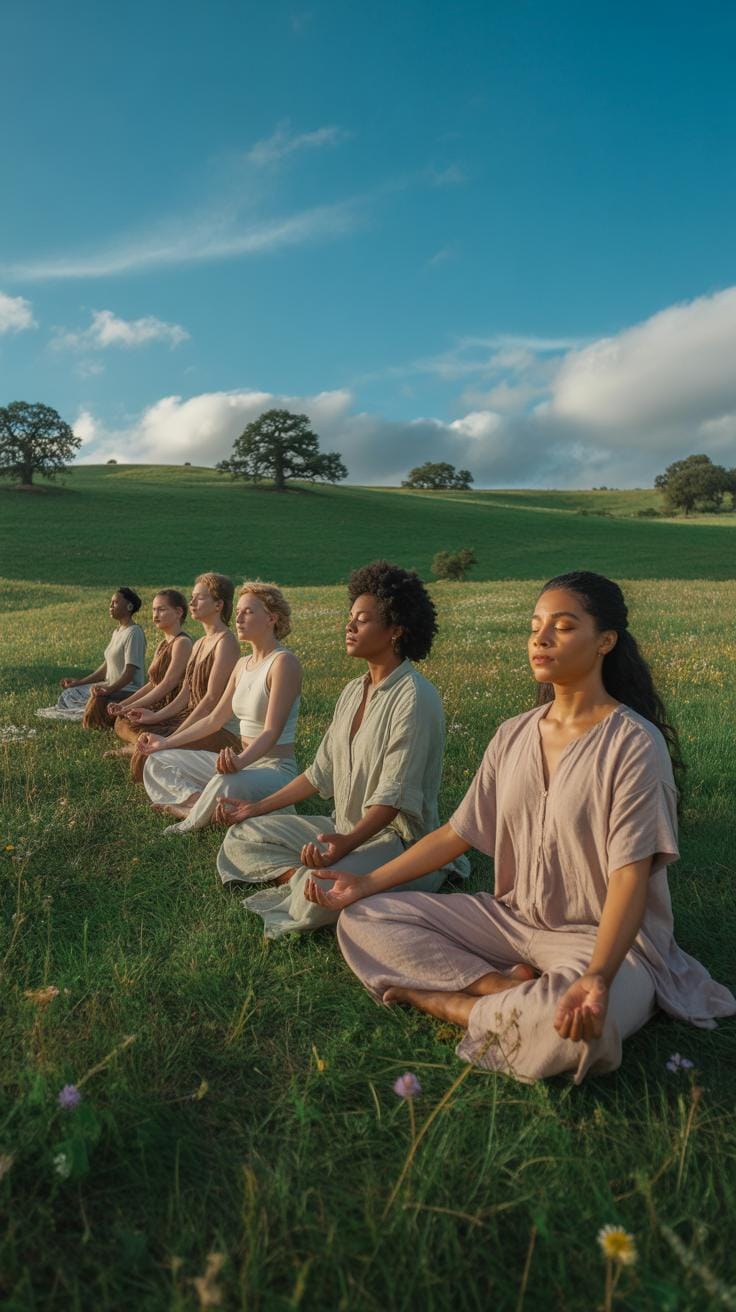
Meditation is a practice where you train your attention and awareness intentionally. Rather than letting your thoughts drift aimlessly, you focus your mind in a structured way. The idea is to step back from constant mental chatter and create a calm and stable mental state.
Most people turn to meditation to manage stress or improve mental health. It’s about learning to observe your mind without immediate judgment or reaction, which can help lessen anxiety or depressive thoughts. For example, you might focus on your breath or repeat a calming word—these are simple techniques that train your attention.

The goal isn’t to empty your mind completely but to become more aware and less reactive. Meditation encourages a mental space where clarity and emotional balance can grow, which is why it’s often used as a stress-reduction tool. You might find this approach surprisingly accessible once you give it some time.
Types Of Meditation Methods
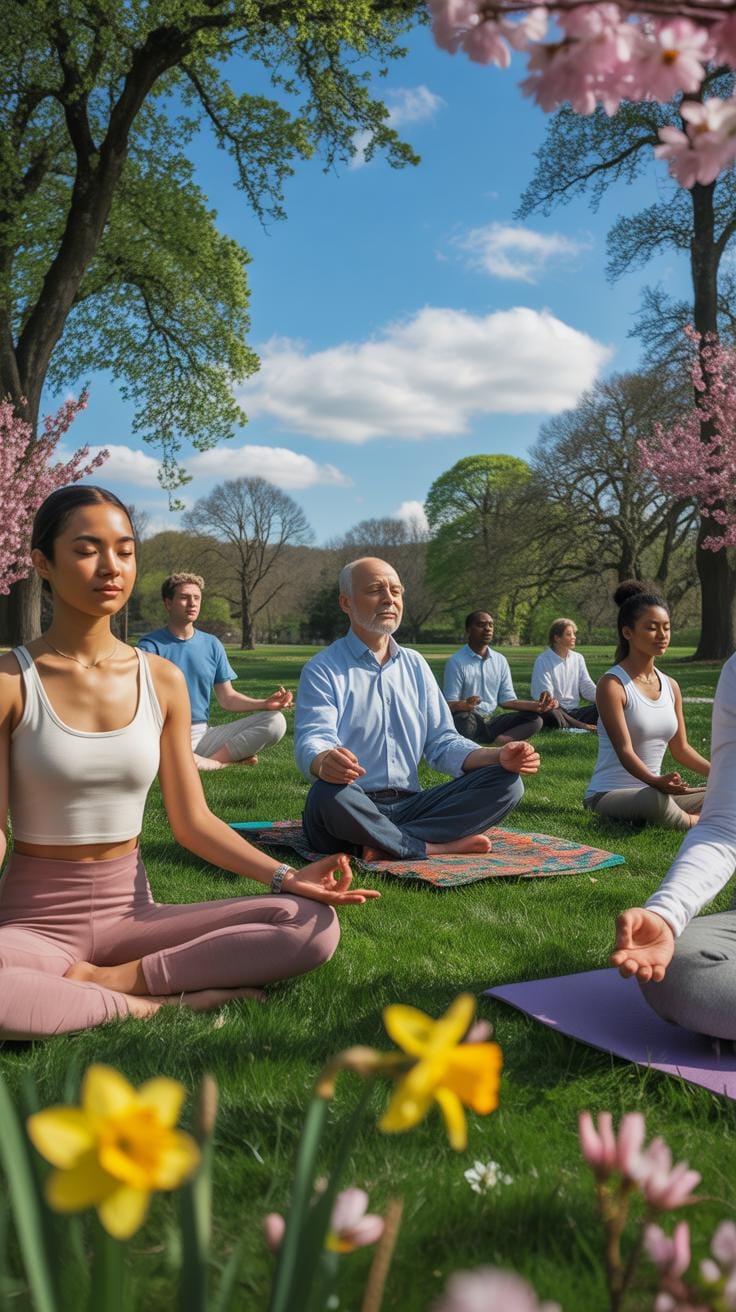
There are different meditation styles, each with its own approach to training the mind. Two broad categories stand out: focused meditation and open monitoring.
Focused meditation means concentrating on one specific thing. It could be your breath, a sound like a mantra, or even a visual object. When your mind wanders—which it will—you gently bring it back. This technique is common when you want to calm restless thoughts.
Open monitoring, on the other hand, is about noticing whatever happens in your mind without reacting. You observe your thoughts, feelings, or sensations as they arise, without trying to control them. Mindfulness meditation is a good example and is often used to build awareness and acceptance.

Each method has its place; you might choose focused meditation when seeking concentration, or open monitoring when aiming for insight and acceptance. It’s okay, even normal, to try both and see which fits your mindset best.
How Meditation Affects The Brain

Meditation influences both brain and body in ways that science is still unraveling. When you meditate, certain brain areas related to attention and emotional regulation become more active or better connected.
Research shows that meditation can help reduce stress by calming the nervous system. It tends to increase brain waves in the alpha and theta ranges, associated with relaxation and focused attention, respectively. This shift supports a more stable and less reactive mental state.
With long-term practice, meditation may improve concentration, emotional stability, and even reshape how the brain processes stress. You might notice better focus or less emotional turbulence over time, though these changes don’t happen overnight. It’s a gradual process rather than a quick fix.
How to Meditate
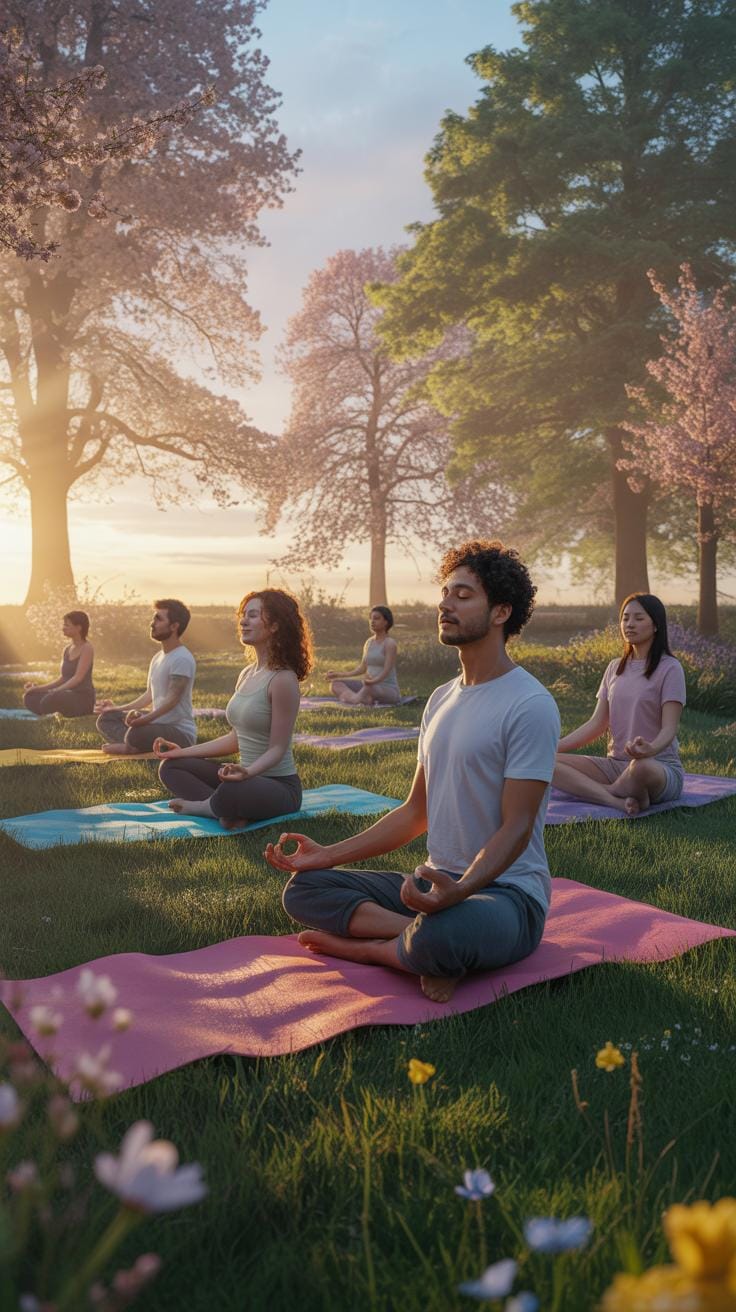

Meditation might sound simple, but starting it can feel a bit puzzling. You don’t need fancy equipment or a special place. Just find a quiet spot where you won’t be disturbed for a few minutes. Sit comfortably, either on a chair or the floor; the main thing is to keep your back straight but not stiff.
Next, close your eyes gently. Focus on your breathing—notice each inhale and exhale. Don’t try to control it, just observe. Thoughts will come and go. That’s okay. When you realize your mind wandered, softly guide your attention back to your breath.
It helps to set a timer if you want, starting with just five minutes. Some people find repeating a word or phrase silently—called a mantra—helps maintain focus. Others like to focus on sounds, or even bodily sensations. You can experiment and see what feels most natural.
Consistency matters more than duration. Even short daily sessions can make a difference. Over time, you might catch yourself feeling calmer or more centered during your day, without necessarily thinking about the breath all the time.
What’s interesting is how this simple practice challenges the restless mind. At first, it seems hard to sit still and just breathe, but gradually, it feels easier—not because your thoughts vanish, but because you relate to them differently.
How To Start Meditating Today
Step-By-Step Process For Beginners
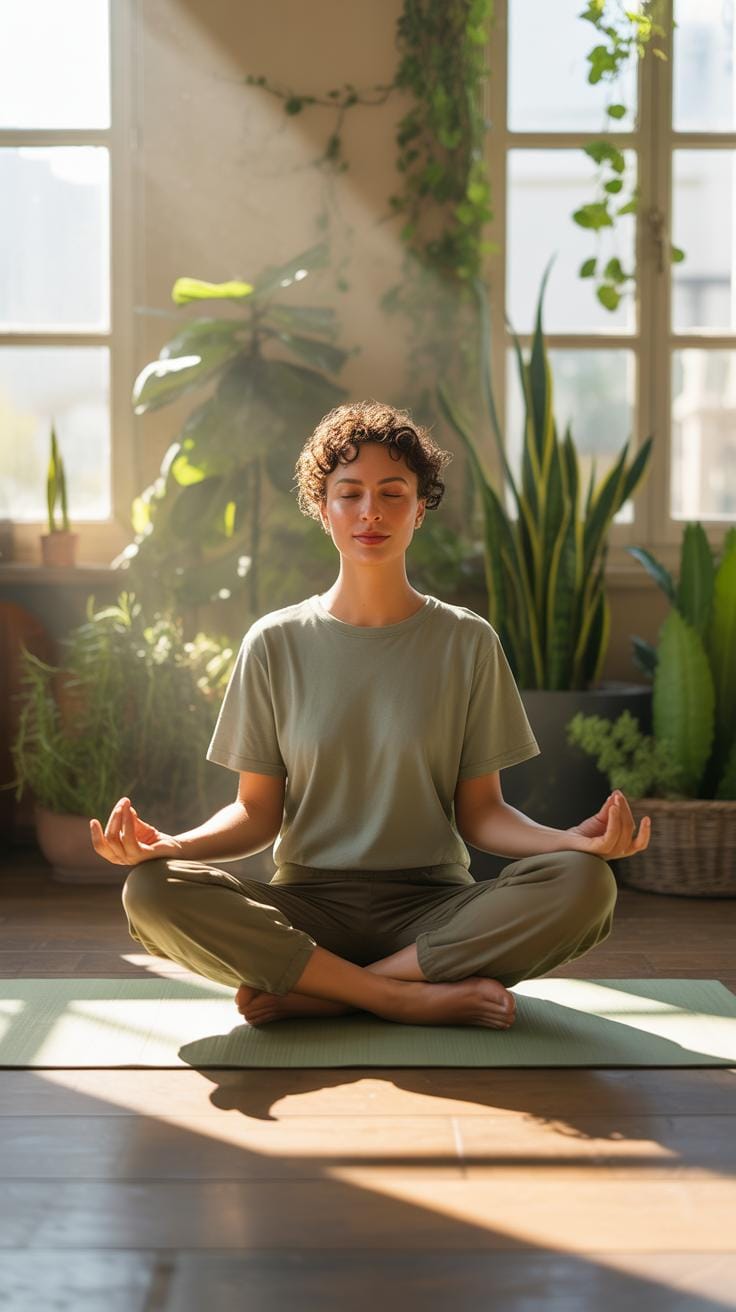
Start by finding a quiet spot where distractions won’t interrupt you. Perhaps your bedroom, a corner of the living room, or even a peaceful outdoor space. Next, choose a comfortable position. You could sit on a chair with your feet flat on the floor, cross-legged on a cushion, or even lie down if sitting feels difficult. The key is to keep your back straight but relaxed.

Focus your attention gently on your breathing. Notice the sensation of air entering and leaving your nostrils or the rise and fall of your chest. Don’t fight wandering thoughts—acknowledge them, then bring your focus right back to your breath.
Begin with just 5 minutes—a short, manageable time that won’t feel overwhelming. You can gradually increase as you feel more at ease. How often? Daily sessions can be ideal, but a few times a week works too. The goal is regularity more than duration.
Setup Checklist For Beginners
- Find a quiet place free from noise and interruptions — this helps keep your mind settled.
- Wear loose, comfortable clothes so your body isn’t distracted by tightness or discomfort.
- Set a timer for your chosen meditation length — this frees you from checking the clock.
- Consider a cushion or chair that supports good posture — slouching can lead to discomfort or drowsiness.
Each of these prepares your mind and body to engage calmly without external jarring or internal fuss.
Common Challenges And Tips
Wandering thoughts are pretty much guaranteed at first. Instead of getting frustrated, imagine your focus as a gentle stream that occasionally gets diverted. Simply and kindly guide it back without judgment.
Discomfort might show up too, especially if you aren’t used to sitting still. Adjust your posture—stretch beforehand or change positions mid-session if necessary. It’s okay to be patient with your body.

Sometimes you may feel like you’re not “doing it right.” Remember, meditation isn’t about emptying your mind perfectly; it’s about practicing attention and presence. This subtle difference can ease beginner anxiety.
Mindfulness Vs Concentration Methods
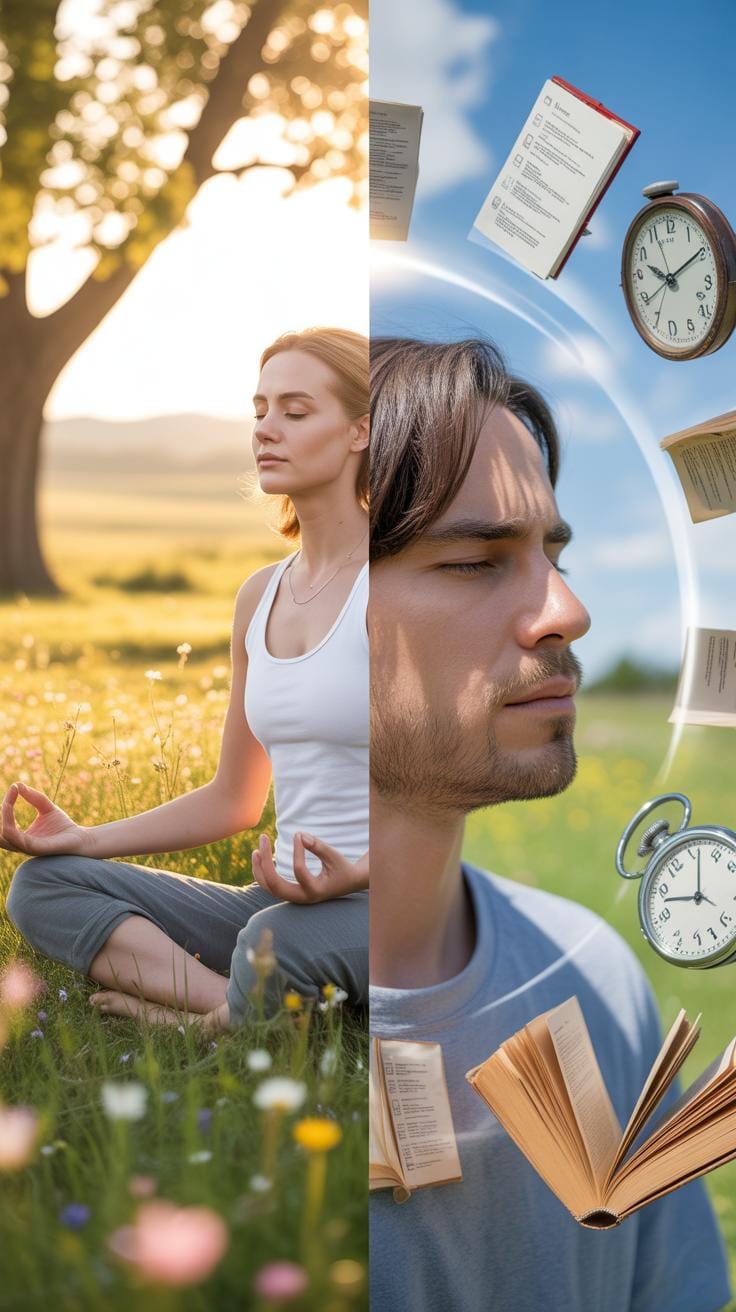
When trying to meditate, you might wonder which approach suits you: mindfulness or concentration. Both methods invite you to focus, yet the way you direct your attention differs.
Mindfulness meditation encourages you to pay attention to whatever arises in the present moment—whether it’s your breath, thoughts, or bodily sensations—without judging or clinging to any experience. For example, you might notice a thought drifting by and simply observe it, like watching clouds float in the sky. The aim is openness, awareness, and acceptance. It can be useful when you want to explore your inner world or cultivate calm amid distractions.
On the flip side, concentration meditation hones in on a single object—often the breath, a mantra, or a candle flame—to steady the mind. Here, the challenge lies in gently returning your focus when it wanders, cultivating deep mental stability. A brief concentration exercise could be counting your breaths quietly up to ten, then starting over. This technique works well when you need clarity or to re-center your scattered attention.

Both styles have perks and pitfalls. Mindfulness can sometimes feel aimless, or even unsettling if you get stuck on tough feelings. Concentration requires patience and effort to keep distractions at bay. Yet mindfulness fosters acceptance and insight, while concentration builds mental resilience and peace.
Choosing between them might depend on your goal. Want to understand your mind better? Try mindfulness. Need to calm a racing mind? Try concentration. Maybe, over time, you’ll find yourself blending both approaches—leaning one way on restless days, the other on quieter ones.
Building A Daily Meditation Habit
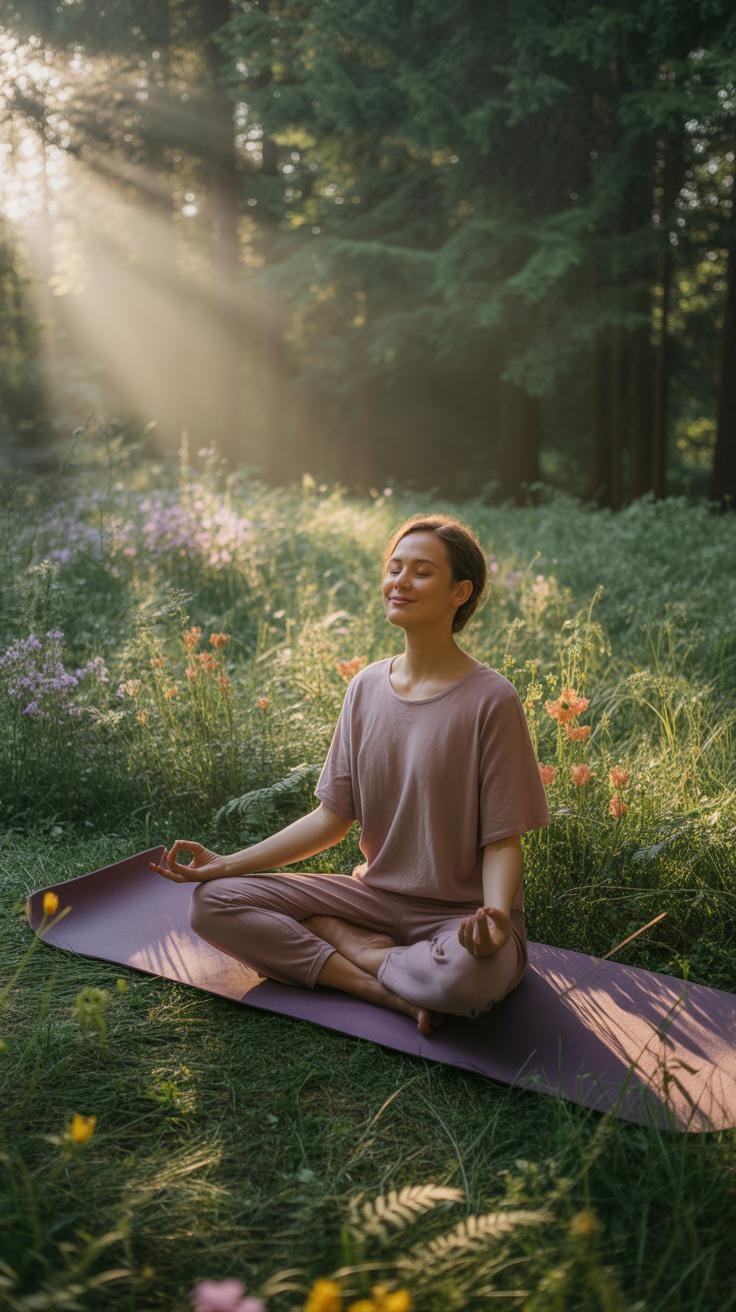
Creating a meditation routine that fits your daily life doesn’t have to be complicated. Start small—perhaps with just five minutes a day. It’s better to be consistent with short sessions than to attempt long meditations sporadically. Setting realistic goals helps; consider a 5-to-10-minute session daily and gradually increase as you get comfortable. Think about when you feel most likely to meditate: morning, midday, or evening. Pick a time you can stick with consistently.
Tools can make this easier. Try calendar reminders or habit-tracking apps to keep you accountable. Some find that journaling progress encourages regular practice—it’s like a gentle check-in with yourself. A few common routines include meditating right after waking, before meals, or just before bed. You might find that flexibility helps—some days a quick session works better than none at all.
Sample Daily Meditation Schedule
Begin with five minutes each morning, focusing on breathing or a simple mantra. After a week or two, add an evening session of five minutes, perhaps with mindfulness or body scan practices. Slowly increase total meditation time by one to two minutes every few days if it feels right. For example:
- Day 1-7: 5 minutes morning
- Day 8-14: 5 minutes morning + 5 minutes evening
- Day 15-21: 7 minutes morning + 5 minutes evening
- And so on…

In the morning, try to meditate soon after waking up before diving into your day. In the evening, it can be a nice wind-down activity just before sleep.
Motivation And Consistency Tips
Keeping up with meditation can be tricky; motivation may falter. Try to set tangible goals, like “meditate 20 minutes a week,” then reward yourself for meeting them. Joining a meditation group or online community might help—shared experiences often boost commitment. Tracking progress visually, like on a calendar, can make your practice feel more real and purposeful.
Some days you may miss sessions, and that’s okay. What counts is the next moment you choose to sit quietly again. The key is to not get caught up in perfection but to gently bring yourself back to your practice. After a while, you might find meditation shifts from a task to something you seek out naturally, though that transition varies for everyone.
Tools And Resources For Meditation
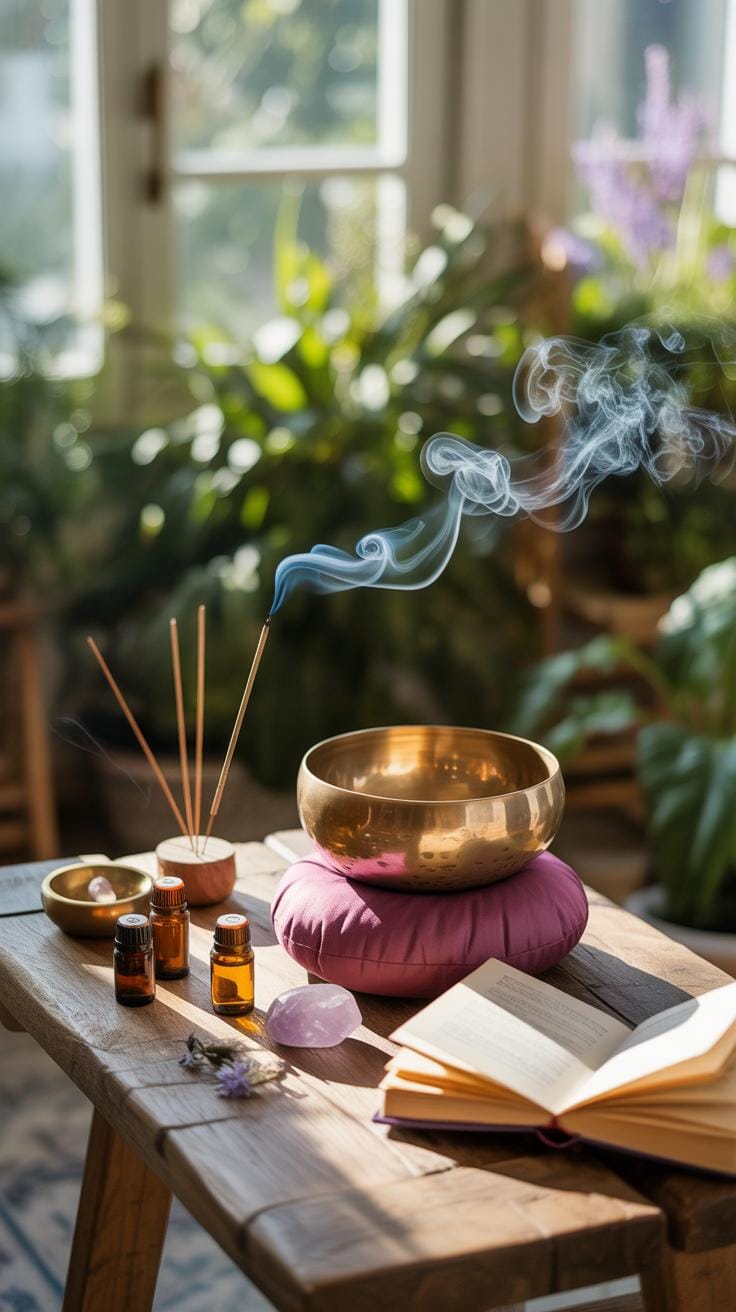
Meditating on your own can feel a bit daunting at first—it’s not always clear where to start or how to stay consistent. Thankfully, the array of tools and resources available today can guide you through the process, whether you’re just beginning or have years of experience. Choosing what works for you mostly depends on your preferences for style, guidance, and how much time you wish to commit.

Apps like Calm offer a mix of guided meditations, breathing exercises, and even soothing Sleep Stories narrated to help wind down your day. This app, for example, caters well to beginners with simple daily meditations and also supports advanced users through multi-day programs and unguided sessions. There’s a free version with limited content, while paid subscriptions unlock a lot more.
Then there are apps like Hallow, which blend meditation with Christian prayer, showing how meditation crosses many traditions—offering a more spiritual route if that’s what you’re seeking. This diversity in apps means you can pick one that resonates with your personal beliefs or secular goals.
Books also provide a deep dive into meditation techniques and philosophy. Classics like those by Jon Kabat-Zinn or Thich Nhat Hanh explore mindfulness in everyday life, offering both theory and practical advice. Online, websites dedicated to meditation often provide free articles, guided sessions, and forums where you can learn from others’ experiences.
Deciding on resources involves some trial and error. Start simple—try a free app session or a chapter from a well-reviewed book. Notice what style feels natural—does a calm voice guide your mind better, or do you prefer silent practice? Your meditation journey is personal, and your tools should feel supportive, not overwhelming.
Meditation Pitfalls And How To Avoid Them
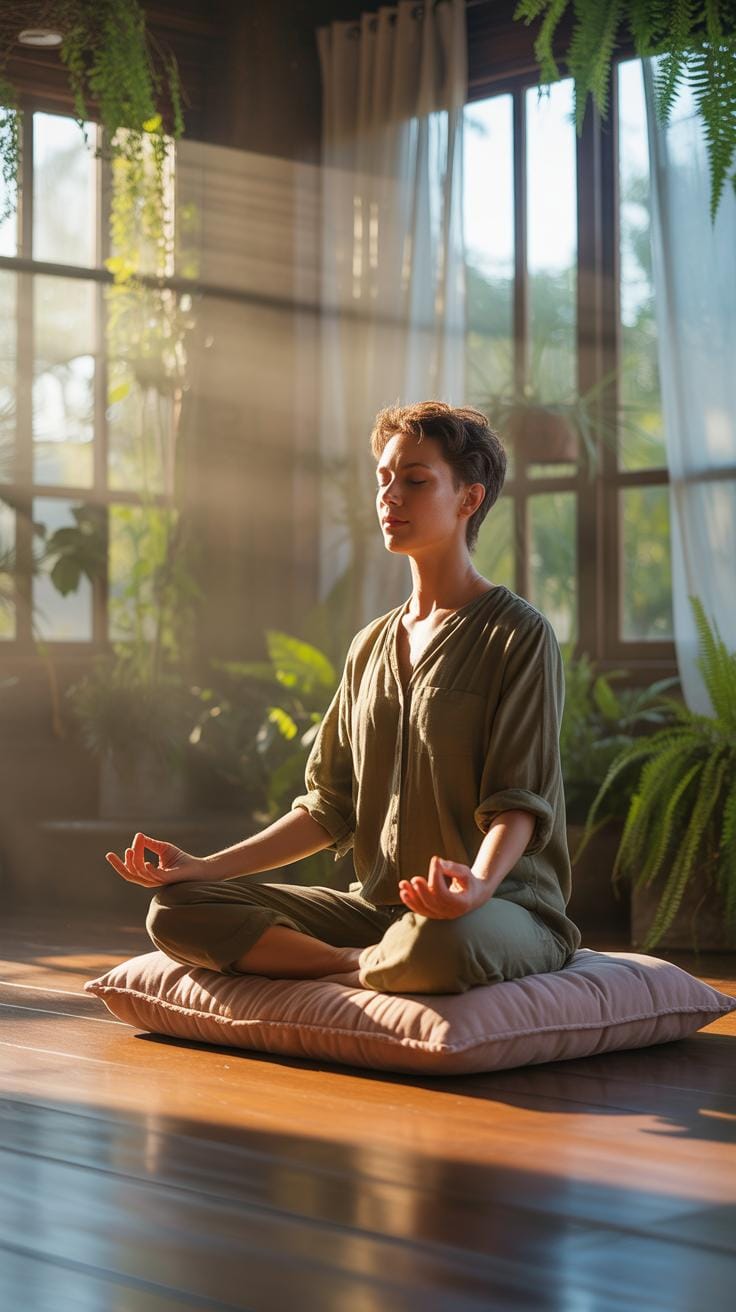
If you’re new to meditation, it’s easy to make some common mistakes that can mess up your practice without you realizing it. One big trap is forcing your mind to be quiet. You might sit there, trying hard not to think, which only adds pressure and distraction. In reality, meditation isn’t about shutting off your mind completely but learning to observe your thoughts without getting tangled in them. So, if you find yourself pushing too hard, try easing up — it’s okay for your mind to wander sometimes.
Another mistake people often make is expecting quick results, like immediate peace or transformation. It’s tempting to want everything right away, but meditation is more of a slow process, a bit like planting a seed. Results come with patience and regular practice, and sometimes, you won’t notice the changes day-to-day. Sticking with it, even when it feels like nothing’s happening, can bring genuine benefits over time.
Posture can also be a stumbling block. Sitting in an uncomfortable position might distract you and cause tension rather than calm. You don’t have to sit perfectly cross-legged on the floor if that hurts—you could try sitting on a chair with your back straight or using cushions to support your hips. The key is to keep your spine upright without strain. If your posture feels awkward or painful, adjust it. Meditation shouldn’t feel like a workout; it should make you feel as relaxed and focused as possible.
To sum up, be gentle with yourself. Avoid forcing your mind or racing toward fast results. Find a comfortable posture that feels right for your body, and above all, be patient. With time, your practice will deepen naturally, in its own way.
Examples Of Meditation Practice
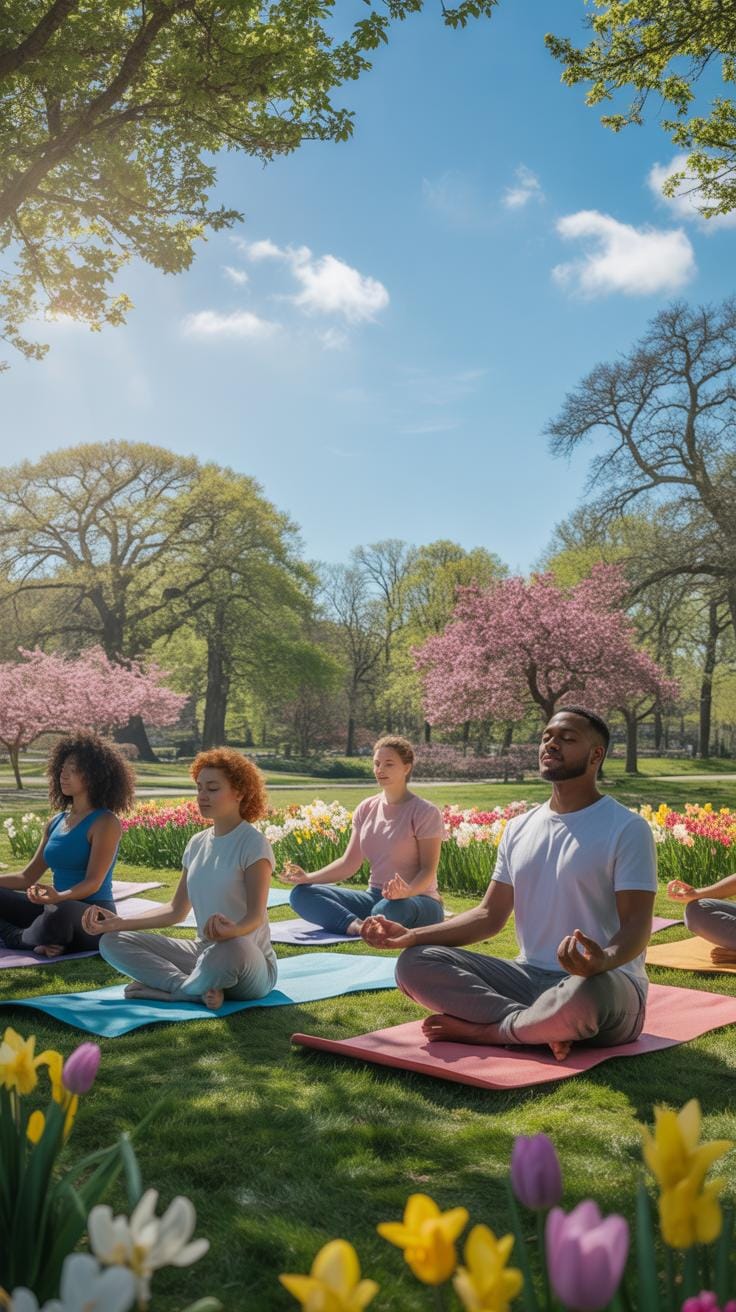
Beginner Success Story
Consider Emma, a young professional who stumbled upon meditation after struggling with stress at work. She started with just five minutes each morning, focusing on her breath. At first, her mind wandered constantly, making her doubt if she was doing it “right.” Yet, after a few weeks of daily practice, she noticed a subtle shift. She felt less overwhelmed and found it easier to concentrate during meetings. It wasn’t an overnight miracle, but this small daily habit helped manage her anxiety and improved her focus. Emma’s journey shows that even simple, consistent meditation can make a meaningful difference in everyday life.
Experienced Practitioner Insights
Then there’s David, who has practiced mindfulness meditation for over a decade. He describes how meditation became his coping tool during challenging times, like grief and job changes. His approach involves observing thoughts without judgment and redirecting attention gently to the present moment. Over years, this practice has made him more resilient, patient, and emotionally grounded. David admits that sometimes, meditation feels tougher, even frustrating, but the long-term effects outweigh those moments. For him, it’s not about perfection but showing up regularly and allowing the process to evolve naturally.
Different styles also matter: Transcendental Meditation uses mantras, focusing the mind effortlessly, while mindfulness invites open awareness of whatever arises. Both beginners and veterans find their unique rhythm, tailoring meditation to fit their needs and life circumstances. Maybe you can relate? What style might best suit your personality or goals?
Conclusions
Meditation helps calm your mind and improve your focus by teaching you to direct your attention. Starting with basic techniques such as focusing on your breath can make meditation accessible and effective for anyone. Regular practice supports mental and emotional health by lowering stress and anxiety.
By using the tips provided and understanding the benefits, you can build a good meditation habit. Consistency and simple methods are key to experiencing lasting improvements in your daily life.