
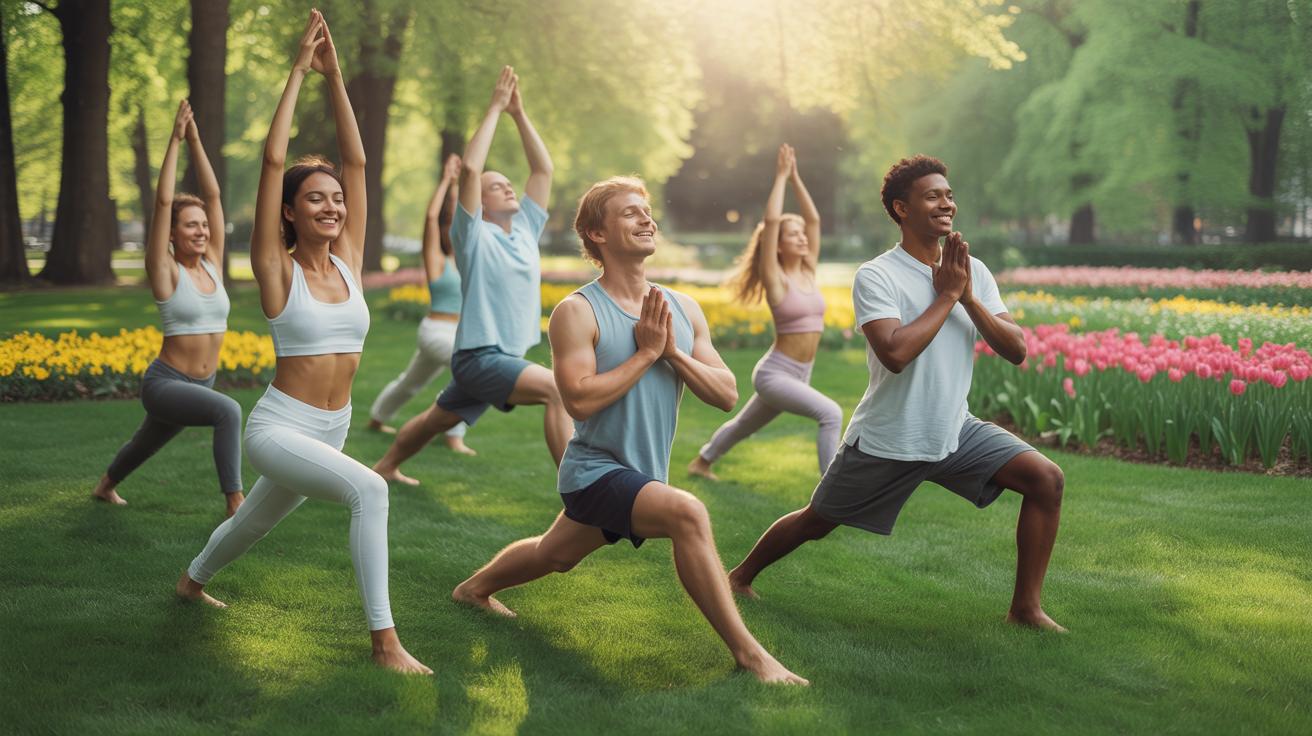
Effective Yoga Poses to Improve Flexibility and Strength
Yoga offers a set of exercises that support better flexibility and muscle strength. These exercises stretch and strengthen your body carefully. In this article, you will learn about effective yoga poses that help in improving your physical fitness.
This guide also explains why these yoga poses matter and how they affect your daily life. You will find simple ways to include yoga in your routine to feel stronger and more flexible.
Yoga Basics For Beginners
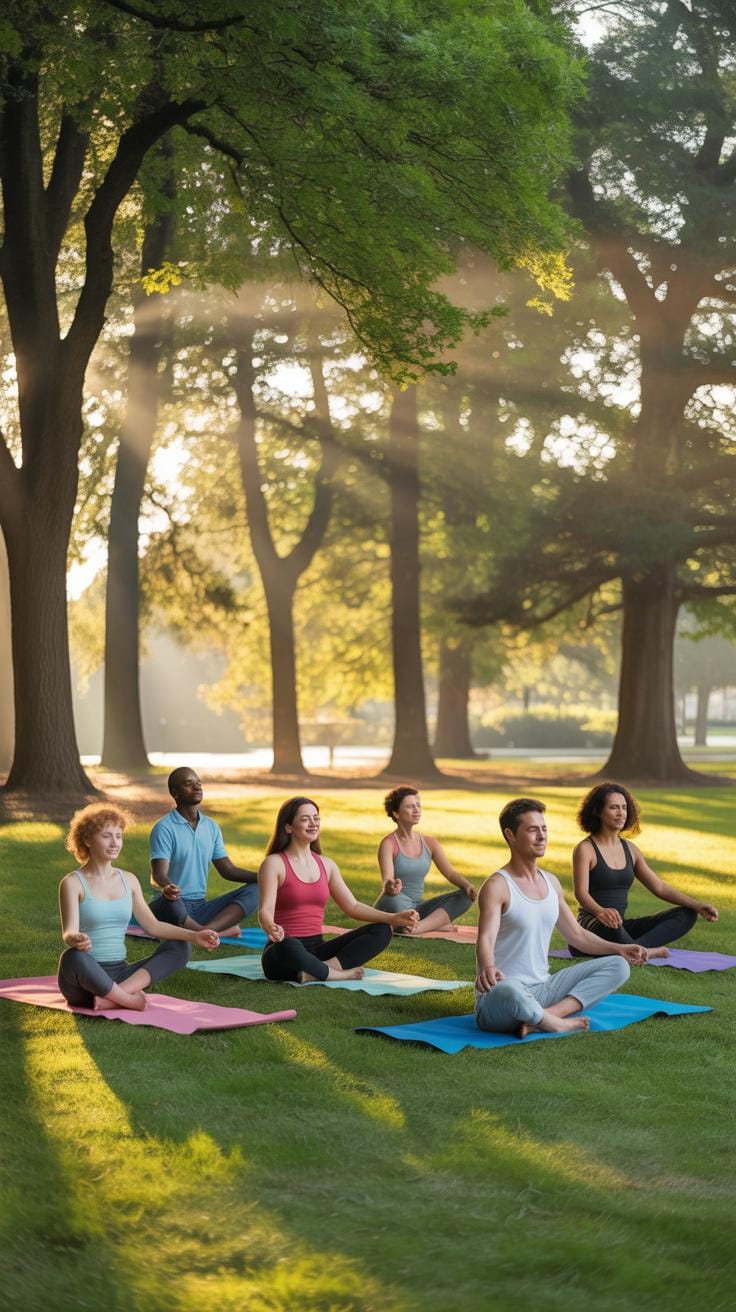
Yoga is more than just a form of exercise; it’s a practice that connects your body and mind through movement and breath. For beginners, it might seem a bit mysterious, but really, yoga is about listening to your body gently and working with what you have. Starting with easy exercises can help you slowly build flexibility and strength without pushing too hard.
Yoga works by stretching and strengthening muscles while increasing the range of motion in your joints. When you hold poses, you activate various muscle groups, encouraging balance and coordination. This slow, controlled tension can improve joint health by lubricating them and promoting better circulation. Think of it less as “working out” and more as tuning your body to move more freely, bit by bit.
Starting Simple Yoga Poses
Begin with poses that stretch key muscle areas and engage your joints without overwhelming your body. Some poses that often work well for beginners include:
- Cat-Cow Stretch: This gentle flow warms up the spine and mobilizes the back and neck.
- Downward Dog: It stretches calves, hamstrings, and shoulders, while strengthening arms and legs.
- Child’s Pose: Offers a restful stretch for the back and hips, helping relieve tension.
- Mountain Pose: A simple standing posture that improves balance and posture, grounding your body.
- Seated Forward Fold: Stretches the lower back and hamstrings while calming the nervous system.

These poses let you ease into a practice that builds both flexibility and strength slowly. You may find some easier than others right away; that’s perfectly normal. The goal is consistency, not perfection.
Common Yoga Mistakes To Avoid
Beginners often push too hard or rush into complex poses before their bodies are ready. This can lead to strain or injury. Another frequent mistake is neglecting alignment—misplaced joints or poor posture can cause discomfort and reduce the benefits.
For example, in Downward Dog, arching your back too much or locking your knees can be counterproductive. Instead, aim for a natural curve and slightly bent knees if your hamstrings are tight. Breathing is another area people overlook; holding your breath adds tension and makes poses harder than they need to be.
To avoid these pitfalls, listen closely to your body’s signals, take breaks when needed, and perhaps watch instructional videos or attend a beginner’s class to get feedback on your form. It’s easy to think, “I should be doing more,” but sometimes less is actually more when starting yoga.
How Yoga Builds Muscle Strength
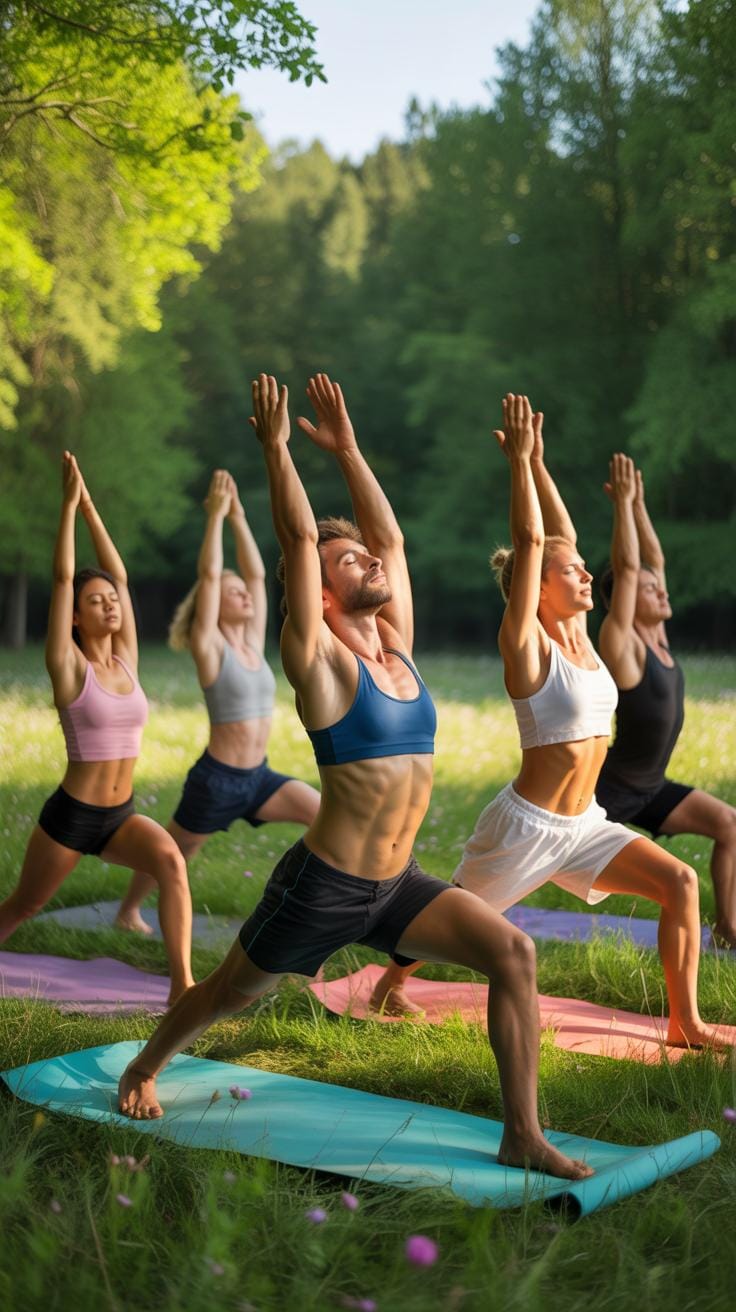
Yoga strengthens muscles by asking your body to hold postures against gravity. When you stay in a pose, even for a short while, your muscles work hard. This is different from quick movements or typical gym exercises. Holding poses activates both large muscle groups and smaller stabilizers. It’s like giving your body a slow, steady workout that challenges endurance rather than just brute force.
Breathing plays a key role here. Deep, steady breaths help keep muscle engagement smooth and controlled. If you hold your breath or breathe shallowly, muscles tire out faster. I’ve noticed when I focus on breathing evenly, poses feel less strenuous. On the other hand, if breath slips away, even simple poses become tough. So, controlling your breath isn’t just about relaxation; it directly influences how long and how well you can maintain strength in poses.
Poses That Target Muscle Groups
Some poses are better at targeting certain muscles than others. For example, to build arm strength:
- Chaturanga Dandasana (Low Plank) challenges your arms and shoulders by supporting your body weight.
- Downward Facing Dog also activates your arms but adds a stretch for your legs.
When it comes to legs:
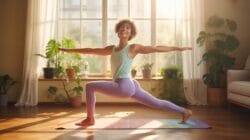
- Warrior II works the thighs, glutes, and hips as you hold the stance steady.
- Chair Pose is like a mini squat that taxes calves and quads over time.
The core is engaged through poses like:
- Boat Pose where you balance, pulling your belly in tight to keep upright.
- Plank Pose which demands that your abs, back, and shoulders coordinate to keep your body aligned.
Each pose challenges muscles differently, and mixing them helps avoid overworking one area while neglecting others.
Breath Control In Strength Building
Breathing in yoga isn’t just for calming the mind; it’s a tool to boost muscle endurance. Long, steady breaths keep oxygen flowing, which muscles need to keep working. When breath deepens, muscles receive more fuel and can stay engaged longer. You might notice that your shaking decreases and your focus improves when your breath is controlled.
Try breathing techniques like ujjayi breath — it creates a subtle sound in your throat and slows your exhale. This method helps maintain steady energy. On the other hand, shallow breaths tend to tire muscles quickly, making holding poses feel impossible. So, pairing breath control with muscle engagement is almost like working smarter rather than harder.
Still, sometimes you might find deep breathing difficult when pushing into strength, and that’s okay. It’s a skill that develops over time, and your breaths may start shallow and uneven. If that happens, just bring your focus back gently without getting frustrated. Over time, breath and muscle coordination improves, enhancing your overall strength.
Flexibility Improvement Through Yoga
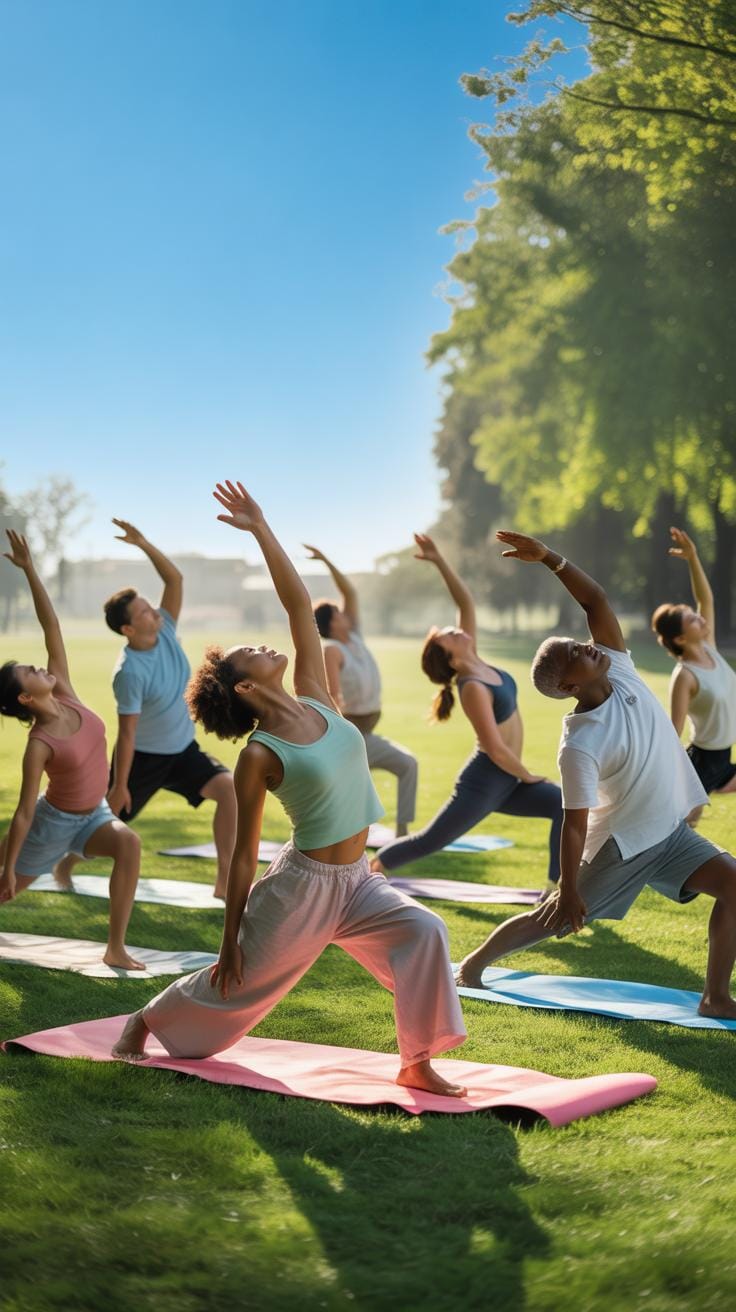
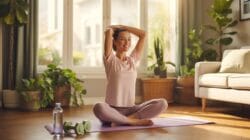
Yoga increases flexibility primarily by stretching muscles and gently challenging joints to move through their full range of motion. When you hold poses that stretch the hamstrings, hips, spine, or shoulders, the muscles adapt gradually, lengthening over time. Joints also benefit because controlled movement helps lubricate them, keeping them healthy and more mobile. I remember feeling surprisingly tight in my lower back after a few sessions of spinal twisting poses, but consistent practice reduced that stiffness noticeably.
The benefits of improved flexibility go beyond just feeling less stiff. You might notice daily movements becoming easier, like bending to tie your shoes or reaching for something on a high shelf. Flexibility can also help reduce the risk of injury during other activities since your muscles and joints tolerate a wider range of motion. Plus, some find that being more flexible helps with posture, reducing muscular tension and even easing minor aches.
Key Flexibility Poses
Certain yoga poses focus on stretching key muscle groups and enhancing joint mobility. Here are a few that work well:
- Forward Bends (Uttanasana): These stretch the hamstrings, calves, and lower back. They calm the nervous system, too, making them feel nice after a long day.
- Seated Spinal Twist (Ardha Matsyendrasana): This pose lengthens the spine and tones the obliques while gently massaging the abdominal organs.
- Downward Dog (Adho Mukha Svanasana): It opens the shoulders, hamstrings, and calves — and, yes, it’s a staple because it targets multiple areas.
- Cobra Pose (Bhujangasana): Stretching the front of the body and opening up the spine, this pose counters hours of sitting and slouching.
Routine For Daily Flexibility
A simple daily routine can keep your flexibility steadily improving without feeling like a chore. You might try something like this:
- Begin with 1-2 minutes of gentle shoulder rolls and neck stretches to wake up the upper body.
- Move into 30 seconds to 1 minute of forward bends, focusing on relaxing your hamstrings rather than pushing hard.
- Spend about a minute or so in seated spinal twists, switching sides slowly.
- Hold downward dog for 1-2 minutes, taking short breaks if needed, then transition into cobra pose for 30 seconds.
Even when you’re pressed for time, these few poses done regularly can create noticeable changes. You’ll find your muscles opening up and joints feeling freer. It’s worth asking yourself how your body responds on days you skip this routine—does the tightness return quickly? Experiment and see.
Compare Yoga With Other Exercises
Yoga Vs Weight Training
You might think weight training is the go-to for building strength, and in some ways, it is—lifting heavy weights challenges your muscles directly, making them grow stronger and bigger over time. Yoga, on the other hand, relies on your own body weight and balance. The strength you gain from yoga feels different; it’s often more about endurance and control rather than sheer muscle size.

For example, holding a plank pose in yoga engages multiple muscles at once, improving core strength and stability. Weight training usually isolates muscles more. So if you want big, bulky muscles, weightlifting might suit you better. But if your goal is building lean strength with better body awareness, yoga could be more your style.
There’s also the mental aspect—yoga connects breath and movement, which weight training typically doesn’t focus on. So it’s not just physical strength yoga builds. That said, if you’re after powerlifting or bodybuilding goals, yoga alone might feel a bit slow.
Yoga Vs Stretching Exercises
People often think stretching is all yoga is about, but yoga goes beyond simple stretches. Regular stretching targets specific muscles, usually aiming just to loosen tight areas. Yoga combines stretching with strength poses and breath control, making the flexibility gains different and often deeper.
For instance, when you stretch, you might hold a hamstring stretch for 20 seconds and release. Yoga requires holding poses longer and engaging opposing muscles, which helps build strength as your flexibility improves. Plus, the mindful breathing in yoga encourages relaxation, which can make your muscles release tension more effectively than passive stretching.
Also, yoga incorporates balance and coordination, while stretching does not. This interplay means yoga challenges your body in a way that stretching alone just can’t match. So if you want to improve flexibility with a fuller-body approach, yoga’s worth trying rather than just sticking to stretching routines.
Create Your Yoga Practice Checklist
Essential Yoga Equipment
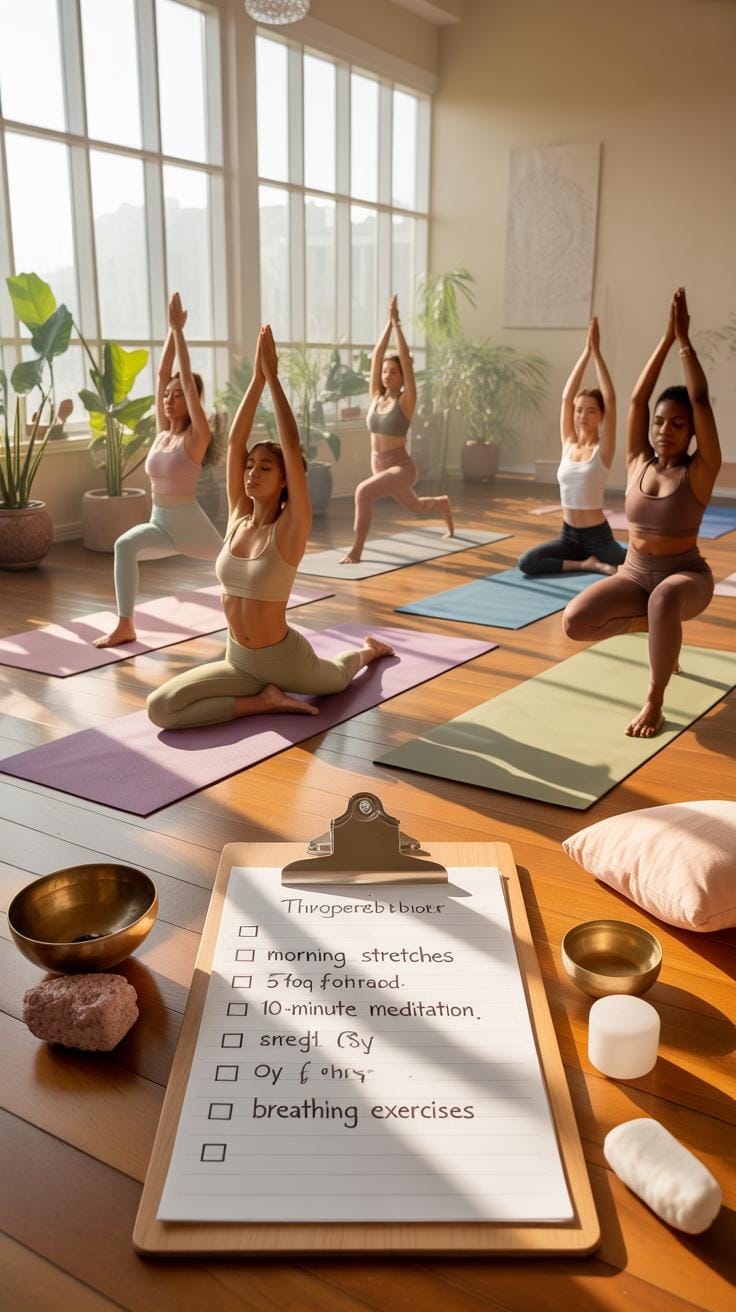
Start with a good yoga mat. It doesn’t have to be top-of-the-line, but something that offers grip and cushioning is key. A slippery mat quickly ruins focus, especially when you’re working on balance poses for strength.
Comfortable, stretchy clothing makes a big difference too. Tight or restrictive fabrics can distract or even limit your range of motion, which defeats the purpose. Go for breathable materials that let you move freely but also hold up through sweaty sessions.
As for accessories, blocks and straps help extend your reach and stabilize challenging poses. They can support your body in positions that might feel intimidating otherwise. A bolster or blanket also adds comfort during relaxation or seated stretches. These aren’t mandatory but often make the practice more enjoyable, especially if flexibility is still a work in progress.
Practice Schedule Tips
Consistency beats intensity, especially when building strength and flexibility. Aim for shorter daily sessions rather than occasional long ones. You might try 20 to 30 minutes, which actually feels manageable even on busy days. That said, listen to your body—some days may demand rest or gentler stretches, and that’s okay.
Set a fixed time to practice, if you can. Morning can energize your day, but some find evening yoga helps unwind and improve sleep. Experiment and see what suits your rhythm. Track your progress too. Sometimes noticing small gains in flexibility or holding strength-intensive poses longer can fuel motivation.
Finally, mix it up. Repeat core poses for strength like plank or warrior, but balance them with flexibility work such as forward bends or hip openers. Variety keeps things interesting and prevents plateaus. Have you ever found yourself plateauing or losing interest? Switching the routine might help.
Avoid Injury During Yoga
Common Causes of Yoga Injuries and Safe Practice Tips
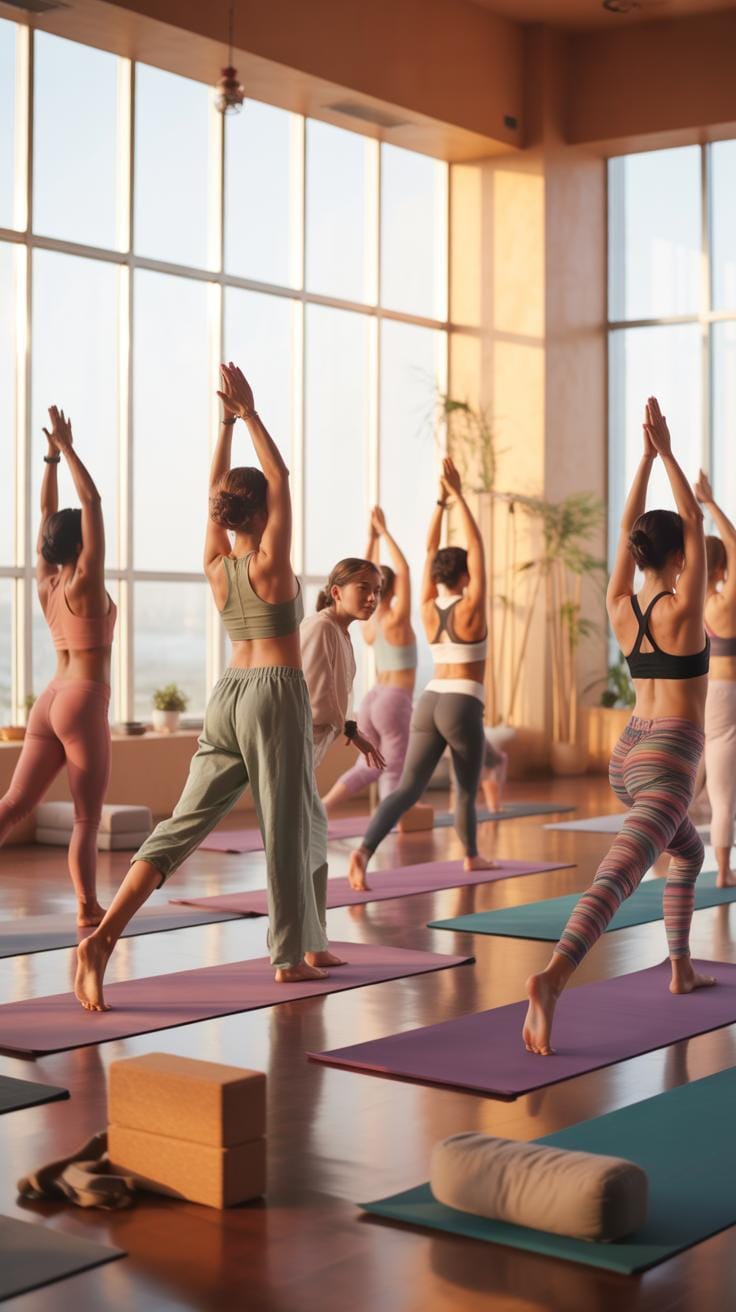
Yoga injuries often happen when you push too hard, too fast. Overstretching muscles or joints without proper preparation is one big culprit. Another common cause is improper alignment. You might think you’re holding a pose correctly, but slight mistakes can add up and strain your body. Rushing through poses without listening to your limits also increases risk.

To practice safely, slow down and focus on form. Use props like blocks or straps to support your body when needed. Trust your body’s feedback—if something feels sharp or painful, back off. Also, don’t feel pressured to match others’ flexibility or strength. Yoga isn’t competition; it’s personal. Staying mindful and patient often prevents injuries more than anything else.
Proper Warm-up Moves
Warm-ups prepare your muscles and joints, reducing the chance of strains. Start with gentle movements that loosen your shoulders, neck, hips, and spine. Simple neck rolls or shoulder shrugs can ease tension. Cat-cow stretches mobilize your spine and connect breath with motion. Light twisting motions wake up your core and back.
It may seem like skipping warm-up saves time, but it’s worth those extra minutes. I’ve noticed days when I jump straight into intense poses, my body protests more. A bit of light stretching before a session makes a surprising difference. Think of warm-ups as a nudge, not a full workout—you want your muscles awake, not tired.
Signs Of Overstretching and How to Adjust
Recognizing when you’re overstretching can be tricky. If you feel sudden sharp pain, or if a stretch leaves you struggling to breathe easily, it’s likely too much. Muscle shaking or numbness during a pose can also signal strain. Sometimes your muscles might feel deeply uncomfortable rather than a gentle stretch—don’t ignore that discomfort.
Adjusting means loosening the pose or changing angle. Use props or bend your knees if hamstrings protest. Take micro-breaks or hold poses for shorter times at first. Often, easing up helps with better progress in the long run. Remember, yoga encourages patience with your body, not forcing it into shapes it’s not ready for yet.
Track Your Yoga Progress
Strength Testing Methods
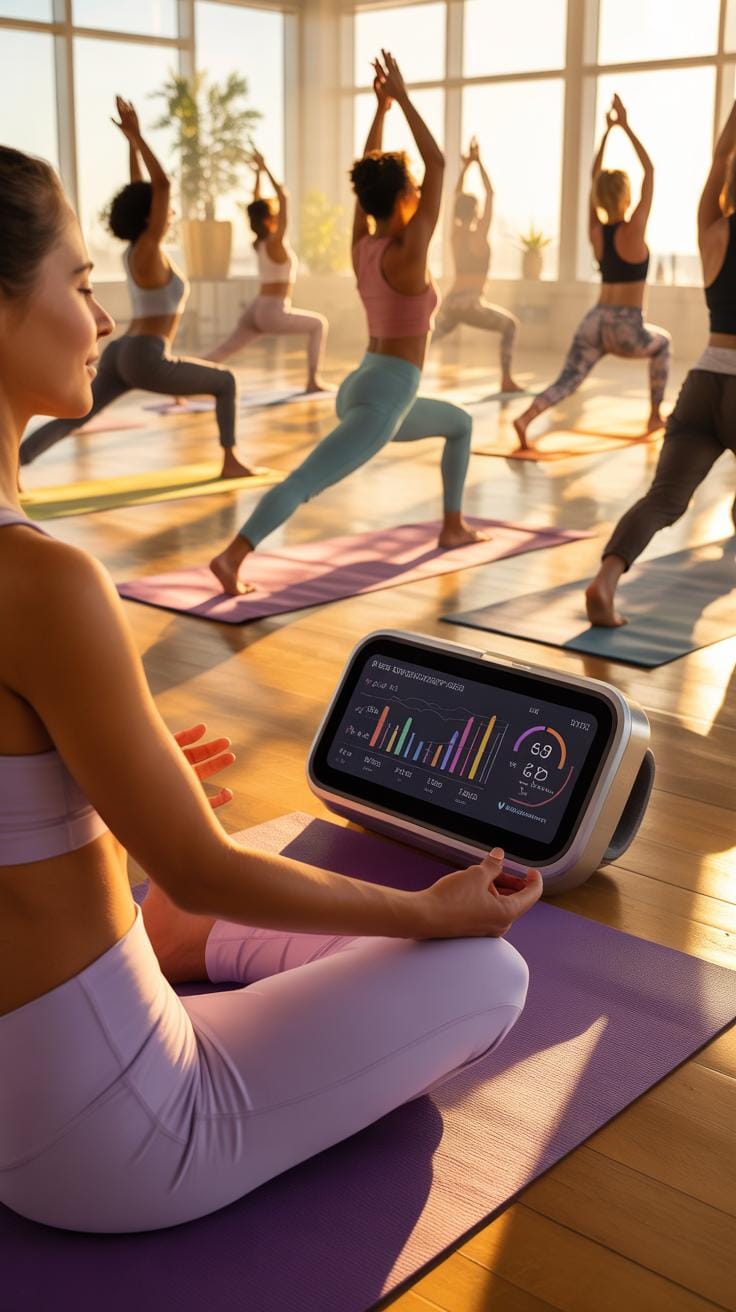
To notice real changes in muscle strength from yoga, it helps to have simple ways to test yourself. One easy way is to time how long you can hold a pose, like plank or chair pose. For example, if you started by holding plank for 20 seconds, and after a few weeks it’s 40 seconds, that’s a clear sign your core and arm strength might be improving.
Another test involves counting repetitions of certain movements. Try doing a set number of poses targeting the same muscle group—like Warrior II lunges—and see if over time you can do more reps or hold them with less fatigue. You could also measure push-up variations, like chaturanga, to track upper body strength.
Don’t expect huge leaps every week. Strength builds gradually, and sometimes improvements feel subtle. But these tests give something concrete to focus on, instead of just guessing if you’re getting stronger.
Flexibility Measurements
Flexibility progress is easier to measure but still tricky if you’re not paying attention. One approach is to track how far you can reach in stretches. For example, measuring fingertip distance to your toes during forward bends or noting how deep you can go in a hip opener like pigeon pose.
You could also use simple joint angle measurements. For instance, try to straighten your knees fully or monitor how much the shoulder rotates in seated twists. Even marking where your hands land on your back during cow-face arms can be surprisingly revealing.
Taking photos or videos in poses over time might also show subtle improvements you don’t feel immediately. Sometimes flexibility gains are slow and uneven—one day your hamstrings might feel tight, the next looser. Regular checks keep you honest about your progress, and maybe motivated to keep going.
Motivate Yourself To Practice Yoga
Set Clear Yoga Goals
When starting or continuing yoga, having clear goals can really help you stick with it. But what kind of goals? Small and specific ones tend to work best. Instead of saying, “I want to be flexible,” try aiming to touch your toes after a few weeks or hold a plank pose for 30 seconds. These bite-sized targets feel doable and give you a real sense of progress.
Tracking these goals, even in a simple journal or app, makes a difference. You might find that when you see small wins, you want to keep going. Of course, sometimes motivation dips, and that’s normal. But goals can pull you back when interest fades or life gets busy.
Use Yoga As Stress Relief
Yoga isn’t just exercise. It’s a tool you can turn to when feeling tense or distracted. Stretching your body while focusing on breath calms the mind in ways few activities do. When stress hits, even a short 10-minute session can shift your mood noticeably.
Many people find themselves coming back to yoga after a tough day because it helps ground their thoughts. You might notice your muscles relax, your heartbeat slows, or your mind quiets—nothing magical, just a practical pause. It’s like pressing reset, and that can really encourage regular practice.
Conclusions
Practicing yoga regularly builds your body’s strength and increases flexibility. It helps your muscles stay healthy and your joints move freely. Through consistent effort with the right poses, you will notice improvements in how you move and feel.
Yoga also teaches you to control your breath and focus your mind. These benefits support your overall well-being and make daily activities easier. Start with simple poses, add them to your routine, and watch your body grow stronger and more flexible.