
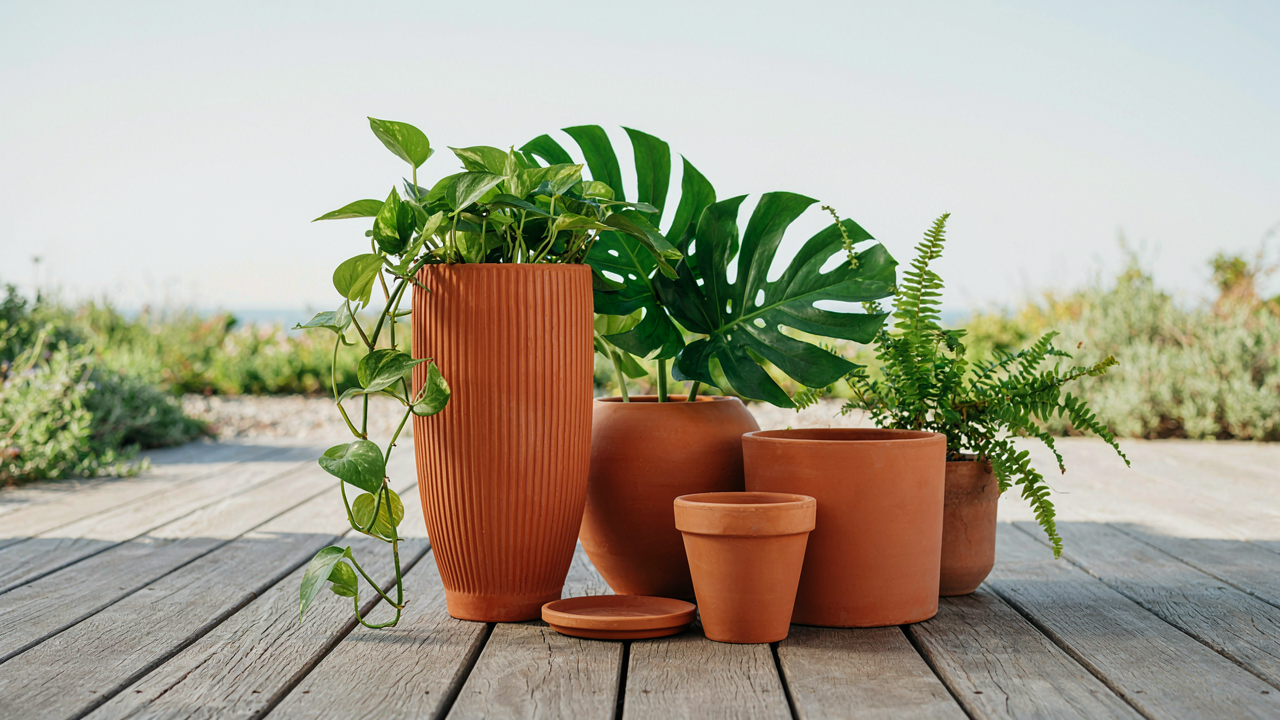
The Unseen Advantage Of Bare Terracotta Pots
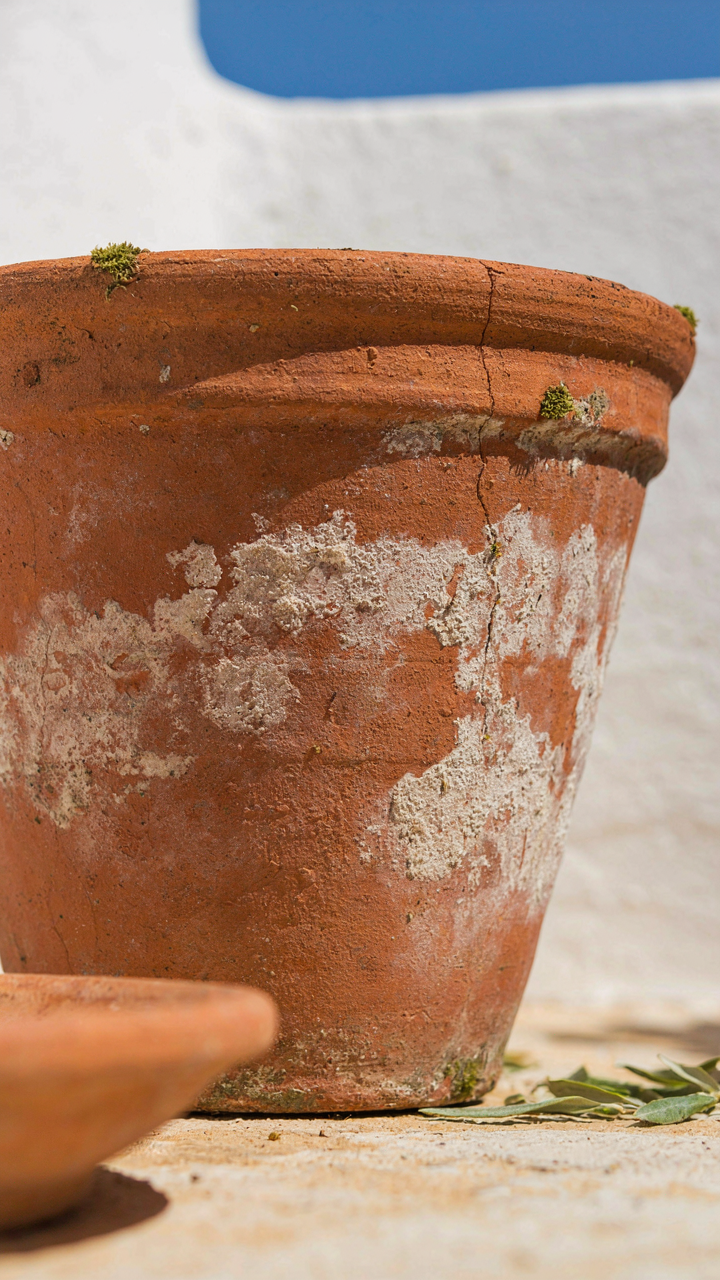
How Patina Builds Real Character
You want your pots to look intentional without effort. That’s the real draw here. Bare terracotta develops patina through time and exposure, which means the pot gains visual weight without you staging anything. Think of patina as biological aging in materials—clay oxidizes and minerals migrate to the surface, creating depth that no paint or finish can replicate on demand. A bare pot left outside accumulates mineral deposits, salt residue, and weathering patterns that telegraph authenticity. This isn’t nostalgia. It’s evidence of function.
The mechanism is simple: terracotta is porous. Water moves through the clay walls carrying dissolved minerals and salts. When water evaporates at the surface, those minerals stay behind. Over weeks and months, visible white or gray deposits appear, along with subtle color shifts in the clay itself. This patina layer actually seals the pot slightly, making it more durable. You don’t need to do anything except leave the pot exposed to natural conditions. The environment builds the styling for you.
Texture As The Real Foundation
Most advice tells you to paint or seal terracotta pots. That’s incomplete. Raw terracotta has inherent texture that works harder than any treatment you could add. The rough surface catches light differently at every angle, creates shadow variation, and signals quality through tactile honesty. In design language, this is material authenticity—letting the substance speak instead of covering it. Bare clay doesn’t distract. It anchors a space because it refuses to perform.
The texture stops working the moment you primer-and-paint it smooth. You’ve killed the mechanism that made the pot valuable in the first place. Leave the surface raw. Pair it with soil, plants, or complementary materials that respect that roughness rather than fight it. Bare terracotta styled well means choosing what surrounds it, not what covers it.
The Minimalist Terracotta Planter Principle
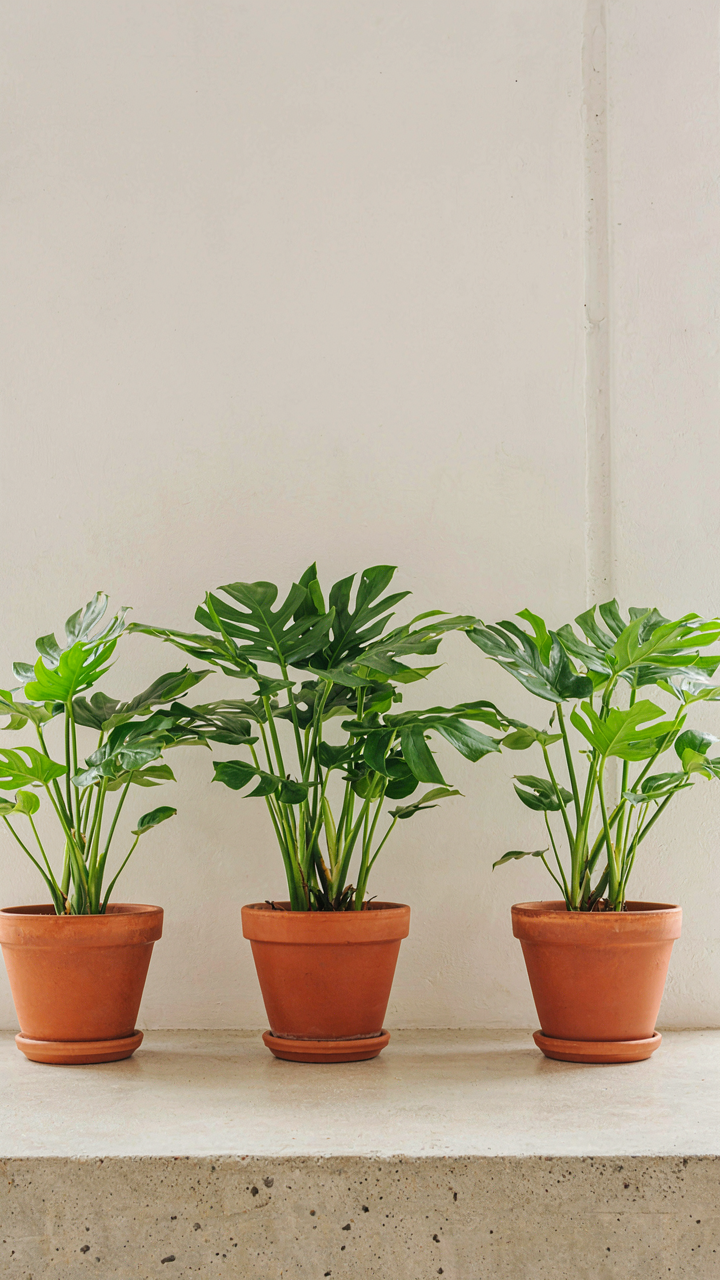
One Plant One Pot Focus
You want permission to stop overthinking this. The real mechanism here is constraint. In design systems, constraint forces decision-making instead of paralysis. One plant per pot removes the variable that kills most beginners: competing visual hierarchies. Terracotta’s neutral tone amplifies this effect because nothing fights for attention. The pot becomes invisible support for the plant, not a statement piece fighting alongside it.
This approach mirrors how terracotta itself was used historically. Ancient potters understood that a single strong form outlasts decoration. A six-inch pot with one thriving monstera reads cleaner than a twelve-inch pot crammed with three struggling plants competing for water and light. The plant size must match pot scale, and the pot must match the space it occupies. Execution requires you to measure your available surface space, count available light hours, and select one plant that thrives in those exact conditions.
Strategic Grouping For Impact
Most advice tells you to group odd numbers. That’s incomplete. The real principle comes from visual weight distribution in composition. Group pots by soil moisture requirement, not by aesthetics. Three succulents in terracotta (low water) can cluster safely. A fern and a snake plant cannot share shelf space without one suffering. Grouping by care need prevents the situation where you water everything on schedule and kill the drought-tolerant plant.
The mechanism works like this: cluster two to four pots of the same plant type or identical water schedules. Space them close enough that they read as one visual unit from normal viewing distance. Odd numbers feel natural to the eye only when the arrangement reflects actual plant biology. A group of two identical pothos vines on a shelf works better than three random plants that need different watering rhythms. Position groups at corners or endpoints of surfaces, never scattered randomly across a table.
Terracotta Pot Planting Ideas: The Contrast Theory

Foliage Texture Against Clay
You want your pot to disappear so people notice your plants instead. That’s the real mechanism at work here, and it comes straight from design principle called negative space. In design, negative space isn’t empty—it’s a controlled absence that makes the subject punch harder. Terracotta operates the same way. The clay becomes negative space when you choose foliage that contrasts its surface texture, forcing the eye to land on what’s growing, not the container holding it.
Smooth, fine-leafed plants create the sharpest contrast against terracotta’s porous, grainy surface. Ferns, asparagus fern, and string of pearls work because their delicate structure reads as visual noise against the pot’s rough texture. Spiky plants like snake plant or sansevieria force the same contrast through geometry rather than scale. The pot recedes. The plant wins.
Flower Color Pop On Terra Cotta
Most advice says “pick complementary colors,” which is technically correct but practically useless because it ignores what terracotta actually is—a warm, earthy red-orange that sits in a specific part of the color spectrum. That means most flowers won’t pop against it naturally. Purple, deep blue, and magenta flowers create genuine visual separation because they oppose terracotta’s warmth. White flowers work through brightness, not color theory. Orange or red flowers disappear entirely on terracotta pots because they harmonize instead of contrast.
The mechanism is simple: opposing colors force contrast, brightness forces contrast, and harmony creates invisibility. Plant deep purple petunias or calibrachoa against standard terracotta and the flowers dominate the visual field. The pot becomes structure, not decoration. Choose one flower color per pot and saturate it fully rather than mixing multiple colors hoping something lands.
Gardening In Pots: The “Rule Of Thirds” For Placement

Stack Pots By Height, Not Symmetry
You want your arrangement to look intentional, not accidental. That’s the real fear driving this question. The mechanism is borrowed from composition in visual art: horizon lines and focal points control where eyes travel. In pot placement, height variation creates multiple eye stops instead of one flat plane. Unequal heights force the viewer’s eye to move, which reads as deliberate arrangement rather than lazy clustering.
The mistake everyone makes is thinking symmetry equals balance. It doesn’t. A 24-inch pot next to a 12-inch pot next to an 18-inch pot creates visual rhythm. Place your tallest pot slightly off-center, your medium height pot adjacent to it, and your smallest pot forward. This staggered depth draws the eye through the entire grouping rather than stopping at the middle. The viewer’s gaze follows the height ladder you’ve constructed.
Distribute Visual Weight Across The Space
Visual weight in design refers to how heavy an object appears based on size, color, and material density. Terracotta’s mass operates the same way: a large pot with rich soil and foliage weighs more visually than an empty small pot. Don’t load all your heavy pots on one side of a patio or shelf. Scatter them. A single large pot on the left balances three medium pots on the right because their combined visual mass creates equilibrium, not their actual count.
The rule of thirds applies here too. Divide your planting space into a mental grid. Place your largest pot at one intersection point, never in the dead center. Position a secondary pot at another intersection, leaving the remaining zones lighter. This prevents clustering and makes the space breathe. The viewer processes the composition as intentional because weight distributes across the field, not bunched in one location.
Terra Cotta Garden Design: The Negative Space Protocol

When Empty Space Works Harder Than Stuff
You want your pots to look intentional, not accidental. That’s the real fear underneath all this. The mechanism is borrowed from graphic design: negative space is the absence that creates visual weight. In terracotta pot styling, empty space around and between pots functions exactly like white space on a page. It stops the eye. It forces attention onto what matters. Most beginners pack pots together because they think density equals abundance. It doesn’t. It creates visual noise.
Terracotta’s warmth actually demands breathing room. When you space pots with intention, the material itself becomes the statement, not the collection. A single large pot with three feet of empty ground around it reads as deliberate. Five pots crammed together reads as leftover inventory. The gap between objects is design work. Measure it. Respect it. Let the terracotta sit in what surrounds it, not buried in competition with other pots.
The Math Of Restraint
Stop adding pots hoping something sticks. This advice to “layer and build” misses the point entirely. You’re actually reducing impact with each addition. Restraint is the protocol. Use odd numbers when you group pots, but keep the groups small: one, three, or five maximum in a visual zone. The space between becomes the frame that contains them. Empty space between pots is as important as the pots themselves. It’s what makes each one visible instead of absorbed into clutter.
Apply this rule: one focal pot per viewpoint. If someone looks at your garden corner, they should see one terracotta piece first, then secondary elements if they search. This hierarchy only works when you’ve cleared everything else away. Remove pots until the remaining ones stop fighting for attention. The last pot you remove is the moment you nailed it.
Terra Cotta Pots Garden: The Ecosystem Analog
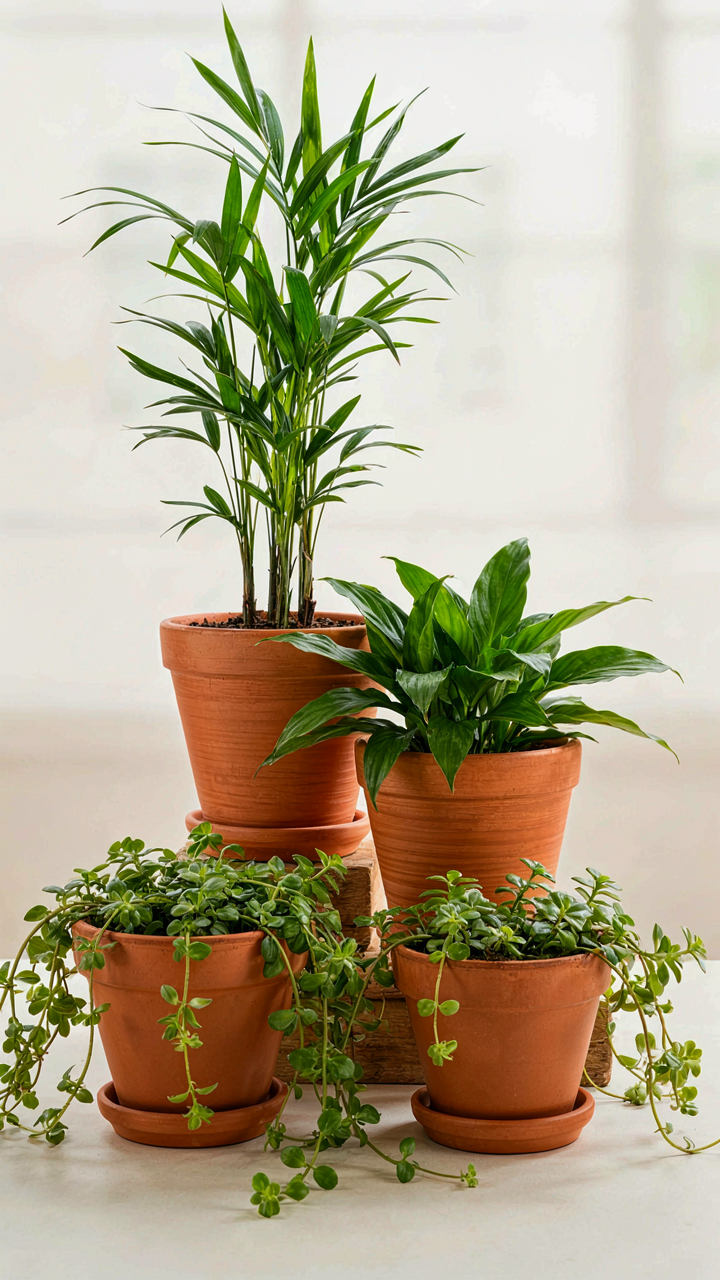
Copy Nature’s Layering System
You want your pots to look intentional without effort. That’s the real ask here. The mechanism is biomimicry from ecology: natural plant communities don’t scatter randomly. They stack by height, density, and root competition. Your terra cotta arrangement works the same way. Taller specimens anchor the back. Mid-level plants fill the middle. Ground-level spreaders spill forward. This isn’t decoration. It’s visual hierarchy borrowed from how forests actually organize themselves.
The standard advice is to mix heights and textures. That’s incomplete. You need to mirror ecological stratification. Place a tall thriller plant in the back of your arrangement. Add intermediate spillers in the middle zone. Front plants should cascade low and spread outward. This creates depth without looking staged. The viewer’s eye travels naturally through the composition because it mirrors a system their brain recognizes from nature. The arrangement feels stable because it follows rules plants evolved under.
Plant Rotation For Sustained Visual Momentum
Succession planting is ecology’s term for how plant communities shift and evolve over time. Apply that directly to terra cotta pot styling. Most people stuff their pots once and leave them static for months. That’s wasted potential. You layer planting cycles so something always transitions into view as something else fades. Early spring bloomers give way to summer foliage plants, which yield to fall color. The pot never looks tired because the composition renews on schedule, not by accident.
Start by mapping three planting phases for each pot: spring interest, summer dominance, fall transition. Choose species that actually thrive during those windows in your climate. Remove spent plants promptly and insert new ones. This isn’t replanting from scratch each time. You’re swapping one or two specimens while keeping the structural plants in place. The terra cotta pot becomes a stage where different performers take the spotlight on rotation. The mechanism is momentum through planned change, not stagnation disguised as stability.
Terracotta Plant Pots: Weathering The Elements
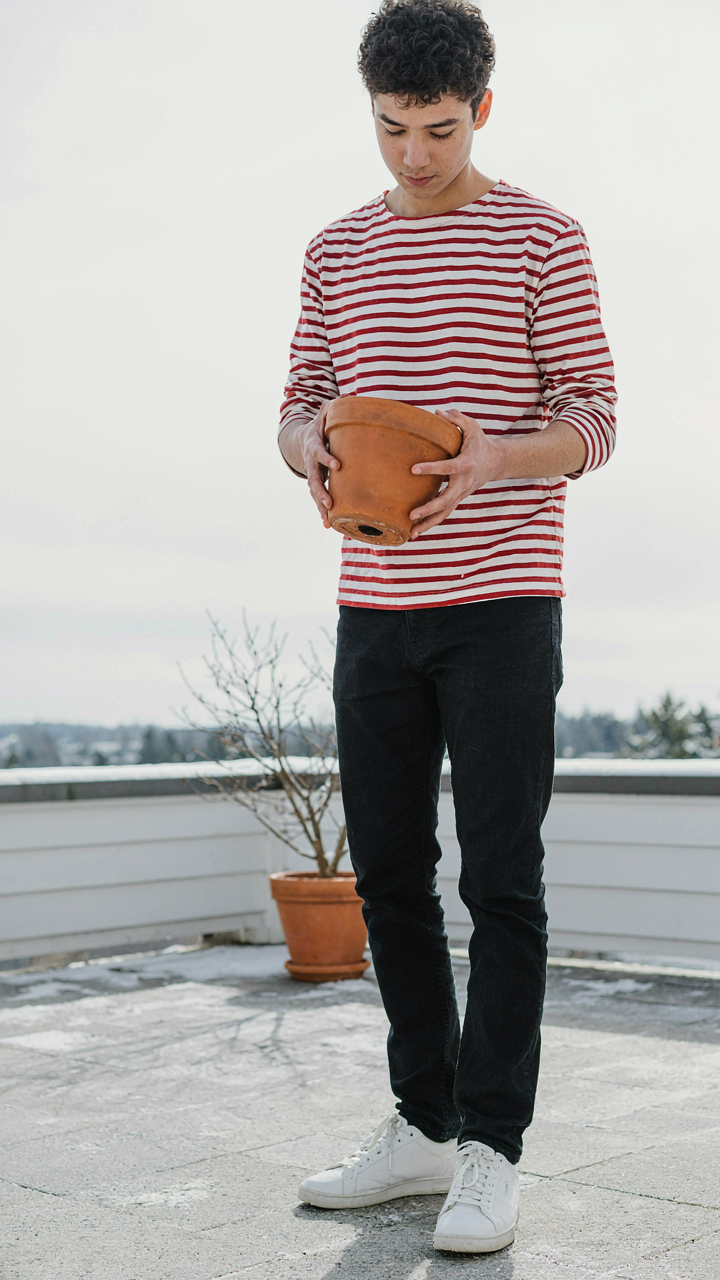
Getting Drainage Right The First Time
You want your pots to look intentional, not like you’re waiting for root rot to ruin the aesthetic. Here’s the mechanism: terracotta is porous, which means water moves through it bidirectionally. You’re not just fighting gravity pulling water down—you’re fighting capillary action pulling moisture up from the soil into the pot walls themselves. That’s physics, and it’s non-negotiable.
The common advice here is weak. People say “just drill holes” or “add gravel at the bottom.” Both miss the point. You need a system that prevents water from pooling and soil from contacting the pot base directly.
- Pot Hole Size: Use a 3/8-inch drill bit minimum. Small holes clog with compacted soil over time. Larger holes move water faster than soil can absorb it.
- Multiple Drainage Points: One center hole creates a funnel. Install three to five holes distributed around the base to distribute outflow and prevent localized saturation.
- Pot Feet or Riser Base: Elevate the pot 0.5 to 1 inch off surfaces. This breaks the capillary bridge between soil and standing water underneath. Use ceramic feet, pebbles, or wooden blocks.
- Soil Composition: Mix your potting soil with perlite at a 3:1 ratio for standard houseplants. Perlite doesn’t rot, compacts slowly, and keeps air channels open longer than bark or moss.
- Saucer Emptying Protocol: Check saucers every 48 hours after watering, not daily. Remove standing water immediately. Leaving water sitting inverts the drainage system’s purpose.
The system works because you’ve removed three failure points: water accumulation, soil-to-pot contact, and overly dense soil. Wet terracotta that stays wet breeds root disease and pot deterioration. Drainage isn’t optional styling—it’s the foundation that lets everything else matter.
Protecting Terracotta Through Winter
Most people think winterization is about wrapping pots in burlap and hoping. That’s incomplete reasoning dressed up as caution. The actual threat isn’t cold—it’s the freeze-thaw cycle. Water enters the porous terracotta structure, freezes, expands 9%, and cracks the pot from inside out. One season of this and your pot fragments.
The real approach targets water retention in the material itself. Move pots indoors if temperatures drop below freezing consistently in your climate. If you keep pots outside year-round in cold zones, apply a terracotta sealer in fall—one that fills surface pores without blocking drainage completely. Standard acrylic sealers work. Reapply annually because weathering degrades the layer. Stop watering outdoors when nighttime temperatures hit 40 degrees Fahrenheit. Dry pots survive freeze cycles better than wet ones because there’s less water inside the material to expand. For pots you can’t move, lean them at a 45-degree angle to shed water and reduce freeze-thaw impact on the base where cracks typically initiate.
The “Less Is More” Terracotta Pot Styling Ideas
Curated Selections Not Collections
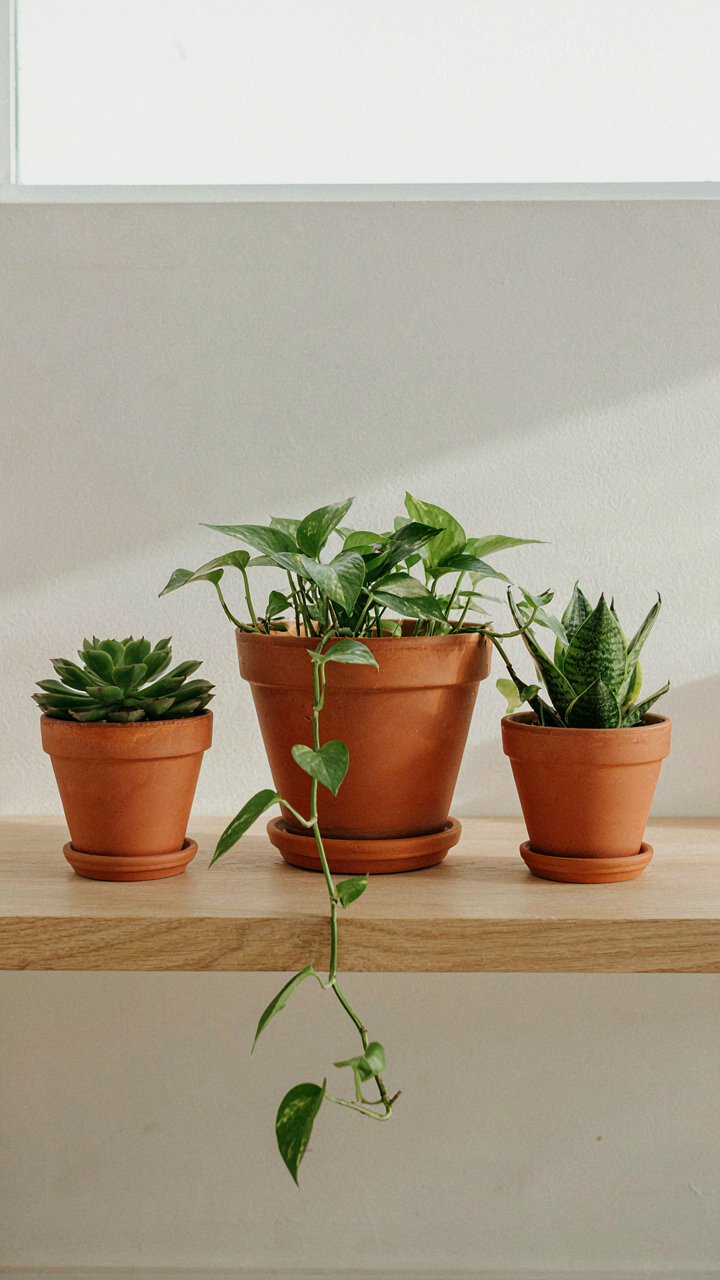
You’re worried people will think your space is sparse. That’s the fear driving the impulse to fill every surface. Here’s the mechanism: your brain equates quantity with effort and care. It doesn’t. Curation is a scarcity signal. Three perfectly placed terracotta pots with intentional plant choices communicate more restraint and taste than twelve mismatched sizes crammed together. The visual hierarchy actually emerges when negative space exists.
A curated arrangement forces each pot to earn its position. When you remove the visual noise, scale relationships become obvious. A single large pot with trailing succulents beside two medium vessels creates rhythm. Random groupings destroy it. This is why galleries don’t cover every inch of wall space with paintings. Constraint clarifies intent.
Intentionality Over Impulse Buying
The common advice says “buy what you love.” Wrong. That’s how you end up with eight terracotta pots in three different shades of natural clay that clash under different lighting. Intentionality means deciding the purpose first, then selecting the pot. Are you creating a focal point on a patio? A corner accent? A threshold marker? The function determines size, height, and placement before you buy anything.
Your buying protocol: define the spot, measure the dimensions, identify what grows there, choose one pot that solves that specific problem. Then stop. Second purchases happen only when you identify a second empty space with the same clarity. This eliminates decision paralysis and prevents the collection mentality that makes spaces feel cluttered rather than designed. One clear decision at a time beats shopping trips fueled by aesthetics alone.
The Real Obstacle Isn’t Your Pots; It’s Your Inability To Define Your Aesthetic
Most people fail at terracotta styling because they chase every trend instead of building a visual identity. You need to spend thirty minutes today scrolling your phone, screenshotting pot arrangements that actually make you stop. Notice what repeats. Notice the colors, textures, spacing. That’s your north star. Everything else is just execution. Your pots aren’t the problem, your vision is.



