
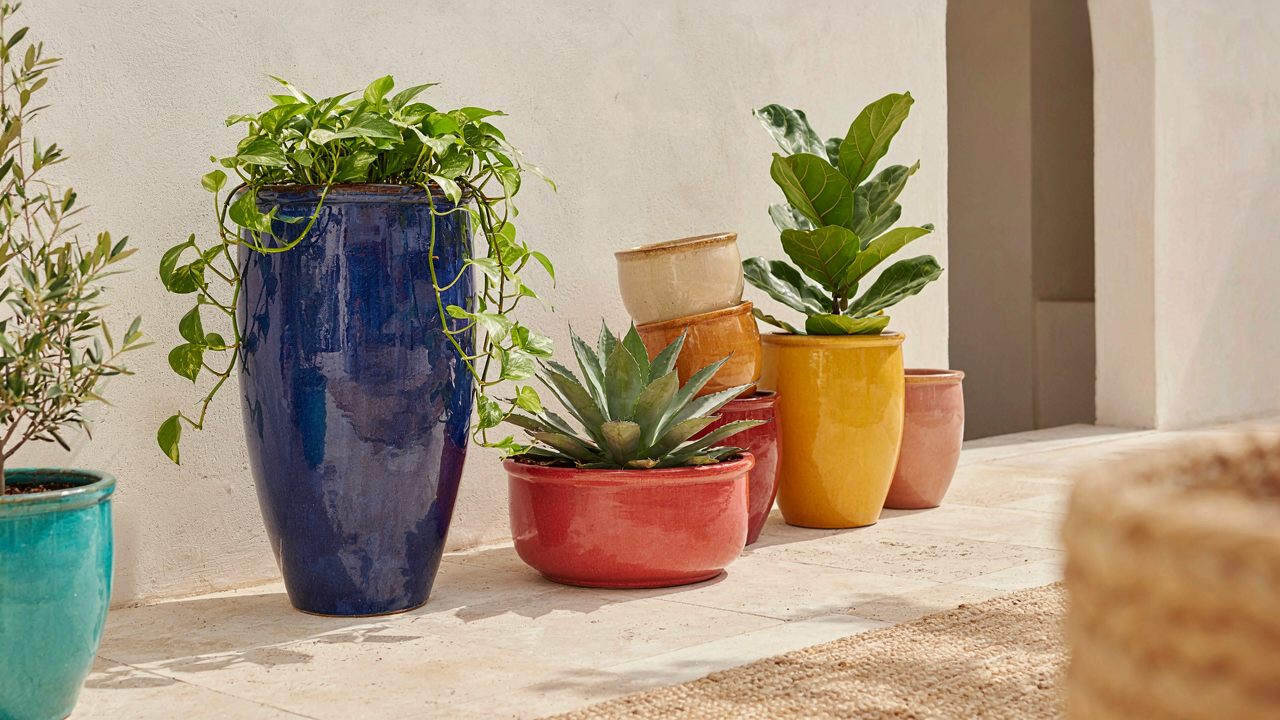
The Porosity Paradox: Glazed Vs. Unglazed Terracotta Pots

How Glaze Actually Changes Water Movement
You want glazed terracotta because it looks refined, but you’re really after proof that you understand plant care better than the person next to you. Here’s the mechanism: unglazed terracotta is porous ceramic—water moves through the walls via capillary action, evaporating constantly. Glazing seals the surface with a glass-like coating, blocking that passage. The glaze doesn’t eliminate porosity entirely; it reduces it dramatically, trapping moisture inside longer.
This matters because soil dries differently inside a glazed pot. Unglazed terracotta can lose 40 to 50 percent of its water through sidewall evaporation alone. Glazed pots retain that water, shifting when the soil actually dries out. Plants requiring consistent moisture, like ferns or peace lilies, thrive in glazed pots. Succulents and cacti prefer unglazed, where faster evaporation prevents root rot. Glaze thickness and finish quality determine how much moisture stays trapped, making pot choice a direct input into watering frequency.
Thermal Behavior Under Different Surface Conditions
Temperature regulation works like thermal mass in architecture—denser, sealed surfaces absorb and release heat differently than porous ones. Glazed terracotta holds temperature longer because the glaze layer insulates the soil from rapid air temperature swings. Unglazed terracotta acts as a heat sink, pulling warmth from soil to the surrounding air through constant evaporation.
In direct sun, glazed pots keep root zones cooler by reducing evaporative cooling loss. Unglazed pots chill soil faster but also heat it faster when the sun moves. For tropical plants sensitive to temperature fluctuation, glazed pots provide stability. For hardy perennials adapted to variable conditions, unglazed offers no disadvantage. The practical step: in hot climates, choose glazed for tender plants; in moderate climates, either works if you adjust watering patterns accordingly.
Beyond Basic: Glazed Terracotta Planter Material Science
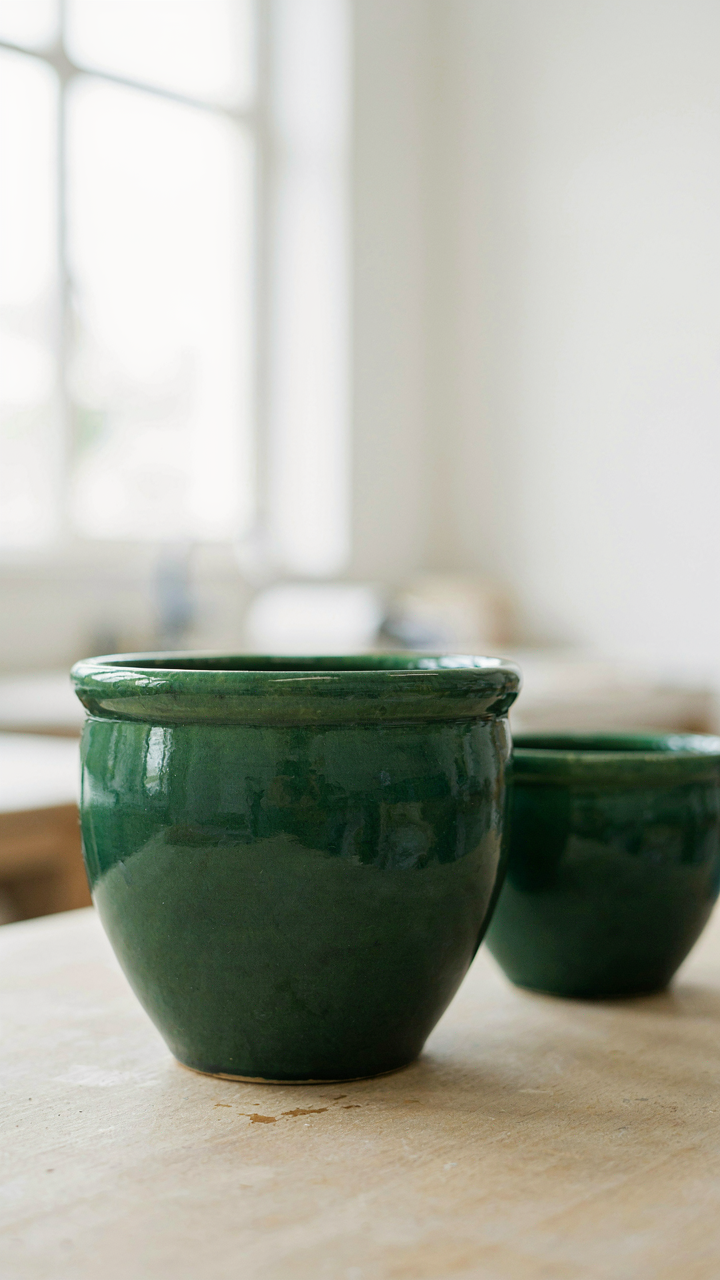
What Actually Happens In The Kiln
You care about this section because you want to know if you’re paying for real durability or just marketing language. Here’s the mechanism: clay composition determines how the material behaves under heat, and firing temperature controls whether your planter survives freeze-thaw cycles or cracks after one winter. Most terracotta is earthenware fired between 1000-1150 degrees Celsius. The clay body contains iron oxides and silicates that soften at these temperatures, creating a porous structure. This porosity is why unglazed terracotta breathes but also absorbs water that expands when frozen.
Glazed terracotta changes the game because the glaze layer seals that porosity. The glaze itself is a glass coating made from silica, feldspar, and flux materials that melt together during firing. Higher firing temperatures around 1200 degrees Celsius make the glaze bond stronger to the clay body. The critical variable nobody mentions plainly: the clay body and glaze must have matching thermal expansion rates, or the glaze crazes (develops fine cracks) within months. Cheap planters skip this calculation entirely.
The Glaze Layer Does More Than Look Good
Glaze functions like a protective membrane in materials engineering terms, similar to how a seal prevents substrate degradation in industrial coatings. Different glaze chemistries create different outcomes. Matte glazes contain less flux, so they’re harder but more brittle. Glossy glazes contain more flux, making them more flexible but prone to showing water spots. High-fire glazes (applied at hotter temperatures) fuse so completely with the clay that they’re nearly impossible to chip. Low-fire glazes look richer in color but chip easier because they sit on top of the clay rather than bonding into it.
The glaze thickness matters more than most people realize. A thin glaze cracks under stress. A thick glaze can flake off in sheets. Professional potters target a specific thickness range, usually 0.5-1mm, measured during application before firing. Once fired, you can’t adjust it. This is why handmade glazed terracotta often outperforms mass-produced versions: the application process gets consistent attention. When buying, examine the glaze surface for uniformity and run your finger along the rim to feel if the glaze edge is sharp or rounded, which indicates whether the maker controlled thickness during production.
The “Root Resilience” Protocol: Choosing For Plant Health
Porosity And Plant Type Alignment
You’re really asking whether a pot will let your plant breathe or drown it—that’s the fear underneath. Here’s the mechanism: glazed terracotta sits on a spectrum. Glazing reduces porosity, which controls water evaporation rate. A fully glazed pot holds moisture longer. A partially glazed pot breathes moderately. Raw terracotta breathes fastest. Match the plant’s water need to the pot’s actual permeability, not its appearance. Succulents need fast evaporation. Ferns need slower moisture loss. Glazed surfaces let you manipulate this variable intentionally.
The common advice treats all terracotta as identical. It’s not. Interior glaze thickness matters. Exterior glaze finish matters less than you think. A pot glazed on the interior only dries slower than exterior-only glazing. Test this: a glazed pot keeps soil moist 3 to 5 days longer than unglazed, depending on climate and pot size. This isn’t decoration. This is hydrology. Choose your glaze coverage based on how often you actually water, not how often you think you should.
Drainage Hole Design And Root Survival
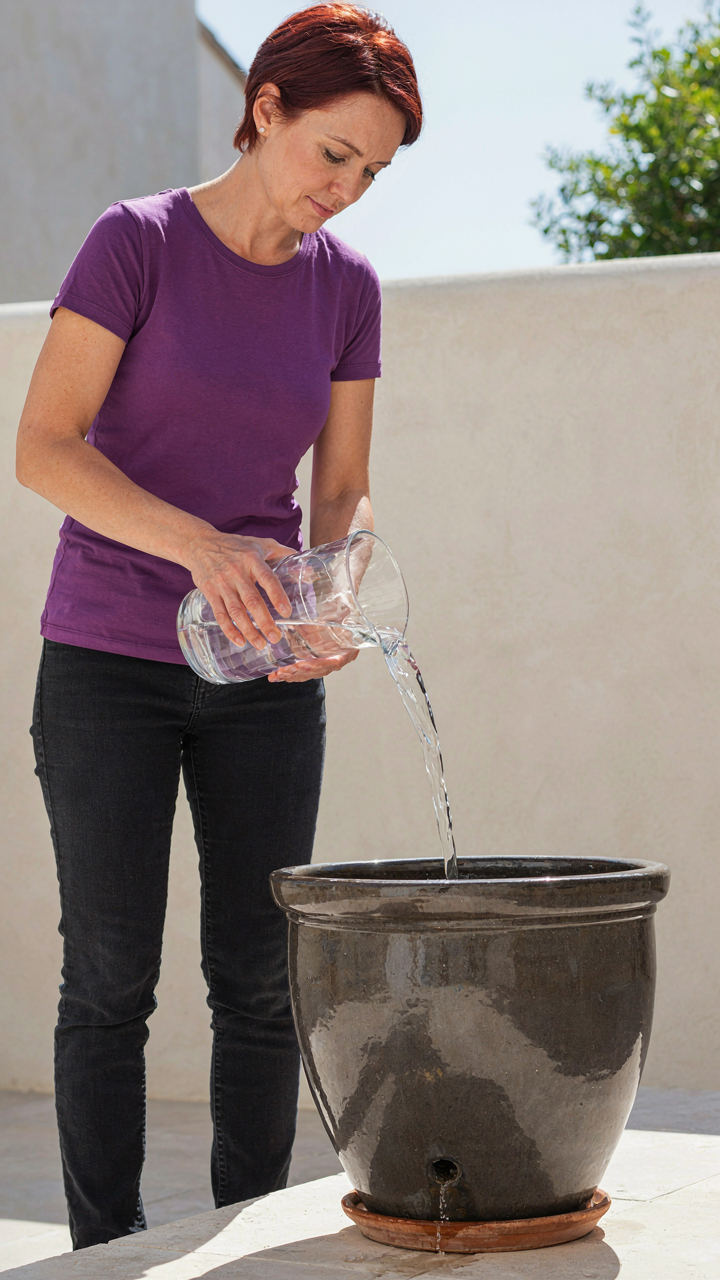
Drainage holes aren’t optional features—they’re the difference between root rot and root function. Glazed terracotta creates a problem most people miss: a glazed drainage hole narrows faster than an unglazed one. When glaze pools at the hole’s edge during firing, it can partially seal the opening. This isn’t a defect. It’s a firing consequence. Small particles and algae accumulate there, compounding the blockage over time. You need to inspect the hole before you buy. Look straight through from outside to inside with light. You should see daylight clearly.
The hole’s diameter matters more than depth. A half-inch hole drains faster than a quarter-inch hole, but most glazed pots come with undersized holes to preserve structural strength during glazing. The real protocol: test water flow through the pot before planting. Pour water in slowly. It should drain within 30 seconds for most plants. If it pools or drains slower, either drill out the hole carefully or choose a different pot. This single action prevents 80 percent of root problems people blame on “finicky plants.”
Indoor Plant Care: Optimizing Microclimates With Glazed Terracotta

How Glaze Changes Humidity Dynamics
You want your plants to look good without dying, which means you need humidity control that actually works instead of just guessing. The physics of capillary action applies here: glazed terracotta creates a moisture barrier that sealed ceramic produces, but glazed pieces stop water vapor transmission almost entirely while raw terracotta breathes. A glazed pot holds ambient humidity close to the root zone because the sealed surface doesn’t allow water to evaporate through the walls.
Raw terracotta wicks moisture away constantly, drying the soil fast and lowering humidity around the plant. Glazed terracotta does the opposite. The glaze layer acts as a vapor lock. For tropical plants that need consistent moisture and higher humidity, this is your mechanism. For succulents and drought-adapted species, glazed pots will retain too much moisture and promote root rot. Match the glaze to your plant’s origin, not your aesthetic preference.
The Real Cost Of Evaporation
Everyone says “terracotta breathes,” which sounds good until your plant dries out twice as fast as it should. The difference in water needs between glazed and unglazed terracotta is not minor—it’s the primary reason one fails and the other survives. Unglazed terracotta loses moisture through both soil surface evaporation and wall evaporation, cutting your watering intervals in half and stressing plants that need consistent hydration.
Glazed terracotta slows soil surface evaporation only, not eliminating it entirely because water still releases from exposed soil at the top. This means you water less frequently, your soil stays moist longer, and your watering schedule becomes predictable. Check soil moisture by weight, not calendar days: lift the pot after watering and remember how heavy it feels, then water again when it feels notably lighter. This single protocol removes the guesswork that kills more indoor plants than any other factor.
The Visual Economics Of Garden Pots: Form As Function
Weight Without Mass
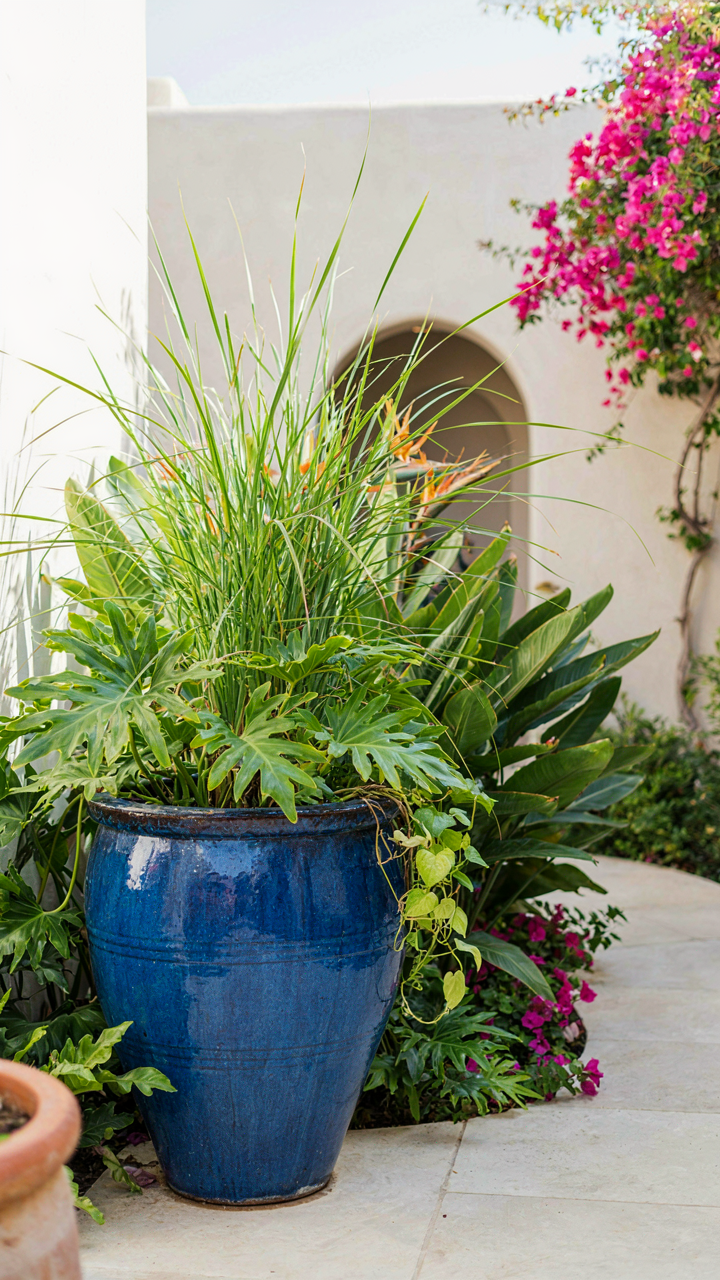
You want your garden to look intentional without looking like you tried too hard. That’s the real reason you care about this. Borrowing from physics, visual weight measures how much attention an object demands regardless of its actual mass. A glazed terracotta planter exerts visual weight through color saturation, size, and gloss finish. A large glazed pot with deep blue glaze commands the eye the same way a heavier object commands space. Placement determines whether that weight anchors or destabilizes your garden’s composition.
The mistake everyone makes is treating all pots as interchangeable filler. They’re not. A single oversized glazed terracotta planter in a garden corner creates a focal point that organizes everything around it. Smaller glazed pots clustered nearby become supporting players rather than competitors. The glaze matters here because matte finishes absorb light, reducing visual weight. Glossy glazed terracotta reflects light, magnifying the pot’s presence even at distance. Deploy visual weight strategically by placing your most saturated glazed pots where you want the eye to stop moving.
Color As Purchase Intent
The psychology of garden color isn’t mystical, it’s architectural. Warm glazes (terracottas, creams, golds) read as approachable and recede slightly into backgrounds, making gardens feel larger. Cool glazes (blues, greens, grays) demand attention and compress perceived space. This isn’t preference, it’s how human vision processes wavelengths. Glazed terracotta’s fired surface reflects color with consistency that unglazed clay cannot match. The glaze locks the pigment, preventing fade and maintaining psychological impact over seasons.
Your color choice determines what mood dominates the entire garden because pots occupy the lowest visual layer where eyes naturally settle. A single cool-glazed planter in warm surroundings creates tension, forcing the viewer’s brain to reconcile the contrast. Multiple pots in the same glaze color create harmony by reducing cognitive load. The action step: map your garden’s existing color palette first, then choose glazed terracotta pots that either echo dominant tones for cohesion or introduce one accent color to create intentional visual conflict. Neither approach is superior, only the lack of a choice is.
Durability And Longevity: The Glazed Terracotta Investment

How Glazing Changes The Material Game
You want durability so you don’t replace planters every few years and waste money on replacements that never look right. Here’s the actual mechanism: glazing works like a physical seal. The glaze melts into the terracotta surface during firing, creating a glass-like barrier that blocks water penetration. Unglazed terracotta absorbs moisture constantly, which freezes and thaws, cracking the walls from inside out. Glazed terracotta prevents that cycle entirely because water can’t enter the clay body.
Frost damage is the primary killer of exposed terracotta, not age or use. A single winter in most climates will destroy unglazed pots. The glaze must be applied before the final kiln firing at high temperatures (cone 6 or higher), not painted on afterward. This integration matters because a surface coating alone flakes and peels. Authentic glazed terracotta holds color and integrity for decades when placed in zones with moderate freeze-thaw cycles. In harsh climates, even glazed pots need winter drainage to prevent pooling.
The Simple Maintenance Protocol
Most advice says glazed terracotta needs no maintenance. That’s incomplete. Glazed surfaces still accumulate mineral deposits, algae, and salt residue from repeated watering. These don’t damage the glaze but they cloud the finish and make the pot look neglected. Maintenance isn’t about preventing failure—the glaze itself prevents that. Maintenance is about preserving visual appeal so your investment doesn’t look like salvage in two years.
Wipe the exterior quarterly with a damp cloth. Use a soft brush on stubborn mineral buildup, never abrasive pads. For heavy algae growth, a light vinegar solution removes it without harming the glaze. The key step most people skip: ensure drainage holes are open and clear before each season. A clogged drain turns any planter into a water trap, defeating the glaze’s advantage. Check drainage annually and clear any soil or debris blocking water escape.
Glazed Terracotta For Specific Species: Orchid Pot And Beyond
Why Orchids Actually Need That Hole Pattern
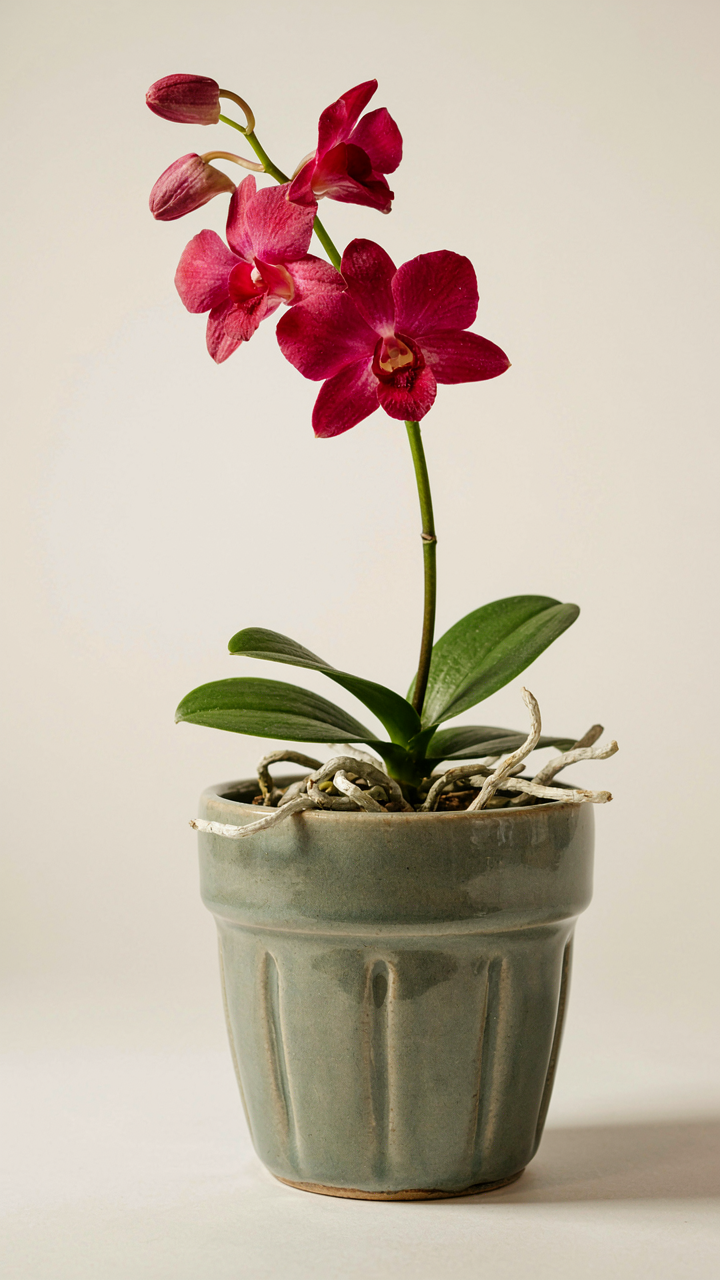
You want orchids in your space because they signal you understand plants beyond what most people kill. Here’s the mechanism: orchids don’t need drainage the way other plants do. They need airflow around the root system. Glazed terracotta fails here because the glaze seals the wall, blocking the gas exchange roots demand. A standard glazed pot becomes a humid trap that rots aerial roots in weeks.
Orchid-specific glazed terracotta pots feature slatted or mesh sides, not solid walls. The glaze protects the clay from water damage while the gaps force air circulation. The base stays glazed to contain water, but the sides breathe. This is engineering, not aesthetics. You drill or mold these gaps during production. Without them, your expensive orchid doesn’t get the microclimate it evolved for.
Succulents, Herbs, And Trees Demand Different Physics
Succulents thrive in glazed terracotta because the material’s water retention matches their tolerance, unlike popular opinion suggests. Yes, glazed pots hold more moisture than unglazed. No, this kills succulents instantly. What matters is the total evaporation rate from the sides and base combined with your watering schedule. A six-inch glazed pot dries slower than a four-inch unglazed pot, but faster than a sealed ceramic pot.
Herbs need frequent water access, making glazed terracotta’s slower drainage actually preferable for daily watering schedules. Trees grown in containers require deeper pots with glazed sidewalls to prevent the outer soil from drying while the center stays wet. The glaze creates a moisture gradient that mimics soil depth. Match pot depth to root mass, not aesthetics. Your watering routine determines whether the glaze works for or against your plant’s survival.
The Status Signal System: Glazed Terracotta As Social Proof

Why People Actually Care About Planter Materials
You care about this section because you want proof that your choices matter to other people. Here’s the mechanism: behavioral economics calls this “signaling value,” and glazed terracotta operates as a demand signal in exactly the same way an expensive watch does. The glaze itself—a fired glass coating—transforms raw clay into something that reads as intentional, curated, refined. Unglazed terracotta signals neglect or budget constraints. Glazed terracotta signals decision-making.
The gap between these materials is purely visual, but the brain doesn’t separate visual from status. When someone enters your home and sees glazed terracotta planters, they’re reading a statement about your standards. You didn’t grab whatever was cheapest. You selected a finish that requires more labor, higher kiln temperatures, and better quality control. The glaze layer itself becomes the proof of deliberation. That’s the entire mechanism. Nothing else matters.
The Display Component Of Plant Ownership
Conspicuous consumption isn’t about needing something. It’s about displaying that you have the resources and taste to acquire it. Gardening accelerated into a visibility metric the moment Instagram normalized interior plant culture. Glazed terracotta planters don’t grow plants better than unglazed ones. They announce that you maintain a curated aesthetic.
The placement of glazed terracotta in high-traffic areas of your home functions as a filter. Visitors who notice and appreciate the finish are signaling alignment with your values. Visitors who don’t notice reveal something too. You’re not actually trying to convince everyone. You’re filtering for people whose judgment you respect. The planter does that work automatically. Select glazed terracotta for visible zones and surfaces where the finish can function as intended: as a declaration, not a purchase.
Beyond The Pot: Integrating With Water Features In The Garden

Design Principles That Actually Work
You want water features and glazed terracotta to look intentional together, not like you bought them from different stores and hoped. The mechanism is simple: glazed surfaces reflect light the way water does, so they compete visually unless you control one variable deliberately.
Glazed terracotta functions like a secondary reflective plane in landscape design, borrowed from architectural theory. The glaze creates a mirror effect that either harmonizes or clashes with water’s surface depending on tone and placement. Match glaze color temperature to your water feature’s context, not to the water itself.
- Color Temperature Matching: Warm glazes pair with stone-edged ponds; cool glazes suit modern fountains with metal accents. Temperature consistency prevents visual jarring.
- Scale Relationships: Larger pots ground a small fountain; smaller pots cluster around pond edges. Proportion matters more than symmetry.
- Gloss Level Consistency: High-gloss glazes reflect aggressively and work near moving water; matte glazes suit still water and blend into foliage backgrounds.
- Elevation Separation: Place glazed pots either significantly higher or lower than water features, never at eye level with them. This prevents competing focal points.
- Distance and Sight Lines: Position planters where the water feature remains the primary view, with pots supporting rather than competing. Typically 6 to 10 feet apart.
The real work happens before you place anything. Sketch sight lines from your primary viewing area. The glaze should reinforce the water feature’s presence, not draw attention away from it.
Arrangement That Creates Rhythm
Most garden advice says to “balance” elements, which is vague nonsense that produces bland results. Rhythm works because it creates visual momentum through repetition and variation, the same principle that makes music functional instead of random noise.
Place glazed terracotta in graduated clusters near water features to establish a visual pathway. Position three pots of decreasing size leading toward a fountain, or alternate glaze colors along a pond edge in deliberate intervals. This pattern guides the eye naturally rather than forcing it to work. The glaze catches light at different angles as you move through the space, which replicates how water moves and draws the observer forward. Space pots at arm’s length intervals, then test the view from sitting height and standing height. Adjust until the arrangement feels inevitable, not arranged.
Avoiding The Generic Trap: Glazed Terracotta Selection Principles

Hand Thrown Versus Machine Made
You want to believe the planter in your home says something about your taste. It doesn’t, unless you actually understand what separates a real object from a commodity. In manufacturing, there’s a concept called “tolerance stack”—the compounding of small deviations across production steps. Machine-made glazed terracotta relies on rigid molds that produce identical walls and uniform glaze distribution. Hand-thrown pieces show variation in wall thickness, glaze pooling in different zones, and structural inconsistency that mass production eliminates entirely.
The mechanism is simple: hand-thrown glazed terracotta requires the maker to feel resistance from the clay and adjust pressure in real time. This creates micro-differences in form that prove human execution. Machine production optimizes for cost and speed, which means predictable mediocrity. Check the base and interior rim of any planter. If the glaze is perfectly even everywhere, a machine laid it down. If it pools thicker in corners or thins at edges, a person controlled the spray or application.
Glaze Chemistry And Origin Story
Most advice says “choose the color you like.” That’s incomplete. Glazes behave differently depending on firing temperature and clay body composition, which varies by region and production method. Portuguese glazed terracotta, for instance, uses feldspar-based glazes fired at cone 04 to 06, creating a semi-porous finish that ages visibly. Asian production often applies glossier, harder glazes at higher temperatures that resist weathering almost entirely.
The origin of the planter determines durability and how it will look in five years. A Moroccan-made piece will develop patina and micro-cracks in cold climates. A Vietnamese manufacturer’s output resists freeze-thaw cycles better but shows no aging character. Read the maker’s specification sheet, not the retailer’s description. The firing temperature and clay source tell you exactly how the glaze will perform and change over time.
Your Fear Isn’t Poor Drainage; It’s Being Unremarkable. Stop Seeking Validation In Mass-produced Mediocrity

Most people buy glazed terracotta planters to match their neighbor’s setup. That’s backward. You buy them to stake a claim on your space. The mechanism is simple: distinctive choices compound into a distinctive life. Stop scrolling curated feeds and visit a local ceramicist today. Place an order. Your home won’t whisper about itself—it’ll demand attention.



