
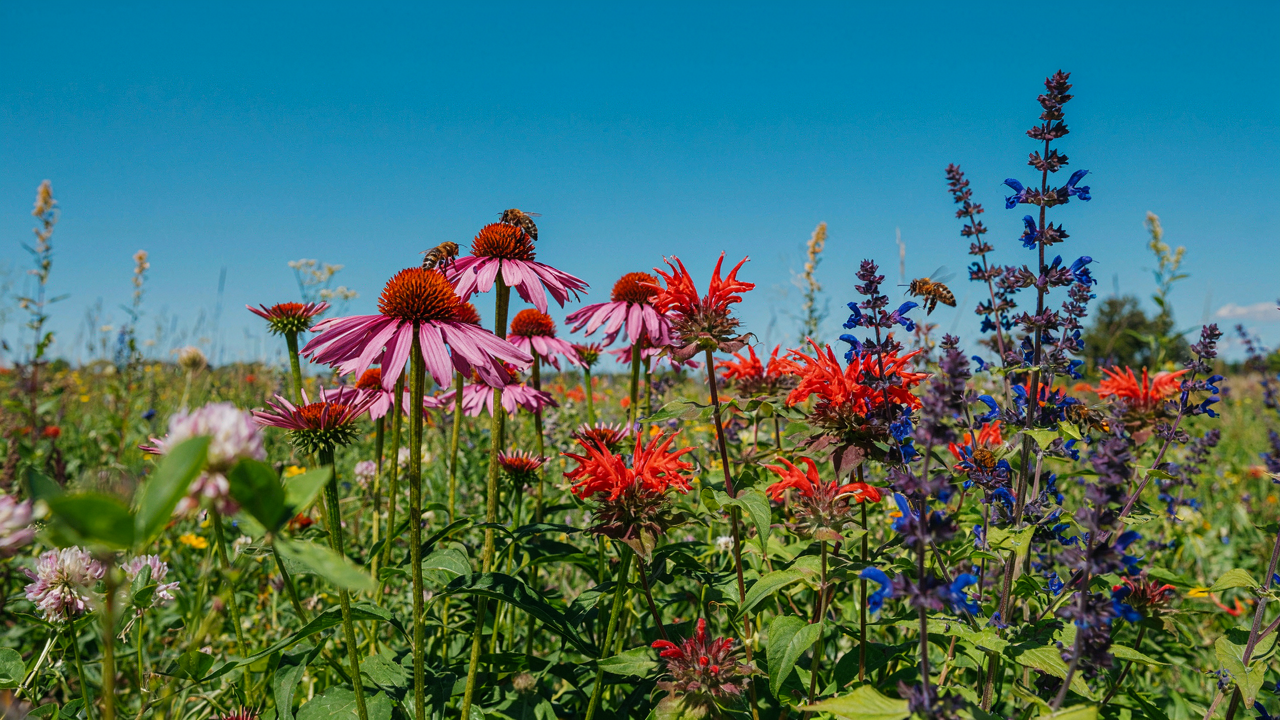
Beyond The Buzzword: What Truly Makes A Bee Friendly Garden?
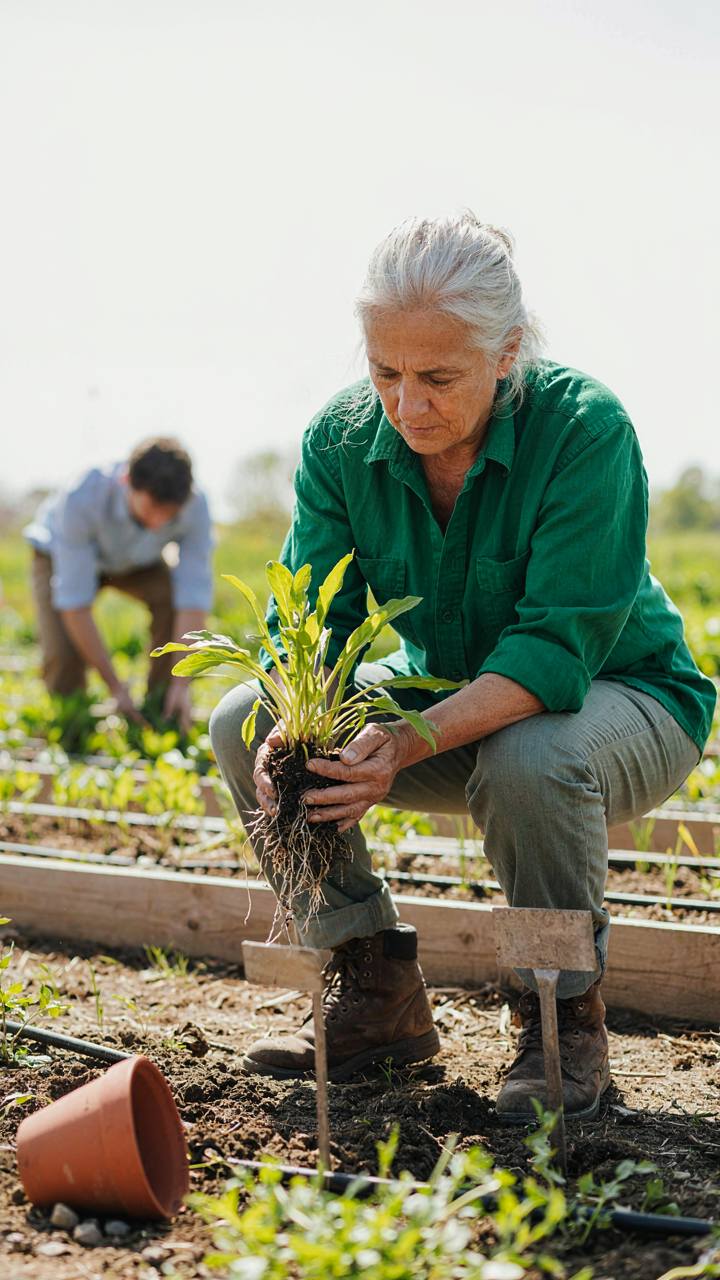
Your Local Bees Aren’t Generic
You want to plant bee friendly flowers because it feels responsible, but the real reason matters: most people plant the wrong species for their region and waste the effort. Ecology operates on niche theory, the principle that survival depends on occupying a specific environmental slot. Your bees occupy a specific slot too. Native bee species in your area evolved to forage on native plants that bloom at precise times. A bumblebee in Colorado needs different flowers than a sweat bee in Florida. Without knowing which bees live in your zone and what they actually feed on, you’re planting decoration, not habitat.
The mechanism is simple: regional bee populations have genetic preferences built from generations of adaptation. Honeybees are generalists and work most flowers, but native bees are specialists. Research what native bee species exist in your region first, then identify their primary pollen and nectar sources during your growing season. Your county extension office or native plant society has this data. Plant those species. Everything else is theater.
Sustained Supply Beats Symbolic Gestures
The common advice says plant diverse flowers and bees will come. That’s incomplete. The real leverage isn’t diversity for diversity’s sake, it’s continuous availability. Most gardens create a feast-famine cycle: heavy bloom in spring, dead zones in summer and fall. Bees need nectar and pollen consistently from early season through late season, particularly during brood-rearing periods when demand peaks. A single showy perennial in June solves nothing if your garden offers nothing in August.
Map your flowering timeline across the entire growing season by species and bloom date. Identify the gaps. Fill gaps with plants that bloom when nothing else does. Early bloomers like hellebores or native crocus support emerging bees before other food sources activate. Late bloomers like asters and goldenrod sustain populations heading into winter. This is a supply-chain problem, not a gardening preference. Treat it like one: inventory, schedule, execute.
The Seasonal Stagger: Maximizing Bee Friendly Plants Year Round

When Blooms Run Dry
You want to plant bee friendly flowers and feel like you’ve solved the problem. That’s the trap. Most people plant spring bloomers, feel accomplished, then abandon their garden for eight months while bees starve. The mechanism is scarcity, borrowed from supply chain logic: gaps in nectar and pollen availability create collapse points in bee populations. A single strong bloom season means nothing if bees find nothing to eat in June or September.
The real play is staggered blooming across the entire calendar. Plant early spring bloomers like hellebores and pulmonaria. Layer in late-spring species like alliums and foxgloves. Add summer staples like echinacea and rudbeckia. Then close with fall bloomers like asters and sedum. When one species stops producing, the next begins. This isn’t aesthetic variety. It’s survival infrastructure for local bee populations that depend on consistent food availability.
The Hidden Season
Winter forage is where most gardeners fail completely. They believe bees go dormant and need nothing, so they plant nothing. Wrong. Winter-active bees like winter honeybees and some solitary species forage during warm spells. Even hibernating bees need food sources when they emerge early in unexpected warm periods. Hellebores, mahonia, winter-flowering heathers, and early crocuses provide critical calories when nothing else blooms.
Plant these species in clusters where they catch winter sun, which accelerates bloom timing. Winter sun exposure on dark soil increases soil temperature and triggers earlier emergence of bulbs and winter bloomers. Position them in protected microclimates near south-facing walls. This single tactical choice compresses your bloom gaps and ensures bees encounter food when they’re most vulnerable. Stock your calendar gaps before they become population crashes.
Native Vs. Exotic: The Uncomfortable Truth About Flowers For Bees
Co Evolution Built The Real Advantage
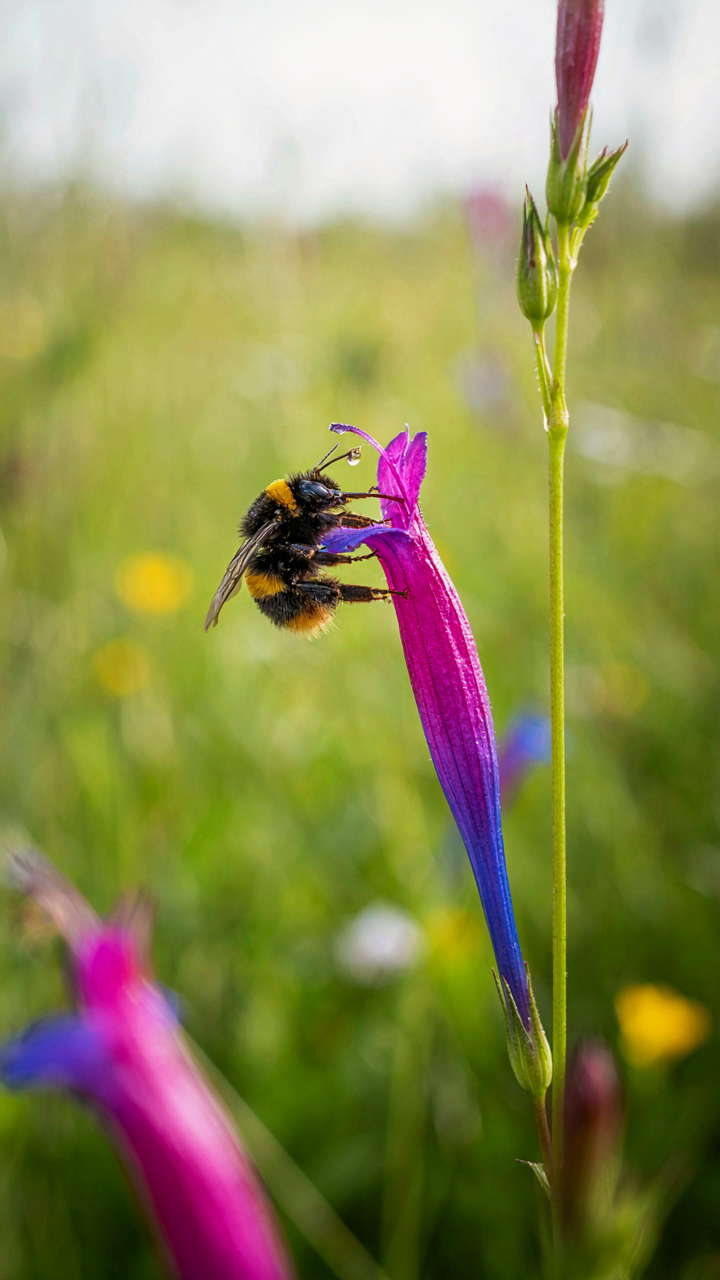
You want native plants because they look good on your Instagram aesthetic and make you feel environmentally conscious. That’s not the mechanism. Borrow a term from evolutionary biology: co-evolution. Native plants and native bees evolved together over thousands of years. Bees developed mouth parts, timing, and foraging behavior specifically matched to native flowers’ nectar depth, pollen structure, and bloom schedule. This isn’t preference. It’s structural fit.
Exotic flowers often fail because bees lack the physical tools to access them efficiently. A bee’s tongue length matches native plant architecture. Wrong plant, wasted energy, fewer calories collected. Native plants reliably support bee populations because the relationship runs deep in both organisms’ biology. Introducing exotic species breaks this system, regardless of how much nectar they produce.
When Pretty Creates Dead Zones
Stop assuming that adding more flowering plants always helps bees. Ecological displacement is the mechanism nobody names plainly. When you plant aggressive exotic ornamentals, they often outcompete native plants for space, water, and pollinators. The result looks full of flowers but functions as a biological desert.
Native plant loss means bees lose food sources timed to their lifecycle stages. Many bee species have one flight period per year. If exotic plants bloom during the wrong season, native plants vanish before bees emerge. The garden looks abundant. The bee colony starves. Plant native species that bloom in sequence across spring, summer, and fall to maintain consistent food availability throughout the bee season.
The Bee Habitat Matrix: More Than Just Bee Attracting Plants

Where Bees Actually Live And Build
You want to plant flowers that attract bees because you think it makes you an environmentalist. The real mechanic is this: bees need somewhere to live first. Without nesting sites, the flowers mean nothing. Most bee species don’t live in hives. They nest in the ground, in hollow plant stems, in dead wood, or in gaps between tree bark and trunk. This is biology applied to landscape design: habitat density drives population density. A bee friendly flowers strategy that ignores nesting real estate is just decoration with good intentions.
Ground nesting sites require bare, undisturbed soil with minimal vegetation cover. Many solitary bee species excavate tunnels in compacted earth or sandy patches. Stem nesting bees depend on dead, hollow plant material left standing through winter. Wood nesting species need beetle galleries, rotting logs, or drilled cavities in snags. The tactical move: leave portions of your yard unmanicured. Don’t rake every fallen branch. Don’t mulch over bare patches where digger bees establish colonies. These micro habitats work in concert with your flower choices to create actual population density, not just temporary visitors.
Water Access Changes Survival Rates
Bees dehydrate quickly and need consistent water sources, yet most bee friendly flowers guidance ignores this completely. The mechanism is straightforward: water regulates internal temperature and helps bees process nectar into honey. Shallow water sources matter more than you’d think. A bee landing on open water drowns because it cannot generate enough surface tension grip to climb out. Bees need landing platforms. This shifts the design problem from flower selection alone into a full ecosystem calibration.
Create water stations using rocks, pebbles, or floating cork in shallow dishes. Bees land on the solid material, then drink from pooled water at the edges. Replace water every two days to prevent mosquito breeding cycles and pathogen accumulation. Position these near flowering clusters so foragers refuel and rehydrate in one trip. This single protocol step increases bee survival rates in your landscape and extends their active foraging season, which directly multiplies the pollination work your flowers actually produce.
The Foraging Efficiency Protocol: Optimizing Your Bee Garden Layout
Density Clustering Beats Scattered Planting
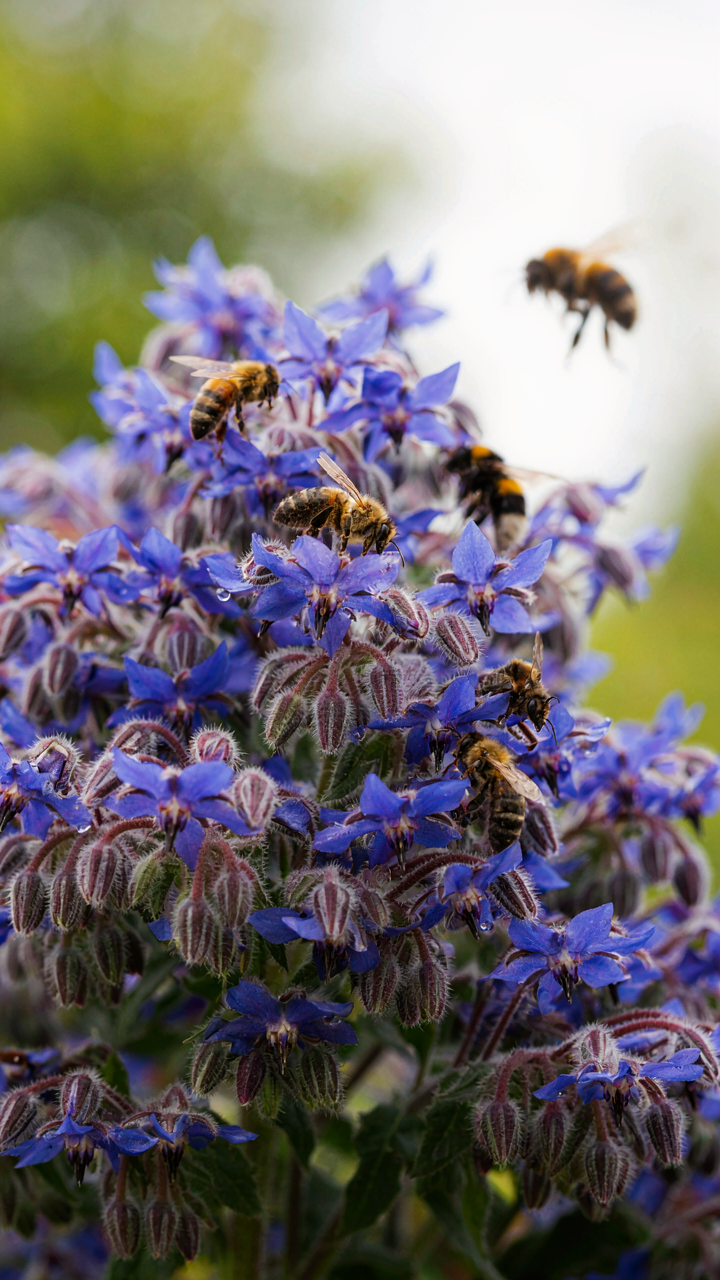
You want your garden to look intentional, so you spread flowers everywhere. That’s the real reason. But bees don’t care about visual balance—they care about energy return. Ecology teaches us about resource concentration: organisms cluster around high-density zones to minimize caloric expenditure per acquisition. Your bee garden needs the same logic. A single dense block of fifty borage plants beats fifty individual plants spread across a quarter acre.
Bees that find a flower patch exhaust it, then move. The transition moment wastes flight energy and time. Dense clustering keeps foragers in a single zone longer, reducing expensive take-off and landing cycles. Plant species in tight groups of minimum five square feet each, not as individual specimens scattered through beds. This matches how flowers naturally grow in wild meadows—concentrated by soil type and moisture, not decorative whim.
Flight Path Efficiency Through Proximity
Stop spacing flower beds for human foot traffic. That’s landscaping doctrine, not bee biology. Physics demands that flight effort scales with distance and direction changes. A bee making four directional shifts burns more energy than one making one continuous sweep. Position your densest clusters within twenty to thirty feet of each other—close enough that a forager can move between zones with one or two flight vectors, not five.
Height variation matters more than spacing for efficiency. Tall flowers (cosmos, zinnias at three feet) and short flowers (creeping thyme at three inches) in the same cluster force bees to adjust vertical position only, not horizontal. This reduces the neurological and muscular load of navigation. Arrange flower groups so prevailing wind doesn’t force bees into compensatory flight patterns. Dense clusters positioned perpendicular to wind direction cut foraging energy expenditure by forcing fewer micro-corrections mid-flight.
Pesticide Paradox: The Hidden Dangers In “Bee Friendly” Claims

Systemic Poisons: Invisible Threats In Seemingly Safe Plants
You want to feel like you’re doing something good without actually changing how you garden. That’s the real draw of “bee friendly” labels. Here’s what matters: systemic pesticides work like a toxin in a closed loop system, to borrow from toxicology. The poison enters the plant’s vascular tissue and stays there for weeks or months. Bees don’t need to touch the leaf surface to die. They drink nectar and collect pollen from flowers that are chemically loaded from seed treatment or soil application.
Neonicotinoids are the primary culprit here, even though many jurisdictions restricted them. Nurseries and home gardeners still buy treated plants without knowing it. The flower looks perfect. The plant thrives. The bee colony collapses quietly. You never see the connection because the damage happens in the hive, not on the plant. Check your plant source before purchase, not after planting.
Organic Myths: Understanding True Chemical Impact On Bees
The common advice is wrong: organic doesn’t mean bee safe. Organic pesticides still kill bees when applied carelessly, and the labeling gives you no real information about timing or bee exposure. Pyrethrin, spinosad, and neem oil are all approved for organic farming. They’re also all neurotoxic to insects at sufficient concentrations. The mechanism works the same way across synthetic and natural compounds—they attack the insect nervous system.
The real variable is application method and timing, not the origin of the chemical. A spray applied at dusk or dawn when bees aren’t foraging does less damage than a systemic absorbed into every flower. Ask growers specifically when and how they treat their stock. Ask if they use seed treatments or soil drench applications. If they can’t answer, find another source. Your bee population depends on the actual practice, not the certification on the label.
The “Keystone Species” Principle In Your Bee Friendly Garden

Plants That Trigger The Whole System
You want your garden to feel intentional, like you’ve cracked some code others haven’t. Here’s what actually matters: ecology calls this a trophic cascade, where one organism’s presence or absence restructures entire food webs below it. In bee gardens, specific plants trigger the cascade that either collapses or sustains the whole pollinator network.
Most gardeners plant flowers randomly, expecting bees to show up. They won’t, because bees need plants that produce nectar and pollen in synchronized waves across seasons. The mechanism is timing, not variety. One keystone plant blooming early feeds the first forager generation, which populations depend on for survival through seasons. That generation pollinates later plants, which feed the next generation.
- Early Spring Bloomers (Hellebores, Crocus, Pulmonaria): These start the cascade by feeding emerging queens and initial foragers when colony populations are weakest and nutrition is scarcest.
- Mid-Season Anchors (Alliums, Salvia, Borage): These sustain populations during the gap when spring plants fade but summer abundance hasn’t peaked, preventing population collapse.
- Pollen-Rich Plants (Sunflowers, Zinnias, Cosmos): These provide protein directly when bees need it most during brood-rearing cycles, not just nectar.
- Late-Season Extenders (Asters, Goldenrod, Joe-Pye Weed): These feed bees preparing for winter when natural food sources dry up, directly determining colony survival rates.
- Native Ground Covers (Creeping Thyme, Self-Heal): These fill gaps between larger plants, creating continuous food availability and preventing foraging gaps that waste bee energy.
Remove any keystone plant from your rotation and the entire system stutters. The bees that emerged early starve mid-season. Those populations never reach peak numbers. Late bloomers go unvisited because populations collapsed. You end up with a garden that looks full but functions empty.
How One Plant Controls Everything Around It
Ecosystem engineering sounds academic, but it’s the mechanism behind why some gardens hum with pollinators and others feel dead despite having flowers. Certain plants physically reshape soil, create microclimates, and shift nutrient cycles. They don’t just feed bees. They engineer the entire environment that makes other plants worth visiting.
Tall plants like sunflowers or Joe-Pye Weed reduce wind stress, create afternoon shade for heat-sensitive plants, and trap moisture in the soil. That changed microclimate makes lower-growing plants more viable, which means they produce better nectar and pollen. The sunflower isn’t just food. It’s infrastructure that makes the entire garden more productive. Bees recognize this. They visit sunflowers not because they’re exceptional food, but because visiting a sunflower means more food exists nearby in that engineered pocket.
Native woody plants like dogwood or serviceberry create canopy structure that attracts beneficial insects bees depend on, shifts soil pH, and breaks up compacted earth for root growth. Shallow-rooted plants like thyme stabilize soil and prevent erosion, which keeps deeper-rooted plants accessible. One plant’s structure determines whether five other plants thrive or fail. When you’re selecting bee flowers, you’re not picking individual items. You’re choosing structural engineers that will reshape what else can survive in that space.
Beyond Blooms: The Role Of Weeds And Wildflowers For Bees

Rethinking What Bees Actually Want To Eat
You want your garden to look intentional, controlled, designed. That’s the real barrier here. But bees don’t care about your aesthetic. They care about pollen and nectar availability, and the plants you’re pulling out often deliver both more reliably than the ornamentals you planted instead. Dandelions, chickweed, and clover produce nectar consistently across seasons when your curated flowers aren’t blooming. Local bees evolved foraging patterns around native “weeds” for thousands of years before you decided those plants were ugly.
The mechanism is ecological specificity: bees need fuel sources that match their life cycle, not your landscaping philosophy. A bee population doesn’t thrive on sporadic blooms from June to August. It needs continuous access across spring, summer, and fall. Weeds fill gaps in the bloom calendar that ornamental flowers leave open. They’re not inferior forage. They’re the reliable baseline your guest-list flowers depend on to keep the colony alive between their flowering windows.
The Economics Of Untended Space
Stop believing the myth that bee-friendly gardens require precision. The opposite is closer to true. Manicured lawns, mulched beds, and weekly maintenance schedules reduce the plant diversity bees need. Every time you rake, edge, or spray, you’re removing the exact plants that supply consistent forage. Biodiversity increases when you stop fighting against what grows naturally in your zone.
Create zones where you let growth happen without intervention. Leave sections of lawn unmowed until late summer. Stop removing volunteer plants that emerge in garden margins. This isn’t laziness masquerading as conservation. It’s a deliberate protocol: designate roughly 20 to 30 percent of your yard as low-intervention space, then track which plants bees visit there. That data tells you what to leave and what to plant intentionally. The mechanism isn’t romantic wilderness. It’s resource efficiency through reduced maintenance.
The Long Game: Cultivating Resilient Bee Friendly Ecosystems

Perennial Power Beats Annual Cycles
You want a garden that works without you. That’s the real reason you’re reading this. Here’s the mechanism: perennials store energy in root systems that survive winter, returning year after year without replanting. Annuals die and restart, demanding constant replacement labor and seed cost. Bees evolved around perennial wildflower populations that bloom predictably across seasons. Plant perennials like coneflower, bee balm, and salvia, and you’ve built habitat that compounds.
The financial and ecological math is identical. One perennial root system produces flowers for fifteen to twenty years. You plant once. Bees find a reliable nectar source season after season. The plant strengthens underground while you do nothing. Compare this to replanting annuals every spring, and the time sink becomes obvious. Perennials are the compounding asset of bee friendly flowers.
Succession Planting Creates Continuous Flow
Succession planting borrows from agricultural systems: staggering planting dates to ensure continuous harvest. Apply this to bee friendly flowers by mapping bloom times across spring, summer, and fall so something always flowers. One garden planted all at once blooms intensely for two weeks, then goes dark. Bees starve during the gaps. The solution is deliberate spacing.
Plant early bloomers like hellebores and pulmonaria in March. Mid-season plants like lavender and rudbeckia in May. Late bloomers like asters and goldenrod in July. Each planting date shifts the bloom window forward. The result: nectar availability from April through November. Bees visit a garden with succession planting because they find consistent food. Without it, they abandon your space during dead zones and never return to the cycles you missed.
Your Real Obstacle Isn’t Knowledge, It’s The Refusal To See Your Garden As A Living, Breathing, Interconnected System

You already know which flowers attract bees. The problem is you treat your garden like a decoration instead of a ecosystem. Pick one neglected corner of your yard today and plant native bee flowers there. Stop waiting for the perfect plan. A messy garden full of life beats a pristine one that’s dead. Your hesitation isn’t about flowers. It’s about accepting that beauty means chaos.



