
The Sympathy Flower Fallacy: Why Traditional Condolence Flowers Miss The Mark
What Actually Matters When Someone Dies
You’re reading this because you want to look like you care without having to think too hard about whether you actually do. Here’s the mechanism nobody states plainly: most sympathy flowers exist to reduce the giver’s guilt, not to serve the griever’s actual need. When you send lilies or roses to a funeral, you’re outsourcing emotional labor. The florist handles the arrangement. The gesture does the talking. You move on.
But grief doesn’t work on a sympathy card timeline. The person receiving flowers experiences maximum chaos in the first forty-eight hours—logistics, phone calls, decisions about cremation or burial—then faces weeks of emptiness after everyone leaves. A bouquet dies in seven to ten days. Its timing solves nothing. The real question is whether your gesture acknowledges the griever’s world or simply erases you from having to exist in it.
What The Griever Actually Needs
Economics teaches us scarcity. Apply that lens to sympathy: the griever has zero bandwidth. Every task feels impossible. Every decision triggers secondary grief. This is where most flower guides fail—they sell you on aesthetic arrangements when they should sell you on utility. A stunning centerpiece sitting on a kitchen counter means nothing. A potted plant that survives beyond the funeral week means you understood that grief is endurance, not an event.
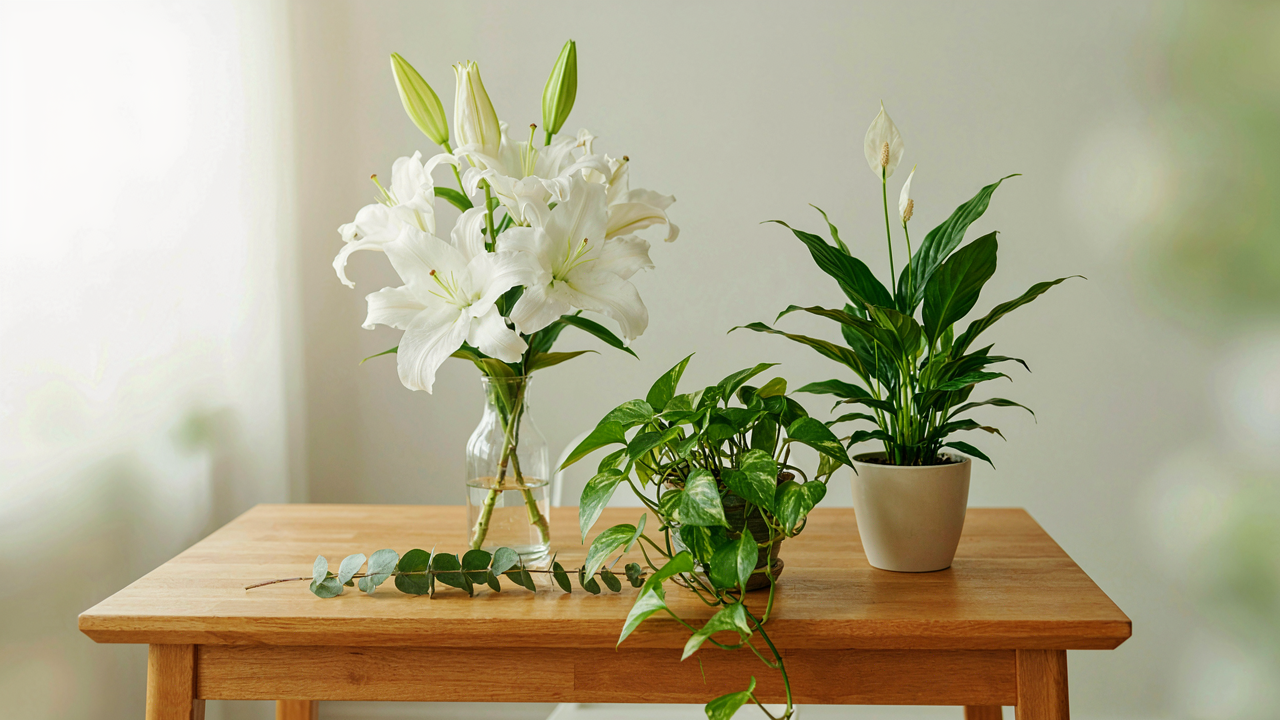
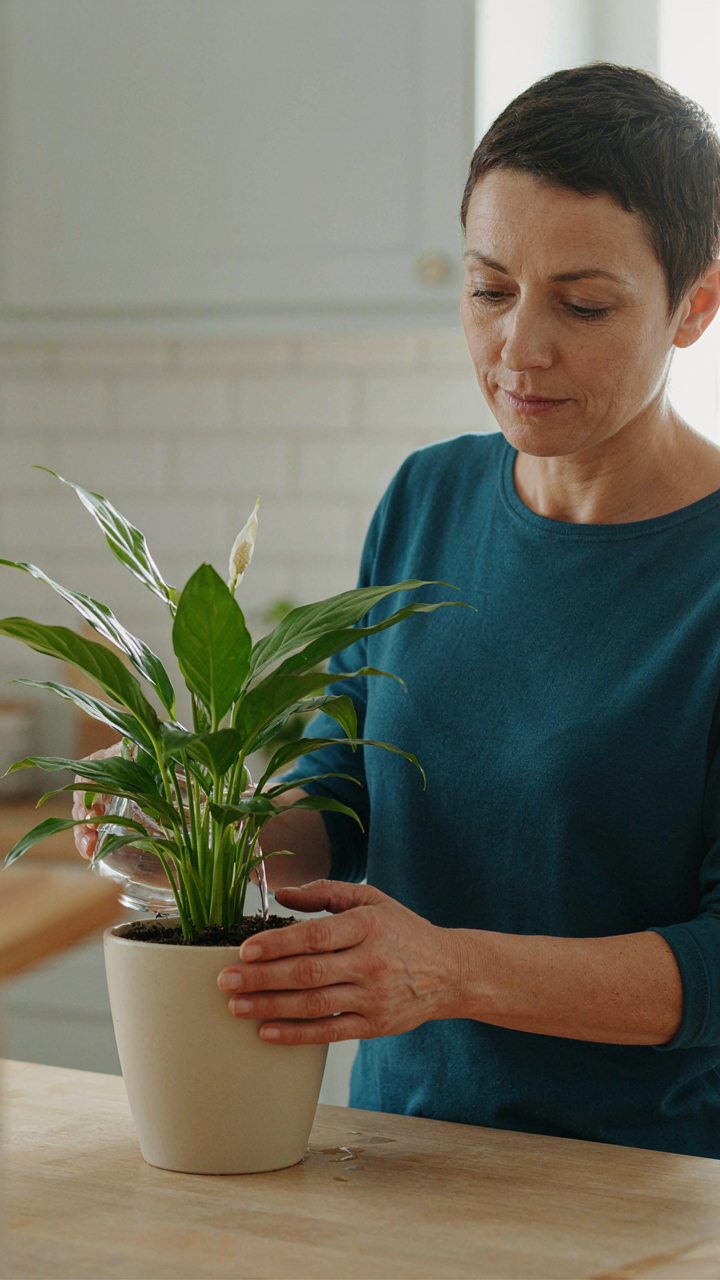
The real impact comes from matching the flower choice to what the griever must actively manage. Cut flowers require vase changes, water, stem trimming, and disposal when they wilt. That’s six micro-decisions in a state of emotional dysregulation. Potted plants survive neglect. Orchids or peace lilies handle low light and irregular watering. Flowering plants with long bloom cycles reduce the visual reminder of death when petals fall. The act of giving becomes an act of removing friction, not adding pretty tasks to someone already drowning in them.
The Empathy Equation: Crafting Sympathy Flower Arrangements With Intent
What Colors Actually Signal
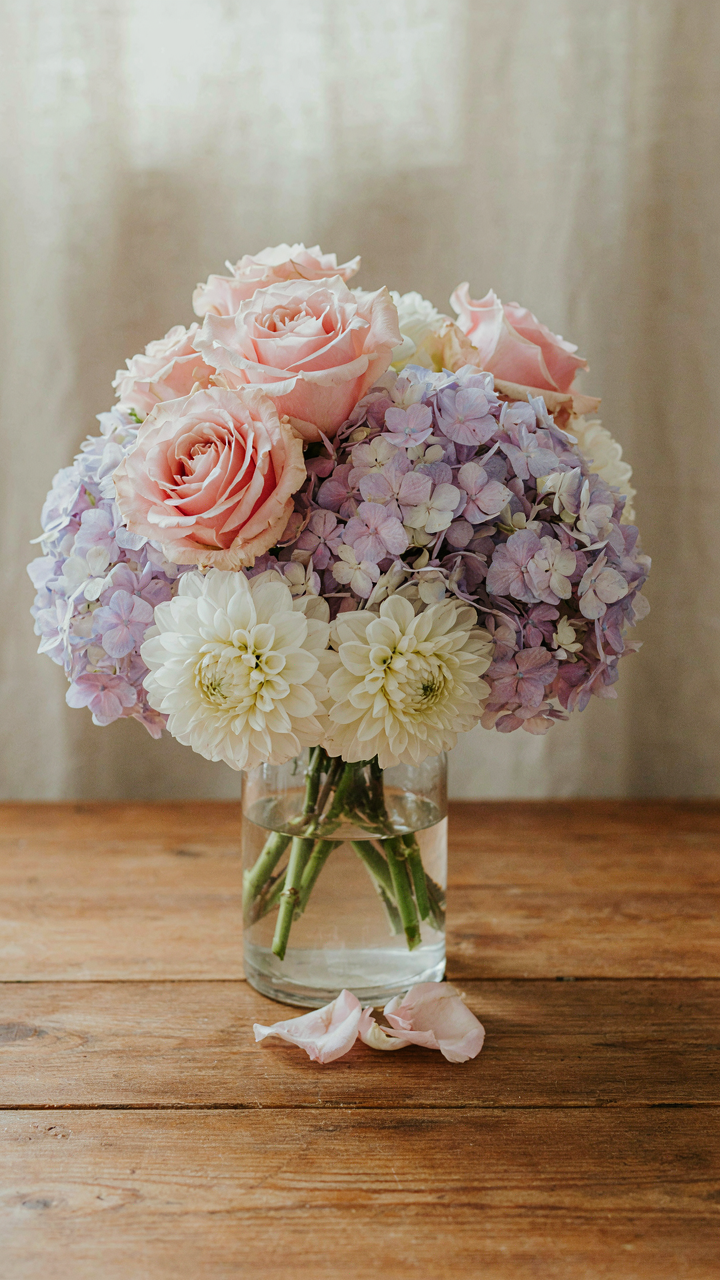
You want to know the “right” colors so you don’t look tone-deaf. Here’s the mechanism: color operates like a communication system in psychology. Your arrangement speaks before anyone reads the card. White, cream, and pale pink dominate sympathy arrangements because they register as neutral and respectful, not because of some universal rule carved in stone. Dark reds, bright oranges, and vibrant purples trigger energy and celebration in the brain, which conflicts with the emotional state of grieving. Softer tones activate a different neural pathway entirely.
The practical move is simple: avoid high-saturation colors that demand attention. Whites and soft pastels don’t require emotional labor from the recipient. They sit quietly. Blush pink, lavender, and pale yellow work because they suggest gentleness without pretending to fix anything. The receiver doesn’t have to process conflicting signals from the arrangement while processing loss. That’s not sentiment. That’s design literacy.
Moving Past The Default Gesture
Most sympathy guidance tells you to ask about the deceased’s favorite color, as if that solves the personalization problem. It doesn’t. Favorite color is surface-level information that applies to birthday gifts, not to arrangements meant to honor someone’s death and acknowledge the survivor’s specific reality. Real personalization addresses the relationship dynamic and the mourner’s actual need in this moment, not the dead person’s taste.
The mechanism here is context-specificity. A parent who lost a child needs a different visual language than a spouse who lost a partner, or an adult who lost an aging parent. Incorporate the deceased’s profession, a hobby, or even the season they passed into your arrangement selection. Roses and lilies work everywhere because they’re safe. Sunflowers with eucalyptus work better when the deceased loved gardens. This requires you to ask better questions than “what was their favorite?” Ask instead: “What did they do?” and “What does your household need right now?”
The Griever’s Gambit: Avoiding Common Sympathy Flower Blunders

Flowers That Signal Confusion, Not Care
You want to look thoughtful without seeming like you missed the memo on what matters. The real mechanism: people send flowers they like instead of flowers the situation demands, and it lands as noise in a moment requiring signal.
Certain flowers create friction during grief. Heavy fragrance overwhelms small spaces where people gather. Exotic blooms draw attention to themselves rather than creating quiet respect. Flowers that require immediate care demand energy from someone already depleted. The recipient interprets each choice—consciously or not—as either removing burden or adding it.
Timing That Actually Reaches Them
In systems theory, arrival velocity determines impact. Flowers sent too early feel premature. Flowers sent weeks later feel forgotten. The window collapses fast because funeral logistics are rigid and sympathy windows are measured in days, not weeks.
Send flowers to arrive within two days of the funeral, not before it. Florists need lead time, which means you act the same day you hear the news. Delivery to the funeral home beats the home address because it fits the social calendar people already know. A card stating when flowers will arrive gives the family control over their own space instead of surprise arrangements cluttering rooms they’re managing.
Beyond Blooms: The Enduring Power Of Sympathy Plants
Plants As Living Memorials
You want the gift to matter after the funeral ends because you know flowers die and that failure reflects on you. Here’s the mechanism: plants outlast cut flowers by months or years, which means the giver stays present in the recipient’s home through an active object that requires care. Biology calls this “persistence”—in sympathy gifting, it’s the difference between a gesture and a legacy. A living plant forces the bereaved to engage with something connected to you on a schedule, not just look at it once.
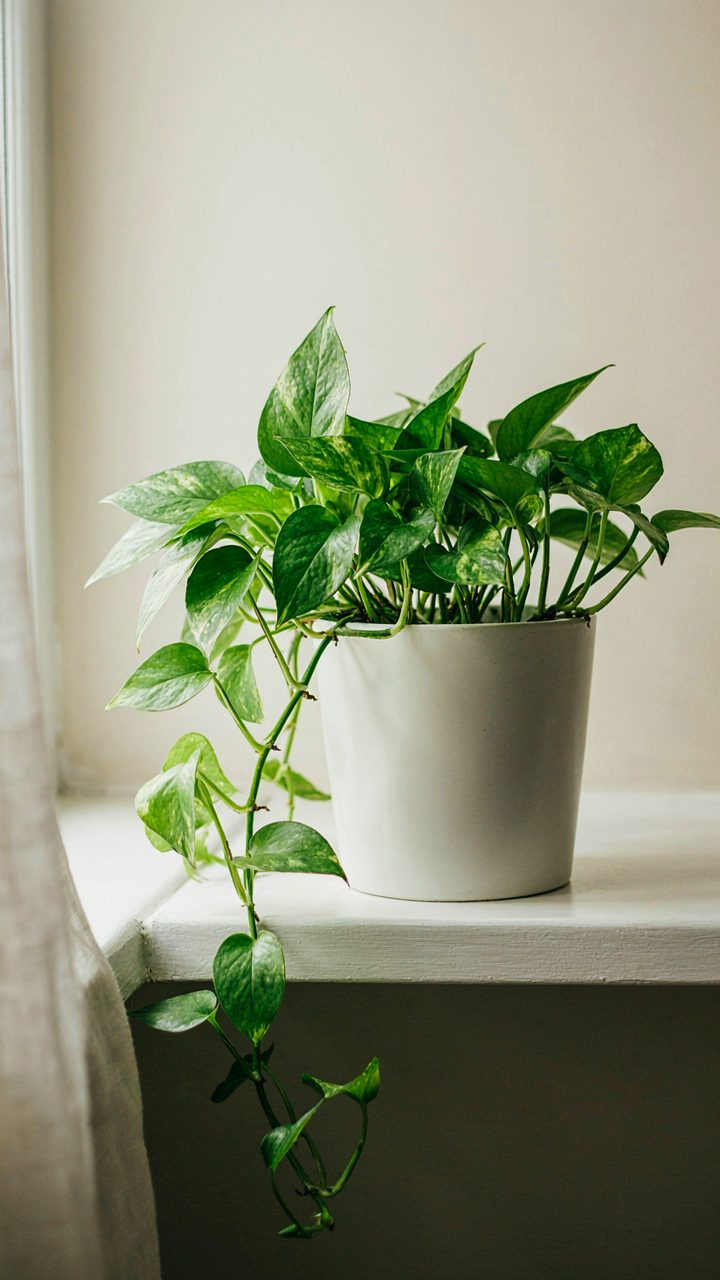
Orchids, peace lilies, and pothos survive standard indoor conditions without obsessive attention. These species function as quiet anchors in a grief space because they don’t demand expertise or constant maintenance, yet they visibly grow. The recipient waters it, notices new leaves, maybe talks about where it came from. That’s not sentimentality—that’s repetition building a mental bridge back to the person who sent it. A plant does the emotional work for you.
What Actually Keeps Them Alive
The common advice to “include care instructions” misses the real problem: most people ignore written instructions and kill plants anyway, then feel guilt. The actual mechanism is environmental fit, not information. A plant fails when its light, humidity, and water needs clash with where the bereaved can realistically put it. Sending a demanding fern to someone in a low-light apartment guarantees failure within weeks. Send the plant to the space, not to the person’s intentions.
Choose species tested for neglect tolerance in typical home environments. Peace lilies wilt visibly when thirsty, signaling when water is needed—no guessing. Pothos grows in low light and adapts to irregular watering. ZZ plants survive weeks without water. If you’re unsure about the recipient’s home setup, pick a plant that survives in multiple conditions. This removes the variable that kills most sympathy plants: the recipient’s grief brain can’t track another responsibility.
The Resonance Protocol: A Systems Approach To Condolence Flowers
Timing And Logistics Matter More Than Sentiment
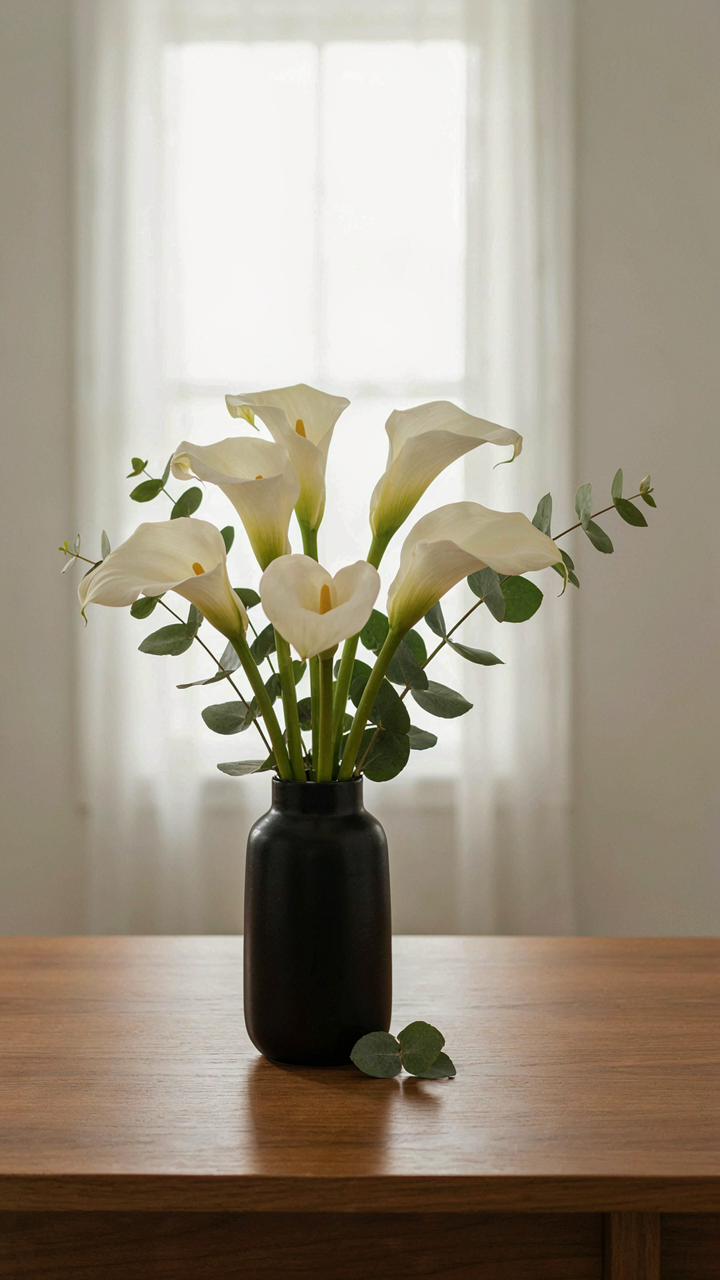
You want to send flowers because you fear appearing indifferent, not because you understand when they actually land. Military supply chains teach us deployment windows: flowers arrive at maximum impact only when timed against the specific phase of grief, not the death announcement. Early flowers (within 24-48 hours) compete with chaos. Late flowers (after the service) sit in an empty house. The mechanism is phase alignment, not speed.
Sympathy arrangements need to reach the recipient during the window when they’ve processed shock but haven’t yet collapsed into isolation. This typically falls 3-5 days after death, when family has gathered, logistics stabilize, and the person can actually receive something without it triggering administrative overwhelm. Order flowers on day two for day five delivery. Don’t send same-day unless you know the family explicitly wants immediate visual support during the announcement phase.
Choosing Flowers Based On Predicted Emotional State
Game theory assumes each player seeks the optimal outcome given what others will do. In sympathy gifting, you’re predicting which arrangement minimizes regret for both sender and receiver. The common advice says “send what feels right.” That’s lazy. What you’re actually doing is betting on whether the recipient needs visual complexity or simplicity based on their relationship to the deceased and their personality type.
Immediate family members experiencing acute grief need low-cognitive-load arrangements: white flowers, single stems or tight clusters, minimal color variation. They can’t process aesthetics. Colleagues or acquaintances need slightly more visual presence because the flowers serve a different function—acknowledging connection without implying intimacy. Secondary mourners benefit from color (soft pink, pale purple) because their grief allows for beauty; primary mourners need restraint. Map the recipient’s role to the deceased, then reverse-engineer the floral palette from there.
The Unspoken Language Of Sympathy Floral: Decoding Messages
What Flowers Actually Signal
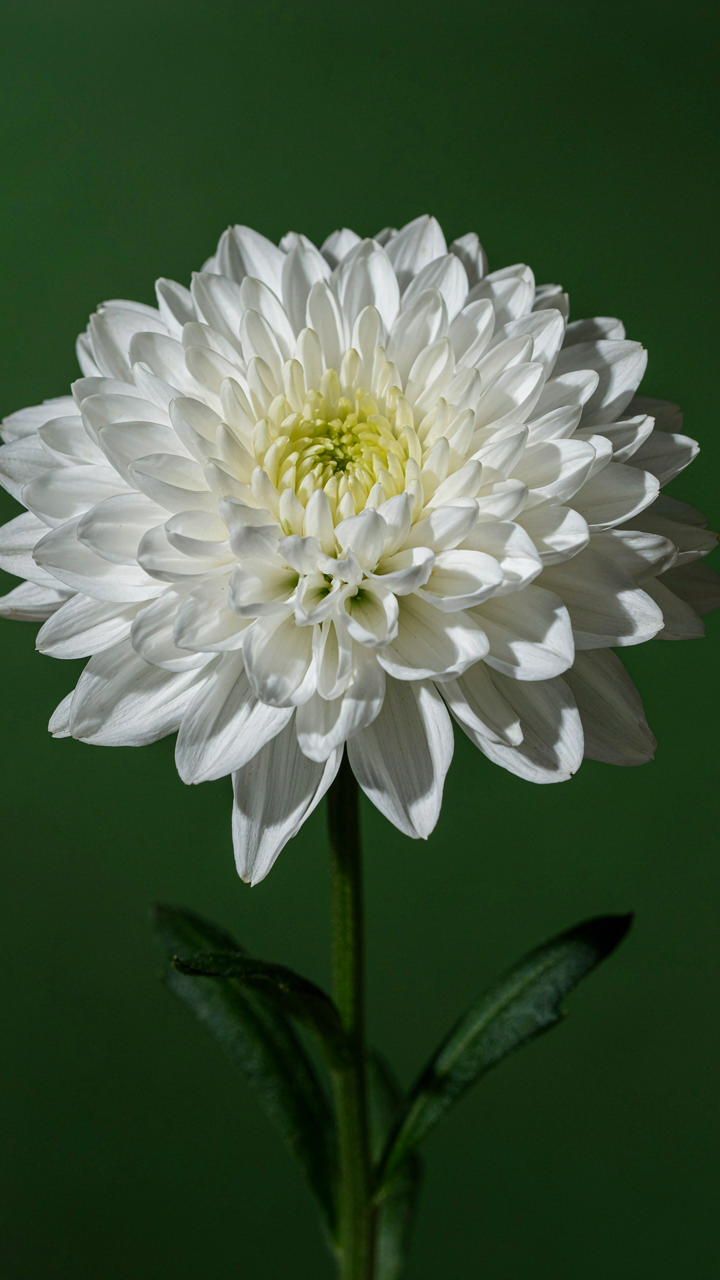
You care about this section because you don’t want to accidentally insult someone in their moment of vulnerability. That’s legitimate. Here’s the mechanism: flowers operate like semiotics in communication theory. Each bloom carries encoded meaning, and the receiver decodes it instantly, often subconsciously. White lilies don’t just look pure—they signal rebirth and innocence in Western contexts. Red roses mean passion or deep love. Yellow chrysanthemums mean joy in most Western settings but signal death in some Asian countries. The color, species, and arrangement quantity all transmit data the grieving person processes before they even read your card.
The mistake most people make is treating flower symbolism as universal gospel. It isn’t. A white chrysanthemum works perfectly for sympathy in the United States. In Japan, China, and Korea, chrysanthemums of any color are reserved exclusively for funerals and grave decoration. The sender’s ignorance doesn’t erase the receiver’s cultural programming. They see what you sent and interpret it through their framework, not yours. Start by researching the deceased’s cultural background or asking the family directly about any flower restrictions tied to their traditions or religious practices.
Navigating Tradition Across Geographies
Cultural context isn’t decoration on top of flower selection. It’s the entire operating system. In many Latin American traditions, marigolds appear frequently in Day of the Dead observances, carrying spiritual weight tied to honoring the departed. In Hindu customs, marigolds and jasmine are standard because they’re considered auspicious and appropriate for spiritual occasions. Jewish traditions typically avoid red flowers entirely—they’re associated with celebration, which contradicts the solemnity required in mourning. Christian Western contexts lean toward white and pale pink for their association with peace and sympathy, though this varies by denomination and family preference.
The practical protocol: ask directly or research the family’s origin before ordering. If you’re working with a florist, mention the cultural background of the deceased or bereaved family. Reputable florists maintain knowledge of these boundaries and will flag incompatibilities. Religious affiliation matters as much as ethnicity. A Muslim family may have specific restrictions; an Orthodox Jewish family will observe shiva traditions that affect flower presentation. Never assume. A two-minute conversation prevents a gesture that lands as tone-deaf or offensive.
The Practicalities Of Grief: Sympathy Floral Arrangements
Spend Where It Counts, Not Where It Shows
You’re worried that a cheap arrangement signals you didn’t care enough. That’s not the mechanism at work here. What matters is longevity and presence, not price tag. A 150-dollar arrangement that dies in three days teaches nothing. A 60-dollar arrangement that lasts two weeks becomes part of the mourning process itself. Florists know this. Most people don’t.
The real leverage in sympathy flower budgeting comes from economics: you’re buying time, not materials. A standard rose costs pennies. Labor, freshness guarantee, and delivery eat the budget. Spend intelligently by choosing arrangements with longer vase life and flowers that don’t require constant fussing. Skip the exotic imports that need climate control. Pick local seasonal blooms that actually perform under real household conditions.
- White and pale pink roses: 10-14 day vase life, resilient in temperature shifts, common enough to guarantee availability and reasonable pricing.
- Chrysanthemums: 14-21 day lifespan, cheapest flowers per stem, dense arrangements look full without inflating cost.
- Carnations: 14-20 days, underrated durability, accept poor water conditions better than most alternatives.
- Eucalyptus and greenery fillers: Extend arrangement life by 5-7 days, cost minimal, force florist to build structure instead of padding with expensive flowers.
- Delivery and setup fees: Bundle these into one transaction instead of separate orders to cut overhead passing to the family’s final bill.
A 50 to 80-dollar range hits the efficiency frontier. Below 40 dollars, arrangements look sparse. Above 120 dollars, you’re paying for rarity and ego, not impact. The family notices presence, not price. Make the arrangement work harder by investing in freshness and setup quality instead of flower count.
Longevity Without The Guesswork
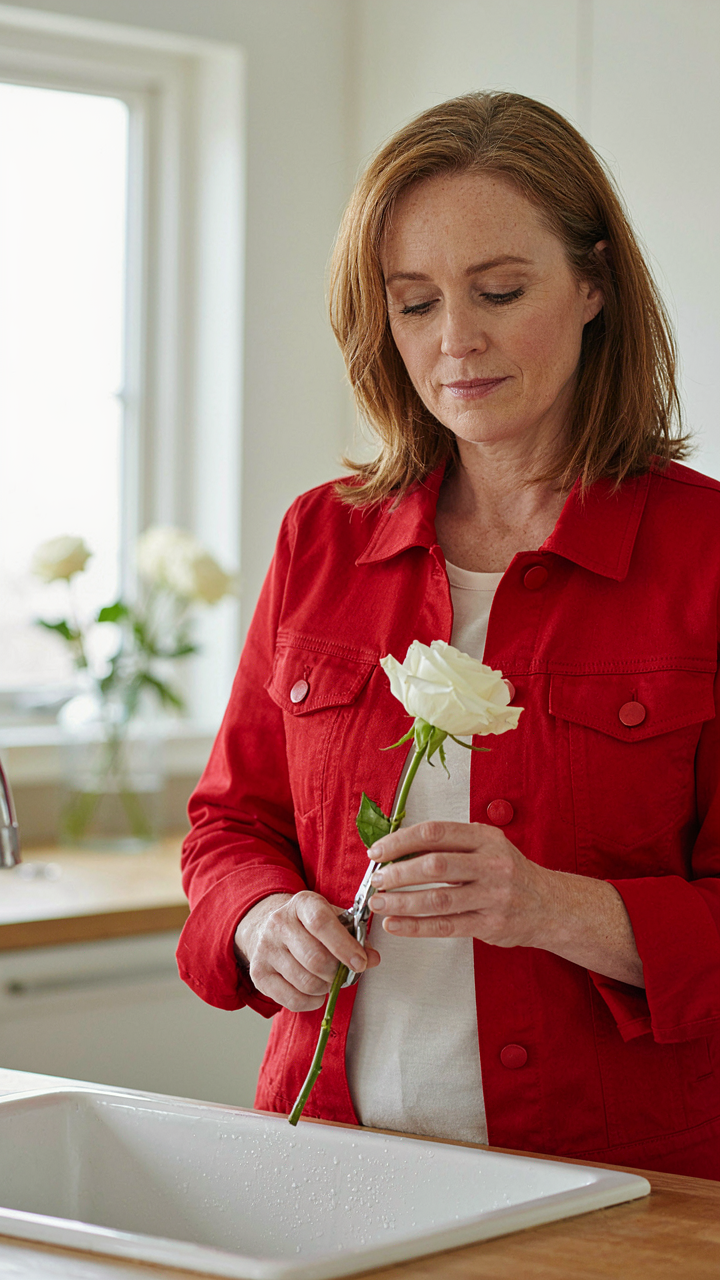
Most guidance says “trim the stems and change the water.” That’s incomplete. The real determinant of vase life is what happens in the first four hours after delivery. Florists condition flowers before arranging, but households don’t know this step exists. Flowers arrive thirsty, in shock from temperature changes, sitting in old water.
Tell the recipient or the florist to cut two inches off the stem at a 45-degree angle immediately upon arrival, remove all foliage below the waterline, and use the flower food packet provided. Change water every two days, not weekly. Cold water slows bacterial growth that clogs stems. Room temperature away from direct sunlight, heating vents, and ripening fruit preserves bloom. Most arrangements fail because people make arrangements compete with environmental stressors instead of controlling them. The protocol matters more than the flowers themselves.
Beyond The Funeral: Sustained Expressions Of Sympathy
The Weeks After Matter More Than The Day Of
You want to send flowers because you fear looking negligent when grief is visible. Here’s what actually matters: the mechanism is attention decay. Grief doesn’t peak at the funeral and vanish. It plateaus for weeks, then compounds when people stop showing up. One flower delivery on day one gets photographed. A second arrangement two weeks later—when the house feels empty and casseroles are gone—registers as real presence. The gap between gesture one and gesture two determines whether you’re performing or sustaining.
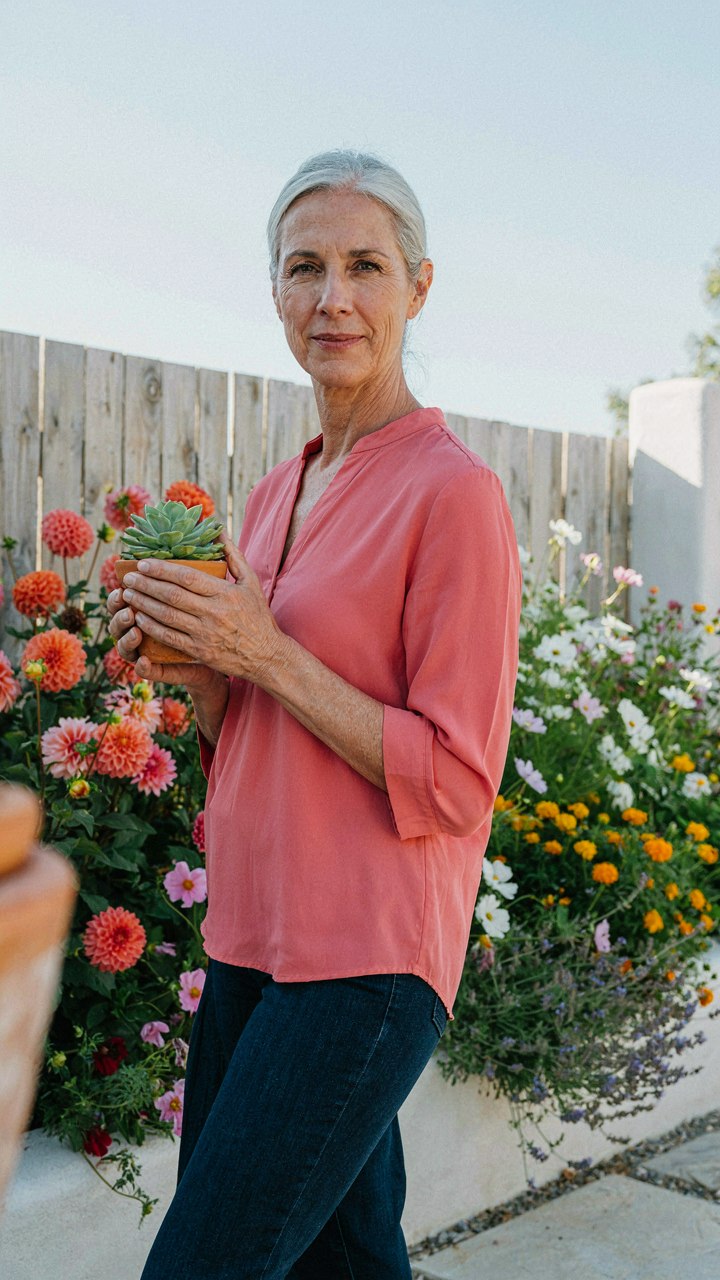
Most people send nothing after week one because the social pressure lifts. That’s precisely why a timed follow-up works. The bereaved person’s support network collapses fastest in weeks three through six. A potted plant or fresh stems arriving then signals you’re tracking their actual timeline, not the funeral schedule. This isn’t sentiment. It’s logistics.
Permanence Over Spectacle
Temporary arrangements are the weak play here. Cut flowers die in ten days. The family discards them, grief hasn’t budged, and your gesture evaporates with the petals. Potted plants—orchids, peace lilies, hydrangeas in soil—last months. They require care, which means the bereaved person engages with your gift repeatedly. Every watering is a micro-reminder that someone understood duration, not just duty.
The mechanism comes from agriculture: perennials outlive annuals because they store energy in roots. Apply the same logic. A plant that survives winter in their garden becomes an artifact of the loss itself. When it blooms next spring, it’s not a fresh gesture—it’s a monument they maintain. Alternatively, a subscription service that sends arrangements monthly for three months removes the burden of decision-making while guaranteeing presence. Most guides skip this entirely because it costs more and requires planning. That’s exactly why it works.
The Digital Dilemma: Online Sympathy Flower Gift Guide

When You Can’t Show Up In Person
You’re worried people will judge you for not being there, so you order flowers online to prove you care. The real mechanism is this: online florists operate on a supply chain where your order hits a local partner who either has inventory or sources it same-day. The gap between your intent and their execution determines whether the arrangement looks thoughtful or mass-produced.
Most online services contract with local florists who handle fulfillment. You don’t control their design choices, their flower quality, or their delivery timing. The order confirmation email creates false certainty—you see a photo of a pristine arrangement, but what arrives depends entirely on that florist’s standards and mood that day. Your job is vetting the intermediary, not trusting the platform’s marketing images.
Proof Over Platform
Authenticity in digital condolence isn’t about the platform you choose—it’s about removing yourself from the transaction. When you order from a faceless website, your personal element vanishes. The recipient knows a computer processed their grief with the same efficiency it processes their Amazon returns.
The honest move: call a local florist directly. Tell them who died, when the service is, what the person liked. Your voice on the phone creates accountability. That florist remembers you asked them specifically to get this right. They stop treating it like order number 47,293 and start treating it like something that matters. Then ask them to include a card with your handwritten note—or better, have you write it yourself and drop it off with the arrangement.
The Only Real Obstacle To Meaningful Condolence Is Your Own Inability To Transcend Predictable Sentimentality
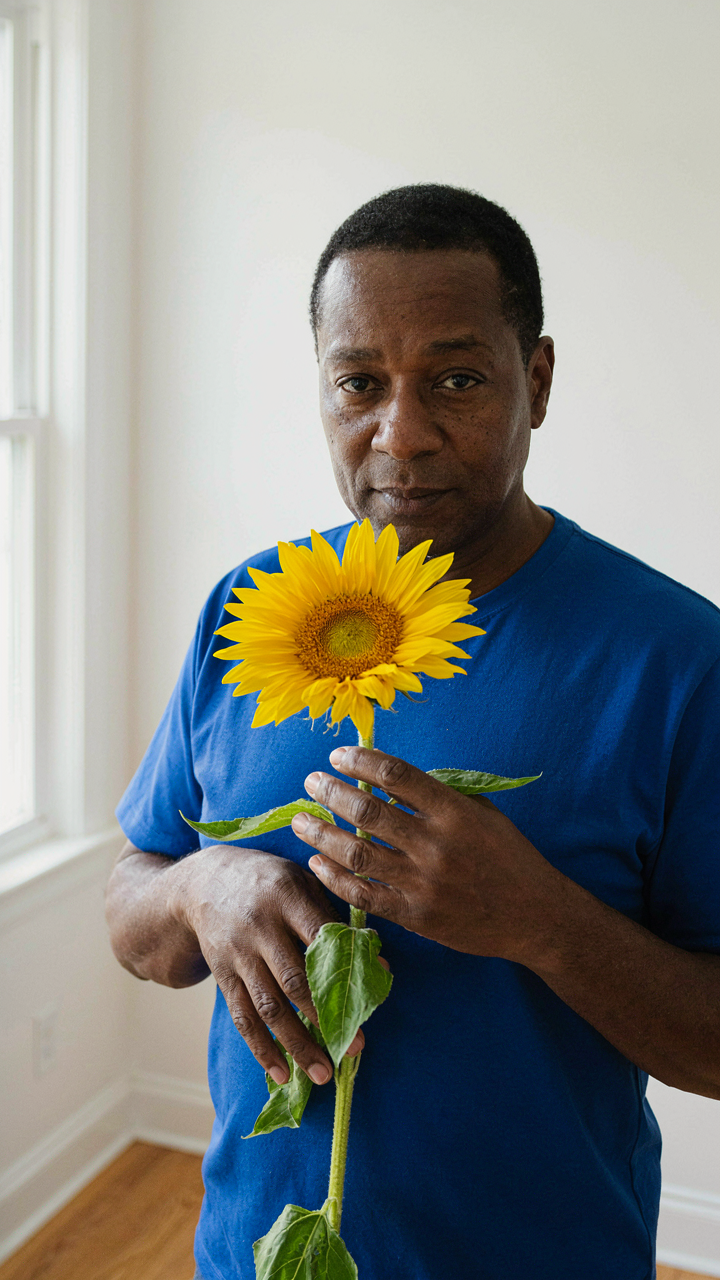
Most people fail at sympathy flowers because they think the gesture matters more than the intention behind it. Stop outsourcing your grief to generic arrangements. Pick up the phone today and ask the grieving person what flowers actually meant something to their loved one. One specific detail beats a hundred generic roses. Your willingness to ask the uncomfortable question separates a real gift from expensive noise.



