
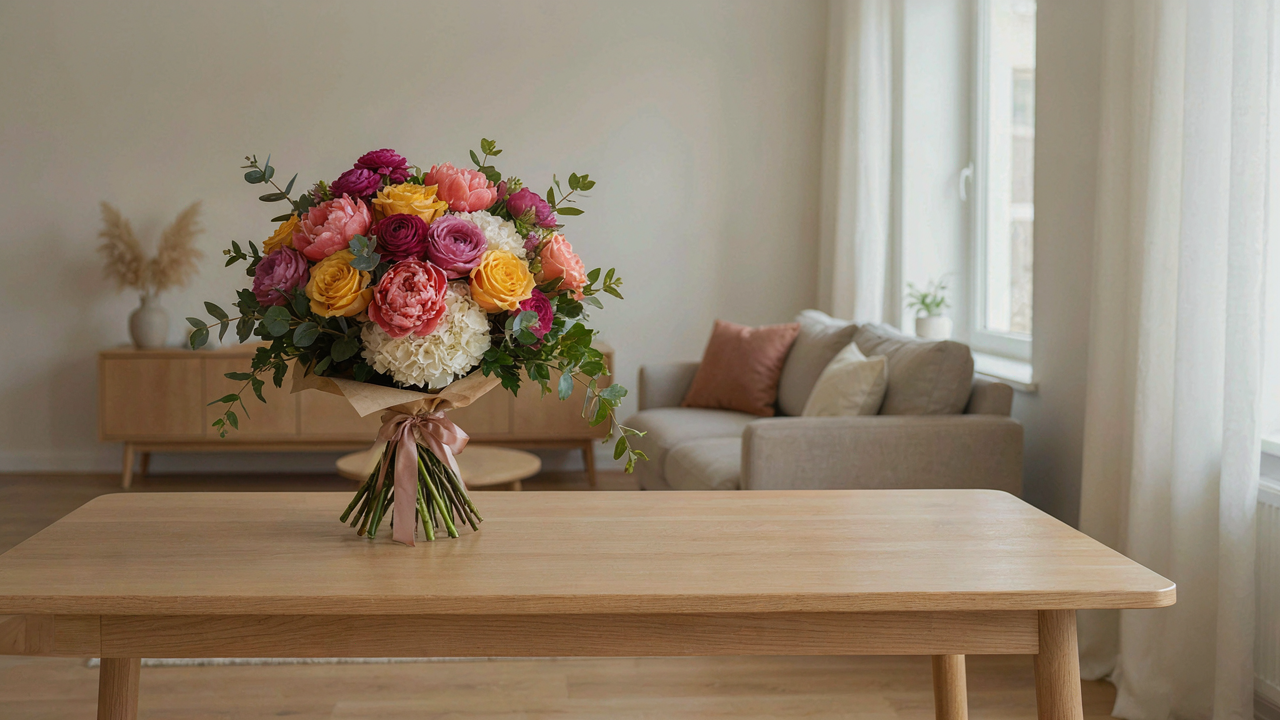
The Birthday Flowers Fallacy: Why “Beautiful” Is Never Enough
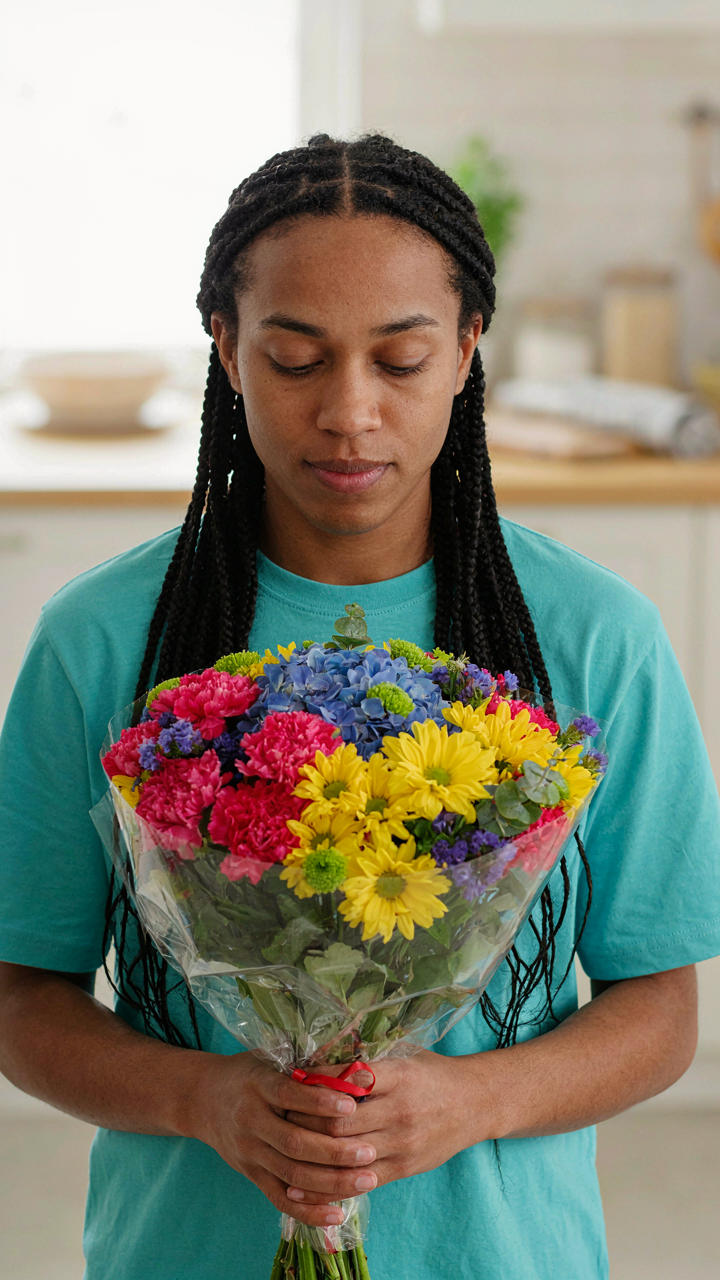
Generic Bouquets: The Mark Of Low Effort
You want the recipient to feel seen, not just remembered. That’s what you’re really after here, and a pre-made bouquet signals the opposite. The economics of gift-giving work like this: effort maps to perceived value. A generic arrangement from a supermarket or chain florist requires zero customization, zero research, zero friction. Everyone sees this. The recipient catalogs it as transaction, not intention.
Most people grab whatever looks full and colorful because they confuse visual density with thoughtfulness. The problem isn’t the flowers themselves. The problem is the absence of any decision that required you to know something about the person receiving them. A generic bouquet is the floral equivalent of a gift card. Functional, but forgettable.
Beyond Aesthetics: The True Gift Mechanism
What actually moves someone isn’t how the flowers look when they arrive. It’s the fact that you identified a specific flower, a specific color range, or a specific combination because you know something about their taste, their home, or what they actually respond to. Psychology researchers call this the “effort heuristic”—people infer meaning from labor invested. You’re not buying flowers. You’re translating knowledge into a physical object.
The real mechanism works like this: choose flowers based on one concrete detail about the person (their favorite color, their design aesthetic, a flower they’ve mentioned, the vibe of their space). Research the bloom time and longevity. Order from a local florist who can execute specificity, not a delivery service that mass-produces arrangements. That specificity is what transforms a birthday gift from decoration into acknowledgment.
The Giver’s Advantage: Leveraging Birthday Bouquet Psychology
Color Theory In Action
You want the recipient to feel something specific about you without saying it out loud. That’s the real game here.
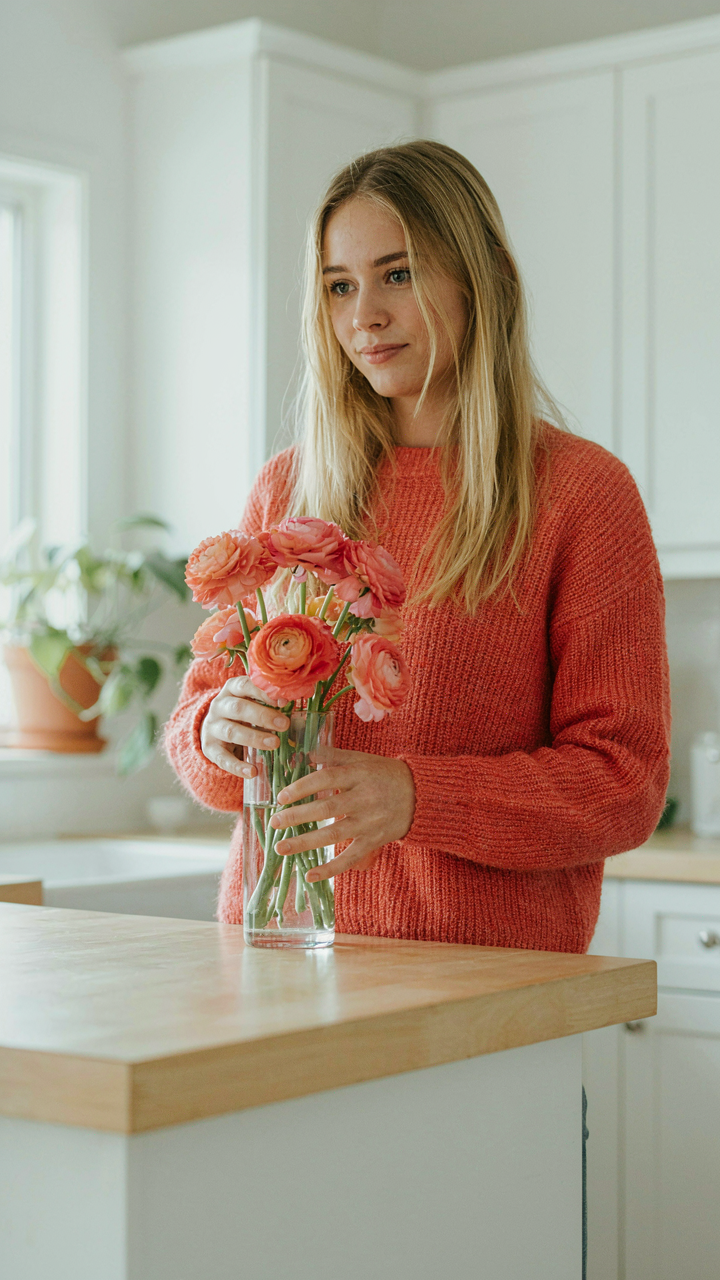
Color triggers involuntary neurological responses. Red activates arousal and intensity. Blue creates calm and trust. Yellow signals joy but can feel cheap if overused. The recipient’s brain registers color before processing the flower type itself. Pick a dominant color based on the emotional message you need to send, not based on what looks trendy. A single-color bouquet strategy works harder than a rainbow approach because clarity beats complexity in human perception.
The mechanism is straightforward: dominant hue first, then flower selection second. Most people reverse this and end up with muddled messaging. If you want to signal passion, reds and deep pinks work. If you want warmth without intensity, corals and peaches land different. Your choice of color palette becomes the unspoken context for every flower in the arrangement. The recipient reads the room emotionally before reading the flowers literally.
Flower Types Unspoken Language
Roses don’t mean romance automatically. They mean investment and formality because they’re expensive and difficult to grow. The social code attached to roses is tied to scarcity and effort, not sentiment.
Tulips signal optimism and new beginnings because they bloom in spring after dormancy. Sunflowers read as gratitude or admiration without romantic pressure. Peonies mean prosperity and health in Asian tradition, which shapes perception even in Western homes. Daisies feel casual and sincere. Orchids communicate luxury and complexity. The flower type you choose activates an unspoken cultural script that the recipient’s brain has absorbed through years of exposure. Pick the flower that matches the relationship tier and the message weight you’re actually carrying. Mismatch the flower to the relationship and you look confused about what you’re giving, not generous.
The Strategic Selection Protocol For Birthday Flower Arrangements
Who You’re Actually Buying For
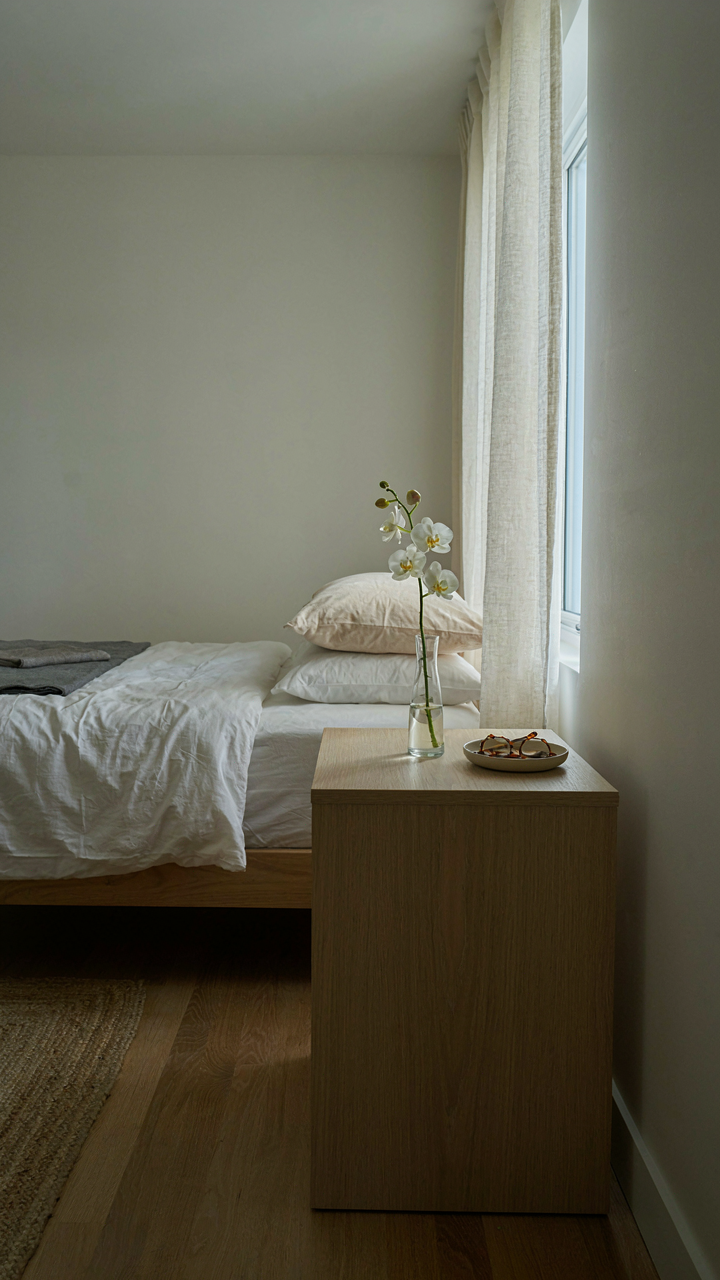
You’re afraid the flowers won’t matter, so you’re hoping a framework will fix that fear. Here’s the real mechanism: recipient profile selection works like market segmentation in economics. You’re not picking flowers for a person. You’re picking flowers for a specific life context, and that context determines what lands and what gets ignored.
Most people buy flowers based on color preference or what looks good in a vase. Wrong entry point. Start with living situation, time availability, and aesthetic exposure. Someone in a studio apartment can’t maintain a five-stem arrangement that needs daily water changes. Someone who travels constantly doesn’t want flowers that peak in three days. Someone who never buys home decor won’t notice the difference between grocery store roses and florist-grade peonies. Profile first, aesthetics second.
Matching The Moment To The Message
The occasion isn’t just a date on the calendar. It’s a signal of what the flowers need to accomplish. A milestone birthday demands different flowers than a casual celebration because the emotional weight differs, and flowers communicate through longevity and presentation style.
Milestone birthdays (30, 40, 50) work with structured arrangements that command attention in a room. The person expects something intentional, not an impulse grab. Casual birthdays work with mixed bunches that feel personal without being over-engineered. Same flowers, different arrangement architecture, different message delivered. Match the arrangement format to what the occasion actually demands, not what you assume looks nice.
Luxury Flower Bouquets: Investment Vs. Extravagance
Quality Over Quantity Separates Signal From Noise
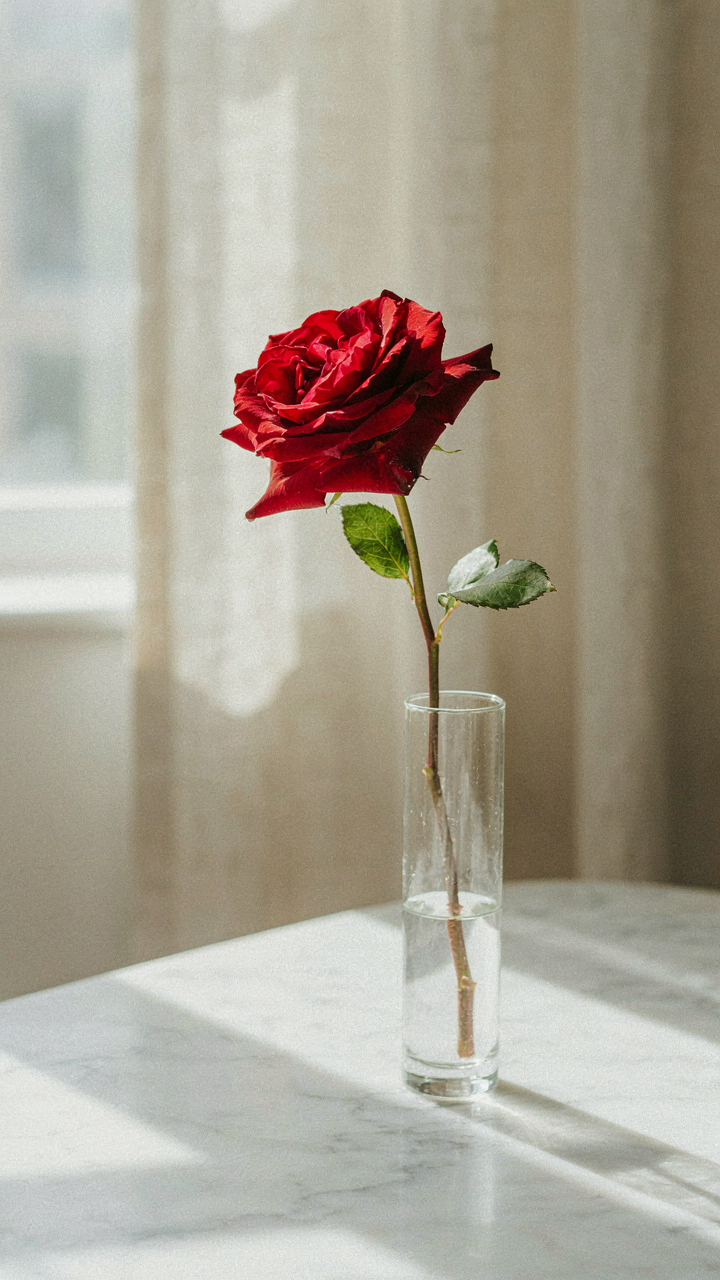
You want people to know you spent money without looking desperate about it. Here’s the mechanism: a single premium stem holds more visual weight than ten commodity flowers bundled together. Florists exploit this by stuffing arrangements with filler greenery and cheap bulk flowers. Real luxury works the opposite way. Fewer stems, each one selected for longevity and structural integrity, create an arrangement that improves with age instead of browning in days.
The economics here mirror wine collecting, not fashion. A twenty-stem arrangement of garden roses outlasts a hundred-stem supermarket bundle by weeks. Premium cultivars have thicker petals, stronger vascular systems, and hold water more efficiently. When someone receives flowers that don’t wilt by Thursday, they remember who sent them. That’s not sentiment. That’s the sender proving they understand value doesn’t scale linearly with volume.
Where Premium Florists Actually Source Their Stock
Stop trusting local florists who claim everything is fresh. Many source from the same wholesale channels as supermarkets, then charge triple. Real value hides with growers who cut flowers the morning of delivery, not three days prior. Dutch auction markets and direct farm relationships determine freshness, not store location or website design.
Seek florists who specify cultivar names, harvest dates, or farm origin in their descriptions. This transparency signals they track their supply chain because it matters to their margins. Premium arrangements cost more partly because the florist paid more at auction for superior specimens. Ask directly how old the flowers are when they arrive. Any florist unwilling to answer is hiding that they’re selling aged inventory dressed up as luxury.
The Entropy Of Gifting Framework For Birthday Flowers
Flowers Decay, So Your Signal Doesn’t
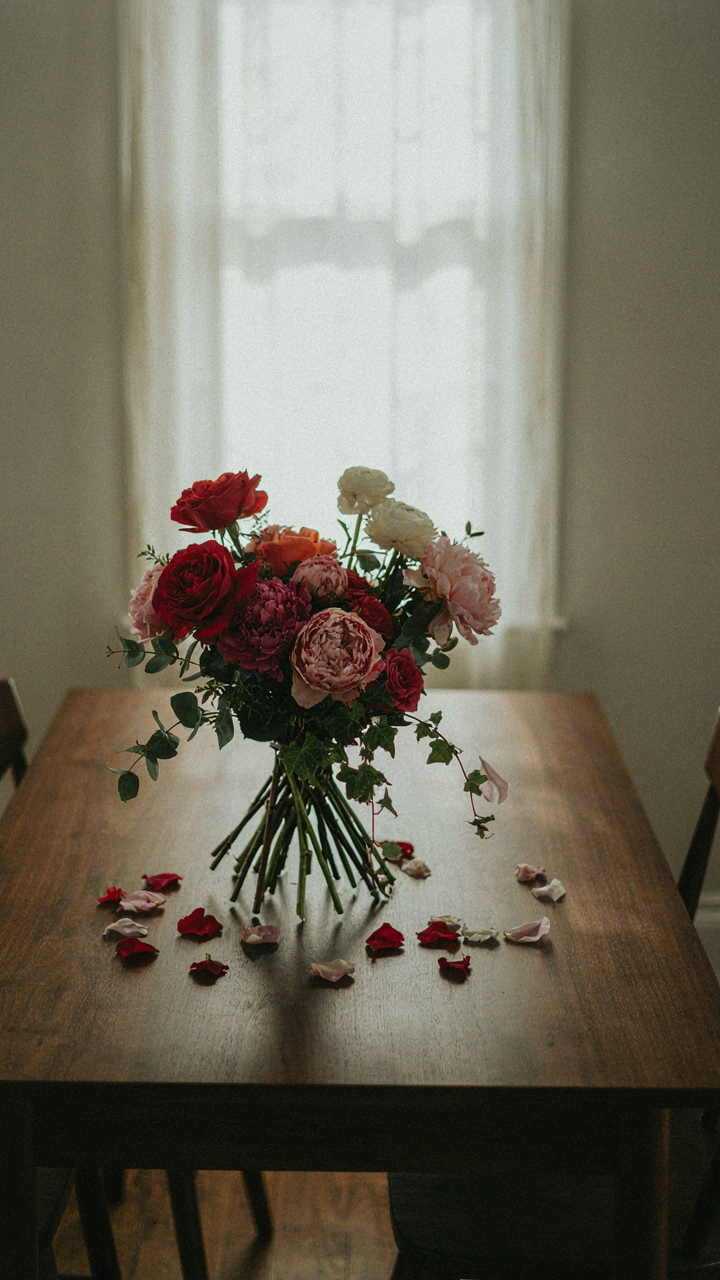
You’re worried the gift won’t matter. That it’ll sit on a shelf and get forgotten. That spending money on something temporary means you wasted it. But that impermanence is the mechanism itself. In thermodynamics, entropy measures disorder and energy loss over time. A birthday flower gift operates on the same principle: its value lives in the rate of decay, not the object. The faster it fades, the more urgently it demands attention. A wilting stem forces presence. A silk flower does nothing.
The decay timer is what makes flowers work as signals at all. They announce “I chose something that will not outlast this moment.” That’s expensive. That’s intentional. A potted orchid lasting months reads as generic. A premium cut arrangement lasting five days reads as calculated sacrifice. The recipient processes this unconsciously. They understand you paid for time, not durability. This is why fresh flowers hit harder than any permanent gift in the same price range. The entropy does the work.
Costly Signals Collapse When They’re Cheap
Game theory calls this signaling, and the rule is unforgiving: a signal only works if it costs you something real. Most people misunderstand this. They assume a bigger bouquet or rarer flower variety sends a stronger signal. Wrong. The signal collapses the moment the cost becomes obvious or easy to absorb. When everyone can buy premium flowers online, premium flowers stop signaling anything except that you used a credit card.
What actually signals is constraint plus execution. A hand-delivered arrangement from a local florist in your city reads different than a same-day delivery from a national chain. One suggests you planned ahead and coordinated effort. The other suggests you typed into your phone five minutes before the cutoff. The perceived value of the gift isn’t determined by its market price. It’s determined by how much friction you absorbed to make it happen. Remove the friction, and you remove the signal.
DIY Birthday Flowers: When Handmade Outperforms High End
Authenticity Commands Attention
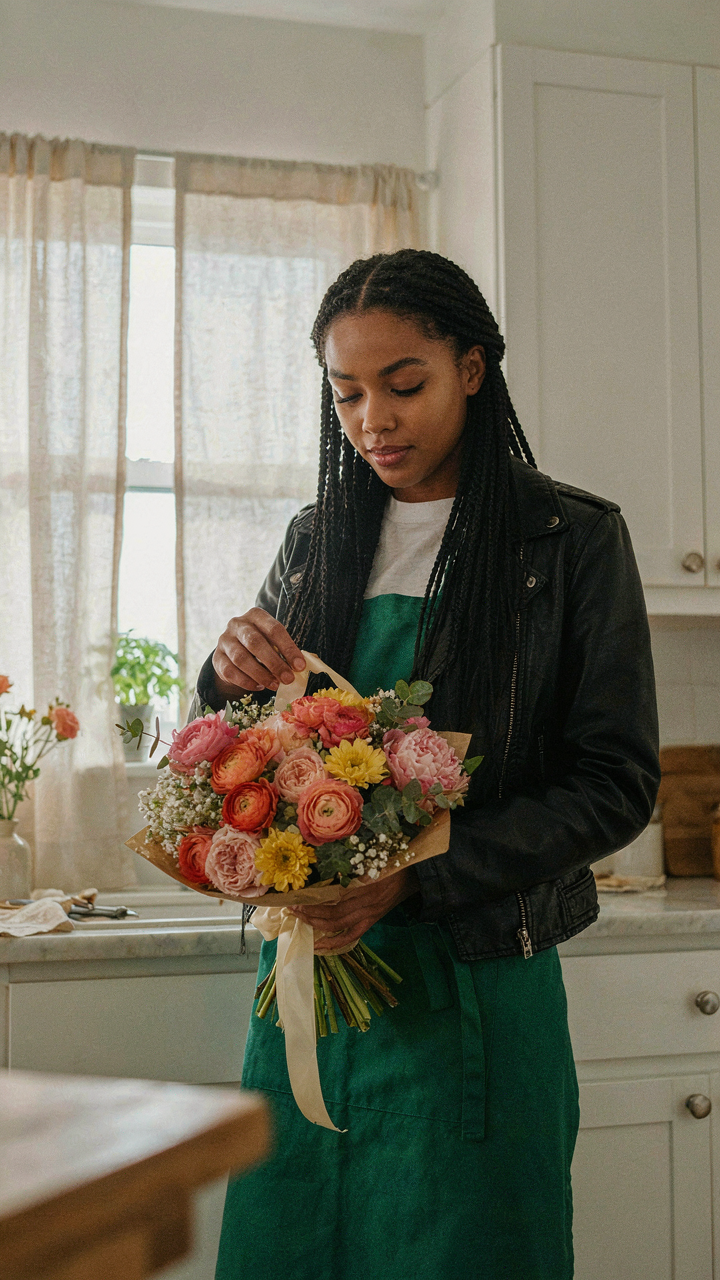
You want the recipient to know you spent time on them instead of money. That’s the real move here. The mechanism is scarcity reversal. In economics, scarcity drives value. With flowers, the inverse applies: your actual hours spent arranging stems signal investment more loudly than a florist’s markup ever could. A $200 delivered arrangement proves you have a credit card. A hand-arranged bouquet proves you have a schedule flexible enough to block two hours on their birthday.
Florists have trained people to equate cost with care. This is backwards. The person who learns to strip thorns, condition stems, and balance color weight demonstrates competence and intention. Authenticity isn’t nostalgia or sentiment. It’s proof of friction. You took friction into your life to give them something. That trades at a different currency than transaction-based gifting.
The Hidden Skill You Gain
Nobody mentions that learning to arrange flowers teaches you design fundamentals applicable everywhere else. Color theory, spatial composition, and material constraint solving are transferable. You pick up floristry basics and suddenly you understand how to compose a room, a photo, or even a written page. The tutorial you watch to learn how to build a compact hand-tied bouquet is the same tutorial teaching you gestalt principles.
The protocol is simple: source flowers from a wholesale market or grocery supplier two days before the birthday. Condition them in room-temperature water for 24 hours. Remove lower leaves, cut stems at 45 degrees, and arrange in a hand-tied structure by building around a central focal flower and spiraling outward. This single project embeds design literacy that stays with you.
Beyond The Vase: Extending The Life Of Your Birthday Bouquet Gift
Keep Cut Flowers Fresh Longer
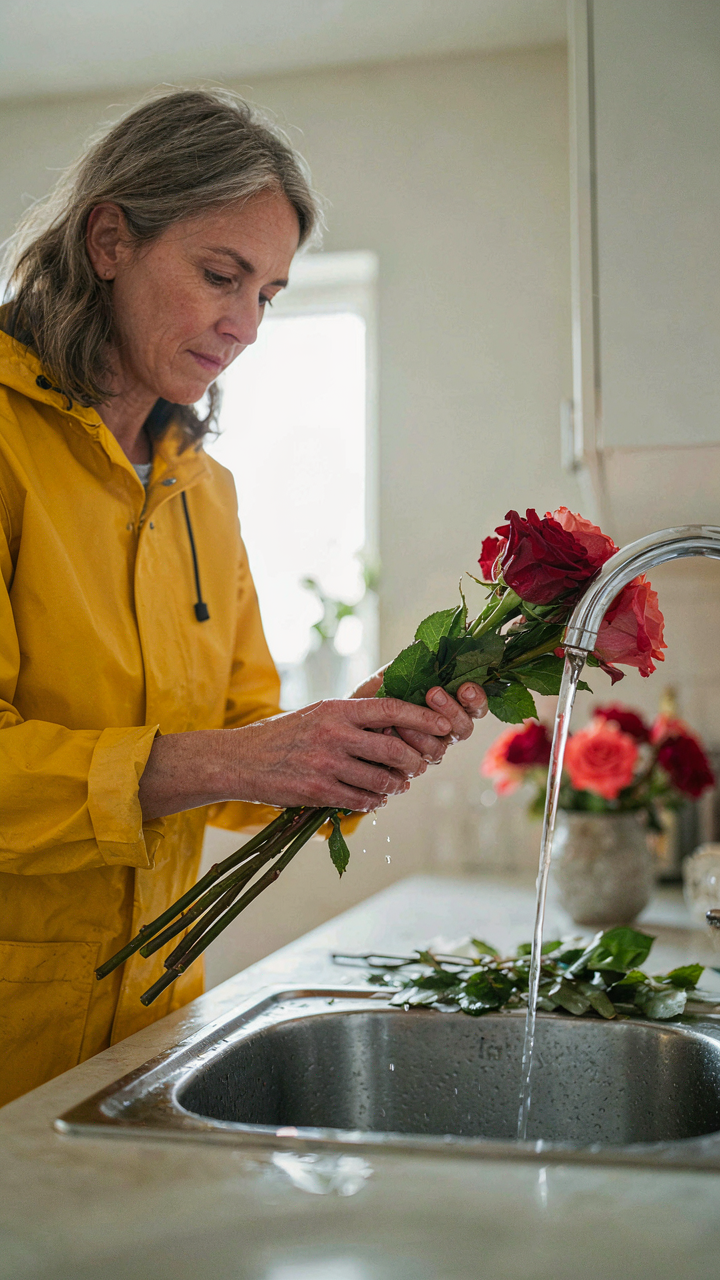
You want the gift to prove it mattered. That’s the real reason you care about this section. The mechanism is simple: cut flowers die because bacteria colonize the stem and block water uptake. Stop this by changing the water every two days, cutting a quarter inch off the stem at a 45-degree angle, and removing leaves below the waterline. Temperature matters too. Flowers last longest in cool environments between 65 and 72 degrees Fahrenheit. Direct sunlight accelerates wilting, so place the vase away from windows and heat sources.
Here’s the full protocol:
- Water change schedule: Replace water completely every two days. Fresh water starves bacterial growth and restores uptake capacity at the stem base.
- Stem preparation: Cut one quarter inch at 45 degrees with sharp scissors. Angled cuts expose more surface area for water absorption than straight cuts.
- Leaf removal: Strip all foliage below the waterline. Submerged leaves decompose and feed bacteria that clog the vascular system.
- Temperature control: Keep flowers between 65 and 72 degrees Fahrenheit. Heat accelerates respiration and wilting, while cold slows bacterial growth.
- Light placement: Position vases away from direct sunlight and heat vents. Ethylene gas from ripening fruit nearby also shortens vase life by days.
Florist-supplied flower food works, but only if you actually change the water. The food feeds both the flowers and the bacteria equally. Most people skip the water changes and wonder why bouquets collapse after four days. The flowers don’t fail because of the gift. They fail because maintenance stops after day one.
What To Do When Petals Start Falling
Throwing away a dying bouquet is wasteful and it signals the end of something you paid for. Instead, extract value from declining blooms before they hit the trash. Roses and peonies still hold aesthetic weight when most petals have dropped. Strip the remaining blooms and float them in shallow bowls of water. They become a different object entirely, not a failed vase arrangement. Dried petals serve another function: scatter them in a drawer with clothing, or layer them in a glass vessel with salt for a preserved potpourri that lasts months.
Some flowers transition better than others. Lavender, statice, and solidago dry naturally while still in the vase without extra effort. Hang roses upside down in a dark closet for seven to ten days to preserve them completely. This isn’t decoration. It’s resource capture. When you stop seeing the arrangement as a single unit with an expiration date, you recover months of value from stems that still contain structural integrity. The vase becomes temporary storage, not the final form.
The Post Gift Audit Optimizing Future Birthday Flower Gift Inspo

What Actually Landed With Them
You’re tracking whether your gift was remembered because you need proof you chose well, not because you actually want to improve. Here’s the mechanism: treat gifting like A/B testing in marketing. One variable changes at a time. Did the recipient display the flowers prominently? Did they mention them days later? Did they text you about them unprompted? These are your data points, not their politeness.
Most people skip this step because it feels needy to follow up. It’s not. Ask directly what they liked about the arrangement or if certain flowers lasted longer than others. You’re not fishing for compliments. You’re collecting intelligence. The person who systematically learns what works gets better at being remembered. Everyone else repeats the same forgettable choices year after year.
Refining Your Selection Process Over Time
Building a gifting strategy requires applying the feedback loop backwards into your decision framework. Track which flower types, colors, and arrangements your specific recipients respond to. Ranunculus holds longer than tulips. Succulents survive neglect better than orchids. Dried flowers work for minimalists who live in chaos. You’re not personalizing based on sentiment. You’re personalizing based on how they actually live and what they’ll maintain.
Document one specific detail after each birthday: the arrangement style that survived longest, the color they wore most that month, the room where they placed it. Next year, reference that exact data point when ordering. The common advice says “give from the heart.” That’s incomplete. Give from observation. Give from what stuck around long enough to prove the recipient valued it enough to keep alive.
The Real Obstacle Isn’t Finding The Perfect Birthday Flowers; It’s Your Inability To See Gift-giving As A Strategic Power Play
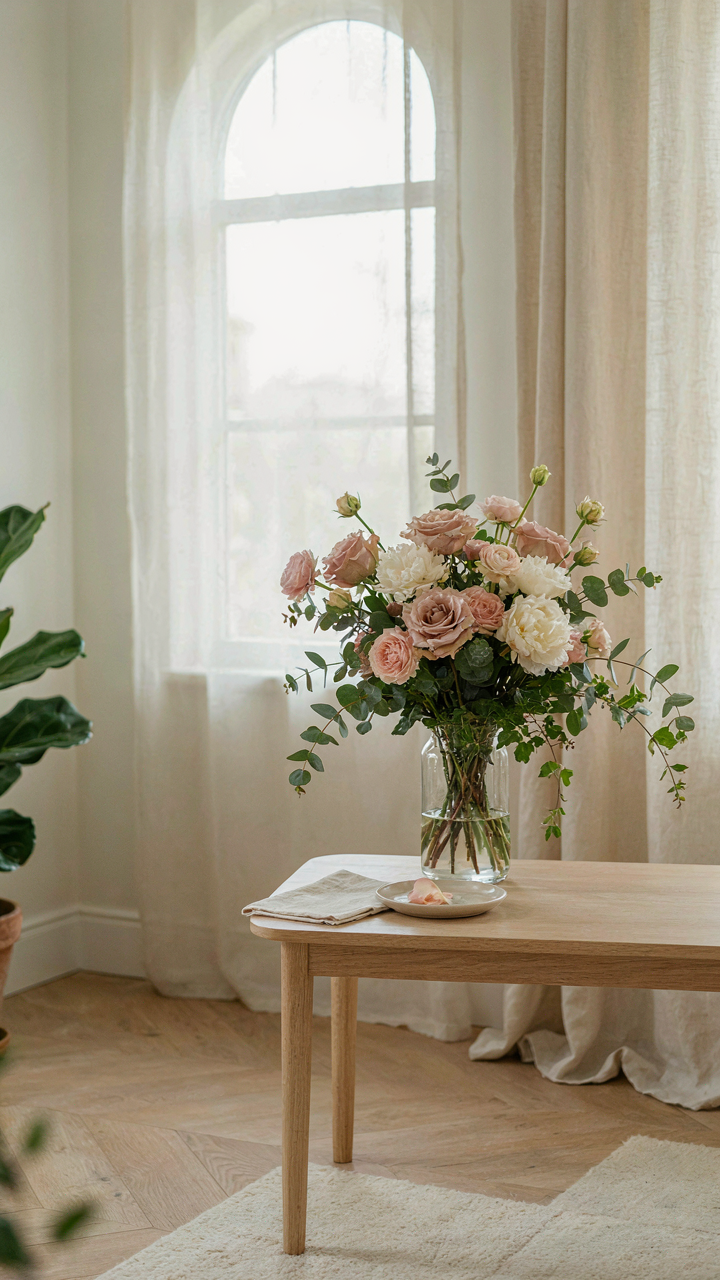
Most people treat birthday flowers like a checkbox. They miss the actual game: using a thoughtful gift to deepen relationships and create reciprocal loyalty. Your next move is simple. This week, pick one person you want closer to you and send flowers before their birthday arrives. Not on it. Before. Watch what happens when you move first and give them something they didn’t ask for. That’s when you stop being forgettable and start being unforgettable.



