
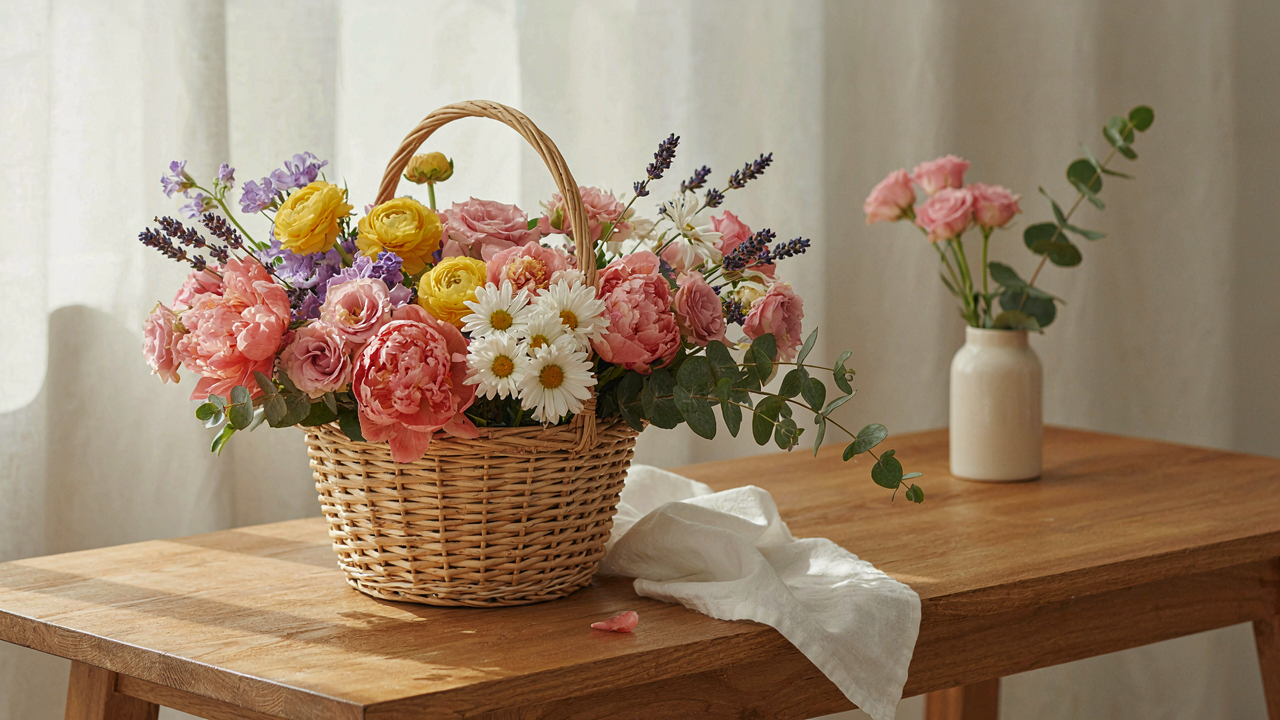
The Intentional Giver’s Imperative: Beyond Off The Shelf Blooms
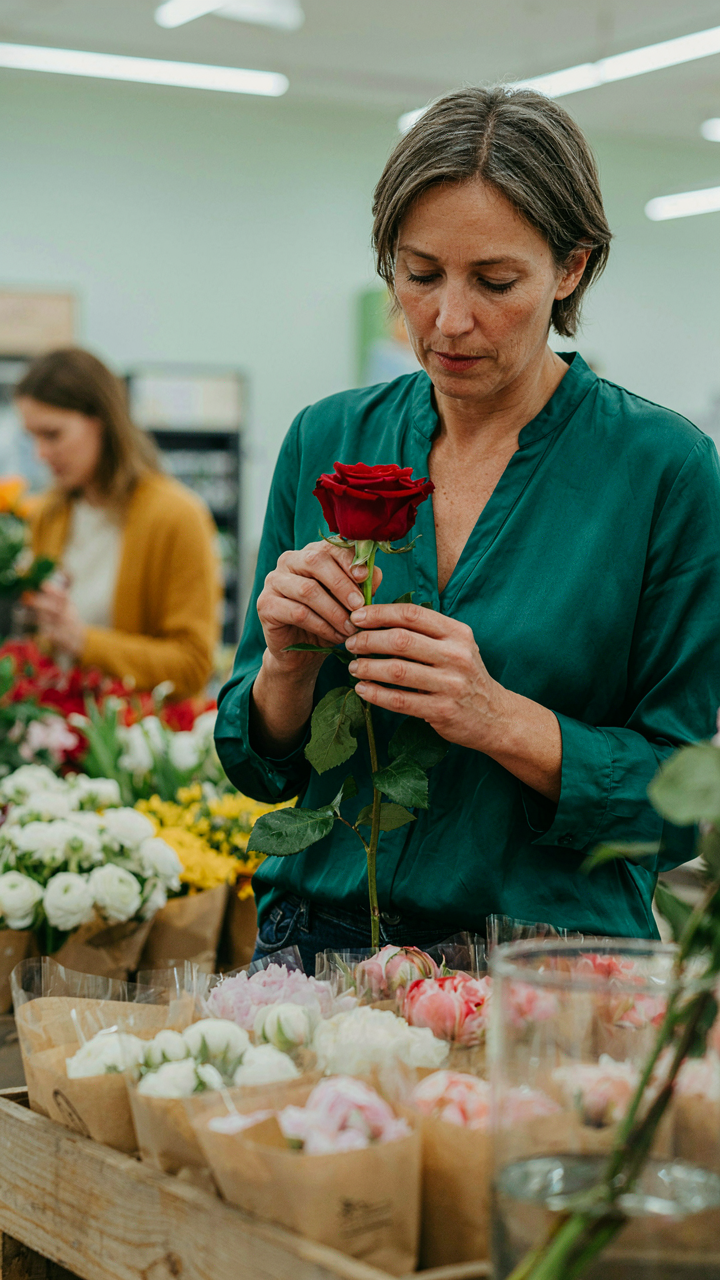
Know Your Recipient First
You want to look thoughtful without actually doing the work. Here’s the mechanism: most people assemble baskets around what’s available at the florist, not around who receives it. That’s backwards. Start with one fact about the receiver—their home style, what they actually display, a recent event in their life—and build backward to flowers that fit. A minimalist doesn’t want a dense arrangement in a wicker basket. Someone grieving doesn’t want bright reds. The basket becomes an extension of your understanding, not a generic vehicle.
The difference between a gift someone keeps and one they discard comes down to fit. A surgeon with steady hands and limited time doesn’t need delicate flowers requiring constant water changes. A person with pet allergies needs to know which flowers are toxic before you hand them a basket. You’re not giving flowers. You’re giving a solution to their specific context. Collect these details before you shop, not after. This single shift transforms every basket from transaction to intention.
Strip Away The Floral Industry Default
The common advice tells you to buy pre-made baskets from grocery stores and add a bow. That’s lazy and you know it. The floral industry optimizes for margin and speed, not for what actually works in someone’s home. Pre-assembled baskets use filler flowers—cheap volume crops bred for shelf life, not beauty—to justify markup. Most contain flowers that wilt in five days. You’re paying premium prices for logistics dressed up as thoughtfulness.
Build your own basket from actual flowers you select. Start with a focal flower (roses, peonies, sunflowers depending on the person), add secondary texture (spray roses, hypericum berries, greenery), and choose a container that matches their aesthetic. Grocery store flowers are fine if you inspect them for bruising and conditioning. Florist-grade flowers cost more but last twice as long. The mechanism is simple: when you control every variable, you eliminate the middleman’s incentive to cut corners. You also eliminate the gift card aesthetic—where the recipient knows exactly how much you spent because the arrangement looks like a standardized product tier.
Deconstructing The “Simple” Myth: Why Easy Gifts Fail
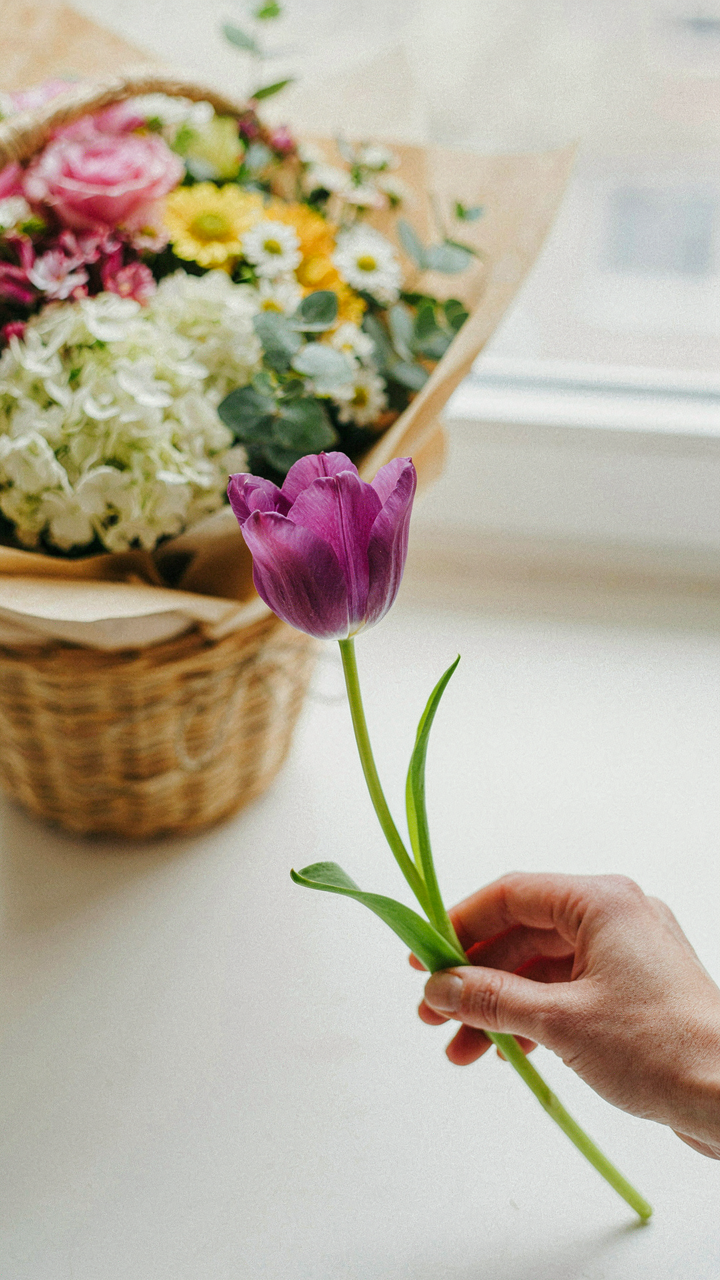
The Effort Paradox
You want to believe a gift basket is effortless because effort feels cheap. Here’s the mechanism: recipients use the perceived labor you invested as a proxy for how much you value them. Psychology calls this the effort heuristic. In gift-giving, it works like currency. A flower basket thrown together in fifteen minutes reads as fifteen minutes of care, not as thoughtfulness. The recipient’s brain does the math unconsciously and adjusts their emotional response downward accordingly.
The problem compounds because “simple” advice tells you to grab pre-made arrangements and call it done. That’s incomplete. Simple doesn’t mean low-effort in the recipient’s perception. It means efficient effort, not absent effort. You need to signal that you made deliberate choices, not that you grabbed whatever was closest. The difference is whether you selected specific flowers for their meaning, arranged them with intention, or just assembled inventory. That distinction lives entirely in the visible details.
What Convenience Costs You
Convenience is a signal too, and not the one you want sending. Economics teaches us that easy access reduces perceived value. Apply this to baskets: a gift that looks like it came together without friction suggests nothing scarce or hard-won went into it. The recipient interprets low friction as low stakes. They notice if your arrangement uses commodity flowers available everywhere versus a deliberate pairing that required knowledge or sourcing. That gap is where impression lives or dies.
The specific mechanism: convenience optimizes for your time, not their experience. A pre-assembled basket from a store shelf was optimized for retail velocity, not for the person receiving it. When you make choices that require you to think about them instead of yourself, that friction becomes the gift. The moment you break from the default path and select uncommon combinations, source specific stems, or arrange elements for a reason beyond filling space, you’ve crossed from convenient to intentional. Intentional is what registers.
The Curator’s Playbook: Elevating Your Bloom Basket Gift
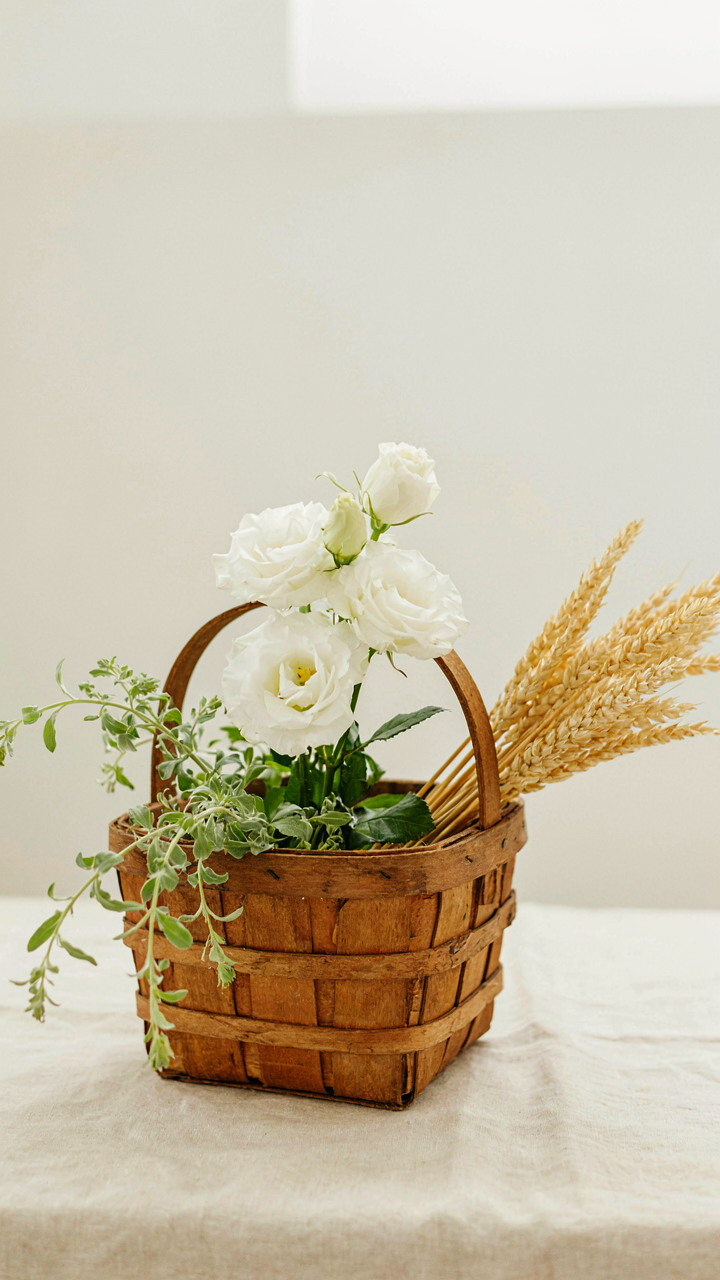
Choosing Flowers That Command Attention
You want people to think you spent more time and money than you actually did. Here’s the mechanism: flower baskets fail because people treat all blooms as interchangeable units instead of understanding how human attention works. In visual hierarchy, focal flowers dominate the viewer’s eye first, supporting flowers create depth, and filler flowers prevent the arrangement from looking sparse. Choose one dominant flower type, not five competing ones. Roses, peonies, and sunflowers anchor a basket because they have architectural weight and stop the eye. Everything else supports that choice.
The mistake most people make is buying whatever looks colorful at the grocery store and cramming it in. Instead, select your focal flower first based on the recipient’s actual taste or the occasion’s emotional tone, then build backward. A basket with twelve stems of one variety reads as intentional. A basket with two stems each of six varieties reads as confused shopping. The focal flower should occupy 40 to 50 percent of the visible surface area. Buy doubles and triples of what matters, singles of what supports.
Unexpected Materials That Signal Intention
Everyone knows filler greenery exists. Nobody knows why most people choose wrong. Forget the consensus advice about eucalyptus and ruscus being universally good. The real mechanism comes from contrast theory in design: textural opposition makes the flowers pop. If your focal flowers are smooth petals, add spiky or feathered textures like thistle, celosia, or ornamental grasses. If they’re densely petaled like peonies, introduce airy negative space with hypericum branches or astilbe. This isn’t decoration—it’s visual contrast creating perceived value and craftsmanship.
Basket builders skip this step and default to fern or salal because it’s what suppliers push. Instead, spend two minutes thinking about tactile and visual opposition. Dried wheat with garden roses signals intentionality. Curly willow with tulips signals someone who knows structure. Ruscus alone signals you grabbed the nearest thing. The material choice tells a story about whether you thought at all. Pick your textural contrast before you buy the basket, and your arrangement will automatically look three levels more sophisticated than the standard approach.
The Floral Box Vs. Basket: Choosing Your Vessel Wisely
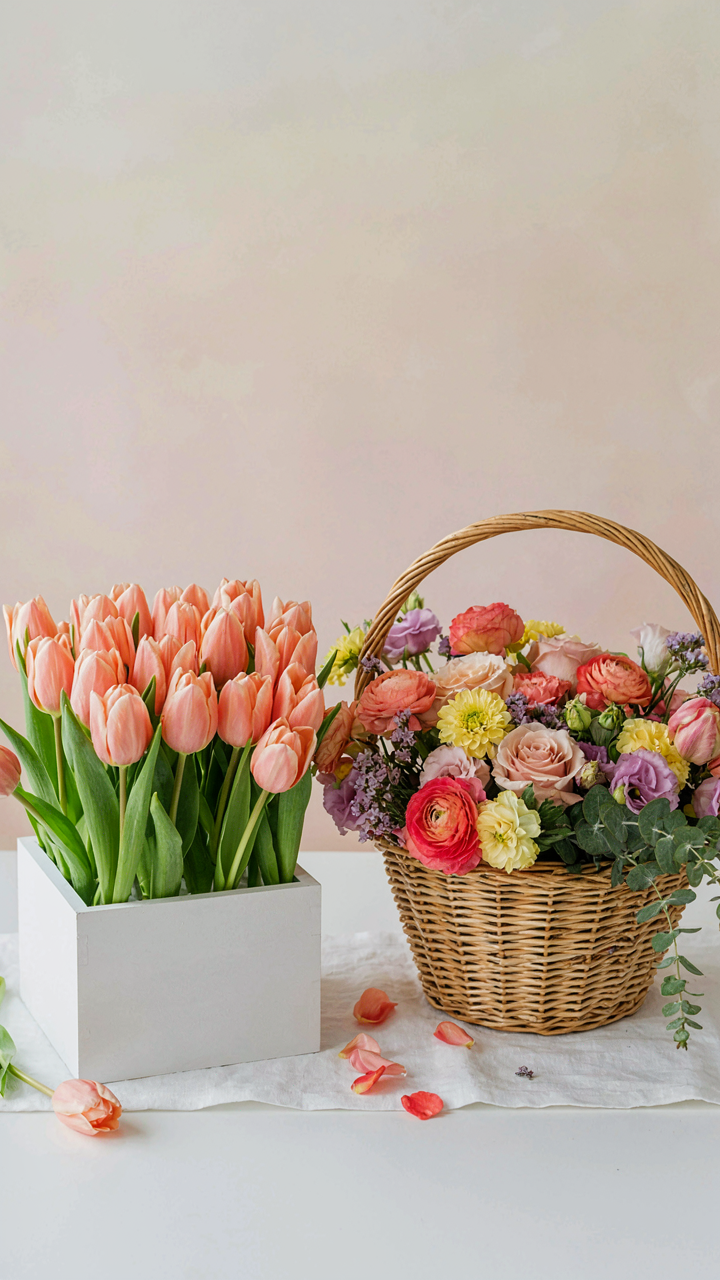
How Your Container Signals Value
You’re worried the recipient won’t think you spent enough. That’s the real tension here. The mechanism is simple: containers telegraph investment before flowers ever enter the equation. A basket reads as traditional and generous. A box reads as curated and intentional. Both work, but they operate on different visual logic. Baskets occupy space aggressively and feel abundant. Boxes nest flowers tighter, forcing arrangement discipline and making each stem count. Neither is objectively better. Your choice depends on whether you’re signaling volume or restraint.
Baskets hide weak flower placement behind woven walls and handle crowding gracefully. Boxes demand precision because every flower shows. This is why florists use boxes for high-end arrangements and baskets for bulk gifting. If you’re assembling this yourself, know that a basket forgives casual arrangement work. A box exposes it. Choose the vessel that matches your execution level, not your intention.
Durability Through Transit And Time
Transport logistics win or lose a gift before delivery happens. A woven basket has structural integrity that survives being set down, shifted, and handled carelessly. Water pools in basket weave naturally, so soil and moisture don’t destroy the base. A box requires a waterproof liner or the cardboard deteriorates in hours. Most boxes sold for flower gifting come with plastic inserts that prevent collapse, but cheap boxes fail if flowers release excess water.
Baskets last weeks after flowers die because they become functional storage. Recipients keep them. Boxes get thrown away within days of wilting. If longevity matters to your relationship with the recipient, a basket compounds the value over time by remaining useful. If you’re sending a time-sensitive arrangement meant to be displayed then discarded, a box works fine. For durability, line any basket with plastic before adding soil or water-absorbing material. For boxes, verify the liner quality before assembly.
The Signal To Noise Ratio Method For Gift Bouquets
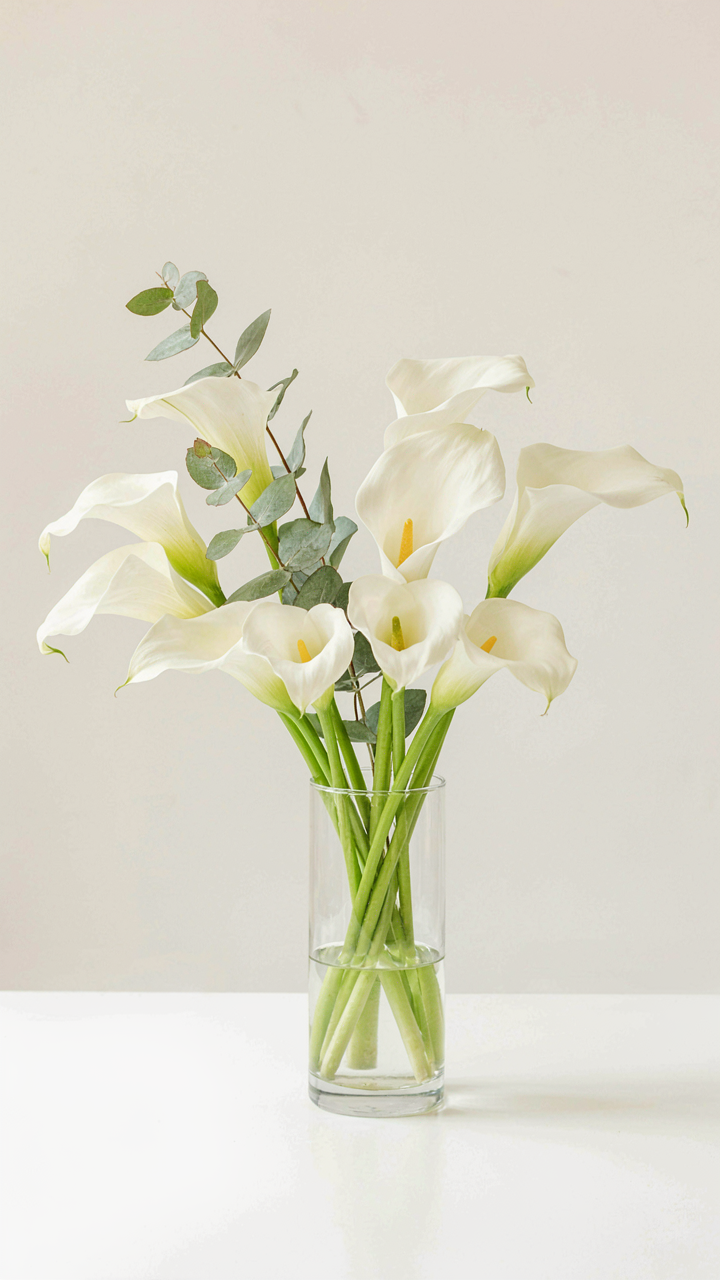
Cut Visual Clutter First
You want people to think you have taste. That’s the real motive here. Information theory solves this by measuring signal against noise, and a flower basket’s signal is its focal flowers while everything else competes for attention. Most people pack baskets like they’re afraid of empty space. They add filler, greenery, accent blooms, ribbon, and decorative picks until the eye has nowhere to land. The recipient sees quantity, not intention.
The mechanism is simple: remove one element at a time until the arrangement breaks. Then add that element back. This process reveals what actually communicates versus what just fills gaps. A tight arrangement of six stems of one variety beats twelve mixed stems scattered without hierarchy. Florists call this the Pareto principle applied to arrangements. You’re after the 20 percent of visual information that generates 80 percent of the response.
Make Every Element Earn Its Place
Don’t follow the generic advice to use “complementary colors” or “varying heights.” That’s incomplete guidance. Every stem, leaf, and filler must either amplify the focal flower or create a necessary structural boundary. Complementary colors mean nothing if they distract from what matters. A single type of greenery behind roses communicates restraint more than mixed eucalyptus, salal, and ruscus competing for notice.
The protocol: identify your focal flower first. Choose one supporting color or texture. Add one structural element like greenery. Stop. This constraint-based approach forces decision-making instead of decoration. Your arrangement now has a visual hierarchy the eye follows naturally. The recipient processes the gift in seconds, not minutes scanning for what you actually meant to send. That speed of comprehension is what registers as intentionality.
Beyond Petals: Crafting A Beauty Gift Basket That Resonates
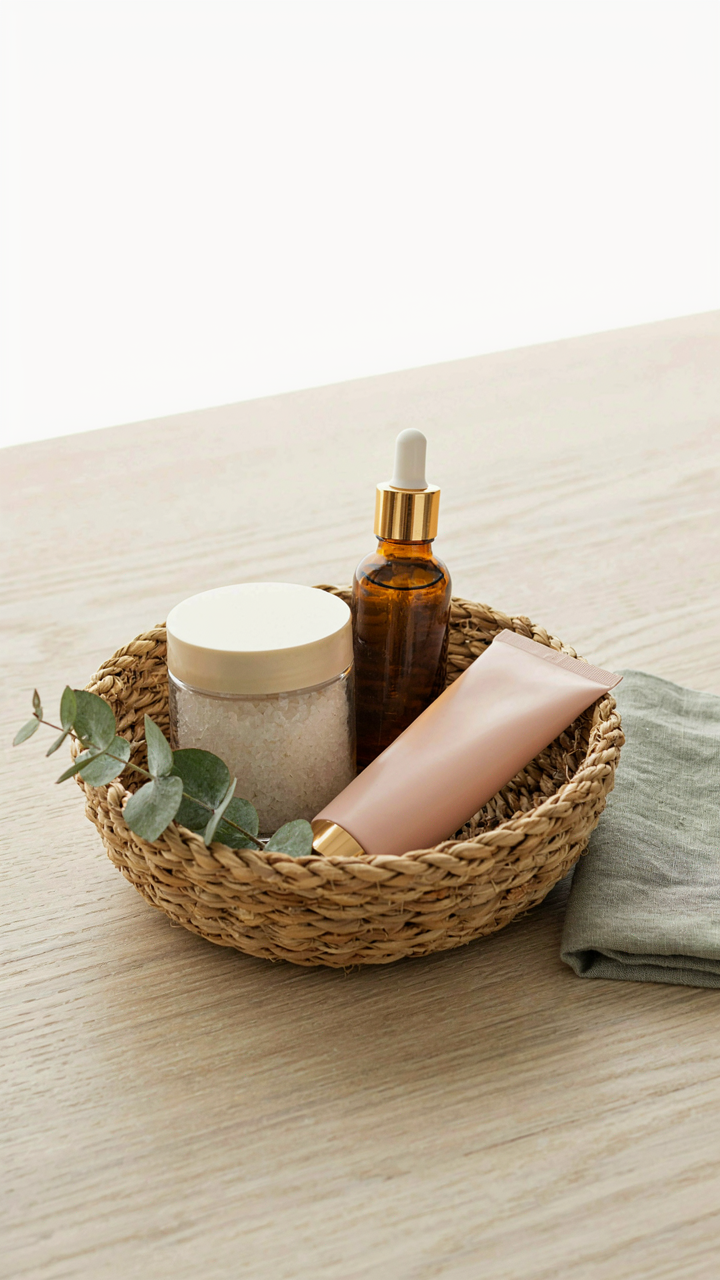
Luxury Self Care Pairing Strategy
You want people to think you understand refinement without actually spending four figures. That’s the real mechanism here: perceived value compounds when you layer complementary textures and price points strategically. A single expensive item signals recklessness. Three mid-range items that work together signal judgment.
Self-care products cluster into functional categories: cleansing, treatment, and finishing. A gift basket needs one from each tier. Start with a cleanser (face wash, body scrub, or exfoliating salt). Add a treatment layer (facial mask, body butter, or oil). Finish with a grooming item (hand cream, lip balm, or nail care). This stacks utility without redundancy. The recipient actually uses everything instead of letting half the basket gather dust.
Scent And Texture Pairing Protocol
Perfumery operates on top, middle, and base note architecture: your basket should use this same structure. Top notes hit immediately (citrus, herbs). Middle notes emerge after five minutes (florals, spices). Base notes anchor everything (woods, musk, vanilla). Each product you select should occupy a different olfactory layer so scents don’t compete or collapse into one muddy impression.
Texture variety matters equally. Pair a solid item (soap, salve) with a liquid (body oil, face serum) and something powdered (dry shampoo, setting powder). This prevents the basket from reading as monotone. When a recipient reaches in, they encounter contrast. That sensory variation makes the basket feel deliberate rather than like an afterthought bought at an airport. Layer three scent profiles across six to eight products, ensuring no two products share the same top note.
Birthday Basket Blueprint: Avoiding The Trivial Traps
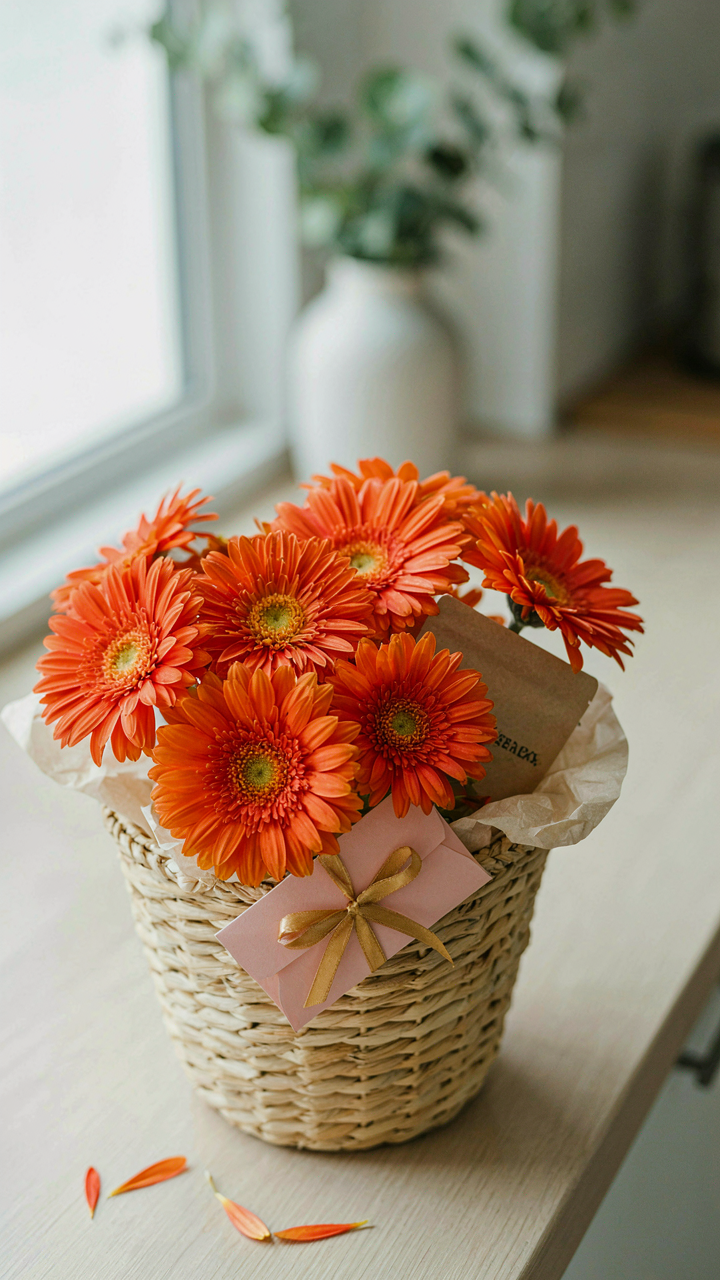
Match The Person, Not The Age Bracket
You want the basket to signal you actually know them, not just that you checked a box. The mechanism here is specificity. Generic “thirty-something” baskets fail because they’re designed for an abstract demographic, not a human. A forty-year-old who bikes needs different flowers and accompaniments than a forty-year-old who gardens. The gap between “age-appropriate” and “actually theirs” is where most givers lose momentum.
Dig into their actual behavior. What do they spend time on? What do they talk about without prompting? Age matters only as a filter for energy level and life stage. A fifty-five-year-old marathoner gets different treatment than a fifty-five-year-old who collects vintage records. The flowers stay the same, but what surrounds them shifts entirely. Include items that reference their specific world, not the world you think they should inhabit.
The Experience Layer Changes Everything
Most birthday baskets treat themselves as the final product, which is why they sit untouched. The real mechanism here comes from behavioral economics: people value what they do over what they own. A basket isn’t an endpoint. It’s a starting condition for an activity.
Build in something that requires action or engagement after unboxing. Pair flowers with high-quality tea and a tasting note card. Add a local bakery voucher they actually use. Include seeds and soil if they’re even mildly curious about plants. The recipient should feel the gift extends beyond the moment they receive it, not conclude there. This transforms the basket from a static object into a context for doing something together or for themselves over the following weeks.
Mother In Law Birthday: Navigating Expectations With Floral Gift Ideas
Restraint Over Impression
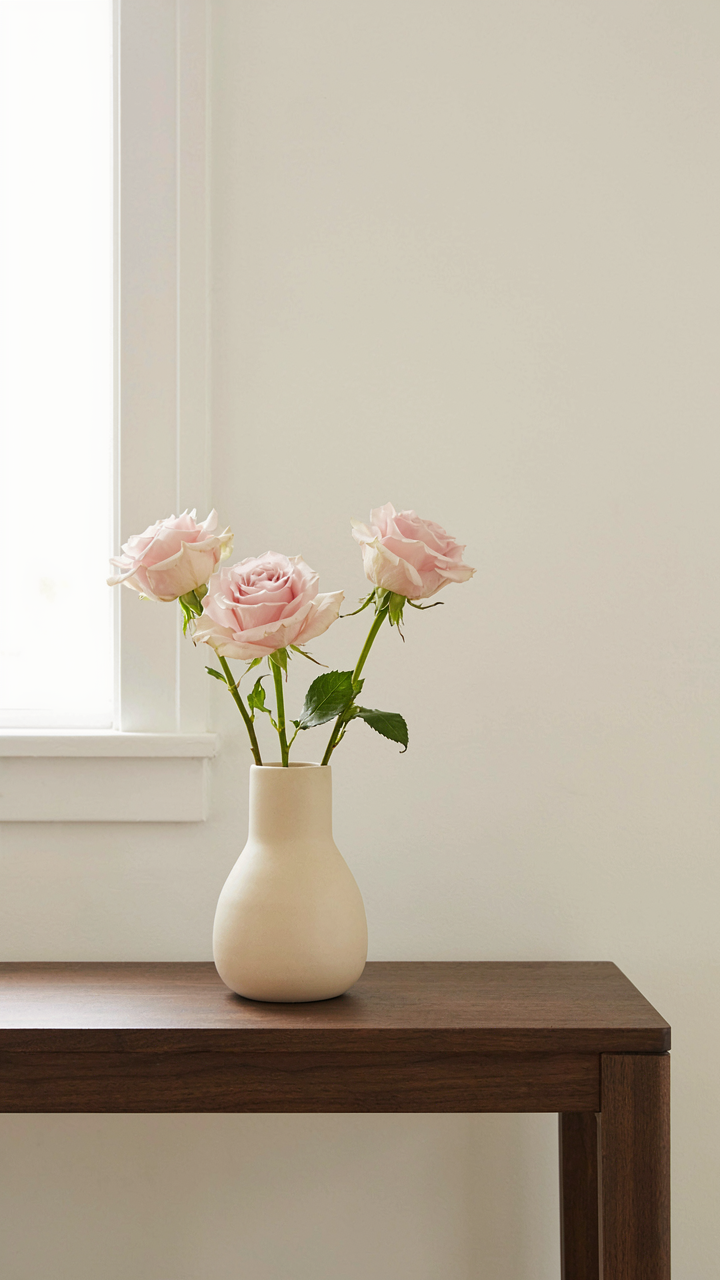
You’re worried this gift will define how she sees you. The mechanism at work here is status signaling through excess. Most people assume bigger baskets with more flowers equal more respect. The opposite is true. A mother-in-law reads restraint as confidence. She reads overload as anxiety. Choose three to five stems in a single color family, arranged in a compact vessel. This signals you understand her, not that you’re trying to buy approval.
A restrained arrangement also respects her space and schedule. Oversized baskets create obligation. She feels pressured to display it prominently or water it constantly. A modest basket sits anywhere without becoming a chore. Pair your selection with a vessel she’ll use after the flowers fade. Ceramic, glass, or wood holds actual value once the blooms are gone. That’s the real gift.
Meet Her Where She Actually Stands
Stop guessing at her taste. Most advice says “pick soft colors” or “go with roses.” Generic. Real strategy starts by observing what she displays in her home, what she wears, what she keeps around. If her kitchen has stainless steel and clean lines, florals with texture will clash. If her bedroom holds jewel tones and patterned pillows, pale pastels feel wrong.
The second layer is direct information. If you’re close enough to give a gift, ask her directly about flowers she dislikes. Carnations? Certain scents? Aversions to specific colors? She’ll tell you. This isn’t awkward—it’s respect for her preferences over your assumptions. Document her answer. Use it. A basket built on her actual tastes reads as thoughtful, not lucky.
Cute Gifts For Friends: The Art Of Playful, Purposeful Curation
When Humor Becomes The Container
You care about this section because you’re afraid a basket will land flat, revealing you don’t actually know the person as well as you pretend. The mechanism is simple: shared reference points signal familiarity. Inside jokes work in gift baskets because they compress a relationship’s history into one visible artifact. The recipient sees the joke and feels seen. That’s the entire transaction.
The common advice says just throw in funny items and call it done. Wrong. Humor without context reads as random. You need joke density: items that individually reference something only you two understand, then combine to create meaning only the recipient can decode. A gift basket becomes a private language made physical.
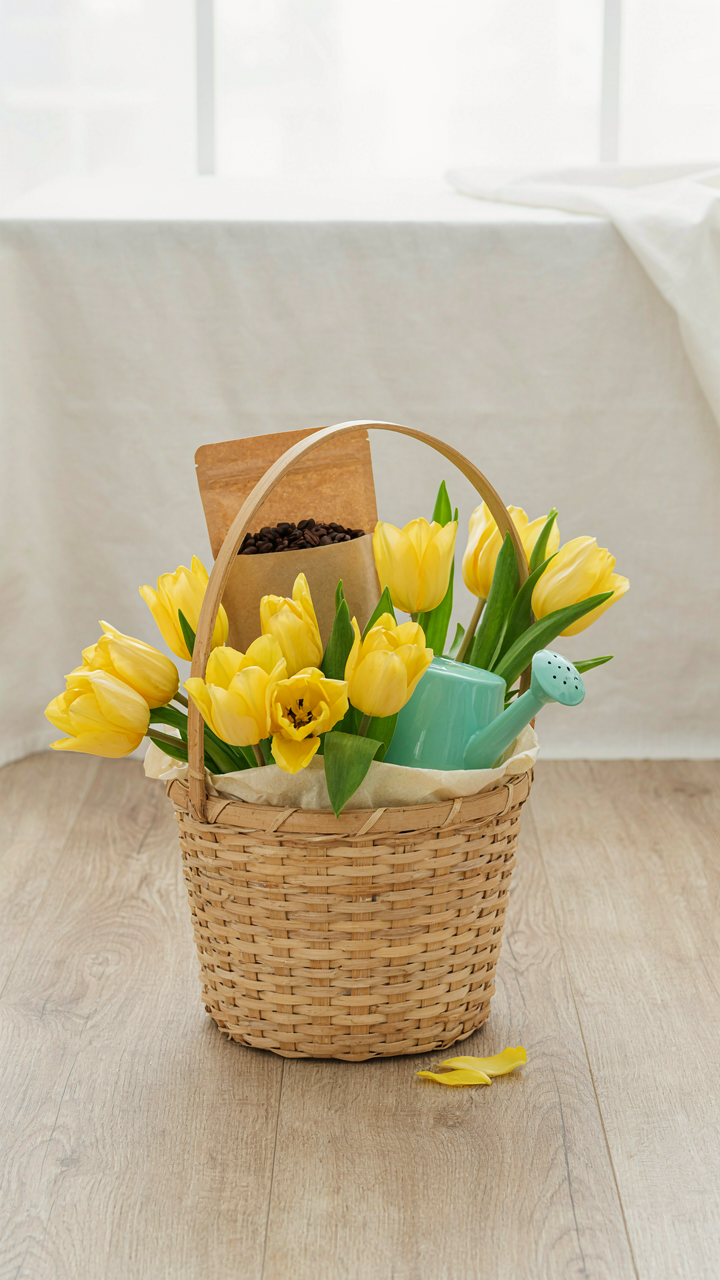
- Callback flowers with a twist: If she always forgets to water plants, pair delicate flowers with a joke watering can or drought-resistant succulent arrangement. The humor lands because it names a real pattern between you.
- Reference-specific snacks: Include her exact favorite candy or chip brand alongside flowers. The specificity proves you remember details most people miss.
- Meme-adjacent items: If you share a recurring meme or running joke, source small objects that physically represent it. Display them near the flowers so the basket tells a story.
- Ironic luxury pairing: Mix premium flowers with deliberately cheap or absurd items that contradict the formality. The juxtaposition becomes the joke itself.
- Quote or phrase callout: Include a small card with an inside joke phrase, then add items that visually represent it. The flowers become the backdrop to the real message.
The execution step: before you build the basket, write down three shared memories or recurring jokes. Pick the one with the highest visual potential. Build everything else around that anchor point. The flowers become secondary to the narrative you’re constructing.
Tokens That Actually Mean Something
Sentimental additions fail when they’re generic. A small item only counts as meaningful if it references something specific to your friendship, not something that could apply to anyone. Economics uses the term “specificity” to describe assets that lose value if repurposed. Apply that lens to sentimental objects in flower baskets: the more specific the item, the higher the emotional return because it cannot be replaced or substituted.
Common advice says add photos or letters. These often feel obligatory rather than impactful. Instead, source objects that remind her of a specific moment or period. A dried ticket stub from a concert you attended together. A small book by an author you recommended. A candle in a scent she mentioned once. These items work because they prove you listened over time, not just for this occasion.
The mechanism is recognition: she sees the object and experiences immediate recall of the exact moment you’re referencing. That cognitive snap is what creates the emotional weight. It happens in seconds, without explanation needed. Place these items where they’re visible when she opens the basket, not buried underneath flowers. They should be the first things she notices, with the flowers providing the visual frame around them.
The Unspoken Language Of Bloom Basket Ideas: Mastering Subtlety
What Colors Actually Do To People
You want this basket to land differently than the one everyone else gives. That’s the real reason you’re reading this section. Color isn’t decoration—it’s a signal processor. Neuroscience confirms that warm colors like red and orange trigger faster heart rates and urgency, while blues and purples activate calm and trust. A flower gift basket works the same way: the dominant color primes the recipient’s emotional state before they even process the flowers themselves. Red roses in a basket signal romance or intensity. Pale pink signals gentleness. The choice isn’t aesthetic—it’s mechanical.
The mistake most people make is treating color as personal preference. It isn’t. Cultural context matters too. In Western contexts, white flowers carry mourning associations in some regions but purity in others. Yellow reads as cheerfulness universally, but it also signals friendship—not romance. If you’re building a basket, your first decision should be which emotional state you’re actually trying to land, then reverse-engineer the dominant color from there. Don’t start with “what looks nice.” Start with “what feeling do I need this basket to create when they see it?”
Building Depth Through Material Layers
Texture contrasts work like a visual hierarchy in graphic design. Your eye needs somewhere to land, then somewhere else to travel. A basket filled only with soft blooms flattens immediately—boring and forgettable. The real mechanism is contrast. Pair delicate petals against rough foliage, smooth leaves against spiky grasses, and dense blooms against open, airy filler. This isn’t about making it “interesting.” It’s about making the eye work, which makes the brain register the basket as intentional rather than thrown together.
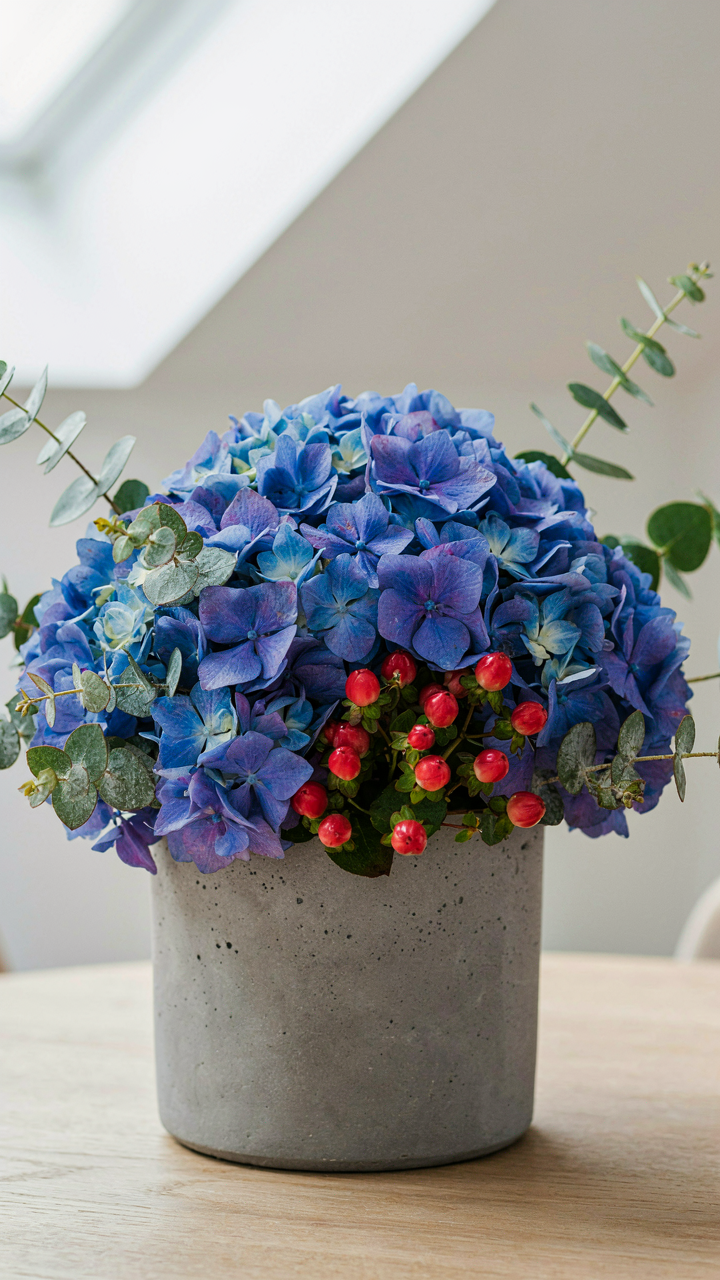
You see this in professional floral design because it works. Eucalyptus branches add visual texture without competing for attention. Seeded eucalyptus, pittosporum, or leather leaf fern create structural breaks. Hypericum berries introduce hard, round shapes among soft petals. When you assemble the basket, position these textural elements first—they become the skeleton. Then fill gaps with blooms. The tactile variety keeps someone’s attention on the arrangement longer, which builds perceived value even if you spent the same amount of money as the flat basket next to it.
The Real Obstacle Isn’t Simplicity, But Your Unwillingness To Commit To Intentional Curation
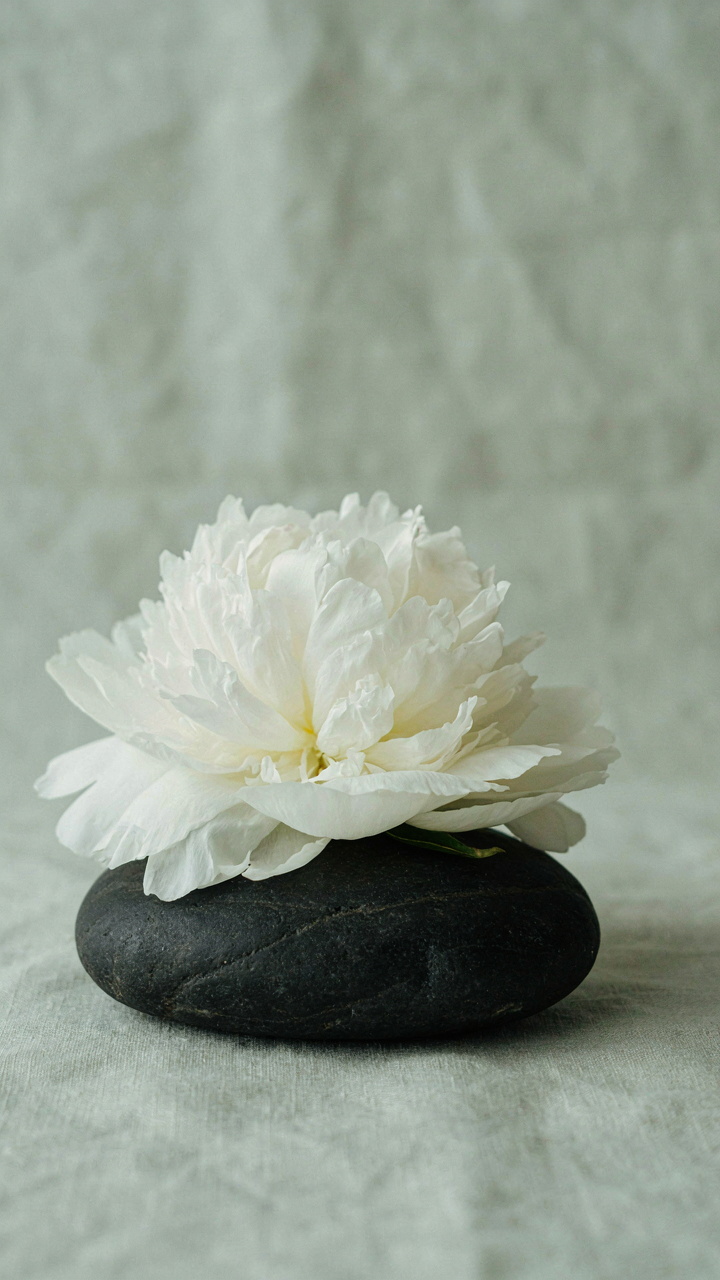
You’ll abandon flower gift basket ideas the moment they demand real choice. Most people don’t want to curate. They want a template. But templates die the second someone receives their third identical basket. The shift happens when you stop treating baskets as decoration and start treating them as statements about who the person is. Pick one flower that actually means something to your recipient today, then build around it. Everything else follows. A thoughtful basket beats a perfect one every single time.



