
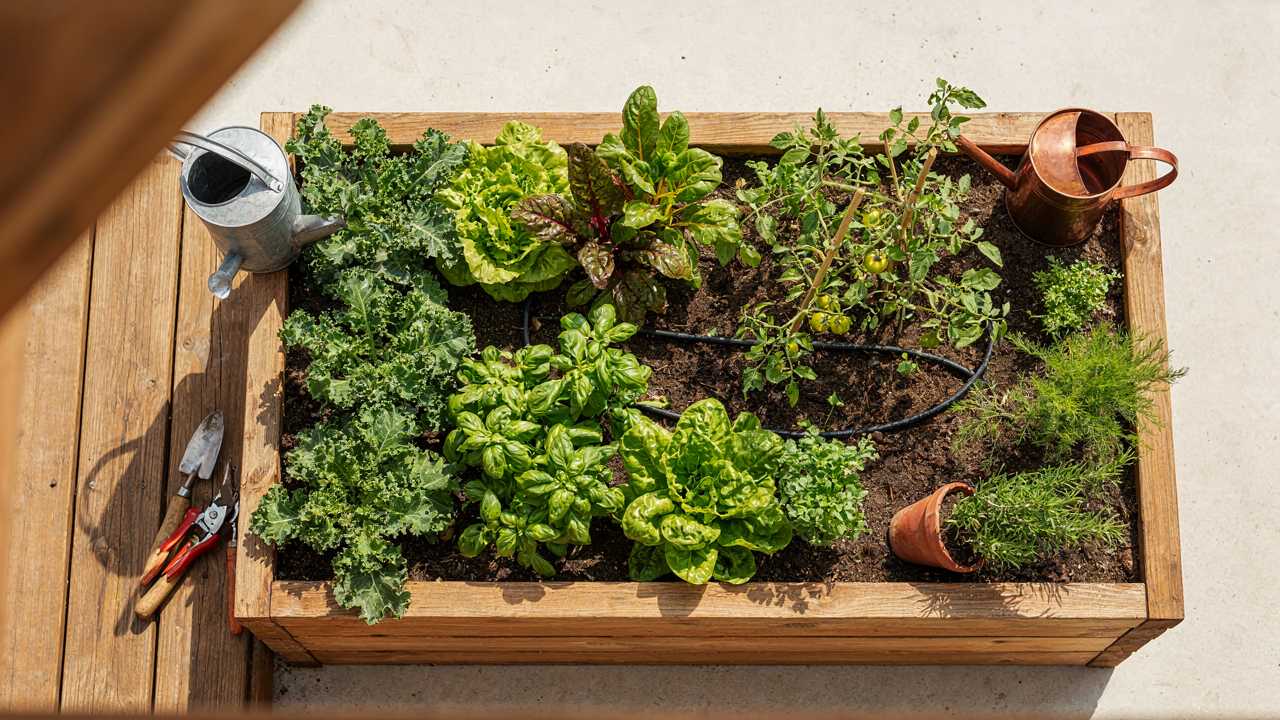
The Illusion Of Constant Watering: Why Your Plants Drown Slowly

Root Oxygen Trumps Moisture Myth
You want to believe watering more often means healthier plants. It doesn’t. Here’s the mechanism: apply biology to your soil. Roots need oxygen as much as water. When you water constantly, you displace air from soil pores. Roots suffocate in waterlogged beds before they ever die of thirst. The common advice to “keep soil moist” is incomplete. Moist is not saturated. One kills roots. The other sustains them.
Most gardeners misread their plants’ signals. Wilting looks like thirst. Often it’s root rot from poor drainage and constant watering. A raised bed with proper drainage dries between waterings. This air gap matters. Roots absorb oxygen from that space. Without it, anaerobic bacteria colonize the soil, and nutrient uptake halts. Your plants starve in wet ground. Check soil moisture two inches down before watering again, not by calendar schedule.
Soil Structure Determines Everything Else
Compacted soil locks nutrients in place even when water reaches them. This is chemistry at work. Tight soil particles reduce pore space where water and nutrients move. Your raised bed soil degrades faster than you think. Year one feels perfect. By year three, without amendment, you’ve compressed organic matter into a dense substrate. Plants can’t extract nitrogen, phosphorus, or potassium even if present.
Nutrient lockout happens silently. Leaves yellow. Stems weaken. You assume deficiency and add fertilizer, wasting money and damaging roots with salt buildup. The real problem lives in soil structure. Watering systems that compact soil through force or frequency accelerate this collapse. Drip lines and soaker hoses minimize soil disturbance. They deliver water slowly and directly to root zones. Overhead watering and heavy hand watering compact surface layers and trigger runoff. Amend your raised bed soil annually with compost to restore pore space and keep roots accessible to nutrients they already contain.
The Wicking Bed Protocol: Engineering Autonomy For Your Veg Garden

How Capillary Action Delivers Water Without Pumps
You want the raised bed that runs itself so you can stop obsessing over watering schedules. Here’s what actually happens: capillary action is physics, not magic. Water moves upward through soil against gravity because soil particles create microscopic spaces that attract water molecules more than air does. This is the same mechanism that keeps a paper towel wet when one end touches water. In a wicking bed, you engineer this pull to work continuously by creating a reservoir below soil level where roots can’t rot but water still climbs.
Most people misunderstand wicking beds because they think the water magically appears where needed. Wrong. Capillary rise only travels a finite distance determined by soil texture. Clay and silt move water upward 24 to 36 inches under ideal conditions. Sandy soil caps out around 12 inches. You must account for this distance when designing your bed height and choosing soil composition. The water doesn’t travel sideways significantly either, so a centralized reservoir works only if your bed is narrow enough that capillary action reaches the edges. Standard bed width is 4 feet for this exact reason.
Reservoir Architecture That Actually Holds Pressure
The common advice about wicking beds is incomplete. People tell you to dig a hole and line it with plastic. They skip the part that determines whether your system works or fails. The reservoir must hold water above the soil layer continuously, which means it needs structure. Use a perforated pipe or rigid landscape fabric laid horizontally at the bottom of your bed, then place a solid barrier below it to trap water. This barrier can be landscape plastic or a shallow basin. Above the barrier, soil wicks water upward. Below, the reservoir stays stable and doesn’t compress.
The soil layer between your reservoir and root zone matters more than you think. Install 4 to 6 inches of coarse material (gravel or clay pellets) as a transition layer. This prevents fine soil from sinking into your water chamber and clogging it. Add a fabric layer on top of the gravel to separate it from your growing medium. Your growing soil sits above this. Fill the reservoir from below using a fill pipe that extends to the bottom. Check water level weekly by feeling the soil at different depths. When the top inch dries slightly but the layer below remains moist, your reservoir is functioning correctly.
Drip Irrigation: Precision Hydration, Not Generic Sprinkling
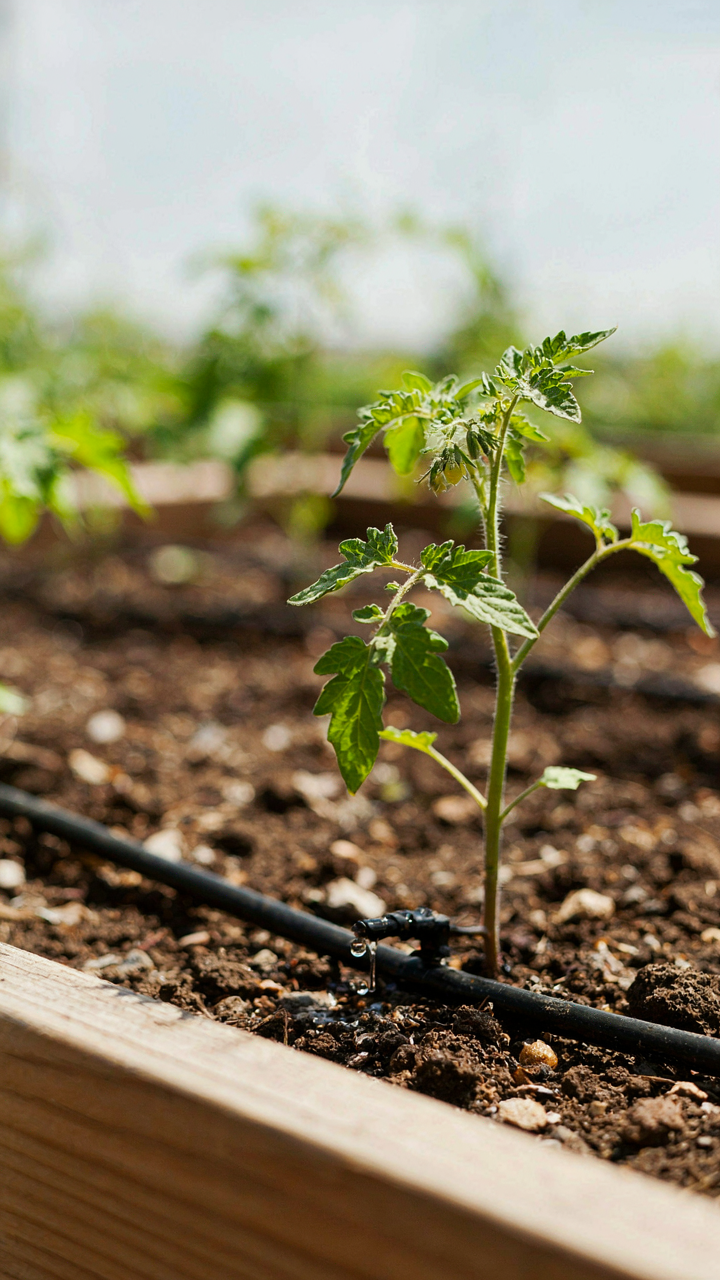
Water Delivery Where Roots Actually Live
You want drip irrigation because you think it makes you efficient. The real mechanism is this: water that lands on soil surface never reaches the root zone intact. Evaporation and runoff steal 30 to 50 percent before plants drink anything. Drip systems bypass that loss entirely by depositing water directly into the root zone where capillary action does the work. No spray. No waste. No guessing.
A raised bed drip line operates on the same principle as a surgical IV line in medicine. Precision beats volume. You control exactly where water goes and how much arrives at each plant’s roots. Conventional sprinklers treat all soil equally. Drip treats individual root systems. This distinction separates people who water plants from people who actually feed them. The difference shows up in yield and plant health within three weeks.
Matching Flow Rates To What Plants Actually Need
Most people set drip rates based on how long the system runs, not what the plant requires. Wrong approach. Tomatoes need different soil moisture than lettuce. Root depth matters. Soil type matters. Soil density matters. A drip emitter delivering 0.5 gallons per hour works in clay but floods a sandy bed. You must test your specific soil and match flow rate to how fast water moves through it, not how fast you want the job done.
Calculate flow rate by measuring soil moisture depth after running your drip line for one hour at a specific emitter output. Dig a small hole and check how deep water penetrated. If water reaches eight inches in an hour and your tomatoes root eighteen inches deep, you need two hours of water or higher-flow emitters. If lettuce roots only six inches deep and water already reaches twelve inches, you’re running too long and causing nutrient leaching. Adjust emitter flow rate or runtime until soil moisture matches root depth, then stop changing it.
Subsurface Irrigation: The Stealth Garden Watering System

Why Burying Your Water Lines Works
You want this system because you’re tired of fighting nature and looking wasteful. Here’s the mechanism: subsurface irrigation delivers water directly to the root zone, eliminating the evaporation tax that surface watering extracts. Evaporation claims 30 to 50 percent of water in hot climates before roots touch it. Underground emitter lines or soaker hoses bypass this loss entirely by placing moisture where plants actually consume it.
The physics here mirrors a military supply line. Instead of dropping resources across open terrain where they scatter, you infiltrate the target zone. Soil acts as your insulation. Water stays in the root zone longer, reducing runoff and preventing the wet foliage that breeds fungal disease and attracts weeds to moist surface soil. You cut both problems at once by refusing to wet the surface.
Laying Pipe For Maximum Retention
Everyone preaches “dig it deeper” without explaining the actual constraint. Depth matters, but placement relative to root architecture matters more. For most raised beds, 4 to 6 inches deep works. Roots of vegetables and shallow perennials occupy this band. Bury your emitter lines or soaker hoses at the midpoint of your root zone, not below it. This positions water where capillary action pulls it toward roots, not down past them.
Use drip tape or perforated soaker hose in raised beds under 24 inches deep. Rigid drip tubing wastes money and space in tight quarters. Slope your lines slightly to the lowest corner and install a flush valve there to purge sediment quarterly. Run your system for 45 to 90 minutes twice weekly rather than shallow daily watering. This trains roots deeper and makes your plants drought-resistant by design, not accident.
The Permaculture Paradigm: Mimicking Natural Hydration Cycles
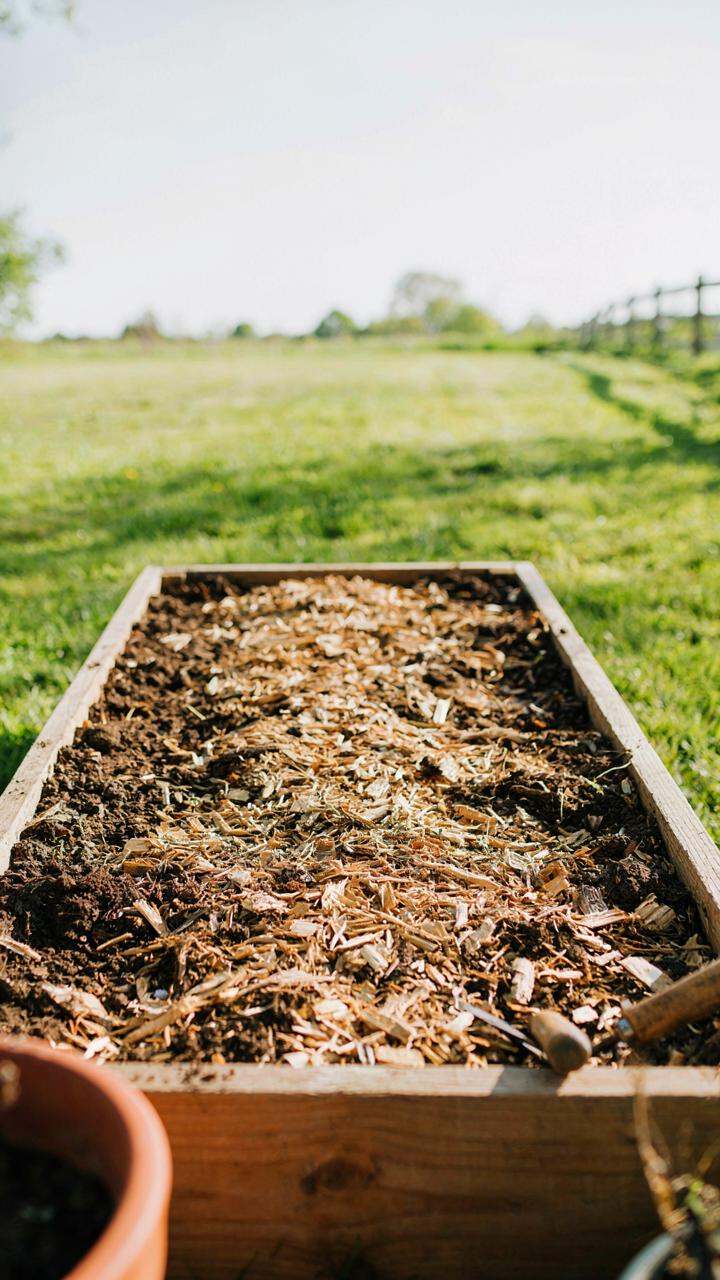
Capture And Store Before You Distribute
You want this section to validate that you’re doing something sophisticated. The real mechanism is simpler: most raised bed systems waste water because they treat watering as a delivery problem instead of a storage problem. Permaculture borrowed from hydrology the concept of “water harvesting”—capturing rainfall and runoff before it leaves your system. A raised bed without retention strategy loses 40 to 60 percent of applied water to evaporation and lateral drainage before roots access it.
The fix involves three layers. First, mulch sits on top soil to block sun exposure and cut evaporation. Second, the soil itself should have organic matter worked in during bed construction so it holds moisture like a sponge instead of draining it straight through. Third, create a slight basin shape in your bed’s surface so water pools for minutes instead of running off instantly. This isn’t complicated design. It’s basic physics applied to your growing space.
Living Soil Holds More Than Dead Soil
Soil biology is not poetry. It’s an engineering system. Think of mycorrhizal networks and bacterial colonies as infrastructure—the mechanism that transforms inert mineral particles into an actual water-holding structure. Dead, compacted soil drains at one speed. Living soil drains at a different speed because organisms physically alter pore size and aggregate stability.
The common advice here is lazy: “Add compost and it’ll be fine.” Incomplete. You need active biology, not just decomposed matter. Build your raised bed with a base layer of woody debris and aged manure, then add finished compost in the top eight inches. The woody layer feeds fungi over months. The compost feeds bacteria immediately. Together they create a soil matrix that holds available water for 5 to 7 days between waterings instead of 2 to 3 days. Add a drip line on a timer and you eliminate the guessing. That’s the protocol: biology first, then automation second.
DIY Raised Garden Beds: Beyond Basic Wood And Dirt

Material Choices That Actually Last
You want to feel like you built something permanent. The real mechanism at work here is capillary action—the same physics that moves water upward through soil against gravity. Your bed material determines whether water stays where roots need it or evaporates before plants drink. Wood rots, concrete cracks, and cheap composites leach chemicals into soil. Pick materials that resist both water saturation and UV degradation while maintaining structural integrity for five-plus seasons.
- Composite lumber: Engineered wood mixed with plastic resins resists rot for 15 years. It costs more upfront but eliminates replacement cycles and chemical treatment concerns.
- Galvanized or corten steel: Metal beds heat faster but drain predictably and last indefinitely. Corten develops a protective rust layer; galvanized requires no maintenance.
- Untreated cedar: Natural rot resistance from oils in the wood. Lasts 7-10 years without chemical treatment, then degrades gracefully into mulch.
- Recycled plastic boards: Heavy and stable, won’t decompose or leach toxins. Thermal expansion differs from wood, so install with gaps for seasonal movement.
- Concrete blocks or pavers: Permanent but labour-intensive to install level. Use without mortar for flexibility or accept fixed dimensions once set.
Material choice cascades into watering efficiency. A cedar bed with direct soil contact wicks moisture vertically, reducing surface evaporation by 20-30% compared to metal. Steel conducts heat and dries beds faster, requiring more frequent watering in hot climates. Your irrigation design should account for these material properties before you buy the first soaker hose.
Irrigation Planning Before You Pour
Don’t build your bed first and retrofit irrigation later—that’s when people waste money on band-aid solutions that fail mid-season. Design irrigation placement into your bed structure from the start. This means deciding whether you’ll run drip lines, soaker hoses, or gravity-fed systems before you assemble the frame. Embed conduit or lay out hose pathways during construction so water delivery integrates with the bed’s layout instead of fighting against it.
The bed’s dimensions determine pressure zones and coverage efficiency. A 4-by-8-foot bed needs different hose placement than a 2-by-4. Deep beds with mature root systems retain moisture better, so they tolerate wider watering intervals. Shallow beds dry fast and need more frequent or better-placed irrigation. Build the bed dimensions first, then map where water enters, how it distributes through soil, and where drainage exits. This sequence prevents costly redesigns when your system underperforms three weeks after planting.
Smart Systems: Automating Your Raised Garden Watering System (or Not)

When Soil Moisture Sensors Actually Matter
You want the technology to make you look like you have your life together. Here’s what actually happens: soil moisture sensors measure volumetric water content in the substrate, applying the same principle agronomists use in field irrigation management. Capacitive sensors work better than resistive ones because they don’t corrode and give consistent readings over time. They cost between thirty and one hundred dollars depending on accuracy range and connectivity.
The real mechanism is feedback. Without a sensor, you’re guessing based on visual appearance and finger tests, which drift depending on your mood and how busy you are. A sensor removes that drift. It sends real data to a controller that triggers watering only when moisture drops below your set threshold. This works if you actually install it at the depth where roots absorb water, not near the surface where evaporation skews the reading.
The Myth Of Hands Off Watering
Everyone sells you the fantasy of pure automation. They’re wrong. Set-and-forget systems fail because raised beds don’t exist in vacuum conditions. Rainfall, ambient temperature, soil type, and plant growth stage all shift your water needs week to week. A system running the same schedule in June as it does in August will either underwater in peak heat or waste water in cooling months.
Intentional oversight means checking your system weekly, adjusting thresholds when conditions change, and manually running a cycle if weather patterns shift unexpectedly. Automation handles the daily consistency. Your judgment handles the variables. The hybrid approach beats pure automation because it accounts for what sensors can’t predict. Treat the system like a tool that needs steering, not a solution that runs alone.
The Economic Leverage Of Efficient Watering: Your Time Is Not Free

Water Application And Diminishing Returns
You want to believe that more water equals better growth, so you ignore the actual curve. Economics calls this marginal utility, and raised bed watering systems expose it mercilessly. Each additional gallon of water produces less benefit than the last. The first gallon prevents wilting. The fifth gallon causes root rot. Between those points sits the actual payoff, and most gardeners miss it entirely by overshooting.
The mechanism is simple: soil holds a fixed amount of available water. Once you reach field capacity, excess water displaces oxygen and kills roots. Drip systems and soaker hoses win here because they deliver water to the root zone slowly, matching the plant’s actual uptake rate. Hand watering encourages guessing. Automated systems enforce precision. Your raised beds don’t care about your effort. They respond to the dose.
The True Cost Of Manual Watering
Most gardeners calculate watering time as zero because they already own the hose. This is accounting fraud. Your time has a replacement cost whether you acknowledge it or not. Every morning spent hand watering is a morning spent not doing something with actual ROI, whether that’s work, recovery, or scaling your garden operation.
A simple protocol cuts this waste: install soaker hoses or drip tape on timers. Set them to run in early morning when evaporation is lowest and absorption is highest. The hardware costs fifty to two hundred dollars depending on bed size. The time savings pay that back in under a season. After that, you gain five to seven hours weekly. That’s not romantic. It’s just math.
The Real Problem Isn’t Your Watering System; It’s Your Addiction To Manual Intervention

You don’t need a better watering system. You need to stop pretending your plants require your daily attention like needy children. The moment you install drip irrigation or a soaker hose, you disconnect the feedback loop that keeps you hovering over your garden beds. Set it. Forget it. Let the soil tell the truth about what it needs, not your anxiety. Today, pick one bed and automate it completely. Your plants don’t want your love; they want your absence.



