
The Illusion Of Aesthetics: Why Most Placement Fails

The Instagram Problem Before The Shovel
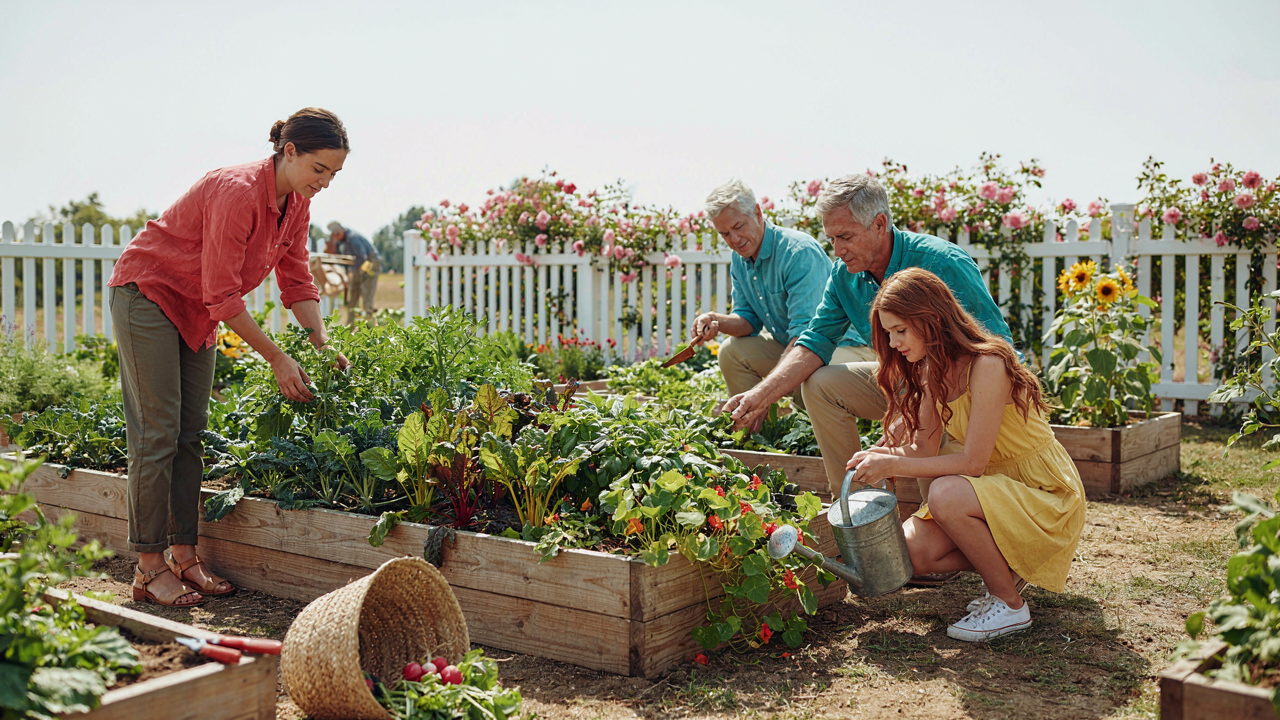
You want your raised beds to look intentional at the dinner party. That’s the real reason you’re reading this. But aesthetics without function is just expensive lawn decoration. The mechanism is simple: you’re choosing placement based on how it photographs instead of how water moves, how sun travels, and how you actually work the space. These are separate systems. Confusing them wastes money and kills plants.
Most advice tells you to “create visual balance” or “frame your patio.” Useless. Those ideas ignore that raised beds live in a physical ecosystem with specific demands. A bed placed for symmetry might sit in a frost pocket. A bed positioned for sightlines might shadow your vegetables for half the season. The beds don’t care how they look. They care about drainage, light exposure, and access. Until you optimize for those first, aesthetics become a tax on your actual harvest.
Function Before The Frame
Garden design borrowed from architecture the idea of “focal points.” Translate that to raised beds: the focal point is wherever water pools, wherever shade persists, and wherever you can actually reach without stepping on soil. These are your constraints. Everything else is decoration applied after solving for them. The common mistake is reversing this order, then wondering why plants struggle while the layout photographs well.
Position beds where drainage flows away from them, where they receive the minimum light your crops need without competing for what little sun reaches your yard, and where foot traffic won’t compact surrounding soil. Once those three mechanics work, then consider how the arrangement reads from your house or from the street. The beds that solve the physical problem first will look intentional because they’ll actually perform. Performance makes things beautiful in ways styling never can.
The Proximity Principle: Strategic Positioning For Engagement
Where Guests Actually Move
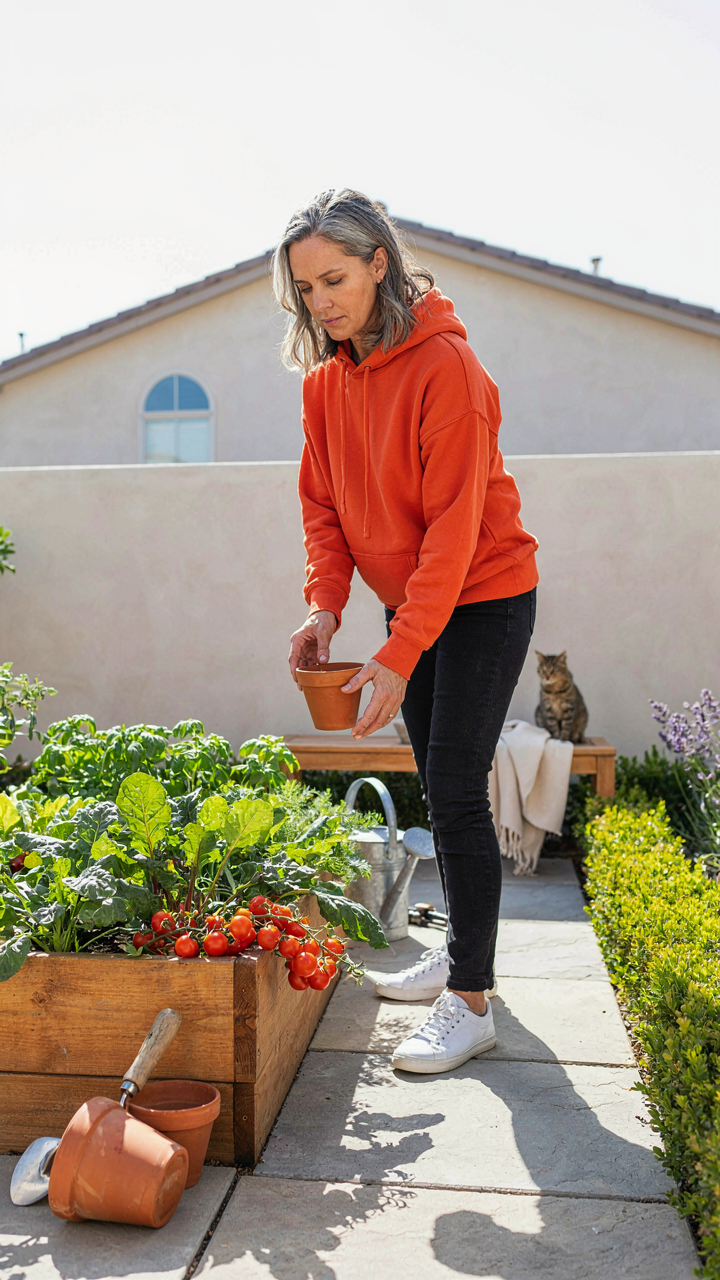
You want your raised beds to feel like a natural centerpiece, not an afterthought shoved in a corner. That’s the real game here: manufacturing the appearance of intentionality through placement that makes people orbit toward your garden without thinking about it.
Military strategy borrows the term “engagement zone”—the physical space where contact happens. Your raised beds create an engagement zone the moment you position them on a sightline guests naturally follow. Map your yard’s foot traffic first. Where do people enter? Where do they cluster? Where do they pause between conversation? Your beds belong at an intersection, not a dead end.
Most people plant their raised beds in the sunniest spot and call it done. Wrong. Sun matters for crops, but for special occasions, positioning matters for people. Place beds where movement naturally slows. Near a seating area. Between the entry and the main gathering space. On the path guests walk when fetching drinks. The proximity forces engagement.
Clear Line Of Sight
The mechanism here is visual hierarchy. Your beds only work if people actually see them before they look away. Obstructions kill impact instantly.
Clear sightlines from three key vantage points: from the main seating area, from where guests first arrive, and from where they stand waiting for food or conversation. Remove trees, structures, or fencing that block the view. If you can’t remove something, position beds at an angle that forces the view around it. The goal is creating a moment where someone’s eye lands on your garden without friction. Low-growing ornamentals near beds work. Tall fencing behind them doesn’t. Measure twice, place once.
Beyond The Backyard: Unconventional Raised Bed Garden Ideas

Staging Gardens In High Traffic Zones
You want people to notice. That’s the real reason you’re reading this section. The mechanism is simple: raised beds in event spaces work because they create defined visual boundaries and functional gathering points that ground logistics in place. Unlike in-ground gardens, raised beds sit above sight lines and foot traffic patterns, so they survive the chaos of movement and conversation without getting trampled or obscured.
Event venues treat space as zones. High-traffic areas include entry corridors, viewing platforms, and transition points between sessions. Position raised beds perpendicular to the primary foot flow, never parallel. This forces visual engagement without creating obstacles. Anchor each bed with weight distribution at the base, use materials that won’t tip under lean or elbow contact, and keep pathways clear on the approach side so people don’t feel trapped navigating around them.
Modular Systems For Quick Placement
Military logistics borrowed the concept of modularity from manufacturing: standardized units that snap together and redeploy without redesign. Apply this directly to raised beds. Modular construction means beds break into sections that fit standard vehicle dimensions and assemble on-site in under two hours using bolted corner joints instead of permanent fastening.
The real advantage isn’t just speed. Modularity lets you test placement before committing. Deploy a single section first. Observe foot traffic, sun angle, and sightline problems for one day. Then add sections only where they work. This prevents the common mistake of building the full installation in the wrong spot and discovering it blocks views or creates mud paths. Bolt-and-socket joints, combined with standardized soil containers, eliminate the guesswork and wasted setup time that kills event timelines.
The Microclimate Manipulation Method: Maximizing Plant Health

Sunlight Mapping For Optimal Growth
You want your event garden to look intentional. That requires your plants to actually flower on schedule, not wilt three days before guests arrive. Sunlight exposure is the direct input variable that controls bloom timing, so map it before you place a single bed. Most gardens fail because people guess at sun patterns instead of measuring them across seasons.
Track shadow patterns on your intended placement area across at least two weeks. Note where shade falls at 9am, noon, and 3pm. Full sun requires six to eight hours of direct light. Partial sun needs three to six hours. This data tells you which bed location supports which plant variety, eliminating the guesswork that kills special occasion gardens before they start.
Wind Breaks And Heat Management
Thermal dynamics applies directly to raised bed placement: a wind break functions as insulation, and heat sinks act as thermal buffers that stabilize soil temperature. People ignore this and wonder why early-season beds bolt or late-season beds freeze. Strategic placement controls microclimate temperature swings that would otherwise sabotage your timeline.
Position beds perpendicular to prevailing winds to reduce moisture loss and stem damage. Place darker materials like dark mulch or composted manure on the north side of beds to absorb and radiate heat into the bed. Larger structures like walls or fencing behind beds act as heat sinks that release stored warmth as evening temperatures drop. These placements buy you two to three weeks of growing season on either end and stabilize flowering windows for events.
Raised Bed Vegetable Garden As Interactive Art: Edible Displays

Layered Planting For Visual Impact
You want people to notice your garden and think you’re intentional, not just growing food. The real mechanism is contrast—using plant biology’s framework of vertical stratification, where different species naturally occupy different heights in an ecosystem. Your raised bed works the same way. Stack plants by mature height, not by what looks balanced in your head right now.
Most gardeners plant flat. They space tomatoes evenly, stick herbs in a line, and call it done. Wrong. You’re wasting the one resource special occasions demand: visual depth. Front to back, short to tall, textured to smooth. This isn’t decoration. It’s structural design that forces the eye to move.
- Tall anchors (back row): Tomatoes, pole beans, or sunflowers reach 4-6 feet. They frame the display and provide vertical lines that read from a distance.
- Mid-layer structure (center): Peppers, eggplant, or kale at 2-3 feet create the visual weight. Their foliage density matters more than height here.
- Low textural foreground (front): Lettuce, basil, cilantro, or trailing nasturtiums under 12 inches. Varied leaf shapes break the plane and catch light differently.
- Color sequencing: Place warm tones (red peppers, purple basil) toward edges. Cool tones (green kale, silver dusty miller) toward center. This creates perceived depth.
- Bloom timing alignment: Stagger plantings so flowers emerge during your event window, not weeks before or after. Marigolds and borage bloom predictably within specific date ranges.
The placement rule is simple: map your planting layout on paper first, noting mature heights at 60 days and 90 days. Place your beds 3-5 feet from main viewing angles—close enough to see detail, far enough to see the whole composition. This distance matters because it determines which visual layers actually register as separate from the viewer’s perspective.
Herb Gardens For Immediate Access And Sensory Engagement
Herbs in a raised bed work differently than vegetables. You’re not harvesting for yield. You’re harvesting for function during the event—garnishing plates, releasing scent when guests brush past, creating a reason for people to engage directly with the space. The bed itself becomes a functional station, not a spectator piece.
Placement here follows kitchen logic, not aesthetic logic. Position your herb bed no more than 15 feet from your preparation or serving area. A guest walking past should smell basil or mint without stopping to search. Proximity eliminates friction. Basil, parsley, and chives need regular pinching anyway, so having them close encourages the maintenance that keeps them full and harvestable, not leggy and sparse.
The second layer is scent distribution. Plant aromatic herbs on the windward side of foot traffic patterns. Mediterranean herbs like oregano and thyme release oils when crushed underfoot. Mint and basil release scent when air moves through their leaves. You’re not trying to perfume an entire yard. You’re creating moments—the specific experience of walking past a bed and getting hit with fresh herb smell. This anchors the memory of the event to a physical sensation that guests remember weeks later.
The Event Impact Maximization Protocol: Designing For Memorability

How Placement Tells The Story
You want people to remember your event and associate it with you. That’s the real driver here. The mechanism is simple: spatial narrative. Just like narrative architecture in urban design sequences a viewer’s experience through deliberate positioning, raised bed placement controls what guests encounter first, second, and third. The order matters because memory attaches to sequence, not to random visual noise.
Plant placement within and between beds creates a reading order. Position your tallest specimens on the north side of beds to avoid blocking sightlines, then graduate down to shorter plants as you move toward guest pathways. This forces the eye through a structured progression. Guests don’t consciously notice the design system, but they retain the experience because their attention moved through it methodically. Place a fragrant bed near the entry, edible plants mid-garden where people naturally pause, and ornamental focal points at the terminus. The arrangement becomes a silent guide.
Layering Sensation Into The Space
The common advice is to “make it pretty and smelly.” That misses the actual mechanism. You’re not decorating. You’re triggering memory formation through multiple sensory inputs simultaneously. Neuroscience shows that multisensory experiences encode faster and retrieve stronger than single-channel inputs.
Position tactile plants like lamb’s ear or Russian sage where guests brush past them during movement, not where they stand still looking. Moving touch creates muscle memory. Place high-aroma plants downwind of seating areas so scent arrives without effort. Position low-hanging edible herbs like basil at hand level along pathways so guests can harvest and taste without bending. The sequence matters: touch first as they walk, smell second as they settle, taste third as they engage. This three-stage sensory activation sticks because it follows natural human attention flow. Map your beds so the pathway itself determines this sensory order, not signage or explanation.
Logistics Over Luminosity: Practicalities Of Garden Bed Layout
Water Access: The Real Bottleneck
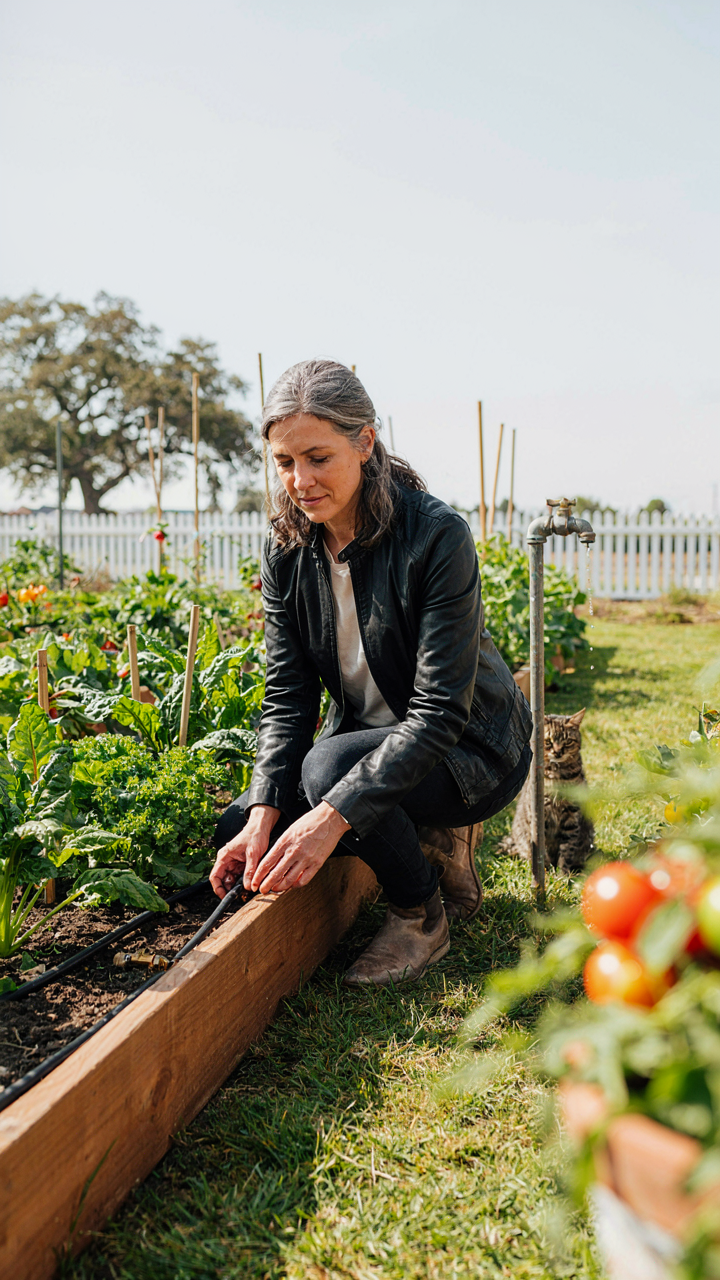
You want your event garden to look effortless. What actually kills temporary setups is water logistics. Borrow a term from hydraulic engineering: “pressure head” applies directly to raised bed placement. The distance between your water source and bed determines flow rate, coverage speed, and whether you’ll actually maintain it. Place beds within 50 feet of a functional spigot or irrigation line. Every foot beyond that compounds friction loss and turns daily watering into a chore you’ll skip.
Temporary event beds fail because people underestimate hydration demands during peak season. Raised beds drain faster than in-ground gardens. A 4×8 bed in full sun needs 1 to 1.5 inches weekly, sometimes more during heat. Position beds where you can run a soaker line or hand-water without dragging equipment through your event space. Water pooling near pathways creates mud and safety hazards. Slope beds slightly downhill from your water access point and run lines along the perimeter, not through the center where guests move.
Maintenance Pathways: Access Without Visibility
Everyone talks about sightlines. Nobody admits maintenance kills the illusion. You need discrete access to every bed for weeding, deadheading, and staking without trampling the event space. Design pathways at least 18 inches wide, set back one bed-width from the perimeter beds. Use mulch or gravel that matches your aesthetic but doesn’t track onto hardscape. This prevents soil compaction in active beds and lets you work without appearing to work.
Bed placement relative to hardscape determines maintenance friction. If your main pathway is 30 feet from a problem weed, you won’t address it. Position beds so the nearest edge is no more than 15 feet from discrete service access. Narrow service pathways between beds stay invisible to the event footprint but functional for your crew. Mark these routes during setup so staff know where to move without stepping in soil or damaging plants. Maintenance access planned during placement prevents emergency scrambling during the event.
Beyond Square Foot Gardening: Density For Dramatic Effect

Stacking Yield Into Visual Weight
You want people to walk into your garden and think you know what you’re doing. That’s the real reason you’re reading this. The mechanism is simple: density creates perceived abundance. Square foot gardening teaches even spacing. That’s safe. That’s also forgettable. Intensive planting borrows from ecology’s concept of carrying capacity—the maximum population density an environment can sustain. In raised beds, carrying capacity isn’t about survival; it’s about visual impact and continuous harvest without collapse.
Most gardeners space plants according to mature size, leaving air between them. This creates gaps. Those gaps read as emptiness, even in a productive bed. Instead, calculate your spacing for 75-80% of mature width, not 100%. This means plants touch at full size. They support each other structurally. They shade soil, reducing watering needs. They block weeds before they establish.
- Interplanting Fast and Slow Crops: Radishes mature in 25 days; carrots take 70. Plant radishes between carrot rows. Harvest radishes before carrots need the space, eliminating waste of bed real estate.
- Vertical Layering by Height: Place tall plants on north edges to avoid shading shorter plants. Use trellises for beans, peas, and cucumbers. This multiplies usable surface area within the same footprint.
- Root Depth Staggering: Combine shallow-rooted lettuce with deep-rooted tomatoes. They occupy different soil zones. No competition for nutrients. Maximum density without stunting growth.
- Companion Planting for Density: Basil between tomatoes, marigolds with squash. These aren’t myths—they reduce pest pressure, allowing closer spacing without disease spread.
- Edge Trailing Species: Plant prostrate herbs like thyme along bed perimeters. They cascade downward, creating a full, finished look without occupying prime central space.
Dense beds require weekly inspection. Crowding accelerates pest and disease discovery because infestations spread faster in high-density populations. Scout for problems before they compound. When you harvest intensively planted beds, you remove density strategically—not all at once, but in waves that keep the bed full-looking for weeks.
Staggered Plantings For Unbroken Fullness
Succession planting is the difference between a garden that looks alive for six weeks and one that looks intentional for the entire season. Most advice stops at “plant every two weeks.” That’s incomplete. The real mechanism: you’re managing the visible growth stage, not just the harvest window.
A special occasion garden demands peak appearance on specific dates. Calculate backward from those dates. If you need peak bloom on August 15th, determine which crops reach visual maturity in 50-60 days. Plant those crops on June 15th. For continuous color, overlap plantings so one cohort peaks while the previous one fades into harvest. Plant cool-season crops (lettuce, spinach, peas) on a 14-day cycle from late spring through early summer. This creates rolling waves of tender green. When heat arrives, shift to heat-tolerant crops on the same cycle. This prevents the visible collapse that kills a garden’s appearance.
Track every planting on paper. Note the date, crop, and expected peak visual stage. When you plant, note the previous planting’s harvest window. The goal is zero overlap in dormancy—when one bed section peaks, another enters harvest, and a third sprouts. This requires planning, not hope. Execute the plan without deviation, and your raised beds stay gallery-ready from setup to frost.
The Aftermath Advantage: Post Event Raised Bed Utility

When Plants Become Permanent Fixtures
You want the event garden to vanish cleanly so nobody sees the work behind the curtain. Here’s what actually matters: perennials planted in temporary beds during events have root systems that anchor into native soil underneath. This creates a decision point most people ignore. The bed structure itself becomes either an asset or liability based on soil depth and drainage alignment with your permanent landscape.
Moving established perennials from event beds into ground beds requires matching soil composition and sun exposure, not just moving the plant. Shallow event beds often hold moisture differently than in-ground beds, so a plant thriving in one fails in the other. The real mechanism is soil contact and water retention patterns. Dig the permanent bed wider than the root ball, backfill with soil matching your event bed’s composition, then adjust watering frequency over two weeks as the plant acclimates. This is why nurseries plant directly into ground rather than moving established stock repeatedly.
Breaking Down Structure Without Breaking Value
Everyone talks about “sustainability” here, which is marketing noise. The actual constraint is material reusability and reassembly cost. Raised bed boards degrade from seasonal exposure, so the deconstruction strategy depends on material type and how many seasons the bed endured. Cedar holds value across three to five cycles. Composite materials rarely justify disassembly labor. Untreated wood becomes worthless after two years.
Document board condition before breakdown. Stack uniform boards separately from damaged ones. Salvageable frames cost less to reassemble than purchasing new materials. Store protected from ground moisture to prevent accelerated decay. Hardware (bolts, brackets) transfers across multiple builds at zero additional cost. The protocol is straightforward: photograph layout, unbolt systematically, sort by material grade, store vertically off wet ground, and calculate whether storage costs exceed replacement material costs for your next event.
Home Vegetable Garden: Cultivating For The Long Game

Designing For Year Round Beauty And Productivity
You want your garden to look intentional year-round because an ugly garden signals you’ve failed at something simple, and that feeling haunts you. The mechanism is this: raised bed placement determines what gets seen, what thrives seasonally, and what you’ll actually maintain when motivation drops. Position beds perpendicular to your primary sightline from the house. This creates visual depth and makes seasonal transitions read as deliberate design shifts, not neglect.
Winter exposure matters more than people admit. A bed positioned to catch afternoon winter sun by a south-facing wall stays workable weeks longer than one in morning shade. The thermal mass of structures absorbs heat and radiates it back at night, extending your season on both ends without infrastructure investment. Map your winter shadows in November, not planting season. This single protocol prevents the common trap of placing premium real estate in spots that become dead zones four months a year.
Scaling Temporary Successes Into Lasting Backyard Features
Stop treating year one as practice. You either build the system right the first time or you’ll spend three years correcting placement mistakes that feel permanent. Economics calls this path dependency: early decisions compound, locking you into inefficient layouts. A bed placed for visual access but positioned wrong for water flow, foot traffic, and tool storage becomes an obstacle you resent, not a feature you expand.
Measure water runoff patterns across your yard during heavy rain before you site a single bed. Place permanent structures where water naturally congregates or drains, not against it. This eliminates the corrective work that kills momentum. Start with one well-placed bed that serves multiple functions—visible from the house, accessible by the main path, positioned to catch morning or afternoon sun depending on your crop needs. Build the second bed only after you’ve lived with the first through two seasons. This forces you to watch the system work before you commit capital and space to expansion.
The Real Obstacle Isn’t Finding The Right Spot; It’s Your Failure To Define The Desired Outcome

Most people place raised beds and hope something magical happens. You need to reverse this. Before you move a single board, write down exactly what you want: a Instagram-worthy backdrop for photos, a functional workspace for harvesting, or a conversation piece that stops your guests mid-stride. Your desired outcome determines placement. Not the other way around. Spend thirty minutes today clarifying this one thing, and suddenly every placement decision makes itself. The garden doesn’t create the occasion. You do.



