
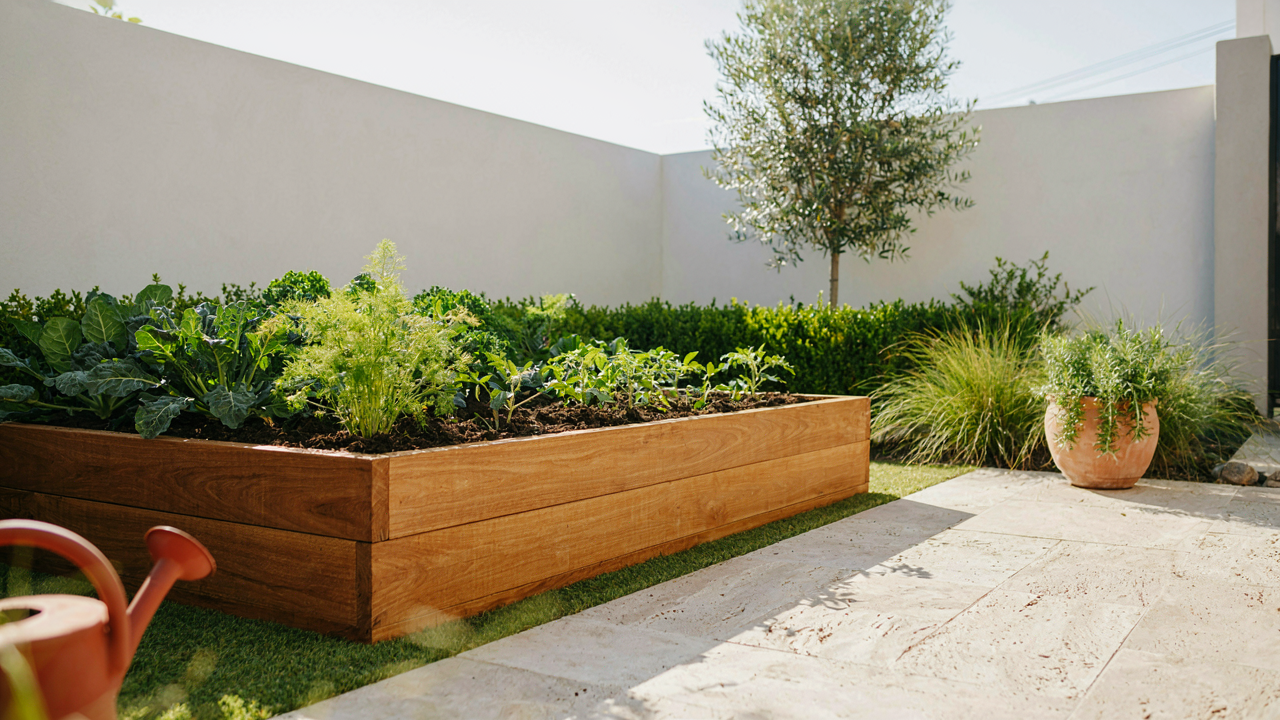
The Myth Of The Miracle Layer: Why Gravel Fails Your Raised Beds

Gravel Does The Opposite Of What You Think
You want to believe a simple fix exists. Gravel at the bottom sounds like insurance against wet roots. It isn’t. The mechanism is basic physics: gravel creates a water trap, not drainage. Water moving through soil follows the path of least resistance. When it hits gravel, it pools there instead of moving down. Your raised bed becomes a shallow reservoir.
Landscape contractors push gravel because it’s cheap, visible, and feels like something got done. The reality is uglier. Gravel clogs with fine soil particles over time. Anaerobic conditions develop in the pooled water. Roots rot not from excess moisture reaching them, but from the stagnant layer you built underneath their feet. The styling doesn’t matter if the structure kills your plants.
Water Moves Upward, Not Just Down
Hydrology is the field that explains soil water behavior, and the term you need to know is capillary action. Water doesn’t just fall through soil. It moves sideways and upward against gravity through the spaces between soil particles. Gravel blocks this upward migration by interrupting capillary pathways, which seems helpful until you realize downward water movement still gets trapped at the gravel interface.
This is why raised beds with gravel bottoms stay damp longer after rain. Water reaches the gravel layer, spreads horizontally across it, and has nowhere efficient to go. The gravel prevents both upward and downward flow equally. Remove the gravel layer entirely and use a drainage material that lets water pass through without pooling, like coarse sand mixed into the bottom three inches of your bed, or drill drainage holes directly through a landscape fabric barrier.
The Subterranean System: Engineering True Garden Bed Drainage

Soil Composition Controls Water Movement
You want raised beds because they signal control, but most people ruin them with garbage soil that holds water like concrete. Drainage is physics: water moves through soil based on particle size and pore space. Use the soil triangle framework from agricultural science. Clay particles pack tight, sand particles create gaps, and the ratio between them determines infiltration rate. A bed that drains poorly doesn’t just kill plants—it broadcasts neglect.
The standard advice is to dump topsoil and call it done. Wrong. You need a three-layer system: coarse material at the base for percolation, amended middle soil with organic matter for water retention without pooling, and finished compost on top for nutrients. Most water problems trace back to middle-layer density. Test your mix by filling a clear jar with soil, adding water, and timing how long it takes to drain. Anything over thirty seconds means you’re adding too much clay or compost by volume.
Roots Need Air Gaps To Function
Biological reality: roots don’t just absorb water, they respire. Waterlogged soil kills roots through oxygen deprivation, not drowning. Think of soil aeration like a respiratory system in biology—the plant needs gas exchange, not flooding. Dense, compacted beds suffocate roots before they establish. You see yellowing leaves and blame nitrogen deficiency when the actual problem is anaerobic decay in the root zone.
Standing water in a raised bed means the drainage layer failed or the soil base is too heavy. Install perforated drain pipe along the bed bottom if you’re on clay or in a climate with sustained rainfall. Even in dry climates, poor drainage kills more beds than underwatering. Loosen compacted soil with a garden fork yearly and fold in aged compost to restore pore structure. This action restores the air channels that let roots breathe and plants grow.
Beyond Landscape Fabric: Strategic Barriers For Veg Garden Success

When Landscape Fabric Actually Works
You want landscape fabric because you think it solves the weed problem permanently. It doesn’t. Here’s the mechanism: fabric blocks vertical weed seed germination but creates a horizontal highway for rhizomes and runners. Think of it like military supply lines—you stop invasion from above but enable infiltration along the ground. Quality matters. Heavy non-woven fabric (4 to 6 ounces) outlasts thin spun types by years. Cheap fabric degrades in sunlight within one season, becomes friable, and fragments into the soil where it does more harm than good by blocking root penetration and water movement.
Landscape fabric works best in raised beds because you control the perimeter. Staple it to the box’s interior sides before adding soil. This prevents grass and perennial roots from entering underneath—the actual threat in most gardens. Pin it down along edges; don’t rely on soil weight alone. Replace it every three to four years, or sooner if you see breakdown. The real win: fabric buys you time and reduces hand-weeding labor. It’s not a permanent solution; it’s a labor arbitrage tool. Use it for that, not as a substitute for actual bed management.
Natural Suppression Without The Synthetic Layer
The common advice says cardboard works great. It does, but only if you layer it correctly and understand its decay timeline. Cardboard breaks down in 6 to 12 months depending on moisture and soil organisms. You’re not creating a permanent barrier; you’re creating temporary nitrogen-rich organic matter as it decomposes. That’s the actual benefit. Skip the single layer. Stack two to three layers for extended suppression. Remove staples and tape before layering—those components don’t decompose and end up in your soil.
Wood chips and straw offer different mechanics than fabric. Wood chips suppress weeds through depth and shade but require replenishment annually as they break down. Straw (not hay, which contains viable seeds) works similarly but breaks down faster, adding organic matter more quickly. Combine layers strategically: cardboard at the base, then three inches of wood chips, then finished compost. This staggered approach creates multiple suppression mechanisms rather than betting on a single barrier. Refresh the top layer each season as it integrates into soil structure.
The Soil Chemistry Protocol: Balancing Structure For Raised Garden Vitality
Organic Matter: The Real Drainage Workhorse
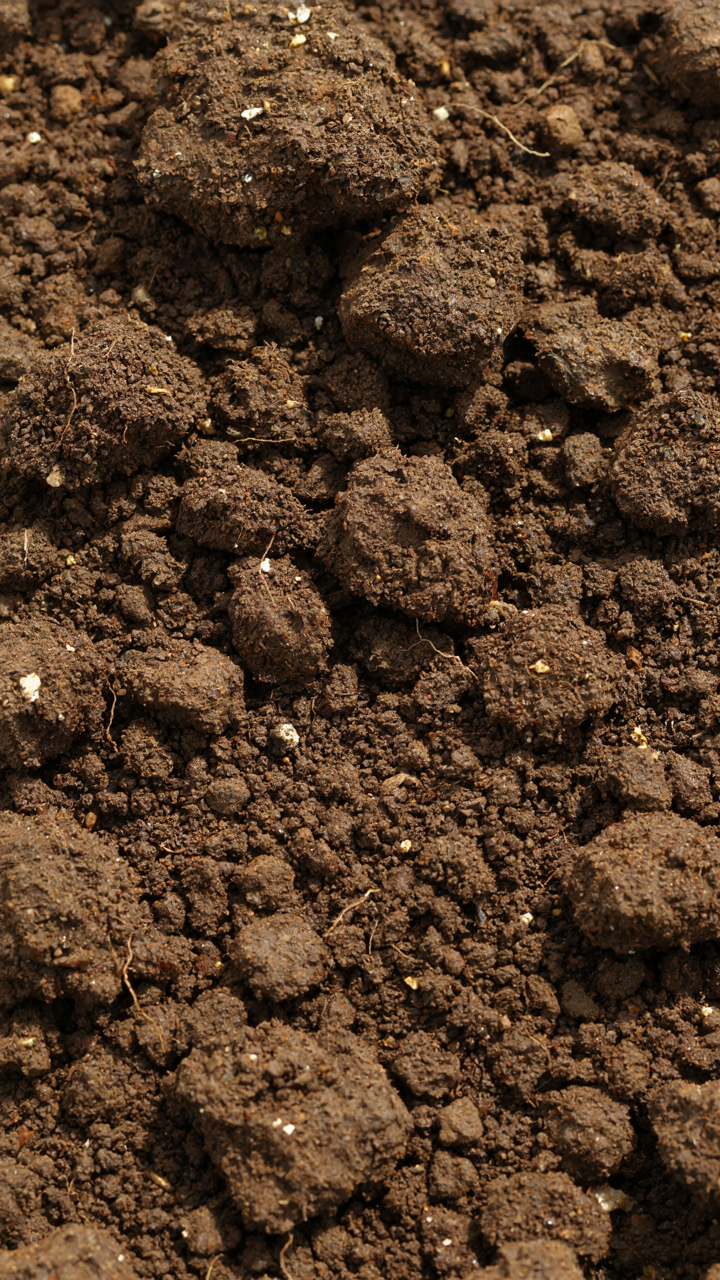
You want your raised bed to look intentional, which means water vanishing on schedule instead of pooling like you failed at basic setup. Here’s what people get wrong: they think drainage is about what you put at the bottom. It’s not. Drainage lives in soil structure, which is a concept borrowed from civil engineering. In that field, engineers call it “permeability”—the soil’s ability to let water move through it. Your raised bed’s permeability depends almost entirely on organic matter content, which acts like a three-dimensional scaffold holding pore spaces open.
Organic matter doesn’t retain water the way people claim. It does the opposite: it creates the pathways water needs to escape. Compost, aged bark, and decomposed leaves build aggregates—tiny clusters of soil particles held together by fungal networks and humic acids. These aggregates leave consistent gaps between them. Without organic matter, your soil compacts into a dense mass where water has nowhere to go. The practical protocol: start with a base that’s 40 to 50 percent organic matter by volume in year one, then maintain it by adding one to two inches of compost annually. Water moves through structure, not around it.
Mineral Balance And Water Retention
The common advice here is backwards: people add sand to improve drainage, then wonder why their beds become concrete when that sand compacts. Sand alone doesn’t drain anything—it actually holds less water than clay while blocking the pore structure you need. What matters is the ratio of sand, silt, and clay working together through organic matter to create stable aggregates. Your target is a loamy structure where mineral particles of different sizes nestle together and leave consistent, connected pores.
The specific mechanism: clay particles hold water molecules on their surface through electrostatic attraction, which is good in small amounts because it keeps water available to roots. Sand particles are too large and smooth to hold anything. Silt splits the difference. When these three combine in a 40-30-30 ratio with adequate organic matter, you get a soil that retains enough moisture for plant uptake while draining excess water within 24 to 48 hours of heavy rain. Test your drainage by pouring water into an undisturbed section of your bed and timing how long it takes to percolate six inches down. If it’s slower than two hours, add more organic matter. If it’s faster than one hour, you need more silt or clay—or more frequent watering.
The Wicking Bed Anomaly: Redefining “Drainage” In Self Watering Systems
How Wicking Beds Manipulate Water Movement
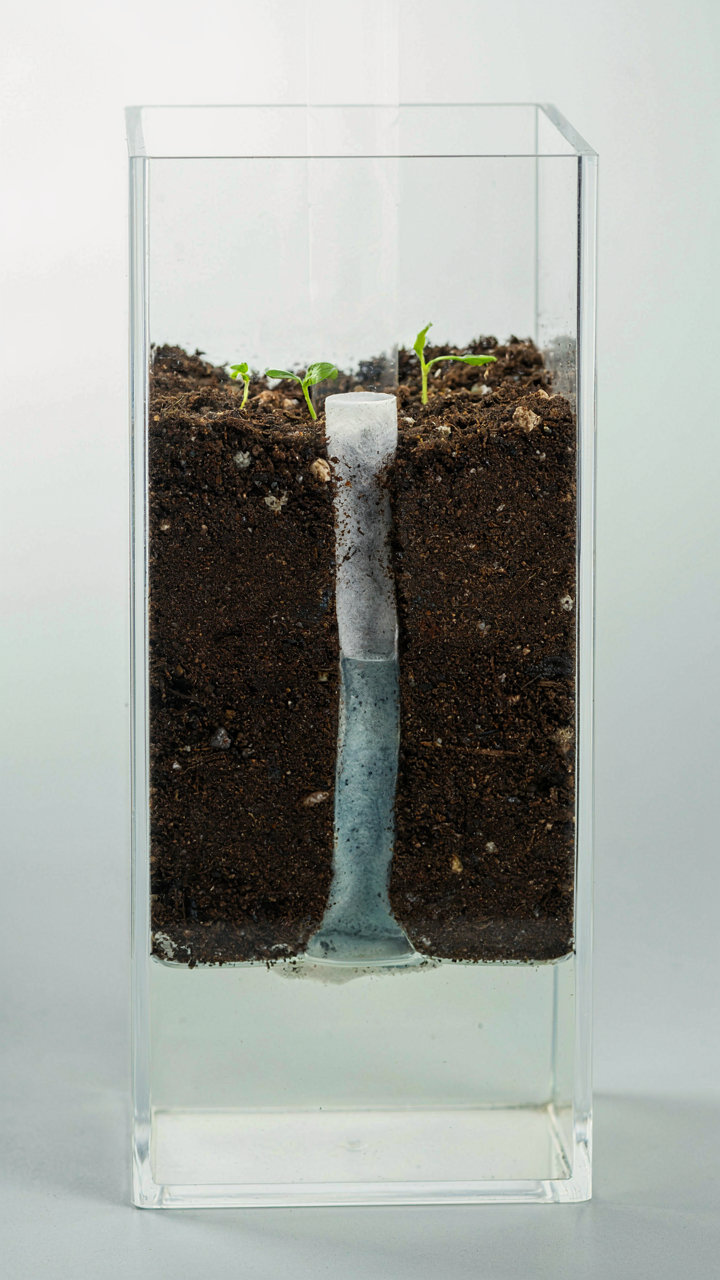
You want this section because you think drainage and water retention are opposites, and you’re hoping one solves your problem without trade-offs. They’re not opposites. A wicking bed uses capillary action—the same physics that makes paper towels absorb spills—to move water upward against gravity instead of letting it drain away. The mechanism reverses the conventional drainage narrative entirely.
Standard raised beds drain freely because gravity wins. Wicking beds exploit capillary pull by layering materials with different pore sizes. Water stored in a reservoir below moves upward through a soil column, delivering consistent moisture to plant roots without pooling or stagnation. The “drainage” here isn’t about speed of water leaving the bed. It’s about controlling where water goes and when roots access it. Proper wicking layer design—typically landscape fabric bridging soil to a water storage chamber below—determines whether you get even hydration or root rot.
Designing For Water Conservation And Consistent Moisture
The common advice treats water conservation and drainage as separate problems. They’re not. They’re the same system viewed from different angles. A well-designed wicking bed cuts water use by 40-60% compared to surface watering because evaporation happens only at the soil surface, and uptake is driven by plant demand, not timer schedules.
Your wicking layer sits directly on a water reservoir created by gravel, perforated pipe, or a plastic catchment. Soil above it draws moisture upward based on root activity, not external force. You add water to the reservoir, not the soil surface. Excess water drains through an overflow valve set to your target water table height, typically 6-8 inches below grade. This prevents both drought stress and anaerobic conditions. Install overflow drainage at the lowest point of your reservoir chamber and adjust its height to match your plant’s root depth and your local climate’s evaporation rate.
The Aeration Imperative: Oxygen As Your Raised Bed Drainage Partner
Stop Treating Soil Like Inert Material
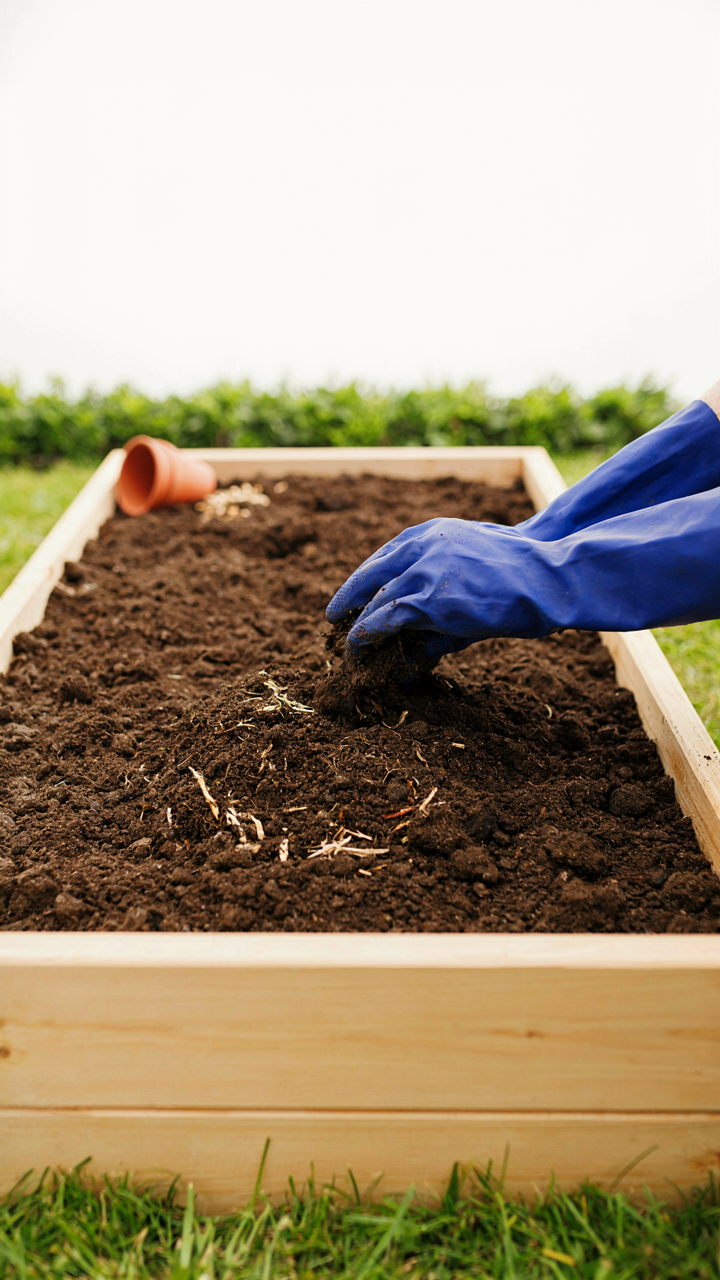
You want your raised beds to look maintained and function without constant fussing. Here’s what nobody states plainly: drainage fails when soil compacts because you’ve suffocated the biology underneath. Compaction destroys soil structure by forcing particles together and eliminating pore space. When pores collapse, water pools instead of moving through. The real work happens between water events, not during them. Loose, stable soil maintains air channels that let water percolate while roots access oxygen. This isn’t about fluffiness. It’s about preserving the physical architecture that lets fluids and gases move.
Soil structure depends on one mechanism: the binding action of organic matter and microbial networks that hold particles in aggregates. These aggregates create the stable pores drainage requires. Walking on beds, raking aggressively, or tilling wet soil crushes aggregates and reverses months of structure development. The corrective move is simple but requires discipline: never work soil when it’s wet, never compact established beds with foot traffic, and add organic matter annually to rebuild structure as it inevitably degrades. This prevents the compaction spiral that turns raised beds into clay pits.
Where Microbes Become Your Drainage System
Biology lesson first: soil oxygen matters because microbial respiration consumes it. Every aerobic microbe in your bed breathes, and their metabolic activity directly correlates with soil health and structure stability. When oxygen depletes, you lose the microbial workforce that binds particles and maintains pore continuity. This is the mechanism most drainage guides miss entirely. They talk about adding gravel or tilting beds. They ignore that living soil drains better than dead soil because the biology actively maintains the architecture.
Microbial populations thrive in soil with consistent oxygen availability and organic matter. This is why aeration and drainage are partners, not separate problems. A well-draining bed with poor aeration still suffocates biology. A heavily amended bed without drainage drowns it. The protocol: build beds with 30 to 40 percent organic matter by volume, turn the top 2 to 3 inches annually without full inversion to preserve structure, and avoid compaction entirely. This maintains the oxygen conditions microbes need to keep your drainage system functioning season after season.
The Dan Koe Permeability Principle: Applying Fluid Dynamics To Home Inspo
Why Your Soil Drains Like It Hates You
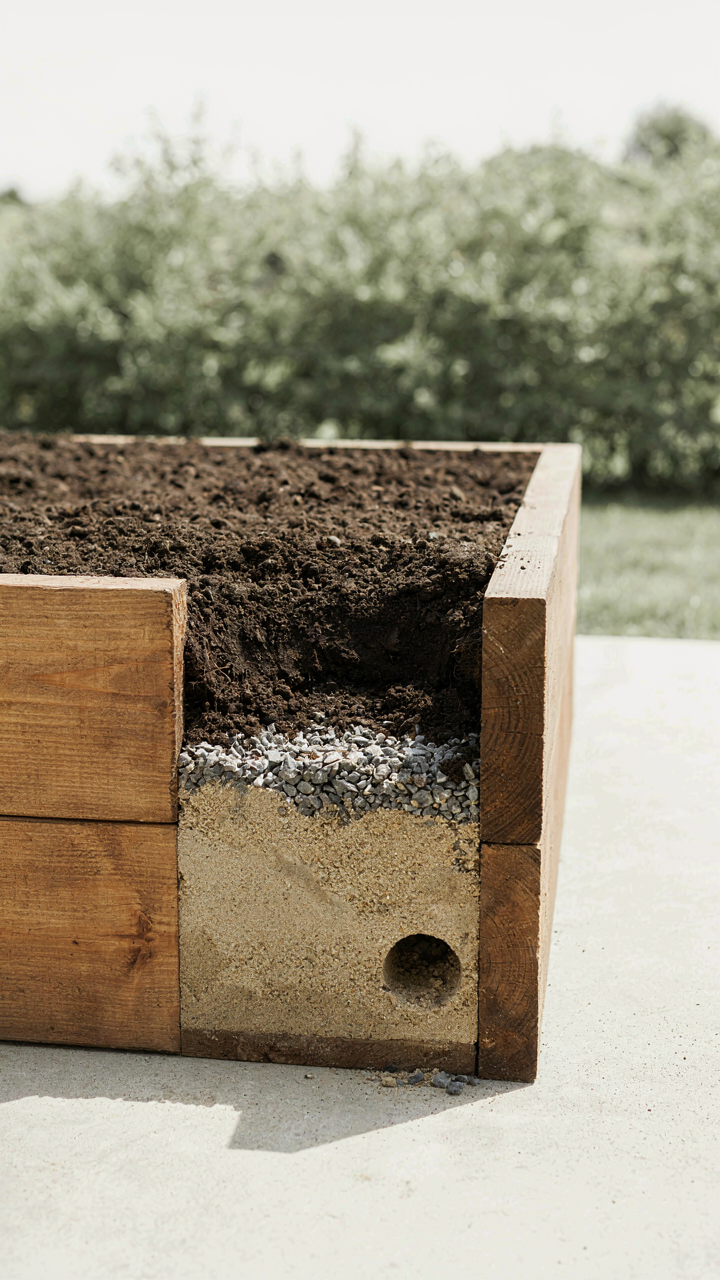
You want your raised bed to look intentional, not like a swamp. That’s not vanity talking—it’s survival. The real mechanism nobody states is that soil doesn’t drain because of goodwill. It drains because of physics. Borrow a term from fluid dynamics: hydraulic conductivity. This is the soil’s actual ability to move water vertically and horizontally. Most people obsess over substrate choice without measuring what they’re actually getting. Porosity (the space between soil particles) and hydraulic conductivity are not the same thing. A soil can have plenty of pores but still move water slowly if those pores are disconnected or clogged. Clay particles pack tight. Sand particles stack loose. The gap between them determines flow rate, and flow rate determines whether roots rot or thrive.
Soil composition creates a predictable outcome. Heavy clay holds water because particles bond and seal gaps. Medium loam balances retention and drainage. Coarse sand drains fast but holds almost nothing. Your raised bed’s performance is locked in the moment you fill it. Most people add compost and call it drainage. Wrong. Compost traps moisture. The base layer—not the compost—governs whether water leaves the bed or stays trapped. You need an engineered base that prioritizes speed of exit over nutrient density.
Water Moves Where Physics Allows It
Infiltration rate tells you how fast water drops through each layer. Measure this in inches per hour if you want precision. Most home gardeners never check it, which is why their beds fail. Common advice says “just add perlite or sand to fix drainage.” Incomplete. Perlite adds air pockets but doesn’t guarantee connected pathways for water. Sand adds it, but too much sand becomes hydrophobic when dry and creates a barrier instead of a channel. The real answer is layering by particle size. Start with a coarse base layer (3-4 inches of gravel or woodchip mix), then transition to medium material, then to fine. Each layer needs a pore size that lets water drop through without pooling.
Slope and bottom perforation matter as much as material choice. Water needs to leave the bed, not just drop to the base and sit. A flat bottom with no drainage holes becomes a reservoir. Pitch the bottom toward a drain hole or edge opening at least 1-2 degrees. Use perforated landscape fabric between your coarse base and soil layers to block soil migration while allowing water flow. This keeps your drainage channel open for years instead of clogging within a season. Measure infiltration after installation by pouring water onto the top and timing how fast it drains. If it takes more than 30 minutes for a gallon to exit, your base layer failed and needs replacement.
Beyond The “Drainage Layer”: Real Solutions For Waterlogged Raised Beds
Stop Blaming The Gravel
You want to believe drainage is simple because admitting it isn’t means your bed failed for reasons you control. The real mechanism is hydraulic pressure. Water moves through soil in layers based on permeability gradients, and a gravel layer at the bottom actually traps water instead of releasing it. Gravel blocks capillary action upward but doesn’t solve the core problem: water has nowhere to go if the bed sits on compacted earth or clay.
Most raised beds drain poorly because the base is sealed. Soil particles compact under weight over seasons. If you built on lawn without removing the sod, you’ve created a bathtub. The “drainage layer” myth persists because it sounds scientific and requires zero real work. Actual drainage requires a path for water to exit the system entirely, not just move it around inside the bed.
Assess What’s Actually Blocking Water
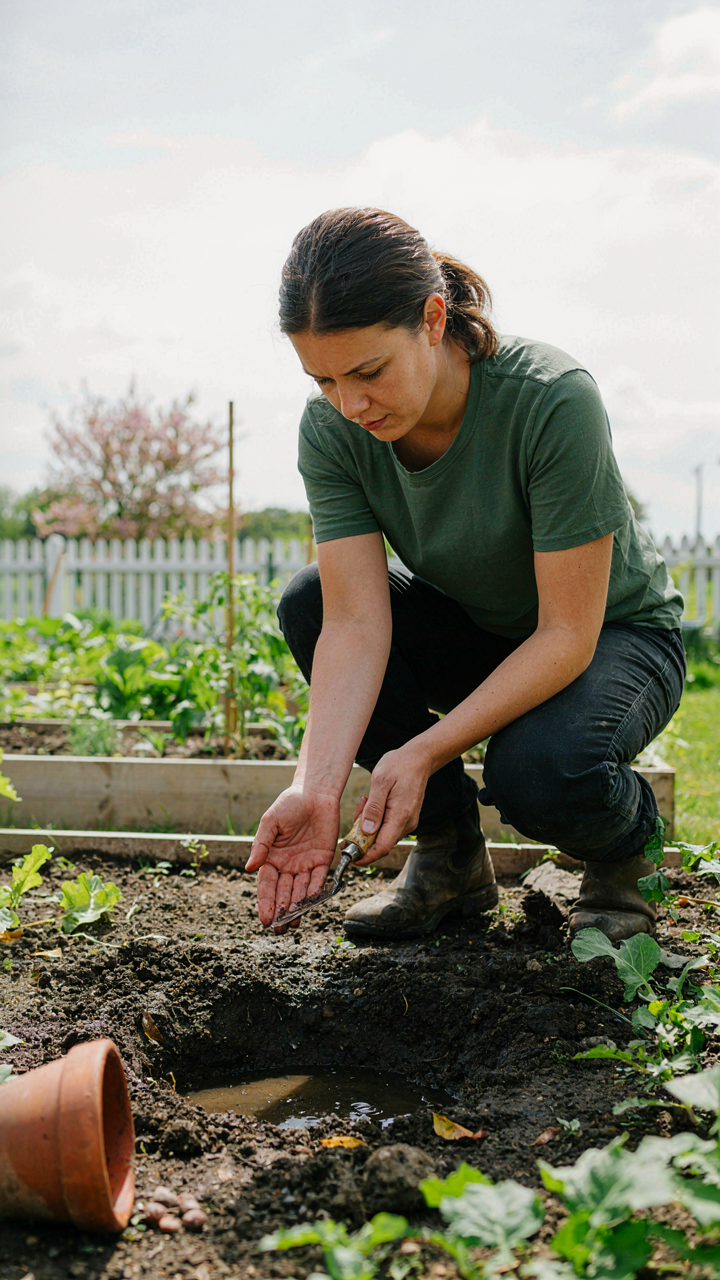
Check soil composition first. Dig a hole in the bed after heavy rain and observe how fast water recedes. If water sits for hours, you have a permeability problem, not a layering problem. Clay content determines drainage speed more than any amendment you add on top. Take a soil sample, mix it with water, and watch it settle in a jar. The silt and clay particles that sink last are your constraint.
Next, inspect the base. Remove a corner section of the bed if possible and check what’s underneath. Compacted earth, clay subsoil, or concrete create barriers. If roots can’t penetrate below six inches, water can’t drain below six inches. You need to either perforate the base layer mechanically or build the bed higher with an open bottom. This step determines whether your fix works or fails.
Fix Waterlogged Beds That Exist Now
The problem isn’t solved by amending the soil inside the bed. You have to address the barrier below it. Start with these steps in order:
- Perforate the base layer: Use a broadfork or garden fork to break up compacted soil or clay beneath the bed. Push down and lift repeatedly across the entire footprint to depth of 12 inches. This creates channels for water to escape downward.
- Install a drainage aggregate correctly: Add coarse sand or pea gravel only after perforating the base, and use 2-3 inches maximum. Thicker layers don’t improve drainage and actually reduce it. The goal is to prevent fine soil particles from clogging gaps in the base layer.
- Create a perimeter slope: Tilt the bed slightly so water moves toward one edge or corner. A 2-3 degree slope (about quarter inch per foot) is enough. This prevents water from pooling in the center where roots sit.
- Cut drainage channels in the sidewall: Drill or cut small holes (half inch diameter) in the bottom corner of the bed frame, pointing downward. Water should flow out, not collect inside. Use a drill bit if the frame is wood or composite.
- Amend soil with drainage material: Mix coarse sand or perlite into the top 8 inches of soil at a ratio of 20 to 30 percent by volume. This addresses permeability of the soil itself, separate from the base layer fix.
The timeline matters. You’ll see improvement within days of perforating the base, but full drainage stabilization takes 2-3 weeks as soil settles around the new channels. Don’t overthink the material choices. The mechanism is simple: create a path for water downward and outward, then ensure soil particles don’t block that path.
The Ecological Edge: Cultivating A Self Draining Veg Garden Ecosystem
Root Systems That Work For You, Not Against You
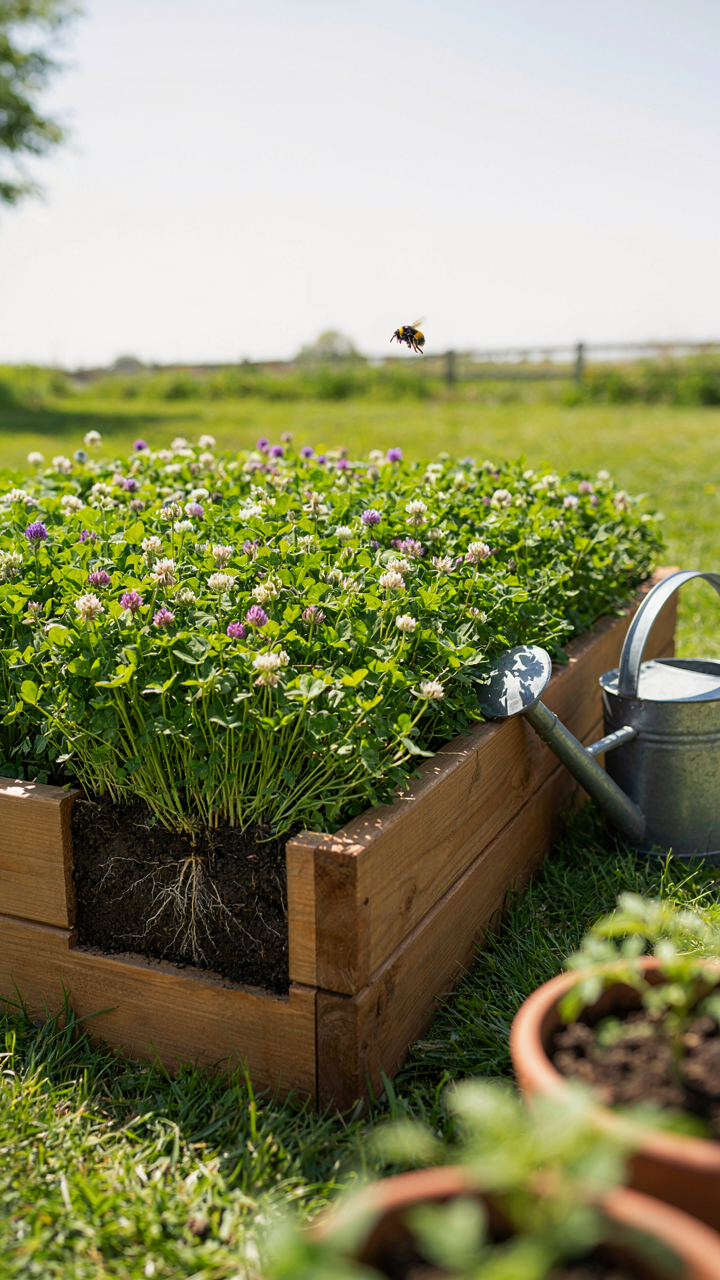
You want this section to justify spending more money and time on your garden without admitting you’re after status. Here’s the real mechanism: perennial root systems and cover crops operate like biological drainage infrastructure. In soil physics, we call this “macropore flow”—water movement through continuous channels. Established roots create exactly that. They don’t just hold soil together; they leave behind structural voids that persist even after the plant dies back. This is why a raised bed with years of perennial growth drains better than a freshly filled one, regardless of your initial layer composition.
Cover crops work differently but solve the same problem. When you grow clover, alfalfa, or winter rye in off-season, their root systems penetrate deep, fracture compacted layers, and establish drainage pathways. The roots die and decompose, but the channels remain. What most guides skip: this effect compounds. A bed that’s been cover-cropped for three seasons has fundamentally different water movement than one left bare. You’re not amending drainage; you’re engineering it into the soil architecture itself.
Living Soil Filters Water Faster Than Layered Substrate
Biodiversity in soil has direct hydraulic consequences that garden guides refuse to state plainly. More microorganisms, fungi, and arthropods mean more biological activity. That activity creates aggregate stability—particles bind into stable units with predictable pore spaces between them. Better aggregation equals better drainage. The common advice is backwards: adding more “drainage layers” often creates perched water tables because inorganic layers don’t bond to the surrounding soil. A biologically active soil self-organizes around water movement.
Build soil biodiversity intentionally. Don’t rely on it to happen. Add finished compost regularly, introduce mycorrhizal fungi through inoculants if your soil is depleted, and avoid tillage that destroys aggregate structure. The mechanism is this: high-diversity soil develops preferential flow paths where water moves faster than through homogeneous substrate. A bed with robust fungal networks and earthworm populations outdrains an identical bed with premium drainage amendments but dead soil. Measure your progress by how fast water disappears after heavy rain, then work backward from there.
The Art Of Imperfection: Embracing Natural Processes In Raised Garden Beds

Your Soil Isn’t Broken, It’s Just Revealing Itself
You want drainage to work like a formula. It won’t. The real reason you care about this section is that you’re looking for permission to stop obsessing over every variable and just let physics do its job. Here’s the mechanism: drainage is a function of soil structure and water potential gradient. The denser your soil, the slower water moves downward. Clay holds water because its particles are small enough to trap it through capillary action. Sand drains fast because pores are large. Your local climate determines how much water your beds receive and how fast evaporation removes it. If you live in a humid region with 40 inches of annual rainfall, you need different drainage than someone in a semi-arid climate with 12 inches. The soil type beneath your raised bed matters too, not just the fill inside it. Compacted clay below acts as a floor that stops water from escaping. Know what’s underneath before you build.
Most gardeners treat soil type as a minor detail. It’s your primary variable. Spend 30 minutes finding out what grows naturally in your region. Talk to a local landscaper or check your county’s soil survey. You’ll learn the native soil composition, which tells you exactly what your raised bed is working against or with. This isn’t aesthetic preference. This is engineering.
Reading Your Bed Like A Diagnostic Tool
Stop assuming. Observational gardening is applied ecology. You’re the experimenter, and your raised bed is the lab. Watch where water pools after rain. Watch how fast the surface dries. Check soil moisture at different depths two days after watering. A raised bed that stays boggy at the base but dry on top has a drainage boundary problem, usually a layer of compacted material blocking water movement. One that drains too fast and dries out within 24 hours needs organic matter to increase water retention. The common advice tells you to “add compost,” but that’s vague. You need to know whether your problem is percolation rate or water-holding capacity. Different fixes address different failures.
Test your soil’s drainage manually. Dig a hole six inches deep in your raised bed, fill it with water, and time how long it takes to drain. Under two hours means fast drainage. Two to four hours means moderate. Over four hours means slow. This single metric tells you whether you need to amend your soil composition or adjust your watering schedule. Don’t guess based on what worked for someone else’s yard. Your site is unique. Your response should be too.
The Real Obstacle Isn’t Your Soil; It’s Your Resistance To Understanding Fundamental Soil Mechanics

Most people fail at raised bed drainage because they treat it like decoration instead of engineering. You don’t need prettier soil. You need to stop guessing and actually measure your drainage rate today. Grab a shovel, dig a hole in your bed, fill it with water, and time how fast it drains. This single test reveals everything. You’ll either confirm your setup works or discover the costly mistake you’re about to make. Stop decorating your garden. Start building it.



