

Beyond Folk Wisdom: The Ecology Of Companion Planting
What Actually Works And What Doesn’t
You want companion planting to work because it promises efficiency without chemicals, and admitting it’s mostly theater feels like a personal failure. Here’s the mechanism: most companion planting claims come from observation, not controlled studies. A farmer sees marigolds near tomatoes and no pests arrive, then concludes marigolds repelled them. He ignores that the year before, with no marigolds, pests didn’t show up either. Anecdote beats pattern recognition every time.
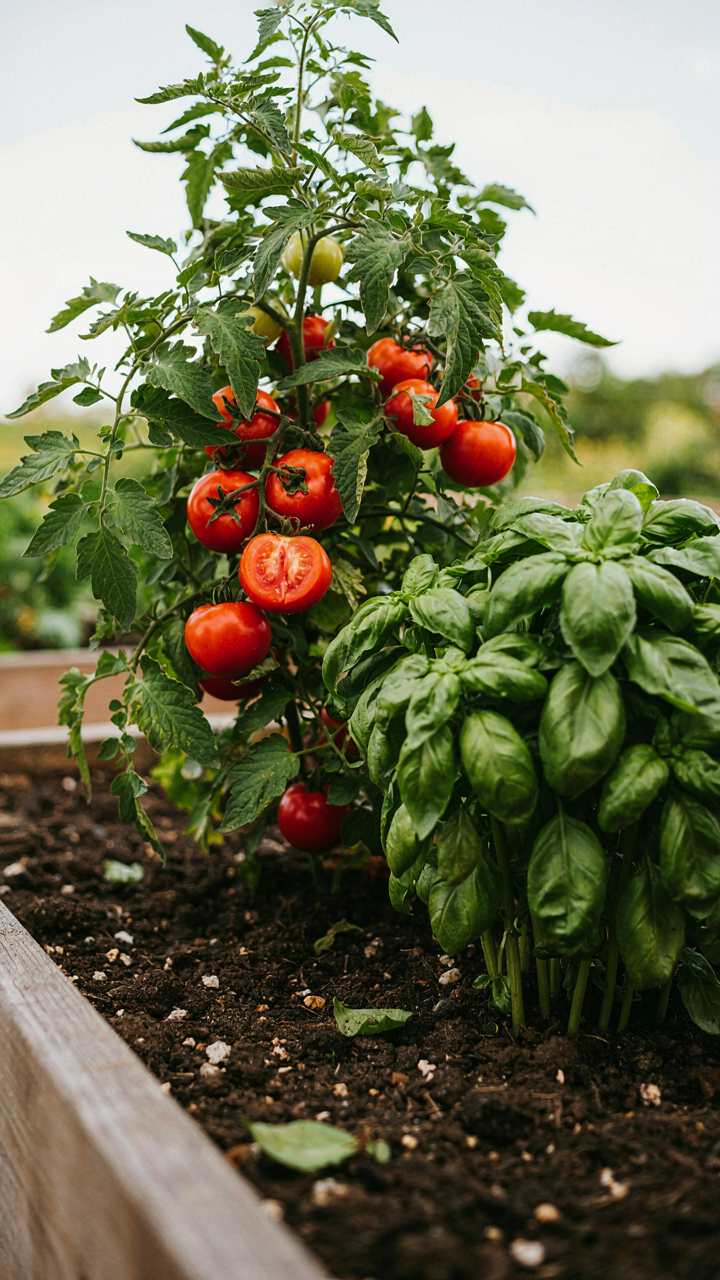
The science is narrow. Basil near tomatoes reduces hornworms in some trials, absent in others. Nitrogen-fixing legumes genuinely feed soil, measurable and real. Tall plants shading others works through basic physics. But the internet treats every folk pairing as doctrine. Many combinations show zero reproducible effect. Your raised bed doesn’t care about tradition, only about what moves nutrients, water, and pest pressure. Start there instead of playlist gardening.
The Chemical Signals Your Plants Are Already Using
Think of your raised bed as a chemical trading floor. Biology uses signaling molecules the way markets use price. One plant releases a compound, another detects it, and behavior shifts. This isn’t mystical. It’s allelopathy and symbiosis—the two mechanisms that actually matter.
Allelopathy is direct competition through toxins. Black walnut roots release juglone, poisoning nearby plants. It’s not a flaw, it’s a strategy. In your bed, rye grass and some brassicas produce compounds that suppress certain fungi and weed seeds. The effect is real but modest and context-dependent. Soil chemistry, moisture, and microbial activity all determine whether the compound reaches concentrations high enough to matter. Don’t expect allelopathy to replace weeding. Symbiosis moves the real needle: mycorrhizal networks link roots to fungi, trading sugars for phosphorus and water. Legumes host rhizobia bacteria that convert atmospheric nitrogen into usable nitrate. These exchanges happen underground, invisible, but measurable in soil tests and yield. Nitrogen-fixing legumes genuinely work because the mechanism is biochemical, not aesthetic.
The Raised Bed Advantage: Maximizing Microclimates

Soil Health And Pest Isolation
You want to believe raised beds are magic. They’re not. You want contained soil that stays clean and pests that stay out. That’s the real driver here. The mechanism is simple: a raised bed creates a thermal and biological barrier between your plants and ground-level pest populations. Cold soil temperatures at ground level harbor overwintering insects and fungal spores. Elevation breaks that connection. Your soil warms faster in spring, drains differently, and isolates your root zone from soil-borne disease pressure that plagues in-ground gardens.
Companion planting works better in this isolated environment because you control the starting conditions. You build your own soil mix, amend it without fighting existing compaction or contamination, and establish pest populations from zero instead of fighting inherited ones. This means your beneficial insects establish faster, your plants don’t spend energy fighting root diseases, and your companion plant relationships actually function as designed instead of competing against hidden soil problems. The isolation is what makes the strategy stick.
Sun And Wind Pattern Mapping
Physics calls it microclimate stratification. Raised beds call it the difference between thriving and limping. Sunlight and wind move differently around an elevated structure than they do across flat ground. You need to observe actual shadow patterns at three different times of day before you plant anything. Morning sun, midday intensity, and afternoon angle all shift how much thermal energy your bed receives. Wind also funnels between raised beds and structures, creating dead zones and acceleration zones that directly impact transpiration rates and pollinator activity.
The layout decision changes everything about which companions work together. Tall plants on the north edge shade others without blocking beneficial airflow. Sprawling plants occupy the south edge where wind speed peaks. Nitrogen-fixing legumes go where you can monitor them without the bed becoming a wind tunnel that stresses them. Document your bed’s exact microclimate for two weeks before finalizing plant placement. Measure soil temperature at soil surface and two inches deep. Record wind direction at different hours. This data determines whether your companion pairings accelerate growth or create stress that negates the whole strategy.
The Symbiotic System: How Plants Collaborate

Nitrogen Fixation Through Legumes
You want companion planting to feel like magic so you don’t have to think about soil chemistry. It’s not magic. It’s biology doing what biology does. Legumes operate like nitrogen banks in an agricultural economy: they house rhizobium bacteria in root nodules that convert atmospheric nitrogen into plant-available nitrate. Plant a legume next to a heavy feeder like tomato or corn, and you’re stacking one organism’s waste product as another’s input.
The mechanism is straightforward. Legumes pull nitrogen from air, not soil. That nitrogen accumulates in their tissues. When leaves drop or roots decompose, nitrogen enters the soil as organic matter. Your next crop accesses it. Beans, peas, clover, and alfalfa all function this way. Space them within 12 inches of nitrogen-hungry plants. The bacteria work year-round, but nitrogen release accelerates after you cut or till the legume into the bed.
Aromatic Plants Block Pest Entry
The conventional take on aromatic plants is that bugs dislike the smell. Incomplete. Insects navigate by volatile organic compounds, not just taste. Aromatic plants saturate the air with their own compounds, creating a sensory mask that disrupts pest navigation systems. This is chemical ecology, not preference. A cabbage surrounded by strong-scented marigolds doesn’t smell worse to an aphid. The aphid simply can’t locate it using the chemical pathways it evolved to follow.
Strong-scented plants work best in physical proximity to targets. Plant basil within six inches of tomatoes. Plant nasturtiums or tansy at bed edges where pests enter first. The aromatic saturation needs density to function. A single marigold at the far end does nothing. The pest still finds what it came for because the chemical signal remains clear enough to follow. Cluster aromatic plants around vulnerable crops, not as decoration on the periphery.
The Mycorrhizal Network Protocol For Garden Veggies

Fungal Highways For Nutrient Exchange
You want to believe your compost is doing the heavy lifting. It isn’t. The real nutrient delivery system in raised beds operates underground through fungal networks that connect plant roots to mineral reserves your soil can’t mobilize alone. This is mutualism from biology: two organisms exchange resources in a transaction that benefits both. In raised beds, mycorrhizal fungi become the supply chain.
Most plants form symbiotic relationships with arbuscular mycorrhizal fungi. These fungi penetrate root cells and extend hyphal networks outward, reaching nutrients far beyond what roots could access independently. The plant provides sugars from photosynthesis. The fungi provide phosphorus, potassium, and micronutrients the roots extract from soil particles. Breaking this network breaks your nutrient availability, which is why tilling destroys productivity.
Root Architecture And Soil Density
Stop spreading generic advice about “loose, fluffy soil.” Raised beds need strategic density that balances root penetration with fungal colonization rates. Dense soil forces roots deeper and creates resistance that triggers more vigorous root growth. Loose soil lets roots sprawl shallow and never signals the plant to develop aggressive mycorrhizal partnerships. The mechanism is physiological stress driving adaptation.
Build your raised bed with a 60-30-10 ratio: 60 percent aged compost, 30 percent coconut coir or peat, 10 percent coarse perlite or aged wood chips. This creates enough resistance to stimulate root depth while maintaining pore space for fungal hyphal movement. Avoid adding fresh compost annually. Instead, top-dress with half-inch compost and let the existing network stabilize. Mycorrhizal colonization takes four to six weeks in undisturbed soil.
Strategic Grouping: Companion Planting Vegetables Layout

The Three Sisters And Proven Systems
You want to feel smart by following ancient wisdom instead of figuring out what actually works in your specific bed. Here’s the mechanism: the Three Sisters—corn, beans, and squash—succeeds because each plant solves a structural problem the others create. Corn provides vertical support. Beans fix nitrogen into soil. Squash shades the base and prevents weed competition. This isn’t romance. It’s resource stacking.
This system works across climates because it addresses universal crop needs, not local preferences. The Milpa tradition in Mesoamerica proved this for centuries. You replicate it by planting corn first to establish height, beans two weeks after germination so they climb established stalks, and squash another two weeks later so it matures without choking younger neighbors. Timing matters more than simultaneity.
Planting Windows For Year Round Output
Succession planting isn’t about cramming more seeds in. It’s agricultural economics applied to beds: stagger planting dates to distribute harvest across months instead of concentrating it into weeks where most produce rots. Most guides bury this in vague language about “planting every two weeks.” That’s incomplete.
Calculate backwards from your first frost date and your crop’s days to maturity. If your lettuce needs 45 days and frost arrives in 90 days, your last planting date is day 45. For spring crops like peas, plant in overlapping batches every ten to fourteen days until heat stress stops germination. Summer crops like beans tolerate later plantings. Fall crops need earlier windows because light hours drop and growth slows. Record these dates each year, then use them as your template going forward.
Integrated Pest Management: Beyond Companion Planting In Raised Beds

The Mechanics Of Beneficial Insect Recruitment
You want companion planting to solve your pest problem so you don’t have to think about it. It won’t. Beneficial insects operate on the same principle as predators in an ecosystem: they need habitat, food sources, and breeding grounds to establish population density. Plant them, and they come. Neglect the structure, and they leave.
Flowering plants that bloom at staggered intervals create continuous nectar availability. Alyssum, yarrow, and cilantro seed heads attract parasitic wasps and hover flies that lay eggs in aphid colonies. The mechanism is simple: pests concentrate on your vegetables, beneficials concentrate on the pests. Your raised bed becomes a hunting ground, not a buffet. Space these plants throughout the bed perimeter and between crop rows to maximize encounter rates between predators and prey.
Rotation Breaks The Disease Cycle
The common advice to rotate crops annually is incomplete. Disease pathogens in raised beds don’t disappear after one season. Soil-borne fungal infections, bacterial wilts, and root pathogens persist in the growing medium and on bed structure. Rotation works as a starvation mechanism in epidemiology: you remove the host plant, and the pathogen population crashes from lack of resources.
Effective rotation requires three years minimum for most fungal diseases, not one. Map what you planted each season in your raised bed. Year one: tomatoes. Year two: legumes or brassicas (unrelated families). Year three: root crops or alliums. Year four: return to tomatoes only after pathogens die from host absence. Track this rotation in writing, or you’ll replant the same family and restart the infection cycle.
Designing Your Home Vegetable Garden: The Permaculture Blueprint

Stacking Functions Across Zones And Guilds
You want permission to stop overthinking your garden layout and feel like you have a master plan. Here’s the actual mechanism: permaculture borrowed from ecology the concept of succession, and it applies to raised beds through something called stacking—running multiple functions in the same space simultaneously. Most gardeners plant rows. Effective growers design zones by nutrient demand and root depth, then stack compatible plants vertically to exploit unused resources.
Guilds are the operational unit. A guild clusters plants around a central anchor crop to handle specific problems: nitrogen fixation, pest disruption, pollination support, or moisture retention. Tomato guilds pair tomatoes with basil (pest suppression and flavor), marigolds (nematode deterrent), and borage (pollinator draw). Squash guilds combine squash as the base with corn as trellis, beans as nitrogen source, and nasturtium as pest trap. Each member has a function beyond just coexisting.
- Nitrogen Fixers In The Guild: Legumes (beans, peas) convert atmospheric nitrogen to plant-available form, reducing your fertilizer dependency and feeding heavy feeders like tomatoes or brassicas in the same raised bed.
- Root Depth Stacking: Combine shallow-rooted plants like lettuce with deep-rooted anchors like tomatoes or chard. They access different soil layers, eliminating competition and maximizing nutrient extraction from your bed’s volume.
- Pest Suppression Members: Aromatic herbs like cilantro, dill, and fennel attract beneficial insects that prey on aphids and whiteflies while confusing pests that navigate by scent, reducing spray frequency or eliminating it entirely.
- Pollinator And Beneficial Attractors: Borage, calendula, and alyssum draw bees and hoverflies into beds, increasing fruit set on squash and beans while their larvae consume garden pests as primary food source.
- Trap Crop Placement: Nasturtium, mustard, or radish absorb pest pressure intended for cash crops, functioning as sacrificial plants that concentrate pests in predictable locations for targeted removal or acceptance.
Zone design means mapping beds by water and nutrient need rather than aesthetics. High-demand beds (tomatoes, squash, brassicas) occupy zones closest to water sources and compost inputs. Succession planting within zones fills gaps left by harvested plants, keeping beds productive across seasons. Plant density follows guild logic—not random spacing, but calculated overlap designed to eliminate wasted bed surface.
Water Capture And Soil Retention
Most advice on water conservation avoids the real problem: you’re losing water through evaporation and runoff before roots ever access it. Raised beds worsen this because they heat up faster and dry from sides and top simultaneously. The mechanism is surface exposure. Reduce exposed soil, and you drop water loss dramatically.
Mulch sits on top of soil and breaks the sun’s direct contact. Three to four inches of organic mulch (wood chips, straw, shredded leaves) cuts evaporation by sixty percent or more. More important: mulch cools the bed, slowing microbial decomposition and extending the availability window for soil moisture. You’re not just conserving water—you’re extending the time plants can access it before it moves past the root zone.
Dense canopy planting reduces mulch needs because leaves perform the same function. Companion plantings create natural shade: basil under tomatoes, lettuce under chard, peas under bean trellises. The upper plant shades soil, the lower plant reduces bare ground. Combined with mulch underneath, this stacking approach cuts water demand by half compared to single-crop beds. Your actual tactic is layering coverage, not hoping for rain.
Common Pitfalls In Backyard Vegetable Gardens

The Trap Of Single Plant Pairings
You want a foolproof system because admitting gardening is contextual feels like failure. But that’s exactly the trap. The real mechanism: companion planting works through multiple simultaneous interactions, not binary pairs. Basil and tomato sounds clean. In reality, what matters is whether your basil competes for nitrogen, attracts pollinators your tomato needs, and fits your actual bed layout.
Most advice treats companion planting like a lookup table. Plant A with Plant B, done. This fails because it ignores your soil pH, drainage rate, sunlight pattern, pest pressure, and spacing constraints. A pairing that works in one bed creates disease pressure in another. You need to understand why a relationship exists, not just memorize it.
Soil Biology Decides Everything Else
Think of soil biology like military logistics: your plants are troops, but they never actually capture territory themselves. The microbes do. Bacteria and fungi control nutrient availability, disease suppression, and pest resistance. Companion planting without functional soil biology is decoration. You can plant beneficial combinations in sterile, depleted soil and watch nothing improve.
- Mycorrhizal networks: Fungi establish connections between plant roots, enabling nutrient transfer and communication. Without them, plants remain isolated and vulnerable regardless of neighbors.
- Nitrogen-fixing bacteria: Legumes only fix nitrogen if Rhizobium bacteria colonize their root nodules. Buy inoculant if your soil hasn’t hosted legumes recently.
- Beneficial predatory arthropods: Soil arthropods control pest larvae underground. They require organic matter, stable moisture, and minimal tillage to establish populations.
- Fungal diversity in compost: Different fungi suppress different soil pathogens. Homogeneous compost breeds homogeneous problems. Layer multiple compost sources.
- Microbial activity thresholds: Soil biology activates above 50 degrees Fahrenheit and requires stable moisture. Cold or waterlogged beds mean dormant microbes and wasted companion pairings.
Build soil biology first through consistent organic matter addition and minimal disturbance. Then place companion plants strategically. The pairing amplifies what the microbes already enabled.
Advanced Raised Bed Companion Planting For The Pro
When Your Garden Runs Itself
You want to look like you have this figured out without actually thinking about it constantly. Here’s the mechanism: cybernetics is the study of feedback loops and self-correcting systems. Your raised bed garden operates as a feedback loop too. Plant the right companions, and they regulate each other’s pests, nutrients, and growth without your daily intervention. Nitrogen-fixing legumes feed heavy feeders automatically. Aromatic herbs repel pests before you spot damage. Dense planting crowds out weeds before they establish. The system maintains equilibrium on its own.
Build this by stacking three layers of feedback: below ground, above ground, and temporal. Root systems communicate through mycorrhizal networks and compete for specific nutrient zones, creating natural stratification without your management. Above ground, pest predators emerge from trap crops and flowering companions before pest populations spike. Temporally, you succession plant so one crop’s leftover biomass feeds the next crop’s establishment. You’re not managing the garden anymore. You’re designing a mechanism that manages itself, then you harvest what it produces.
Perennial Yields Change The Math
Annual vegetables burn through soil nutrients and demand replanting labor every season. Perennial food systems flip this: you plant once, then harvest for years. Asparagus produces for ten to fifteen years per planting. Perennial herbs like oregano and thyme regenerate for decades. Perennial companions establish a stable root structure that binds soil, prevents erosion, and creates consistent microclimates for adjacent plants. Your raised bed becomes infrastructure instead of a yearly reset button.
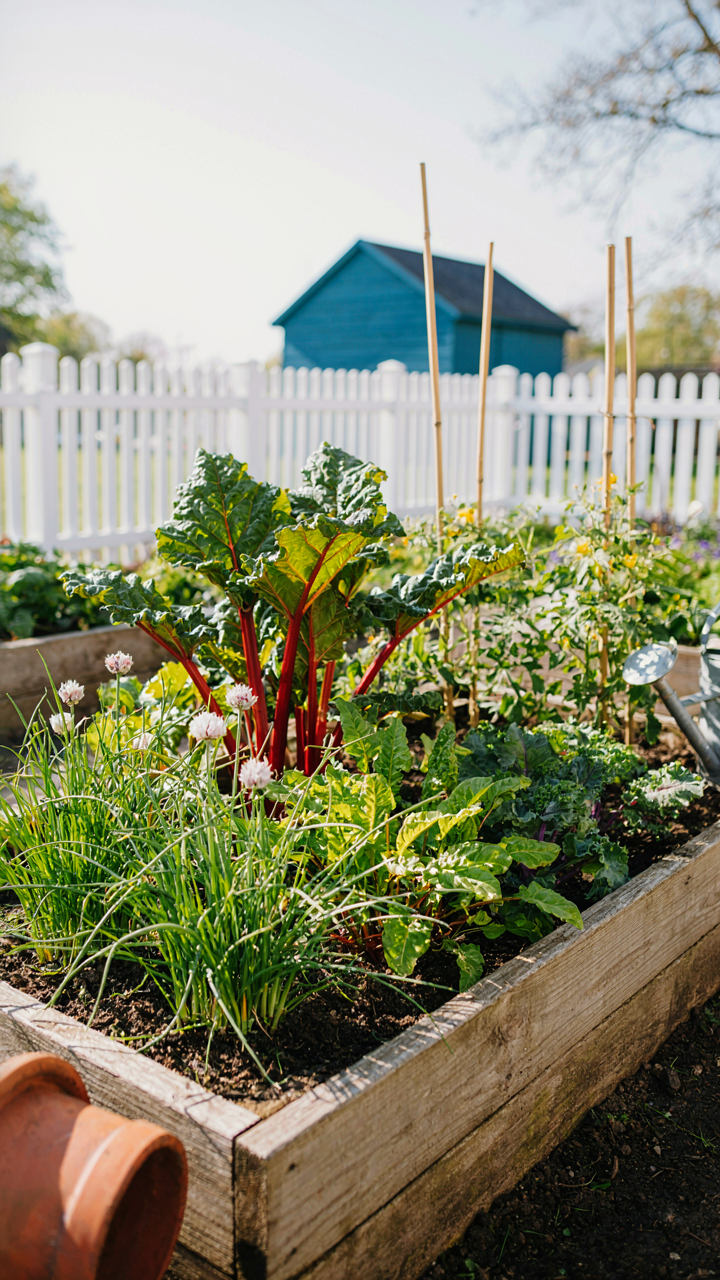
The real advantage is compound efficiency. Year one, you invest labor in establishment. Year two through ten, you harvest excess yield while reinvesting minimal input. Perennial roots go deeper than annuals, accessing nutrients at different soil levels and bringing them up through leaf fall, which feeds surface soil. You mix perennials strategically around annual crops: garlic chives border tomato rows, rhubarb anchors one corner, sorrel occupies gaps. This blend captures yield windows your annuals alone would miss while the perennials’ permanent structure reduces your total bed maintenance by roughly forty percent over a five-year horizon. Integrate one perennial food plant per four square feet of raised bed space.
Your Garden’s Success Hinges Not On More Inputs, But On Recognizing The Emergent Intelligence Already At Play
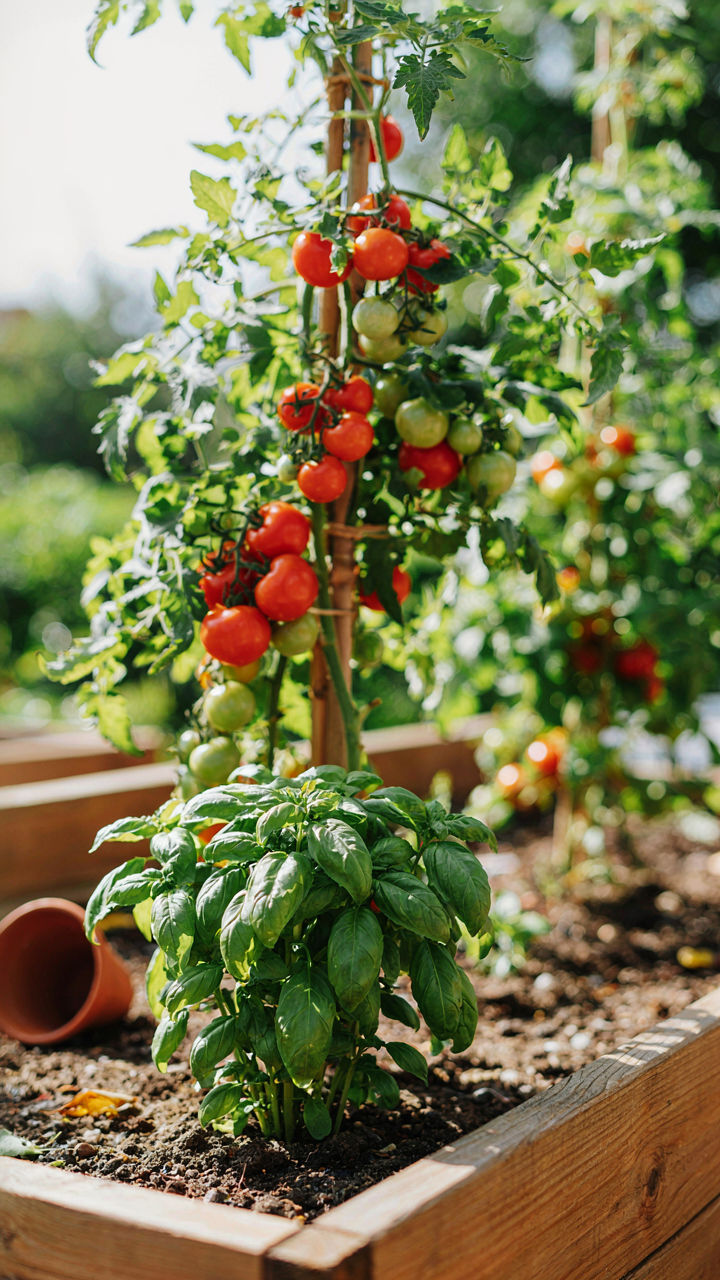
Stop treating your raised bed like a chemistry experiment you need to control. Companion planting works because plants already know how to work together. Your job is to step back and let them. Pick one pairing this week—tomatoes with basil, carrots with onions—and watch what happens when you quit overthinking it. The garden doesn’t need your permission to succeed.



