
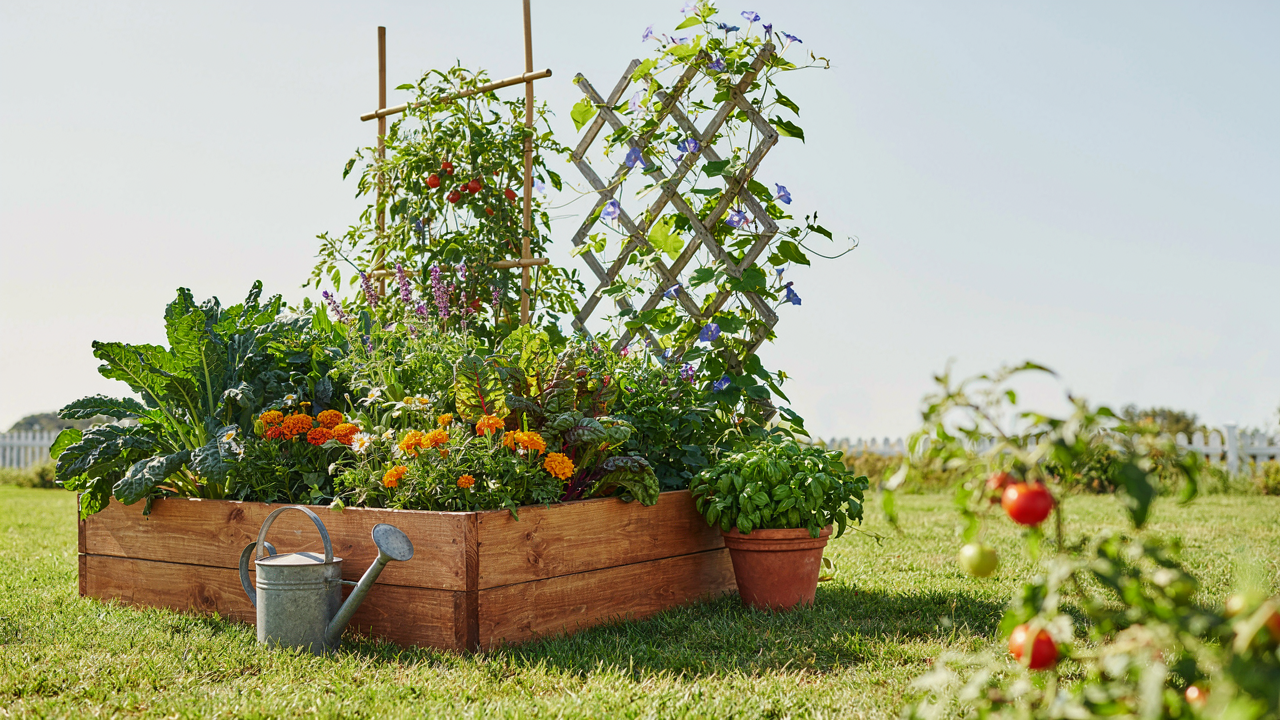
The Corner Garden Myth: Why “Simple” Is A Trap

What Everyone Gets Wrong About Corner Beds
You want corner raised beds because you think they’ll look intentional and efficient, like you’ve solved something. Here’s the mechanism: the corner placement creates a drainage and soil quality problem that nobody mentions because it’s not visible in Instagram photos. Water pools differently in corners. Soil compacts asymmetrically. The two walls that meet create a microclimate with uneven sun exposure and wind patterns that change how plants actually perform.
The common advice is that corners are “great for maximizing space.” This is incomplete. Corners maximize space but minimize plant health if you don’t account for the geometry. A corner bed receives reflected heat from two directions, which sounds good until your soil temperature spikes and kills shallow-rooted plants in summer. The same geometry traps cold air in winter. You’re not getting a simple space saver. You’re getting a thermal anomaly that demands different soil composition and watering schedules than a freestanding bed.
Drainage And Soil As System Design
Think of corner raised beds through the lens of hydraulics, not landscaping. The corner acts like a low point in a watershed, and gravity doesn’t care about your design intentions. Soil settles fastest where two walls meet because that’s where compaction pressure concentrates. After one season, water moves through the outer edges of your bed at a different rate than the center corner. This differential drainage means the same plant species will perform differently depending on where you place it within the same bed.
The real purpose of understanding corner geometry isn’t aesthetic arrangement. It’s controlling water and nutrient distribution so your plants don’t starve or rot based on their location. You must build your corner bed with a soil profile that compensates for this. Use coarser material at the corner base to prevent ponding. Add a perforated drainage tube along the interior corner angle if your bed is deeper than twelve inches. The mechanism is straightforward: counteract the corner’s natural drainage disadvantage through deliberate material stratification before you plant anything.
The Asymmetrical Advantage: Optimizing Corner Landscaping

Where The Sun Actually Hits
You want corner beds because you think they look neat. That’s not why they work. Corners expose three sides to light instead of one, but only if you position them right. Borrowing from physics: a corner bed functions like a reflective surface. Southern and western exposures bounce and concentrate heat. The real mechanism is aspect ratio—the angle between your bed and the sun’s path determines photosynthesis rate, not effort or intention.
Most people waste corner space by orienting beds parallel to house walls. Position a corner bed at 45 degrees to cardinal directions instead. This captures morning sun from the east, midday intensity from the south, and afternoon warmth from the west. Vegetables need 6-8 hours minimum; leafy greens take 3-4. A correctly angled corner bed stretches your growing season because soil warms faster and retains heat longer into evening. Measure your corner’s shadow at 9 AM, noon, and 3 PM before building.
Movement And Reach
The garden bed you can’t access becomes a weed bed. Common advice says “make pathways wide”—useless if your corner bed forces you into awkward angles. Access efficiency means designing for your actual reach zone, not some standard. A corner bed works only when you can reach the center without stepping into the soil or contorting your spine.
Set your corner bed no deeper than 24 inches and no wider than 4 feet from the access point. This keeps your reach zone within 2 feet on all sides. If the corner is tight against two perpendicular structures, build only one accessible side—leave the back against the wall or fence. Raised beds in corners create dead zones if you can’t tend them. The design fails the moment maintenance becomes friction. Plant only what you’ll actually harvest.
The Micro Farm Protocol: High Yield Corner Vegetable Garden

Stacking Plants For Maximum Output
You want proof that your corner bed works harder than your neighbor’s sprawling garden. That’s the real draw here. The mechanism is density: corner raised beds force you to abandon row spacing and stack plants vertically and horizontally instead. Horticulture borrowed this from ecology, where layering drives yield per square foot. A 4×4 corner bed at standard spacing grows maybe 16 plants. Stacked, it grows 40. The constraint of the corner forces this decision.
Most gardeners space plants by the packet instructions, which assume unlimited land. Wrong move. Corner beds demand intercropping: fast crops between slow ones, shallow-root plants beside deep-root plants, tall varieties shading heat-sensitive greens below. Determinate tomatoes pair with basil. Bush beans anchor lettuce on the north side. The corner’s limited footprint makes this math mandatory, not optional. Stack density deliberately or waste sunlight hitting empty soil.
Planting In Waves, Not All At Once
Succession planting sounds like rotating crops. It’s not. It’s the military strategy of staggered deployment applied to vegetables. You don’t plant your entire lettuce crop on day one and watch it bolt in week six. You plant two weeks of lettuce, then two weeks later, plant the next batch. Same with radishes, beans, spinach. The corner bed’s small surface area makes this trackable without systems or apps.
Plant every 14 days for 12 weeks straight and you harvest every 14 days for the final 12 weeks. This breaks the feast or famine cycle. Most gardeners plant once in spring, get overwhelmed in July, then have nothing by August. The protocol is simple: mark planting dates on a calendar. Every two weeks, prepare a small section of the corner bed for the next crop. Plant seed or transplant. Repeat until frost. This turns a corner bed into a consistent supply line instead of a seasonal spike.
Garden Bed Layout: Engineering Your Small Yard For Output

How Your Body Moves Through Space
You want raised beds arranged so you don’t waste motion. That’s the real mechanism here: energy expenditure determines whether you actually maintain the garden or abandon it by July. Industrial ergonomics teaches us about “reach zones”—the distances your body can access without strain. With corner raised garden beds, your reach zone becomes the constraint. A bed positioned at the corner of your yard should place the far edge no more than 30 inches from where you stand. Most people ignore this and build beds too deep, then stop reaching into the center because bending that far kills their lower back.
The standard depth for a functional raised bed is 24 to 30 inches when positioned in a corner. Width matters more than depth here: a 4-foot-wide corner bed works better than a 6-foot-wide one because you access it from two sides instead of one. Place the corner bed’s inside corner (the 90-degree angle) toward your main work area, not toward the fence or wall. This gives you two full-length sides to approach from, cutting your average reach distance in half and making daily maintenance feel sustainable instead of punishing.
Stacking Species In Deliberately Planned Rows
Companion planting gets sold as mystical herb-magic when it’s actually applied plant biology. You’re not arranging plants for spiritual reasons; you’re managing resource competition and pest pressure by species-specific mechanisms. In corner raised garden beds, the layout gets tighter than ground gardens, so pairing matters more. Tall plants on the north side of your bed (assuming northern hemisphere) cast shade on heat-sensitive crops below without blocking light from shorter perimeter plants. This is just shadow mapping—no romance involved.
Tomatoes in the center back corner, basil at the bed’s edge facing south, lettuce in partial shade below the tomato canopy. Marigolds along the perimeter act as border monitors, not magical guardians; they’re simply less attractive to most garden pests than your target crops, so they draw pressure away. The mechanism: you’ve created a miniature microclimate hierarchy in 48 square feet. Plant densely enough that the bed self-regulates humidity and temperature, but not so densely that air can’t move between rows. Space crops using their mature width, not their seedling width, and you stop fighting fungal disease halfway through the season.
Garden Boxes Raised: The Antifragile Structure Method

Pick Materials That Don’t Decay Into Problems
You want your bed to last because replacing it every three years feels like failure. Here’s the mechanism: wood rots when it sits in constant moisture. The stress concentration happens at the soil line where wet wood meets air. Apply materials science here. A structure becomes antifragile when stress makes it stronger, not weaker. Most raised beds do the opposite. They gain stress (water saturation, freeze-thaw cycles, pest tunneling) and lose integrity. You need materials that either resist this stress or become irrelevant before decay matters.
- Cedar or redwood: Natural oils resist rot for 10-15 years in ground contact. Cost is higher but decay is slower than untreated pine or fir.
- Composite lumber: Engineered wood-plastic blends don’t rot and last 20-25 years. No splinters, minimal maintenance, but higher upfront expense than wood.
- Galvanized steel: Zinc coating prevents rust for 10-20 years depending on climate. Handles freeze-thaw better than wood. Works well in high-moisture zones.
- Concrete blocks or stone: Zero decay. Permanent. Slower to install but you never rebuild this component again.
- Untreated pine: Budget option. Expect 3-5 years before structural failure at soil line. Acceptable if you plan replacement cycles into your system design.
The real move: stop thinking of materials as permanent. Design for planned replacement cycles that match your material’s actual lifespan, or go stone and concrete once. Untreated wood forces you to rebuild every few years. Cedar stretches it. Composite or galvanized shifts the problem to 20 years out, which is far enough away that it stops being your problem. The choice isn’t about romance with “natural” materials. It’s about whether you want to dig out rotted wood every spring or not.
Drainage And Soil As One Operating System
Drainage without soil structure fails. Soil without drainage fails faster. These aren’t separate concerns. They’re linked. You can’t just poke holes in the bottom and expect water to move through evenly. The real issue is capillary action and anaerobic zones. Poor drainage creates pockets where water sits, oxygen disappears, and soil biology dies. Your plants starve in soggy soil not because of water but because roots can’t access oxygen. The fix isn’t adding more drainage holes. It’s building a soil profile that drains while holding the right amount of water.
Layer your soil from bottom to top: coarse material first (gravel or wood chips), then medium compost, then topsoil mix on top. The coarse layer at the bottom creates space for water to move laterally toward drainage points. Avoid pure clay or compacted soil as your base layer. Water pools instead of moving through. Your corner bed’s geometry actually helps here. Corners concentrate water flow in predictable patterns. Orient your bed so the lower corner has a drainage outlet or slopes toward it. Check soil moisture at depth 6-8 inches after rain. If it’s soggy three days later, your drainage layer is failing. Rebuild it before planting.
Raised Flower Beds: Utility, Not Just Ornament
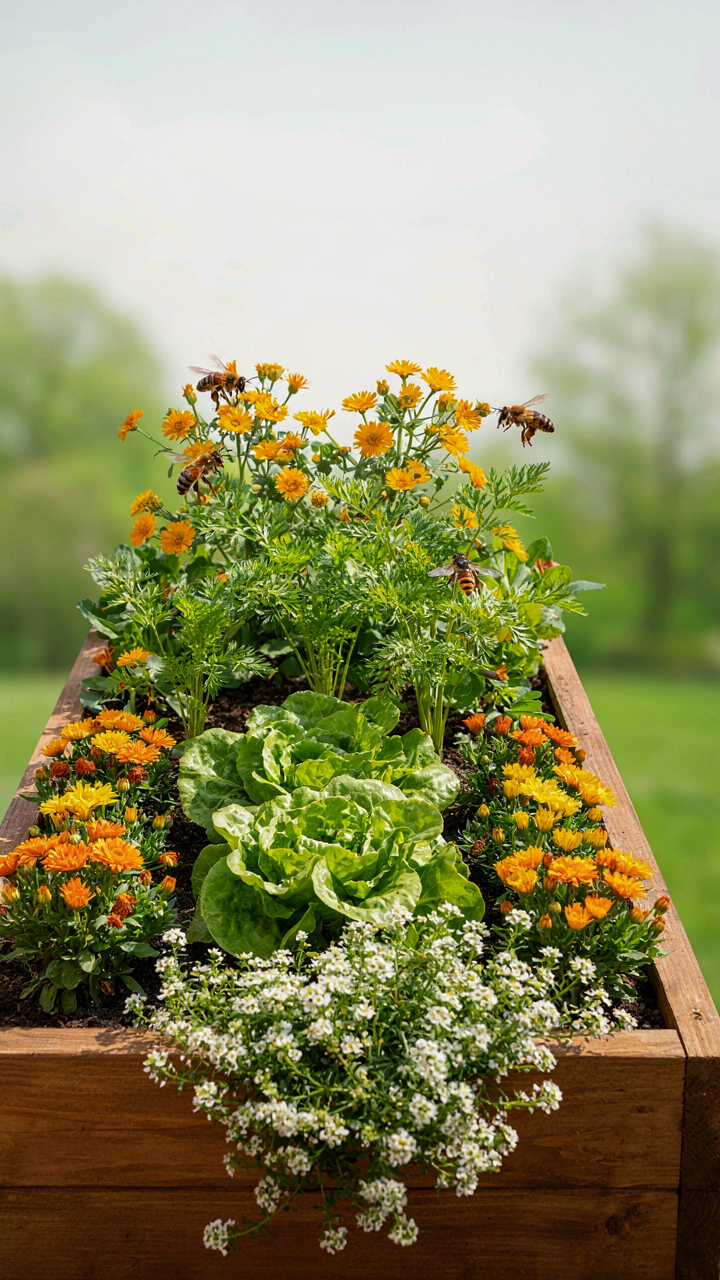
How Insects Become Your Garden’s Labor Force
You want a garden that runs itself so you don’t have to think about it. That’s the real reason you care about beneficial insects. Ecology calls this “trophic dynamics”—energy and nutrients flow through layers of organisms. In corner raised beds, you’re engineering that flow: plants feed insects, insects feed predators, predators kill pests. You’re not decorating. You’re building a food chain that works for you.
The mechanism is simple. Flowering plants in a raised bed attract pollinators and parasitic wasps. These wasps lay eggs in aphids and mites. The larvae consume the pest from inside. Native bees pollinate your vegetables while hunting nectar. You don’t spray anything. The system self-regulates because predator and prey populations naturally balance. Dense planting in a corner bed accelerates this because insects find shelter and food in the same small footprint.
Mix Edibles And Flowers For Dual Purpose
Most gardeners treat edible beds and flower beds as separate problems. That’s wrong. Companion planting isn’t poetic pairing—it’s chemical and physical interference with pest reproduction cycles. Nasturtiums repel aphids by exuding sulfur compounds. Marigolds deter thrips through root secretions. These flowers occupy the same corner bed as your vegetables, doing pest work while producing something you can eat or harvest for arrangements.
The protocol: plant edibles in the center of your corner bed where they get full exposure. Ring them with low-growing flowers like alyssum or calendula. These flowers are dense enough to create a microclimate that attracts ground beetles and hover flies. You harvest both the vegetables and the flowers. The bed pays for itself twice over. This isn’t about aesthetics. It’s about maximum output per square foot of soil.
The Raised Corner Garden Beds Blueprint: Build It Once, Yield Forever
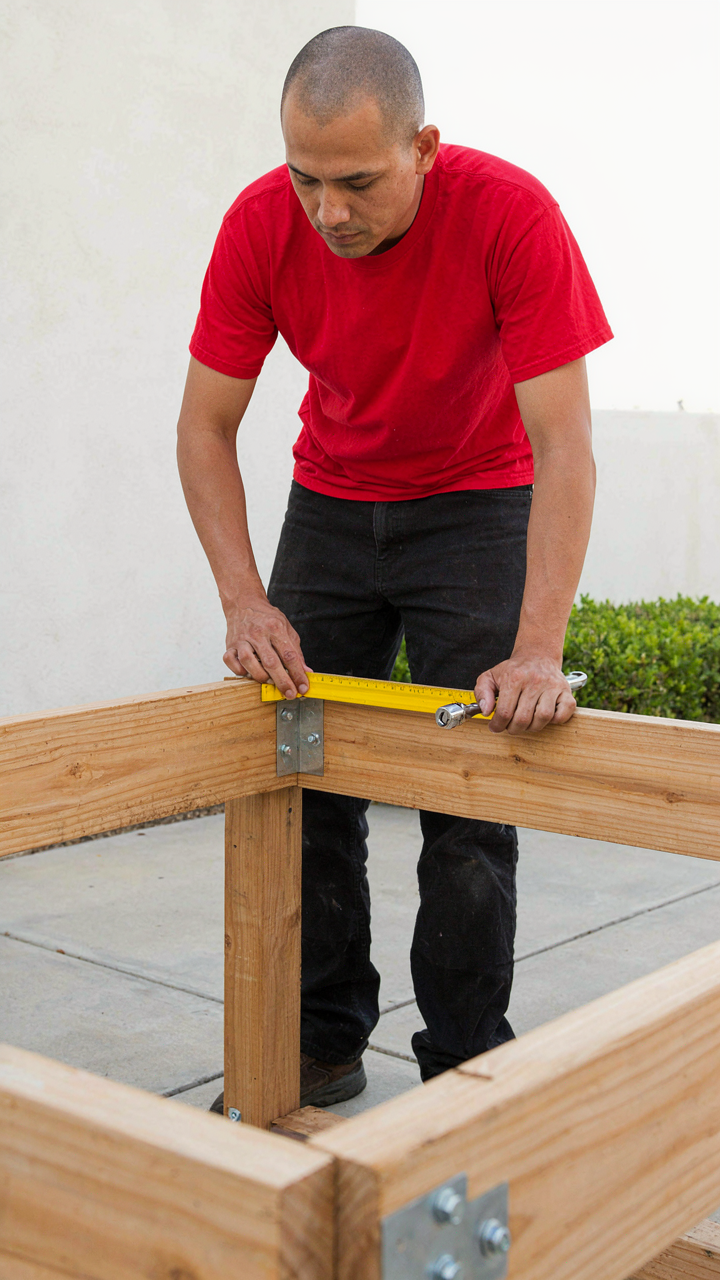
Build It Right The First Time
You want this done once so you never think about it again. That’s not laziness—it’s systems thinking. The mechanism is simple: wood degrades unevenly based on soil contact, water saturation, and wood species. Cedar and composite materials resist rot longer than pine. The bed fails at corners first because they absorb the most ground moisture and bear structural stress from the weight of soil pushing outward.
Construct your frame from untreated cedar or composite lumber, never pressure-treated pine. Use half-inch lag bolts or galvanized corner brackets at each junction—not nails. Bury the frame perimeter two inches into the ground to anchor it against frost heave and lateral soil pressure. Level the ground before assembly. This eliminates settling that cracks corners and makes irrigation drain unevenly.
The Right Tools Win Before You Start
Most people approach this backwards: they buy tools, then figure out what to do with them. You need specific tools for speed and precision. This is borrowed from manufacturing efficiency—minimize wasted motion, eliminate setup errors, execute the same way twice.
- Cordless Impact Driver: Drives galvanized screws through cedar three times faster than a standard drill. Non-negotiable for corner work where space is tight and power matters.
- Speed Square: Ensures corners are 90 degrees. Saves the entire project from racking. Costs five dollars, prevents hours of rework.
- Circular Saw: Cuts lumber to exact length before assembly. Precision cuts mean flush joints that don’t gap at corners where soil escapes.
- Torpedo Level: Confirms the assembled frame sits level in all directions. Prevents water pooling on one side and premature wood decay.
- Socket Set and Breaker Bar: Tightens lag bolts with consistent torque. Loose bolts let corners separate under soil weight within one season.
Assemble the frame on level ground, not in the hole. Bolt everything tight, confirm with the speed square, then place the entire unit into position. This removes variables and stops corner failures from assembly mistakes.
The ROI Of A Raised Garden: Beyond The Harvest

Reclaiming Your Weekends
You want to believe that gardening saves money. That’s the real reason you’re reading this section. But the actual mechanism that matters is time arbitrage. Economics calls it opportunity cost, and raised beds create a hard efficiency advantage that changes what you can do on Saturday morning instead of fighting weeds in a traditional garden.
Raised beds compress labor into defined zones. You spend less time bending, less time walking between scattered plants, less time fighting compacted soil that won’t drain. A corner raised bed sits where you can access it from two sides simultaneously, cutting your actual work time by roughly 30 percent compared to ground-level gardening. You’re not saving money on produce. You’re buying back hours.
The Leverage Of Not Buying It
Self-sufficiency isn’t about feeling virtuous. It’s about reducing dependencies on supply chains you don’t control. When you grow food three feet from your kitchen, you eliminate the transaction cost of shopping, the spoilage cost of grocery store produce sitting for days, and the price markup between farm and shelf.
A corner raised bed in season produces continuous harvests over 12 to 16 weeks for most crops. That’s not independence from the grocery store, but it is independence from that specific shelf right now. You pick when you need it, at peak ripeness, which compounds into better flavor and nutrition. More importantly, you break the habit of automatic purchasing, which trains you to notice what you actually consume versus what you buy out of routine. That awareness alone changes your total food spend, even after accounting for soil, seeds, and materials.
The Real Obstacle Isn’t Your Small Yard, It’s Your Small Thinking

You don’t need perfect conditions to start. Corner raised garden beds exist because someone refused to accept “no space” as an answer. Most people stare at their unused corner for years, waiting for permission or the perfect setup. Stop waiting. Grab three boards today, nail them together, fill them with soil, and plant something. The garden doesn’t care about your hesitation. Your excuses do nothing. Your corner does.



