

The Myth Of The Green Thumb: Why Your Pollinator Garden Fails

You Don’t Have A Talent Problem
You want to believe you lack the gift. It’s easier than admitting you’re following someone else’s template without reading the actual environment you’re working in. The real mechanism is simple: most people treat pollinator gardens like interior decoration projects instead of ecological systems. They pick plants because they look good in a photo, not because those plants match their soil, water table, light exposure, or the native insects already present. Talent has nothing to do with it.
Native pollinator plants fail because people reverse-engineer from aesthetics instead of forward-engineering from site conditions. You can’t will a plant to thrive where it doesn’t belong. The plant doesn’t care about your effort or your intentions. It responds to drainage, pH, sunlight hours, and existing soil biology. A “green thumb” is just someone who stopped assuming and started measuring. Start by testing your soil pH and drainage rate before buying a single plant. Those two data points eliminate ninety percent of failure cases.
You’re Solving The Wrong Problem First
The common advice is wrong. Most guides tell you to select native plants, then prepare the soil. Backwards. The actual sequence is soil first, then plant selection based on what that soil will support. This matters because native plants adapted to specific soil types over centuries. A native plant suited to acidic, sandy loam won’t perform in your alkaline clay, no matter how “native” it is to your region.
The mistake people make is treating native pollinator plants as interchangeable. A milkweed species that thrives in the sandy soils of the Atlantic coastal plain will rot in the clay-heavy soils of the Midwest. Both are native to their respective regions, but they’re answering different ecological questions. Test your soil’s pH, clay content, and drainage capacity before selecting plants. Then match your plant choices to those conditions. Skip this step and you’re guaranteed failure, native label or not.
The Ecosystem First Principle: Beyond Bee Friendly Garden

What Ecosystem Services Actually Mean
You want to feel like you’re helping. That’s the real draw here, and there’s nothing wrong with naming it. But feeling good and building resilience are different systems. Ecology borrowed the term “load bearing” from engineering: some plants carry the weight of an entire food web, while others are decorative. Native pollinator plants function as load bearing species. They anchor nutrient cycling, water infiltration, and pest suppression through their root structures and the organisms they attract. A single native milkweed supports over 450 species of insects. That’s not sentimental. That’s infrastructure.
The mechanism works like this: native plants evolved here for thousands of years. Their root depths, flowering windows, and chemical profiles match the insects, microbes, and soil conditions that already exist in your region. You’re not importing solutions. You’re activating what was already designed to work. When you plant native asters in fall, you trigger a cascade. Ground nesting bees move in. Their larvae pupate in the soil. Predatory wasps follow to hunt pest insects. The system builds redundancy. If one pollinator fails, others remain. Resilience emerges from this layering, not from planting more flowers.
Biodiversity Operates On Functional Redundancy
The common advice says plant lots of different flowers. That’s incomplete. Redundancy requires that different species perform the same critical role. Functional biodiversity means multiple native plants blooming at overlapping times, multiple bee species foraging the same pollen source, multiple predators hunting the same pest. This isn’t diversity for aesthetics. It’s diversity for system survival when one component fails.
Build this by mapping bloom times across your native palette. Early spring bloomers like bloodroot and hepatica support emerging queens. Mid season natives like black eyed susan and coneflower sustain colonies through their peak. Late bloomers like Joe Pye weed and ironweed fuel the brood cycle before winter. When three different native plants flower simultaneously in July, you’ve created redundancy. Pollinators have backup forage. If drought stresses one species, others compensate. Document your timeline in writing, then cross check it against your site’s sunlight and moisture conditions before planting.
The Minimalist’s Wildflower Garden: Maximum Impact, Zero Fuss

Plants That Actually Survive Without You
You want the credibility of a pollinator garden without becoming a plant manager. The mechanism is simple: native plants evolved in your region’s exact soil, water, and light conditions, so they don’t require artificial inputs to thrive. Stop planting species that demand coddling. Instead, choose natives that have already solved the survival problem through thousands of years of local adaptation.
- Black-eyed Susan (Rudbeckia hirta): Tolerates poor soil and drought once established. Blooms mid-summer through fall. Attracts bees and butterflies across North America.
- Wild Bergamot (Monarda fistulosa): Thrives in dry to moderate conditions. Purple-pink flowers attract native bees. Spreads gradually without becoming invasive in most regions.
- Coreopsis (Coreopsis tinctoria): Requires minimal water after first season. Yellow and red flowers bloom for months. Self-seeds reliably without overwhelming the garden.
- New England Aster (Symphyotrichum novae-angliae): Flowers late when other food sources vanish. Tall growth supports various pollinator species. Handles poor soil and variable moisture.
- Blazing Star (Liatris spicata): Deep roots access water others cannot reach. Purple spikes attract long-tongued bees. Tolerates wet or dry periods once rooted.
The selection rule: pick species native to your specific hardiness zone and soil type, not just your state. A plant native to your region’s sandy lowlands will fail in its clay highlands. Research which natives occur naturally within ten miles of your location, then start there.
Where To Plant For Zero Maintenance
Placement determines whether your garden survives on rainfall or requires constant intervention. Think like a hydrologist: water flows downhill and collects in low spots, while high ground stays dry. Native plants adapted to wet areas belong in depressions where water naturally gathers. Drought-tolerant natives go on slopes and ridges. You’re not fighting water patterns; you’re matching plants to the water patterns that already exist.
The second factor is sunlight exposure. Most pollinator-attracting natives demand full sun because that’s where the nectar productivity is highest. If you place sun-loving species in partial shade, they’ll stretch, bloom weakly, and eventually thin out. Map your yard’s sun exposure over a full day, then cluster plants in zones of matching light. This single move eliminates ninety percent of care work because plants stop struggling against their environment.
The Local Lens: Why Generic Advice Ruins Your Native Garden
Research Your Actual Bioregion
You want to feel like you’re doing something smart without the friction of real research. The mechanism is simple: native plants evolved to thrive in specific soil chemistry, rainfall patterns, temperature swings, and light conditions that exist nowhere else. A plant native to the Ozark plateau won’t perform the same way in coastal Carolina. Regional guides mask this truth by treating “the Southeast” as one unit.
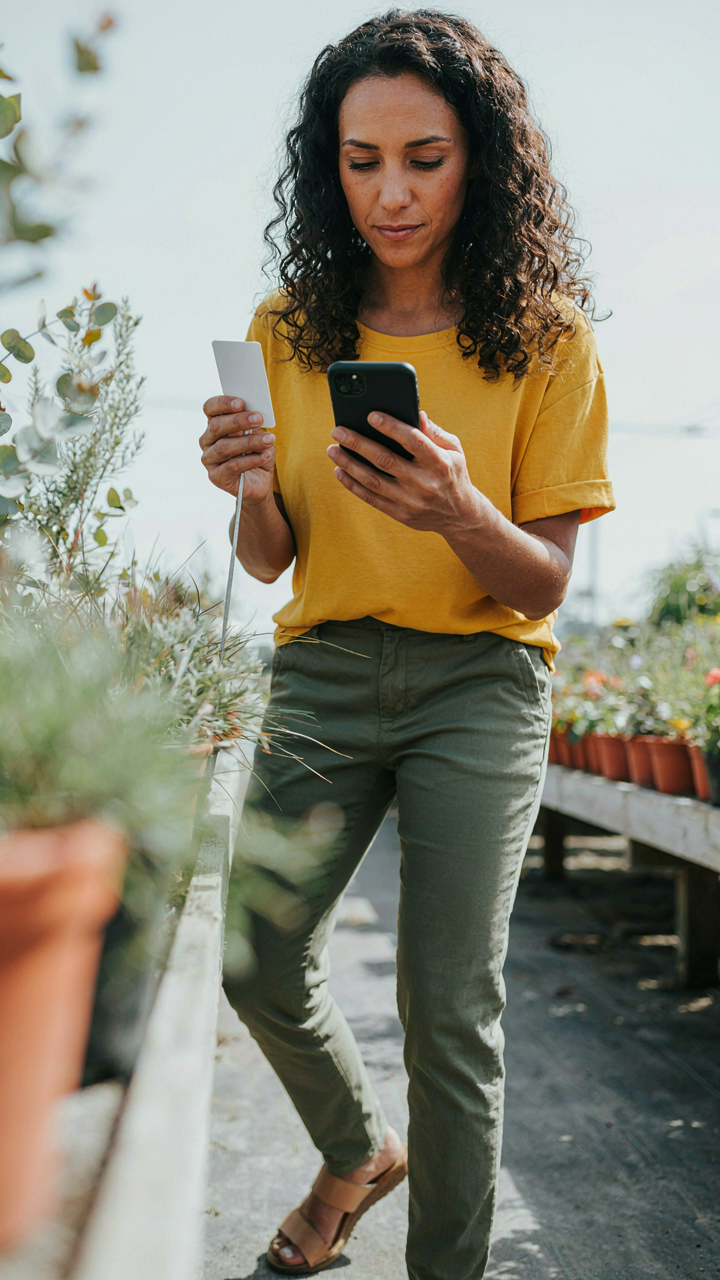
Find your state’s native plant society or university extension office. They’ve already mapped which species belong in your exact zone. Cross-reference with USDA hardiness data and local precipitation records. This takes ninety minutes, not weeks. You’ll eliminate ninety percent of the wrong advice floating around garden forums.
Spot The Ornamental Trap
The pollinator industry has weaponized the word “native.” Nurseries sell hybrid coneflowers, curated cultivars of black-eyed Susan, and “improved” varieties of native species because they look cleaner or bloom longer. These plants don’t feed native pollinators the way their wild ancestors do. A cultivar bred for compact growth or double flowers often loses nectar production or changes bloom timing to miss when insects need fuel.
Check the plant tag for variety name. If it says “cultivar,” “hybrid,” or anything ending in a trademark symbol, verify it against your state’s native plant database before buying. Many states publish lists of true natives. Buy from native plant nurseries, not general garden centers pushing commodity stock. One verification step stops you from wasting a year on plants that look right but feed nothing.
The Inoculation Method: Seeding Your Butterfly Garden For Success

Soil Health: The Ignored Foundation Of Life
You want a garden that works without constant intervention, and that means you need to stop thinking of soil as dirt and start thinking of it as a living system. Soil biology is the field that maps onto native pollinator plants directly: your soil’s microbial community functions as the immune system and nutrient processing plant for every root that touches it. Most people skip this step entirely and wonder why their natives underperform.
Native plants evolved in specific soil conditions shaped by centuries of local geology, decomposition, and root systems. Your soil either matches that or it doesn’t. If your native plants are struggling while ornamentals thrive, the soil isn’t the problem your eyes report—it’s the actual chemistry and biology. Test your soil pH, organic matter content, and drainage before planting anything. Amend based on what the test shows, not on what you assume. This determines whether your plants establish or merely survive.
Strategic Planting Methods For Native Seeds
The common advice tells you to scatter seeds and water them. This misses the mechanism entirely. Native seeds require specific trigger conditions because they evolved to germinate only when environmental signals indicate survival odds are acceptable. Soil contact, temperature fluctuation, moisture cycling, and sometimes even fire smoke exposure dictate germination timing.
Stratification is your protocol: expose seeds to cold, moist conditions for the period their species requires, typically 30 to 120 days depending on the plant. Start seeds indoors in fall, let them experience winter conditions in the refrigerator, then transplant them in spring when soil temps stabilize. Alternatively, direct seed in fall and let winter do the work for you. The germination rate jumps dramatically when you match the environmental sequence the plant expects.
Beyond Blooms: Structuring Your Pollinator Garden Ideas For Year Round Support
Stacking Bloom Seasons Defeats The Calendar
You want your garden to look intentional year after year without constant replanting. The real mechanism here is phenological layering—the ecological principle where different species activate at different times. Native pollinator plants follow seasonal triggers based on temperature and daylight, not your preferences. If you plant only spring bloomers, you starve pollinators for eight months. The garden becomes decoration, not infrastructure.
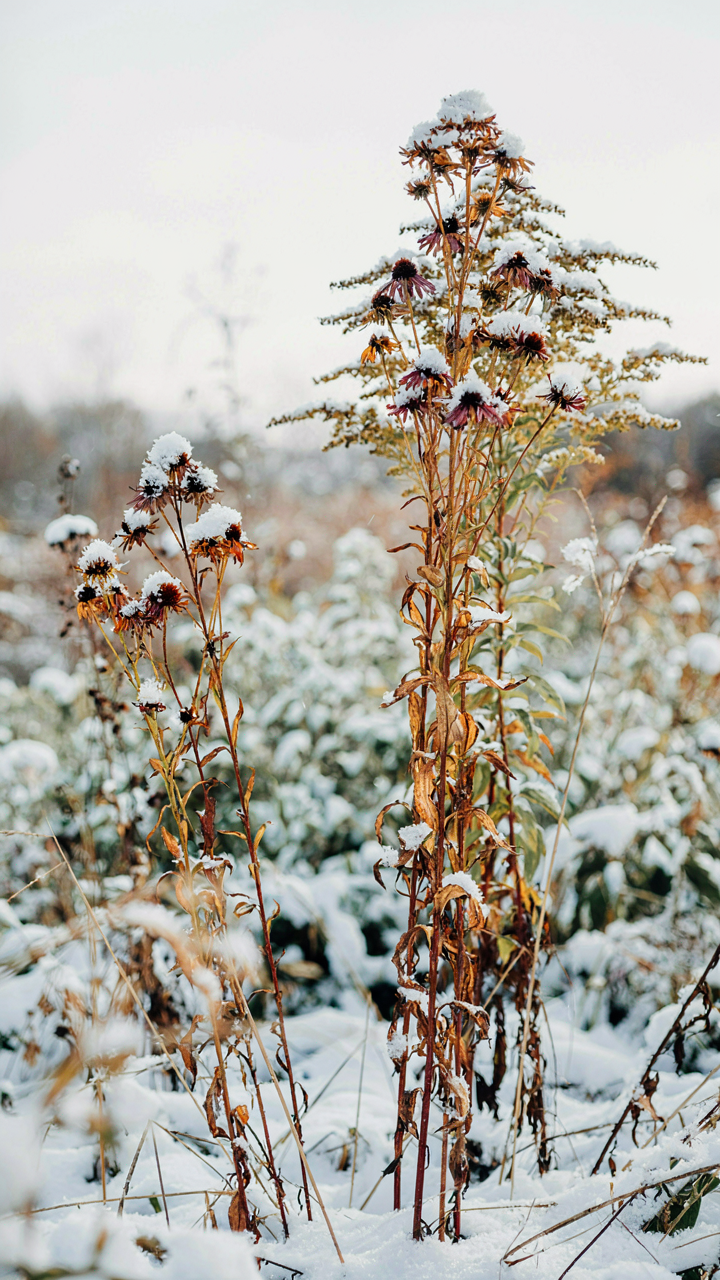
Start by mapping bloom windows for plants native to your region. Early spring needs plants like wild columbine or bloodroot. Late spring demands alliums or baptisia. Summer requires coreopsis, black-eyed Susan, and bee balm. Fall shifts to asters and New England aster. Winter survival depends on seed heads and persistent fruit—not flowers, but structural food. This isn’t sequential planting; it’s overlapping availability. A pollinator moving through your garden in July should find resources. In November it should still find something worth visiting.
Shelter And Structure Matter More Than You Think
Native pollinators need places to rest, nest, and overwinter. Most gardeners miss this because they fixate on flowers while ignoring the architecture. Bare ground between plants signals abandonment to ground-nesting bees. Leaf litter means habitat. Dead stems mean cavity nesting sites for mason bees and wasps. If you clear everything obsessively, you’ve built a flower shop, not a pollinator ecosystem.
Leave stem debris standing through winter. Cut back dead plant material in late March, not autumn. Native bees use hollow stems to lay eggs. Pile leaf litter under shrubs and in garden corners. Create bare soil patches—not mulched, not compacted, but exposed earth where ground-nesting bees can tunnel. Dense native shrubs like serviceberry or elderberry provide windbreaks and protected landing zones. The garden structure persists when flowers finish.
The Unseen Network: Mycorrhizal Fungi As Your Native Plant Gardening Ally

How Fungi Trade With Plant Roots
You want native plants to thrive without babysitting them, which means you need to stop thinking of soil as dirt and start thinking of it as infrastructure. Ecology uses the term “mutualism” to describe two organisms that benefit each other—and mycorrhizal fungi are the operating system beneath your native pollinator plants. Fungi colonize plant roots, extending their reach into soil your roots cannot access alone. In exchange, plants feed fungi sugars produced during photosynthesis. Neither organism loses. Both gain.
Most native plants evolved with specific fungal partners over thousands of years. Your cultivated soil, stripped of organic matter and fungicide residue, usually lacks these partners. Dead soil means weak plants. Weak plants attract pests and demand water. The real mechanism isn’t complicated: restore fungal networks and your native plants stop being needy. This is why a wildflower planted in amended soil with active fungal populations outperforms one planted in sterile potting mix every single time.
Drought Resilience And Nutrient Access
Mycorrhizal networks solve a hydraulics problem that most gardening advice ignores. Fungi increase the effective surface area of a root system by a factor of ten or more. They penetrate soil pores too small for roots to enter. More surface area means access to water and minerals during dry periods when the top inches of soil desiccate. Native plants with established fungal partners survive drought that kills newly planted specimens. Nitrogen, phosphorus, and zinc—elements plants struggle to extract from poor soil—become available through fungal enzymatic action.
Inoculate your native plants with fungal spores before or during planting. Use mycorrhizal powder or liquid inoculant formulated for native species. Add it directly to the planting hole. Stop using fungicides on or near native plantings—they obliterate the networks you just built. Within weeks, fungal hyphae colonize roots. Within months, your plants access nutrients they couldn’t reach before. Water your plantings normally through the first season, then reduce frequency as fungal infrastructure matures. By year two, your native plants should recover from drought stress faster than your lawn.
The Anti Pesticide Protocol: Protecting Your Pollinator Plants (and Yourself)

Organic Labels Miss The Real Problem
You want the organic stamp because it feels safer and makes you look like you care. The mechanism nobody states: organic certification only controls what you spray, not whether you spray at all. Many certified organic pesticides kill pollinators just as dead as synthetic ones. Neem oil, pyrethrin, and spinosad work through neurotoxicity. The label doesn’t tell you that.
The gap between “organic approved” and “safe for pollinators” is where most growers fail. You can spray an organic insecticide on a blooming native plant and watch bees drop in real time. The certification means the input came from natural sources, not that insects survived the application. Read the label mechanism, not the marketing claim.
Density Creates Natural Boundaries
Ecology operates on the same principle as military defense strategy: a concentrated force in depth is harder to breach than a thin line. Your native pollinator plants work the same way. When you plant multiple species close together, pest populations cannot establish dominance because predator insects and parasitoids move through the ecosystem faster than pests reproduce.
You stop thinking about individual pest problems and start thinking about system resilience. Yarrow attracts parasitic wasps. Black-eyed Susan hosts ground beetles that eat aphid eggs. Bee balm draws in hoverflies whose larvae consume mealybugs. The pests still arrive, but they never reach threshold density. You never need to spray because the system regulates itself before intervention becomes necessary.
The Long Game: Why Instant Flower Garden Plans Fail
Perennials Don’t Work On Your Timeline
You want proof it works before you commit. That’s the real reason you’re reading this. But native pollinator plants operate on a different cycle than your attention span, and no amount of garden prep changes that fact.
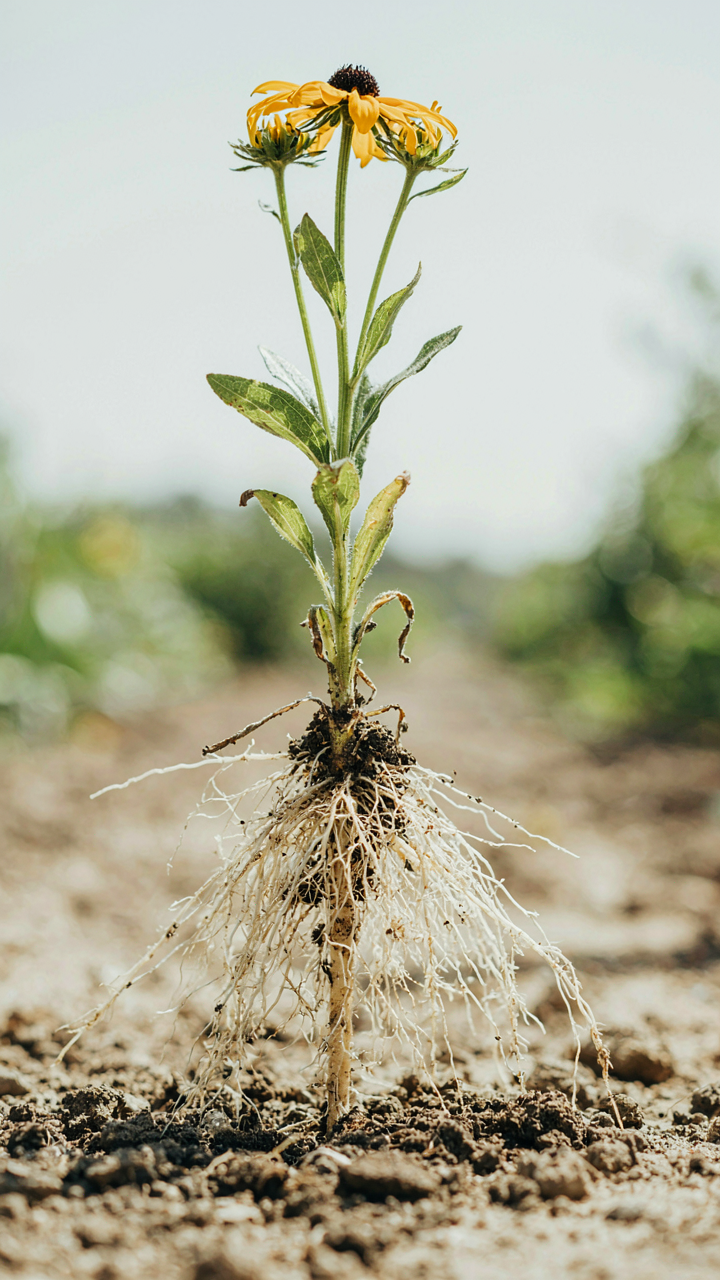
Most perennials need two to three years to establish a root system deep enough to survive drought, outcompete weeds, and produce consistent blooms. Year one they sleep. Year two they creep. Year three they leap. This isn’t poetic language. It’s root biology. A Black-eyed Susan planted this spring won’t flower reliably until its second or third season because it’s building underground infrastructure, not rushing to reproduce. Impatience kills more native plant gardens than poor soil does.
The common advice says to “be patient” and “trust the process.” That’s useless. What matters is understanding that perennials front-load their energy into survival, not display. This changes how you design. Plant densely to suppress weeds during the establishment phase. Use annuals as filler the first year, not as a permanent solution. Accept reduced bloom in year one and plan your garden as a three-year project, not a three-month one. Most people quit in year two when plants still look sparse. That’s the mechanism behind failure.
Adaptation Trumps Your Preferences
Native plants aren’t native because they’re pretty. They’re native because they evolved to match a specific climate’s temperature swings, rainfall patterns, and seasonal photoperiod. That’s not decoration. That’s evolutionary biology, and it operates with the same determinism as physics.
Milkweed doesn’t choose to flower when monarchs need it. The photoperiod and temperature triggers work like a mechanical lock. Asters bloom late because they genetically matured to exploit a late-summer resource window. Echinacea’s deep roots developed over thousands of years to reach water your garden’s top six inches never touches. You cannot speed this up through better watering or premium soil amendments. The plant’s adaptation is non-negotiable.
This means your job isn’t to optimize conditions for maximum bloom. Your job is to match plants to the actual conditions your site provides, then step back. A native pollinator plant thriving in its adapted niche outperforms a stressed exotic every single time. Stop trying to improve what’s already optimized. Pick species that fit your soil type, drainage, and light exposure exactly. Verify this before planting. That match, not your effort, determines whether your garden sustains pollinators or becomes a maintenance burden you abandon by year two.
The Un Gardener’s Guide: Cultivating True Pollinator Garden Impact
Stop Performing Stewardship
You want proof that you’re doing something good. That’s why this section matters to you. Here’s the mechanism: ecology isn’t a performance art. Borrowed from systems biology, think of your garden as a feedback loop, not a display. Native pollinator plants work because they’ve coevolved with local insects over thousands of years. When you plant them, you’re not creating beauty for observers. You’re restoring a transaction that existed long before your garden existed.
The common advice says plant natives and you’re done. Wrong. Most people plant them like ornaments, then obsess over whether the garden “looks wild enough.” That misses the entire point. Native plants don’t owe you a particular appearance. Black-eyed Susans might sprawl awkwardly. Milkweed looks scraggly in July. Bergamot seeds itself aggressively. If you’re uncomfortable with that, you haven’t let go of control yet.
Ecological Signal Over Visible Outcomes
Measuring success by counting blooms is measuring the wrong variable. Biology offers us a better framework: measure the trophic level you support. Native pollinator plants succeed when they sustain the insects that depend on them, not when your Instagram feed looks intentional. A single native Joe-Pye weed that hosts monarch caterpillars does more ecological work than fifty ornamental varieties that produce pollen but feed nothing.
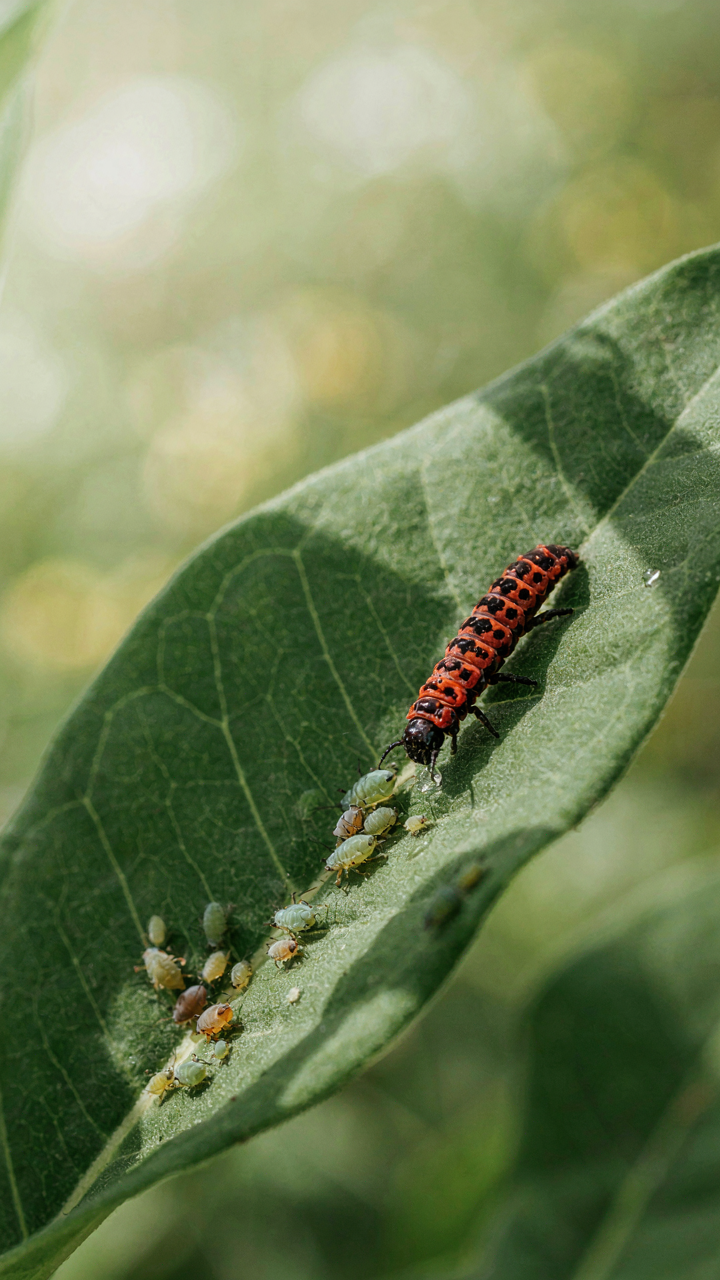
Start tracking aphid colonies on milkweed, not the number of blooms. Watch for spider webs in the garden. Notice which native plants the native bees actually visit, not which you assumed they would. Over two seasons, you’ll see patterns. Some native plants attract more beneficial insects than others. Those are your winners. Double down on them. Remove the aesthetic performers that don’t feed the system. The garden that survives isn’t the one that looks designed. It’s the one that feeds itself.
Your Biggest Obstacle? The Illusion Of Complexity Masking Your Own Inaction

You don’t need the perfect native pollinator plants. You need to stop waiting for perfect conditions and plant something this week. The gap between knowing native plants matter and actually digging a hole isn’t intellectual. It’s the gap between people who act and people who plan forever. Pick one plant. Buy it tomorrow. Put it in the ground. Everything else is just noise protecting you from doing the work.



