
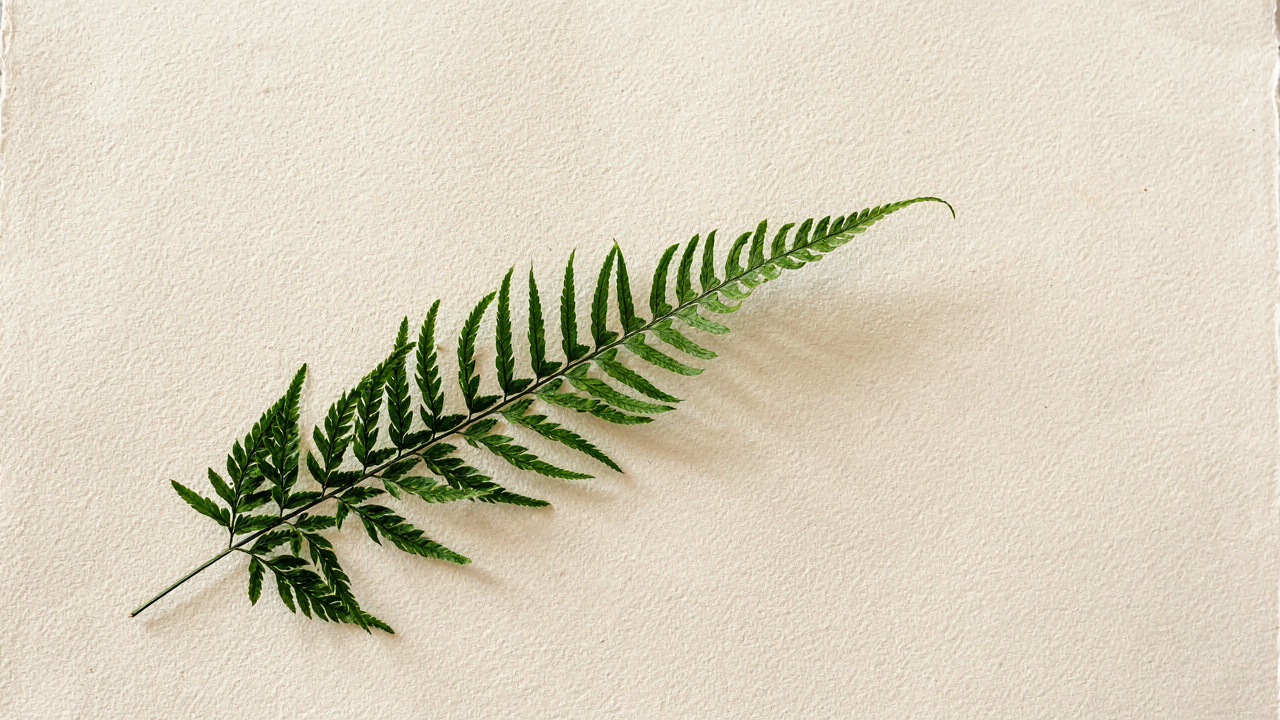
The Illusion Of Top Trends In Minimalist Botanical Art

When Following Trends Becomes A Tax On Your Work
You’re here because you want permission to make what matters. Trend-following doesn’t give you that—it taxes your output by forcing you to chase what’s already moving. In economics, this is called the principal-agent problem: your incentive (visibility) conflicts with your actual goal (authentic work). Minimalist botanical artists face this constantly. The moment you build a visual language, Instagram declares it obsolete and demands something “fresher.” This mechanism rewards speed over substance.
The real problem is structural, not inspirational. You don’t lack ideas. You lack a filter to distinguish between a genuine shift in your own thinking and a manufactured cycle designed to keep you consuming content instead of making it. Most minimalist botanical artists abandon their strongest direction the instant engagement dips, mistaking algorithmic noise for market signal. You can’t build mastery while chasing what peaked three months ago. Stop treating trends as directives and start treating them as data points about what others are abandoning.
Aesthetic Cycles Move Faster Than Skill Development
Trends in minimalist botanical art follow the same decay pattern as fashion inventory: rapid adoption, saturation, abandonment. What appeared innovative in 2019—think monochrome ink botanicals with extreme negative space—became generic by 2022 because the technique was easy to replicate and faster to teach than understand. This isn’t a commentary on the work itself. It’s math. Low barriers to entry plus high visibility equals fast commodification.
The mistake most artists make is believing they’re behind. You’re not. Trends move in reverse: by the time you see them published, they’ve already peaked among creators with the smallest audiences. The trailing edge of a trend is where the crowd clusters. Your actual competitive advantage isn’t catching the wave—it’s developing a coherent visual system that remains legible and intentional for years, not months. Pick a constraint. Refine it. Let others chase the next thing while you build depth in what you’re already doing.
Deconstructing “Minimalist”: Beyond Simple Line Drawing Flowers
Reduction As Strategy, Not Laziness
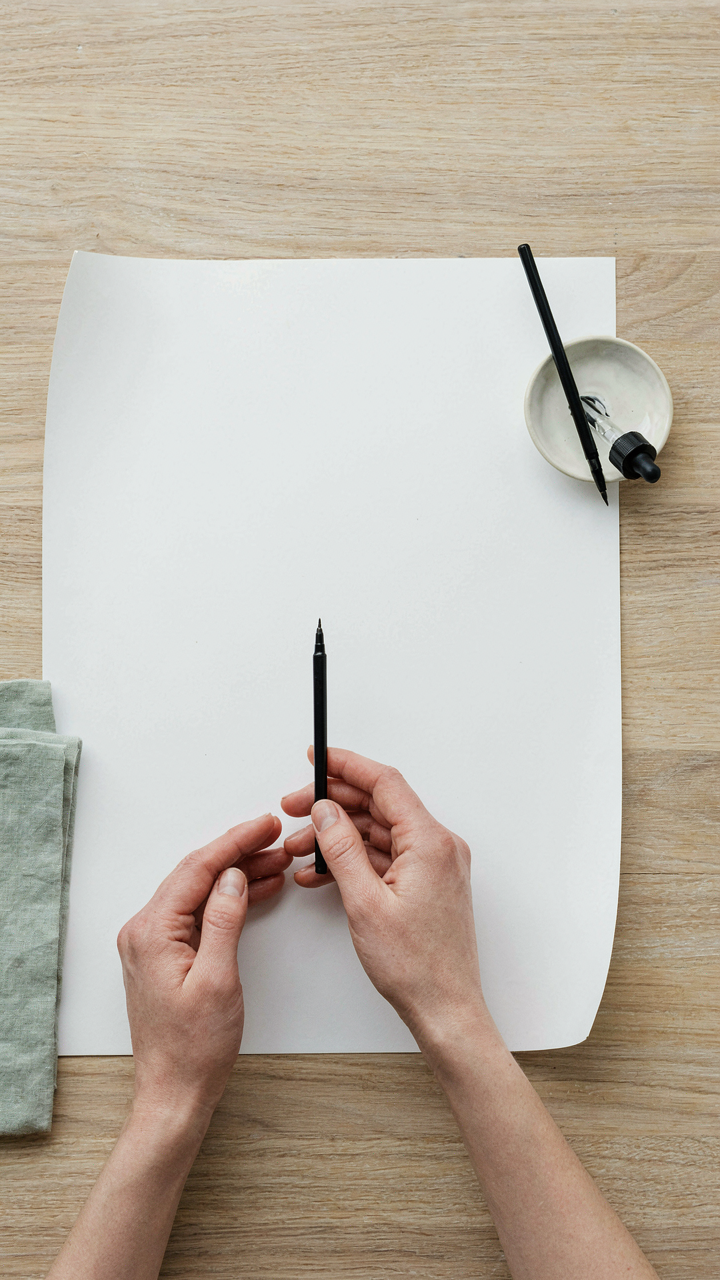
You want to know if minimalist botanical art is the shortcut to looking sophisticated. It’s not. What you’re actually seeing is the opposite of shortcuts: ruthless decision-making about what stays and what dies. Minimalism in botanical art means removing every mark except the ones carrying structural or conceptual weight. Most people confuse this with simplification, which is the amateur move. Simplification means drawing less because you lack skill. Reduction means every element you keep serves a specific purpose in communicating the plant’s essential character.
The distinction matters because it changes how you read the work. A line drawing of a leaf isn’t minimal if that line was chosen by default. It’s minimal when that line reveals something about the leaf’s geometry or tension that more detail would actually obscure. Japanese botanical studies, particularly from the Edo period onward, demonstrated this principle clearly. Artists worked with ink and negative space not because materials were limited, but because they understood that a carefully placed stroke could suggest an entire form’s presence. The mechanism is psychological: your eye completes what isn’t shown, making the image feel more present than a fully rendered version would.
Negative Space As Active Element
The physics term is “figure-ground relationship,” and it applies directly here. In botanical minimalism, the empty space isn’t empty at all. It’s doing as much work as the drawn elements. Common advice treats negative space as passive background. Wrong. In effective minimalist botanical work, negative space functions as a shape in itself, defining plant structure through absence. A single curved stem line becomes dimensional when the white space around it suggests volume and movement. This is why blank paper matters in botanical minimalism. The surface itself participates in the composition.
The technical execution separates amateur work from professional work here. You can’t let negative space happen accidentally. You must plan it from the start, often working backward from the areas you’ll leave untouched. This means your composition sketches need to show white space as deliberately as they show drawn forms. Botanical artists using this method often work in monochromatic systems—ink, graphite, or single-color pigment—because additional hues would fragment the relationship between form and void. The protocol is simple: before you mark paper, identify what the empty areas must communicate about the plant’s structure.
The Scarcity Principle In Botanical Line Drawings

When Fewer Lines Equal Higher Perceived Value
You’re drawn to this section because you suspect constraint might be the missing variable that separates work people ignore from work they buy. You’re right. Economics teaches scarcity: demand rises when supply shrinks. In botanical line drawing, scarcity operates identically. The fewer marks on the page, the more cognitive load the viewer absorbs completing the image themselves. That participation manufactures perceived value. A single continuous line describing a leaf stem doesn’t just save time. It forces the viewer’s eye to work harder, making the final interpretation feel personal rather than passive.
The mechanism is supply-side constraint breeding demand-side effort. Most botanical illustration drowns in detail because artists mistake abundance for sophistication. Minimalist line work removes everything except what the plant needs to read as itself. This isn’t restraint born from laziness. It’s ruthless editing. When you eliminate shadow, pattern, and texture, the remaining line must carry structural truth alone. That demand transforms a simple mark into architecture. The viewer’s brain fills the gaps, and that filling is where the emotional grip happens. Start by identifying the three lines that make your plant unmistakable, then delete everything else.
Signal Strength Through Negative Space
Remove the sentiment. Negative space isn’t about “breathing room” or aesthetic purity. It’s pure information design. A ink line surrounded by white paper commands attention because there’s no competition for the eye. Contrast is the mechanism. When 90 percent of your canvas stays blank, a single root system becomes focal. The economics work backward here: you spend less material to manufacture more visual authority. Botanical minimalism leverages this inversion. A single stem placed strategically on white ground reads louder than a detailed vine sprawl compressed into half a page.
Professional botanical illustrators learned this through necessity. Older reproductive techniques, like woodcut and etching, demanded clean line separation. Extraneous marks became cost. That constraint bred the aesthetic. Modern digital artists inherited the freedom to add infinitely but often default to minimalist approaches because they work. The protocol is straightforward: establish your plant’s essential silhouette first. Draw it actual size on your working surface. Only then decide what stays. Every mark must answer the question: does this line tell you something new about the plant’s structure, or does the viewer’s brain already know it? Delete the answer to the second question.
Mastering The Single Line Botanical Drawing: The “Continuum Method”

Flow Without Hesitation
You want this because it looks effortless, and effortless work signals mastery. The mechanism is simple: continuous line drawing removes the decision paralysis that breaks your hand’s rhythm. You don’t lift the pen, so you can’t stop to judge what you’re making. The line commits before your critical brain catches up.
Continuous line work comes from life drawing practice, where artists train to track form without breaking eye contact with the subject. In botanical drawing, this transfers directly: you’re mapping the flow of a leaf’s vein structure or a stem’s curve in one unbroken gesture. Start with simple subjects like ferns or grasses. Draw the outline of the plant without lifting your tool. The constraint forces you to find the path of least resistance through the form, which is exactly where the plant’s actual structure lives anyway.
Building Your Recognizable Mark
Most artists think style emerges by accident. It doesn’t. Style is the byproduct of constraint and repetition. You develop a signature by deliberately limiting your mark-making choices and drilling them until they become automatic.
Pick one tool: a specific pen weight, nib type, or medium. Use it for 50 drawings minimum on botanical subjects. The repetition trains your hand into patterns your brain didn’t consciously choose. These patterns become visible only after volume. Your line thickness, pressure, speed, and angle preferences will crystallize into a mark nobody else can replicate. This is your actual signature, not something you “find yourself.” It’s earned through mechanical repetition until the constraint becomes invisible.
Beyond Flower Line Drawing Easy: Complexity In Simplicity
What You Actually Leave Out
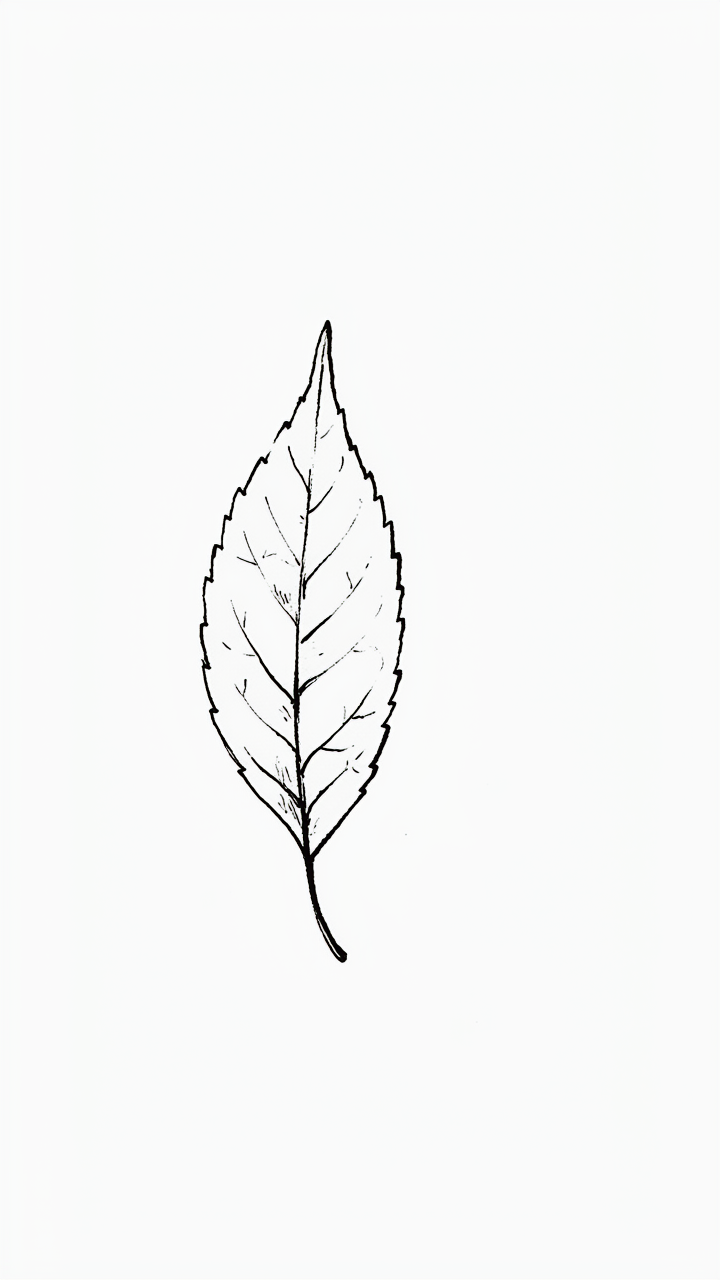
You want people to think you have refined taste, so you assume minimalism means erasing detail until nothing remains but a whisper. Wrong. The mechanism is signal isolation. In information theory, signal-to-noise ratio measures how much meaningful data survives against interference. Minimalist botanical art works the same way: each mark must carry botanical truth or it gets cut. A single curved line must read as leaf structure, not just suggest it. Remove the margin for error and every decision becomes visible.
The artists doing this well don’t start by stripping things down. They build the full botanical observation first, then identify which structural elements carry the species’ DNA. A leaf’s venation pattern. The specific angle where a stem branches. The negative space that defines form. Everything else becomes noise. This is the opposite of lazy simplification, which removes detail indiscriminately and calls it minimalism.
Stacking Marks For Depth
Most advice on texture in minimal work is incomplete. It tells you to use line weight or layering but never explains why those tools work when everything else is forbidden. The real principle comes from architecture: load-bearing versus decorative. Each mark must load-bear. In minimal botanical work, overlapping lines create depth not through shadow but through occlusion. When one leaf passes behind another, a single shared edge line signals spatial position instantly. No gradients. No atmospheric perspective. Just hierarchy through overlap.
Texture emerges from mark discipline. Ink pressure variation on a single line stroke creates surface quality without adding detail. Cross-hatching in botanical drawing typically serves decoration. Here it serves structure—a tight hatch pattern reads as dense leaf tissue, loose marks read as thin or translucent areas. The viewer’s brain processes these distinctions as texture, not pattern. Start by mapping exactly which areas need depth signals, then apply one layering strategy consistently throughout the piece.
The “Botanical Anarchy” Approach: Reimagining Line Art Wildflowers
Rejecting The Specimen Cabinet Model
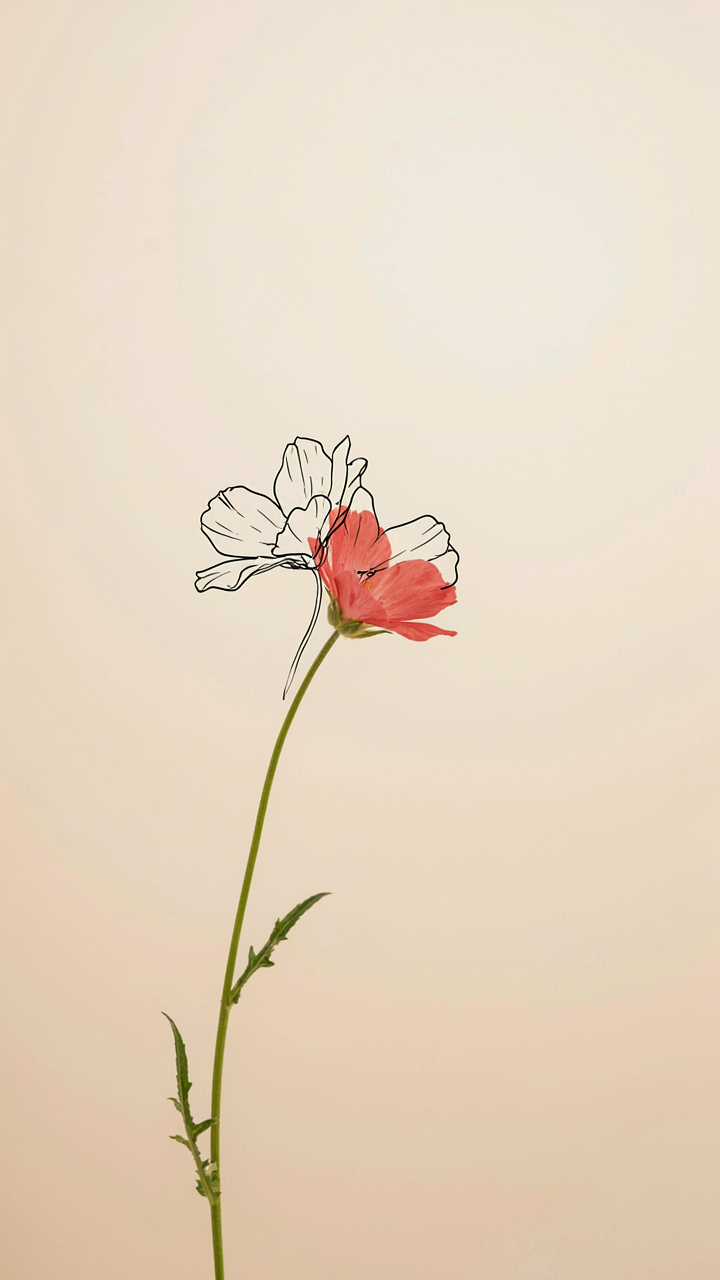
You want permission to break the rules without looking incompetent. Here’s the mechanism: traditional botanical illustration exists to document—to catalog species with taxonomic precision. Every line serves identification. That constraint built the entire visual language. When you strip away the documentation mandate, you’re not abandoning rigor. You’re choosing a different client: the viewer’s eye instead of the botanist’s archive.
Contemporary minimalist botanical artists deliberately reject the herbarium aesthetic. They abandon the centered composition, the clinical lighting, the Latin nomenclature floating below. Instead, they use negative space as a structural tool and let stems drift off-canvas. The shift isn’t decorative rebellion—it’s a fundamental change in what the work is meant to do. A specimen teaches taxonomy. A line says something about growth itself.
Where Imperfection Becomes The Information
The common advice says imperfection adds character. That’s incomplete. In biology, imperfection is data. Variation signals adaptation, environmental pressure, individual development. Minimalist botanical art applies this directly: a wobbly line doesn’t soften the image—it documents the actual behavior of a plant’s irregular growth pattern.
Artists working this way leave the hesitation mark visible. They don’t hide the second-guess. A stem that thickens unexpectedly, a leaf edge that fractures slightly—these become the honest record of how the plant actually occupies space. You execute this by committing to your first gesture, then deliberately introducing one asymmetrical element per composition. This trains the viewer to read imprecision as authenticity rather than mistake.
The Unseen Value Of Repetition: Botanical Line Drawings As Practice

Iteration For Skill Refinement, Not Trend Conformity
You want permission to repeat yourself without feeling like you’re wasting time. The real mechanism is this: repetition in botanical line drawing trains your hand to respond to plant structure without conscious decision-making. This frees your attention to see what’s actually in front of you instead of executing predetermined marks.
Most artists treat repetition as punishment for not being “good enough” yet. Wrong. Repetition is where your nervous system learns the geometry of stems, leaf attachments, and vein patterns. Ten drawings of the same plant species teach you more than fifty drawings of different plants. Your hand builds a library of responses. Then you stop thinking and start seeing.
Building A Unique Visual Vocabulary Through Repetition
Economics calls this “comparative advantage.” In minimalist botanical art, your comparative advantage isn’t breadth of subjects. It’s depth in how you render a specific plant or plant family. The artist who draws fifty variations of the same succulent genus owns that territory visually and technically.
Repetition doesn’t create sameness. It creates recognizable signature. When you redraw the same plant ten times with different line weights, spacing, or compositional framing, you develop a visual dialect that becomes unmistakable. The work compounds in value because viewers recognize your particular syntax. Stop chasing novelty through subject matter. Build mastery through constraint instead. Your system becomes: choose one plant type, spend a month drawing nothing else, then document how your technical control evolved across those iterations.
From Observation To Innovation: Your Unique Flower Art Simple

Translating Form Into Personal Language
You want permission to believe your eye matters. That’s the real reason you’re reading this. The mechanism is simple: minimalist botanical art doesn’t ask you to copy nature. It asks you to extract the structural truth from a plant, then rebuild it through your sensibility. Think of it like translation in linguistics, where the goal isn’t word-for-word accuracy but semantic integrity. You’re not replicating the flower. You’re converting its essential geometry into marks only you would make.
Start by observing one plant for extended time, not minutes. Sketch the negative space around the stem, not the stem itself. Draw the silhouette created by light hitting the leaf edge, not the leaf outline. This inversion forces your eye to see what you usually skip. The gap between what you observe and what you draw becomes your personal filter. That gap is where style lives.
Developing A Vision That Survives Seasons
Most advice says “find your voice” as if it’s buried somewhere waiting for discovery. It’s not. Your voice emerges only through decisions you make repeatedly under constraint. Minimalist botanical work constrains aggressively: limited color, essential lines, no decoration. Work within those constraints for three months minimum. Don’t rotate between styles chasing what feels fresh. Repetition under pressure builds recognition.
Track which formal choices you default to when making fast decisions. Do you favor vertical compositions? Horizontal? Do you use solid fills or linear shading? Do leaf shapes tend toward pointed or rounded? These defaults aren’t flaws to hide. They’re the actual material of your style. Lean into them deliberately. Exaggerate them. Push each default until it feels like grammar, not accident. Your artistic voice becomes recognizable the moment someone else can finish your unfinished work.
Building A Portfolio: The “Anti Trend” Statement For Minimalist Botanical Art
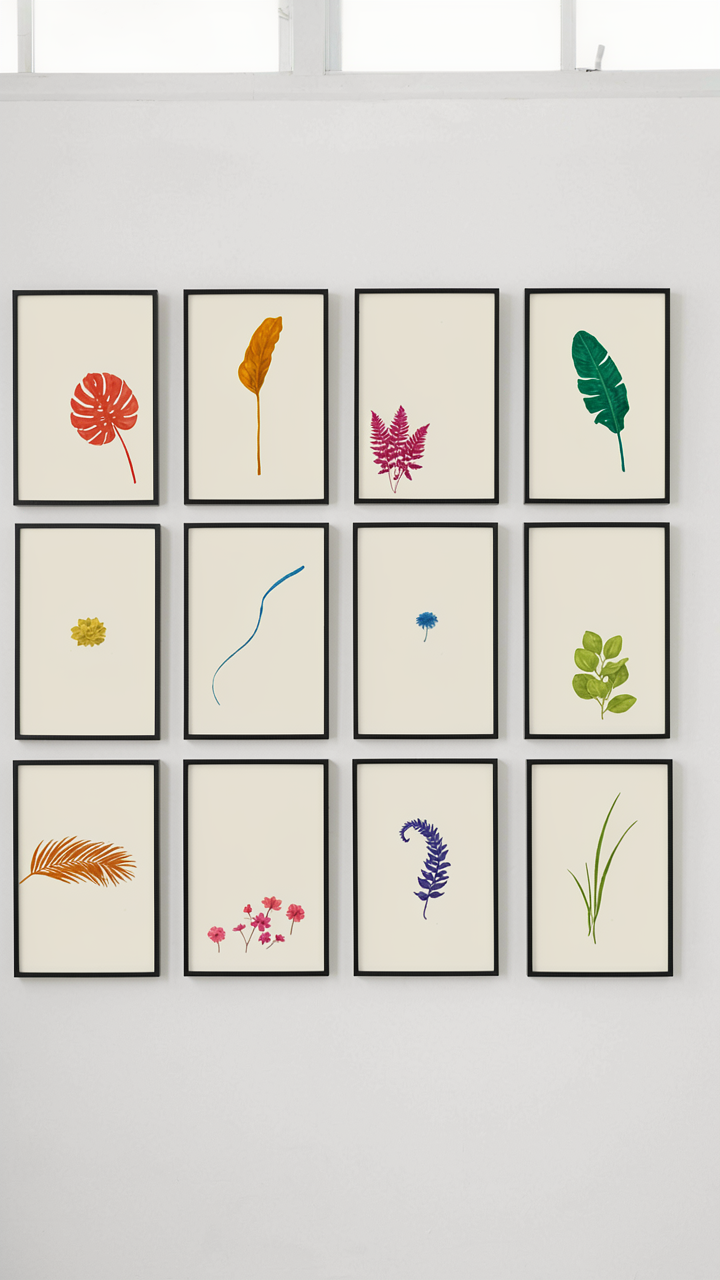
Work That Survives Taste Cycles
You want your portfolio to signal taste, but you’re terrified it’ll look dated in three years. Here’s the mechanism: trends in minimalist botanical art collapse because they chase novelty instead of constraint. The real work comes from artists who treat their medium like economics treats scarcity. You have limited space on the page, limited marks, limited color. That’s not a weakness to overcome. That’s the entire game. Work that exploits constraint doesn’t age because constraint doesn’t change.
Most artists build portfolios backwards. They collect pieces they like and call it a portfolio. Build forwards instead. Choose one formal problem—negative space ratios, line weight relationships, color field depth—and solve it systematically across 12 to 20 pieces. The portfolio becomes a body of evidence, not a mood board. Curators and collectors recognize systems. Systems outlast trends because they’re harder to copy and easier to understand.
Creating Pressure Through Limitation
Long-term relevance comes from choosing what you remove, not what you add. Artists who last establish a visible restriction early and deepen it. Agnes Martin worked with grids. Ellsworth Kelly explored color adjacency. In minimalist botanical art, this might mean: one plant per composition, ink only, precise geometry, or a fixed paper dimension. The restriction becomes your signature and your competitive moat. It’s also how you avoid the gallery circuit’s need for constant novelty.
Document your decision-making process alongside the work itself. Show why you made specific choices about form, material, or composition. This separates intentional constraint from perceived limitation. Galleries and serious collectors fund artists with articulated systems, not artists with good taste. When you can explain the rule you’re operating under, you move from producer to researcher. That shift makes your portfolio defensible against every trend cycle that follows.
The Real Obstacle Isn’t Finding Trends, It’s Shedding The Need To Follow Them. Stop Consuming, Start Creating.
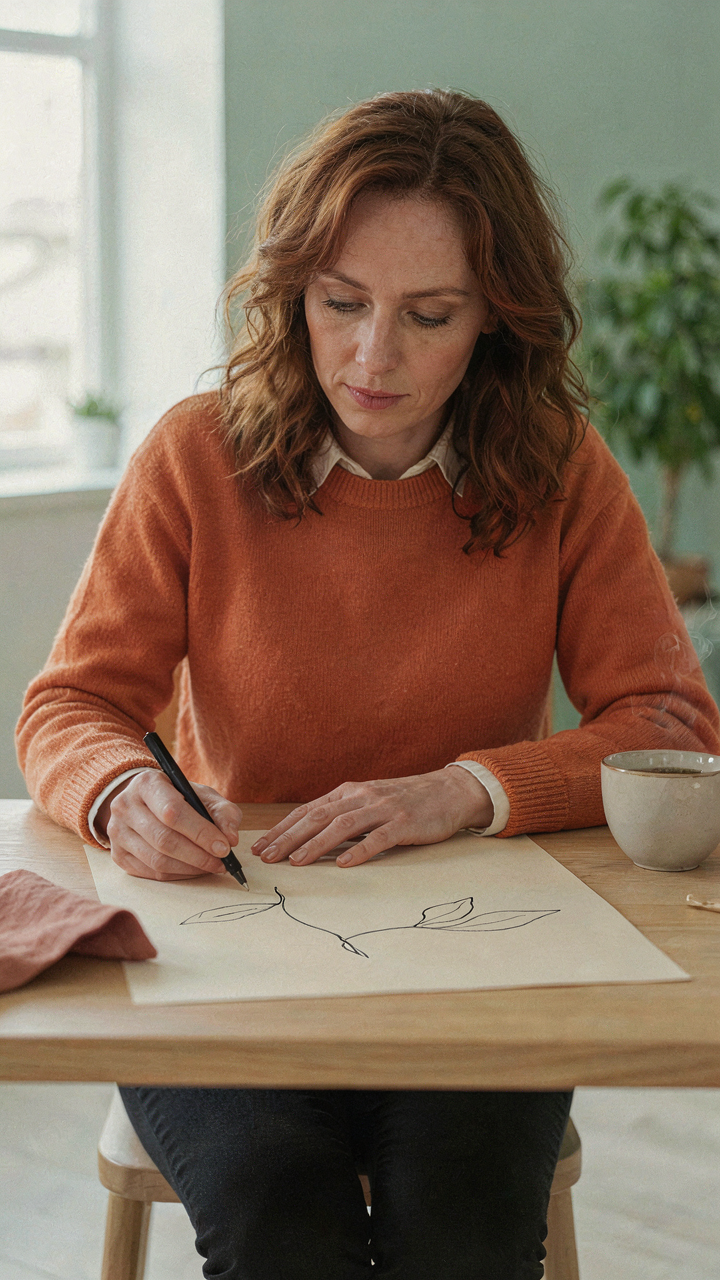
Why You Actually Care About This
You’re here because you want permission to stop chasing. You want proof that ignoring trends won’t kill your work. Here’s the mechanism: intrinsic motivation operates like a skill—you build it by making decisions based on your own constraints, not the market’s. The minimalist botanical artists who matter didn’t start by studying what was popular. They started by asking what interested them enough to spend time alone with it.
Most advice says “find your voice” then “follow your passion.” That’s backwards and incomplete. Your voice emerges from friction between what you want to make and the structural limits you accept. A minimalist botanical artist working only with ink and paper faces different problems than one using digital tools. Those problems force specificity. Specificity builds motivation because you’re solving your problem, not someone else’s trend.
The Validation Trap Has Economics
Psychology borrowed from behavioral economics explains this: your brain treats external feedback as currency. Each like, share, or trend confirmation triggers a dopamine loop. In minimalist botanical art, the trap intensifies because the work is already austere. A spare ink drawing feels incomplete until someone validates it. The mechanism is real and it’s structural, not a character flaw.
Stop waiting for permission to call your work finished. The artists creating work worth studying now—those using negative space with intention, those committing to a single medium for years—don’t post incremental versions hunting for feedback. They work until the piece meets their threshold, not the algorithm’s. Set your validation threshold before you start. Make it specific: “This piece works when the negative space moves the eye as much as the mark does.” Then stop changing it based on external input.
The Real Obstacle Isn’t Finding Trends, It’s Shedding The Need To Follow Them. Stop Consuming, Start Creating
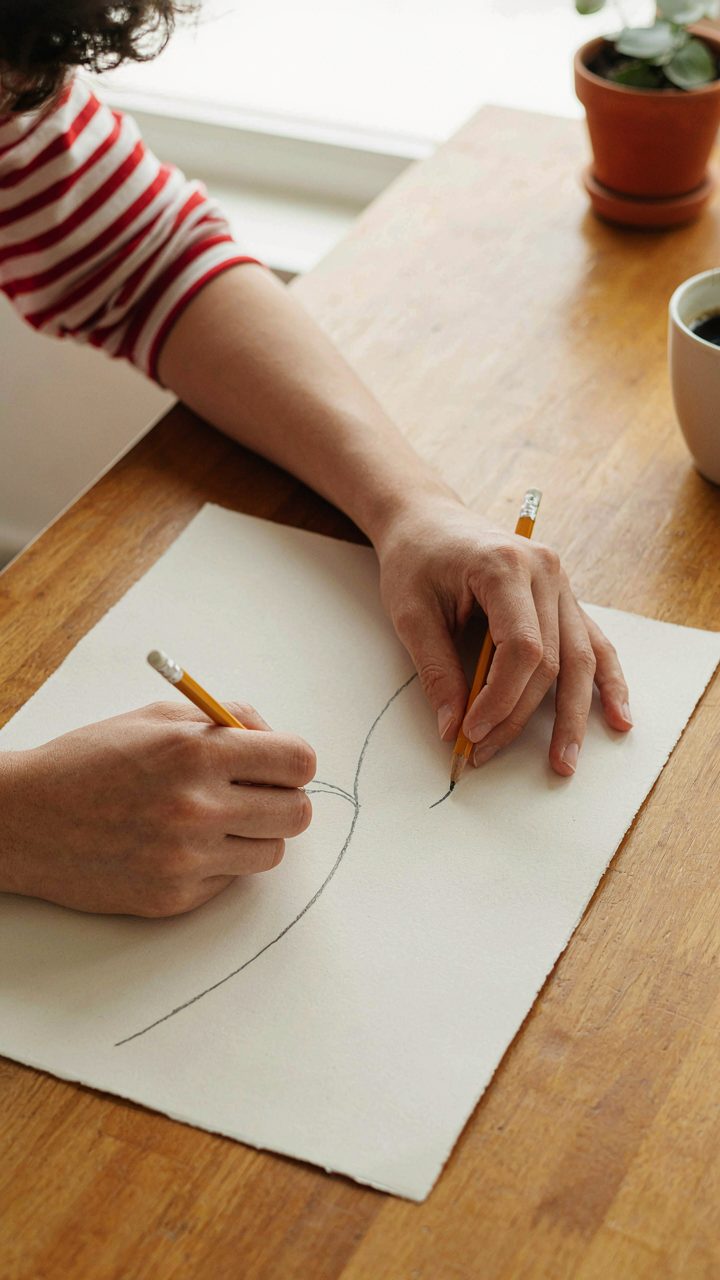
You’ll scroll through a thousand minimalist botanical pieces and absorb zero of them. The real move? Pick one leaf. One stem. One negative space. Draw it tomorrow morning. Not because it’s trendy, but because the act of reduction teaches you what matters. Trends die the moment you mistake them for permission. Your eye develops when you stop looking and start making. The artist who shapes the next wave isn’t studying the current one, they’re alone in a room with a pencil and the discipline to say no to everything except the line in front of them.



