

The Ecosystem Engineering Protocol For Pond Plants
Build For Feedback Loops, Not Perfection
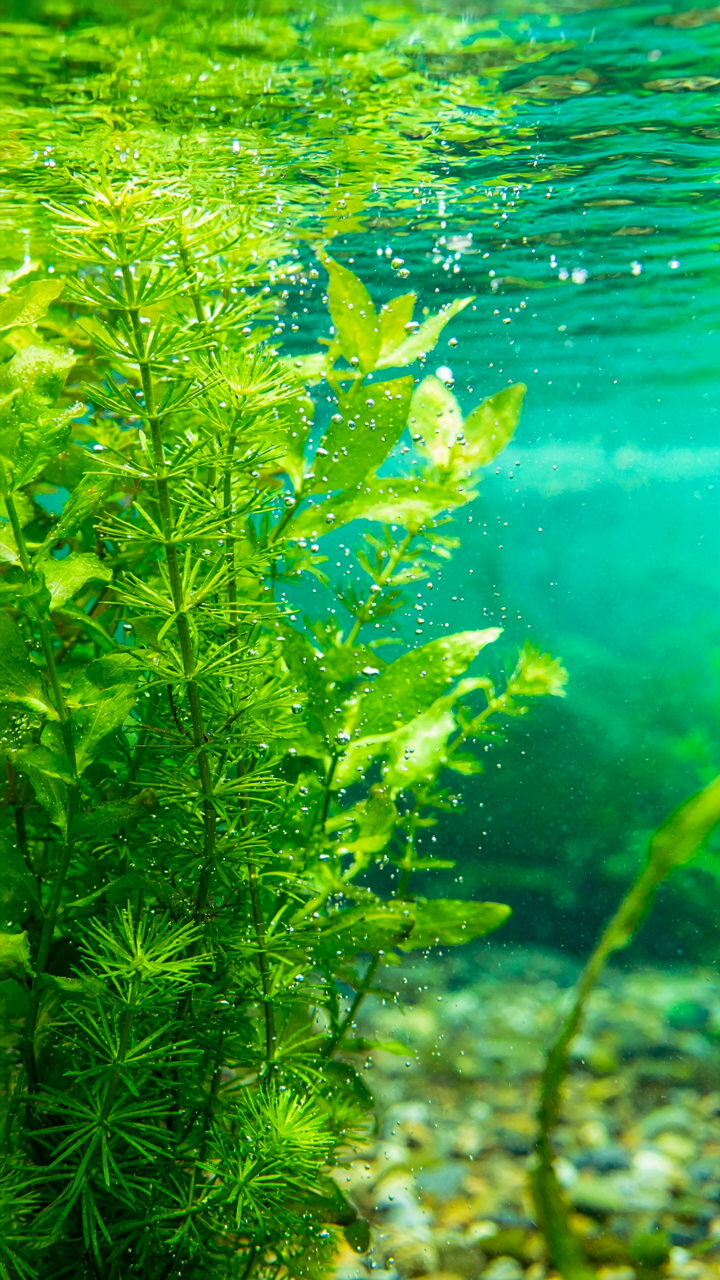
You want a pond that runs itself so you stop thinking about it. That’s the real reason you’re reading this. The mechanism is borrowed from systems biology: negative feedback. In living systems, negative feedback regulates itself without external input. Aquatic plants function as living regulators. Submerged plants produce oxygen and consume excess nutrients. Floating plants shade the water and prevent algae blooms. Emergent plants filter water at the margins. Each plant type absorbs what another produces, creating a self-correcting cycle.
The common advice is to stock your pond with whatever looks good, then add chemicals when problems arise. Wrong. You’re treating symptoms instead of installing governance. The real move is selecting plants based on what they remove from water, not aesthetics alone. Hornwort and anacharis consume nitrogen and phosphorus directly. Water lilies reduce light penetration, starving algae of energy. Cattails and iris handle excess nutrients at water’s edge. When these plants work as a system, the pond stabilizes without intervention. Your only task becomes maintenance trimming, not troubleshooting.
Nutrient Cycling Demands Diversity, Not Volume
Everyone assumes more plants equal a healthier pond. More plants actually means more competition for the same nutrients, which creates bottlenecks. Nutrient cycling in ponds operates like a closed-loop economy: nitrogen and phosphorus enter through fish waste or rainfall, move through plants, and return when plants decay. The rate depends on plant diversity and positioning, not quantity.
Submerged plants extract dissolved nutrients fastest but need sufficient depth and light. Marginal plants process nutrients through soil filtration at water’s edge, where bacteria break down organic matter. Floating plants concentrate nutrients in their root zones, creating localized richness. A pond with one dominant plant type leaves nutrients stranded in forms other organisms cannot access. Strategic spacing of different plant categories ensures every available nutrient finds a consumer. Space submerged plants at least one foot apart. Position floating plants to cover thirty to sixty percent of surface area. Plant emergent species in shallow margins no deeper than eighteen inches. This distribution moves nutrients through the system instead of allowing them to accumulate into algae fuel.
Beyond Blooms: The Unseen Power Of Root Systems

How Roots Filter Water Without Equipment
You want people to think your pond maintenance is effortless. Here’s the reality: submerged roots do the actual work. In biological filtration, plants function as living biofilm reactors. Their root systems develop a massive surface area where nitrifying bacteria colonize and convert ammonia into nitrate. Submerged stems and roots from plants like water sprite, ludwigia, and cabomba create pathways that force water through bacterial colonies. You don’t need expensive filters if you understand root density as infrastructure.
The mechanism is simple: bacterial biofilms need surface area and oxygenation. Plant roots provide both. Oxygenating plants release dissolved oxygen through their tissues into the water column and around the rhizosphere. This oxygen fuels the bacteria that neutralize fish waste. Root systems also physically trap suspended particulate matter before it degrades water clarity. Dense root mats in pond margins and water column work in parallel. Install submerged plants with established root systems early. Don’t wait until water quality crashes to add them.
Sediment Stability And Structural Purpose
Marginal plants with fibrous root networks do more than look planted. They lock sediment in place through mechanical anchoring and reduce resuspension during water movement or pond disturbance. This matters because loose sediment clouds water and creates anaerobic zones where harmful bacteria thrive. Plants like pickerel rush, water iris, and sweet flag deploy root systems that bind substrate particles together. Think of roots as anchoring cables. Without them, sediment migrates and pond health destabilizes.
The stabilization effect compounds over time. Root systems create a cohesive substrate layer that resists erosion from currents, wind action, or debris settling. Established marginal plantings reduce maintenance because you spend less time managing turbid water and sediment redistribution. Place root-dense marginal plants around 60 percent of your pond perimeter to maximize sediment control without creating stagnant zones. This is infrastructure, not decoration.
Forest Pond Plants: The Natural Succession Blueprint

Edge Zone Design Mimics Woodland Structure
You want this to look natural because you think natural means low effort. It doesn’t. Ecology uses the term “ecotone” to describe transition zones where two ecosystems meet, and your pond’s edge is exactly that. The real mechanism: plants at the margin experience different light, water depth, and soil saturation than center plants. You’re not decorating. You’re stacking plant communities by their actual environmental tolerance.
Most pond owners plant shallow-water species evenly around the perimeter. Wrong. Create discrete zones. Emergent plants like pickerel rush and arrowhead need 6 to 12 inches of water and full sun. Move landward from there into marginal wet soil plants like joe-pye weed and cardinal flower, which tolerate seasonal flooding but not permanent inundation. This gradient drives biodiversity because different insects, amphibians, and birds use different zones.
Native Species Build Resilience Through Omission
The common advice is to “choose natives for your region.” Too vague. Here’s what matters: native plants evolved under your specific photoperiod, soil chemistry, and pest pressure. They don’t need fertilizer, fungicide, or constant fussing because their root systems adapted to your water table depth and your local insects already have a predator balance around them.
Start by identifying what actually grows wild in forest ponds or wetland edges near you. If you’re in the northeastern United States, native species like turtlehead, swamp milkweed, and soft rush thrive without intervention. In the Southeast, ironweed and lizard’s tail establish fast. The mechanism is genetic fit, not sentiment. When you plant something that evolved 500 miles away, you’re fighting against millions of years of adaptation every growing season. Match your latitude and soil type first, then pick species within that constraint.
Plants For Small Ponds: The Micro Ecosystem Multiplier
Density And Stratification Work Like Food Chains
You want a small pond that looks intentional, not like a puddle someone forgot to drain. Here’s what nobody says plainly: density and stratification are borrowed from ecology, the study of how organisms relate to their environment. In pond terms, stratification means layering plants by depth and root structure so they occupy different ecological niches instead of competing for the same resources. Tight density in the right zones creates a self-regulating system that handles its own nutrient cycling.
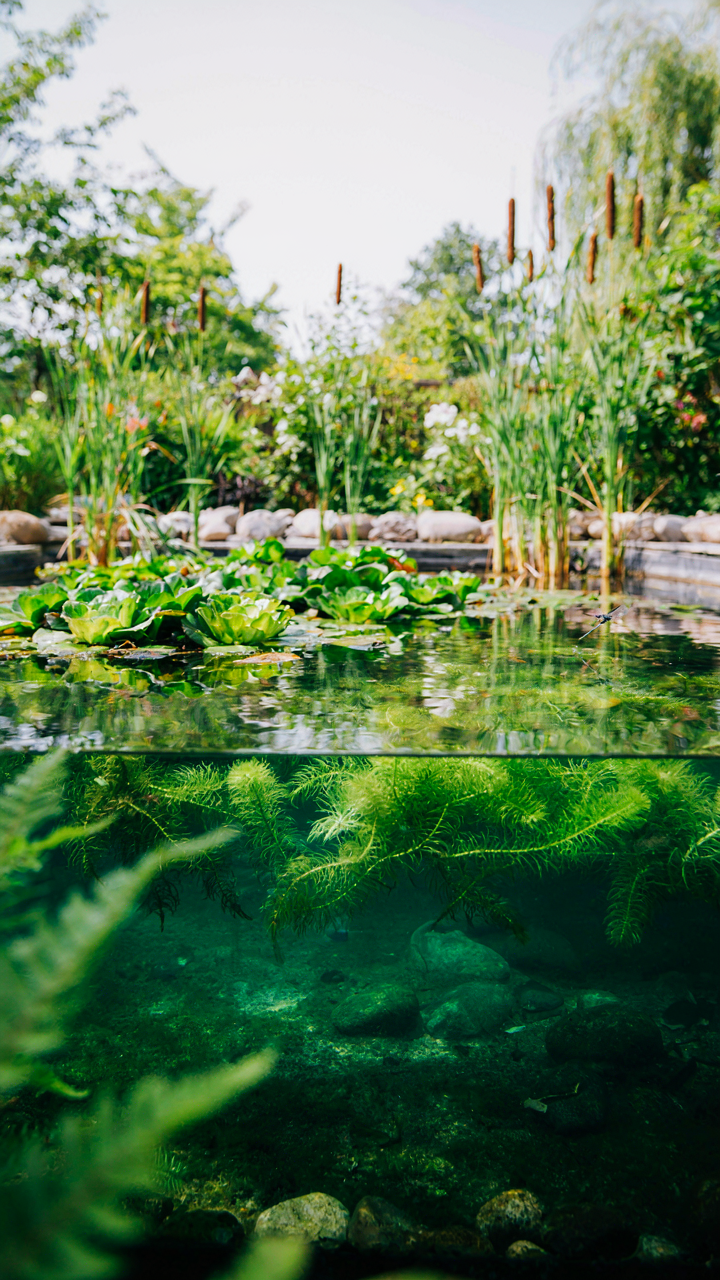
Most people throw plants at small ponds randomly and wonder why algae takes over. The mechanism is straightforward: without proper stratification, you get surface dominance, light competition, and nothing filtering the water column. Plant submerged stems in the deepest zone, marginals at the shelf edge, and floaters on the surface. This layering gives you oxygenation at multiple levels, shade at the bottom, and nutrient uptake across the system. The result is a pond that stays clear without constant maintenance because the plant structure itself does the work.
Vertical Space Is Where Small Ponds Win
Emergent and floating plants are the asymmetric advantage in small ponds: they take up almost no surface footprint while delivering disproportionate ecological function. Marginal plants like pickerel rush and iris grow upward from shallow shelves, creating visual height without eating into your pond floor. Floating plants like water lilies occupy surface space but their roots hang suspended, filtering nutrients directly from the water column where algae would otherwise bloom.
The constraint of small ponds forces strategic vertical thinking. Tall emergent plants like cattails or water hawthorn maximize air exposure for oxygenation while their root masses work the substrate. Floating plants create shade that suppresses algae spores. Submerged plants like anacharis work below the surface, delivering oxygen and nutrient absorption where the water sits still. Stack these layers deliberately: place emergents at pond edges for height, floaters in open water for coverage, and submersed plants in deeper zones for water clarity. This arrangement turns limited square footage into a functional ecosystem.
The Unconventional Aesthetics Of Function First

Where Beauty Actually Comes From
You want your pond to look intentional on special occasions, but you’re afraid it’ll look like you’re trying too hard. Here’s the mechanism: plants that perform ecological work first create visual interest as a side effect, not the other way around. In systems biology, we call this emergent behavior—complex patterns arise from simple functional rules. Floating plants like water lilies don’t look designed; they look inevitable. They shade the water, reduce algae, feed insects. The beauty compounds because the system works.
Most pond advice treats plants as decoration you arrange. Wrong. Emergent plants, submerged plants, and floating plants each solve specific oxygenation and nutrient problems. When you choose plants by what they do, not what they photograph like, the aesthetic arrives as proof the system functions. A healthy pond reads as intentional because it sustains itself. That visual authority costs nothing extra—it’s the byproduct of solving the real problem first.
Chaos Over Sterile Control
Garden design magazines show manicured rows. This isn’t how ponds work in nature, and it’s not how they should look at events either. Ecological succession—the biological principle where species replace each other in sequence—is exactly what you want happening in your pond. Plant density matters more than arrangement. When native marginal plants like pickerel rush and cattails grow densely but without geometric spacing, they form barriers that look organic and functional. They block wind, create wildlife habitat, and frame the water surface with texture.
Uniformity signals a dead system. Varied plant heights, flowering times, and leaf textures create visual depth because they reflect actual ecological diversity. Iris, rushes, and sedges flowering at different months mean something constantly happens. You don’t need to do anything to maintain this—succession handles it. Let the plants compete. The strongest survivors will define the pond’s character better than any forced design scheme ever could.
Best Aquatic Plants For Ponds: The Strategic Selection Matrix
Ecological Role Beats Aesthetic Preference
You want your pond to look intentional. The real reason you’re reading this is you’re afraid it’ll look like neglect instead. Here’s the mechanism: every plant in a pond functions as infrastructure, not decoration. Borrow from ecology, and you’ll see that each species fills a niche—oxygenators process water chemistry, emergents stabilize banks, floaters manage light penetration. Pick plants by role first, aesthetics second, and your pond sustains itself. Reverse that order and you’re managing algae blooms and fish kills.
Most pond advice treats plant selection like interior design. It’s not. You’re building a system. Oxygenating plants like anacharis and cabomba prevent anaerobic decay at the bottom. Marginal plants like pickerel rush and iris anchor the substrate and filter runoff. Floaters like water lettuce and frogbit regulate temperature and reduce sunlight that feeds algae. Lily pads occupy the middle zone and provide habitat structure. The plants you choose determine whether your pond runs itself or demands constant intervention.
- Oxygenators (anacharis, cabomba, ludwigia): Submerged plants that release dissolved oxygen during photosynthesis. Essential for fish survival and algae suppression. They compete directly with algae for nutrients, starving it out.
- Marginal Plants (pickerel rush, water iris, cardinal flower): Rooted at the water’s edge. Filter sediment and excess nitrogen before it feeds algae. Stabilize banks and create transition zones for wildlife.
- Floating Plants (water lettuce, frogbit, duckweed): Free-floating species that shade the water surface. Reduce light penetration that fuels algae growth. Fast-growing nutrient sinks that compete with unwanted organisms.
- Lily Pads (Nymphaea varieties): Rooted deep-water plants with floating leaves. Provide shade, habitat, and aesthetic structure. Act as biological anchors that slow water movement and allow sediment settling.
- Emergent Plants (cattails, rushes, sweet flag): Tall species that extend above the water line. Create wildlife corridors and visual screening. Root systems filter groundwater seepage.
Select plants based on what your pond needs to do, not what Instagram suggests. A balanced ecosystem requires all five roles represented. Skip oxygenators and you’ll chase algae. Skip marginals and sediment accumulates. Skip floaters and sunlight feeds weeds. Build the system first.
Matching Plant Types To Pond Conditions
The common mistake is buying plants, then figuring out where they go. Reality: your pond’s depth, light exposure, temperature range, and water chemistry determine what survives. A water lily thrives in 18 to 24 inches of still water with six hours of direct sun. Put it in moving water or shade and it dies. Pickerel rush tolerates both wet and dry conditions but needs consistent moisture—not a fast-draining edge. Know your pond’s actual conditions before selecting inventory.
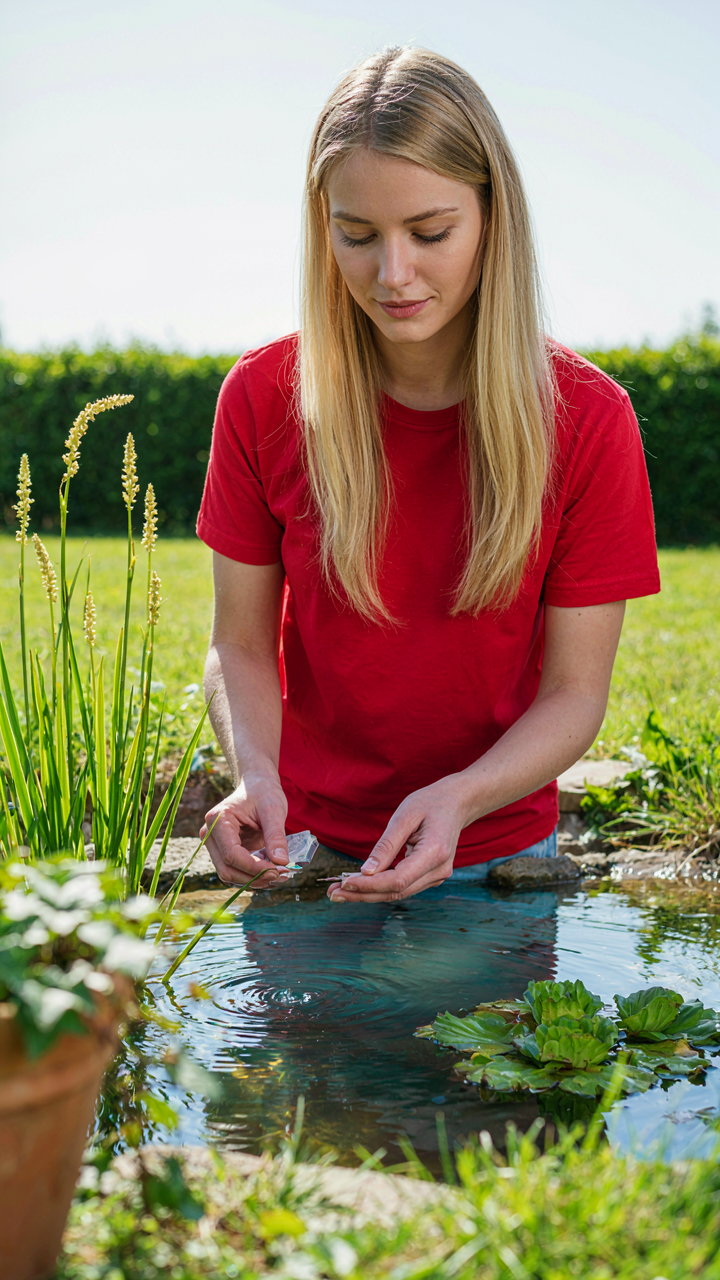
Depth is the primary filter. Shallow ponds (under 12 inches) support only marginals and floaters. Medium ponds (12 to 24 inches) accommodate lilies and most emergents. Deep ponds (24+ inches) support all categories, but fish need refuge in the deepest zone. Light exposure matters equally: full sun ponds favor lilies and oxygenators. Partial shade ponds tolerate shade-tolerant species like Japanese iris and horsetail. Full shade eliminates lilies but supports some marginals. Your water’s existing pH and nutrient load determine whether plants thrive or stagnate. Test before you plant. The protocol is simple: measure depth at three points, track sunlight hours for one week, test pH and nitrogen levels, then cross-reference against species requirements. This takes two hours and prevents two years of failure.
Water Garden Ideas: Beyond The “Pretty” The Permaculture Lens

Design With Ecological Purpose First
You want your pond to look intentional at dinner parties, but that’s not why you should care about this section. The real mechanism is resource stacking: permaculture treats a pond plant system like an input-output problem from economics. Every plant either adds value or drains it. Your aesthetic choice becomes irrelevant the moment you realize a single wetland plant can filter water, provide habitat, suppress algae, and feed insects simultaneously. That’s the lever.
Most pond design advice treats plants as decoration. Permaculture reverses this: plants are infrastructure. Marginal species like pickerel rush and water mint don’t just look good at the pond edge. They establish nutrient cycling zones that interrupt algae blooms before they start. Submerged oxygenators like coontail trap phosphorus before it feeds green water. Choose plants based on what problem they solve first, what they look like second. The function determines whether you’ll maintain the system or abandon it after one season.
Yield On Multiple Fronts
The stacking principle in permaculture means one element serves at least three purposes. A planted floating island delivers aesthetic impact, fish habitat, and water surface cooling in one structure. A flowering marginal like pickerel rush attracts pollinators, stabilizes bank soil, and screens unsightly pond edges. Water hawthorn blooms early and late, extending visual interest while oxygenating when oxygen demand peaks seasonally. Stop thinking about plants as single-purpose objects.
The protocol is brutal: before adding any plant, list three separate yields it provides. If you can’t name them, remove it from consideration. Ornamental grasses like sweet flag provide sound dampening, root filtration, and seasonal texture change. Native rushes establish bird nesting sites while their dense growth intercepts sediment. This isn’t theory. Plants that serve multiple functions establish themselves faster, require less maintenance, and create the conditions for the entire system to stabilize. Build the system to work independently, and the “special occasion” aesthetic emerges naturally.
Plants For Ponds Landscapes: Integration As A Dominant Strategy
Your Pond Isn’t Decoration
You want your pond to feel like it belongs there, like the landscape grew around it instead of you dropping it in. That’s the real motive behind this section, and it matters because most people treat ponds as isolated features instead of ecological anchors. Borrowing from landscape ecology, your pond functions as a keystone species for the entire property—a single element that determines what thrives around it. The plants you choose don’t just fill space. They dictate water chemistry, filtration rates, sediment patterns, and what other life colonizes the system.
The mechanism is straightforward: shallow marginal plants like pickerel rush and water iris create gradients that soften the transition between water and land. Deep water plants like water lilies stabilize oxygen levels. Emergent vegetation along the perimeter absorbs excess nutrients before they choke the system. Each plant type plays a specific role in the pond’s function. Remove any category and the entire landscape loses resilience. This is why generic “water plant assortments” fail—they’re assembled without understanding how plants interact with your specific soil, drainage, and sun exposure.
Transitions That Don’t Look Forced
Most pond edges fail because they’re too abrupt. You get a clean line where water meets dirt, then a few random plants shoved into the mud. That’s not integration, that’s landscaping by accident. Real transitions require three distinct zones working in concert: submerged plants anchoring the floor, emergent plants breaking the water line, and terrestrial plants anchoring the land. The zone closest to water handles surge from storms. The middle zone tolerates both wet and dry conditions. The outer zone establishes visual continuity with the rest of your garden.
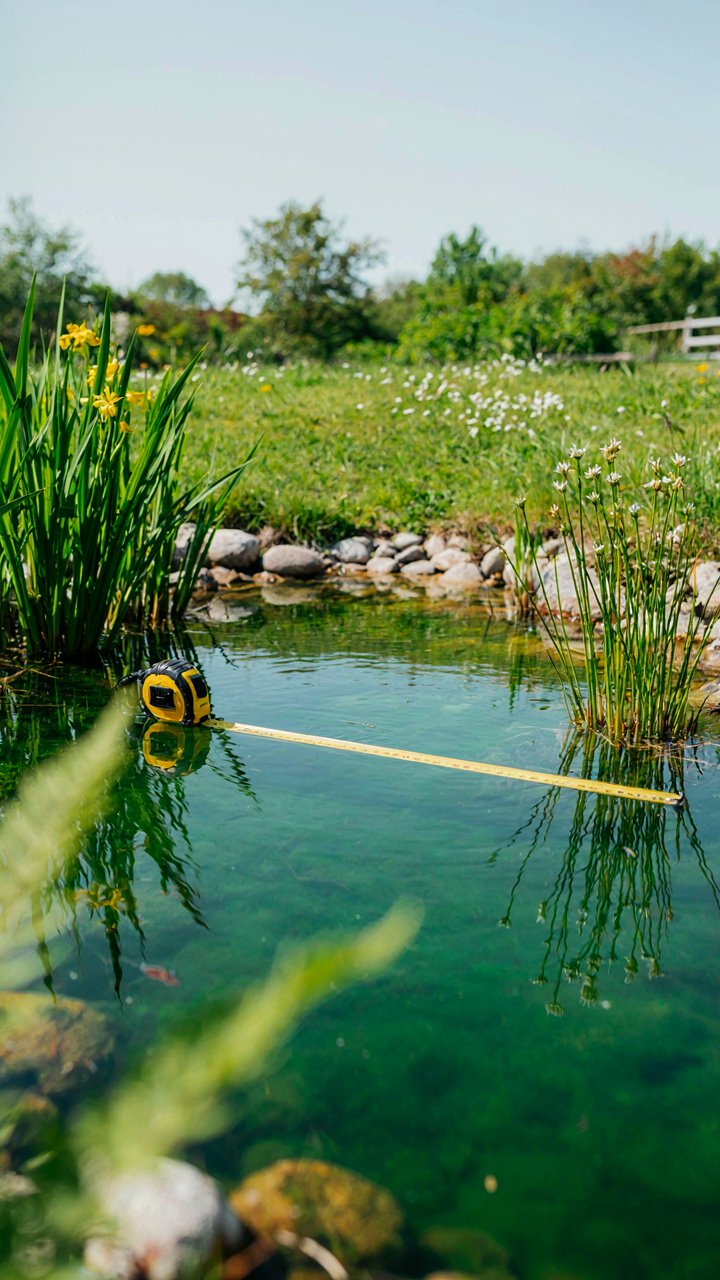
The action step is mapping these zones before you plant. Measure water depth in three spots—shallow edge, middle, deep center. Shallow zones should extend at least two feet from the bank and hold 6 to 18 inches of water. Marginal plants like sweet flag and pickerel rush occupy this space. The transition zone, slightly elevated and sometimes dry, holds moisture-tolerant perennials like astilbe or siberian iris. Your last step is grading the perimeter so water doesn’t cut channels through the soil when it rises after heavy rain.
The Succession Imperative: Pond Plants As Dynamic Assets

How Ponds Change Over Time
You want a pond that looks perfect in photos forever. Here’s the mechanism nobody states: ponds don’t stay the same. Ecology borrowed the concept of succession from geology, and pond plants follow it relentlessly. Early colonizers like duckweed move in fast, then emergent plants establish, then submerged species take hold. Each stage shifts water chemistry, light penetration, and substrate composition. Ignore this progression and your pond becomes either a choked swamp or a barren basin.
The timeline matters. A newly filled pond takes 6-18 months to stabilize through plant succession. Filamentous algae dominates first because it tolerates instability. Marginal plants like cattails and rushes establish once shallow zones develop root zones. Floating plants follow. Submerged oxygenators like hornwort anchor last. You don’t control this sequence directly. You accelerate or slow it by managing what you introduce and when.
Strategic Plant Rotation For Sustained Balance
Most pond advice treats plants as static objects you buy and install. That’s incomplete. Aggressive growers like water lilies and invasive marginals will dominate their zone if left unchecked. You need an active culling protocol. Remove 20-30% of the most vigorous plants every 18-24 months before they crowd out slower species. This maintains diversity and prevents stagnation.
Rotation also means replacing weak performers. If a marginal plant fails to establish after two growing seasons, replace it with a hardier alternative native to your region. Test submerged plants separately in containers before introducing them to the main pond. Document which plants thrive in your specific water chemistry and sunlight. This data becomes your template for future additions and replacements.
Garden Pond Plants: Maximizing Biomass For Ecosystem Services
What Biomass Actually Tells You
You want to know your pond is working because it makes you feel like you’ve built something real. Here’s what matters: biomass accumulation is the physical output of a pond’s capacity to convert nutrients into living tissue. In biology, we call this net primary productivity. With pond plants, biomass is your measurement tool. More plant matter means the system is processing nitrogen and phosphorus faster than it’s leaking them. It’s not decorative feedback. It’s data.
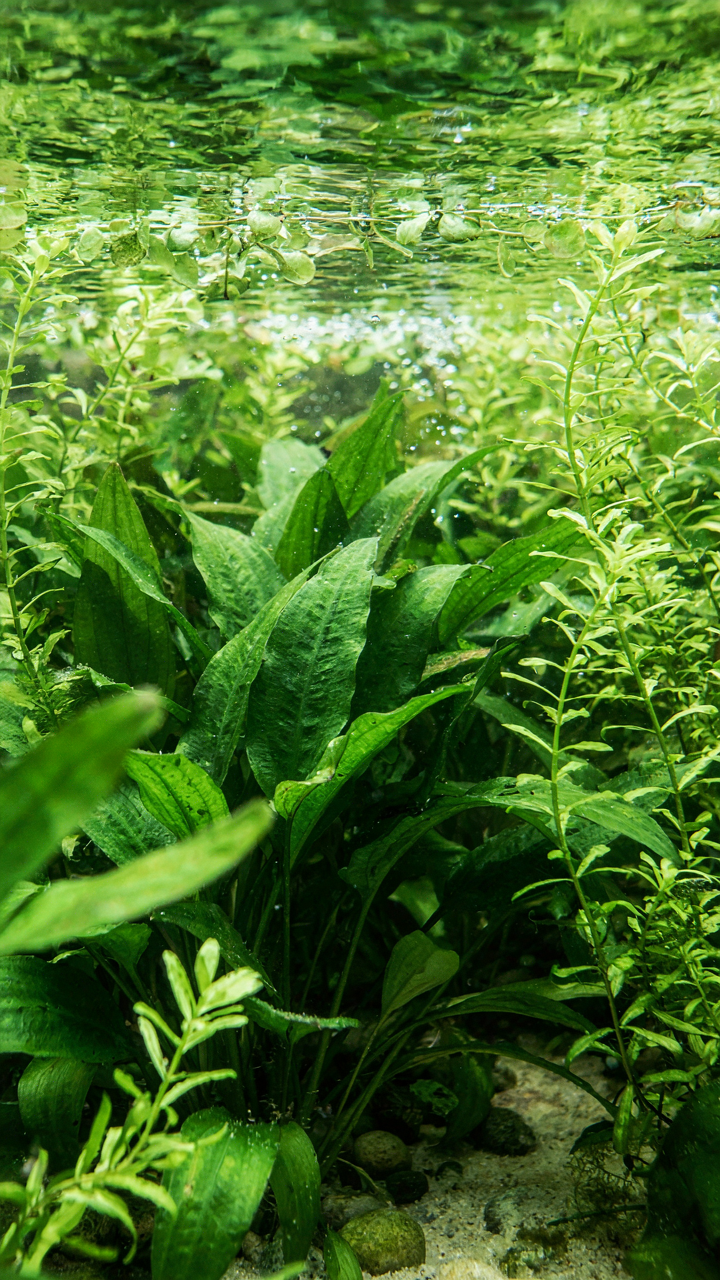
Dense plant growth also signals water chemistry stability. When submerged plants like Anubias and Rotala accumulate stem and leaf tissue over weeks, they’re removing excess nutrients that would otherwise trigger algae blooms. The plants are doing the work of filtration without mechanical equipment. Sparse growth means your nutrient load exceeds what the plants can process. Measure this by harvesting and drying plant material quarterly. Track the weight. If it’s flat-lining, your system is stalled.
Energy Flow Becomes Visible Growth
Physics teaches us that energy always transfers from one form to another. Sunlight hits water and plant leaves. The plants capture photons and convert them into chemical bonds. That’s the mechanism. With pond plants, solar energy becomes stem elongation, root development, and leaf production. Emergent plants like Pickerel Rush and Water Iris capture direct overhead light. Submerged plants like Ludwigia and Cabomba work with filtered light. The plant type you choose determines how much of the available light energy the system can actually harvest.
This conversion rate directly impacts everything downstream. More photosynthetic surface area means more oxygen production. More plant tissue means more surface for beneficial bacteria colonization. More biomass accumulation means the system is running surplus, not deficit. Position high-light plants in open water zones. Shade-tolerant plants go under tree canopy or in deeper zones. Layer your plantings to use the full light spectrum your pond receives. Monitor growth rate. If plants are adding less than one inch of new growth per week in growing season, reposition them to higher-light zones or add supplemental illumination.
The Real Obstacle Isn’t Plant Choice; It’s Your Timid Ambition For What A Garden Pond Can Actually Achieve

Most people treat garden pond plants like decorations. Safe choices. Forgettable arrangements. But your pond isn’t a museum piece. It’s a statement about what you value. The shift happens when you stop asking “what plants won’t die” and start asking “what experience do I want to create here?” Stop researching. Pick three plants today that excite you. Plant them. Watch what actually happens instead of what you feared. Your pond’s potential dies the moment you play it small.



