
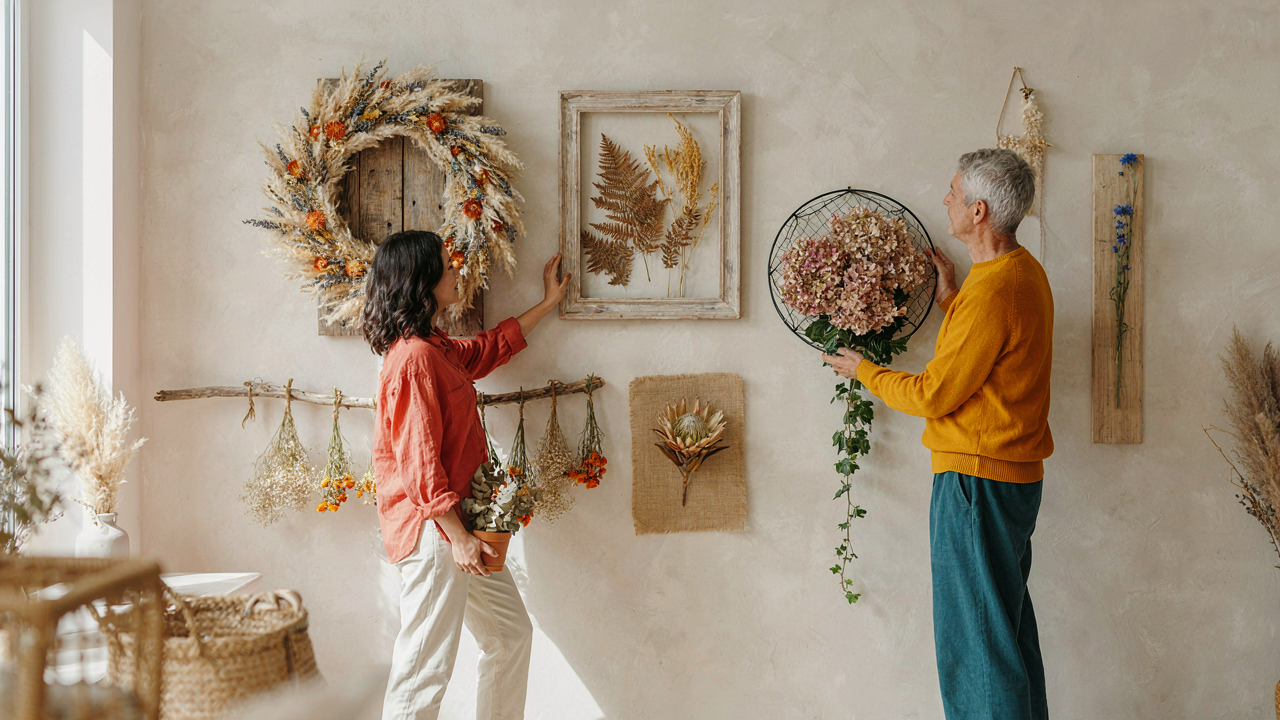
The Illusion Of Simplicity: Why Most Hanging Dried Flowers Decor Fails
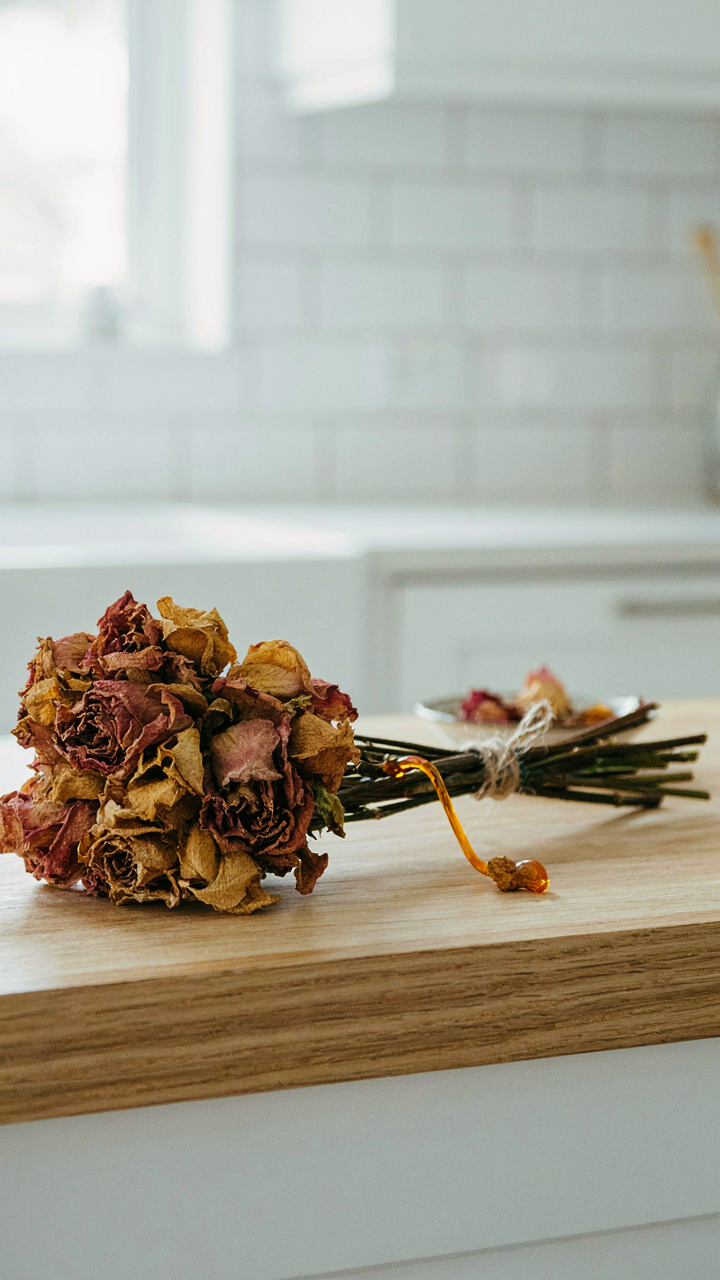
What Mass Produced Kits Actually Sell You
You want to believe a kit makes this foolproof because you’re afraid you’ll waste money on something that looks cheap within weeks. Here’s what actually happens: mass-produced kits use flowers dried at industrial speed in low humidity chambers, then vacuum-sealed for months. This process strips volatile oils that give flowers their color saturation. When you unpack them, you’re working with botanicals already past their peak visual window. The stems are brittle from over-drying, and the flowers themselves have already lost 40-60% of their original pigment intensity before you even touch them.
The kit instructions tell you to simply glue flowers to a base and hang. They don’t mention that pre-made foam backings absorb moisture from air differently than wood, causing uneven drying and warping. They don’t mention that the adhesives in kits are usually hot glue, which creates bonds that fail when temperature and humidity fluctuate. You follow the steps exactly and still watch the arrangement degrade in three months because the mechanism that kills it isn’t visible in the instructions.
Preservation Fails Nobody Talks About
Treating a dried flower arrangement like finished art is the core mistake, but the real problem operates on plant biology. Flowers don’t “stay dried” the way people think. Moisture moves constantly through botanical material based on ambient humidity. In climates above 60% relative humidity, dried flowers reabsorb water, feeding mold growth and bacterial decomposition. In climates below 30% humidity, they become brittle enough to crumble from vibration alone. Most people hang arrangements and check them never, assuming stasis happened at the moment of drying.
The preservation mechanism requires active environmental control or material selection most builders skip. You either need to place arrangements in genuinely low-humidity spaces (entryways work, bathrooms destroy them), or you need to use flowers dried with silica gel or desiccant methods that pull more water out than air-drying alone. You also need to seal the arrangement with a clear UV-protective varnish or resin coating that stops moisture exchange. Skip this step and your arrangement becomes compost within 12-18 months. The longevity problem isn’t about technique, it’s about whether you controlled the environment the arrangement lives in from day one.
The Forager’s Manifesto: Sourcing Beyond The Florist
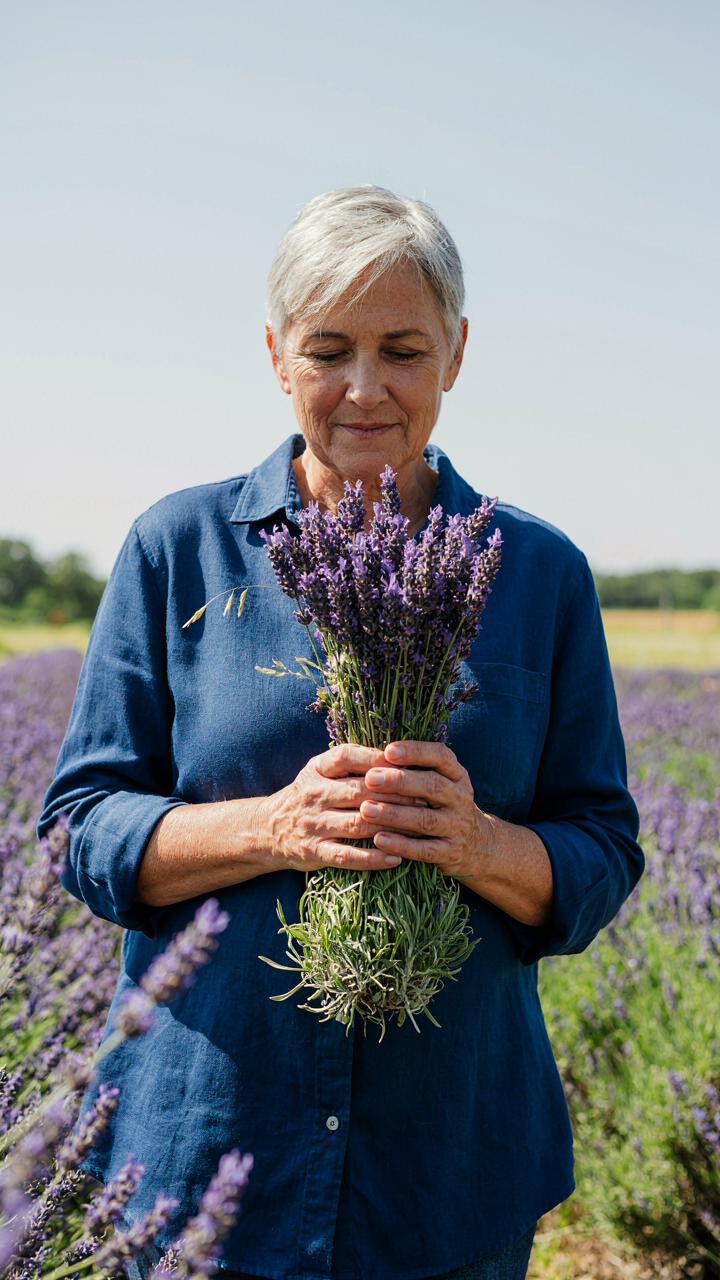
Know The Law Before You Pick
You want to feel resourceful and independent, sourcing your own materials instead of buying from a florist. The real mechanism is simple: trespassing laws exist everywhere, and enforcement happens quietly. Before harvesting anything, check local regulations. Many states require permission from landowners. National parks prohibit removal entirely. Some regions protect native wildflowers under law. Violating these rules costs money and kills future access to good sourcing locations.
Research your specific area’s rules through the county extension office or state wildlife agency. Most allow harvesting from your own property without restriction. Private land requires explicit permission from the owner. Public lands vary drastically by jurisdiction and season. Spend thirty minutes on a phone call now instead of facing a fine later. The best foragers maintain relationships with landowners who grant seasonal access to their property.
Drying Methods Match The Botanical
Forget the advice that all flowers dry the same way. Different plant materials require different protocols based on their structure and moisture content. Delicate petals like roses and peonies need hanging upside down in low light. Woody stems like eucalyptus tolerate faster drying. Grasses and seed pods often require no drying time at all. The mechanism comes from basic botany: cells release moisture at different rates depending on density and internal structure.
Hang delicate flowers upside down in bundles for two to four weeks in a dark, well-ventilated space. Grasses dry standing upright in a vase without water in seven to ten days. Seed pods and dried branches need only room temperature and air circulation. Test readiness by touch. A flower is dried when stems snap rather than bend, and petals feel papery. Store dried materials in sealed containers away from direct light to preserve color and prevent moisture reabsorption.
Deconstructing The ‘How To Hang A Stick On The Wall’ Archetype
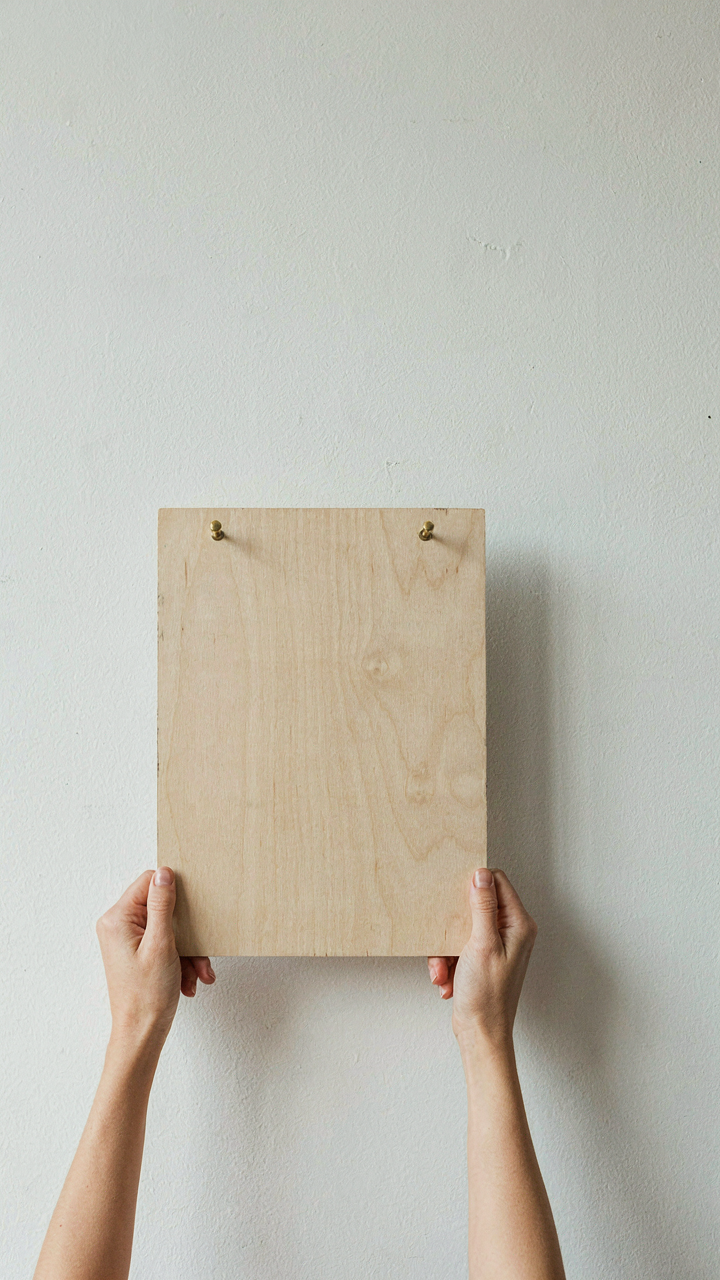
When Weight Wants To Fall
You’re worried the whole thing crashes down. That fear is rational, not paranoia. Physics governs dried flower arrangements the same way it governs buildings: through tension and compression. Tension pulls outward; compression pushes inward. Your wall hanging needs both forces working together, or the fastener fails. The stem bundle creates downward force. The mounting point creates upward resistance. Balance these two, and the piece stays put indefinitely.
Most hanging advice ignores the actual load path. People say “use a nail” without asking what the nail actually resists. A nail driven straight into drywall holds roughly eight pounds before the wall crumbles. Your dried arrangement probably weighs two to four pounds, but that number means nothing if you haven’t distributed the force correctly. The frame, backing board, or bundle itself must handle internal stress first, then transfer that stress cleanly to the wall. Skip this sequence and you’re guessing.
The Case For Invisible Infrastructure
Visible wires and cord kill the effect. Everyone knows this but installs them anyway. The real move is routing fasteners behind the backing or through the arrangement itself so nothing shows from the front. This isn’t aesthetics for its own sake. Hidden fasteners force you to think through construction rigorously because you can’t hide sloppy work behind decorative cord.
Use a wooden backing board thinner than half an inch so it stays light but rigid enough to distribute weight. Mount the flowers directly to this board using low-temperature hot glue or floral adhesive, not nails through stems. Run two wall anchors or picture hangers horizontally across the back of the board, spaced eight to twelve inches apart depending on the arrangement’s width. This spreads the load and prevents tilting. Test the setup without flowers first to confirm the backing holds weight before adding your arrangement.
The Unconventional Dried Flower Wall Hanging Framework
Asymmetry Over Alignment
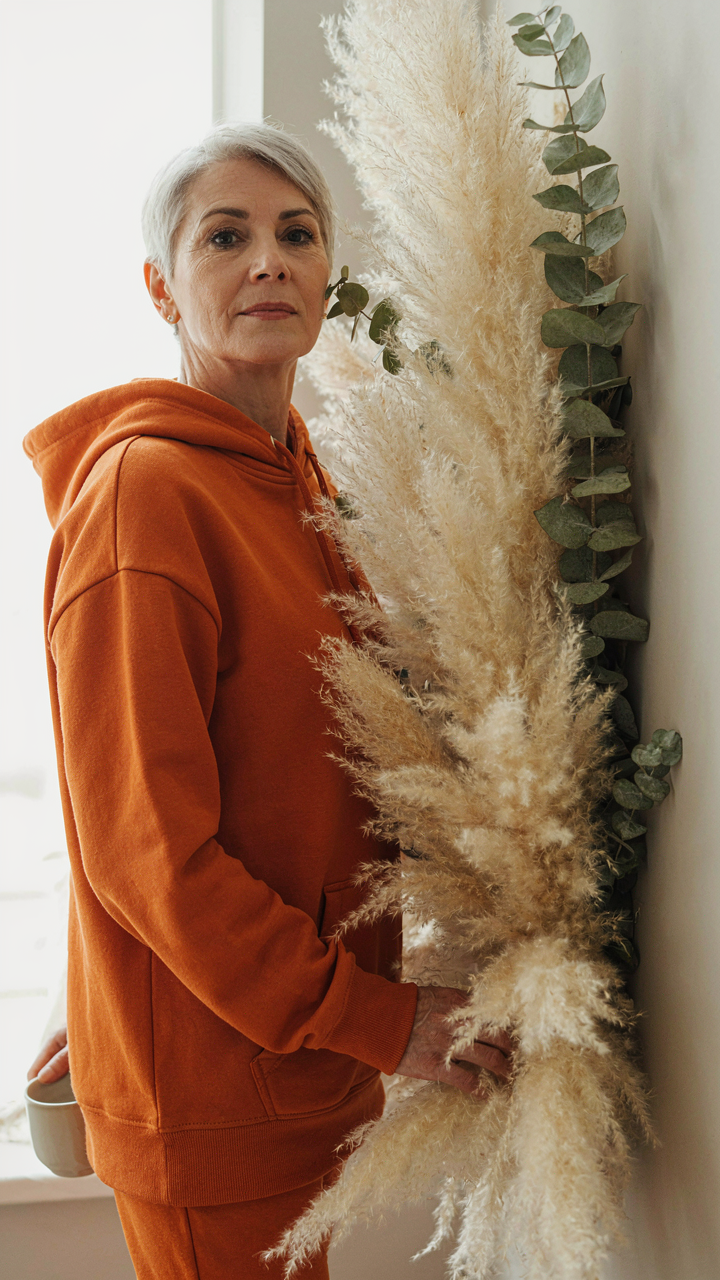
You want permission to break the rules without looking like you failed at following them. That’s the real reason you’re drawn to “unconventional” design. The mechanism is simple: symmetry signals completion and safety, which your brain registers as boring. Asymmetry creates tension. Tension demands attention.
In design, asymmetry borrows from physics—specifically the concept of balance without equilibrium. A dried flower arrangement doesn’t need equal weight on both sides to feel stable. Place a dense cluster of pampas grass on the left, then counter it with a single tall stem of eucalyptus on the right. The visual weight differs, but the composition holds. This works because your eye travels to resolve the imbalance, which means it lingers. Symmetrical hangings are forgettable. Asymmetrical ones are what people ask about.
Layering Creates Narrative Depth
Common advice says to arrange flowers front to back. That’s incomplete. Real depth comes from layering multiple planes of interest that force the viewer’s eye to move through the piece, not just across it. You’re building visual hierarchy, not just hanging dried stems on a wall.
Start with a base layer of filler material—statice, baby’s breath, or similar—that establishes the background plane. Then introduce mid-range elements like partially opened roses or thistle heads that sit forward of that base. Finally, anchor the front plane with your most visually dominant piece: a bleached pampas frond, a large protea, or a thick branch. Each layer should obscure part of what’s behind it, creating occlusion cues that signal depth to the viewer’s brain. This layering technique forces the eye to decode the arrangement as three-dimensional, not flat.
Ephemeral Art: Embracing Decay As Design

How Color Actually Changes Over Time
You want permission to call something beautiful even after it fades, because that means your choices don’t have expiration dates. Here’s the mechanism: dried flowers lose pigment through UV exposure and oxidation. Reds brown out. Blues gray down. This isn’t random degradation. It follows predictable pathways based on which compounds made the original color.
The shift happens faster near windows, slower in dim corners. Roses lose saturation within weeks under direct sun. Statice and pampas grass hold their pale tones for months because they contain fewer light-reactive dyes to begin with. You’re not fighting this process. You’re choosing which flowers will age gracefully in your specific light conditions, then timing your swap-out before the piece looks neglected instead of intentional.
When Deterioration Becomes The Point
Everyone says “embrace imperfection,” which is lazy advice that means nothing. Real rusticity requires you to stop fighting the decay and use it as an active design element instead. This comes from the wabi-sabi principle in Japanese aesthetics, which treats impermanence as beauty, not failure. In materials science terms, your dried arrangement experiences accelerated weathering. You can control the rate.
Exposing stems to air creates natural darkening and brittleness that reads as aged, not broken. Loosening flowers slightly so edges curl and fragment signals authenticity to the viewer’s eye. The decay becomes intentional documentation of time passing. Position your hanging in moderate humidity and indirect light for slow, visible change. Place it near a heating vent for faster breakdown. This transforms the piece from static decoration into a visible timeline you’re documenting on your wall.
The Bio Rhythmic Flower Wall Hanger: Adapting To Your Space
Feedback Loops Built Into Your Design
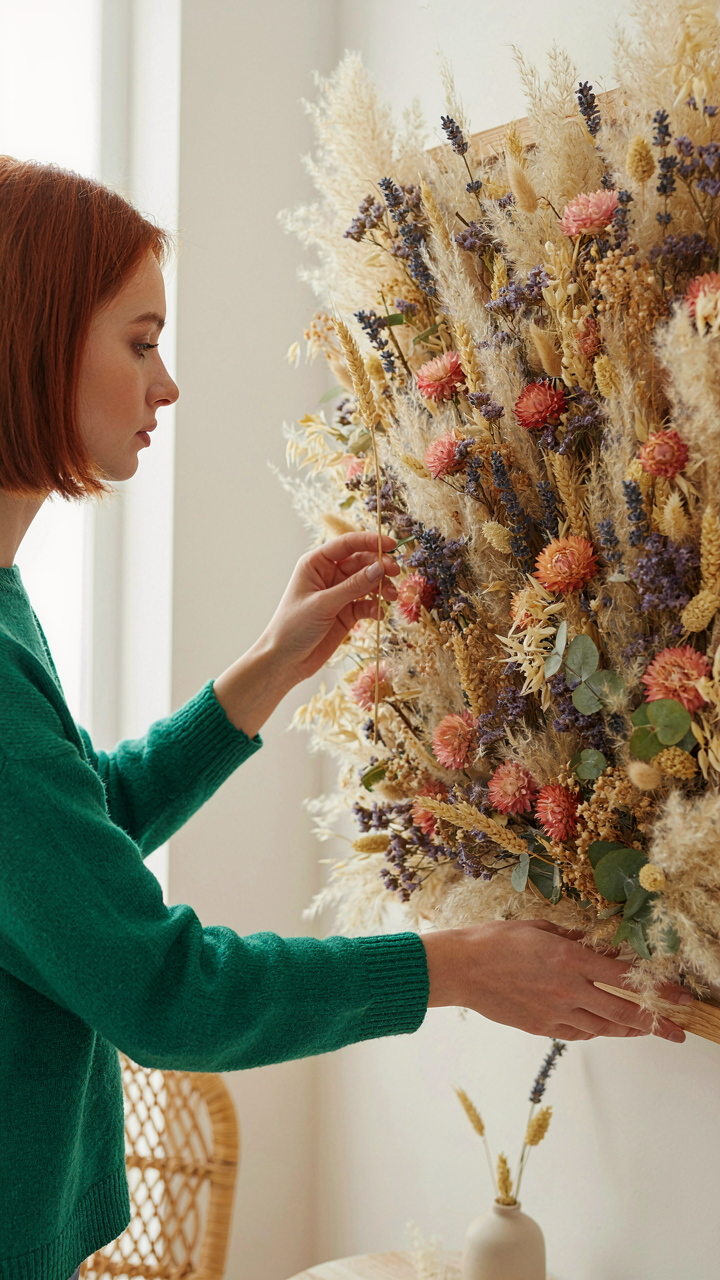
You want your arrangement to stay relevant without constant work. The real mechanism comes from cybernetics: a dried flower wall hanging operates as a feedback system where your visual response to the piece tells you when to adjust it. Just as a thermostat measures temperature and corrects course, you measure how the arrangement reads in your space and correct its balance, density, or color weight accordingly.
Most people treat dried flower arrangements as static objects. They’re not. The light in your room changes seasonally. Dust settles unevenly. Flowers fade at different rates. These aren’t failures—they’re data points. When you notice the arrangement feels flat or colors have shifted, you’ve received feedback. The response isn’t to rebuild it; it’s to add a single stem, remove one element, or rotate the piece. One small adjustment resets the entire visual system.
Seasonal Shifts And Modular Thinking
Your arrangement must survive the year without looking abandoned halfway through. Build your dried flower wall hanging with modular components: a core structure you keep fixed, and individual stems or clusters you swap seasonally. Spring through summer demands lighter tones and airier spacing. Fall shifts toward deeper hues and denser packing. Winter reads better with texture weight increased. You’re not creating four different hangers—you’re evolving one.
- Core frame structure: Keep your backing, base materials, and foundational stems permanent. This skeleton never changes and holds the piece together through all seasons.
- Seasonal accent stems: Rotate in florals and grasses that match the current season’s color palette every 8 to 12 weeks without touching the structure.
- Filler clusters: Small bundles of baby’s breath, pampas, or bleached grasses slot into gaps. Replace these quarterly as they compress and fade.
- Color blocking layers: Add or remove one solid-color element per season. Deep burgundy for fall, pale cream for winter, blush tones for spring.
- Texture rotation: Swap heavy-textured elements like eucalyptus for light ones like oat grass as seasons demand visual weight shifts.
When you treat your arrangement modularly, you spend 15 minutes swapping components instead of 90 minutes rebuilding. The piece stays current. The core elements you spent time securing stay intact. Document what you add each season—this becomes your personal protocol for keeping the arrangement alive year-round without waste or restart.
Beyond The Bunch: Dry Flower Wall Arrangements With Found Objects
When Wood And Wire Meet Petals
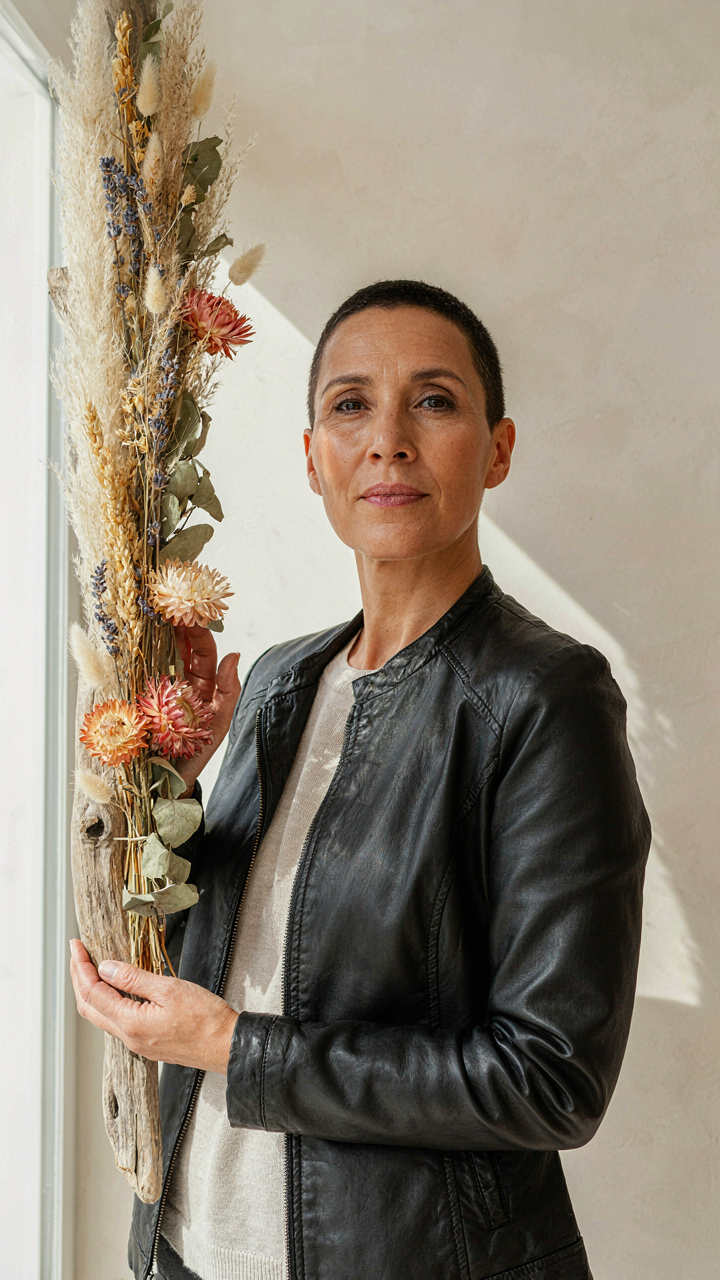
You want permission to make something that looks intentional, not like you assembled it from a junk drawer. The mechanism is visual hierarchy: non-botanical elements work only when they serve as anchors that make the flowers more visible, not less. Think of it as signal versus noise. Found objects stop the eye. Dried flowers fill the space that eye lands on.
The real work is constraint. Wood pieces, wire, stones, and metal fragments aren’t decoration. They’re structural. A branch defines the negative space. A piece of driftwood or weathered metal becomes the frame that forces the viewer’s gaze toward the botanical material. Without this anchoring system, you’re just piling flowers into a vessel. Subordinate every non-botanical element to one job: making the dried flowers the unmissable focal point.
Rough Against Delicate
Contrast isn’t a design principle borrowed from fashion or interior aesthetics. It’s pure visual mechanics, pulled straight from figure-ground theory in perception psychology. In a dried flower arrangement, the texture of unfinished wood, rusted metal, or rough stone creates what psychologists call “perceptual pop-out.” The delicate, paper-thin petals register as separate, distinct, more precious against coarse material.
The arrangement succeeds or fails based on material tension, not decoration. Place bleached or natural wood pieces alongside rust-prone metals. Layer dried flowers with raw burlap or canvas scraps. The flowers gain visual weight through contrast. Arrange your elements so the coarsest materials touch the mounting surface, mid-range textures support the stems, and dried flowers occupy the outermost layer where light hits them directly.
The Anti Trend Guide To Hanging Dried Flowers Wall Placement
Defy The Focal Point Trap
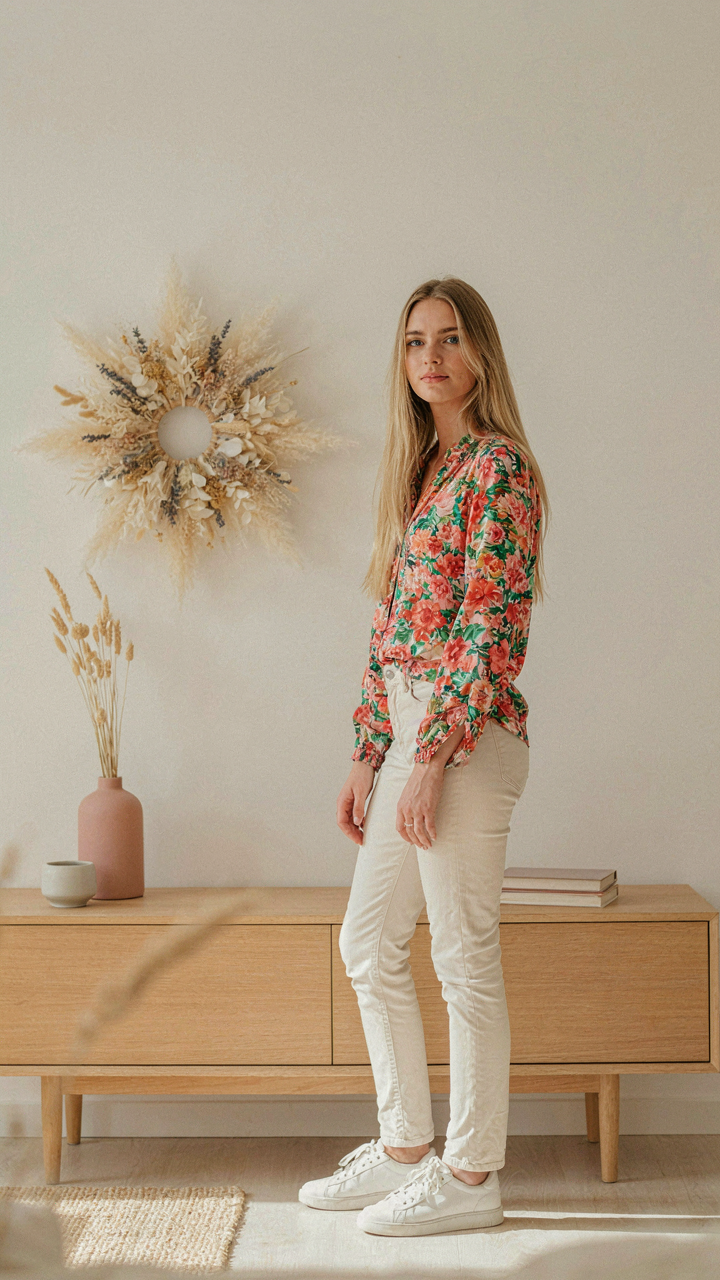
You want permission to break the rules because you’re tired of being told there’s only one right way to arrange anything. The truth is simpler: focal point doctrine comes from painting and architecture, where a viewer’s eye needs somewhere to land in a bounded frame. Dried flowers don’t work that way. They’re objects in actual space, not flat compositions. The mechanism that matters is sight line interruption, not visual hierarchy.
Most design advice tells you to center your hanging or anchor it to a dominant wall feature. That’s wrong for dried flowers. They’re lightweight, textural, and deliberately imperfect. Place them off-center, in the corner above furniture, or as a scattered cluster across an empty wall. The visual weight comes from the arrangement’s depth and material variation, not from its position relative to the room. Move past centering and you stop fighting the object’s actual properties.
Blank Space As Strategy
Negative space in design borrowing from visual weight theory means the emptiness around an object carries as much impact as the object itself. A dried flower hanging gains presence through isolation, not through decorative density. What most people miss is that blank wall around your arrangement does active work—it frames, it breathes, it makes the arrangement legible instead of noise.
Don’t fill walls to justify their existence. A single dried flower hanging on a large empty wall beats a scattered collection trying to fill the void. The gap forces attention onto texture, color variation, and the specific flowers you chose. Measure the wall first. If it’s over 10 feet wide, one centered hanging looks sparse. Use the emptiness deliberately. Let the dried flowers occupy 20 to 30 percent of the wall and leave the rest untouched.
Maintenance Myths: Real Care For Long Lasting Dried Flowers
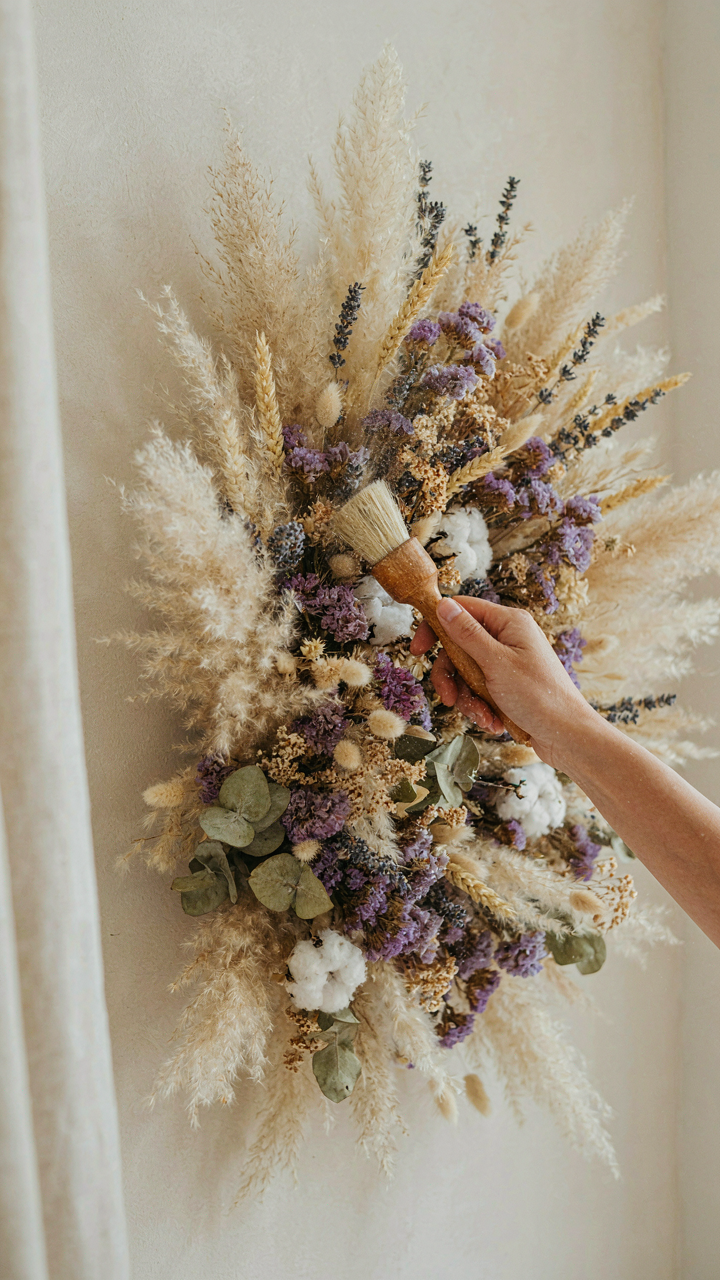
How To Actually Dust Them
You want your hanging to look untouched by time, which is fear masquerading as taste. Here’s what actually happens: dust settles because air moves, and dried flowers are porous. They trap particles in their cellular structure the same way a sponge holds water. Gentle removal matters because the material is brittle, not because you’re being precious about it.
Use a soft-bristled brush or compressed air at low pressure. Brush away from the wall to avoid pushing dust deeper into the petals and stems. Work top to bottom so gravity helps. Do this monthly in normal conditions, every two weeks if you live somewhere with high dust activity like near a highway or construction. The mechanism is simple: regular removal prevents dust from bonding chemically to the flower surface, which happens over months of neglect.
Where Humidity Actually Kills Them
This is where the consensus advice fails completely. People say keep dried flowers dry, which is technically correct but useless without the mechanism. Think of humidity like erosion in geology: it’s not the water itself that destroys, it’s the repeated cycle of expansion and contraction. Dried flowers absorb moisture when humidity rises and release it when humidity drops. This cycling weakens cell walls until petals crack or fall.
The real target is stability, not dryness. Keep your hanging in a space that stays between 30 and 50 percent relative humidity year-round. Avoid bathrooms, kitchens, and direct sunlight because both moisture and UV radiation accelerate the cycling process. If your home has seasonal humidity swings, use a basic hygrometer to track it. The goal is a stable microclimate, not a desert. This single protocol extends the lifespan from months to years.
The Uncurated Aesthetic: Why Perfect Is Overrated

Flaws Are Features, Not Failures
You’re worried people will judge your work as unfinished. That’s the real fear here. The truth is simpler: dried flower arrangements with visible stems, uneven clustering, and color variation read as intentional and trustworthy. Industrial design calls this “revealed process”—when you see how something was made, you believe it more. Dried flowers already show their age and fragility. Stop fighting that. The cracks, the browning at the edges, the asymmetry—these signal authenticity that perfect symmetry destroys.
Dried flowers aren’t meant to look factory-pressed. They’re botanical material that survived transformation. That survival shows as character. When you assemble stems without obsessing over uniform height or spacing, you’re actually working with the flowers’ natural state, not against it. A wall hanging with visible wire knots, slightly loose bunches, and organic color gradients reads as a person’s work, not a commodity. Your hands made it. Let that show.
The Craft Shows When You Stop Performing
Handmade doesn’t mean “imperfectly executed on purpose.” It means you made decisions a machine wouldn’t make. Every dried flower arrangement carries the fingerprints of whoever hung it—literally and in terms of composition choices. The common advice says to hide your process. Wrong. The uncurated aesthetic succeeds because it displays your process. You chose which flowers faced forward. You decided where gaps stayed gaps. You picked that wire color deliberately or left it visible accidentally, and either choice reads as real.
Stop tweaking until your arrangement matches a mood board. The moment you stop adjusting is when your work becomes honest. Document that exact moment. Photograph it at that stage of assembly before you add “just one more stem.” Your first instinct about density, color balance, and negative space is usually correct because it comes from rhythm, not overthinking. That’s the mechanism: your eye lands on a composition and knows it’s done before your doubt rewires the decision.
Your Biggest Obstacle Isn’t The Flowers, It’s Your Resistance To Seeing Imperfection As Character
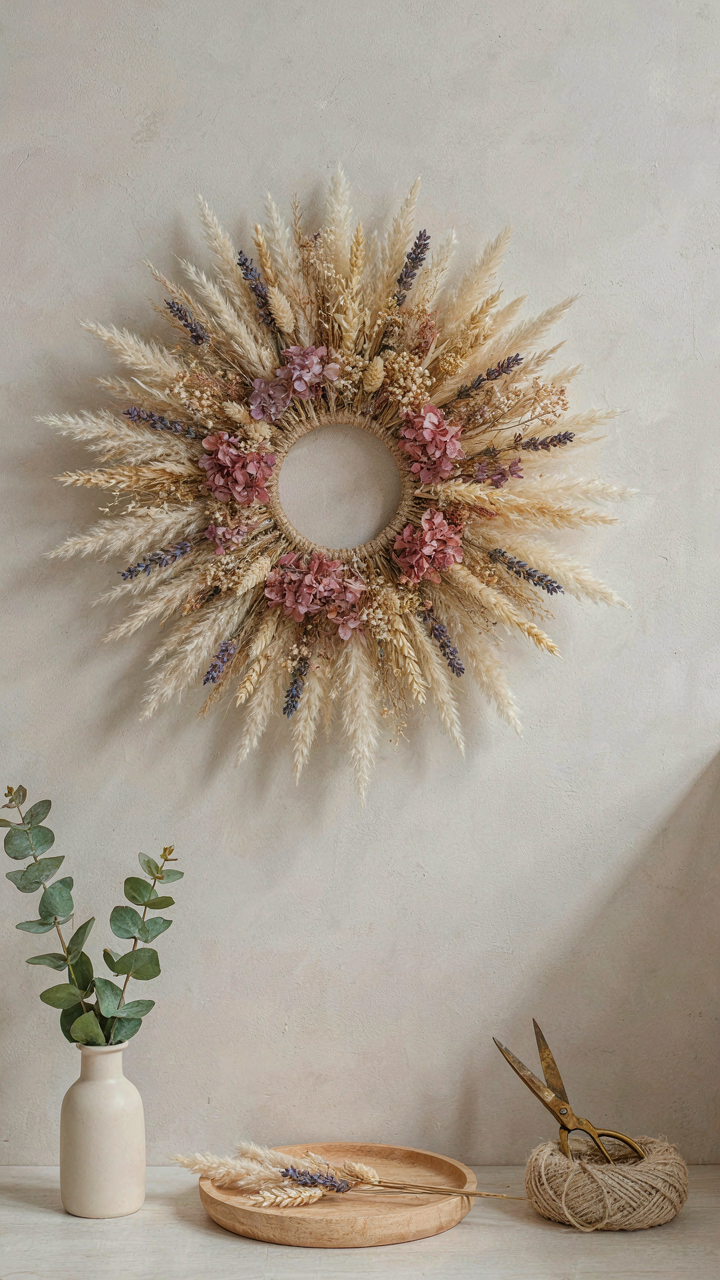
You’re waiting for permission to make your first dried flower wall hanging. You’re not. The gap between knowing and doing dried flower wall hangings dies the moment you stop treating asymmetry like a flaw. Imperfect arrangements sell. Perfect ones bore. Walk to your nearest flowers today, dry them, and hang them crooked. The market doesn’t reward sterile execution, it rewards the nerve to ship work that feels alive.



