
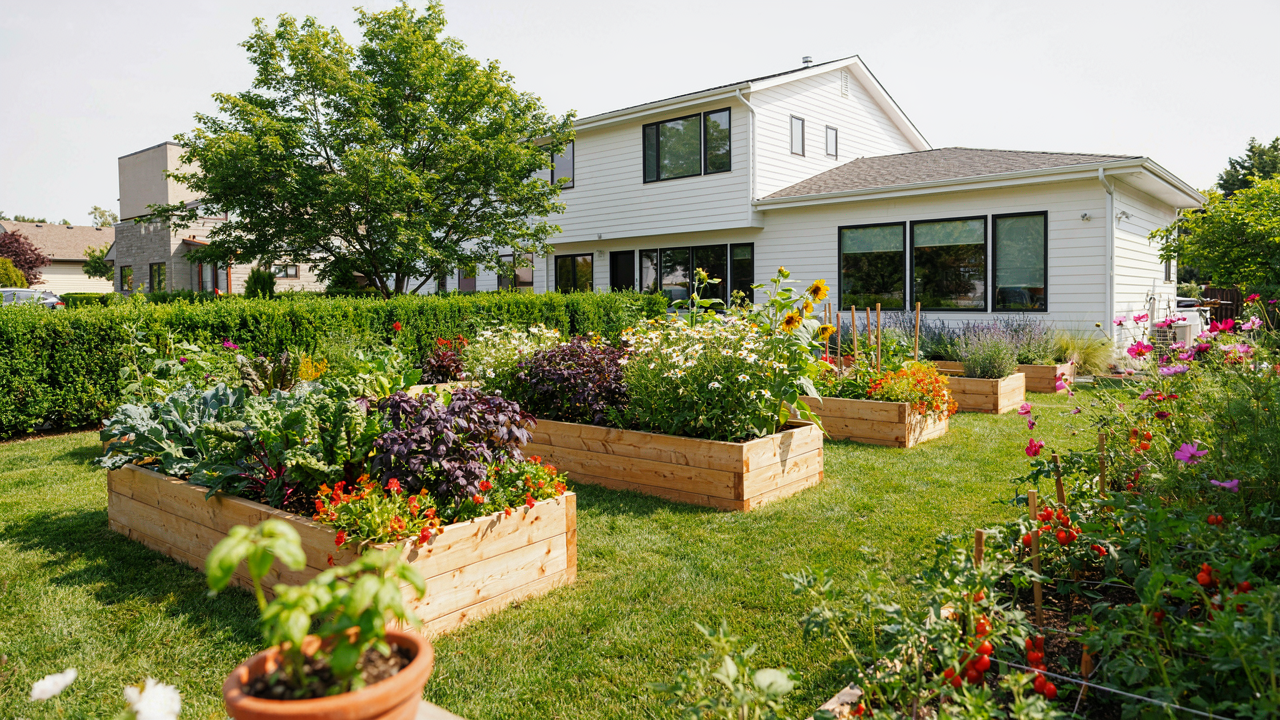
The Myth Of Instant Garden Style: Why Generic Beds Fail

Aesthetic Conformity Kills Personal Space
You want your garden to signal taste without effort. That’s the real reason you’re reading this. But here’s what happens: you buy a cedar raised bed because it matches some design blog’s aesthetic, install it exactly where the internet told you to, and suddenly your yard looks like everyone else’s yard. The mechanism is simple. Mass-produced garden beds come with built-in design decisions already made. The height is standardized. The dimensions are standardized. The placement logic is standardized. You’re not designing anymore. You’re assembling a template. Cedar raised beds work best when you define their role in your specific space first, then source or build accordingly. Generic beds skip this step entirely.
The difference between a garden that feels like yours and one that feels borrowed comes down to constraint. Real design requires friction. You need to know why a bed sits where it sits, how it relates to sun exposure on your property, what sight lines matter from your actual windows, and how the bed’s proportions complement your home’s architecture. Pre-designed cedar beds remove these questions. They arrive with answers already baked in. The result is a garden that photographs well but doesn’t actually improve how you move through or use your outdoor space. Start with function and context, not with the product.
Wood Degradation And Hidden Replacement Costs
The common advice about cedar is that it lasts longer than pressure-treated pine. Partially true, but incomplete. This frames the real problem wrong. Cedar contains natural oils that resist rot better than other softwoods, but those oils deplete over time through UV exposure, weathering, and soil contact. Most cedar raised beds fail not because the wood rots through suddenly but because they degrade in stages. Year one through three look fine. Year four through six the boards start splintering, checking, and warping. By year seven or eight, you’re dealing with structural gaps. The timeline varies based on climate, soil moisture, and whether you sealed the wood initially.
What matters tactically is this: a cedar bed isn’t a one-time purchase. It’s a maintenance commitment with replacement intervals. If you’re buying a cedar bed at retail prices every five to eight years, you’re spending more long-term than choosing a different material upfront. The real cost calculation is total cost of ownership divided by lifespan, not sticker price. Factor in whether you’ll actually reseal the wood annually, which most homeowners don’t. If you won’t maintain it consistently, cheaper materials with built-in durability require less intervention and lower total spending over a decade.
Western Red Cedar: The Unrivaled Investment In Garden Excellence

Why Cedar Actually Outlasts Pressure Treated Wood
You want cedar because it signals you understand durability. Here’s what actually happens: Western red cedar contains natural oils called thujaplicins that repel decay fungi and insects without chemical intervention. This isn’t marketing. The wood’s cellular structure resists water penetration better than treated pine, which means rot starts slower and spreads differently once it begins.
Most people think all wood rots equally under moisture. Wrong. Cedar’s decay resistance comes from its heartwood specifically, which contains these protective compounds. Sapwood still rots normally. When you buy a cedar bed, you’re paying for the heartwood layers to remain intact through seasonal wet cycles. The mechanism is biochemical, not structural. Inferior beds use mixed heartwood and sapwood, diluting this advantage entirely.
Beauty That Compounds Over Time
Cedar doesn’t need stain or sealer to function, but it does age visibly. Raw cedar weathers to silver-gray within two to three years, a shift driven by UV exposure and lignin breakdown on the wood surface. This isn’t decay. It’s cosmetic transformation. Many builders and designers recognize this progression as intentional character, not degradation.
The visual versatility works because cedar accepts stain, sealer, or natural weathering equally well. You choose the aesthetic at purchase, then commit to maintenance accordingly. Sealed cedar maintains warm honey tones. Unsealed cedar shifts to gray. Either path remains stable for years. Your decision at installation determines the maintenance protocol: sealed beds need recoating every three to five years; unsealed beds require only inspection and occasional spot treatment for areas exposed to standing water.
The DIY Cedar Garden Bed Protocol: Building Beyond The Box

Where Your Bed Sits Matters More Than What It’s Made Of
You want to build it yourself because you think the result will look better than a pre-fab option. That’s backwards. The real reason is cost arbitrage and control. Placement determines everything else: sunlight exposure, water drainage, soil depth requirements, and how long the cedar actually lasts. Borrowing from real estate economics, your raised bed follows the location principle. The best cedar means nothing if it sits in shade half the day or pools water at its base.
Most beds fail in year three because they went into the wrong spot initially. Start by mapping your yard’s sun patterns over three days, not three hours. Mark where water naturally collects after rain. Check if tree roots will compete for nutrients or physically damage the bed frame. Position beds at least six feet from downspouts unless you want constant saturation. Cedar resists rot better than pine, but no wood resists standing water. Once you pick the spot, you’re locked in. Moving a full bed costs more in time than getting it right the first time.
Building It Right, Not Just Building It
The generic advice says “use exterior wood screws and corner brackets.” That’s incomplete. Cedar’s weakness isn’t rot resistance, it’s structural integrity under soil weight. A standard four by eight by twelve inch bed holds roughly two tons of wet soil. That load concentrates at the corners, where wood grain separates fastest. Use half inch exterior grade cedar boards minimum, never quarter inch. Attach corners with three quarter inch lag bolts set two inches apart vertically, not corner brackets alone.
Skip the hardware cloth bottom unless gophers or voles are documented in your area. It complicates drainage and you’ll replace it in five years anyway. Instead, level the ground, remove grass completely, and lay down cardboard underneath to suppress weeds. Cedar boards should sit directly on soil, not concrete or gravel, because air circulation underneath prevents moisture trapping. Assemble the frame flat before positioning it. Cut all boards to exact length beforehand. Set the frame in place, square it using the diagonal measurement method, then backfill soil around the exterior perimeter to lock it into position.
Optimizing Soil Dynamics: A Lesson In Garden Bed Permaculture

The Bottom Layer Foundation
You want this section to work because you’re betting your garden’s success on not having to rebuild it next year. The real mechanism is stratification. Borrow from geology: cedar raised beds function like sedimentary layers where each stratum serves a distinct purpose and timeline for nutrient availability. Your bottom layer isn’t decorative spacing. It’s a carbon sink that breaks down over 3 to 5 years, creating drainage channels and feeding slow-release nitrogen into the zones above.
Start with coarse materials: wood chips, straw, or shredded leaves. Cedar’s rot resistance means your bed won’t collapse prematurely, but the interior breakdown still happens. This bottom layer establishes the timeline. Fast decomposition creates compaction and anaerobic pockets. Slow decomposition maintains structure and oxygen flow. Most gardeners dump topsoil directly on bare ground and wonder why their beds drain poorly or compact by season two.
Microbial Colonization And Root Access
Biology drives nutrient cycling in raised beds, not amendment schedules. Introduce fungal networks intentionally by layering finished compost with partially decomposed organic matter. Mycorrhizal fungi colonize wood chips faster than bare soil and create hyphal networks that extend root reach. Cedar’s tannins actually inhibit pathogenic fungi in the top layers while the lower bed environment creates refuge habitat for beneficial microbes.
Don’t add mycorrhizal inoculants to a brand new bed. The colonization happens naturally within the first season if you establish microbial food sources through diverse organic matter. Feed the biology consistently through kitchen scraps, leaf litter, and grass clippings. The soil ecosystem in a cedar raised bed matures around month four to six. Before that point, you’re just adding inputs that won’t process efficiently. After that point, stop amending heavily and start observing what the system tells you it needs.
Beyond Function: Integrating Raised Garden Beds Into Home Architecture

Where Your Eye Lands First
You want your yard to look intentional, not like you bought the first thing that fit the space. Here’s what actually matters: cedar raised garden beds function like focal points in architecture—they anchor vision and movement through a landscape. The mechanism is sightline planning. From your back door, your deck, and your primary windows, what do people see first? A bed placed in the wrong spot breaks the visual hierarchy. One placed right becomes the reason someone notices your yard has thought behind it.
Cedar beds work because they have visual weight without demanding attention aggressively. A well-sited bed stops the eye exactly where you want it to land, then guides it deeper into the yard. Position beds perpendicular to your main sightlines, not parallel. This interrupts the monotony and creates perceived depth. The bed’s height, form, and color do the work—placement does the thinking.
The Material Match That Actually Matters
Color theory gets misused constantly—designers treat it like magic. It’s not. It’s contrast and cohesion. Cedar’s natural warm reddish-brown tone sits in a specific range, and it either harmonizes with your home’s siding, deck, and hardscape or it clashes. New cedar is bright and salmon-toned; aged cedar turns silver-gray. Most people don’t account for this shift when buying.
If your home has warm masonry or tan siding, new cedar reads as coordinated and intentional. If your home is cool-toned gray or charcoal, aged cedar works better because it echoes that palette. Your deck material matters equally—pressure-treated lumber next to cedar creates visual conflict because the color temperatures fight. Pick one material direction and commit to it. Cedar beds should disappear into the overall aesthetic, not stand out as an afterthought.
The 3 Year Cedar Resilience Cycle: Maximizing Your Garden Beds Life

Water Moves Through Wood, Not Around It
You want your cedar bed to last because replacing it costs money and effort you’d rather spend elsewhere. Here’s what actually happens: physics describes capillary action as the movement of liquid through a material against gravity. In cedar raised beds, capillary action pulls moisture upward from the soil into the wood walls continuously. Gravity pulls it back down. The battle between these two forces determines how fast your cedar rots.
Most people think wood sits there absorbing water passively. Wrong. The grain structure creates capillary pathways that actively draw moisture up from wet soil. The bottom interior of your bed experiences constant wicking. If soil stays saturated from poor drainage, capillary action accelerates cedar degradation. The exterior dries faster because air reaches it, but the interior—buried in soil contact—stays compromised. This is why cedar beds fail fastest at the base corners where moisture collects and capillary action works overtime.
Inspect And Seal Before Deterioration Starts
Cedar resists rot longer than most softwoods because of natural oils called thujaplicins. Those oils deplete over time and lose potency when exposed to UV light and water cycling. Annual maintenance prevents the invisible decay that happens before visible damage appears. You don’t maintain cedar to keep it pretty. You maintain it to stop structural failure before it compromises the bed’s ability to hold soil and weight.
The real maintenance cycle runs three years because that’s when cedar’s protective properties thin enough to matter. Year one requires a seal coat applied to all exterior surfaces and the top interior edge. Year two demands inspection of corners and base seams where water pools. Year three needs a reseal before the first layer degrades completely. Skip this sequence and you’re not buying time—you’re accelerating failure. The protocol: inspect in spring, seal any exposed grain or worn areas, check drainage before soil season starts.
Debunking The “Expensive” Cedar Raised Beds Fallacy

The Real Cost Calculation Over Time
You’re scared you’re overpaying. That fear makes you compare cedar beds to cheap plastic or metal alternatives on year-one price alone, which is the mechanism that kills your decision-making. Economics calls this “present bias”—we weight immediate costs heavier than future ones. A cedar bed costs more upfront but operates on depreciation differently than alternatives. Redwood and cedar naturally resist rot through extractive oils; they age rather than degrade. Cheaper beds fail within five to seven years. Cedar lasts fifteen to twenty with basic maintenance.
The math inverts when you measure actual cost per year of use. A 4×8 cedar bed at 300 dollars, used for eighteen years, runs about 17 dollars annually. The plastic alternative at 120 dollars fails at year six, costing 20 dollars per year before replacement. Cedar raised beds are cheaper over time because they don’t ask you to repurchase. That’s not an opinion. That’s arithmetic. Your mistake isn’t the price tag. It’s measuring the wrong timeline.
Build It Yourself Or Buy Ready Made
Here’s the cost-benefit split nobody states clearly. DIY cedar beds require three inputs: material, time, and tools you might not own.
- Raw Material Alone: Untreated cedar lumber runs 200 to 250 dollars for a 4x8x12 bed. No assembly labor included. You pay wholesale pricing but supply your own execution.
- Pre-Built Beds: Assembled cedar frames cost 350 to 500 dollars depending on size and finish. You eliminate tool investment and time but pay a markup that reflects production overhead.
- Tool Requirements: If you don’t own a drill, circular saw, or level, DIY becomes 400 to 600 dollars once you add equipment. Pre-built eliminates this barrier.
- Labor Value Per Hour: DIY takes four to six hours for one bed. If your time costs 30 dollars or more per hour, pre-built saves money in real terms, not just sticker price.
- Quality Consistency: Manufactured beds use kiln-dried cedar and precision joints. Homemade versions depend on your skill level and material selection at the lumber yard.
The decision hinges on whether you have tools already and whether your hourly value justifies eight hours of assembly spread across two beds versus paying the assembly premium. If you’re building four or more beds, DIY math improves. Below that, pre-built makes financial sense. Stop pretending the choice is ideological. Choose the option where the time investment doesn’t exceed your hourly rate multiplied by the labor hours required.
Future Proofing Your Garden: Adaptable Cedar Garden Bed Plans

Modular Designs That Grow With You
You want your garden investment to stay relevant without constant replacement, which means you’re actually trying to avoid the sunk cost trap of rigid systems. The mechanism here comes from systems design: modularity. Cedar beds work because individual boards stack independently, so you add or remove sections without dismantling the entire structure. A 4×8 bed today becomes 4×12 tomorrow. You don’t rebuild from scratch.
Most cedar bed advice treats them as fixed installations, which wastes their real structural advantage. Cedar’s rot resistance buys you time, not permanence. Build your frame with corner brackets rather than nailed joints, use replaceable boards on the perimeter, and keep your depth sections interchangeable. When bottom boards decay in year five, you swap them without touching the frame. This is the actual play: make every component independently replaceable.
Where Cedar Actually Comes From
The timber industry’s sourcing practices matter here because they directly impact product durability and your ability to source replacements. Western red cedar, which dominates the raised bed market, comes primarily from British Columbia and the Pacific Northwest. Most suppliers source from managed forests with replanting cycles, not old growth harvesting. This matters tactically because consistency of supply affects whether you can source matching boards in three years.
Don’t assume all cedar sold for garden beds meets the same standards. Some retailers source from wholesalers who don’t track origin or treatment. Verify whether your supplier can provide species confirmation and forest source before purchase. Cedar graded for outdoor use (heartwood only, no sapwood) lasts longer than budget alternatives that mix grades. Request documentation rather than trusting marketing language about sustainability. The bed that lasts ten years instead of four cuts your actual cost per season in half.
The Only Thing Holding Back Your Garden’s Aesthetic Isn’t Your Budget, It’s Your Conformity

Most people buy cedar raised garden beds to match their neighbor’s setup. Wrong move. You buy them to build something intentional on your property. The shift happens when you stop asking what looks good and start asking what solves your problem while looking intentional doing it. Pick cedar. Size it right. Install it today. Your garden either reflects your choices or reflects everyone else’s.



