
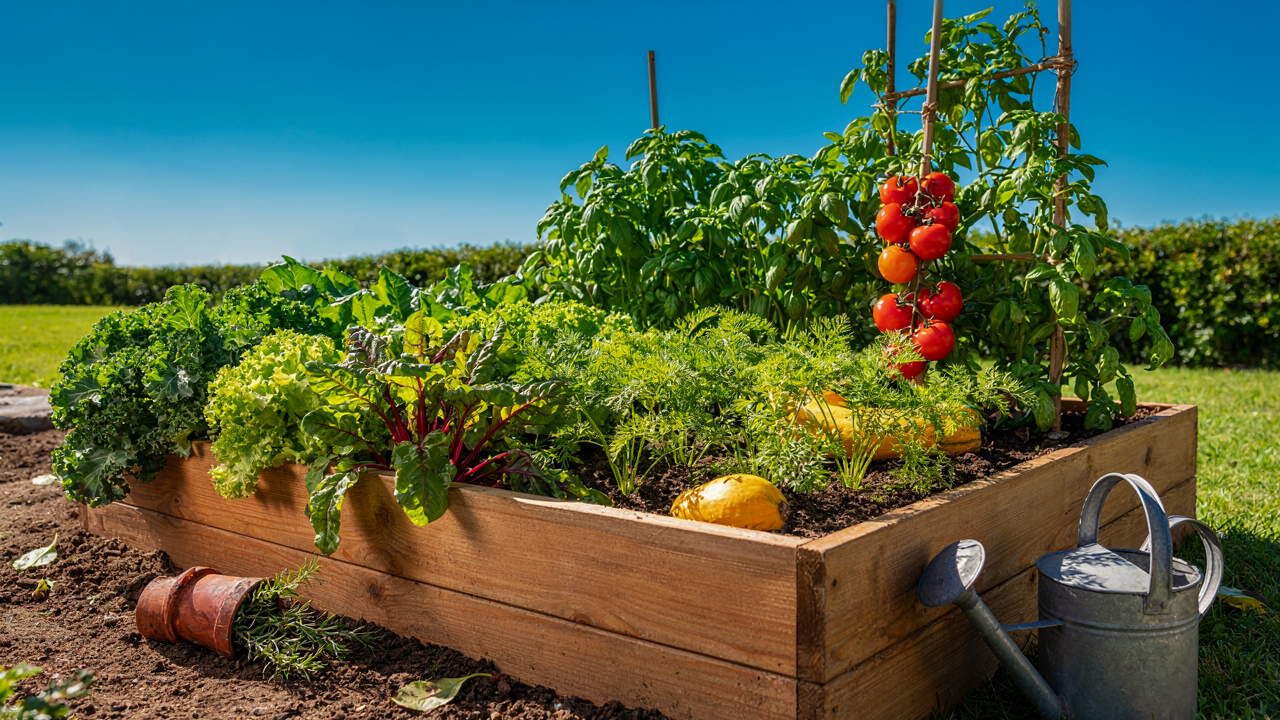
Why “Best Soil For Raised Garden Beds” Is A Lie
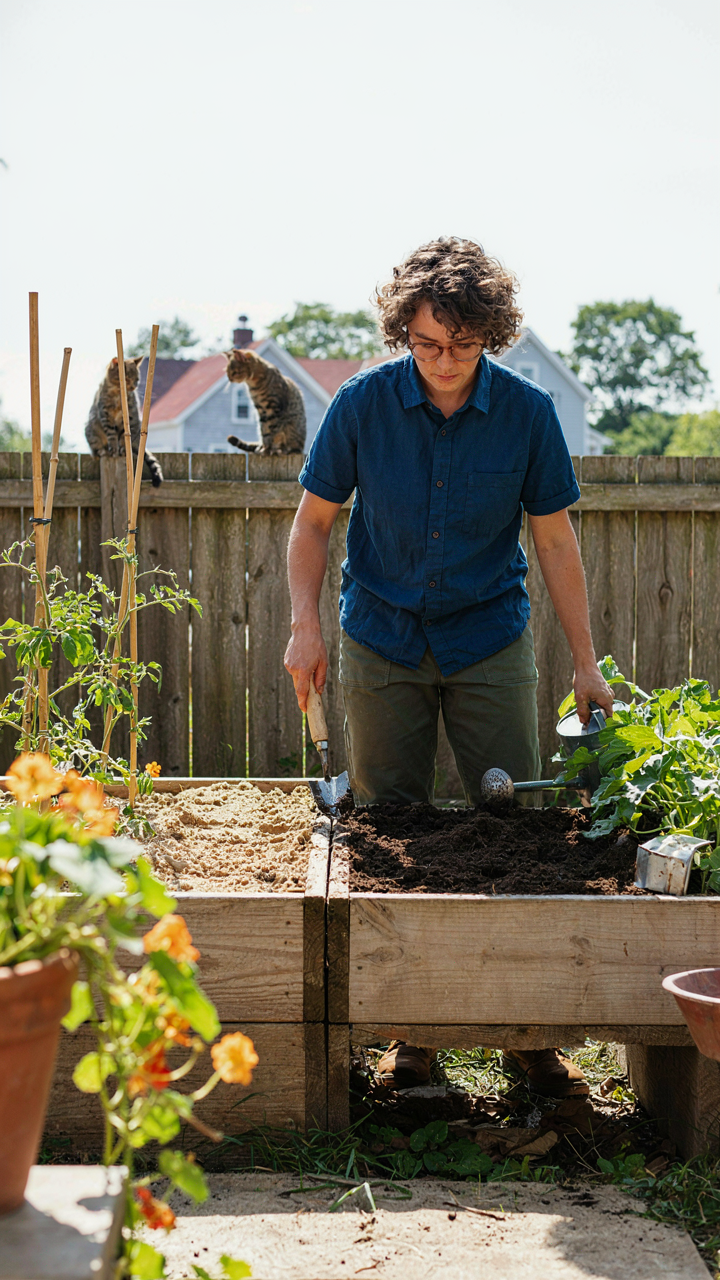
Your Climate And Plants Matter More Than Any Recipe
You want the formula because formulas feel safe. They promise control. Here’s the mechanism: soil is not a product. It’s a system that responds to your specific environment, and any recipe that ignores that is worthless. A 50-30-20 mix works in Portland. It fails in Phoenix. Same ingredients. Different outcomes because water retention, drainage speed, and nutrient cycling change with temperature, humidity, and what you’re actually growing.
Local climate determines how fast water moves through your beds and how long nutrients stay available to roots. In wet climates, you need aggressive drainage. In dry climates, you need water-holding capacity. Plant type matters because tomatoes and lettuce have different root depths and nutrient demands. Shallow-rooted greens tolerate tighter, nutrient-dense mixes. Deep-rooted crops need structure and porosity that a generic formula never accounts for.
Stop Hunting For Universal Answers
The advice that kills most gardeners is the hunt for the one right mix. It doesn’t exist. What exists is understanding why each component serves a function, then adjusting ratios based on what you’re growing and where you live. Compost adds biology and nutrients but holds water. Perlite or coarse sand adds air space but drains fast. Peat or coco coir holds moisture but compacts over time.
The protocol is simple: start with your climate baseline, test your plants’ response in year one, then modify. If drainage is too fast, add more compost. If it’s too slow, add more perlite. If nutrients fade midseason, increase compost ratio next year. Soil is a control variable, not a fixed input. Measure results. Adjust the mix.
The Raised Bed Soil Mix Foundation: Drainage Vs. Retention
The Water Physics Nobody Explains
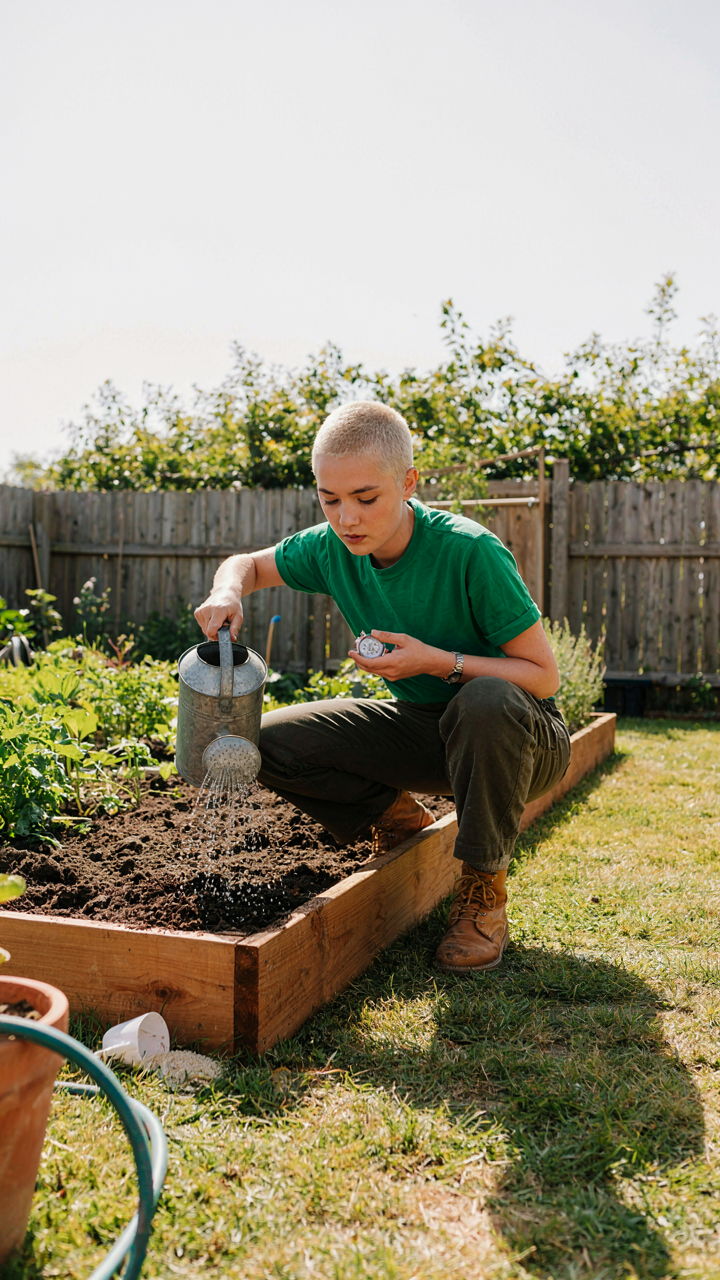
You want your plants to thrive without obsessing over watering schedules. That’s the real reason you’re here. The mechanism that controls this is capillary action—borrowed from fluid dynamics, it’s the exact same force that moves water upward against gravity through soil pores. In raised beds, this becomes your actual problem. Too much pore space and water drains past root zones before plants use it. Too little and roots suffocate in saturated soil. The soil mix you build determines which way the physics breaks.
The standard advice says “use equal parts compost, peat moss or coco coir, and perlite.” That’s incomplete. Equal parts creates medium pore sizes that favor neither drainage nor retention—a compromise that serves nothing well. Instead, you choose your pore structure based on what your climate does. Arid climates need more organic matter to hold moisture. Wet climates need more drainage material. The particle size in your mix controls how fast water moves and how long it stays. This isn’t opinion. It’s physics.
Particle Size Determines Root Access
Soil particles create pore networks. A pore network controls both water movement and air availability—root respiration depends on this oxygen access. Clay particles measure under 0.002 millimeters. Silt runs 0.002 to 0.05 millimeters. Sand spans 0.05 to 2 millimeters. Compost particles vary wildly, typically 2 to 10 millimeters. When you mix these sizes, small particles fill gaps between large ones, creating a gradient of pore sizes from macropores to micropores.
The actionable mechanism: use compost as your base (60-70% by volume), add coarse materials like perlite or aged wood chips (20-30%), and include a sand component if your compost lacks mineral structure (10-20%). Measure by volume, not weight—weight varies too much by moisture content. Build your mix, wet it thoroughly, and time how long water takes to drain through a test layer. Water should pass through in under 30 seconds. If it pools, add more drainage material. If it vanishes in under 5 seconds, add more organic matter. This test removes guessing from the equation.
The Soil For Raised Beds Deception: Beyond Just “Dirt”

Why Topsoil Alone Fails You
You want to dump cheap topsoil in your bed and call it done. It won’t work. Topsoil is surface soil stripped from construction sites or agricultural land, and it’s already depleted. It contains mineral particles but lacks the structural backbone your raised bed needs: organic matter that holds water, air space, and nutrients in a form plants can actually use.
Topsoil compacts. Within one season, a bed filled only with topsoil becomes dense and hydrophobic. Roots struggle. Water runs off instead of penetrating. The real mechanism is this: organic matter acts as the soil’s skeleton. It creates pore space. It buffers pH swings. It feeds the organisms that convert locked nutrients into plant-available forms. Without it, you’re gardening in dead material, not living soil.
The Fertility Engine Nobody Mentions
Biology teaches us about the food chain. In soil, the food chain is the fertility chain. Bacteria consume organic matter and release nitrogen. Fungi break down complex compounds into plant-available minerals. Protozoa eat bacteria and mineralize their waste. Arthropods shred material and feed the microbial army. This system doesn’t activate in sterile topsoil. It activates only when you introduce the raw material these organisms need to eat.
Most raised bed guides tell you to add compost. That’s incomplete. Compost is already half-digested. What your bed actually needs is a mix that includes actively decomposing material: aged wood chips, leaf mold, worm castings, or fresh compost that still hosts living microbes. The microbes do the work. You just feed them. Add materials that support active microbial populations, not materials that have already been fully processed into inert substances.
The “Best Soil Mix For Raised Beds” Components Debunked

Compost: Stop Treating It Like A Magic Ingredient
You want compost in your mix because it makes you feel like you’re doing something right, but most people add the wrong amount for the wrong reason. Compost works through nutrient density and microbial load, not through some mystical fertility. The mechanism is simple: finished compost contains soluble nutrients and established colonies of decomposers that continue breaking down organic matter in your bed. Quality matters more than quantity. Poor compost introduces pathogens and weed seeds. Source determines everything.
The consensus says 30 to 40 percent compost. That’s lazy math. Your actual ratio depends on what you’re growing and what your base soil looks like. Vegetable beds need 20 to 30 percent if you’re using good topsoil as your foundation. If you’re starting with subsoil or construction waste, you might push to 35 percent. The real constraint isn’t the percentage—it’s whether your compost is actually finished. Compost that’s still decomposing will consume nitrogen from your plants as it breaks down further, starving them exactly when they need it most.
Peat Moss Versus Coco Coir: What You’re Actually Choosing
This isn’t a question about sustainability or morality. It’s a question about water retention and cation exchange capacity, which is the soil science term for the material’s ability to hold onto nutrients. Peat moss outperforms coco coir on both fronts. Peat holds water longer, releasing it slower as plant roots draw it down. Coco coir hydrates faster but also drains faster, meaning nutrients leach away quicker in both directions.
The sustainability argument against peat is real but incomplete. Peat bogs do recover, slowly. Coco coir production concentrates in regions with exploitative labor and creates disposal problems nobody wants to admit. Neither is clean. The choice should depend on your climate and watering discipline. Hot, dry regions benefit from peat’s water-holding power. Humid regions or growers with inconsistent watering patterns might prefer coco coir’s faster drainage, which reduces root rot risk. Test both in small beds first, not your whole garden.
The Raised Garden Bed Soil Mixture Calibration Protocol

Know Your Soil Before You Buy Anything
You want to skip the soil test because you think you already know what your bed needs. You don’t. Soil testing is forensics—it reveals what’s actually in your mix versus what you assume is there. Think of it like debugging code: you can’t fix what you can’t measure. A baseline test shows nutrient levels, organic matter content, pH, and microbial activity. Without this data, you’re amending blind, wasting money on amendments you don’t need while missing the ones you do.
Most gardeners grab a bag of “garden soil” and call it done. The real mechanism works differently. A soil test from your local extension office or a private lab costs fifteen to thirty dollars and takes two weeks. It returns exact numbers: nitrogen parts per million, phosphorus availability, potassium levels, calcium, magnesium, and micronutrient status. You identify the gaps between what the test shows and what your plants demand. Then you calibrate your mix to fill those gaps with precision, not guesswork.
- Nitrogen (N): Drives leaf growth and chlorophyll production. Deficiency shows as yellowing older leaves. Test results guide how much compost or fertilizer to blend into your base mix.
- Phosphorus (P): Critical for root development and flowering. Low levels stunt establishment and reduce yield. Bone meal or rock phosphate corrects deficiency when added to your initial mix.
- Potassium (K): Regulates water uptake and disease resistance. Deficiency appears as brown leaf edges. Potassium sulfate or wood ash adjusts levels based on test results.
- Calcium and Magnesium: Essential for cell structure and photosynthesis. Limestone adds both while raising pH. Epsom salt adds magnesium alone if pH is already adequate.
- Micronutrients (Iron, Zinc, Boron, Copper): Required in small amounts but critical for enzyme function. Deficiencies cause stunted growth or unusual leaf discoloration. A comprehensive test catches these before they tank your season.
The second test comes after your first season. Raised beds shift chemically as plants extract nutrients and microbial activity accelerates. Test again to see what depleted and what accumulated. This becomes your amendment schedule for year two and beyond.
Calibrate PH To Plant Demand, Not Some Magic Number
Most guides tell you to aim for pH 6.5 and stop thinking. Wrong. pH isn’t a universal target—it’s a lever that controls nutrient availability for specific plants. In chemistry terms, soil acts like a buffer system: nutrients lock up or release based on hydrogen ion concentration. Tomatoes tolerate 6.0 to 6.8. Blueberries demand 4.5 to 5.5. Brassicas prefer 6.5 to 7.5. You don’t amend for a range you read online; you amend for the plants you’re growing.
Acidic soils (below 6.0) lock up phosphorus and potassium while mobilizing aluminum and manganese to toxic levels. Alkaline soils (above 7.5) immobilize iron, zinc, and manganese, causing deficiencies even when nutrients exist in the soil. Your soil test includes a pH reading. If you’re growing mixed vegetables, 6.5 works as a safe middle ground. If you’re growing blueberries in a raised bed with azaleas, you sulfur your mix down to 5.0 before planting. If you’re growing lettuce and spinach, you can run 6.8 without consequence. The mechanism is this: measure your soil pH, identify what you’re planting, then decide if you need to move the needle.
To lower pH, you add sulfur. Elemental sulfur works slowly as microbes convert it to sulfuric acid over weeks. Aluminum sulfate works faster, hitting pH in days. To raise pH, you add lime. Agricultural limestone (calcium carbonate) is slow. Hydrated lime (calcium hydroxide) works in days. The amount depends on your current pH, your target pH, and your soil’s buffering capacity. Your extension office provides a chart: current pH to target pH, times soil type. Follow that chart rather than guessing. Measure pH again in two weeks after any amendment. The goal isn’t perfection; it’s establishing an environment where your chosen plants can access the nutrients already present in your mix.
Maximizing Garden Soil Longevity: The Perennial Strategy

Stop Tilling, Start Protecting
You want your raised bed to stay productive without replacing soil every season because replacing soil costs money and time you don’t have. The mechanism is simple: tilling destroys soil structure. Every time you turn the bed over, you break the aggregate bonds that hold pore spaces open. Those pores are how water drains, how roots penetrate, and how microbes survive. No-till strategy borrows from soil physics the concept of structural integrity. In raised beds, structural integrity means leaving the soil profile undisturbed so aggregates remain intact and functional.
The practice is straightforward. Plant directly into existing soil. Add compost or organic matter on top each season. Let fungi and arthropods work the amendments down naturally. You lose nothing by stopping tillage, and you gain years of stable structure. Most gardeners till because they think they need to. They don’t. Undisturbed soil builds biological highways that tilled soil takes months to rebuild.
Living Mulch Holds Everything Together
Cover crops are not decoration. They’re a mechanism for preventing erosion and feeding the soil at the same time. Plant them after harvest or in off-season gaps. Their roots hold the soil matrix in place while they’re growing. When you cut them down and leave the biomass, you add organic matter that breaks down into available nutrients. The biology doesn’t care if you call it a cover crop or green manure; the output is the same: less erosion, more fertility, lower input costs.
Choose species based on your climate and season. Winter rye works in cold zones. Legumes like clover or vetch fix nitrogen. Plant densely enough that bare soil stays covered. Cut them before they set seed unless you want volunteer plants next year. This cycle repeats every off-season, so your raised bed gets richer with each cycle, not poorer.
The Raised Beds Hydro Dynamics Principle

How Water Actually Moves Through Your Mix
You want predictable yields without constantly guessing whether your soil is too wet or too dry. Here’s what nobody tells you: soil isn’t a sponge that holds water evenly. It’s a fluid system where water follows pressure gradients, not your intuition.
Borrow the concept from fluid dynamics called “flow rate.” In raised beds, water moves fastest through large pores (sand particles) and slowest through small pores (clay). When you mix 40% compost, 40% topsoil, and 20% perlite, you’re not creating a random blend. You’re engineering pathways that let water drain at a speed that matches plant uptake. Too much clay clogs the system. Too much sand creates dry pockets. The ratio controls how fast water moves vertically and laterally through the soil profile.
Capillary Action Distributes Moisture Uniformly
Most gardeners think capillary action is magic water rising against gravity. It’s not. It’s the adhesive force between water molecules and soil particles pulling moisture upward through small pores. This only works if your soil mix contains enough fine particles and maintains consistent density.
A 40/40/20 mix (compost, topsoil, perlite) sustains capillary rise about 8 to 12 inches depending on packing and initial saturation. Water wicks from wet lower layers to drier upper layers, which means you don’t need to water as frequently or deeply if you’ve built the right structure. The mechanism is simple: after you water, wait 24 hours for capillary equilibrium to establish, then check soil moisture 3 inches down. If it’s moist there, your capillary system is working. If it’s bone dry, you’ve overengineered drainage and starved the roots.
The Cost Benefit Fallacy Of Cheap Soil For Raised Garden Beds

You’re Buying Time, Not Dirt
You want to feel smart about spending less upfront. That’s the real draw. But here’s the mechanism: cheap soil lacks structure because it contains little to no organic matter or aggregates that bind particles together. In economics, this is called a false economy—you reduce input cost while the output deteriorates. A fifty-dollar bag of premium mix holds water and nutrients for months. A twenty-dollar bag compacts, drains poorly, and demands amendment by season two.
The math looks obvious when you spread it on paper. Cheap soil costs half as much, so you save money. In practice, cheap soil forces you to buy new soil again the next year, or worse, spend money on additives to rescue what’s already in the bed. You’re not actually choosing between two options—you’re choosing between paying once or paying twice.
The Invisible Tax Of Your Own Time
Nobody counts hours as a cost, which is why this catches everyone. Time shows up as effort, not a line item on a receipt. A bed filled with substandard soil requires more frequent watering because it doesn’t hold moisture. It needs more fertilizer because nutrient retention is poor. You’re troubleshooting problems that shouldn’t exist instead of maintaining a system that works.
The protocol is simple: calculate your hourly value, multiply it by the extra hours you spend managing a struggling bed, then compare that total to the price difference between cheap and quality soil. Most growers discover the expensive soil was actually cheaper. Start here: track how much time you spend amending, testing, and watering a bed over one season. That number determines whether you should ever buy cheap soil again.
Advanced Soil Mix For Raised Beds: Beyond The Basics

Biochar Integration For Water And Carbon
You want biochar in your mix because you think it makes you look like you understand soil science. The real mechanism is simpler: biochar is porous carbon that traps water and nutrients in its structure, then releases them slowly as roots demand them. This is a physics problem, not a gardening trend. Biochar acts as a microscopic reservoir.
Most advice skips the critical detail: raw biochar is useless. It needs to be colonized first, meaning you charge it with nutrients and microbes before mixing it into soil. Add biochar at 5-10% by volume to your raised bed mix. Pre-soak it in compost tea or diluted fish emulsion for 24-48 hours before blending. This activates the pores and jumpstarts microbial colonization so it performs on day one instead of sitting dormant for months.
Mycorrhizal Fungi For Root Network Expansion
Mycorrhizal fungi form symbiotic relationships with plant roots, extending their reach underground like a branching supply network. You add inoculant to your mix because root systems alone are resource-constrained. Fungi solve this by trading carbohydrates from the plant for water and nutrients the fungus accesses from soil further out. The partnership scales your root system’s effective reach without growing more roots.
- Arbuscular mycorrhizae (AM): Colonize inside root cells, best for vegetables, herbs, and most ornamentals. Most common type for raised beds.
- Ectomycorrhizae (ECM): Form networks outside roots, suited for trees and shrubs. Less relevant for annual vegetable beds.
- Rhizopogon species: Specific fungal genus that works aggressively in coarser soils and lower pH environments common in raised beds.
- Inoculant timing: Add mycorrhizal powder or liquid during soil mix assembly, not after planting. Colonization takes 2-4 weeks to establish.
- Inoculant concentration: Use products labeled 1000+ spores per gram minimum. Lower concentrations waste money and soil volume.
Quality inoculant products list species on the label and include viable spore counts. Buy from suppliers who refrigerate stock. Mycorrhizae die in heat and lose viability after 6-12 months. Mix inoculant into your raised bed soil as you assemble it, ensuring spores contact the growing medium throughout, not just at the surface where they desiccate quickly.
The Top Soil Illusion: Building, Not Buying Fertility

Stacking Layers, Not Buying Finished Soil
You want to buy a bag and be done. That’s the real reason you’re reading this. The mechanism is simple: soil structure isn’t purchased, it’s constructed through deliberate layering that mimics natural decomposition cycles. Most raised bed owners buy topsoil, dump it, and wonder why yields crater by year two. They’re treating soil as a static product instead of a system that requires intentional architecture.
Start with coarse material at the base. Use branches, wood chips, or straw. This creates air pockets and establishes drainage channels that prevent compaction. Layer compost next, then aged manure, then leaf mold or peat moss. Each layer breaks down at different rates, creating a time-release fertility engine. The bottom layers feed the system for years while top layers provide immediate nutrient availability. This isn’t decoration. It’s the difference between soil that dies and soil that compounds.
Deep Roots Mine What Shallow Systems Miss
Biology calls this nutrient cycling, and your raised bed soil mix is the medium where it happens. Plant deep-rooted perennials or cover crops that fracture compacted layers and pull minerals from below the topsoil zone. Comfrey, alfalfa, and buckwheat access nutrients your annual vegetables can’t reach. When you cut and leave these plants in the bed, you’re importing fertility from deeper soil strata into your upper growing zone without buying anything.
This works because deep roots function as biological pumps. They draw up minerals locked in lower layers, concentrate them in leaves, and return them to your bed as decomposing biomass. Rotate cover crops between growing seasons. Plant comfrey on the perimeter where it won’t compete with vegetables but contributes continuous leaf mulch. The soil in your raised bed stops being a temporary reservoir and becomes an accumulation system that gains fertility every season instead of depleting it.
The Only Ultimate Guide You Need Is The One You Write Yourself, Based On Observation, Not Dogma

Stop waiting for permission to experiment. Buy three bags of different raised bed soil mixes, plant the same seeds in each, and watch what actually happens in your specific climate. The recipe that works in Colorado won’t work in Florida. Your soil won’t care about ratios until you test them. Today, grab one bag that breaks the “rules” you read here. Observe for six weeks. The only raised bed soil mix that matters is the one your plants tell you works.



