

The Pollinator Garden Design Fallacy: Beyond Pretty Flowers

You’re Building A Photo, Not A Lifecycle
You want a garden that looks intentional. That’s the real reason you’re here. The mechanism most garden advice misses: people plant for the adult butterfly, not the caterpillar. They buy nectar plants, arrange them for visual impact, then wonder why butterflies pass through without staying. Common mistakes start here. You plant zinnias and coneflowers because every garden blog recommends them. You ignore that most butterfly species need specific host plants to lay eggs. You optimize for aesthetics instead of reproduction. A nectar plant feeds a butterfly for a day. A host plant feeds a generation.
The distinction matters because butterflies operate on two separate nutritional tracks, and your garden design reflects only one. Adult butterflies need nectar to fuel flight and reproduction. But caterpillars need host plants to grow from egg to chrysalis. Without host plants, butterflies visit your garden, drink, and leave. They don’t lay eggs. You get temporary visitors, not residents. This is why gardens filled with beautiful flowers attract few butterflies. You’ve solved the wrong problem.
The Host Plant Reversal
Forget the conventional approach. Start with host plants, then add nectar sources around them. Host plants are often considered weeds or unremarkable by standard garden aesthetics. Milkweed species feed Monarch caterpillars exclusively. Parsley, fennel, and dill feed Swallowtail caterpillars. Native thistles support certain brush-footed butterflies. These plants don’t photograph as well as dahlias or salvia. They grow without fuss. They look sparse until caterpillars arrive. This reversal disrupts the typical design workflow, but it’s the only one that produces results.
The protocol is straightforward: map which butterflies you want in your region, identify their required host plants, then install those plants first. Space them with intention. Add nectar plants in clusters nearby so adult butterflies have fuel without straying far from where their offspring will feed. Native milkweed should occupy the foundation of any butterfly garden designed for Monarchs. Non-native ornamental plants can supplement, but they cannot replace host plants. Your garden’s success depends on whether caterpillars survive to pupate, not whether humans find it photogenic.
The Monarch Migration Protocol: A Multi Generational Blueprint
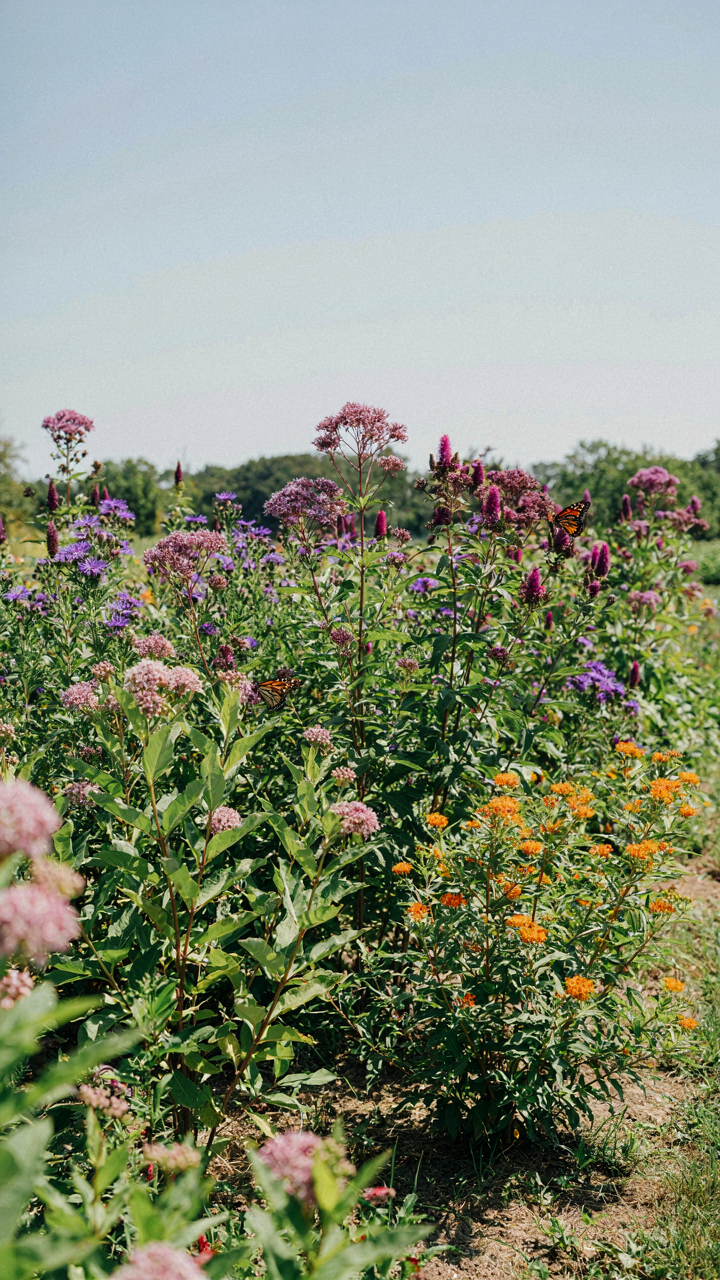
Planting For The Flight Path
You want Monarchs to show up on schedule because it signals you’ve built something that works. Here’s what most people miss: Monarchs don’t navigate by landmarks or memory. They navigate by day length and temperature gradients. This means your garden placement must align with their actual migration corridor, not your aesthetic preference.
Position milkweed—the only host plant Monarchs use—perpendicular to the prevailing spring and fall wind patterns in your region. Monarchs ride thermal updrafts and wind currents. If you plant in a sheltered spot facing the wrong direction, you’ll get locals but miss the migration pulse entirely. The mechanism borrowed from physics is vector alignment: your plants must orient with the directional force they’re flying into, not against it.
Bloom Staggering For Four Generations
The mistake everyone makes is planting one variety of milkweed and one variety of nectar source. Monarchs complete four generations per year in most regions—three northern, one southern. Each generation has different timing needs. Early spring brood needs early blooming plants. The final fall brood needs late bloomers that sustain them through September and October for their long-distance flight.
Stagger your milkweed plantings by two to three weeks between varieties. Use common milkweed for mid-season, showy milkweed for late summer, and butterfly weed for early emergence. Pair these with early asters, Joe-Pye weed, and ironweed for nectar continuity. Without this succession, you’ll have bare plants when that generation emerges—they’ll lay eggs nowhere, or worse, leave your garden for a neighbor’s.
Cultivating The Caterpillar: The Unseen Engine Of Butterfly Gardens

Host Plants That Attract Butterflies
You want the butterflies. What you actually want is the caterpillars, because that’s where the real work happens—and most people skip this step entirely. In ecology, we call this the “trophic level” principle: energy moves up the food chain, and butterflies cannot exist without the larval stage consuming specific plant material. Pick the wrong host plants, and you get a garden that looks good in photos but produces nothing.
- Milkweed (Asclepias species): Non-negotiable for monarch caterpillars. They feed exclusively on milkweed leaves and cannot survive on substitutes. Common milkweed, swamp milkweed, and showy milkweed all work depending on your climate zone.
- Parsley, Dill, and Fennel: These host black swallowtail caterpillars. The caterpillars strip leaves aggressively, so plant surplus if you want ornamentals to survive alongside them.
- Nettles (Urtica dioica): Bristly but essential. Red admirals and tortoiseshell butterflies lay eggs here. Contain them in a designated zone—they spread fast.
- Lupines: Host several butterfly species including sulphurs and blues. Native lupines perform better than cultivars in matching local butterfly populations.
- Passion Vine (Passiflora species): Gulf fritillary caterpillars depend on this. It’s aggressive in warm climates—use it as a boundary plant or contained section.
The list above isn’t decorative. These plants exist in your garden for one reason: caterpillar survival. Choose based on which butterflies you actually want to breed, not which plants look nice. Research your region’s native butterfly species first, then work backward to their host plants.
Creating Microclimates For Larval Development
Caterpillars don’t care about your garden’s aesthetic zones. They care about three things: food availability, shelter from predators, and temperature stability. You need to engineer pockets where these three conditions converge, which means abandoning the manicured look entirely in certain areas.
Build dense clusters of host plants instead of scattering them. Caterpillars are exposed to wasps, birds, and weather when they travel between isolated plants. Grouping milkweed, nettles, or parsley into thick stands reduces predation pressure and lets larvae complete development faster. This also creates microclimate variation—the center of a dense cluster stays cooler and more humid than exposed edges. Plant taller vegetation on the north side to provide afternoon shade in hot climates, and leave some bare soil patches nearby where pupating butterflies need to burrow or attach chrysalises. The goal is a semi-wild zone, not a managed bed.
Beyond Nectar: The Hidden Value Of Water And Shelter

Water Sources Beyond Puddling Stations
You want butterflies to stay longer so your garden looks intentional. Here’s the mechanism: butterflies need water year-round, not just minerals from mud. Most guides stop at puddling stations and call it done. They’re missing half the picture. Butterflies extract moisture from soil, rotting fruit, and standing water differently based on species and season. A puddling station addresses minerals but ignores hydration during dry spells and cold months when ground water freezes.
Shallow dishes filled with water and pebbles work better than bare mud because butterflies land on the pebbles, not the water itself, preventing drowning while they drink. Change water every two days to avoid mosquito breeding. Position these dishes in morning sun so butterflies can warm up while drinking. Add a second water source in afternoon shade for heat-stressed individuals. Stone or rock features that retain moisture from rain work passively year-round. The key move: water placement directly determines how long butterflies linger in your space.
Strategic Placement Of Natural Shelters
Wind and predators end butterfly visits before nectar does. Deploy shelter using defense-in-depth strategy from military tactics, where butterflies retreat through layered protection rather than seeking one hiding spot. Dense shrubs create the outer perimeter. Mid-height plants form the middle layer. Low ground cover becomes the final refuge. This gradient matters because different butterfly species seek shelter at different heights based on their wing size and flight speed.
Native shrubs like serviceberry, chokeberry, and ninebark provide wind blocks while flowering late enough to extend the season. Position these on the north and west sides of your garden where wind hits hardest. Dead stems left standing through winter shelter hibernating chrysalises. Evergreens trap heat and create microhabitats for overwintering stages. Install shelter before you plant nectar sources. A butterfly garden without wind protection is an open field where insects pass through instead of stopping.
The Ecological Niche Strategy: Optimizing Butterfly Garden Ideas

Species Diversity Through Niche Positioning
You want a garden that looks intentional, like you understand something others don’t. That desire is fine, but it won’t create diversity. Evolutionary biology teaches us that species coexist by occupying distinct niches—specific roles and resources within an ecosystem. In butterfly garden plants, the niche is the plant’s nectar quality, bloom timing, and host plant function. Most gardeners plant randomly and wonder why they see three butterfly species instead of twelve.
Butterflies need different things at different times. Early spring requires nectar plants blooming before April. Swallowtails need host plants like parsley and dill specifically for caterpillar development, not just adult feeding. Monarchs depend on milkweed exclusively for their larvae. The mechanism is simple: map what each butterfly species requires, then position plants to fill those gaps. Your garden becomes a sequence of resource availability, not a decoration.
Plant Density For Active Butterfly Recruitment
Dense planting looks wrong to people trained on traditional landscape spacing. It also works. Butterflies locate plants through color and scent detection at distance, but they commit to landing only when they encounter clustering. A single milkweed plant gets ignored. Five milkweeds grouped together signal a reliable resource, triggering landing behavior and egg-laying.
Density also extends bloom duration through competition for resources and microclimate variation. Plants in tighter spacing create partial shade for some specimens, keeping them flowering longer than isolated plants would. The tactical protocol is straightforward: plant host species in groups of three to five, spaced twelve to eighteen inches apart within the cluster. Space clusters themselves four to six feet from other clusters. This creates identifiable resource zones that butterflies recognize and revisit.
Garden Butterfly Planting Tips: The Minimalist’s Approach

Plants That Survive Neglect
You want a butterfly garden that doesn’t demand constant attention because deep down you’re testing whether you can actually commit to something. Here’s the mechanism: butterflies need nectar sources, but most gardeners kill plants through overwatering or fussy care, which defeats the entire purpose. Select species that thrive in your climate zone with minimal intervention.
Milkweed, coneflower, and zinnias handle drought, poor soil, and temperature swings without collapsing. Black-eyed Susans tolerate both wet and dry seasons. These aren’t wimpy ornamentals. They’re built for survival. Plant them once, water them during establishment, then let the ecosystem do the work. The result: butterflies show up because the food source stays consistent, not because you played gardener every weekend.
Density Drives Efficiency
Think like an economist studying resource allocation, not a landscape designer with infinite space. Clustering creates what economists call economies of scale: butterflies locate multiple nectar sources in one flight pattern instead of searching scattered plants across your yard. This reduces their energy expenditure and increases visitation frequency.
Group five to seven plants of the same species in blocks rather than spreading singles across beds. Butterflies navigate by visual concentration and scent plumes. A dense patch broadcasts location faster than isolated specimens. Space blocks two to three feet apart so you can move between them without crushing plants. This layout cuts your maintenance zone and maximizes butterfly activity in the smallest footprint possible.
The Bio Rhythmic Garden: Syncing With Nature’s Clock

When Butterflies Actually Show Up
You want the garden to look alive when people visit, not dead. That’s the real game here. Timing matters because butterflies emerge on a biological schedule tied to temperature and daylight, not your social calendar. Monarchs move north in spring and south in fall. Swallowtails peak in early summer. Common species like Painted Ladies have multiple broods across the season. Plant bloom times that coincide with these cycles create actual butterfly activity instead of an empty stage.
Most gardeners miss this because they treat butterfly plants like ornamentals. They plant for continuous color and assume butterflies will show up year-round. Wrong. Butterflies need nectar when they’re active, not when it looks good in photos. Match your plant selections to local emergence patterns. Spring bloomers like phlox and candytuft feed early migrants. Summer plants like coneflower and zinnias sustain peak butterfly populations. Fall asters extend the season for breeding generations before migration. The mechanism is simple: no food source during peak emergence equals no butterflies.
Stagger Your Plants Across Four Seasons
Seasonal rotation means replacing or adding plants as emergence patterns shift, keeping nectar available when butterflies actually need it. This isn’t about aesthetics. It’s about supply matching demand. Spring ephemerals bloom when overwintering species emerge hungry. By early summer, they fade and summer bloomers take over. Fall bloomers catch the final generation before migration or hibernation begins. Each season demands different plant species with different nutrient timing.
The protocol is straightforward: audit your local butterfly species and their flight times, then map plant bloom periods against that data. Research what grows in your zone and when each species flowers. Plant spring bloomers in fall, summer bloomers in spring, fall bloomers in late summer. Don’t scatter random plants hoping something works. Build the schedule first, then plant to it. Document bloom dates in your first year so you know exactly when gaps occur, then fill those gaps with targeted additions in subsequent seasons.
Winter Survival: Overlooked Aspects Of Butterfly Gardens

Shelter Structures For Cold Months
You want your garden to work year-round so you feel like you’ve solved something permanent. Here’s the mechanism: butterflies and chrysalises don’t vanish in winter—they enter dormancy, and survival depends entirely on microhabitat protection from wind, moisture, and temperature swings.
Biology teaches us about hibernacula, the physical spaces where organisms overwinter. In butterfly gardens, you’re building hibernacula by intention. Monarchs cluster in leaf litter and hollow stems. Swallowtails hang as chrysalises on woody plant stalks. Mourning Cloaks shelter under loose bark. You either provide these sites or you don’t have butterflies the following spring.
- Leaf Litter Piles: Stack fallen leaves in protected corners away from foot traffic. Monarchs wedge into these layers before entering diapause. Leave them undisturbed through March.
- Brush Piles: Gather pruned branches and stack loosely near garden edges. Dense structure traps air and reduces wind exposure where chrysalises attach to twigs.
- Dead Wood: Leave logs and branches on the ground horizontally. Bark crevices and tunnel systems provide refuge for adult butterflies seeking shelter before the first hard freeze.
- Bark Mulch Under Shrubs: Apply 3 to 4 inches around established plants. Provides insulation and creates microhabitats where pupae and dormant adults cluster.
- Seed Heads and Hollow Stems: Allow milkweed, coneflowers, and Joe-Pye weed to stand through winter. Hollow interiors shelter adults; exterior structure protects chrysalises from rain and ice.
Most gardeners clean everything in fall, which is the actual reason butterflies vanish. You’re not creating a polished landscape—you’re creating survival infrastructure. The difference between a butterfly garden that restocks itself and one that requires restocking every spring is whether you leave the mess alone.
Dried Plant Material As Overwintering Real Estate
The common advice says cut back everything before winter. That’s wrong. Most butterfly chrysalises attach to standing plant material, and most adult butterflies need that dead structure to survive below-freezing temperatures and ice storms.
Monarchs specifically lay eggs on milkweed through September. Those eggs hatch, caterpillars feed, and chrysalises form on the same plant. Cut that plant down in October and you’ve eliminated the entire next generation. The chrysalis hangs there for months—it doesn’t relocate. Same pattern with Swallowtails on parsley, fennel, and dill. Same with Mourning Cloaks seeking shelter in dead foliage.
Leave plant stalks standing through at least late March. Ice and snow insulate the chrysalises; wind exposure kills them. Females also use dried plant stems as egg-laying sites in early spring before fresh growth emerges. The dead material isn’t clutter—it’s infrastructure. Cut it down only after new growth reaches 4 to 6 inches on replacement plants, which signals the chrysalises have already emerged or the season has passed.
The Unseen Predators: Protecting Your Butterfly Garden Plants
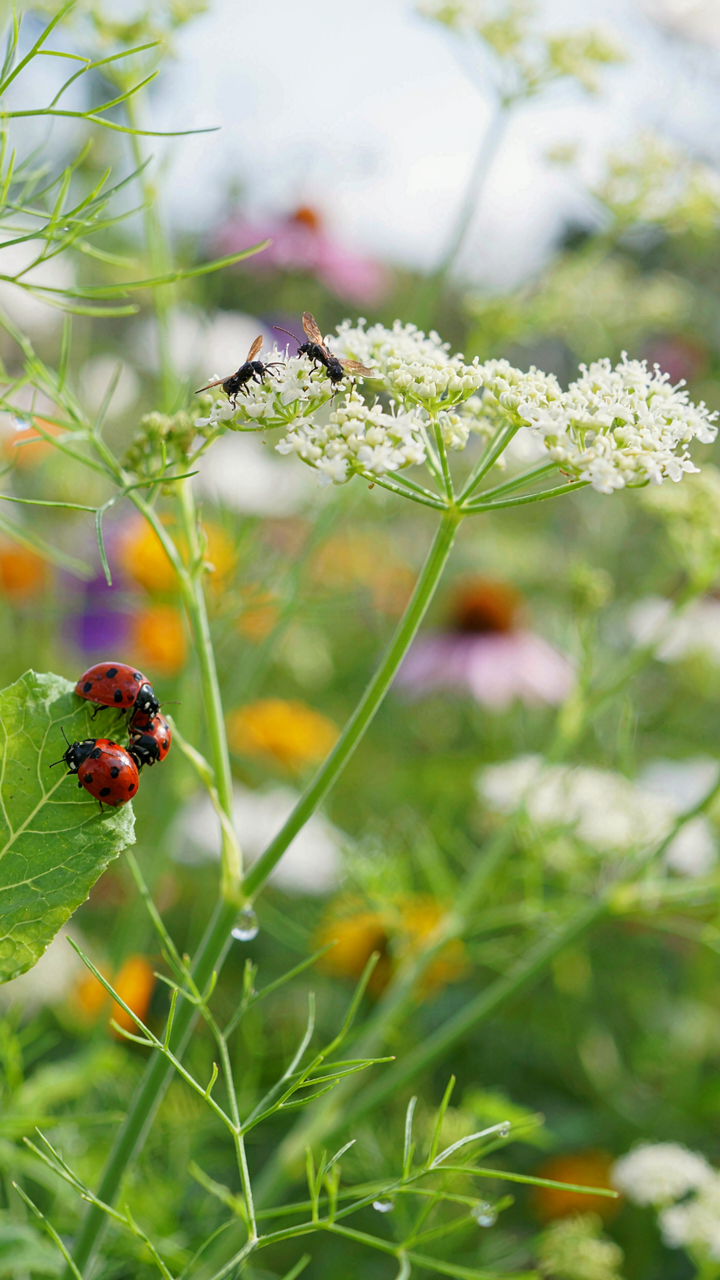
Skip The Sprays, Use Competition
You want your butterflies alive for the photo. That’s the real reason you care about pest control. Most gardeners reach for chemicals because they work fast, but here’s the mechanism that actually matters: ecology operates on resource scarcity. Introduce competing organisms that eat the same food as your pests, and you’ve shifted the entire system without toxins. Parasitic wasps, ladybugs, and ground beetles don’t just coexist with butterflies—they eliminate the caterpillar predators and aphids that threaten your plants before butterflies ever land on them.
Hand-removal works when pest populations stay small. Walk your garden three times weekly and crush eggs on leaf undersides. Neem oil disrupts insect reproduction cycles, but spray only at dusk when butterflies rest indoors. The mistake everyone makes: waiting until damage shows. By then, you’ve already lost weeks of plant health and nectar production. Start monitoring in early spring when pest populations explode from dormancy, before visible damage signals a collapse already underway.
Engineer Your Own Predator Network
Beneficial insects operate like a security system you build, not install. Ladybug larvae eat fifty aphids daily. Parasitic wasps lay eggs inside pest insects, turning them into food factories for wasp offspring. Ground beetles hunt caterpillars and slugs during dark hours when butterflies sleep. You don’t need to buy insects repeatedly—you need to create habitat they’ll stay in. Native perennials flower at staggered intervals, providing nectar when butterfly garden plants don’t, so predators breed on-site year-round.
Plant native host plants for parasitic wasps: fennel, dill, and yarrow. These produce tiny flowers that feed adult wasps while their larvae eliminate pest populations in your soil and on foliage. Your goal isn’t a sterile garden—it’s a functioning food chain where every organism has a role that protects your butterflies. Establish this system before launching your special occasion garden, not during it.
The Long Game: Building Resilient Butterfly Habitats

Plant What Actually Lives Here
You want a butterfly garden that doesn’t collapse the moment you stop maintaining it, which really means you want to stop throwing money and effort at something that fights your local climate. The mechanism is simple: native plants evolved alongside native butterfly species. They flower on predictable schedules, provide the right nectar chemistry, and their caterpillars recognize them as food. Non-native ornamentals look impressive but create a dependency loop where butterflies starve when bloom cycles don’t align.
Research which butterflies actually exist in your region, then identify the native plants their caterpillars require. Most gardeners fixate on nectar plants for adults but ignore host plants for larvae, which is why their gardens empty out mid-season. Your local cooperative extension or native plant society has this data already compiled. Plant native species that bloom across spring, summer, and fall so food availability stays constant, not clustered in one showy month.
Ecosystems Don’t Respect Property Lines
Most butterfly garden advice treats your yard as an island, which guarantees failure at scale. Think in terms of landscape ecology: corridors matter more than isolated patches. A single garden plot surrounded by lawns and hardscape becomes a dead end for butterfly populations seeking resources. Butterflies travel distances measured in miles, not feet, so a single garden produces momentary staging ground, not habitat.
Connect your garden to green spaces within a quarter mile radius. Coordinate with neighbors to plant native species in their yards. Identify parks, meadows, or unmowed areas nearby and advocate for native plantings there. One garden is novelty. A network of gardens separated by pollinator corridors becomes infrastructure that actually sustains butterfly populations through seasons and years.
The Real Obstacle Isn’t Planting; It’s Your Inability To See Beyond Immediate Aesthetics To Long-term Ecological Impact

Most people plant butterfly garden plants for the Instagram moment. They want color. They want butterflies. They want the feeling. But butterflies don’t care about your timeline. They need native plants that feed their caterpillars, not just nectar for adults. You’re building a system, not a decoration. Today, identify three native plants in your region and commit to one. Stop chasing trends. You either create habitat or you create a graveyard dressed up as a garden.



