
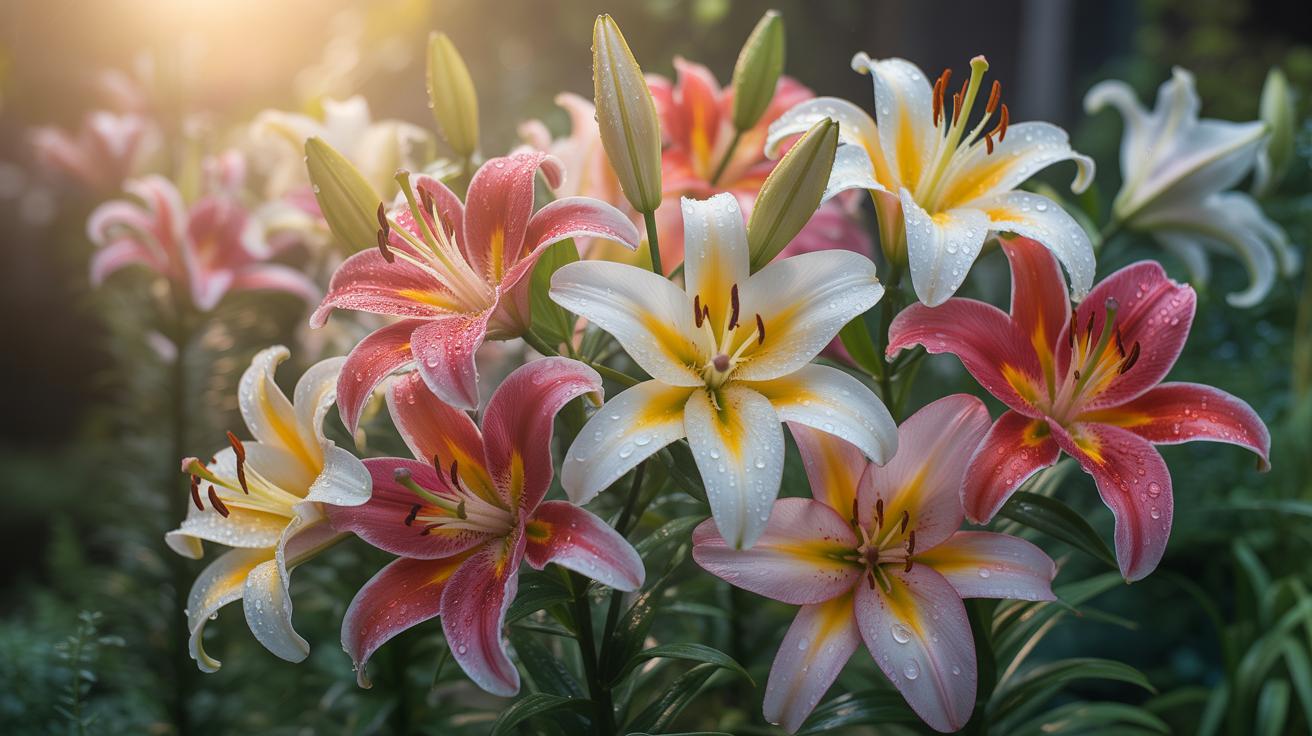
The Deep Roots Of Lily Meaning Flower Across Ancient Civilizations
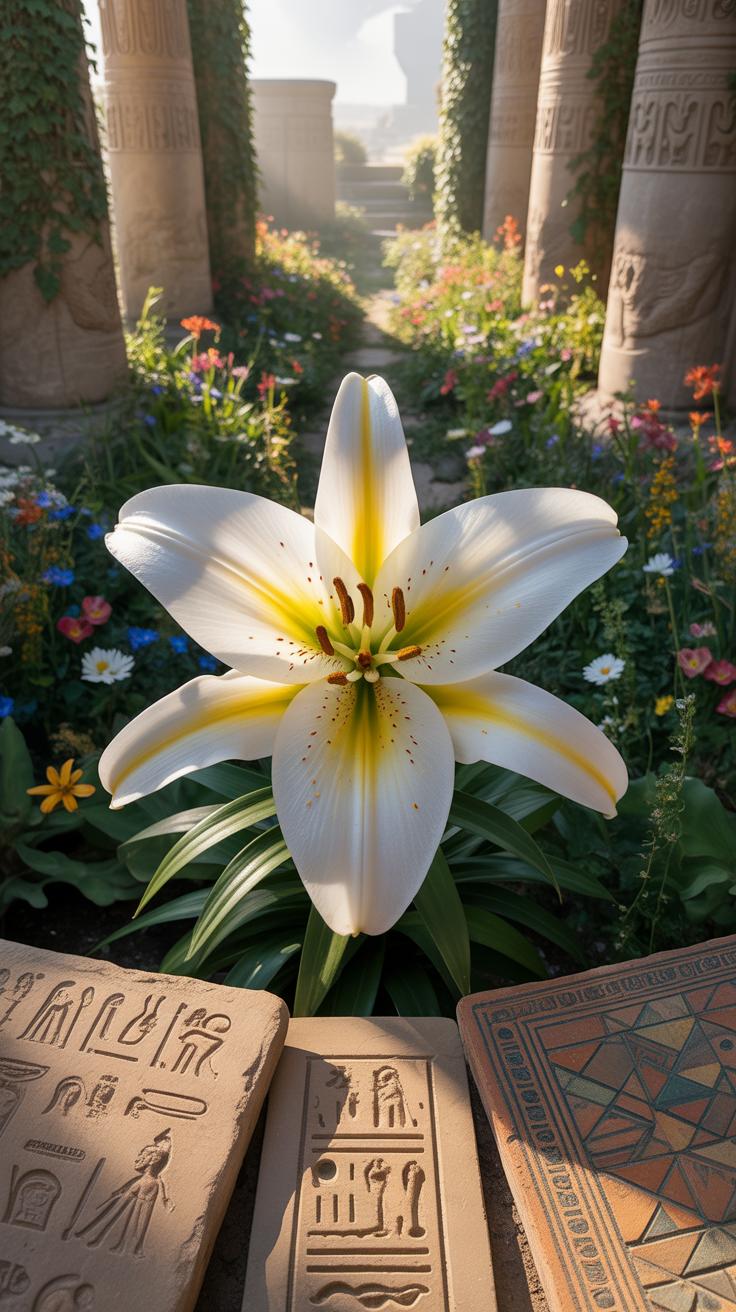
How Ancient Greeks And Romans Elevated The Lily To Divine Status
Ancient Greeks linked the lily directly to Hera. Myth states the flower grew from her spilled breast milk. This origin story fixed the lily as a symbol of motherhood and purity. It was not just a plant. It functioned as a biological badge of divinity. Temples used these flowers to mark sacred spaces. This established a baseline for how Western cultures view white lilies today.
The Romans adapted this symbolism for their goddess Juno. They valued the scent and aesthetic for high status events. Roman brides wore crowns of lilies and wheat. This design choice combined purity with a prayer for fertility. It served a tactical purpose in public ceremonies. The lily signaled social standing and virtue. These traditions turned the flower into a tool for projecting power and moral authority.
The Lily In Ancient Egyptian Culture And Its Connection To Rebirth
Egyptians focused on the blue and white lotus varieties as lilies. They observed these flowers close at night and open at dawn. This cycle mirrored the sun and the concept of eternal life. The lily became a core element in burial rites and tomb art. It showed the deceased’s transition into the afterlife. This was a strategic use of nature to explain complex religious transitions.
Pharaohs used the lily in royal iconography. The flower represented Upper Egypt and unified the kingdom when paired with the papyrus of Lower Egypt. It appeared on temple pillars and perfume bottles. This was not about beauty alone. The plant served as a symbol of creation and political strength. Egyptians distilled the oils for religious cleansings. They treated the lily as a practical bridge between the physical and spiritual worlds.

Unpacking The Core Lily Meaning That Has Stood The Test Of Time
Purity And Innocence: Why The White Lily Became A Universal Symbol
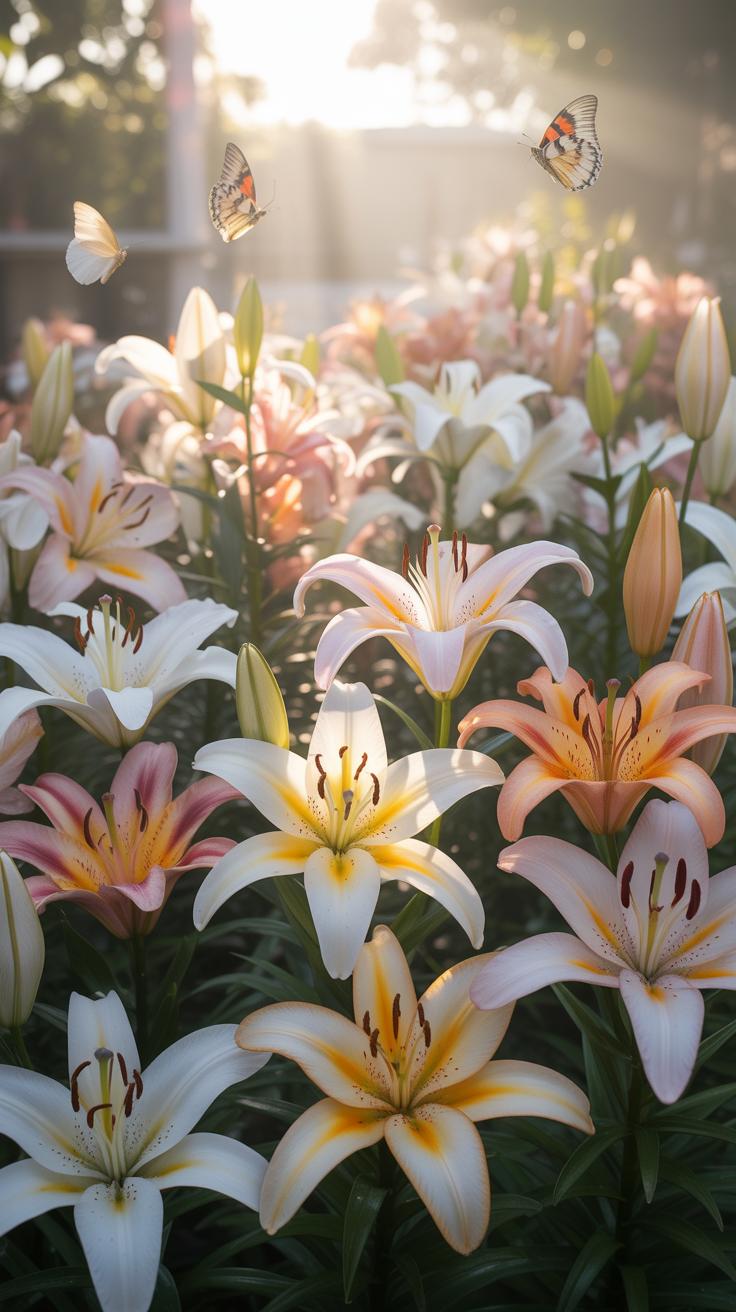
White lilies represent purity because of their clean visual profile and lack of color. Ancient Greeks linked the flower to Hera and motherhood. This connection established the plant as a sign of divine origins. Early societies used this imagery to signal high moral standing in art and social rituals. The physical structure of the lily suggests a sense of untouched perfection.
In the medieval period, the Christian Church adopted the white lily to represent the Virgin Mary. Artists painted the flower in scenes to signify spiritual cleanliness and virtue. This strategic branding cemented the lily as the standard for innocence in Western culture. Today, designers use white lilies to communicate simplicity and honesty. The association remains strong due to centuries of consistent religious and cultural reinforcement.
Like the lilies of the field, true beauty unfolds in the timeless patterns of purity and rebirth that light our way forward.
Renewal And Transition: How Lilies Came To Represent New Beginnings
Lilies represent renewal because of their seasonal growth patterns. These plants grow from bulbs that stay dormant in the ground during winter. They emerge in spring with rapid growth and large blooms. This cycle makes them a practical symbol for rebirth and fresh starts. People use them to mark major life changes like career shifts or moving to new locations.

The association with transition also makes lilies common at funerals. They signal the soul of the deceased moving into a peaceful state. This tradition stems from the idea that the flower restores innocence after death. Modern planners use lilies to frame messages of hope and recovery. The flower acts as a visual shorthand for overcoming hardship and starting a new chapter in life.
Exploring Flowers Lily Meaning Through A Cultural Lens
Lily Symbolism In East Asian Traditions: China, Japan, And Korea
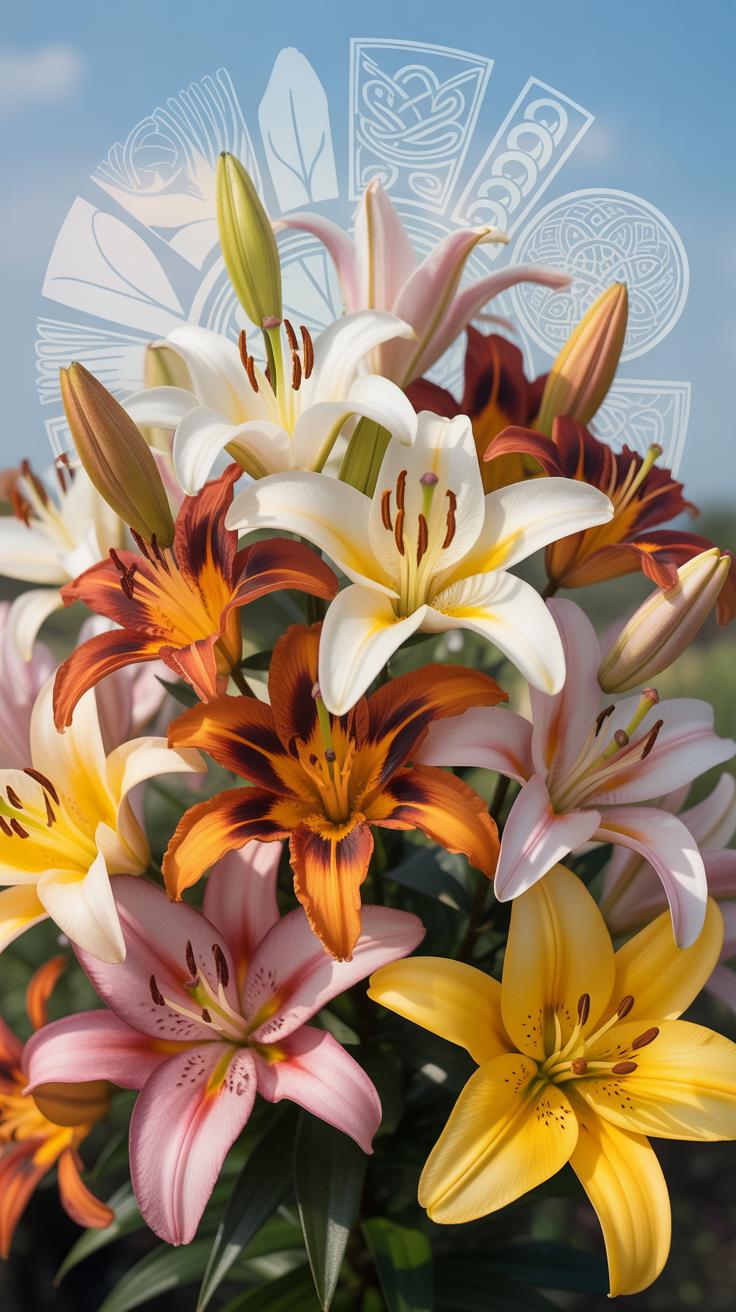
Chinese culture views the lily as a symbol of lasting unity. The flower name sounds like a phrase meaning a happy union for a century. People often give these flowers at weddings to ensure a stable marriage. In art, the lily represents childbearing and the hope for sons. This practical application makes the lily a staple in traditional gift giving and social ceremonies.
In Japan and Korea, the lily holds different strategic values. Japanese traditions link the mountain lily to purity and high social standing. It appears often in classical poetry to signal refined taste. Korean folk medicine uses the bulb for its physical healing properties. These cultures prioritize the lily for its utility in health and its visual role in defining elite status within the community.
The Role Of Lilies In Native American Folklore And Spiritual Practice
Native American tribes used the wood lily for both food and medicine. The plant provided a reliable starch source for various groups across North America. Medicinally, some tribes used the crushed roots to treat sores and snakebites. This focus on survival and health defines the primary relationship between these people and the lily. The flower served a functional purpose before it served an aesthetic one.

Spiritual practices often associated the lily with the earth and water. Certain tribes in the Pacific Northwest viewed the lily as a gift from the spirits to help humans thrive. They used the flower in seasonal rituals to mark the arrival of spring. These ceremonies emphasized the cycle of nature and the renewal of resources. The lily functioned as a living calendar for planting and harvesting cycles throughout the year.
The Meaning Of Lily Flower In Christianity And Religious Tradition
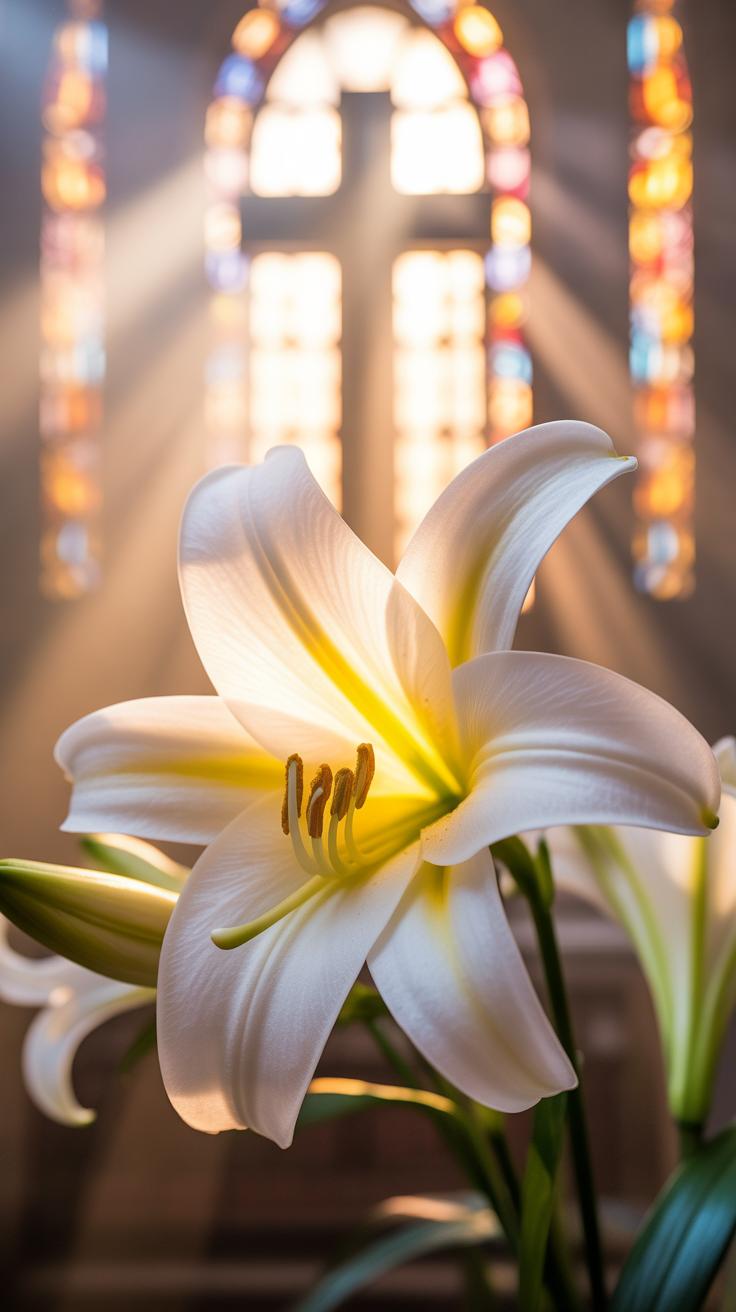
The Virgin Mary Connection: How The White Lily Became A Sacred Christian Symbol
The white lily represents purity and chastity in Christian art. Early church leaders linked the flower to the Virgin Mary to emphasize her sinless nature. Artists painted the Lilium candidum in scenes of the Annunciation. This specific flower lacks colorful streaks. Its snowy petals symbolize a clean soul. Designers used this visual shorthand to communicate complex theological ideas to a mostly illiterate public during the Medieval period.
The structure of the lily carries specific religious meaning. The three petals often represent the Trinity or the three virtues of faith, hope, and charity. Religious scholars noted the plant grows from a humble bulb into a towering stalk. This growth cycle mirrors the concept of spiritual perfection. Catholic and Orthodox traditions continue to use the lily in icons. It serves as a tactical tool to reinforce the narrative of divine grace.
Easter Lilies And Their Role In Resurrection Symbolism Across Denominations
The Lilium longiflorum became the definitive symbol for Easter in the United States during the nineteenth century. These flowers bloom in spring and signal the end of winter. This timing aligns with the liturgical calendar. The white petals represent the light of Christ rising from the darkness of the tomb. Protestant and Catholic churches fill altars with these plants to mark the holiday. It creates a unified visual experience for the congregation.

The trumpet shape of the Easter lily suggests a royal herald. It announces the message of life conquering death. Churches use the fragrance and height of the plant to fill large spaces. Beyond the visual appeal, the life cycle of the bulb provides a clear metaphor for the resurrection. Modern florists and religious coordinators treat the lily as a functional element of worship. It remains the most recognized botanical symbol in Western Christianity today.
The Lily Flower Meaning Behind Each Color Variety
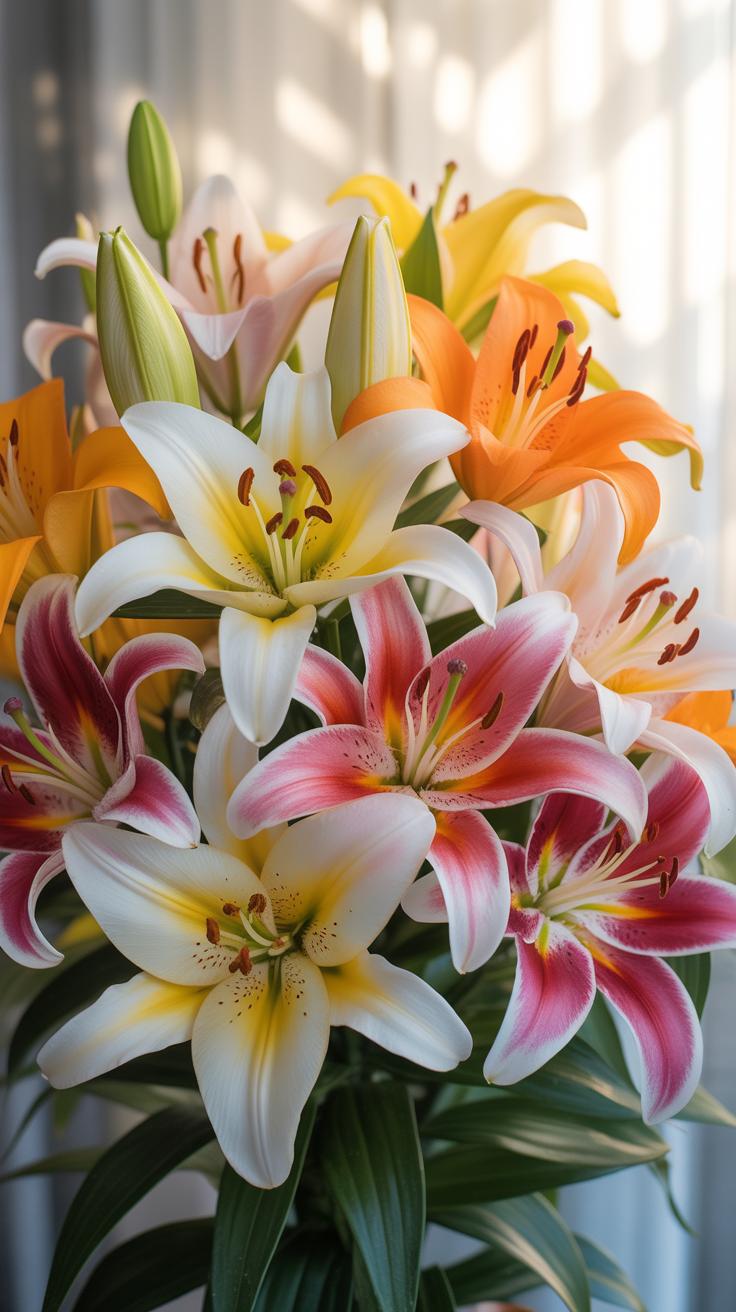
From Red Passion To Yellow Cheer: What Each Lily Color Communicates
Red lilies signal intense emotion and physical attraction. They serve as direct alternatives to red roses in high stakes romantic contexts. Florists use these blooms to communicate deep desire and commitment. The bold hue demands attention in any floral arrangement. This color choice projects a sense of power and strength. Use red varieties to mark milestones involving significant personal achievement or romantic partnership.
Yellow lilies represent happiness and lightheartedness. They traditionally symbolize new beginnings and personal growth. People send them to express gratitude or celebrate a friendship. The color triggers a positive psychological response in office environments. Use these flowers to brighten retail spaces or hospital rooms. They provide a tactical way to boost morale without words. Choose yellow when you want to project optimism and warmth.
Orange And Pink Lilies: Confidence Prosperity And Feminine Energy Explained
Orange lilies represent confidence and wealth. Their vibrant tone reflects energy and high spirits. Historians link this color to honor and respect in several cultures. Corporate designers use orange lilies to symbolize success and growth. These flowers work well for grand openings or business celebrations. They show that you are proud of your work. Select this variety to project a bold and fearless image.

Pink lilies represent femininity and refined taste. They signify grace and abundance in modern design. Gift seekers choose pink varieties for mothers or sisters to show admiration. This color also carries a meaning of prosperity and wealth. It softens the visual impact of a room while maintaining a professional look. Use pink lilies for bridal events or luxury product launches. They communicate elegance and high status effectively.
Lilies Signification In Modern Wedding And Celebration Trends
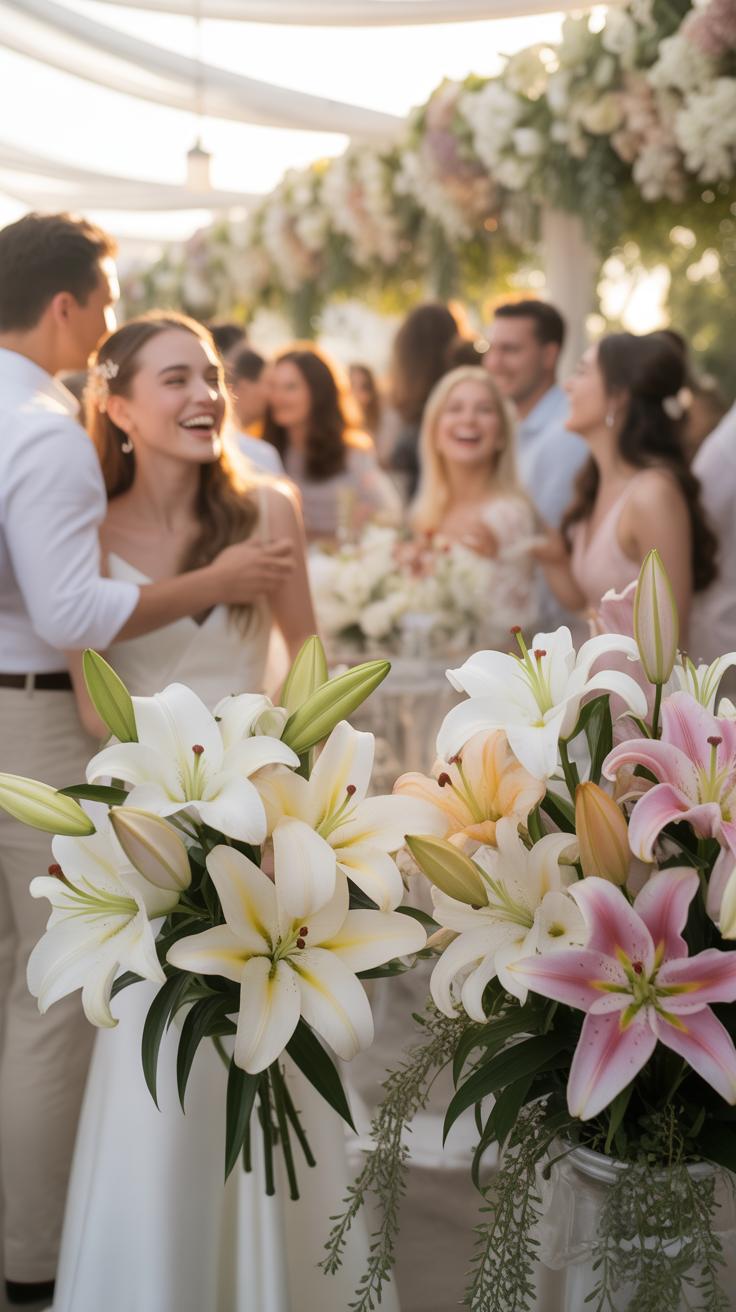
Why Brides Are Choosing Lilies Over Roses For Bouquets And Centerpieces
Modern brides select lilies to create a structural impact that roses cannot provide. The Calla lily offers a sleek and minimalist silhouette for architectural floral design. Unlike the tight clusters of roses, lilies provide height and a clean focal point. This choice signals a move toward sophisticated and modern aesthetics. Professionals value the lily for its durability and strong stems in complex arrangements.
White lilies symbolize purity and rebirth in a way that feels fresh rather than traditional. The large petal surface area fills space efficiently, reducing the total flower count needed for centerpieces. This makes the lily a strategic choice for high-volume event decor. Designers use the variety of shapes, like the trumpet or star, to direct the eye. The lily remains a top choice for luxury and clarity.
Lilies In Funeral And Memorial Arrangements: Honoring Life With Meaning
The lily remains the primary flower for funeral services due to its historical link to the restoration of the soul. White Stargazer and Oriental lilies represent the transition from life to peace. Their strong fragrance provides a heavy, recognizable scent associated with solemnity and respect. Florists use these blooms to communicate sympathy without words. The scale of the flower gives arrangements a dignified Presence.

Tactically, lilies are ideal for casket sprays because they stay hydrated longer than many delicate garden flowers. Their sturdy nature allows them to withstand transport and outdoor services. The symbolism of the white lily specifically denotes innocence and the return to a state of grace. This historical association dates back centuries and remains a standard in the modern bereavement industry. It offers families a traditional way to honor the deceased.
A Guide To Lily Flower Types And What Each One Symbolizes
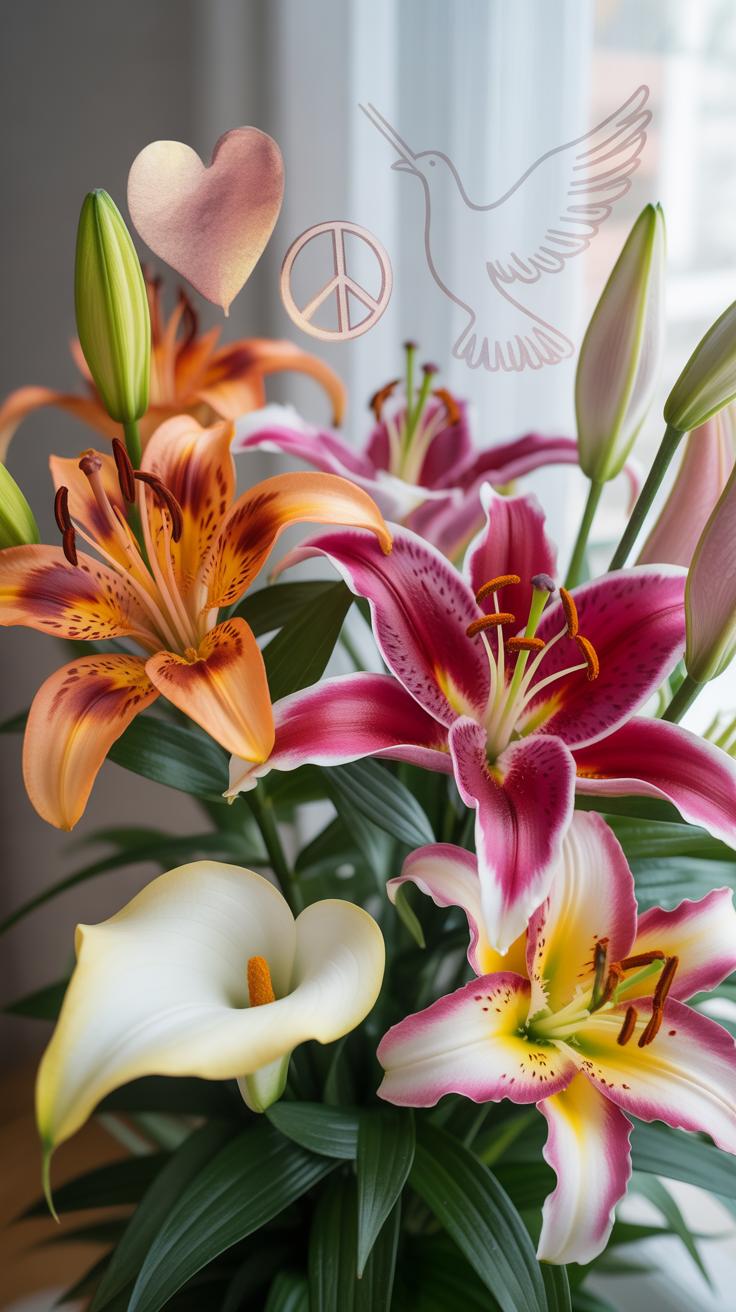
The Most Recognized Lily Species And Their Distinct Symbolic Meanings
Lily species carry specific meanings based on their origin and historical use. Different cultures assign diverse values to these blooms. You must understand these distinctions to use them correctly in design or events. Misidentifying a lily type can send the wrong message to your audience. Strategic selection ensures your visual communication aligns with traditional and modern expectations of the flower.
- Madonna Lily: This white bloom symbolizes purity and divinity in Western art. It has strong ties to the Virgin Mary in Christian iconography dating back centuries. Use this species when you need to convey innocence, santity, or high moral standards in a traditional context.
- Oriental Lily: Known for a heavy scent and large petals, these symbolize rebirth and great wealth. They often appear in celebrations of new beginnings or significant life transitions. Designers use them to project an image of luxury, abundance, and successful growth in high-end projects.
- Stargazer Lily: This hybrid represents ambition and financial success. Its petals face upward toward the sky, unlike many traditional lilies that droop. Choose this type for professional achievements or when your goal is to project confidence, drive, and a commitment to reaching high goals.
- Lily Of The Valley: Historically linked to humility and the return of happiness. Despite the name, it is not a true lily but carries heavy symbolic weight. It frequently appears in bridal bouquets to signal sweetness and the renewal of joy after a difficult winter or period.
- Easter Lily: This trumpet-shaped flower represents hope and the resurrection in religious settings. It dominates the market during the spring season as a sign of life returning. Strategically use this flower to emphasize themes of endurance and the belief in a positive future after an ending.
Regional variations influence how people perceive these flowers globally. In China, many lilies symbolize a hundred years of love and are common at weddings. In contrast, certain white lilies traditionally appear at funerals in Europe to signify the soul of the deceased. Context determines the effectiveness of the symbol. Always verify your cultural setting before finalizing your floral choices to avoid unintended offensive meanings.
Tiger Lilies Vs. Calla Lilies: Understanding The Symbolic Differences
Tiger lilies and Calla lilies occupy opposite ends of the symbolic spectrum. The Tiger lily represents aggressive wealth and pride. Its bold spots and vibrant orange color signal confidence and prosperity. Historically, it links to tales of courage and fierce protection. Use the Tiger lily when you want to make a loud statement about success and individual strength in a competitive environment.

Calla lilies serve a completely different tactical purpose. They are not true lilies but symbolize supreme elegance and rebirth. Their sleek, singular petal conveys sophistication and modern minimalism. Figures in Art Nouveau movements frequently used this shape for its fluid lines. Select the Calla lily for high-fashion contexts or formal events where the goal is to show refined taste and understated power rather than loud wealth.
What Lilies Meaning Reveals In Literature Art And Pop Culture
From Shakespeare To Contemporary Poetry: The Lily As A Literary Symbol
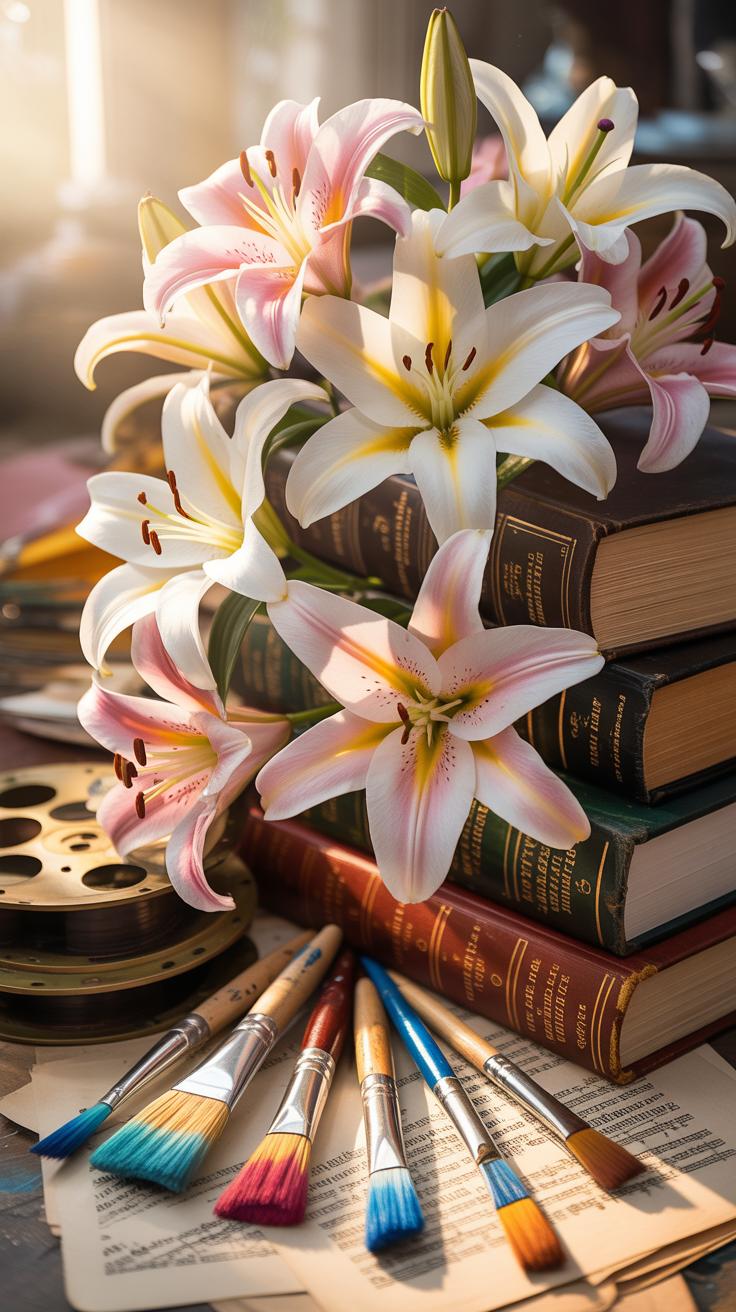
Writers use the lily to signal specific character traits. In Shakespearean drama, the flower represents purity or coldness. Authors often use the lily to show a contrast between life and death. This floral imagery provides a shorthand for the reader. It identifies characters who keep their dignity during a crisis. The plant serves as a tactical tool for plot development and thematic depth.
Modern poets continue this trend by using lilies to discuss grief. They strip away the old romantic ideas. Instead, they focus on the stark white color to show emptiness. This shift reflects a move toward realism in writing. The lily helps authors ground abstract feelings in a physical object. It remains a reliable symbol because of its long history in the Western literary canon.
Lilies In Painting And Visual Art: Monet, Pre Raphaelites, And Beyond
Visual artists use lilies to direct the eye and set a mood. Claude Monet painted water lilies to study light and reflection. He focused on the physical form of the plant on the water. His work moved art away from strict detail toward impressionism. In these paintings, the lily is a structural element. It provides a focal point within a complex natural scene.

The Pre-Raphaelites used lilies for a different strategic purpose. They painted the flower with extreme detail to reference medieval traditions. This choice signaled a rejection of the industrial age. To these artists, the lily represented a return to nature and spiritual truth. They often placed lilies in the hands of central figures. This placement communicated the moral status of the subject without using any words.
Lily Symbolism In Tattoo Culture And Personal Expression Today

Why Lily Tattoos Are Trending And What People Want Them To Mean
Lily tattoos are rising in popularity due to their clear visual language. People use these designs to mark major life transitions or personal growth. The flower has a long history of representing purity and rebirth. Modern tattoo clients select this imagery to signal a fresh start after a difficult period. They value the flower for its ability to convey deep meaning without requiring complex text.
The trend also focuses on memory and legacy. Different colors change the message significantly. White lilies often honor a person who has passed away or celebrate innocence. Tiger lilies show pride and prosperity. People want tattoos that act as permanent markers of their identity. These designs serve as a silent code for the wearer. The specific shape of the lily allows it to fit well on various body parts.
Choosing The Right Lily Design For Your Personal Story And Intention
Selecting a design requires matching the lily species to your specific life goals. Fine line work and blackwork are the dominant styles for these tattoos right now. You must consider how the shape of the petals interacts with your muscle structure. Placement matters as much as the flower type. A well chosen design ensures the tattoo ages well while keeping its core message intact.
- Stargazer Lily: Choose this for themes of ambition and wealth. Its bold spots and wide petals symbolize a person who is driven to succeed in their career or personal life.
- Calla Lily: This choice represents true elegance and strength. It is technically not a true lily but remains a staple in tattoo culture to symbolize deep commitment and new beginnings.
- Water Lily: Pick this design to show enlightenment and peace. It works best for individuals who have overcome emotional struggles. It indicates a mind that stays calm even in messy or muddy situations.
- Lily of the Valley: Use this small flower to represent a return to happiness. It is a traditional symbol of humility. Many clients choose it for delicate areas like the wrist or behind the ear.
- Madonna Lily: This is the classic symbol of purity and divinity. It has links to ancient Greek and Roman history. It suits those who want a tattoo reflecting their faith or a clean slate.
Technical execution determines the final impact of the symbolism. High contrast black ink creates a sense of mourning or solemnity. Bright colors shift the meaning toward joy and vitality. Discuss the shading techniques with your artist to ensure the flower looks realistic and powerful. Proper scaling is vital so the petals do not blur over time. A clear plan leads to a tattoo that tells a strong personal story.
How To Use Lily Symbolism Intentionally In Gifting And Everyday Life
Matching The Right Lily To The Right Occasion: A Practical Gifting Approach
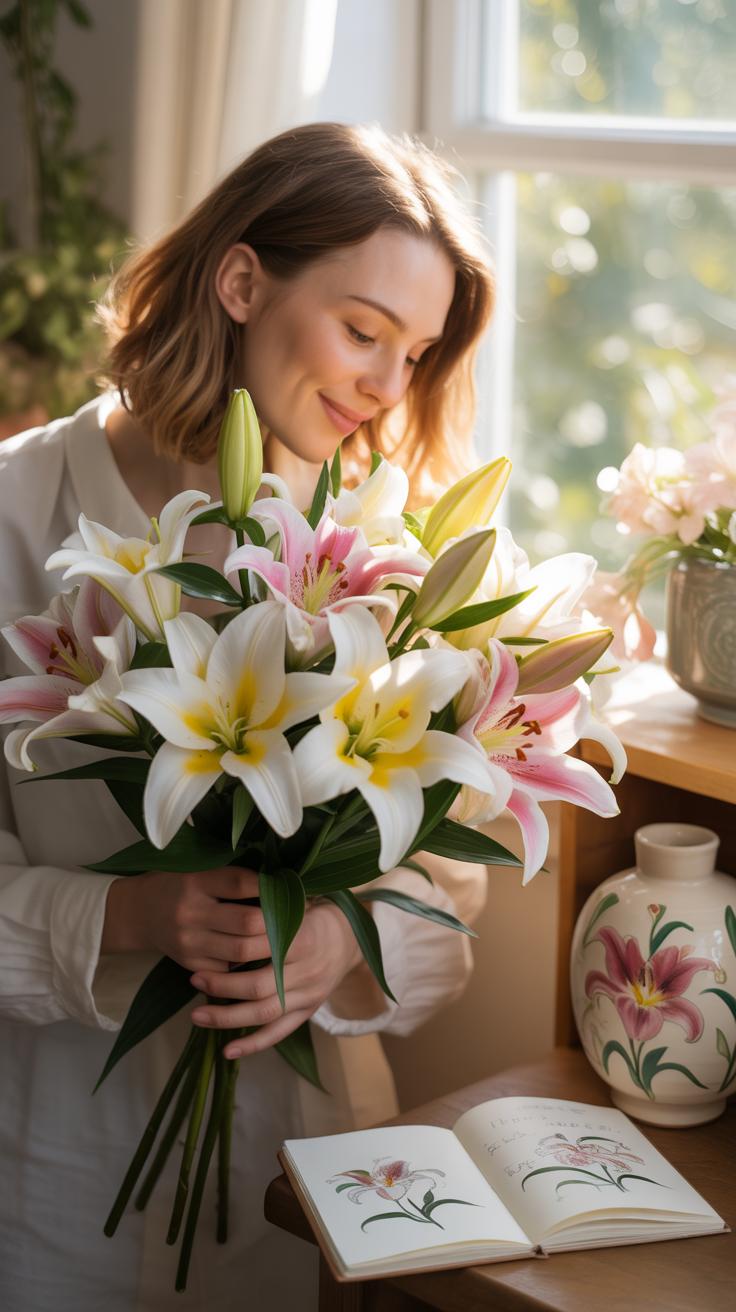
Gift selection requires matching botanical history to current social needs. Use white Madonna lilies for funerals or memorials because they represent the soul returning to a state of peace. This tradition dates back to early Christian iconography where these flowers signified purity. Choose yellow lilies to celebrate friendships or new beginnings. They signal happiness and health in a non-romantic way. This clarity prevents mixed signals.
Stargazer lilies serve a different tactical purpose in professional or celebratory settings. Their bold scent and upward growth signify ambition and prosperity. Use them for promotions or graduations. Avoid red lilies for casual acquaintances as they signal deep passion and desire. Always check the toxicity levels before gifting. True lilies are lethal to cats. Practicality must outweigh symbolism when safety is a concern for the recipient.
Incorporating Lilies Into Home DéCor To Bring Symbolic Energy Into Your Space
Place white lilies in entryways to establish a sense of order and cleanliness. In Victorian design, lilies functioned as tools for social signaling. They told guests the home was a place of high moral standards. Modern minimalist styles use them to create a vocal point without clutter. Position them where natural light hits the petals. This enhances the visual impact of their structural symmetry.
Use Calla lilies in office spaces to promote focus and rebirth. While not true lilies, their symbolism remains closely linked in the design world. Their sleek lines fit modern professional aesthetics. Place them in heavy glass or ceramic vases to ground the energy of the room. Replace water every two days to stop decay. Dead flowers reverse the intended symbolism of vitality and success in your living area.
Frequently Asked Questions

What is the most common meaning behind lily symbolism today?
Historically, lily symbolism is deeply rooted in themes of purity, rebirth, and transition. In modern lifestyle trends, these elegant blooms represent a fresh start or a refined sense of sophistication within the home. While different colors carry unique messages—such as white for innocence or orange for passion—the overarching sentiment remains one of grace. Understanding these meanings helps you choose the perfect variety to reflect your personal intentions and interior style.
How can I use lily symbolism to enhance my home’s energy?
To harness lily symbolism in your living space, start by placing white peace lilies or callas in entryways to invite tranquility and harmony. If you are looking to boost creativity or energy, vibrant tiger lilies are excellent for home offices. Always pair your flowers with meaningful vessels, such as ceramic pots for grounding or glass vases for clarity, ensuring the placement aligns with the specific atmosphere you wish to cultivate.
Are there affordable ways to incorporate lily symbolism into my decor?
You don’t need expensive premium bouquets to enjoy this trend. Consider purchasing a single, high-quality stem of a Stargazer lily, which makes a dramatic statement and offers lasting fragrance. Alternatively, using botanical prints or lily-scented candles can evoke the same symbolic essence of renewal without the recurring cost of fresh flowers. These budget-friendly options allow anyone to experience the beauty and meaning of these flowers in their daily environment.