
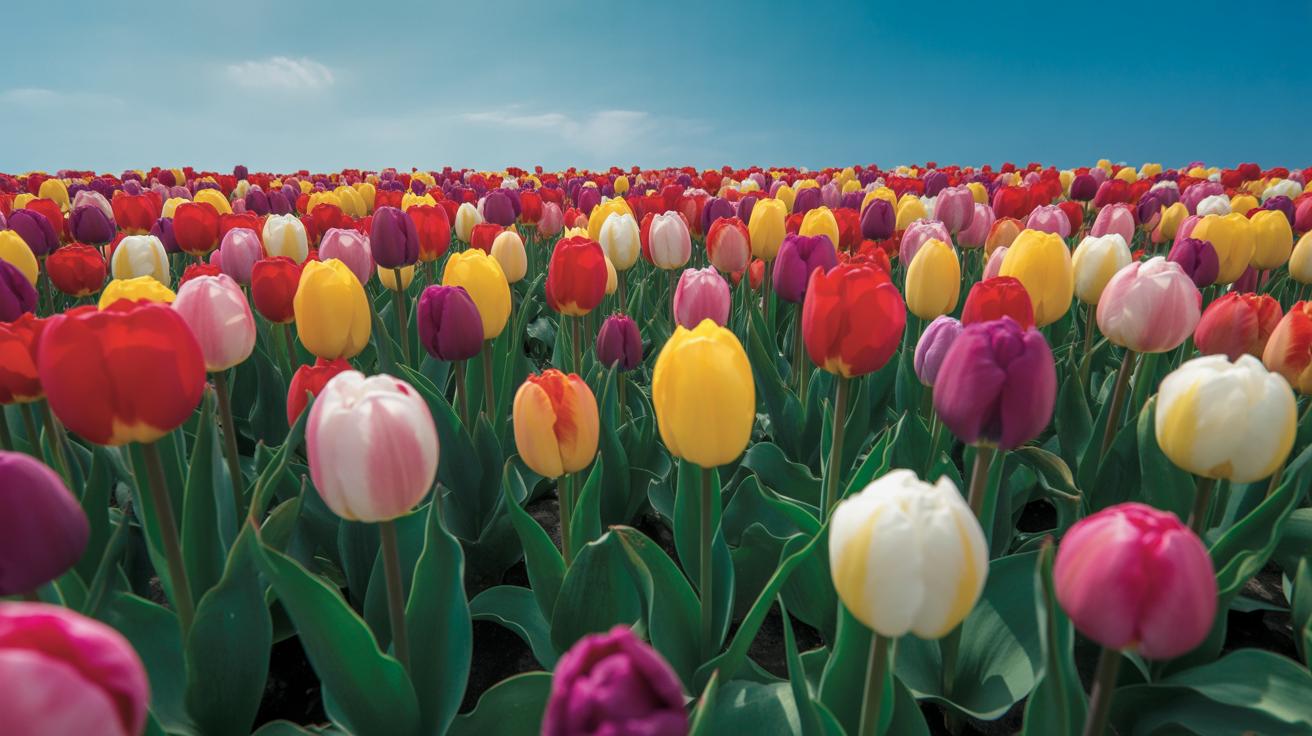
A Brief History Behind Tulip Color Meaning And Global Symbolism
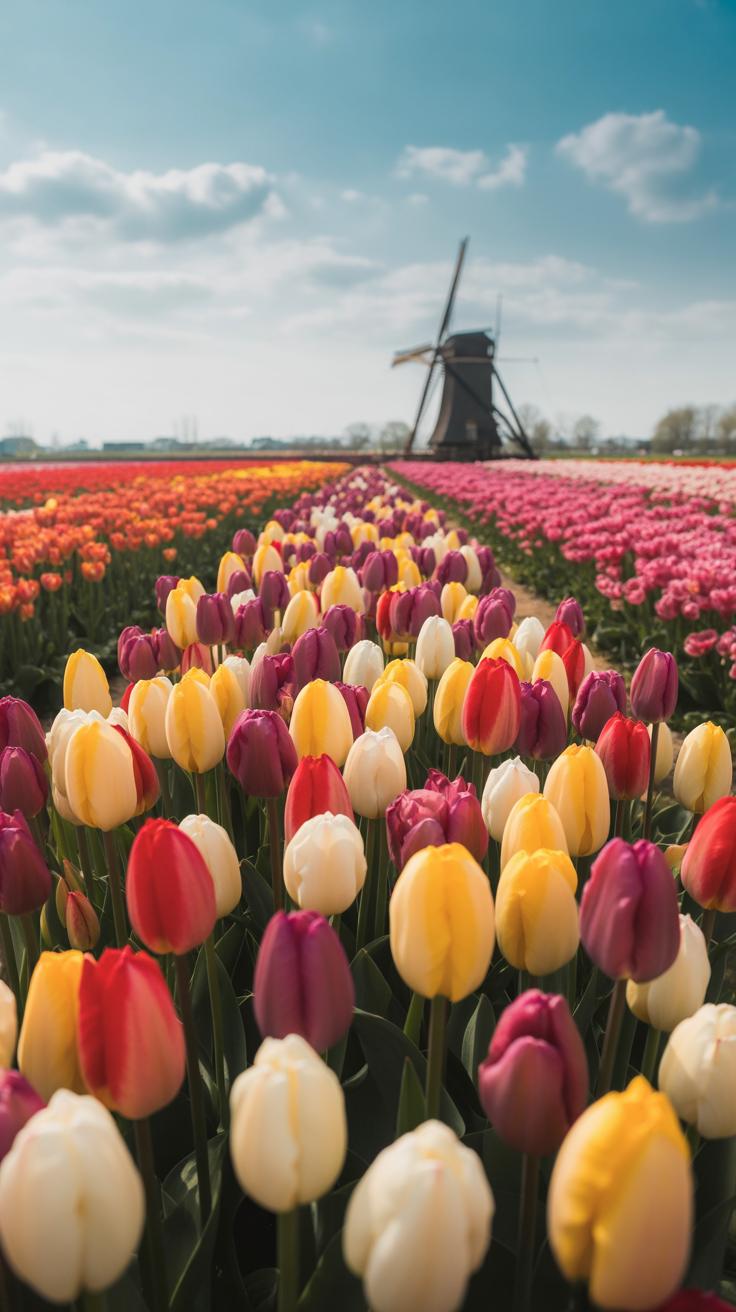
How Tulips Traveled From Central Asia To Become A Global Floral Icon
Wild tulips originated in the rugged mountains of Central Asia. Nomadic tribes carried these bulbs into the Ottoman Empire during the tenth century. Sultans viewed the flower as a symbol of power and divine favor. They cultivated specific varieties to decorate imperial gardens. Ottoman artists used tulip shapes in tiles and fabrics. This established the flower as a high-status cultural asset long before it reached Europe.
Dutch merchants imported tulip bulbs in the late sixteenth century. The flowers thrived in the sandy soil of the Low Countries. Botanist Carolus Clusius studied how the plants reacted to the local climate. This research fueled intense public interest. Demand spiked during the seventeenth century leading to Tulip Mania. Investors traded bulbs for extreme prices. This period solidified the tulip as a major global commodity and economic symbol.
Why Different Cultures Attach Unique Symbolism To Tulip Colors
Cultural values dictate how people interpret tulip colors. In the Ottoman Empire, red tulips represented blood and sacrifice. People linked the flower to deep devotion. Western cultures eventually shifted this meaning toward romantic love and passion. These shifts happened because different societies prioritized different social signals. Religion and local folklore influenced how each color was viewed over centuries. This created a complex global language for the plant.
Genetic mutations caused early tulips to display striped or feathered patterns. Growers thought these streaks were natural variants. We now know a virus caused these distinct color breaks. These rare patterns became symbols of extreme wealth and exclusivity in the Netherlands. Today, color meanings remain standardized for the floral trade. This allows buyers to communicate specific messages. Red signifies love while yellow can mean friendship or cheerful thoughts in modern markets.

Tulips Color And Meaning A Complete Guide To Every Shade
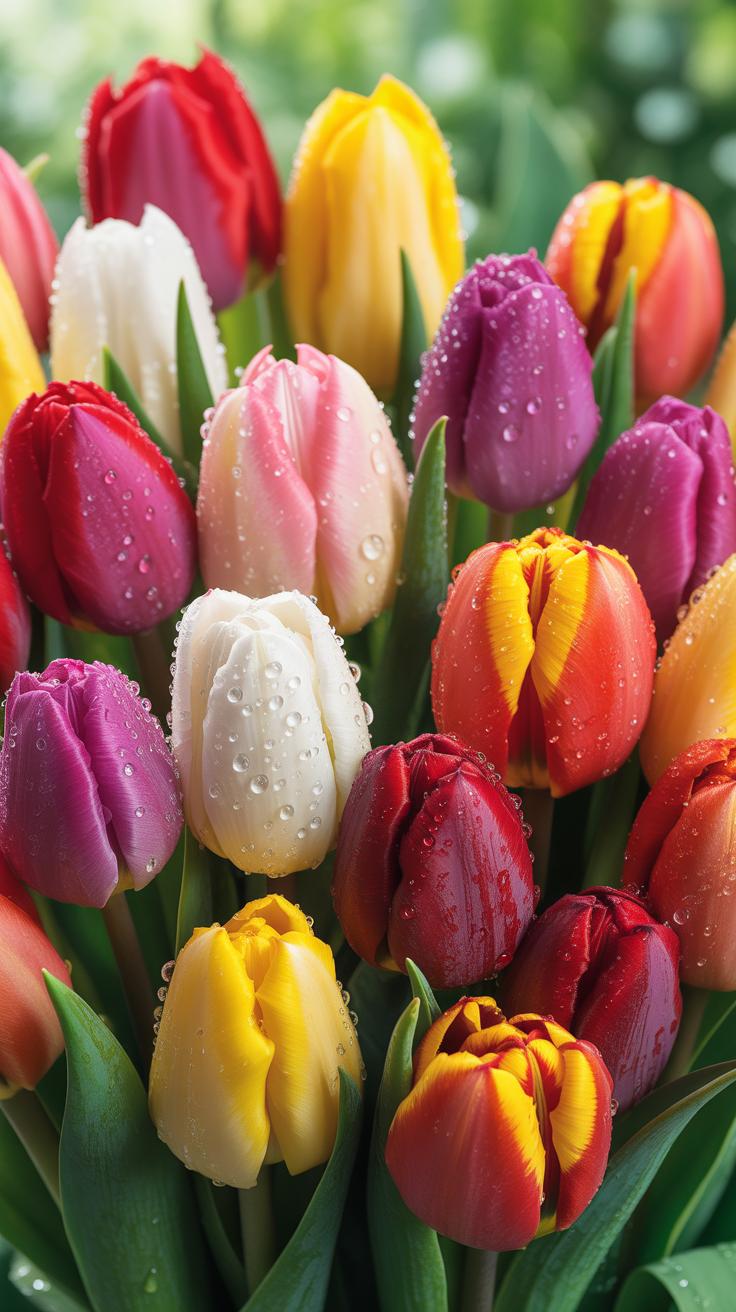
How To Read A Tulip Flower Color Meanings Chart Like A Florist
Professional florists decode tulip colors based on intent and biological longevity. You must view these charts as strategic tools rather than simple decoration guides. Light values and saturation levels dictate the emotional weight of a bouquet. High saturation typically signals intense passion or strong conviction. Conversely, pale or pastel tones communicate subtle support or fresh beginnings. Professionals use these distinctions to match floral arrangements to specific social events.
Look for consistency across historical botanical records to verify meaning. Victorian era floriography remains the industry standard for these interpretations. You should analyze the primary hue first then look for secondary streaks. Variegated patterns often alter the core message of the base color. Understanding these nuances allows you to provide accurate sentiment in any setting. Focus on the direct visual impact because the recipient will react to the color before the species.
Every tulip petal holds a vintage whisper of the heart, reminding us that colors are the silent language of our most cherished memories.
Primary And Rare Tulip Colors And The Emotions They Represent
Tulip colors function as a visual shorthand for human relationships and social status. Primary colors like red and yellow carry the most direct historical weight. Rare shades like deep purple or black occur through specific breeding and indicate luxury or high value. You must select colors based on the recipient’s cultural context and the specific occasion. Using the wrong shade can send a conflicting message that undermines your professional or personal intent.
- Red Tulips: These represent deep and perfect love. Use them as a direct alternative to roses for romantic declarations. They signal strong commitment and passion between partners. This color remains the most popular choice for anniversaries and serious romantic gestures due to its clear and bold messaging.
- Yellow Tulips: Modern standards define these as symbols of cheerfulness and sunshine. They represent unrequited love in older Victorian texts, but that meaning has shifted. Today, people use them to express hope and good thoughts. They work best for get-well gifts or celebrating a new job.
- White Tulips: These denote purity, honor, and forgiveness. They are the standard choice for apology bouquets or funeral services. If you need to express condolences or show respect, white is the most tactful option. They provide a clean and neutral aesthetic for formal religious or corporate ceremonies.
- Purple Tulips: This shade signifies royalty and elegance. It reflects the rarity of purple dye in historical fashion and art. Choose this color to show admiration for someone with high achievements or leadership qualities. It conveys a sense of sophistication and wealth without being overly romantic or forward.
- Pink Tulips: These symbolize care and good wishes. They are less intense than red and more versatile for general friendship. Use pink to show affection to family members or friends during stressful times. They also represent confidence and happiness, making them ideal for graduation gifts or congratulations.

Rare variegated or broken colors indicate change and unique beauty. These bi-color tulips often mix the meanings of their constituent parts. For example, a red and yellow tulip might suggest both passion and joy. Always prioritize the dominant color when determining the primary message. High-end designers use these rare variations to create visual interest in upscale environments where standard colors would feel too common or expected.
Red Tulip Color Meaning The Ultimate Symbol Of Passionate Love
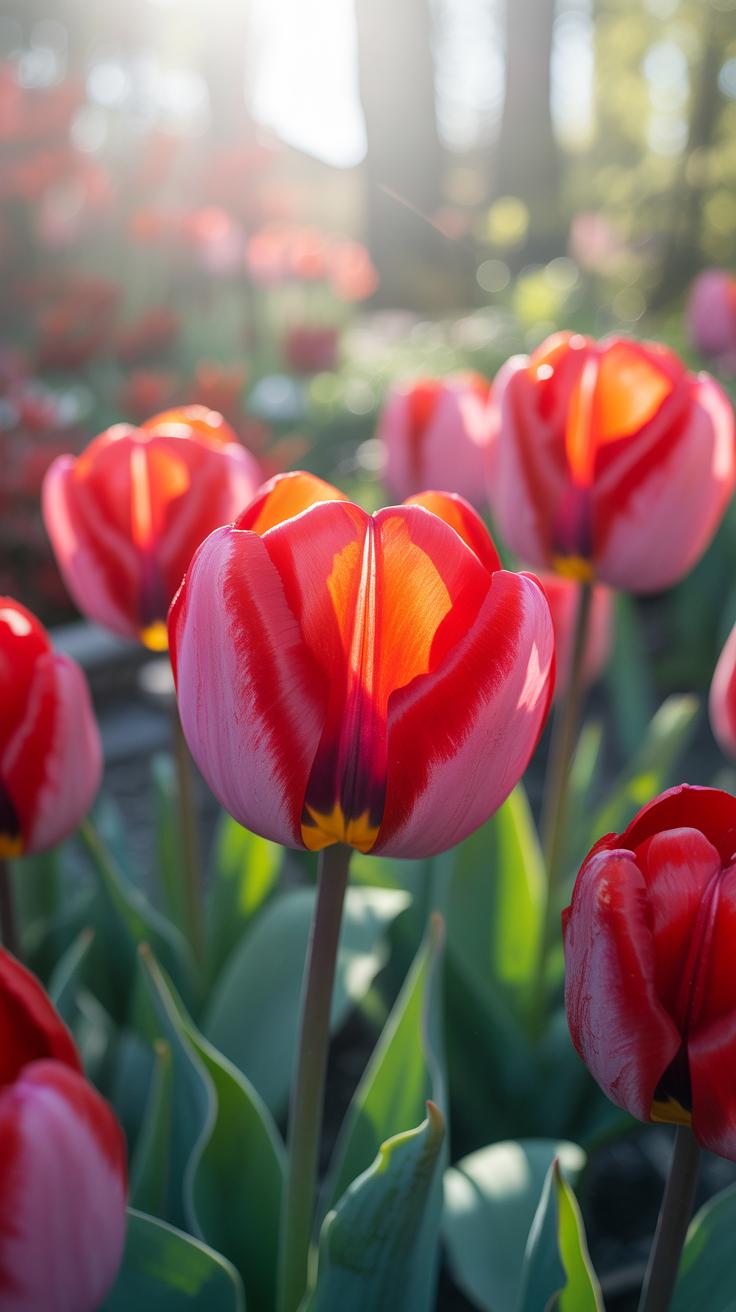
Why Red Tulips Are Chosen Over Roses For Declarations Of Deep Love
Red tulips serve as a direct alternative to roses because they convey intensity without the heavy burden of formality. These flowers feature a clean and structural silhouette. This modern aesthetic appeals to people who want to signal deep commitment without using traditional clichés. The bold red hue represents a declaration of love that is both certain and grounded in reality.
The anatomical structure of the tulip offers a practical advantage in floral design. They lack the thorns found on rose stems. This makes them easier to handle in high-volume arrangements and bouquets. Designers select them for their straight lines and predictability. A red tulip communicates passion through its color while maintaining a professional and crisp appearance. This makes the message clear and efficient.
The Role Of Red Tulips In Valentine’S Day And Anniversary Traditions
Red tulips dominate the market during peak romantic holidays like Valentine’s Day. They provide a high-impact visual at a lower price point than premium roses. This makes them a strategic choice for consumers who want to demonstrate affection through volume. Sellers stock them because they hold their shape well in cool climates. They represent a functional way to participate in global gifting traditions.

During anniversaries, these flowers represent lasting fire and devotion. The historical context of the tulip stems from Persia and Turkey where they symbolized perfect love. Modern traditions use them to refresh the visual language of long-term relationships. They offer a change of pace from standard floral gifts while retaining the necessary color symbolism. Using red tulips ensures the core message of passion remains intact and visible.
Yellow And White Tulips Meaning Color Joy Purity And New Beginnings
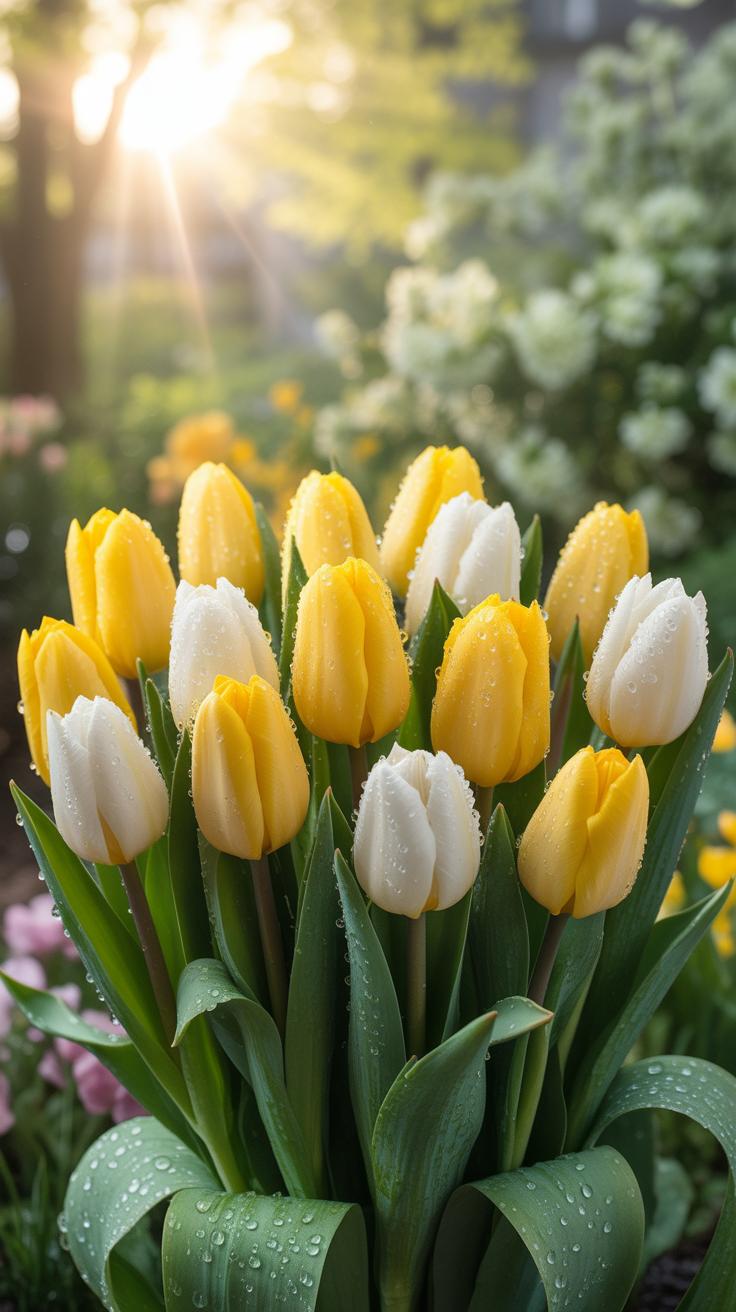
What Yellow Tulips Truly Communicate Beyond Sunshine And Cheerfulness
Yellow tulips historically symbolized hopeless love in Victorian flower language. Modern consumers have largely rejected this negative association for more positive interpretations. Today, these flowers primarily signal friendship and successful business partnerships. Professionals use them to celebrate new contract signings or project completions. They provide a high-energy visual cue that stimulates cognitive focus in office environments or retail floor displays.
Strategic floral designers use yellow tulips to brighten dark spaces without using artificial lighting. Their high luminosity makes them effective for public installations where visibility is critical. In residential settings, place these flowers in entryways to establish an immediate sense of hospitality. Avoid using them in formal apology settings as the color lacks the gravity required for remorse. Stick to celebratory or professional milestones for maximum impact.
White Tulip Colour Meaning In Weddings, Memorials, And Spiritual Rituals
White tulips serve as the industry standard for expressing sincerity and apology. Their lack of pigment represents a clean slate or a fresh start in a strained relationship. In historical contexts, white flowers signaled purity and worthiness. Modern designers deploy them for high-end minimalist events. They provide a crisp aesthetic that works well with modern architectural styles and neutral color palettes common in luxury branding.

In ceremonial contexts, white tulips facilitate a sense of peace and respect. Wedding planners use them to symbolize the start of a new family unit. Funeral directors select them to offer condolences without the heavy emotional weight of red or purple blooms. These flowers communicate dignity and honor in any high-stakes social situation. They remain the most versatile tool for any professional florist managing sensitive or formal client requests.
Blue Tulip Meaning Friendship And The Symbolism Of Rare Hues
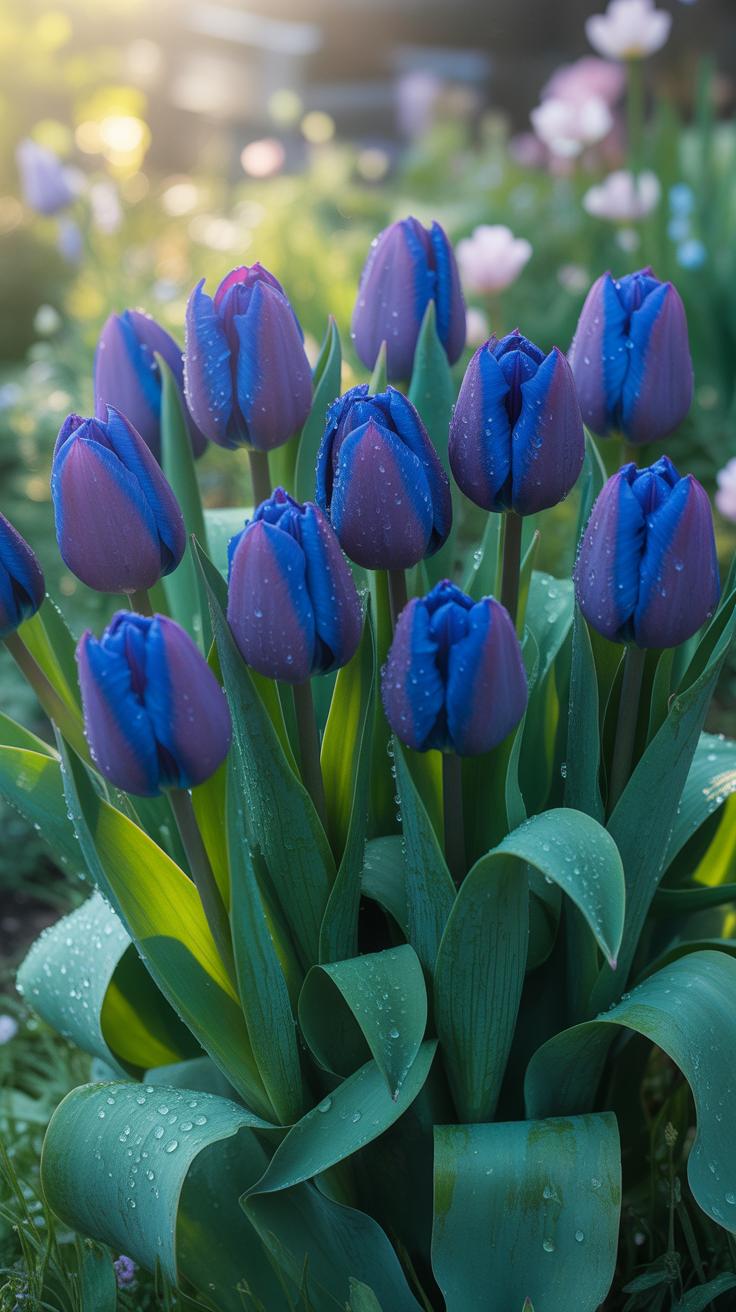
The Truth About Blue Tulips: Do They Exist Naturally And What Do They Represent
True blue tulips do not exist in nature. Scientists and breeders cannot produce them because tulips lack the specific enzyme required to create delphinidin. This blue pigment is necessary for natural blue petals. Most flowers marketed as blue are actually shifts in purple or violet hues. These cultivars often result from careful crossbreeding or genetic modification in modern laboratories to reach a cooler color profile.
The absence of a natural blue tulip creates a specific symbolic meaning. These flowers represent the impossible or the unattainable. Because they are the product of human intervention and science, they signify high achievement and modern mystery. Sending a blue tulip suggests that a goal is unique or rare. It marks a shift from traditional floral meanings toward a more technical and deliberate form of communication.
How Blue And Purple Tulips Have Become Symbols Of Loyalty, Trust, And Friendship
Blue and purple tulips now serve as primary symbols for stable relationships. These colors deviate from the romantic passion associated with red stems. Historically, purple indicated royalty and elite status. In a modern tactical sense, these darker hues communicate depth and reliability. They signal a long-term commitment to a partnership. This makes them the standard choice for professional settings and deep personal bonds.

Trust is the core value behind these cool-toned flowers. Giving these tulips reinforces a foundation of mutual respect and honesty. They work effectively for celebrating milestones in non-romantic friendships. The visual weight of the color suggests a grounded connection. You use these specific hues to honor people who provide consistency and support. They provide a clear message of loyalty that lighter colors cannot match.
Pink And Orange Tulips Color Means Affection Warmth And Enthusiasm
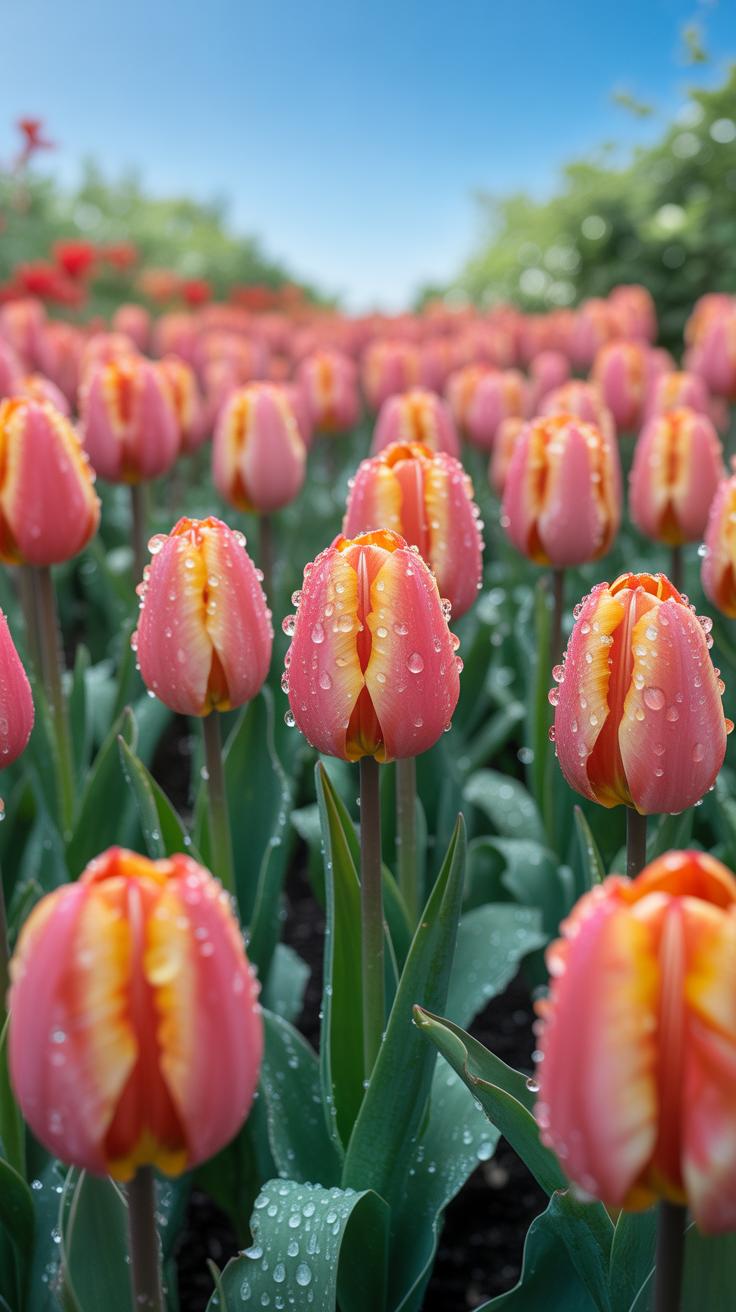
Pink Tulip Symbolism: From Gentle Affection To Heartfelt Congratulations
Pink tulips represent care and attachment without the intensity of red varieties. Florists use these blooms to signal platonic love and genuine friendship. They work well for family members or close colleagues. The color communicates a soft, stable emotion. You send pink tulips when you want to show you value a relationship. They lack the romantic weight of darker shades.
Modern gift-giving trends use pink tulips to celebrate personal milestones. They function as a visual tool for congratulations. People use them for new jobs, graduations, or successful projects. The color signals happiness and confidence in the recipient. It avoids the heavy symbolism of marriage or deep grief. Choose these flowers for upbeat social occasions where you need to show support.
Orange Tulip Color Meaning And Why It Perfectly Captures Energy And Passion
Orange tulips symbolize physical energy and drive. The shade bridges the gap between the friendship of yellow and the romance of red. Historical records link orange to the Dutch royal family, giving the color a sense of pride and heritage. Use orange tulips to signal ambition and excitement. They demand attention in any display. This color works for bold messages of encouragement.

Designers use orange tulips to stimulate movement and heat in floral arrangements. They represent desire and intense interest in a professional or personal context. The color reflects enthusiasm for a new venture or a shared goal. Unlike softer colors, orange indicates a high level of engagement. Use these flowers to boost morale or celebrate a breakthrough. They project strength and a forward-thinking mindset.
Meaning Of Tulips Flower In Modern Gifting And Occasion Based Trends
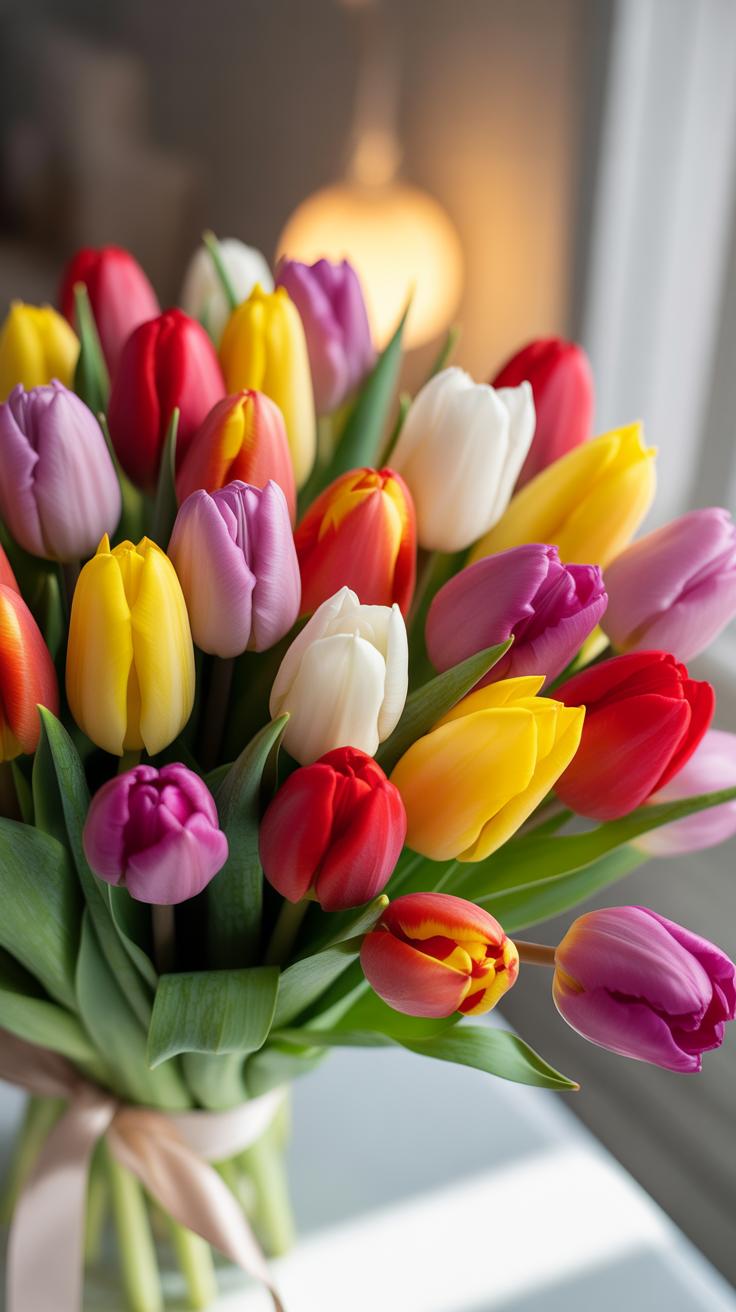
Which Tulip Colors Are Trending For Birthdays, Graduations, And Celebrations
Modern gifting relies on specific color psychology to communicate clear messages without words. Select colors based on the recipient’s recent achievements or relationship status. Bright tones attract attention and signal high energy for major life milestones. Avoid muted tones for celebrations to prevent sending a message of sympathy or mourning. Proper selection ensures your gift aligns with contemporary social expectations and avoids accidental offense.
- Yellow Tulips: Once associated with hopeless love, these now represent sunshine and cheerful thoughts. They are the top choice for birthdays or get-well-to-soon gifts. Use them to brighten someone’s day or celebrate a new personal beginning.
- Orange Tulips: These flowers signal energy, enthusiasm, and desire. They work best for graduations or job promotions because they show pride in the recipient’s hard work. Designers use them to convey a bold sense of physical and mental vitality.
- Pink Tulips: These signify affection, caring, and good wishes. They are less intense than red, making them perfect for friends or family members on non-romantic occasions. Use them to wish luck to a graduate or to celebrate a minor success.
- Purple Tulips: This color stands for royalty, rebirth, and elegance. Use purple for formal celebrations or when honoring a significant professional achievement. It conveys deep respect and admiration for the recipient’s leadership or creative talent in their field.
- White Tulips: These communicate forgiveness, purity, and honor. While often used for apologies, they are also popular for religious milestones and bridal showers. They represent a fresh start or a clean slate for the person receiving the floral arrangement.
Market data shows that multi-colored bouquets are currently dominating the graduation and birthday sectors. Mixing colors allows the sender to bridge multiple meanings into a single gesture. Consumers prefer vibrant palettes for social media visibility and visual impact. Stick to saturated hues for public events to ensure the flowers stand out in professional photography. Consistent color usage reinforces the intended emotional impact of your gift.
How Florists And Designers Use Tulip Color Symbolism In Curated Arrangements
Professional florists use color theory to guide the customer’s eye and emotional response. They group tulips by saturation to create a visual hierarchy within an arrangement. Darker purples and reds provide a grounding base for lighter pinks or yellows. This technique ensures the bouquet looks balanced and expensive. Designers often use monochrome palettes to signify high-end luxury and sophisticated modern taste.

Contrast is a tactical tool for designers during high-demand holidays. They pair complementary colors like orange and blue-toned foliage to make the tulip colors pop. This choice increases the perceived value of the arrangement. Skilled designers avoid clashing colors that dilute the specific meaning of the flowers. They stick to established color wheels to ensure the final product communicates a clear, professional message for the specific occasion.
Tulipanes Meaning Symbolism Flowers Cultural Roots In Latin Traditions
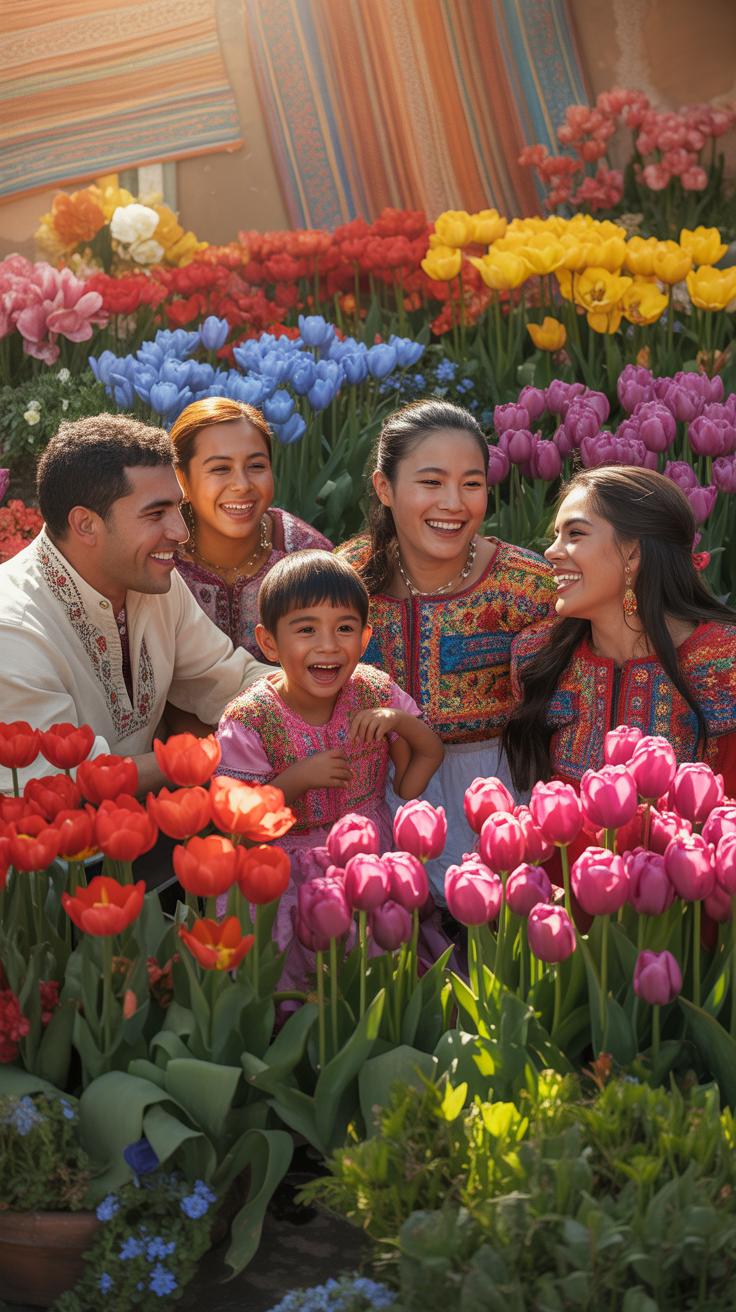
How Tulipanes Are Celebrated And Gifted Across Spanish Speaking Cultures
Spanish-speaking cultures value tulipanes for their clean lines and modern aesthetic. These flowers often replace traditional roses in upscale social events and religious festivals. Florists in Mexico and Spain report high demand for tulips during spring holidays. Families use these blooms to decorate home altars and public spaces. They represent a shift toward contemporary floral design while maintaining deep respect for traditional gift-giving etiquette.
Gifting tulips requires attention to local customs regarding quantity and timing. Many Latin traditions prefer odd numbers of stems for luck and prosperity. Presentation matters more than the price of the bouquet. You should deliver tulips in high-quality wrapping paper or glass vases to show respect. Giving these flowers during Mother’s Day or anniversaries signals sophisticated taste. People view the tulip as a premium choice for showing genuine appreciation.
The Symbolic Weight Of Tulip Colors In Latin American Floral Customs
Tulip color meanings carry heavy social weight in Latin American customs. Red tulips signal intense passion and are common in romantic courtship. Yellow tulips once represented unrequited love but now symbolize sunshine and joy in modern Latin circles. White tulips remain the standard for formal apologies and funeral rites. Using the wrong color can send a confusing message to the recipient. Always select colors based on the intended emotional impact.

Specific shades like orange and purple serve distinctive roles in regional celebrations. Orange tulips represent energy and warmth during harvest or family gatherings. Purple tulips signify royalty and religious devotion during Holy Week processions. Professionals must match the bloom hue to the specific event to avoid cultural blunders. Understanding these color codes ensures your floral choice aligns with local expectations. Precise color selection demonstrates cultural competence and strengthens social bonds through non-verbal cues.
Tulips Color Means More Than You Think Combining Colors For Deeper Messages
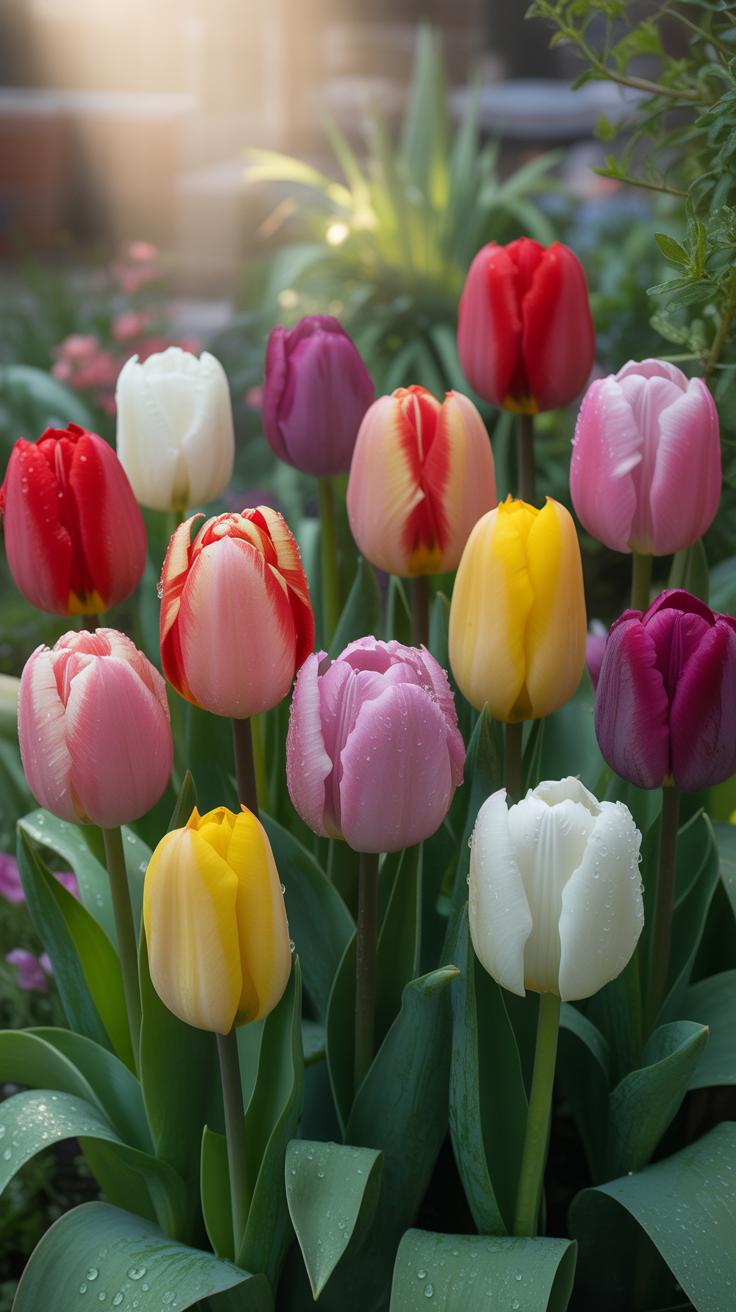
What Mixed Tulip Bouquets Communicate And How To Arrange Them Intentionally
Mixed tulip bouquets signal complex emotions that a single color cannot express. In professional floral design, a combination of red and yellow tulips represents a transition from friendship to romantic interest. This method relies on the historical Victorian language of flowers where specific pairings dictated social boundaries. You must balance bold hues with softer tones to prevent visual clutter while maintaining a clear thematic message.
Strategic placement of colors within a bouquet directs the eye and reinforces the intended sentiment. Place darker shades like deep purple or black tulips at the base to provide visual weight and a sense of mystery or royalty. Surround them with white tulips to symbolize purity and respect. This contrast ensures the recipient understands both the depth of your devotion and the sincerity of your professional or personal intentions.
How To Personalize A Tulip Gift Using Color Meaning For Maximum Emotional Impact
Personalizing a tulip gift requires matching the flower color to the specific life stage of the recipient. Give orange tulips to colleagues celebrating a promotion because they symbolize energy and desire. For someone seeking forgiveness, use white tulips to acknowledge a fresh start. Selecting colors based on these established meanings removes guesswork. It ensures your gift serves as a functional tool for communication rather than a generic gesture.
Tactical gifting also considers the cultural context of the recipient. In many Eastern cultures, red tulips signify deep love but also carry luck. Pair them with pink tulips to soften the intensity and express general care and affection. Avoid using yellow tulips for those experiencing grief, as their modern association with cheerfulness might clash with the somber mood. Use light purple to convey admiration for someone’s elegance and refined taste.
Frequently Asked Questions

What do the different colors of tulips symbolize for beginners?
Understanding tulip color meanings is a wonderful way to communicate without speaking. Generally, red tulips represent deep, eternal love, while white tulips symbolize purity, honor, and forgiveness. If you want to brighten someone’s day, yellow tulips signify cheerful thoughts and sunshine. Purple tulips are often associated with royalty and elegance. By learning these basic associations, you can choose the perfect bouquet that conveys exactly how you feel to your recipient.
How can I use tulip color meanings to decorate my home for specific events?
To decorate effectively, start by identifying the mood of your gathering. For a romantic dinner, deep red and pink tulips create an intimate atmosphere of passion and affection. If you are hosting a spring brunch, mixing yellow and orange tulips promotes energy and warmth. Paying attention to tulip color meanings allows you to curate a cohesive aesthetic that aligns with your event’s theme, making your floral arrangements both beautiful and deeply intentional.
Are there affordable ways to enjoy specific tulip colors on a budget?
Absolutely! You don’t need a massive budget to enjoy these blooms. Purchasing standard single-color bunches at local farmers’ markets is much cheaper than buying elaborate mixed arrangements from high-end florists. Additionally, you can buy tulip bulbs in the fall to plant in your own garden or in small pots. This cost-effective method allows you to grow a variety of shades yourself while intimately exploring the diverse world of floral symbolism.