
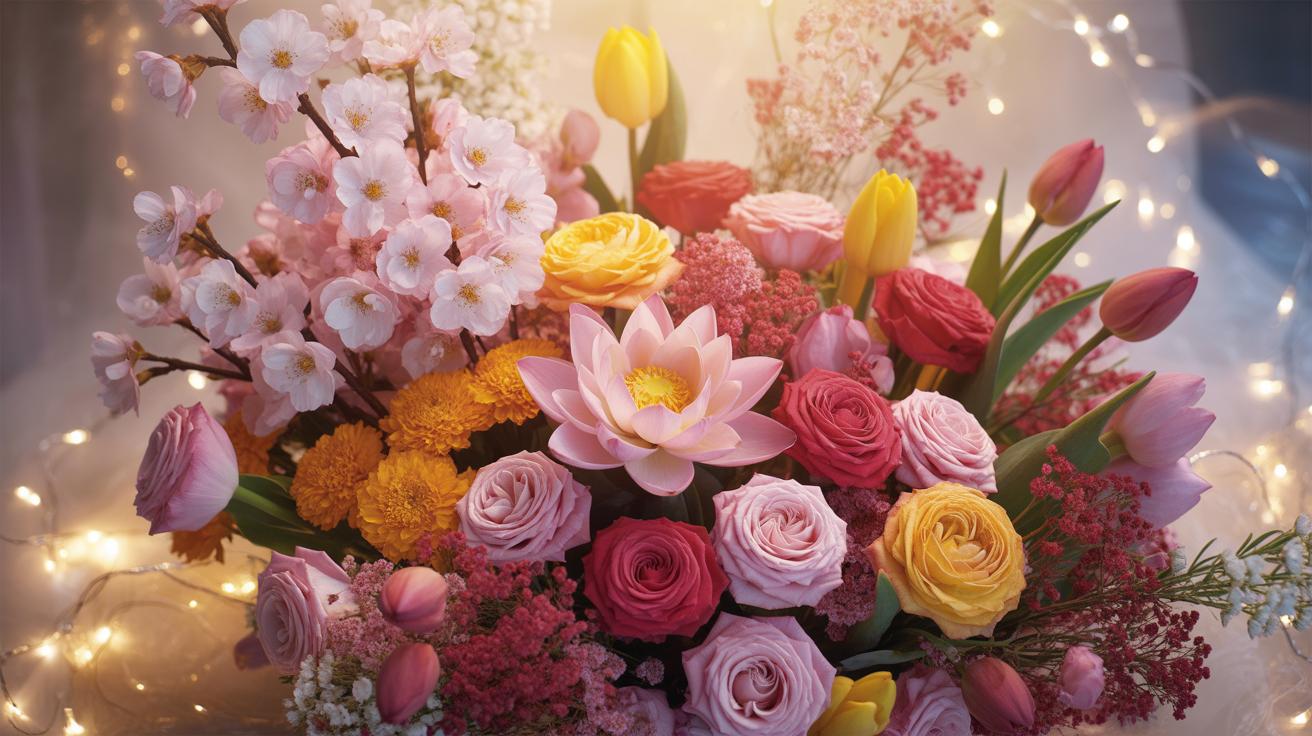
The Rich History Behind Flowers And Their Meanings Across Different Cultures
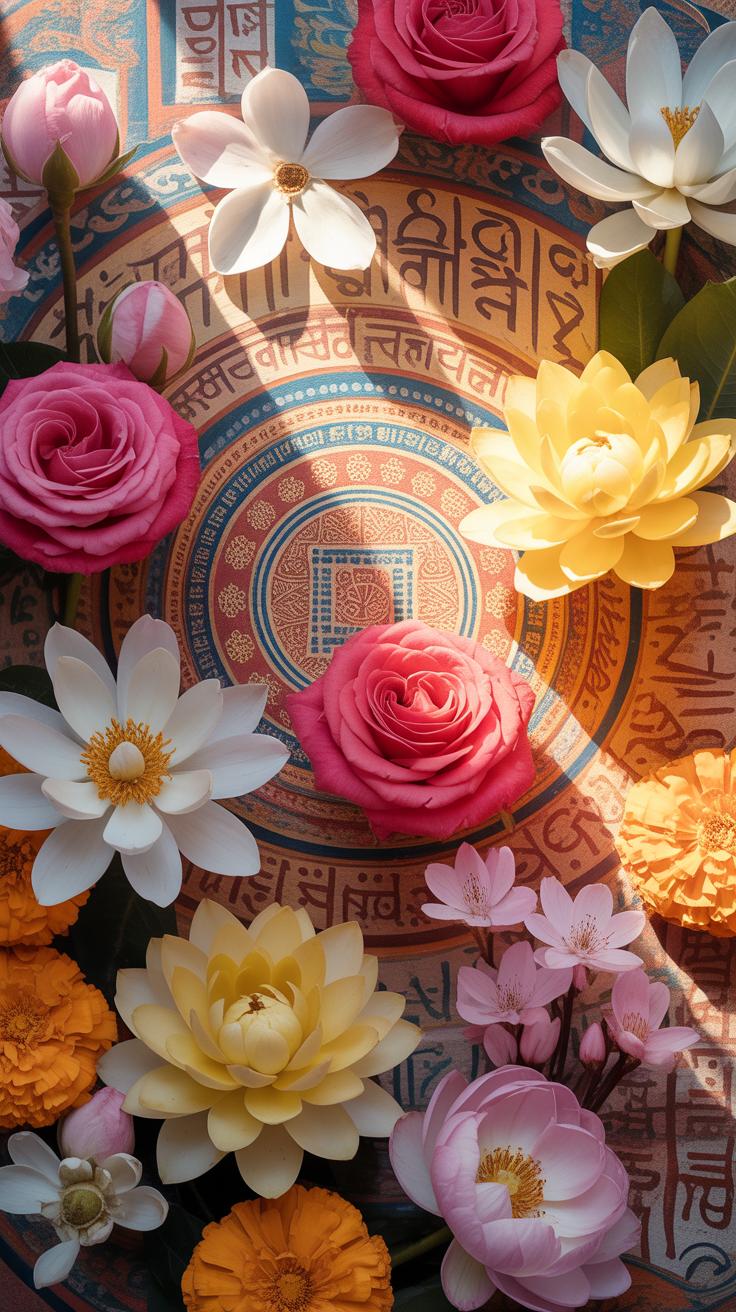
How Ancient Civilizations First Assigned Symbolism To Flowers
Ancient Egyptians used the blue lotus to represent rebirth and the sun. This flower retreats under water at night and rises in the morning. They saw this movement as a solar cycle. Greeks used laurel leaves to crown victors and scholars. This tradition linked specific plants to social status and achievement. These early choices created a foundation for modern floral communication systems.
The Chinese Han Dynasty integrated peonies into royal gardens to show wealth and honor. They viewed the peony as the king of flowers. In Rome, citizens scattered rose petals during ceremonies to signal power and luxury. These civilizations did not select flowers for beauty alone. They chose species based on biological traits and seasonal cycles. These practical observations turned into the first established cultural codes.
How The Victorian Era Formalized The Language Of Flowers Known As Floriography
Victorian society used flowers to send secret messages. Strict social rules prevented people from speaking openly about their feelings. They used floral handbooks to assign specific meanings to every bloom. A primary source was Charlotte de Latour’s book published in France. This system allowed individuals to communicate complex emotions. Handing someone a specific bouquet acted as a silent but clear tactical move.
The placement and condition of the flowers also mattered. If a sender leaned a flower to the right, it referred to themselves. Tilting it to the left referenced the recipient. Even the ribbon placement changed the intended message. This era turned botany into a precise legalistic code. It transformed simple gardening into a rigorous method of communication. These rules eliminated ambiguity in public social interactions.

Understanding The Meaning Of Different Flowers Used In Celebrations Worldwide
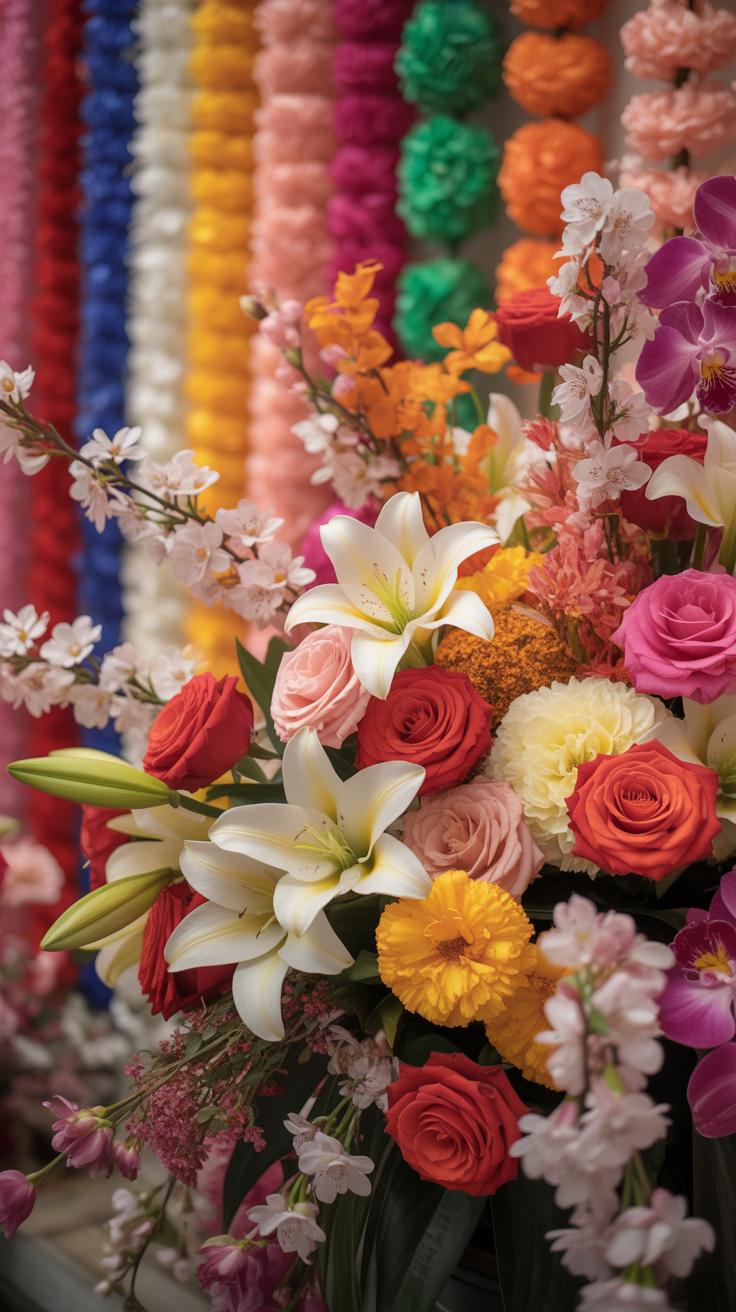
Why The Rose Carries Different Celebratory Meanings Across European And Middle Eastern Cultures
European traditions use the rose to signify romantic love and social rank. This stems from Victorian floriography where color dictated specific messages. Red roses symbolized passion while white roses signaled purity or mourning. High society used these blooms to communicate private feelings in public settings. Modern European weddings still use the rose as a primary aesthetic and symbolic choice to represent lifelong commitment between partners.
Middle Eastern cultures view the rose through a spiritual and industrial lens. Persian history links the rose to divine perfection and literary beauty. It serves as a core ingredient in religious ceremonies and hospitality rituals. Rosewater often greets guests at celebrations to honor their presence. This region treats the flower as a symbol of the soul rather than just a romantic token. The tactical focus remains on its scent and purity.
How The Lotus Flower Holds Sacred Ceremonial Significance Across Asia
The lotus occupies a central role in Asian religious ceremonies. In Buddhist tradition, it represents the path to enlightenment. It grows in mud but remains clean. This physical trait symbolizes rising above earthly desires. Practitioners place lotus flowers on altars during festivals to honor the Buddha. The flower represents spiritual awakening and the purity of the human heart in a chaotic world.
In Hindu culture, the lotus signifies prosperity and fertility. It appears in depictions of deities like Lakshmi and Brahma. People use the flower in wedding rituals to bring good fortune to the couple. The symmetry of the bloom reflects cosmic order. Its ability to retract into water at night and emerge at dawn symbolizes rebirth and eternity. Celebrations utilize the lotus to anchor the event in ancient spiritual values.
Types Of Flowers And Meanings That Define Wedding Traditions Around The Globe
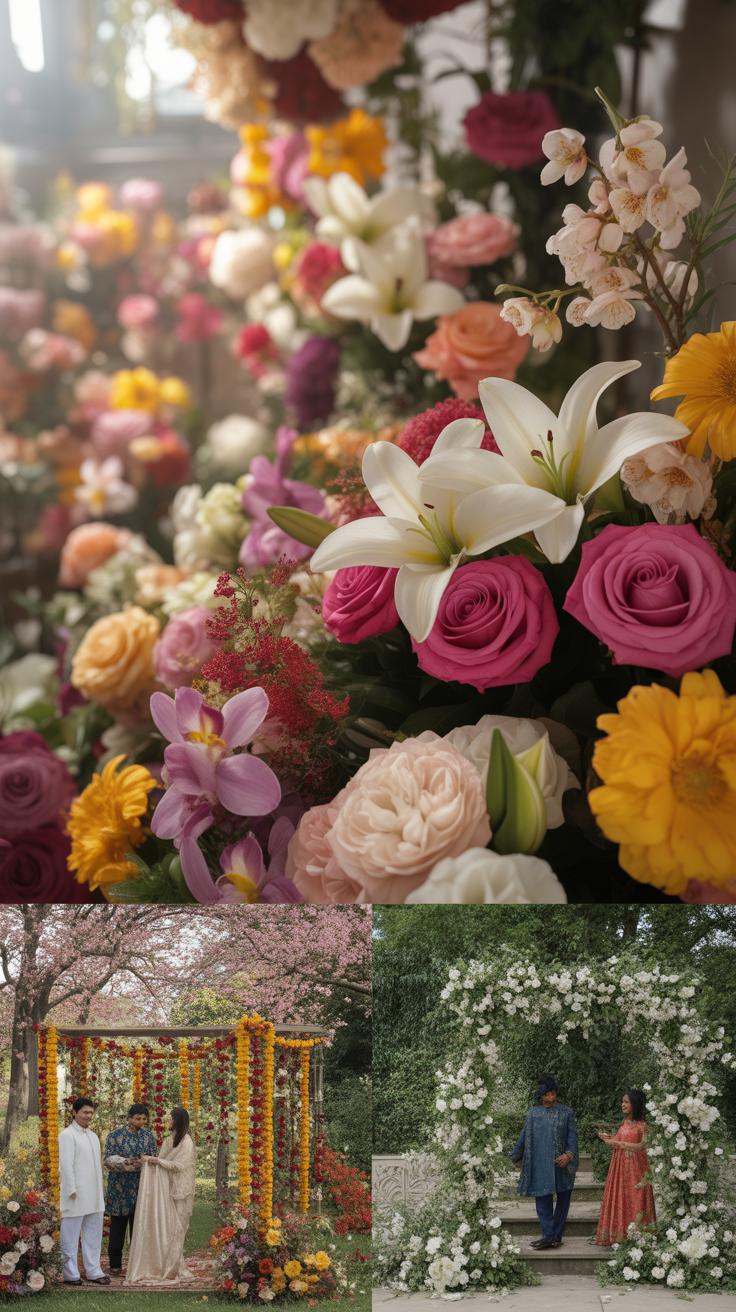
Why Peonies Are Considered A Powerful Symbol Of Marriage And Good Fortune In Chinese Culture
Peonies represent the king of flowers in traditional Chinese culture. They symbolize wealth, honor, and high social status. These flowers appear frequently in wedding decor to invite prosperity into the new household. Their large, full blooms signify a life of abundance. Families display them to ensure the couple starts their journey with financial and social security. This tactical use of floral imagery cements the union.
The red peony specifically signalizes passion and lasting love. In Chinese wedding traditions, red is the primary color for luck and joy. Incorporating these flowers into the ceremony acts as a visual contract for a happy marriage. The bloom represents feminine beauty and fertility. Couples use them to ensure the lineage continues and remains strong. This flower remains a staple in Eastern matrimonial rites for these reasons.
How Orange Blossoms Became An Enduring Bridal Flower In Western Wedding Ceremonies
Orange blossoms became the standard for Western brides during the Victorian era. Queen Victoria wore a wreath of these flowers instead of a tiara in 1840. This choice shifted global wedding trends immediately. The white petals represent purity and chastity in European traditions. Because the orange tree produces fruit and flowers simultaneously, it also serves as a potent symbol of future fertility for the couple.
The fragrance and rarity of the blossom added to its elite status. Before modern shipping, owning fresh citrus blooms showed significant wealth and logistical power. This established the flower as a mark of high-tier wedding events. Today, the tradition persists through lace patterns and perfumes even when fresh flowers are unavailable. The blossom remains a structural element of bridal fashion because it conveys innocence and long-term domestic productivity.
Different Flowers And Their Meanings When Honoring Loss And Remembrance Globally
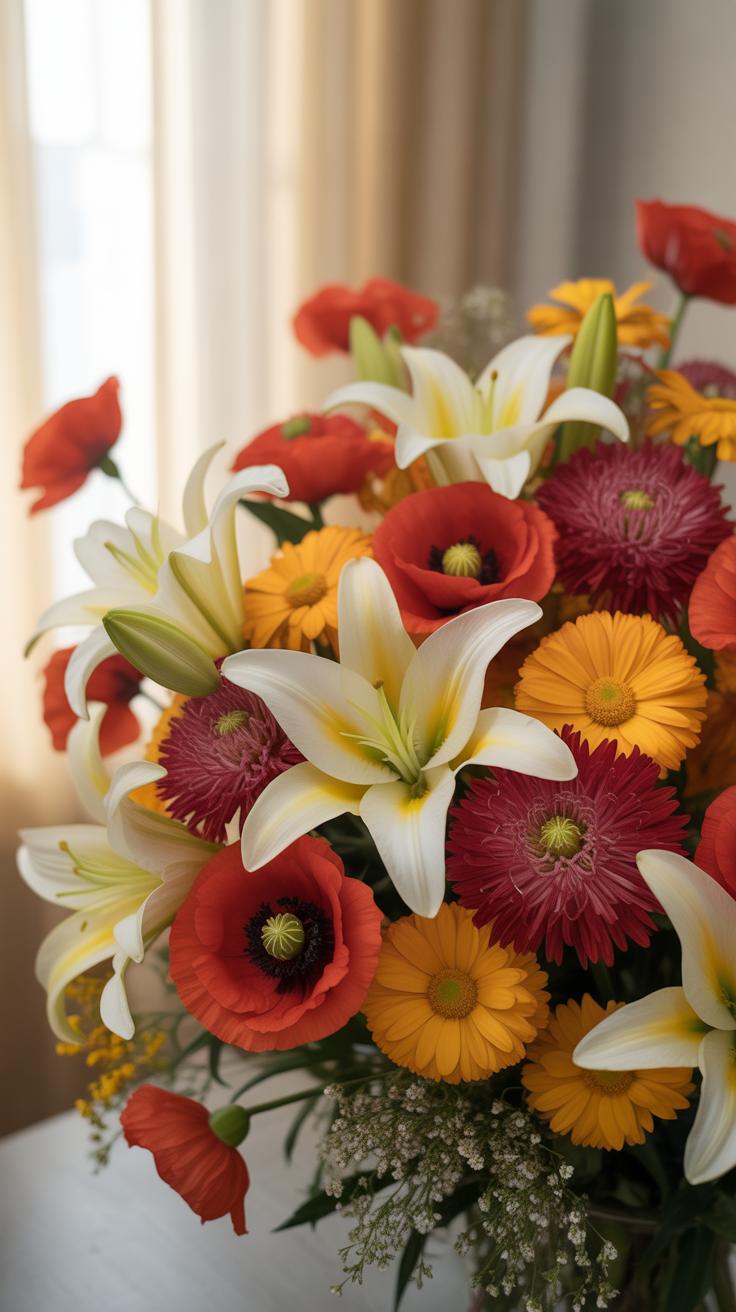
Why Chrysanthemums Are The Predominant Flower Of Mourning Across Many Asian And European Nations
Chrysanthemums signal death in many cultures due to their blooming cycle and historical availability. In France, Italy, and Poland, people place these flowers on graves for All Souls’ Day. This tradition stems from the flower’s ability to withstand cold weather when other plants die. Giving chrysanthemums as a gift in these regions is a social error. It suggests the recipient is near death or mourning a loss.
In East Asian nations like China, Japan, and Korea, white and yellow chrysanthemums symbolize lamentation and grief. These colors dominate funerals and memorial services. Shinto and Buddhist traditions use the flower to represent the transition from life to death. Historically, the chrysanthemum became a symbol of the Japanese Emperor. However, its specific use in white or yellow remains strictly reserved for honoring the deceased and ancestral spirits.
How The Marigold Became The Central Flower Of Mexico’S DíA De Los Muertos Celebrations
The cempasúchil, or Mexican marigold, is the primary tool for guiding spirits during Día de los Muertos. Its bright orange color and pungent scent serve a functional purpose. Families scatter petals to create a path from the grave to the home altar. This helps the souls of the departed find their way back to the living world. This practice dates back to Aztec rituals dedicated to the goddess Mictecacihuatl.

Marigolds represent the fragility of life and the sun’s warmth. Indigenous groups believe the flower traps the sun’s rays within its petals. This light illuminates the dark journey of the dead. Modern celebrations maintain this tactical use in ofrendas across Mexico and the United States. Builders stack these flowers on graves to ensure the deceased feel welcomed. The marigold remains a practical bridge between the physical and spiritual realms.
Flowers And Their Meaning In Religious Festivals And Spiritual Ceremonies
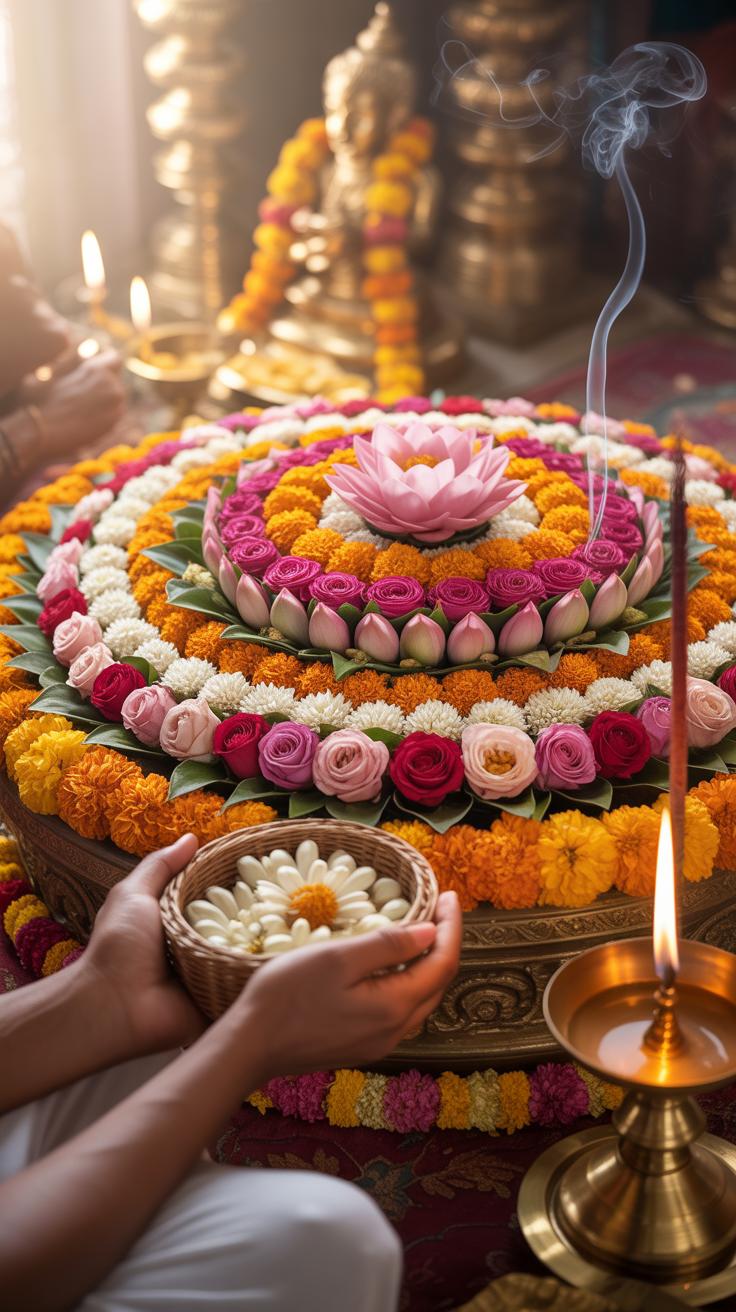
How Jasmine And Marigold Garlands Play A Central Role In Hindu Worship And Festivals
Hindu rituals prioritize marigolds for their bright orange and yellow hues. These colors represent victory over dark forces and the pursuit of knowledge. Devotees offer marigold garlands to deities during Diwali and Dussehra. The flower stays fresh longer than most others after being cut. This durability makes it a practical choice for long temple ceremonies. It symbolizes physical and spiritual strength in the face of adversity.
Jasmine plays a different tactical role in Hindu worship due to its strong scent. This fragrance serves to purify the air and focus the mind during prayer. Many practitioners use jasmine to honor the goddess Laxmi and Lord Vishnu. The white petals represent purity and devotion. Women often wear these flowers in their hair to invite positive energy. Its presence signals the start of a sacred and intentional ritual space.
Why The White Lily Carries Deep Spiritual Symbolism In Christian Traditions And Easter Celebrations
The white lily serves as a primary symbol in Christian liturgy. It specifically represents the resurrection of Jesus Christ. Churches display these flowers during Easter to signify hope and new life. The bulb grows in the ground and then rises as a bloom. This biological cycle mirrors the theological narrative of the faith. Its three petals sometimes signify the Holy Trinity. This makes it a functional tool for religious education.

In historical art and tradition, the lily connects to the Virgin Mary. It represents purity and the removal of sin. Painters during the Renaissance included white lilies to signal divine presence. Today, the flower remains a standard for funeral services and baptisms. It communicates a message of peace and transition. The flower functions as a visual shorthand for holiness. Its clean appearance reinforces the core values of the Christian tradition.
Flowers With Meaning That Make Thoughtful Gifts For Birthdays And Anniversaries
A Guide To Selecting Birth Month Flowers And What They Symbolize As Personal Gifts
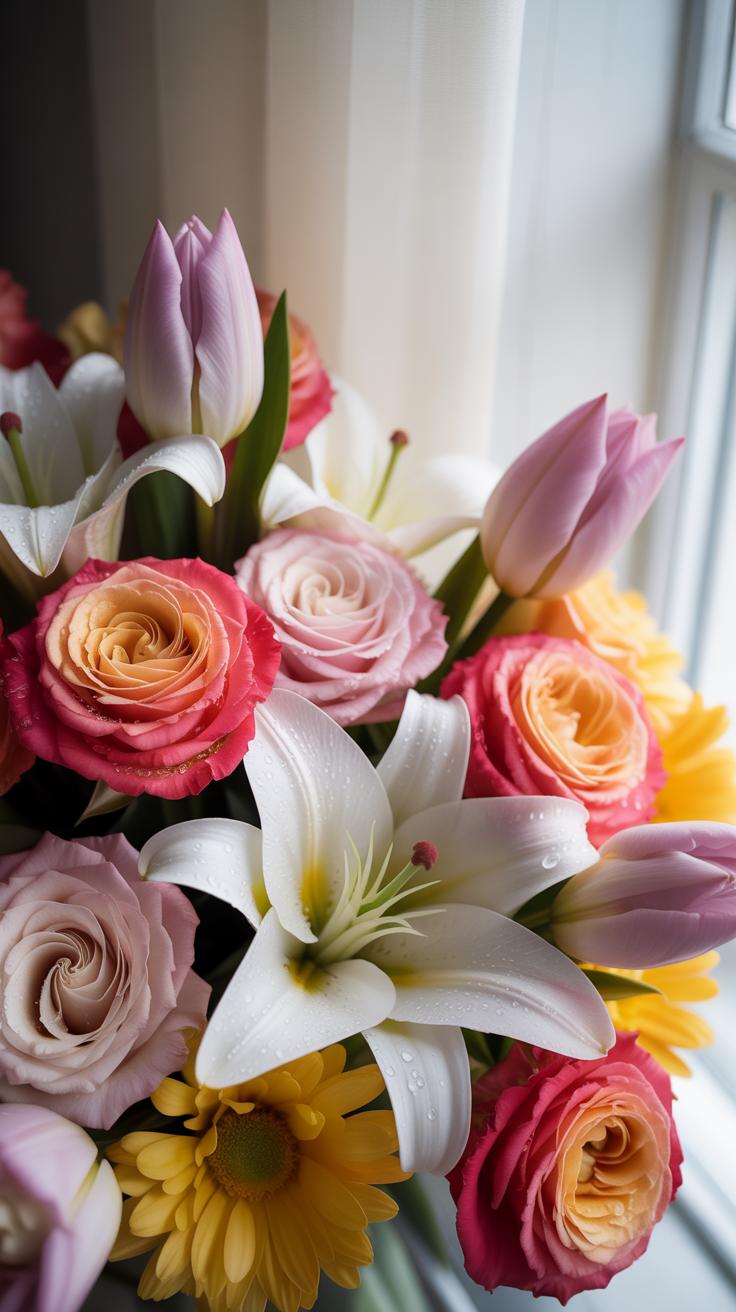
Birth month flowers offer a tactical way to personalize gifts. Every month links to a specific bloom based on seasonal availability and historical folklore. These associations trace back to Roman times when people first used flowers to celebrate birthdays. Selecting the correct specimen shows attention to detail. It replaces generic arrangements with a gift that carries specific cultural and historical weight.
- January Carnation: These hardy flowers represent distinction and love. They survive cold climates well and offer a variety of colors. Different hues carry specific meanings like admiration or deep affection. Historically, they appeared in Greek ceremonial crowns for their longevity and structural integrity.
- March Daffodil: This bloom signals rebirth and new beginnings as winter ends. It represents unequaled love and regard in many Western cultures. Giving a single daffodil suggests misfortune, so always gift them in bunches. They serve as a powerful symbol of resilience and the return of sunlight.
- May Lily of the Valley: This delicate flower symbolizes sweetness and a return to happiness. It features bell-shaped petals and a strong scent. In some European traditions, it represents humility. Many cultures value it for its association with spring festivals and its role in traditional bridal bouquets.
- July Larkspur: These tall spikes represent strong bonds of love and a light heart. They are a staple of English cottage gardens. In historical contexts, they symbolized protection and luck. Each color variation provides a different nuance, ranging from first love to grace.
- November Chrysanthemum: This flower represents loyalty and longevity. It is one of the most culturally significant plants in East Asia. In Japan, it symbolizes the emperor and the sun. In the West, it brings a message of cheerfulness and well-being during the transition into winter.
Match the flower to the recipient’s birth month for maximum impact. This strategy removes the guesswork from floral selection. It ensures the gift has a clear purpose and a rooted history. Use these meanings to explain your purchase to the recipient. This converts a simple transaction into a meaningful gesture. Reliable data on birth flowers ensures your gift remains respectful and accurate.
How Anniversary Flowers Differ By Year And What Their Traditional Meanings Represent
Traditional anniversary lists assign specific flowers to each milestone year. This system provides a clear roadmap for gift-giving over decades. The first year requires carnations to represent youthful passion. The fifth year utilizes daisies to symbolize loyal love and innocence. As years pass, the flowers become more complex and culturally significant. This progression reflects the growth and hardening of a long-term human relationship.

Tactical gift giving requires following these established milestones accurately. For a tenth anniversary, use yellow daffodils to signify joy and cheerfulness. For the fifteenth, choose roses to signal intense devotion. By the twenty-fifth anniversary, the iris represents promise and wisdom gained through time. Following these standards demonstrates a high level of social competence. It shows you understand the historical value placed on these specific floral markers.
The Meaning Of Flower Colors And How They Change Symbolism Across World Cultures
Why White Flowers Symbolize Purity In Some Cultures But Grief In Others
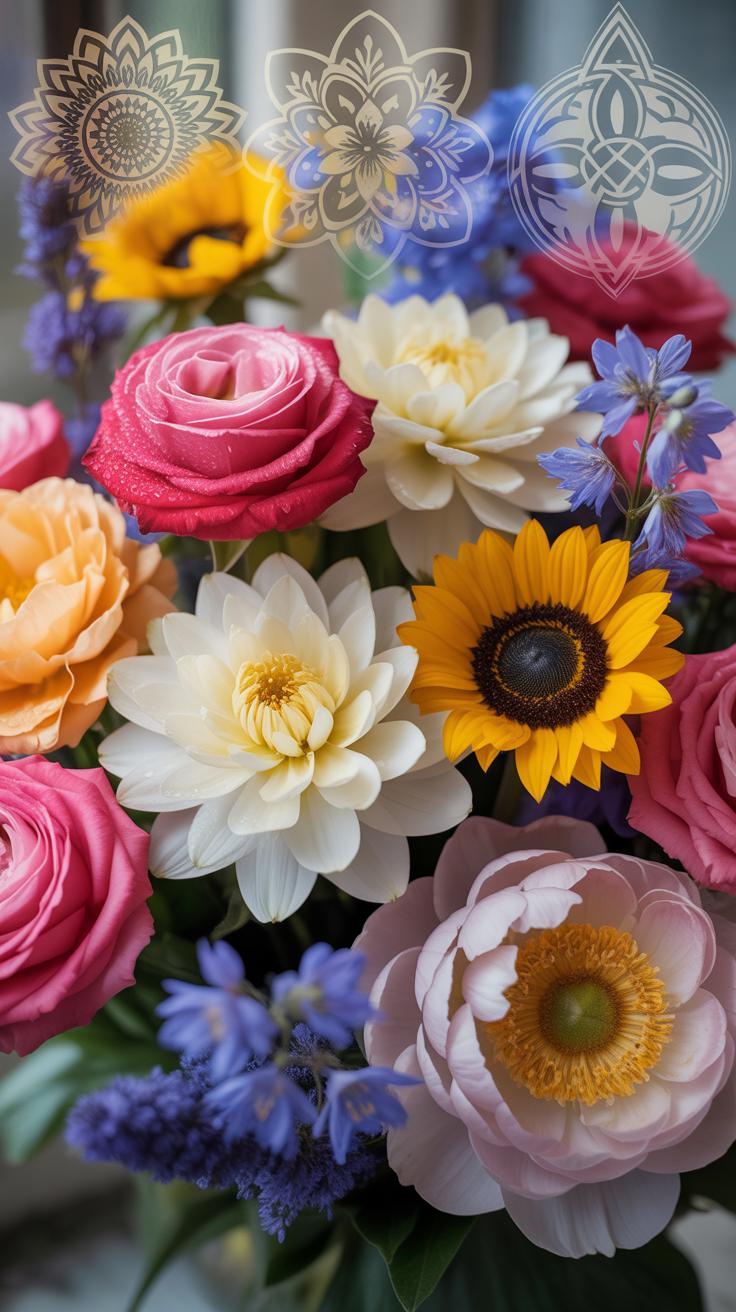
Western cultures view white flowers as symbols of purity and innocence. This tradition stems from Victorian era customs and religious associations. Brides carry white lilies or roses to signify virtue and new beginnings. This color remains the standard for weddings and births across North America and Europe. It communicates a clean slate and high moral standing. Use white in these regions to celebrate life milestones and fresh starts.
In contrast, several East Asian cultures associate white flowers with death and mourning. In countries like China and Korea, people wear white to funerals. White chrysanthemums are specific to bereavement and honoring the dead. Giving white flowers in these contexts can cause offense or suggest a wish for someone’s passing. Always verify local customs before sending white floral arrangements to Asian business partners or friends. Context dictates whether white means life or loss.
Flowers are the beautiful hieroglyphics of nature, with which she indicates how much she loves us.
How Yellow Flowers Shift Between Meanings Of Friendship Jealousy And Happiness Depending On The Region
Yellow flowers represent joy and friendship in modern North American markets. They signify the sun and positive energy. Florists recommend yellow roses to celebrate platonic bonds or to brighten a colleague’s day. The color lacks romantic subtext in this region. This makes it a safe choice for professional gifts or cheering up a sick friend. It communicates warmth and optimism without the heavy weight of red or white symbolism.

Historical European traditions offer a different perspective on yellow blooms. In the Victorian language of flowers, yellow often symbolized jealousy or infidelity. Some French traditions still link yellow roses to a break in trust or the end of a relationship. Meanwhile, in Mexico, yellow marigolds serve as the primary flower for the Day of the Dead. They help guide spirits back to the living world. The meaning depends entirely on the geographical border.
All About Flowers How To Choose The Right Bloom For Every Special Occasion
Key Considerations When Selecting Culturally Appropriate Flowers For International Events
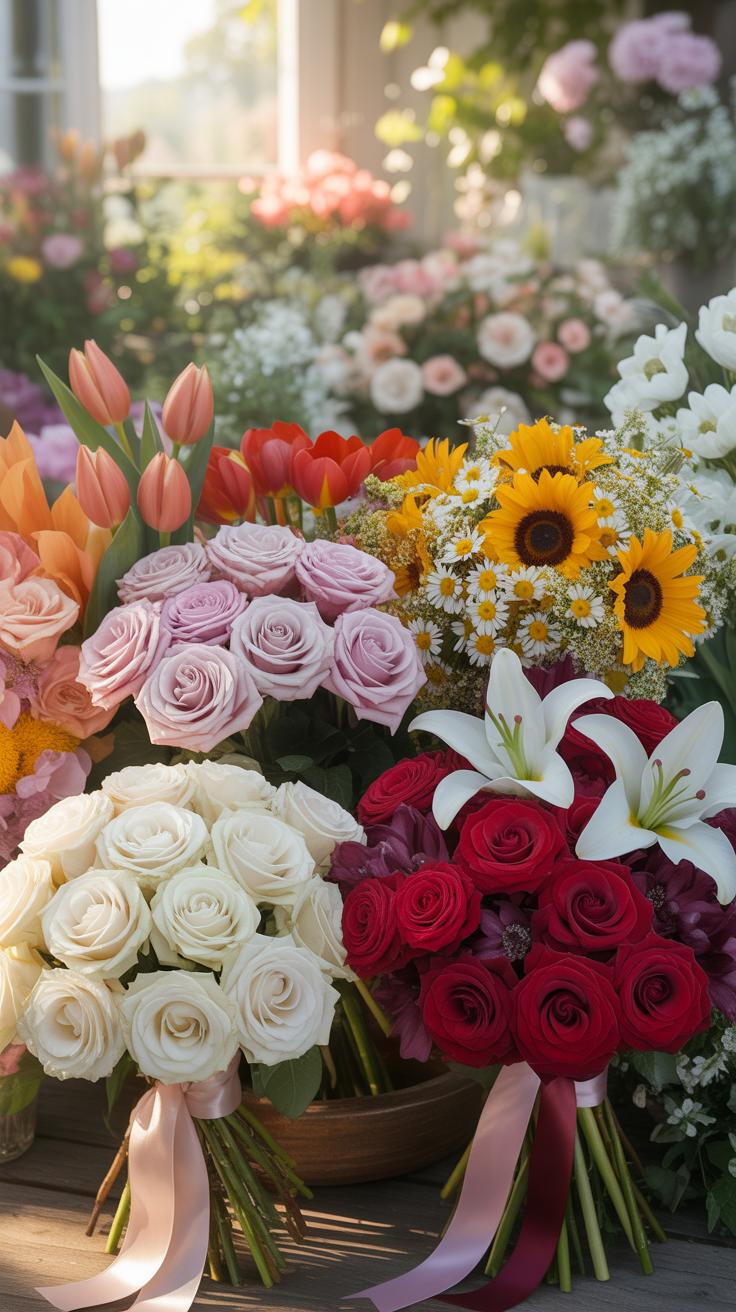
International event planning requires a strict understanding of local taboos and color symbolism. You must research the specific cultural context of your venue before placing any orders. Missteps in flower selection can insult guests or signal unintended messages like grief or bad luck. Focus on color, quantity, and species. These three factors dictate how guests perceive your intent and the event’s overall success.
- Color Taboos: In many Asian cultures, white flowers like chrysanthemums represent death and funerals. Using them at a business celebration or wedding creates an immediate negative atmosphere. Always verify if a color has mourning associations in the host country before finalizing the design.
- Numerical Significance: Numbers carry heavy weight in floral arrangements. In Europe, giving an even number of flowers often signifies a funeral. In contrast, roses in the United States are typically sold by the dozen. Always count the stems to ensure you follow local traditions.
- The Yellow Dilemma: Yellow flowers have conflicting meanings across borders. In Mexico, marigolds lead the dead home during specific holidays. In France, yellow roses can suggest infidelity or jealousy. You must clarify the regional meaning of yellow to avoid sending a message of betrayal or sorrow.
- Red Flower Restrictions: While red signifies luck in China, it has different connotations elsewhere. In some Middle Eastern contexts, red flowers might be too aggressive for formal diplomatic meetings. Use red carefully to ensure it aligns with the specific level of formality required for your international gathering.
- Scent Sensitivity: High-fragrance blooms like lilies or tuberoses can overwhelm enclosed spaces. Some cultures find strong floral scents intrusive or offensive in dining settings. Evaluate the venue size and air circulation. Select low-scent varieties for multi-national corporate dinners to ensure guest comfort and focus.
Logistics also play a major role in your selection process. Ensure the chosen blooms are legally available for import or sourced locally to maintain freshness. Use robust varieties for high-traffic events to prevent wilting. A wilted display suggests a lack of preparation and disrespect. Verify the durability of each species against the local climate and venue temperature to maintain a professional appearance throughout the day.
How Florists And Event Planners Use Global Flower Symbolism To Create Meaningful Arrangements
Modern florists use global symbolism to tell a specific brand or personal story. They move beyond basic aesthetics to select flowers that reflect the heritage of the participants. This strategy builds trust and shows a high level of cultural intelligence. Planners integrate these symbols into centerpieces and stage decor to reinforce the theme of the event without saying a single word.

Tactical floral design involves layering different meanings within a single arrangement. Strategy-minded planners use greenery to balance the heavy symbolism of focal blooms. For example, they might pair olive branches for peace with blue irises for hope in a diplomatic setting. This calculated approach ensures the floral decor functions as a communication tool. It transforms simple decoration into a deliberate asset for successful international relations.
Frequently Asked Questions

Why is it important to learn about flower meanings in different cultures?
Understanding flower meanings around the world is essential because a bloom that represents joy in one country might symbolize mourning in another. For instance, while white lilies signify purity in many Western cultures, they are often reserved for funerals in parts of Asia. Learning these global associations ensures your floral gifts convey the right message and show deep respect for the recipient’s specific cultural heritage and traditions.
How can I choose the right bouquet using flower meanings around the world?
To select the perfect arrangement, start by researching the recipient’s cultural background and the specific occasion. Use a reliable guide to flower meanings around the world to cross-reference colors and species. For a wedding, choose peonies for prosperity in Chinese culture or stephanotis for marital happiness in the West. Always prioritize the symbolic intent over mere aesthetics to create a gift that feels deeply personal, thoughtful, and culturally appropriate.
Can I still give meaningful floral gifts if I am on a tight budget?
Absolutely! Meaningful gifting is about symbolism rather than size. Many affordable plants, like aromatic herbs or single stems of carnations, carry powerful historical significance. Researching local wildflowers can also reveal beautiful sentiments without a high price tag. By focusing on the heartfelt intent behind the gesture, you can create a memorable moment that honors tradition and sentiment without needing to purchase an expensive or oversized luxury arrangement.