
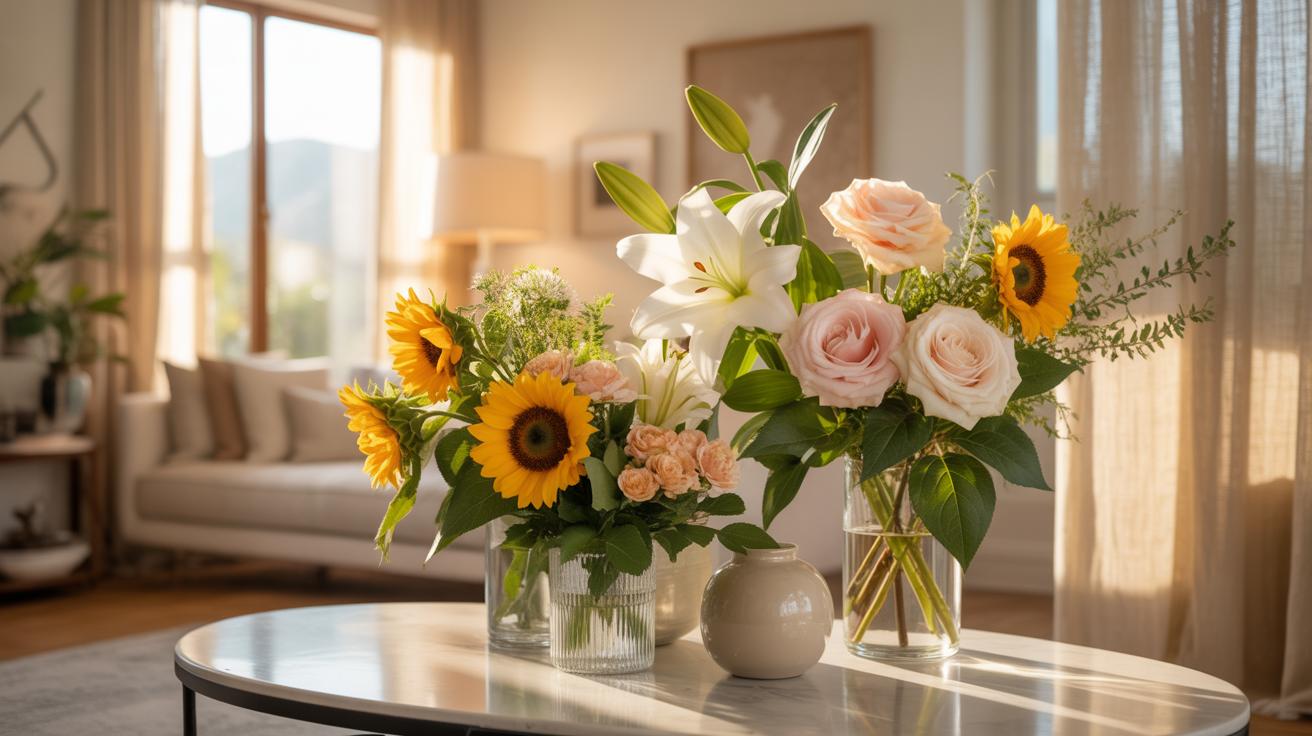
Understanding Get Well Flower Meanings And Why They Matter
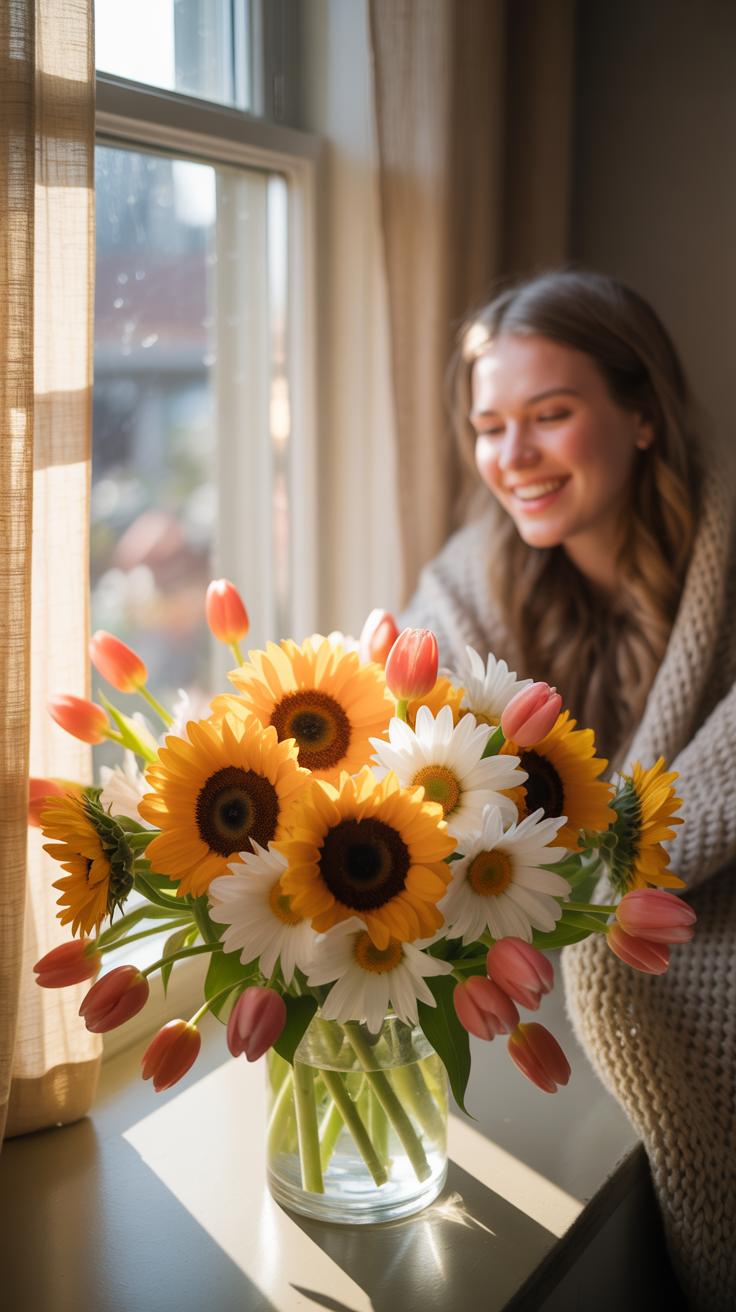
The History Behind Sending Flowers For Healing And Recovery
Ancient civilizations established the link between flora and health out of necessity. Greeks and Romans used specific blooms for both physical medicine and symbolic protection. They believed certain scents and colors could drive away illness. This practice moved from herbal medicine into social etiquette. By the Victorian era, the language of flowers became a formalized communication system called floriography. People used it to send coded health messages.
Modern medical history validates these early instincts. Hospitals in the nineteenth century began recognizing that natural views improved patient outcomes. Florence Nightingale noted that bright flowers helped patients recover faster. This shift turned floral gifts from simple gestures into tactical tools for recovery. Today, the choice of a flower reflects a specific intent to boost morale. It connects historical tradition with current psychological recovery standards.
How The Meaning Of Flower Choices Impacts Emotional Well Being
Strategic flower selection directly influences the recovery environment. Bright yellow blooms like sunflowers signal energy and resilience. Blue flowers promote calmness and reduce blood pressure. Choosing the wrong color can create unwanted stress or evoke mourning. You must align the flower meaning with the patient’s specific emotional needs. Correct choices foster a sense of control and hope in a sterile medical setting.
The presence of nature reduces cortisol levels in the human body. Research shows that patients with plants in their rooms require less pain medication. They also report lower fatigue and anxiety levels. You are not just decorating a room. You are engineering an atmosphere for physiological repair. Selecting flowers with positive meanings reinforces the patient’s mental resolve. This tactical move accelerates the transition from illness back to daily productivity.

Sunflowers And Flowers And The Meaning Of Positivity In Recovery

Why Sunflowers Symbolize Warmth, Adoration, And Optimism
Sunflowers belong to the genus Helianthus. The name combines the Greek words for sun and flower. These plants exhibit heliotropism. They turn their heads to follow the sun across the sky. This biological trait creates a direct link to optimism. In a recovery context, this movement represents a focus on light rather than darkness. This makes them a tactical choice for get well messages.
Historical records show the Incas used sunflowers to represent the sun god. In Victorian flower language, these blooms signaled adoration and loyalty. Their yellow petals contain high concentrations of carotenoids. This pigment creates a visual impact that triggers a psychological response of alertness. Because they produce large amounts of seeds, they also symbolize longevity. These facts make them a functional tool for boosting patient morale.
How To Style Sunflowers In A Home To Encourage A Healing Environment
Styling sunflowers requires a focus on structural stability. These flowers have heavy heads and thick, fibrous stems. Use heavy glass or ceramic vessels to prevent tipping. Place them in areas with natural light to reinforce their connection to the sun. This placement creates a clear focal point in a room. Minimalist arrangements work best. They reduce visual clutter which helps lower stress levels for patients.
Incorporate natural materials like stone or wood nearby to ground the arrangement. This follows principles of biophilic design. Avoid crowded bouquets that hide the stems. Large sunflowers look best when displayed in odd numbers. This creates visual balance without symmetry. Keep the water clean and change it daily to prevent bacterial growth. Clean water ensures the flowers remain a source of health rather than a source of decay.
Daisies And The Flowers Names And Their Meanings Rooted In Innocence And Cheer
The Symbolism Of Daisies Across Different Cultures And Traditions
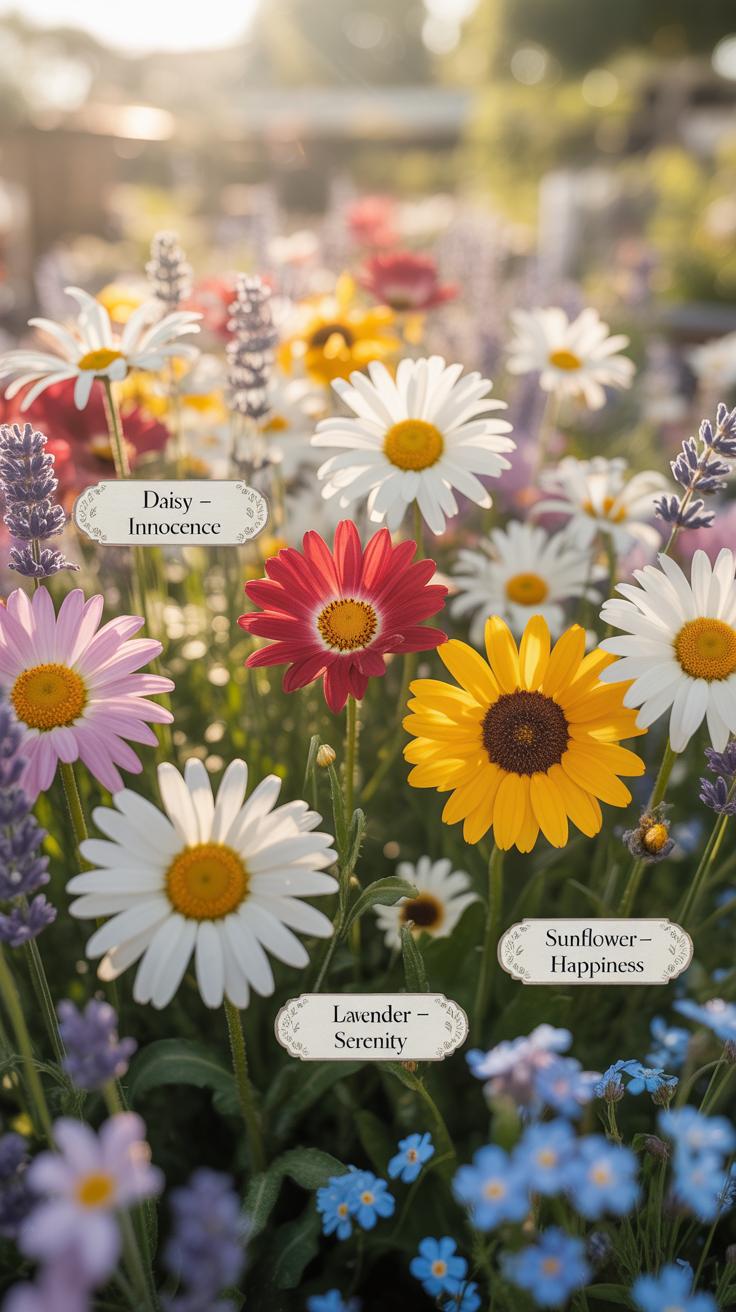
Daisies belong to the Asteraceae family. The name comes from the Old English phrase for day eye. This refers to the flower closing at night and opening at dawn. Historically, this behavior connects the plant to the sun and rebirth. Local cultures use the daisy to represent fresh starts. This makes the flower a primary choice for patients entering a recovery phase.
Victorian floriography assigned specific meanings to different daisy varieties. The white daisy represents purity while the colorful Gerbera signifies cheerfulness. Ancient Norse mythology linked the flower to Freya, the goddess of fertility and health. These historical associations reinforce the theme of life force and renewal. Using daisies in a medical context taps into these long traditions of hope and new beginnings.
Styling Tips For Using Daisies As A Get Well Gift In The Home
Effective floral styling requires a focus on vessel selection and placement. Place Gerbera daisies in heavy glass or ceramic vases. These stems are thick and hold significant water weight. Position the arrangement in a room with high natural light. This mimics the natural environment of the flower. Avoid placing them near cooling vents. Drafts cause the large petals to wilt or drop prematurely.

Balance the visual weight by grouping daisies in odd numbers. Three or five large blooms create a clean focal point. Remove all foliage below the water line to prevent bacterial growth. Bacteria shorten the life of the cut flower and create odors. Use lukewarm water for white daisies to improve hydration speed. This tactical approach ensures the gift remains fresh for at least seven days.
Lavender Exploring The Flower Meaning Of A Calming And Restorative Bloom
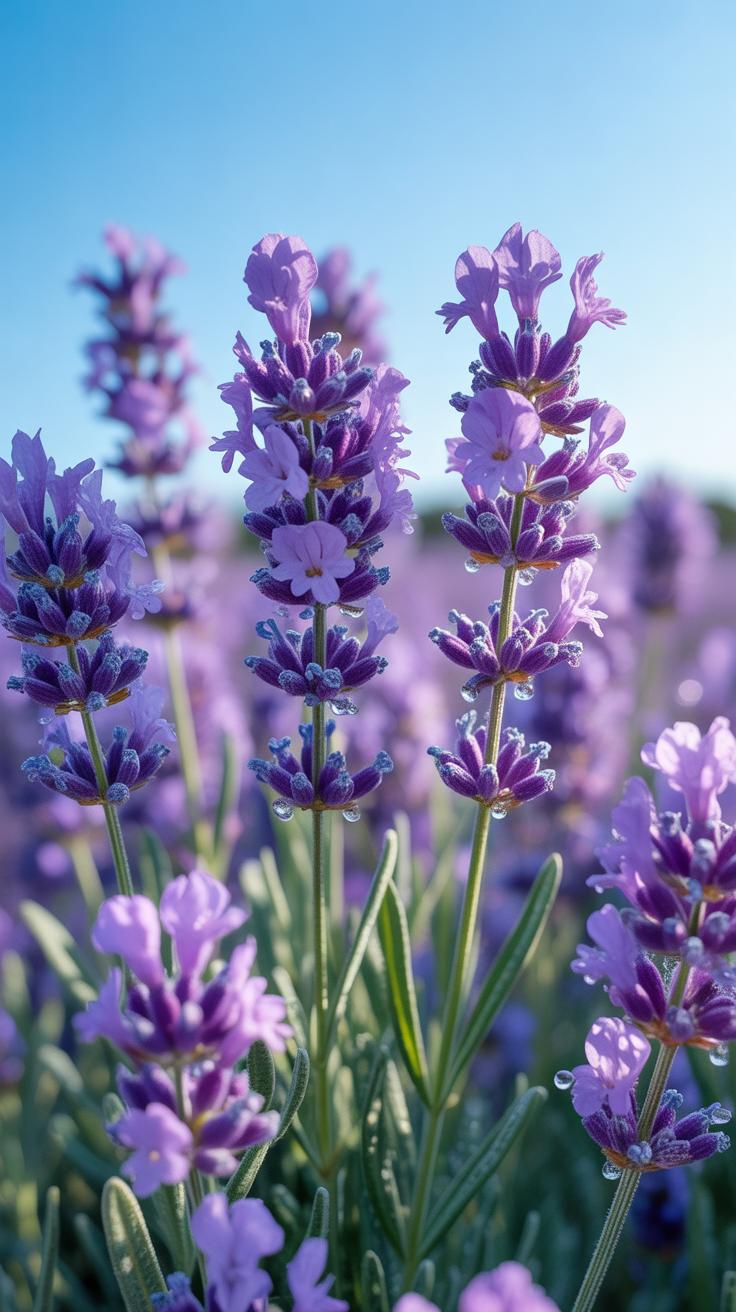
Lavender’S Long Established Association With Calm, Cleansing, And Healing
Lavender symbolizes purity, silence, and devotion. Its name derives from the Latin word lavare, which means to wash. Ancient Romans used the plant in communal baths to clean the skin and scent the air. In Medieval Europe, people scattered the dried buds on floors to disinfect rooms. These historical uses established lavender as a botanical tool for physical and spiritual purification during illness.
Modern Get Well Flower Meanings focus on recovery and stress reduction. Scientific studies confirm that lavender oil contains linalool and linalyl acetate. These compounds interact with the neurotransmitter GABA to reduce central nervous system activity. This biological response lowers blood pressure and heart rate. Including lavender in a recovery gift signals a wish for deep rest. It provides a tactical advantage for patients battling insomnia or anxiety.
Flowers are a proud assertion that a ray of beauty outvalues all the utilities of the world, offering a gentle reminder of healing in a graceful home.
How To Incorporate Dried Or Fresh Lavender Into A Stylish Home Recovery Space
Strategic placement of lavender maximizes its therapeutic impact without cluttering a room. Use a minimalist glass vessel to hold fresh stems on a bedside table. This arrangement allows the natural fragrance to reach the patient during rest. Avoid heavy ceramic pots that trap moisture. Clear glass complements modern Scandinavian or industrial design styles. It keeps the focus on the clean lines of the purple flower spikes.

Dried lavender offers long-term benefits with zero maintenance requirements. Place dried bundles in linen sachets under pillows to aid sleep cycles. For a more visual approach, hang dried bunches upside down using simple twine in a well-ventilated corner. This technique prevents mold growth while adding a rustic, natural element to the space. Repurposing lavender into functional decor creates a restorative environment that remains stylish long after the recovery period ends.
Roses And What The Flowers Meanings Chart Tells Us About Color And Care
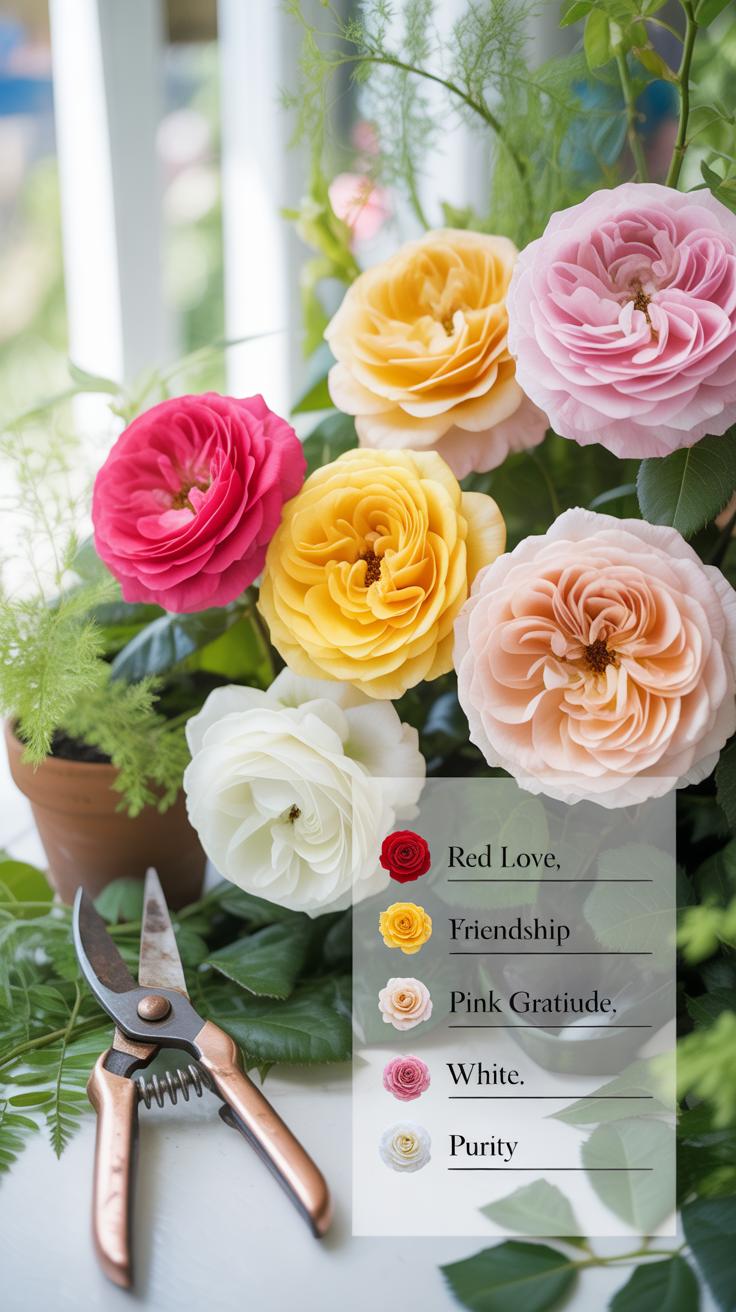
Breaking Down Rose Colors And Their Specific Get Well Symbolism
Select rose colors based on the emotional state of the patient. Roses convey specific messages through a historical language called floriography. This system assigns values to colors that influence the recipient’s recovery environment. You must avoid red roses in get well contexts because they signal romantic passion. Stick to tones that represent friendship, joy, and physical vitality to ensure the message remains appropriate.
- Yellow Roses: These represent friendship and joy. They provide a high-energy visual that stimulates the mind. Use these for patients recovering from surgery to boost spirits and signal support from a social circle.
- Pink Roses: These symbolize grace and recovery. Lighter shades represent gentleness while deeper tones show gratitude. They serve as a soft visual cue for tranquility and steady progress during a long-term illness or stay.
- Orange Roses: These signal energy and enthusiasm. The vibrant hue bridge the gap between friendship and intense passion. Use these for someone needing a physical energy boost or a reminder of their inner strength and drive.
- White Roses: These denote purity and silence. They create a calm atmosphere for rest and reflection. Choose these for high-stress recovery environments where the patient needs a clean and orderly visual space to focus on healing.
- Peach Roses: These indicate sincerity and gratitude. They offer a warm and grounded presence in a room. Use these to thank a caregiver or to show a patient that you appreciate their resilience during a tough time.
Color choice impacts psychological response in a sickroom. Saturated colors like orange can increase heart rate and alertness. Muted tones like light pink lower stress levels. Match the rose color to the specific recovery goal of the patient. Use a chart to ensure your selection does not send a mixed message. Clear communication through color prevents confusion and supports the mental health of the recipient.
How To Arrange Roses Elegantly For A Healing And Uplifting Home Display
Cut rose stems at a forty five degree angle under running water. This prevents air bubbles from blocking hydration. Remove all leaves that sit below the water line to stop bacterial growth. Bacteria kill flowers fast and create foul odors in a recovery room. Change the water every two days to maintain a sterile environment. Clean water keeps the roses upright and vibrant for a longer period.

Place the arrangement in a low profile vase. A low height allows the patient to see the flowers from a bed or chair without obstruction. Do not use highly scented varieties in small rooms. Modern hybrid tea roses often have less scent and work best for sensitive patients. Keep the display away from direct sunlight and drafts. Stable temperatures ensure the blooms last through the most critical stages of the recovery process.
Chamomile And Magickal Flower Properties List Ancient Healing Blooms
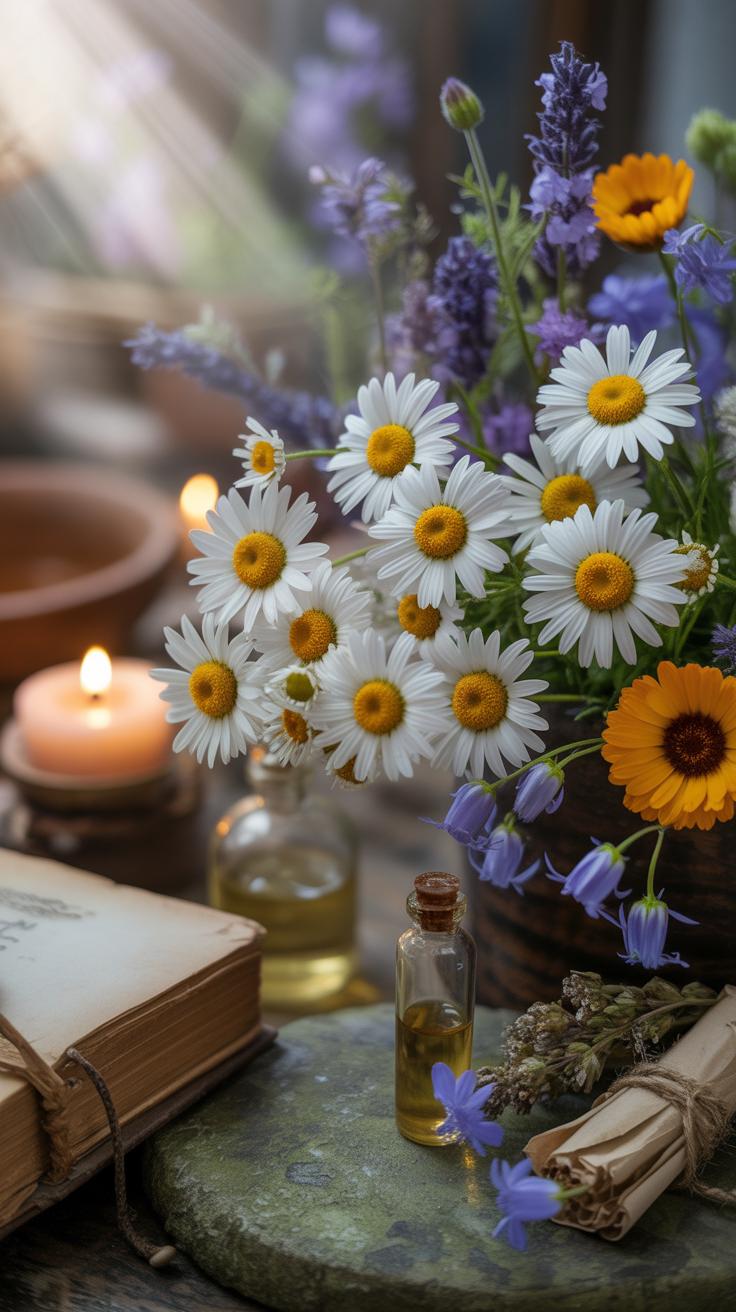
Chamomile’S Historical Role In Herbal And Folk Healing Traditions
Egyptian healers dedicated chamomile to the sun god Ra because of its curative power. They used the flower to lower fevers and treat skin conditions. Ancient Greeks recognized its effectiveness for calming digestion and soothing nerves. These early civilizations documented the plant as a primary tool for physical recovery. It served as a functional medical staple across the Mediterranean and Northern Europe.
Saxon cultures categorized chamomile as one of the nine sacred herbs. Traditional folk medicine utilized the dried blossoms for sleep and anti-inflammatory benefits. Healers believed the plant strengthened the spirit of the patient. This history establishes chamomile as a symbol of patience and energy under stress. Today, these historical associations inform why people give chamomile to those recovering from chronic illness or exhaustion.
Displaying Chamomile At Home: Combining Wellness Symbolism With Aesthetic Style
Chamomile provides a minimalist aesthetic that fits modern interior design. Its small white petals and yellow centers create a clean and grounded look. Use low ceramic vessels or simple glass jars to highlight the delicate stems. Avoid heavy or ornate vases that overwhelm the plant. This style choice communicates a sense of calm and order in a healing space.

Strategic placement of chamomile enhances its symbolic value in the home. Set these flowers on a bedside table to encourage rest. The subtle apple-like scent promotes a relaxing environment without triggering allergies. Pair chamomile with textured linens or light wood surfaces for a natural feel. This approach uses the plant as a functional tool for recovery rather than just a decorative object.
Peonies And The Flower Symbolism Chart Blooms That Represent Good Health
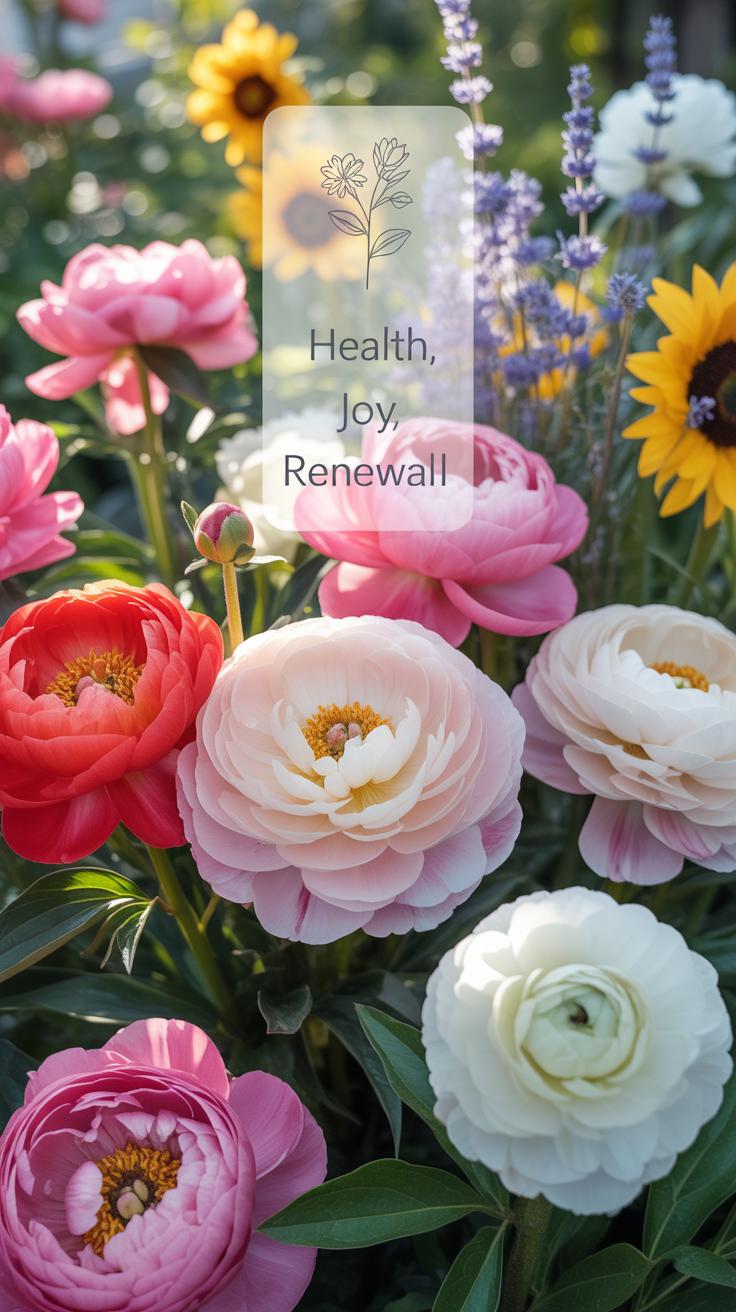
Why Peonies Have Been Long Regarded As Symbols Of Healing And Good Fortune
Peonies carry deep historical ties to medicine. The name comes from Paeon, the Greek physician to the gods. Ancient cultures used peony roots and seeds to treat various ailments. This practical use turned into a lasting symbol of physical recovery. Today, these flowers represent vitality and a return to health. They offer a strong message of resilience for any home.
In East Asian cultures, the peony represents honor and wealth. People call it the king of flowers in China. It signals a prosperous life and high status. Using them in a bouquet suggests a wish for a full recovery. They stand for more than just beauty. They act as a tactical tool for boosting morale. Their large size makes a bold statement in any room.
Pairing Peonies With Other Get Well Flowers For A Lush And Meaningful Arrangement
Combine peonies with iris to add layers of meaning. The iris represents hope and courage. This pairing balances the soft look of the peony with architectural strength. Use blue iris to contrast with pink or white peonies. This creates a visually stable piece. It sends a message of strength and optimism. A balanced arrangement helps calm a recovery space effectively.

Add sprigs of eucalyptus for scent and texture. Eucalyptus offers a clean aroma that aids breathing. It also symbolizes protection and health. Place smaller filler flowers like waxflower to provide structure. These additions ensure the heavy peony heads do not droop. A firm structure keeps the display looking fresh longer. Proper assembly shows attention to detail and care for the recipient.
Irises And The Flower Meanings Chart Tattoo Tradition Of Hope And Courage
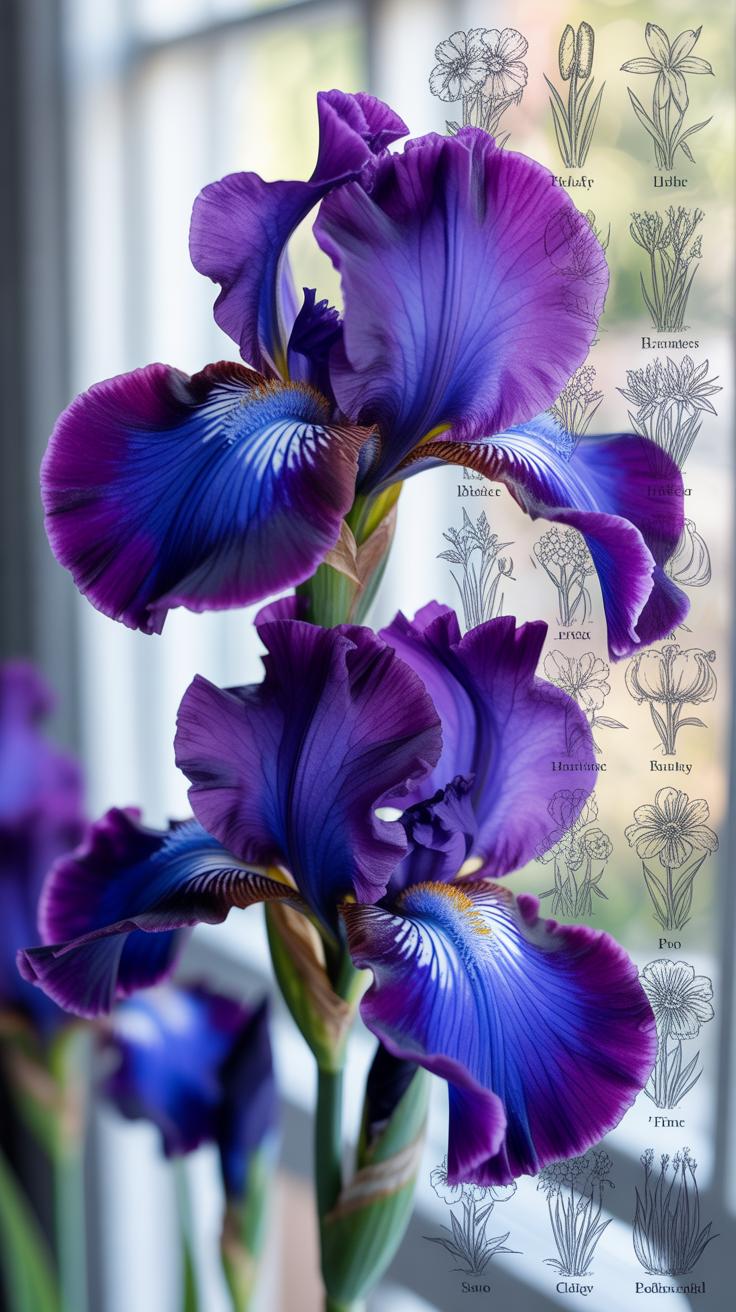
The Iris As A Symbol Of Faith, Valor, And Renewal Across Cultures
The iris carries deep historical weight. In Greek mythology, the flower takes its name from the goddess Iris. She linked heaven and earth. This connection makes the iris a symbol of communication and hope. People send irises to patients to signal a message of recovery. This tradition remains a staple in floral language. It provides a sense of spiritual stability.
The three petals of the iris carry specific meanings. These represent faith, wisdom, and valor. In the Victorian era, the flower signaled a promise of future health. Many cultures view the blooming process as a sign of renewal. It marks the transition from illness back to strength. Using irises in a hospital setting offers a clear psychological boost through ancient symbolism.
Using Irises To Create A Visually Striking And Symbolically Meaningful Home Display
Strategic placement of irises maximizes their impact. Use tall, heavy glass vases to support the long stems. This creates a vertical line that draws the eye upward. In modern interior design, this height adds a sense of structure and order. A structured environment helps a recovering person feel grounded. Choose deep blue or purple varieties to provide a calming visual contrast.

Place these arrangements in areas with natural light. The light catches the intricate petal structures. Avoid over-crowding the vase with filler greens. The iris performs best as a focal point. Combine them with white flowers to emphasize the themes of purity and fresh starts. This minimalist approach ensures the room feels clean and organized. Tactical placement improves the overall recovery atmosphere in a stylish home.
Chrysanthemums And The Floral Meaning Chart Of Longevity And Joy
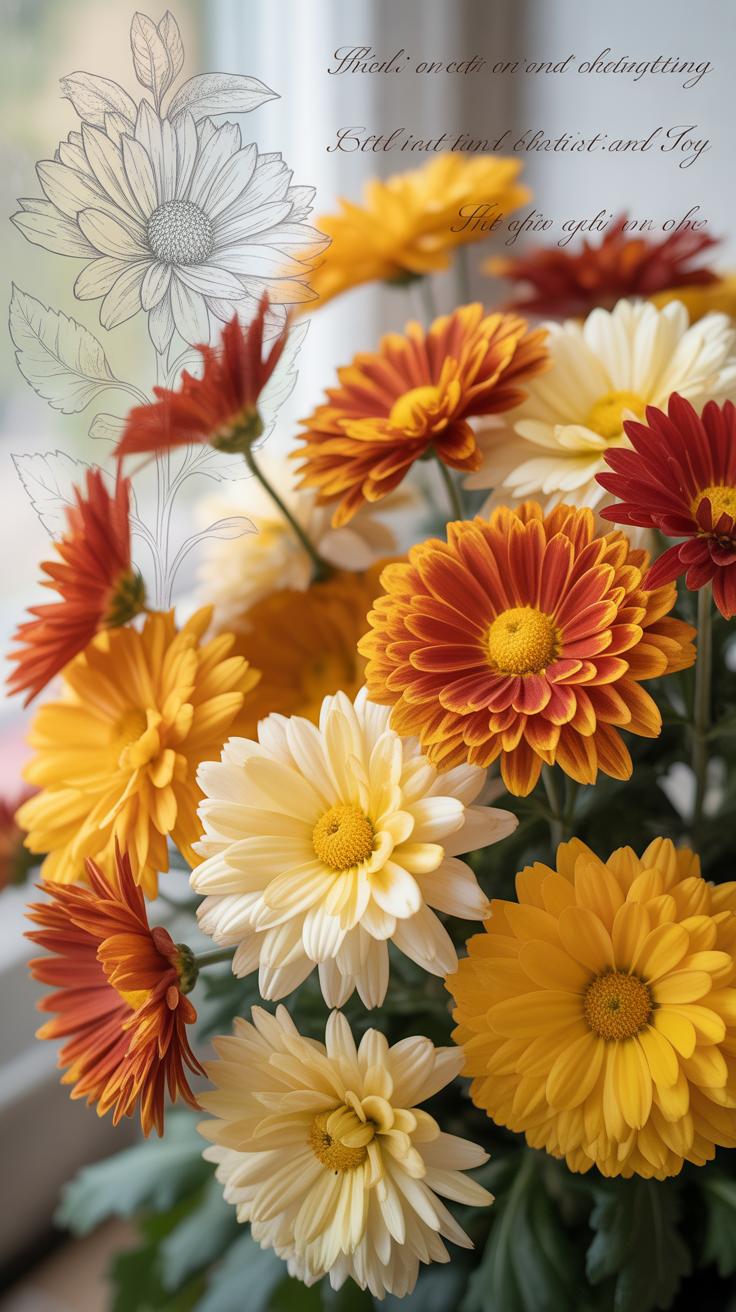
How Chrysanthemums Became Global Symbols Of Life, Healing, And Long Life
Chrysanthemums originated in China as early as the 15th century BC. Ancient healers boiled the roots to treat headaches and used the petals to improve overall vitality. These practices established the flower as a clinical symbol of health and endurance. The plant signifies longevity because it blooms in autumn when most other flora dies. This seasonal resilience translates to strength for patients recovering from long illnesses.
In Japan, the Chrysanthemum became the seal of the Emperor and the national symbol. This elevated the flower from a simple herb to a royal emblem of a long and prosperous life. Victorians later adopted the bloom to represent mid-winter cheer and friendship. Modern healthcare settings use them because they represent a wish for a full recovery. They offer a grounded message of steady physical progress and permanent wellness.
Best Varieties Of Chrysanthemums To Choose For A Get Well Home Arrangement
Select specific chrysanthemum varieties based on their structural integrity and visual clarity. Focus on types that maintain their form for at least two weeks in a vase. This durability reduces maintenance for the recovering individual. Use varieties with open faces to maximize the impact of color in the room. This tactical choice improves the atmosphere without requiring constant care from the patient or the host.
- Spider Mums: These flowers feature long and tubular petals that hook at the ends. They add architectural interest to any arrangement. Their unique shape provides a focal point that distracts from the clinical feel of a recovery room.
- Button Poms: These small and spherical blooms work well in tight clusters. They offer high durability and do not shed petals easily. Use them to fill gaps and create a sense of abundance and stability in the design.
- Cushion Mums: This variety produces a dense head of short petals. They resemble a solid burst of color and provide a clean look. They stay fresh for long periods and represent steady growth and consistent physical improvement.
- Quilled Mums: These blooms have straight and tube-like petals that resemble bird feathers. They offer a sharp and organized aesthetic for modern interiors. Their orderly appearance communicates a sense of control and calm during the healing process.
- Disbud Mums: Growers remove side buds to force one large and impressive flower head. This creates a massive bloom that signifies significant strength. It serves as a powerful statement piece in a small get well bouquet.
Avoid varieties with heavy pollen to ensure the indoor air stays clean for the patient. Strip all leaves that fall below the water line to prevent bacterial growth. Bacteria shorten the life of the flower and create unpleasant odors. Fresh water and clean stems keep the arrangement vibrant. Proper care ensures the message of longevity remains visible throughout the entire duration of the recovery period.
Creating The Perfect Get Well Floral Display Using A Flower Symbolism Chart
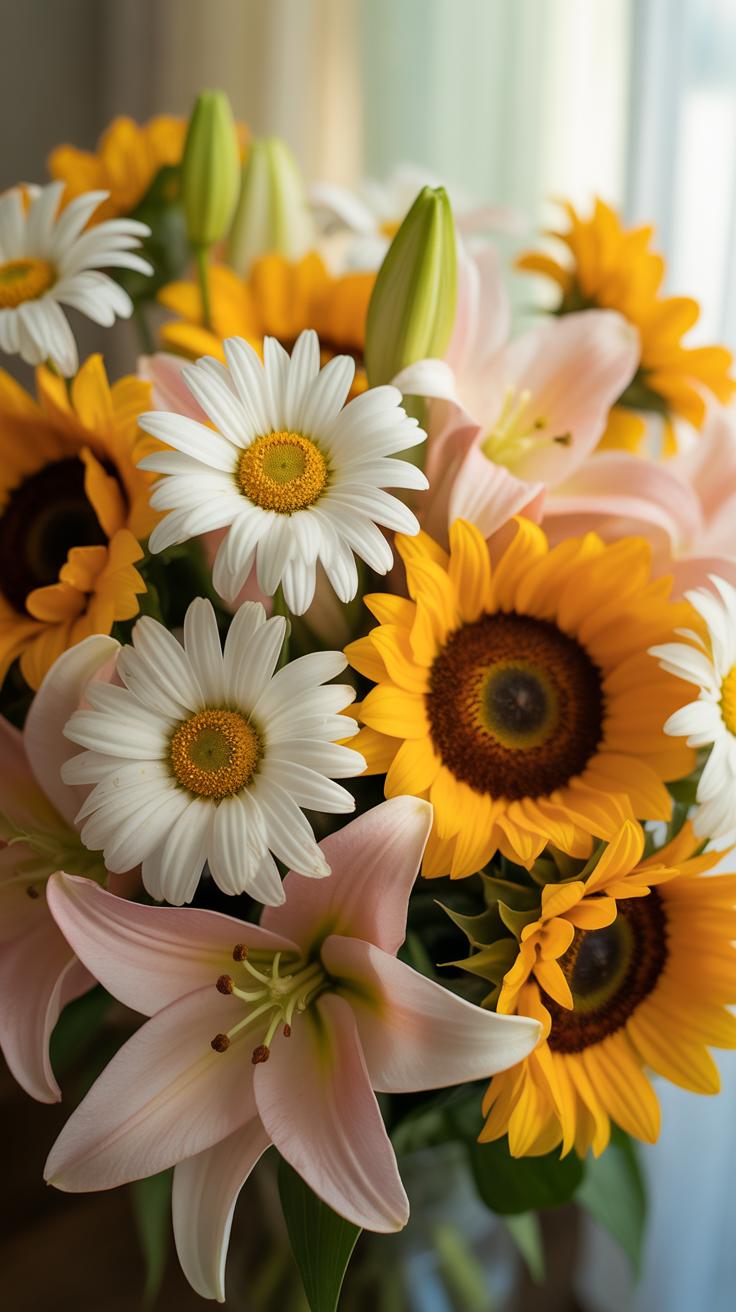
How To Combine Multiple Get Well Flowers Into One Cohesive And Stylish Arrangement
Strategic floral design requires balancing visual weight and symbolic intent. Use the thriller, filler, and spiller method to organize your arrangement. Select a primary focal flower like the peony for healing or the sunflower for longevity. These large blooms anchor the display. Add secondary flowers like snapdragons to represent strength. Ensure color palettes remain soft to promote a restful environment. Avoid clashing scents in small rooms.
Group flowers with similar water needs to ensure longevity. Use clean lines influenced by modern minimalism or Dutch still life traditions. Do not overcrowd the vase. Space allows each bloom to breathe and stand out. Place taller stems in the center and shorter stems toward the rim. This creates a structural pyramid. Precise placement ensures the message of wellness is clear and the aesthetic remains professional and high end.
Practical Care Tips To Keep Get Well Flowers Fresh Longer In Any Home Setting
Bacteria kills flowers faster than anything else. Use a glass or ceramic vase cleaned with bleach. Cut stems at a forty five degree angle under running water. This prevents air bubbles from blocking hydration. Remove any leaves that sit below the water line. Decaying foliage creates ethylene gas and feeds bacteria. Replace the water every two days. Use the provided nutrient packets to maintain the proper pH balance.
Keep the arrangement away from direct sunlight and heat sources. High temperatures cause rapid wilting and dehydration. Avoid placing flowers near ripening fruit. Fruit releases gases that signal flowers to age and drop petals. Mist the petals lightly if the indoor air is dry. Check water levels daily. Large blooms drink quickly. Consistent maintenance extends the life of the symbolic arrangement and keeps the recovery space bright and clean.
Frequently Asked Questions

Which flowers are traditionally best for someone recovering from an illness?
When choosing a bouquet, understanding get well flower meanings can help you send the perfect message of healing. Sunflowers represent longevity and optimism, making them a cheerful choice for a recovery space. Hydrangeas symbolize perseverance, while yellow roses signify friendship and joy. Selecting blooms with positive connotations ensures your gift provides both aesthetic beauty and a thoughtful emotional boost to a loved one during their healing journey at home.
How can I arrange get well flowers to match a stylish home interior?
To keep the arrangement looking chic, focus on color palettes that complement the room’s decor. For a modern look, place a single variety of bloom, like white lilies for purity and rejuvenation, in a sleek ceramic vase. Paying attention to get well flower meanings allows you to balance symbolism with style. Trim stems at an angle and remove low leaves to keep the water clear, ensuring the display looks professional and high-end.
Are there affordable flower options that still carry deep symbolic meaning?
Absolutely. Carnations are incredibly budget-friendly, long-lasting, and carry beautiful sentiments; pink carnations specifically symbolize gratitude and “never forgetting” someone. Gerberas are also accessible and represent cheerfulness, which is perfect for lifting spirits. You don’t need an expensive designer arrangement to make an impact. Even a simple, hand-tied bunch of these affordable stems conveys a heartfelt wish for wellness while adding a vibrant, stylish pop of color to any room.