
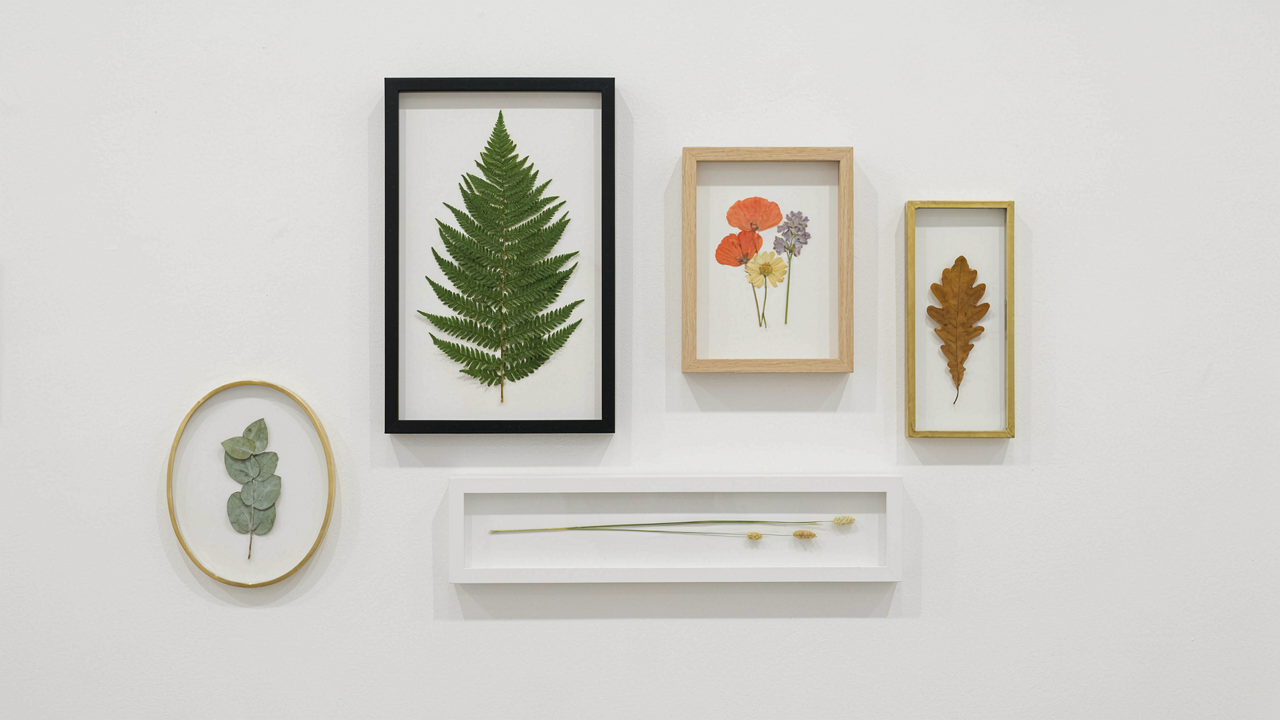
The Illusion Of Novelty In Pressed Botanical Frames
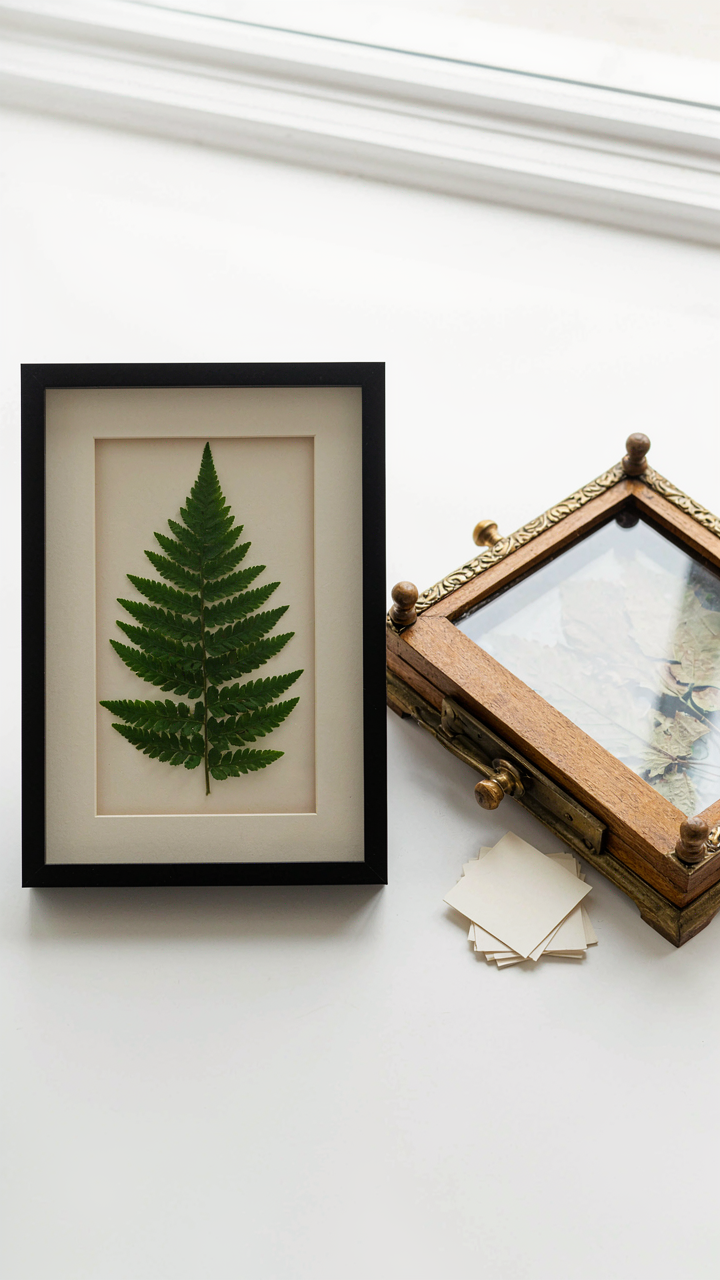
Recycled Aesthetics Dressed As Discovery
You want to believe you’ve found something original so you don’t feel like you’re chasing the same tired aesthetic everyone else abandoned six months ago. Here’s the mechanism: pressed botanical frames follow a predictable cycle of repackaging, not innovation. Victorian plant collections resurface as “cottagecore,” minimalist single-stem designs return as “japandi,” and pressed fern arrangements cycle back every few years under a new marketing name. The material itself hasn’t changed. The technique hasn’t changed. Only the color palette and frame width shift.
Design movements in other fields borrow from history constantly, but pressed botanicals operate like fashion in reverse: slower, more circular, and deliberately marketed as fresh when it’s purely nostalgic rebranding. A design that dominated 2015 interior blogs reappears in 2023 with thicker matting and suddenly it’s trendy again. The frames themselves are identical. The botanical specimens are sourced from the same suppliers. You’re paying for a calendar shift, not genuine evolution.
What Actually Separates Real Work From Marketing
The common advice says to “follow your aesthetic,” which is useless. Real differentiation in pressed botanical frames comes from specificity, not novelty seeking. One creator might specialize in regional wildflowers from a specific geographic area, creating genuine scarcity and authentic narrative. Another focuses on archival preservation techniques that actually prevent degradation, not just claim to. This is the distinction between a product with a real mechanism and one built on perception.
To identify genuine work, examine the constraint the maker chose deliberately. Did they commit to a specific botanical family, plant size, or geographic sourcing? Do they document their preservation protocol publicly, inviting scrutiny? Can you trace why their frame dimensions or matting choices exist beyond trend alignment? The fakes change every season. The real work deepens in one direction until it becomes unmistakable. Your job is to find makers operating under self-imposed rules that actually matter.
Beyond Boho: The Unseen Potential Of Flower Wall Art
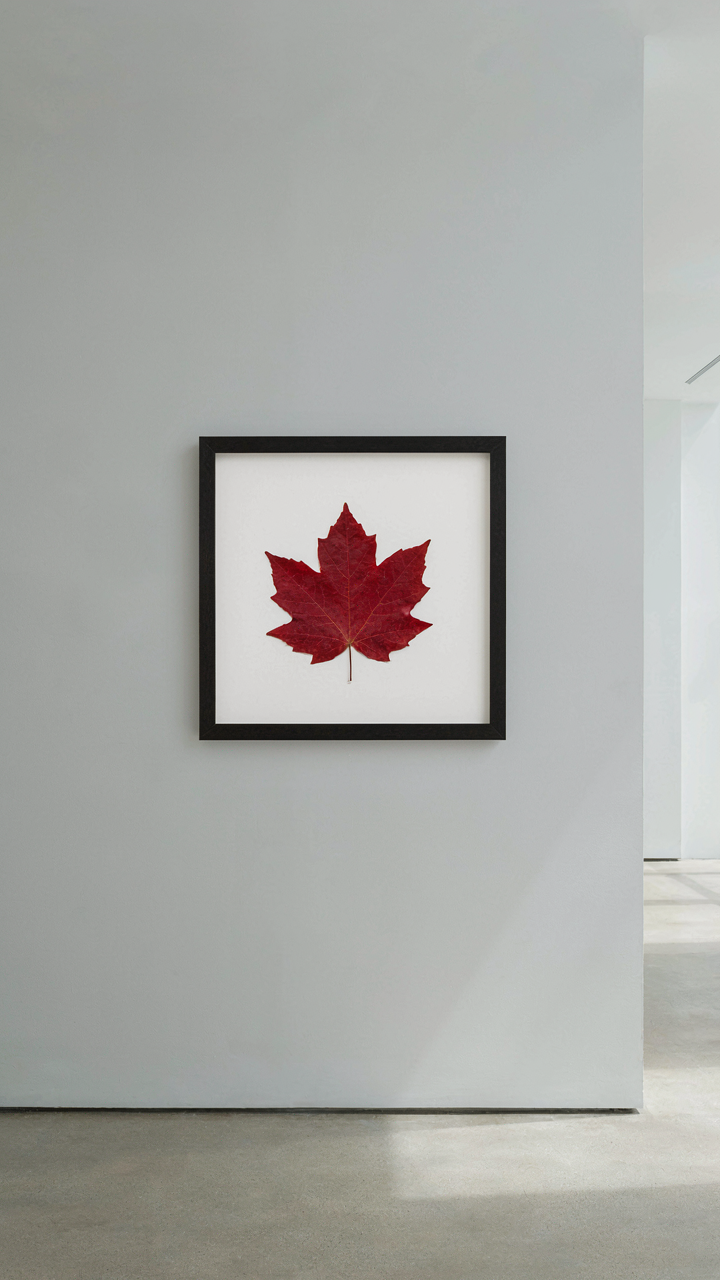
When Pressed Botanicals Stop Being Decorative
You want pressed botanical frames to feel intentional, not like a safe default for people who don’t know what they actually like. That’s the real mechanism at work. Pressed botanical frames operate like a visual anchor in interior design—they establish scale, color, and focal point without demanding attention. But most people treat them as background noise. The difference between amateur and strategic display is recognizing that pressed botanicals function as architectural elements, not just fill. They need placement logic. They need breathing room. They need to work against the existing proportions of a wall, not disappear into it.
The boho aesthetic commodified pressed botanicals into a pattern. Cluster them on a wall, add macramé, call it personality. This approach actually weakens their impact because repetition kills visual interest. Instead, use pressed botanical frames as solitary statements or deliberate pairs that break up negative space. A single large frame anchors a wall better than four small ones scattered randomly. The frames themselves become part of the composition, not the plants inside them. This requires restraint, which is why most people skip it.
Where Pressed Botanicals Actually Work
Pressed botanical frames belong in rooms where nothing else commands attention. Corporate offices, libraries, bedrooms, and hallways are genuine use cases that nobody discusses. The mistake is forcing them into living rooms where they compete with furniture, lighting, and views. In these secondary spaces, they serve function. They fill architectural gaps. They give the eye somewhere legitimate to rest. A framed dried specimen in an office corridor signals intentionality and breaks up blank wall syndrome without screaming for focus.
The commercial application is where pressed botanical frames prove their utility. Restaurants, boutique hotels, and retail spaces use them strategically because they’re inexpensive, durable, and culturally neutral. A pressed flower frame costs a fraction of a painting but delivers sophisticated visual impact. The frames themselves matter here more than anywhere else because they appear in photos, on walls, in background aesthetics that customers internalize. Choose frames that complement your existing palette and material language. This is where pressed botanicals stop being decor and start being strategy.
The Herbarium Imperative: Curating Your Narrative
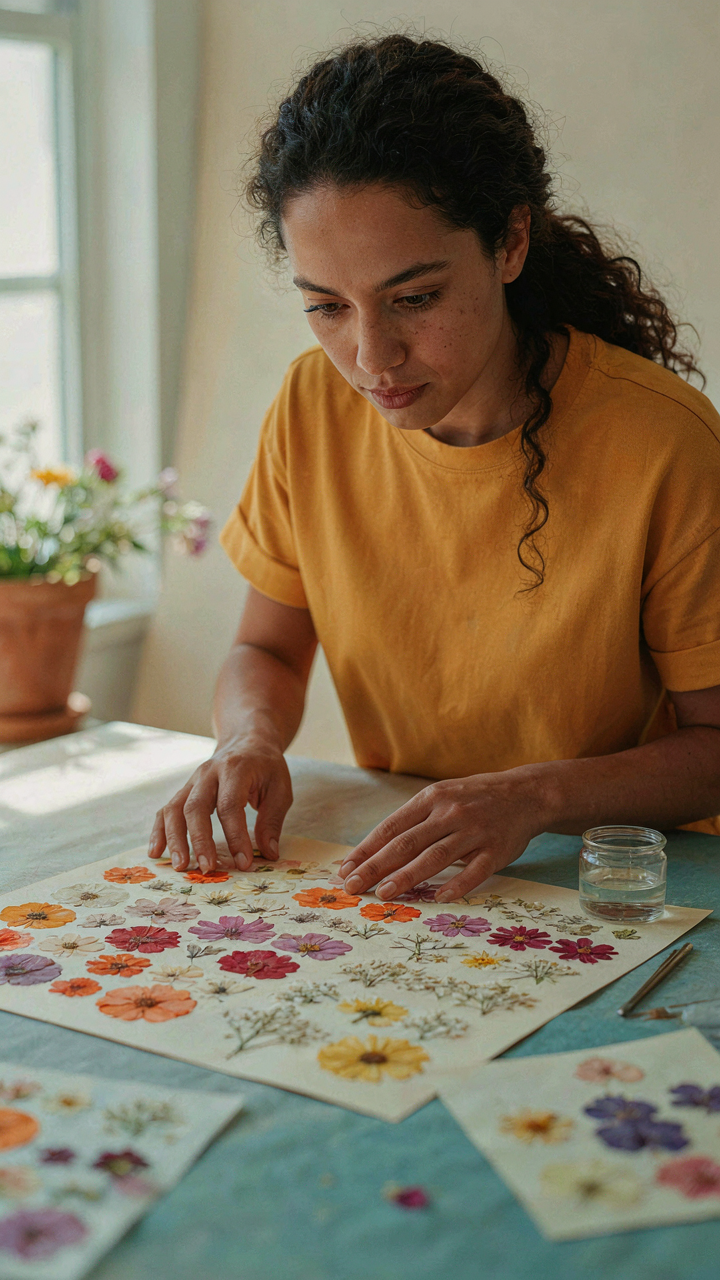
When Collection Becomes Curation
You want people to think you have taste. That’s what this section is really about. The mechanism is borrowed from taxonomy, the scientific classification system: specimens gain meaning only through deliberate grouping and context. Pressed botanical frames work the same way. A single pressed flower on a wall reads as decoration. The same flower positioned within a curated series—arranged by color family, botanical family, or personal timeline—becomes a statement about how you see the world.
The difference between random pressed flowers and a herbarium-style frame collection is methodological rigor. Museums didn’t invent herbarium standards for beauty. They created them because chaos obscures meaning. When you apply specimen documentation principles to your frames, you’re not just displaying plants. You’re building a visual argument. The frame becomes the medium for that argument, not the subject.
The Personal Archive Strategy
Documenting your own botanical history through pressed frames sidesteps the nostalgia trap most people fall into. Nostalgia is passive. Archive-building is active. You’re creating evidence of specific moments, locations, and conditions. A pressed wildflower from your childhood home becomes more potent when you label it with the date and place, then frame it with intention.
The real leverage comes from treating your collection as a research project into your own taste evolution. When you preserve specimens intentionally over time, you can see what drew you across seasons and years. This isn’t sentimental. It’s data about your aesthetic preferences. Arrange your pressed botanical frames chronologically, by location, or by species, then step back. The pattern you see is the narrative you’ve been building without knowing it. Document your method so it’s reproducible.
The Alchemist’s Method: Transforming Flora Into Flower Frame Masterpieces
Precision Pressing: Optimizing Color And Form Retention
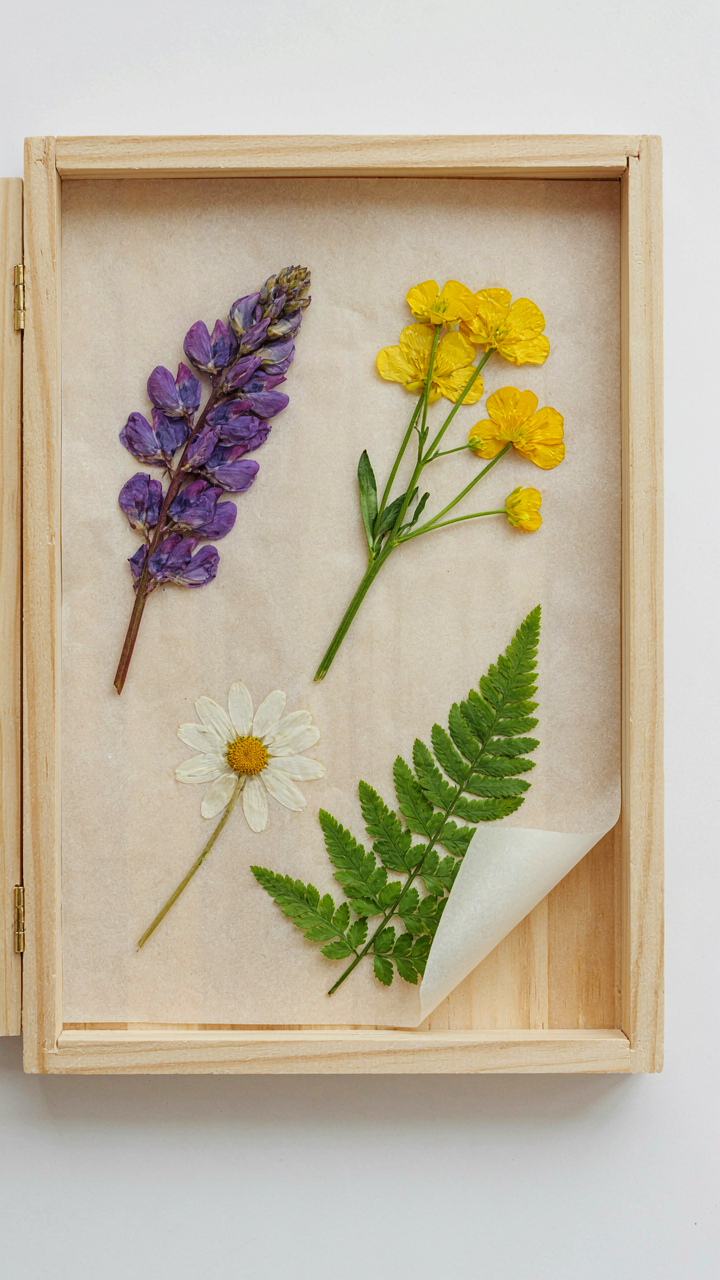
You want your frames to look museum-quality because you know people judge you by what hangs on your wall. The mechanism is simple: botanicals lose color and structure through moisture and oxidation. Control both, and you control the outcome. Pressing duration matters more than most realize. Too short and moisture remains trapped. Too long and pigments fade from overexposure to light during the pressing phase itself. Optimal range runs 2 to 4 weeks depending on plant density and thickness.
Temperature consistency during pressing prevents warping and color bleeding. Most people skip this step entirely and wonder why their frames look flat within months. Use weighted presses with absorbent paper changed every 3 to 5 days to manage moisture migration. Store pressed botanicals in acid-free paper in a dark, climate-controlled space before framing. This single protocol step extends vibrancy by years. Frame glass should always filter UV light. Without it, pressed specimens fade regardless of pressing precision.
Strategic Composition For Maximum Visual Impact
Layout hierarchy works like visual economics: you allocate limited space to elements that generate the most return. Pressed botanicals demand compositional intent because they cannot compete with color saturation. The real move is asymmetrical balance, not centered symmetry. Centered layouts feel static because nothing pulls the eye to move through the frame. Place your tallest or most detailed specimen slightly off-center, then build secondary pieces to create visual pathways rather than visual walls.
Negative space is load-bearing architecture in a pressed frame. Overcrowding kills impact because the eye cannot rest and therefore cannot focus on any single element. Layer specimens by depth using backing boards at varied distances behind the frame glass. This creates dimensional interest without adding more material. The frame’s perimeter should remain clear—this acts as visual breathing room that makes the entire composition feel intentional rather than assembled. Start with three specimens maximum, then add only if the composition still feels sparse after step one.
The Art Of Imperfection: Embracing Wildflower Decor Authenticity
Flaws That Signal Quality
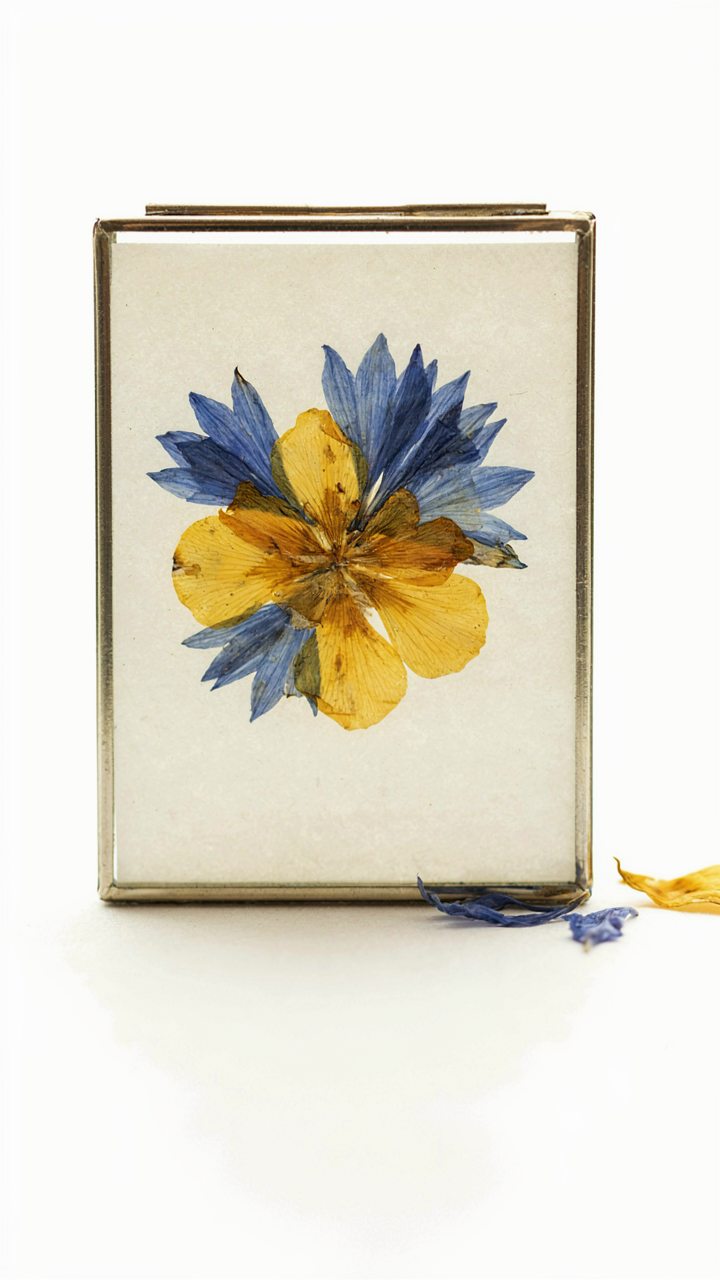
You want pressed botanical frames because you think perfection proves value. It doesn’t. The mechanism is inverse: uniformity signals mass production, while visible variation signals scarcity and craft. Real botanicals cure differently depending on moisture, pressing duration, and plant maturity. No two specimens press identically. Frames that hide this truth use dyed flowers or artificial composites. Frames that reveal it prove authenticity.
Collectors pay premiums for frames showing color gradation, slight browning at stem edges, and uneven petal compression. These aren’t defects. They’re documentation of the preservation process itself. A flower pressed for eight weeks develops different tonal depth than one pressed for three. The viewer sees time embedded in the material. That visibility is what separates a botanical frame from wall decoration.
Wabi Sabi Wear Tells The Real Story
Japanese aesthetics borrowed the term “mono no aware” to describe beauty in transience and impermanence. Apply this principle to pressed botanicals: aging becomes the frame’s primary design feature, not something to prevent. A frame pressed in 2015 should show subtle discoloration where UV light penetrated the glass over years. That degradation is honest.
Most designers fight aging. They use UV-protective glass, archival paper, and sealed backing to lock the specimen in a static state. This fails. The botanical material continues its lifecycle regardless. The frame either documents that change transparently or hides it badly. The better choice is designing for visible aging from day one, selecting specimens that yellow gracefully and backing materials that develop patina rather than stain. This demands intentionality at pressing, not retroactive restoration.
The Scarcity Protocol: Crafting Desirable Pressed Flower Art
When Supply Meets Actual Demand
You want your pressed botanical frames to feel rare because rare feels valuable, and valuable feels like status. The mechanism is supply and demand from economics: limit the quantity, raise the perceived worth. In pressed botanical frames, this isn’t theoretical. You physically control how many frames you create and which botanicals you source. The artist who produces fifty frames a month trains the market to see them as commodity. The artist who produces five trains the market to see them as object. Scarcity isn’t artificial here—it’s a production choice with direct market consequence.
The real leverage lives in intentional constraints, not accident. Frame size, botanical species availability, curation depth, and production timeline all function as supply levers you control directly. When you work with botanicals that have actual harvest seasons or regional limits, you build natural scarcity into the product. This scarcity compounds when you document it. The buyer doesn’t just see a frame. They see evidence that this particular botanical won’t be available again for months or years. That evidence shifts the purchase from preference into urgency.
Personal Botanicals Over Catalog Standards
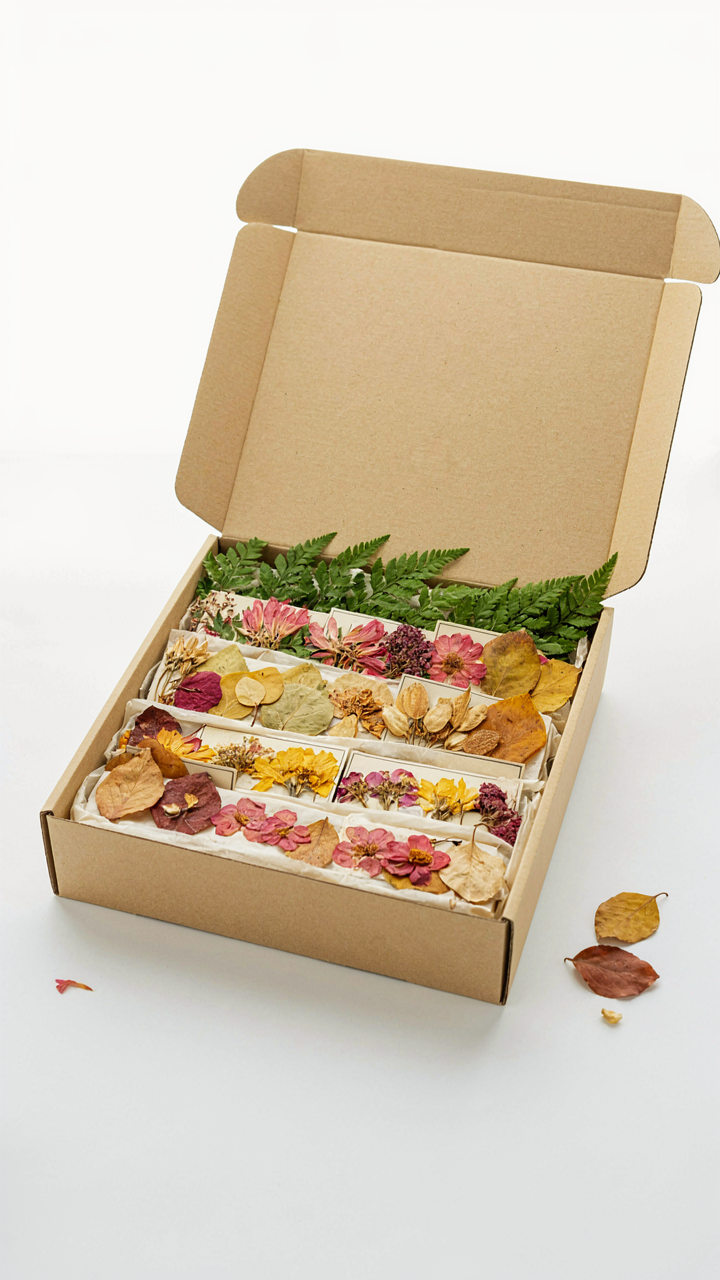
Everyone tells you to source rare botanicals as if shopping a wholesale catalog. That’s incomplete. Real uniqueness comes from personal collection, not commodity ordering. A frame featuring wildflowers from your specific region, plants from a client’s grandmother’s garden, or botanicals pressed from a particular year or event carries weight that no catalog specimen does. The frame becomes document, not decoration. It becomes unrepeatable because the sourcing method itself is unrepeatable.
The protocol is straightforward: build a collection system. Collect botanicals from significant moments, locations, or relationships. Press and store them with metadata—date, location, context. When you build frames from this archive, each piece holds narrative density that mass-produced botanical frames cannot match. A frame made from wildflowers the client collected on their wedding day costs the same to produce as a frame with store-bought specimens. The perceived value difference is enormous. The buyer knows this frame cannot be replicated by ordering another. That knowledge is what drives both desirability and price.
Beyond The Glass: The Future Of Pressed Flowers Frame Displays
Materials And Preservation Innovation
You want this section because you’re afraid your frames will look dated in two years. That’s not actually the problem. The mechanism is this: materials degrade on a timeline, and most framers ignore it. UV-protective glass, archival paper, and acid-free mounting are not optional upgrades anymore—they’re baseline infrastructure.
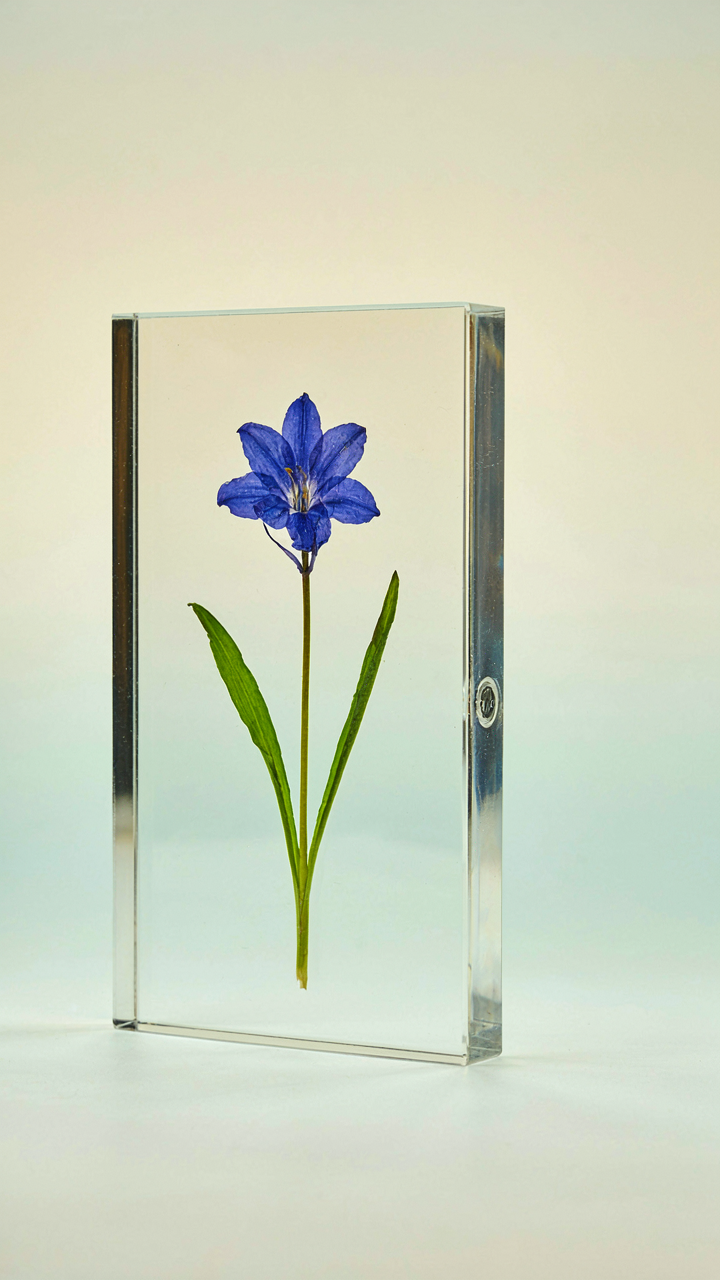
- Museum-Grade Acrylic: Blocks 99% of UV rays while remaining optically clear. Lighter than glass, won’t yellow, replaces traditional glazing in professional installations. Cost runs 40-60% higher than standard acrylic but eliminates color shift over decades.
- Acid-Free Mounting Boards: Plant material oxidizes when mounted on wood pulp. Archival boards use cotton fiber or alkaline-buffered wood pulp. This prevents the brown halo that appears around specimens after five years of display.
- Silica Gel Integration: Moisture causes mold and specimen breakdown. Modern frames use micro-capsule silica gels embedded in the frame structure to maintain 30-40% humidity. Eliminates need for regular maintenance checks.
- Herbarium Tissue Backing: Japanese washi paper or cotton tissue positioned behind specimens prevents direct contact with adhesives. Creates separation layer that stops chemical migration into plant material over time.
- Anoxic Framing Kits: Oxygen removal technology from museum conservation now available for commercial frames. Slows all degradation processes—pressed flowers maintain color saturation 3-5 times longer in sealed anoxic environments.
The industry consensus treats preservation like decoration. It’s not. Preservation is a materials engineering problem with a finite answer. You either build the frame correctly from the start or you watch it fail on display. There’s no middle ground here.
Augmented Display And Digital Integration
The obvious move is embedding screens behind glass. Don’t. That’s a gimmick that kills the actual value of pressed flowers—which is tactile permanence. The real opportunity sits elsewhere. Augmented reality layers contextual data onto the physical frame without replacing the frame’s core function.
Frames now pair with companion apps that unlock seasonal context, botanical taxonomy, or collection history through phone cameras. The plant stays physical. The information becomes accessible. Users scan the frame, see propagation techniques or native habitat data, then put the phone down and return to the actual object. This preserves what made pressed flowers valuable in the first place—they’re analog experiences in a digital world. The frame itself doesn’t change. The ecosystem around it does. A small NFC chip positioned in the frame’s edge triggers data retrieval without altering the visual presentation or requiring any tech visible to the eye.
Fleurs Séchées: Mastering The Art Of Timeless Preservation
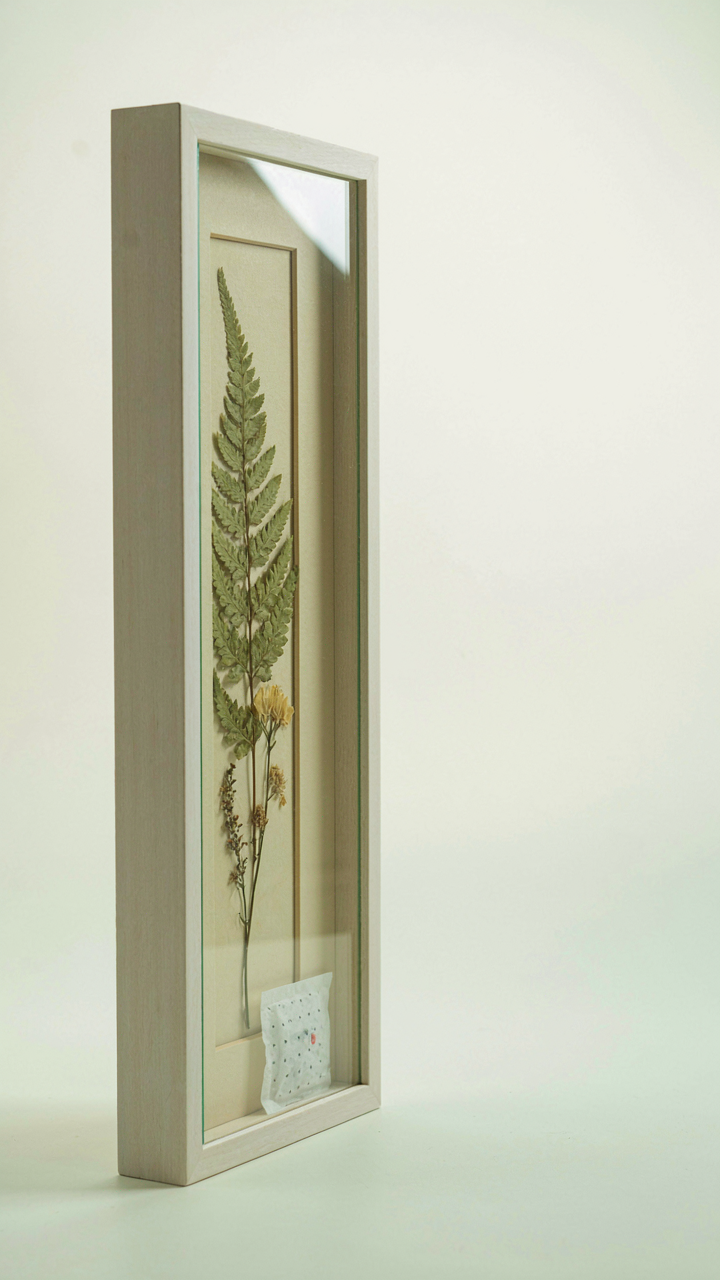
When Drying Methods Actually Matter
You want pressed botanical frames to outlast you because permanence signals taste. Here’s what most people miss: drying is a thermodynamic problem, not an aesthetic one. Heat and humidity control the rate at which plant cells lose water. Too fast, and stems become brittle. Too slow, and mold colonizes before preservation finishes. The mechanism is simple: remove moisture faster than decomposition can occur, but not so fast that the plant structure shatters.
Professional preservation uses silica gel, air drying in low-humidity environments, or freeze-drying for maximum cell integrity. Each technique trades speed against cost and results. Silica gel dries flowers in days while preserving color. Air drying takes weeks but costs nothing and works reliably at 40-50 percent humidity. Freeze-drying preserves three-dimensional form better than any other method, which is why museums use it. The choice determines whether your frame looks vibrant in year three or faded in year one.
Building Objects That Survive Ownership Changes
Everyone treats pressed botanical frames as decor. They’re actually archival objects. The difference matters because archival thinking uses conservation principles borrowed from museum curation: acid-free materials, UV filtering, and stable environments prevent degradation. Most commercial frames fail here. They use regular glass, acidic mat board, and paper backings that yellow over time.
To build frames that appreciate rather than deteriorate, use museum-quality components throughout. Acid-free mat board and backing prevent chemical reactions that brown botanicals. UV-protective glass stops light from bleaching pigments and breaking down chlorophyll. Sealed frames with desiccant packets maintain stable moisture inside, preventing mold and brittleness. These upgrades cost more upfront but eliminate frame replacement within a decade. The real cost isn’t the frame. It’s replacing it every five years because you bought cheap.
Your Fear Of Creating Something Truly Original Is The Only Frame Holding You Back
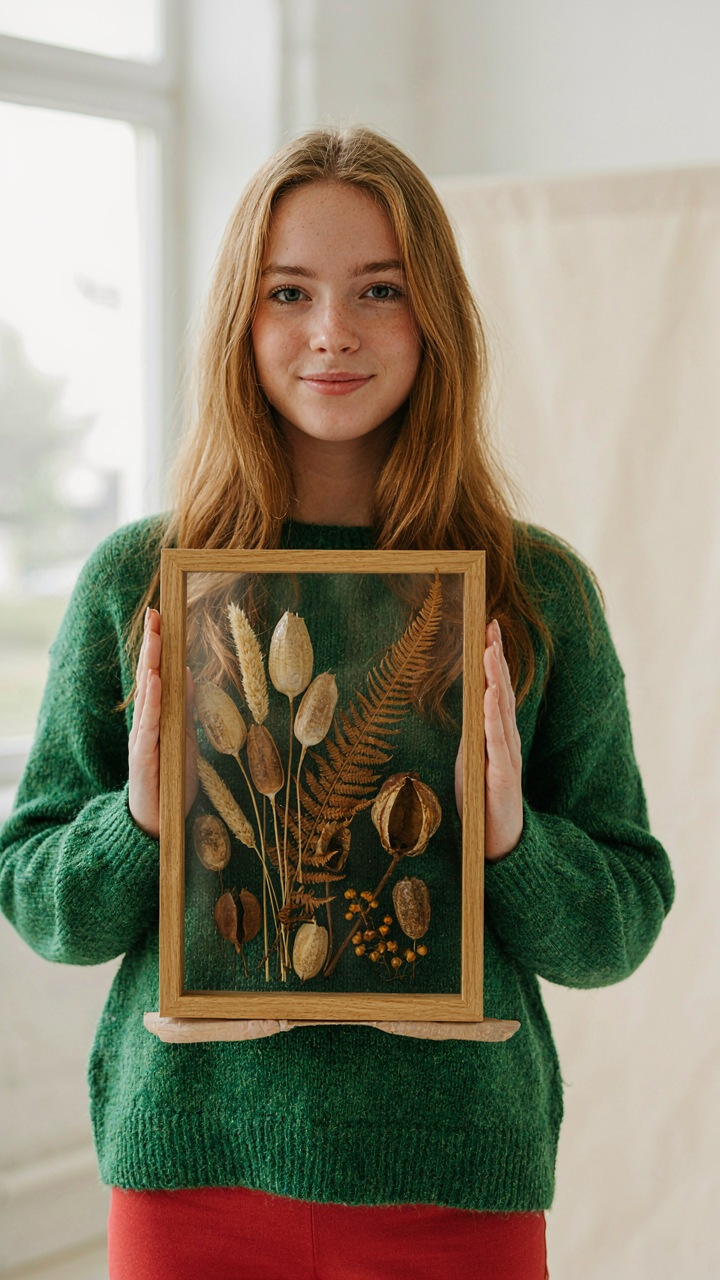
You’re scrolling pressed botanical frames online because you want permission to copy what works. Stop. The trend you’re chasing died the moment you decided to follow it. Real differentiation lives in combining what nobody else has bothered to mix yet. Pick one frame style today. Photograph something nobody’s framed before. Ship it. The market doesn’t reward perfect imitation. It rewards the person brave enough to look ridiculous first.



