

The Corner Fallacy: Why Generic Advice Fails
What Everyone Gets Wrong About Easy Plants
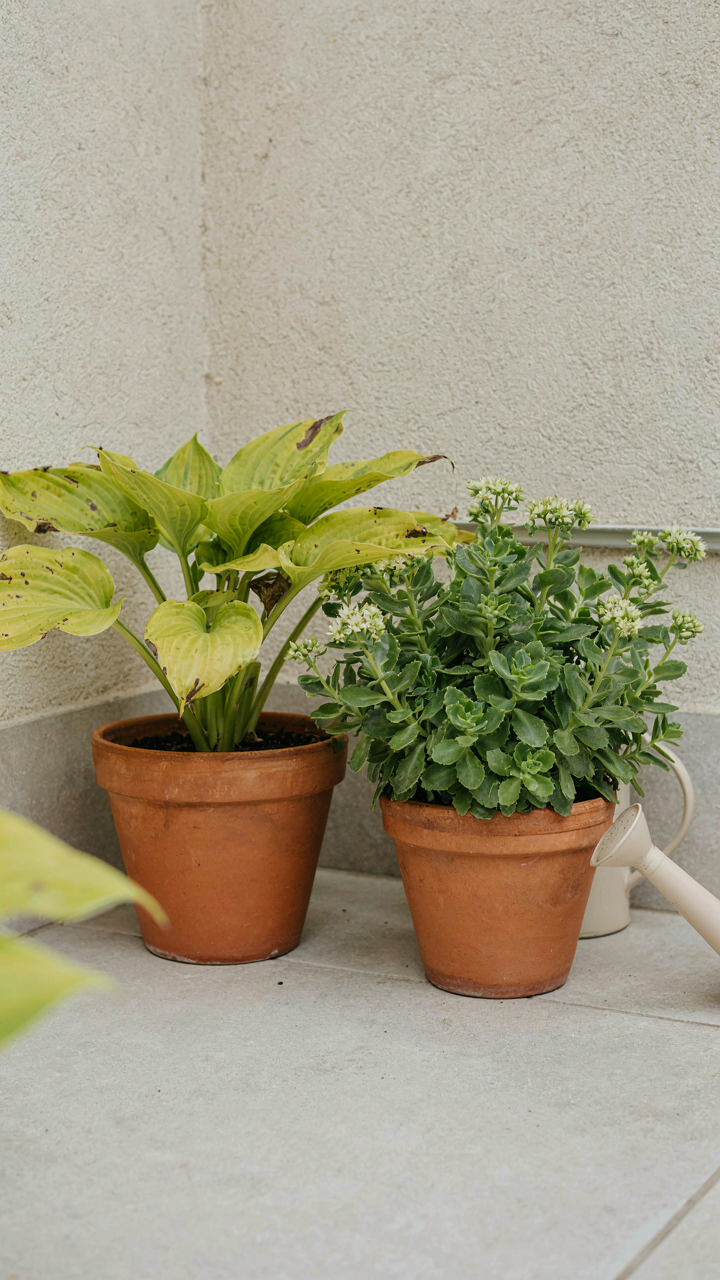
You want a guarantee that your corner will look good without effort. That’s the real reason you’re reading this. Here’s the mechanism everyone skips: “easy” plants don’t exist in a vacuum. A plant labeled low-maintenance in gardening blogs thrives only under specific conditions. Sedums, ornamental grasses, and hostas fail in corners because people place them based on the plant’s reputation, not the corner’s actual environment. The advice is backward. You don’t choose plants first and hope they survive. You map your corner, then choose plants built for that specific corner.
Most corner patio gardens fail within a season because beginners follow generic plant lists instead of observing their actual site. A hosta marked “shade-tolerant” still needs afternoon air movement in humid climates or it develops fungal issues. Lavender marketed as “drought-resistant” rots in a corner that collects water runoff. The plant didn’t fail. The assumption did.
Light, Wind, And Water Pooling: The Real Variables
Microclimate analysis borrows from meteorology, which divides regions into zones based on temperature and precipitation patterns. Your corner operates the same way. Think of it as a microzone, not just “a shady spot.” Most corners sit in a pocket where three elements converge: blocked direct sun, reduced air circulation, and water accumulation from adjacent surfaces. These three factors operate independently. Your corner might receive dappled light for six hours but have no wind protection and sit in a water pooling zone. Another corner might get full afternoon sun but face constant wind that dries soil in hours.
Start by observing your corner for one full week. Note when direct sun hits it. Track where water pools after rain. Watch wind patterns by noting where leaves and dust accumulate. This isn’t mystical. You’re documenting facts. Then choose plants engineered for those exact facts, not for the vague category of “beginner-friendly.”
The 3 Axis Protocol: Light, Water, And Soil Dominance

Map Your Sun Before You Buy Plants
You want a corner garden that looks like someone knew what they were doing. That’s the real reason you’re reading this. Here’s the mechanism: light isn’t generic. It’s specific to your location, your walls, and the time of year. Borrow from solar engineering—you need to track your corner’s solar window. Most beginners guess. That’s why they kill plants.
Spend one week observing your corner at sunrise, noon, and sunset. Mark which hours get direct sun versus dappled shade versus full shadow. Different sides of your house cast different shadows. A north-facing corner gets reflected light only. A south-facing corner gets intense afternoon heat. Document this. Your plant choices live or die based on this data, not on what looks good in a garden catalog.
Drainage Architecture Determines Survival
Forget the generic advice about “good drainage.” That’s lazy. Water doesn’t just drain—it flows downhill through soil layers, evaporates at different rates, and pools where your substrate compacts. Treat your corner like a watershed engineer would: map where water enters, where it pools, and where it exits.
Raise planter beds at least six inches above grade in corners where water collects. This single change prevents root rot more effectively than any soil amendment. Use a mix of perlite, compost, and coarse sand in your planter base—this creates macro-pores that move water fast without leaching nutrients. Compact soil kills corner gardens. Aerated soil saves them.
Beyond Planters: Integrating Corner Landscaping Ideas Backyard Full Sun
The Container Material Problem
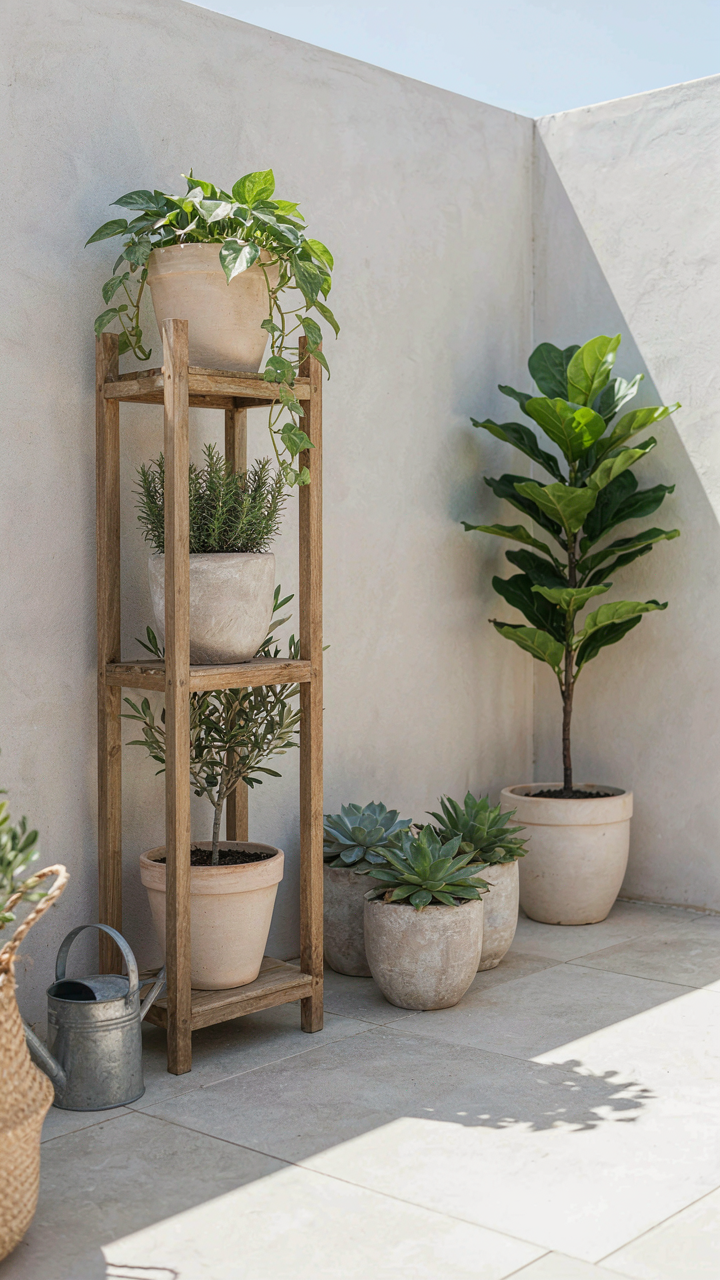
You want your corner to look intentional, not like you assembled it from a big box store clearance section. Here’s what matters: container material directly controls heat retention, drainage speed, and root longevity in full sun. Terracotta breathes but dries fast in heat. Plastic retains moisture but degrades under UV over time. Concrete and stone stay cool longer but weigh more and cost more upfront. Pick based on your watering frequency and the specific plants you’re growing, not aesthetics.
Full sun exposure intensifies the stakes. A dark pot in six hours of direct sun can heat soil to 120 degrees Fahrenheit, stressing roots. Light-colored containers reflect heat and reduce this shock. Drainage holes matter more in corners because water pools there. A corner catches less air movement, so moisture lingers. Pair your container material with soil depth: shallow containers dry out faster, so pair them with drought-tolerant plants or switch to a deeper vessel if you want thirsty plants.
Vertical Architecture For Wasted Space
Most people waste corner square footage by thinking only horizontally. In urban design, density gains come from vertical stacking, not expanding the footprint. Your corner garden works the same way: trellises and shelving turn a dead zone into production. Wood trellises take weight well and age naturally but need treatment in full sun to resist rot. Metal frames last longer and look cleaner but conduct heat and can scorch adjacent leaves if plants touch them directly.
Shelving stacks containers at different heights, multiplying your planting real estate without expanding the corner’s footprint. Tiered placement also improves light distribution to lower plants and increases air circulation, reducing fungal pressure. Install shelving first, then populate with containers strategically. A two-tier shelf system in a four-by-four corner can hold 12 to 15 containers where a single level holds four. The mechanism here is simple: more vertical surface area equals more plants per square foot of ground space.
The Ecosystem Principle: Borrowing From Biology
How Plants Do The Work For You
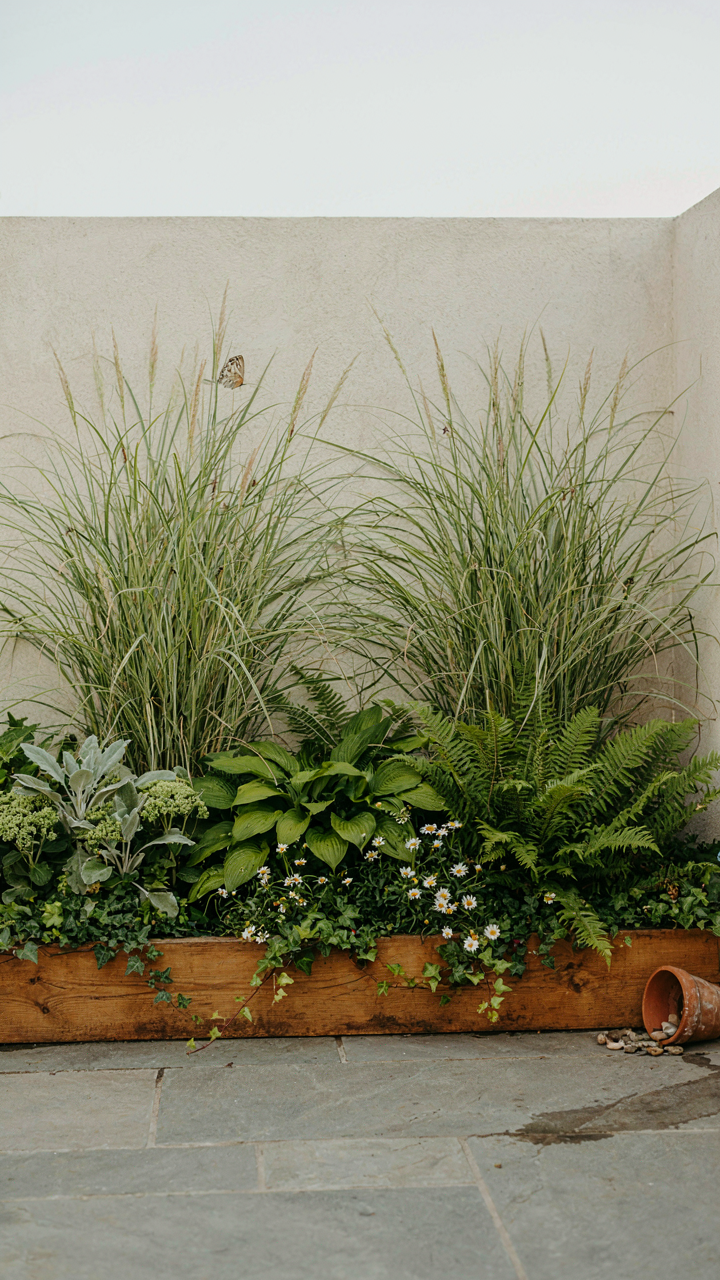
You want a garden that runs itself because you don’t want to admit you lack time or discipline to maintain it. Here’s what actually works: borrow from ecology. An ecosystem is a system where organisms regulate each other’s population and resource use without external intervention. A corner patio garden operates the same way. Stop planting isolated specimens. Stack plants that amplify each other’s survival odds.
Native plants to your region establish faster and demand less because local soil, light, and pests already recognize them. Companion planting isn’t mystical. It’s applied ecology. Tall plants shade soil and reduce evaporation for shade-tolerant understory plants below them. Root systems at different depths access different soil layers, so they don’t compete. You’re engineering redundancy into the system so one weak link doesn’t crash the whole operation.
Stagger Planting To Keep Output Consistent
This is where most advice fails. People recommend “succession planting” like it means buying plants at different times. That’s not what it means. Succession planting in agriculture means sowing seeds two to three weeks apart so harvest windows stagger instead of flooding you all at once. Apply it to your corner garden.
Plant fast-maturing crops or flowers on a schedule that matches your actual consumption or display needs. If you want herbs available year-round, start seedlings eight weeks before your first frost date, then repeat every four weeks through spring. This creates a rolling inventory. By the time one round peaks and declines, the next is hitting maturity. You’re not managing a garden anymore. You’re managing a production timeline that feeds itself into the next cycle.
Small Corner Garden Ideas Backyards: Strategic Plant Selection

Native Plants Win The Resilience Game
You want a garden that doesn’t demand constant attention because you’re lazy or broke or both—and that’s the real reason this matters. Ecology answers this. In ecology, native plants occupy their ecological niche because they evolved to handle local soil, water, and pest pressure. Your corner patio garden operates on the same principle: native species are already adapted to your region’s water availability, temperature swings, and pest load.
Exotic plants demand intervention. They need different watering schedules, fertilizer regimens, and pest management because they’re playing a game their bodies weren’t built for. Native plants don’t eliminate work, but they eliminate the constant problem-solving that kills beginner gardens. Plant something adapted to your zone and it survives neglect. Plant something exotic and you’re managing a system you don’t understand.
Drought Tolerant Varieties Kill The Watering Trap
This is where most corner patio gardens fail: people choose plants based on looks, then water them on a schedule whether the soil needs it or not. Drought-tolerant plants force you to work backward from actual soil conditions instead of following a watering calendar. Your corner location often creates a microclimate—less rain hits it than the rest of your yard. Drought-tolerant varieties exploit this reality instead of fighting it.
- Sedums: Succulent group that stores water in leaves, thrives in poor soil, requires minimal watering once established.
- Russian Sage: Silvery foliage, purple flowers, handles heat and dry spells, comes back reliably in most zones.
- Black-eyed Susan: Yellow blooms, spreads naturally, tolerates full sun and neglect, blooms through dry periods.
- Ornamental Grasses: Miscanthus and feather reed grass need water during establishment only, then stabilize on rainfall.
- Lavender: Fragrant, attracts pollinators, requires infrequent watering after the first year, prefers lean soil.
The mechanism is simple: drought-tolerant plants have deep root systems or reduced leaf surface area, both strategies that demand less frequent watering. Check soil moisture before you water, not the calendar. If soil is dry two inches down, water deeply once. If it’s still moist, skip that day. This one discipline eliminates 80 percent of corner garden failures.
The Neglect Proof Blueprint: Corner Garden Automation
Stop Watering By Hand. Use Physics Instead.
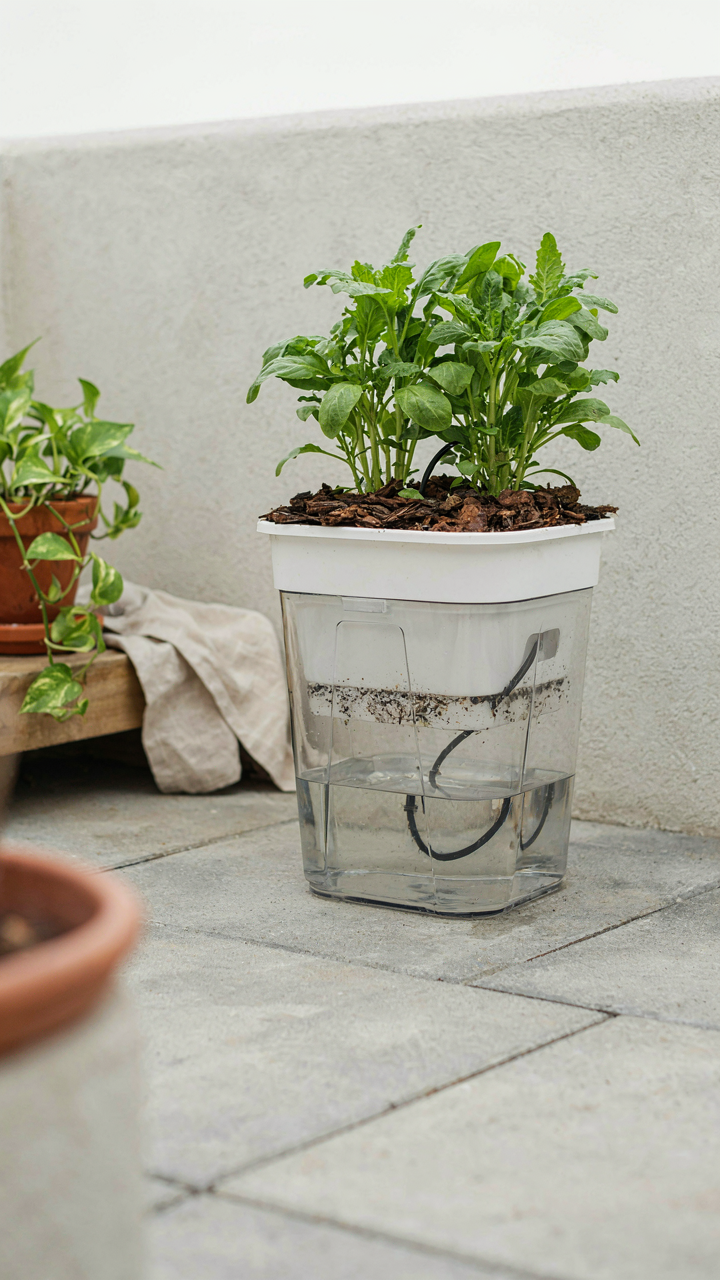
You want a garden that doesn’t demand your attention because attention is the real cost. Here’s the mechanism: gravity and capillary action do the work you won’t. Drip irrigation systems deliver water directly to soil at plant root level, cutting waste by 50 percent compared to overhead watering. Self watering planters use a reservoir below the soil that wicks moisture upward as the top layer dries. Both systems eliminate the guesswork and the guilt.
The reason people skip this step is they think automation costs money or complicates setup. It doesn’t. A basic drip line kit runs 30 to 50 dollars and takes an hour to install in a corner space. Self watering planters cost between 20 and 100 dollars depending on size. Once running, they operate without your intervention for weeks. The real variable isn’t cost. It’s whether you admit you won’t show up consistently.
Mulch Creates A Moisture Boundary
Mulch isn’t decoration. It’s a physical barrier that stops three problems at once: water evaporation, weed germination, and soil temperature swings. Apply a two to three inch layer of organic mulch around plants, leaving space near the stem to prevent rot. This cuts watering frequency by 25 to 40 percent and eliminates the need to hand pull weeds in tight corner spaces.
The common advice says any mulch works the same. It doesn’t. Hardwood mulch breaks down faster and feeds the soil. Pine needles acidify the ground. Shredded bark lasts longer but releases fewer nutrients. For corner patios, use aged hardwood or bark chips. Replace mulch once yearly as it decomposes. This one protocol reduces maintenance time from hours monthly to minutes quarterly.
Monetizing Your Efforts: Beyond Aesthetic Corner Flower Garden Ideas

Grow What You Eat In Tight Spaces
You want to justify the time investment by extracting actual value from the corner. Here’s the mechanism: a productive corner garden compresses utility into square footage. Most beginners waste corner real estate on ornamental plants that demand maintenance but generate nothing. Herbs and compact vegetables flip this equation. Basil, thyme, and oregano thrive in containers stacked vertically. Cherry tomatoes, lettuce, and radishes mature in 40 to 60 days. You’re not gardening for aesthetics anymore—you’re gardening for output.
The economics work because you eliminate the middle layer: the grocery store markup. A $15 herb starter becomes consistent fresh material for cooking within weeks. Compact vegetables in pots sidestep soil quality issues that plague beginners in ground beds. The corner becomes a production zone, not a decoration zone. Rotate crops every season. Track what grows fastest in your specific light conditions. Replace underperformers immediately. This is operational thinking applied to a patio corner.
Attract Pollinators And Beneficial Insects
Borrowing from ecological design, think of your corner as a keystone habitat—a small, concentrated zone that punches above its weight in supporting local biodiversity. This principle maps directly onto corner gardens: a five-foot corner packed with nectar and pollen plants draws far more pollinators than scattered flowers across a yard. The payoff extends beyond aesthetics. Pollinators handle reproduction on your vegetables. Beneficial insects prey on pest populations before they metastasize. You’re building a self-regulating system, not a display.
- Borage: Produces abundant nectar that attracts bees and hoverflies. Flowers continuously through warm months. Self-seeds reliably, reducing replanting labor.
- Yarrow: Tolerates poor soil and dry conditions. Blooms for weeks. Beneficial wasps use it as a staging ground to hunt aphids.
- Alyssum: Low-growing ground cover that blooms prolifically. Attracts parasitic wasps that target common vegetable pests like caterpillars.
- Coneflowers: Tall enough to anchor the back of a corner bed. Persistent bloom period from summer into fall. Seeds feed finches late season.
- Marigolds: Compact varieties fit tight spaces. Repel certain soil-dwelling pests. Attract pollinators while blooming prolifically with minimal deadheading.
Plant these species in clusters, not scattered. Massed flowers create visual signals that draw insects efficiently. Leave some bare soil exposed—ground-nesting bees need it. Skip pesticides entirely; they kill the infrastructure you’re building. The corner becomes self-maintaining once you stop intervening. Check bloom timing so something flowers continuously from spring through frost.
Beyond Aesthetic: Maximizing Yard Corner Ideas Functionality
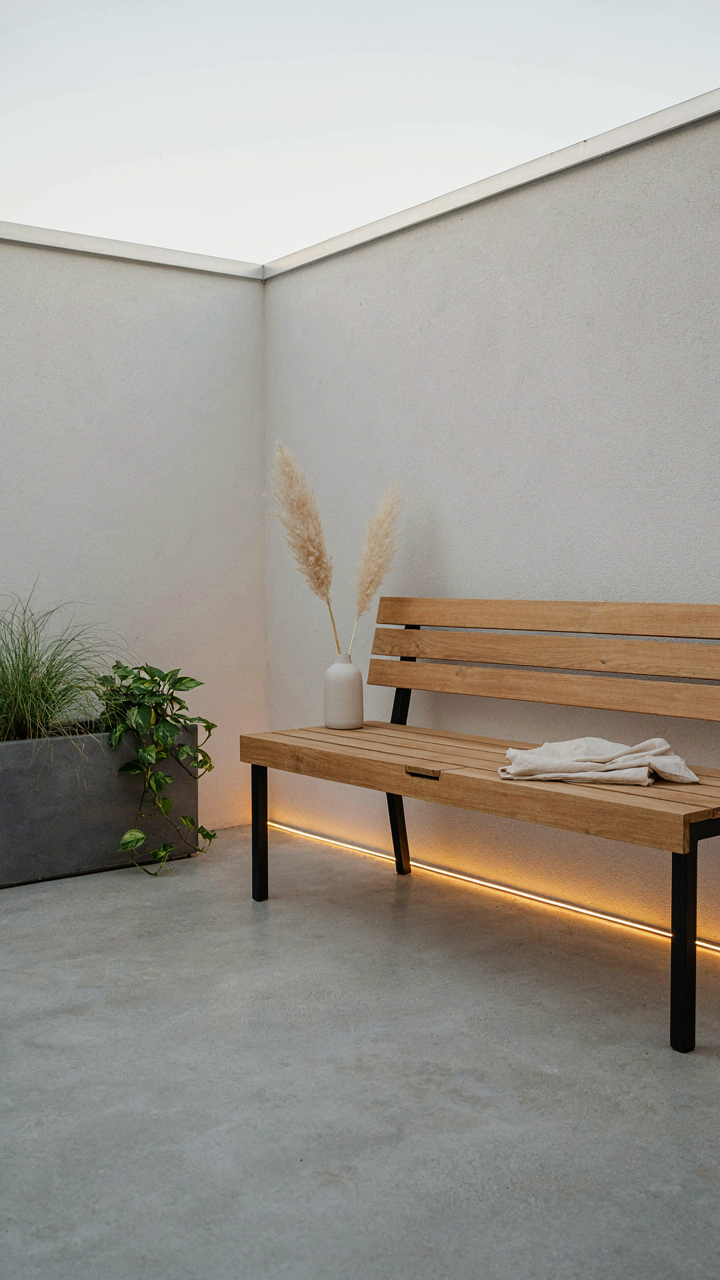
Seating And Hidden Storage Integration
You want your corner patio to look intentional, not like you’re wasting dead space. The mechanism is simple: corners are architectural dead zones until you give them purpose, and dual-purpose furniture solves the real problem—most beginners treat seating and storage as separate decisions when they’re the same problem.
Bench seating with lift-top storage consolidates two functions into one footprint. This approach borrowed from naval design, where every cubic inch must serve multiple purposes. A corner bench with hinged seat storage holds cushions, garden tools, or seasonal items while providing actual seating. Built-in planters along the bench perimeter define the space boundary without eating more square footage. The storage stays accessible without requiring a separate shed or closet.
Position storage benches against the corner’s outer edge, angled slightly toward the patio center. This creates a natural gathering point instead of making the corner feel like a storage alcove. Paint or stain the bench to match your home’s trim or use weather-resistant materials like teak or composite wood. Store heavier items below, lighter seasonal pieces above, and keep an inventory so you know what lives where.
Strategic Lighting For Usable Evening Hours
Most corner patio lighting fails because people install it for looks instead of function. You can’t actually use a dark corner at night, so ambient lighting becomes the mechanism that extends your patio’s operating hours from sunset to bedtime.
Layer your lighting in three zones: overhead for general illumination, task lighting near seating, and accent lighting on plantings or walls. Overhead options include string lights mounted on poles or tensioned wire, recessed lights in an overhead structure, or wall-mounted sconces on your home’s exterior corner. These create baseline visibility. Task lighting—focused downward over a bench or small table—lets you read or work without harsh glare. Accent lighting on climbing vines or corner plants adds visual depth without creating a floodlit stadium effect.
Install dimmers or smart bulbs on your overhead layer so you control brightness intensity. This prevents overlit corners that feel uninviting. LED lights save power and last longer than incandescent, cutting replacement cycles from months to years. Run electrical lines buried or concealed along walls before furniture placement so cords don’t create trip hazards or visual clutter. Test your lighting setup at dusk before finalizing placement to catch dead zones or glare reflections off walls.
The Real Obstacle Isn’t Your Corner, It’s Your Impulse To Outsource Thinking

You’ll find a hundred corner patio garden templates online. None of them matter. The only template that works is the one you build by observing your corner, testing plants, and adjusting what doesn’t work. Stop consuming garden ideas and start consuming sunlight patterns in your space. Pick one plant today. Kill it or keep it. Either way, you learn something a blog post never teaches you. Your corner garden doesn’t need perfection. It needs your attention.



