
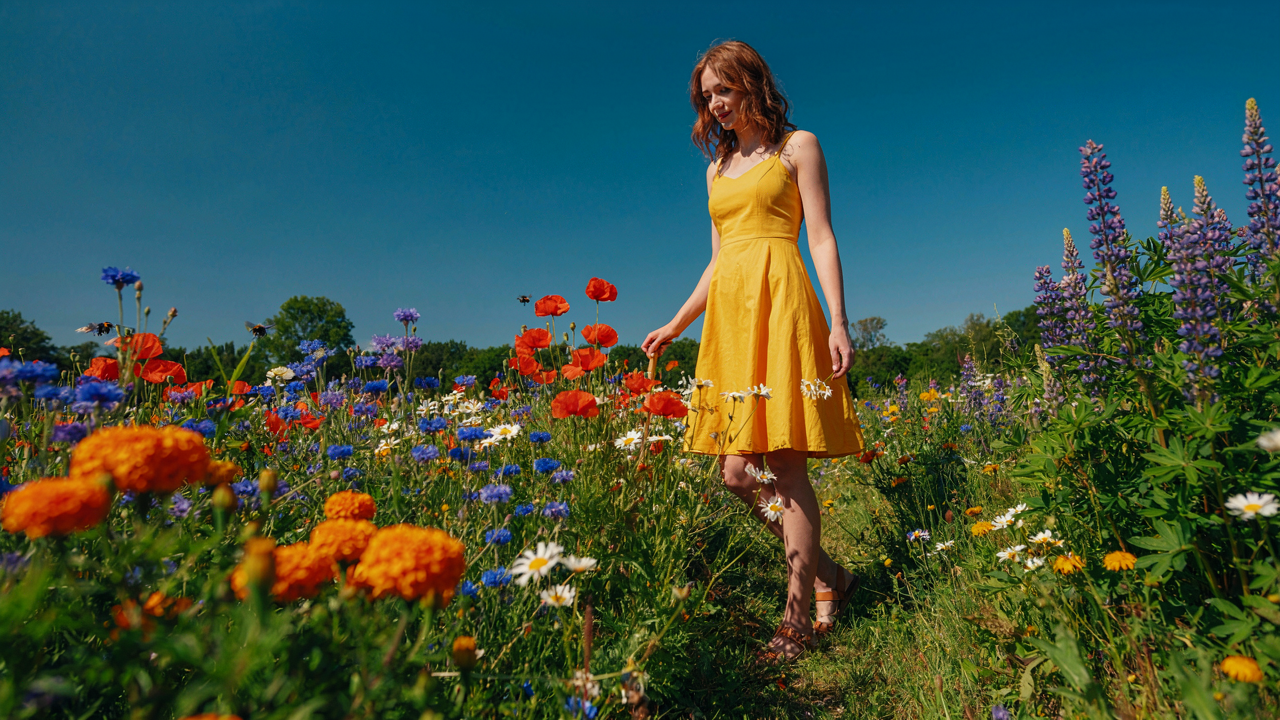
The Ecosystem Engineering Principle: Beyond Aesthetic Mixes
Match Seed To Microclimate
You want your wildflower mix to look intentional, not like you threw random seeds at dirt. That’s the real driver here. But most guides skip the mechanism that actually determines success: ecology uses the concept of niche to describe where an organism thrives given specific conditions. Your seed mix needs the same precision. A niche is the exact combination of light, moisture, soil pH, and temperature where a plant survives. Don’t build a mix. Build a match between seed and the actual conditions your site offers.
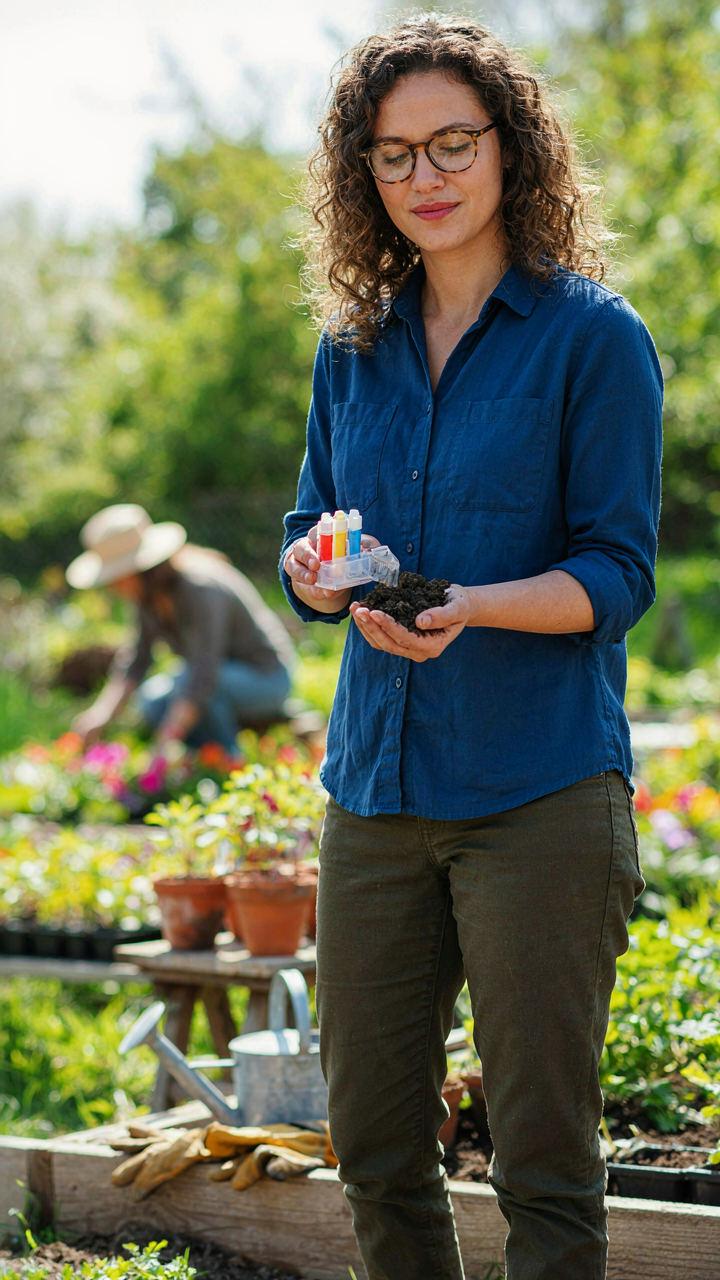
The common advice is to “pick native wildflowers.” That’s incomplete. Native to your region doesn’t mean native to your yard. A prairie wildflower dies in swamp conditions. A wetland species rots in sandy soil. Map your microclimate first: measure sun hours, dig a soil sample for pH and drainage, note where water pools or runs off. Then select seeds whose published growing conditions align with those measurements. This isn’t decoration. It’s constraint recognition.
Natural Spread Through Staged Planting
Succession is a biological principle describing how plant communities shift over time as conditions change. You can engineer this in your mix by staggering germination and establishment timelines. Early colonizers prepare soil for later arrivals. This mimics what happens in abandoned fields without requiring you to replant every season.
Most mixes treat all seeds as simultaneous. Wrong. Include fast-germinating annuals that break ground and build organic matter in year one. Layer in biennials that establish roots in year two while producing flowers. Add perennials that dominate by year three. This staged approach prevents bare spots, outcompetes weeds through continuous coverage, and creates visual progression. Buy or create separate seed packets for each year’s planting phase, then plant them on schedule rather than all at once.
The Minimalist’s “Wildflower Seeds” Selection: Pruning For Power
Native Vs. Exotic: Why Less Diversity Wins
You want diversity because you think it signals expertise and guarantees results. It doesn’t. Ecology works on fitness functions, not decoration. Your seed mix succeeds when every plant serves the soil and local pollinator base simultaneously, not when it maximizes species count.
Native wildflowers outperform exotics because they’ve adapted to local precipitation, soil pH, and pest pressure over centuries. Exotic seeds germinate in ideal conditions but fail under real stress. A 12-species native mix beats a 40-species mix of random exotics every time. Stick to plants proven in your specific region and climate zone.
Reject The “Attract Pollinators” Trap
The generic pollinator mix is lazy marketing dressed as ecology. You see the same five species repeated across forty different products because seed companies optimize for cheap, showy flowers, not pollinator specificity. This mechanism kills your actual results.
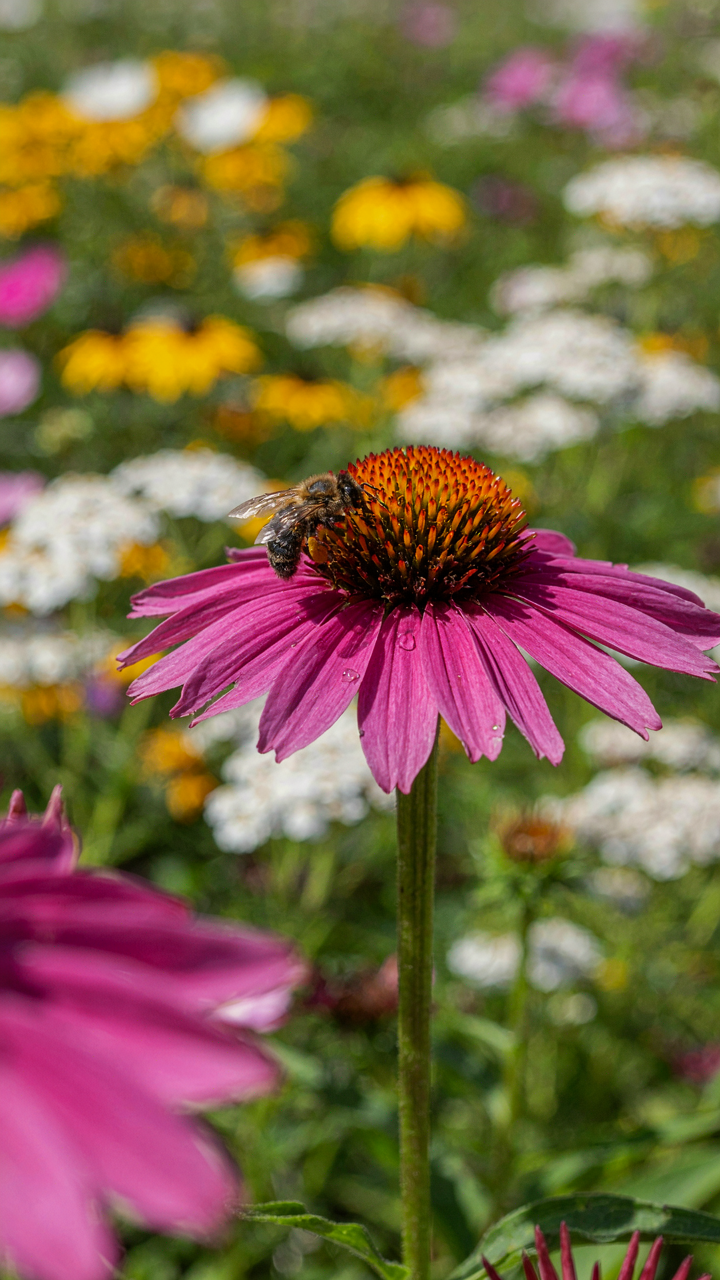
Different pollinators require different bloom times and flower shapes. A honeybee needs open, landing-platform flowers. Native bees want tubular or clustered blooms. Butterflies require height and nectar. If your mix blooms all at once in midsummer, you’ve wasted half the season. Build your mix around staggered blooms from spring through fall, matched to the pollinators actually present in your ecosystem. Check your local native plant society for species lists tested in your region before selecting a single seed.
Site Analysis: Ignoring Your Soil Is Ignoring Your Success
Soil Composition: Nutrient Density And Drainage
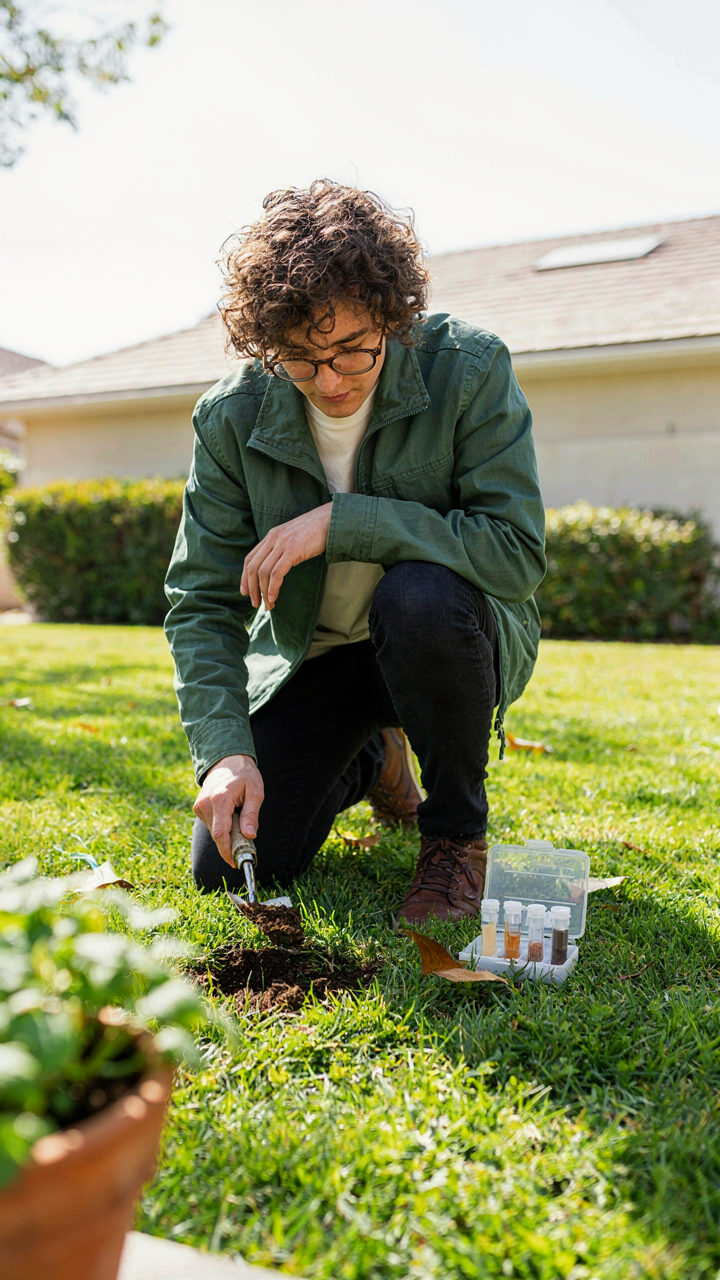
You want to skip this because it feels like work. But soil composition is the bottleneck. Think of it like supply chain logistics: your wildflower seeds are only as viable as the delivery system underneath them. Poor drainage kills seeds through root rot. Low nutrient density starves seedlings before they establish. You need to know what you’re working with before you buy a single seed packet.
Test your soil pH and texture before anything else. Most wildflowers thrive in slightly acidic to neutral soil (pH 6.0 to 7.5), though native species adapt to local conditions. Sandy soil drains fast but holds no nutrients. Clay holds water and nutrients but often drowns roots. Loamy soil, the sweet spot, has roughly 40% sand, 40% silt, and 20% clay. A basic soil test kit costs under thirty dollars and tells you exactly what amendments you need.
Mapping Micro Zones By Light Exposure
Sunlight isn’t uniform across your site, and treating it as such wastes seeds on species that can’t survive there. This is basic ecology: different plants evolved for different light regimens, and you either match them or watch them fail. Map your space in quadrants. Walk it at dawn, noon, and late afternoon to spot shade from trees, structures, and terrain changes. Mark which areas get full sun (6+ hours), partial shade (3-6 hours), and deep shade (under 3 hours).
Full sun zones support aggressive bloomers like coreopsis and black-eyed Susan. Partial shade tolerates woodland species like columbine and trillium. Deep shade rarely works for true wildflowers unless they’re native to your forest understory. Once you map these zones, you source seed mixes for each zone separately instead of buying one generic blend that performs nowhere. This single protocol shift cuts your failure rate in half.
The “Deer Resistant” Wildflower Mix Illusion: Real Protection
Placement Over Plant Selection
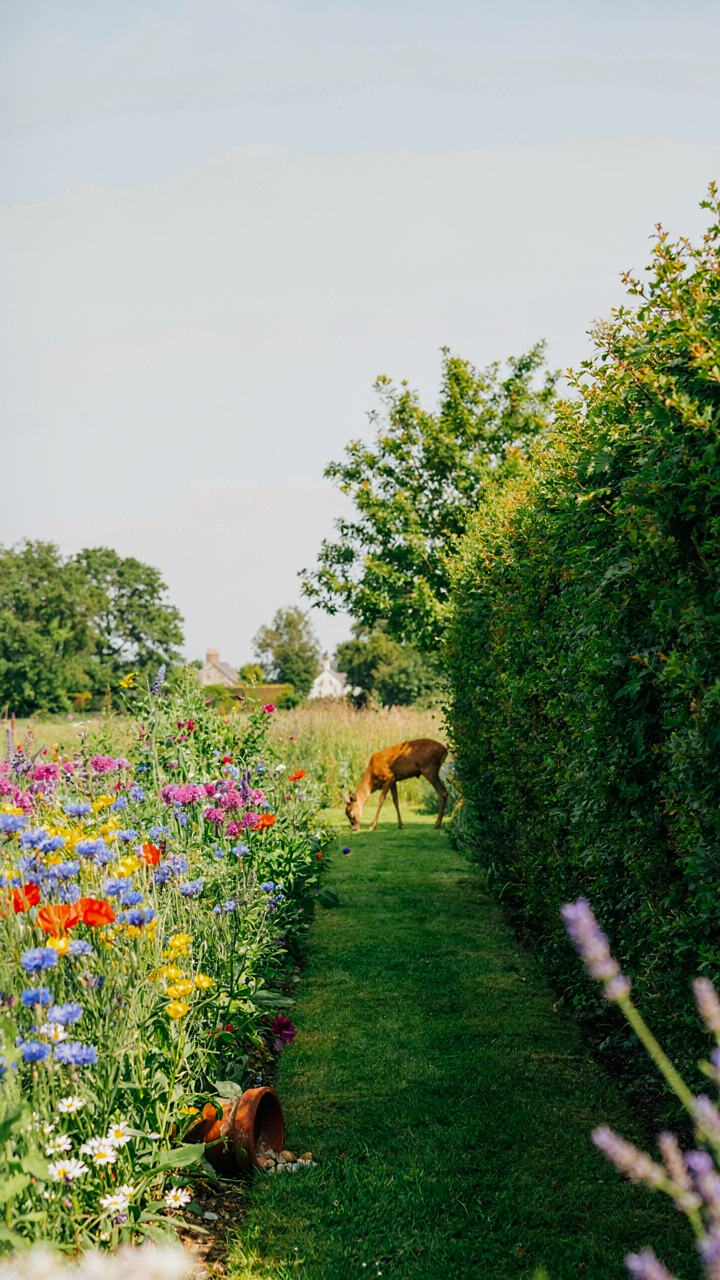
You want a label that promises safety, but “deer resistant” is a marketing term masking the actual mechanic: distance and visibility. Ecology teaches us resource scarcity drives behavior. Deer browse where food density justifies the trip. Plant a patch of wildflowers near their bedding area or between cover and water, and resistance means nothing. They’ll eat it anyway because proximity beats palatability.
The real lever is strategic placement. Position your mix at least 100 feet from known deer travel corridors and bedding areas. Use terrain, existing structures, or dense native shrubs as buffers. Deer avoid exposed feeding zones when shelter options exist nearby. This removes the economic incentive to browse your flowers, making plant selection almost secondary.
Deterrent Plants Work Alongside, Not Instead Of
Most seed mixes list “deer resistant” species like blanket flower, black-eyed Susan, and prairie coneflower. This advice is incomplete. These plants still get eaten under pressure. The mechanism isn’t that deer refuse them. It’s that certain plants contain alkaloids, strong scents, or tough textures that make them low-value targets compared to softer forage nearby.
Combine your resistant wildflowers with strong-scented companions like native bee balm, catmint, or aromatic prairie sage. The odor creates a perceptual barrier that conditions deer to avoid the entire patch before testing individual plants. Layer in thorny or structurally dense natives like wild bergamot or asters. This creates both sensory and physical friction. Rotate companion plants annually so deer don’t habituate to a single scent profile. Habituation is the mechanism that breaks all long-term deterrence systems.
The “Midwest Wildflower Mix Infographic” Trap: Regional Nuance
Localized Ecotypes Beyond Broad Strokes
You want a mix that works everywhere because buying regionally feels like failure. Here’s the mechanism: ecotypes are plant populations adapted to specific soil composition, rainfall patterns, and frost timing within a geography. A Midwest blend won’t thrive in the Southwest because the underlying environmental pressures are completely different. A species that germinates reliably at 40°F in Ohio fails catastrophically in Arizona where soil temps swing 60 degrees in a single day.
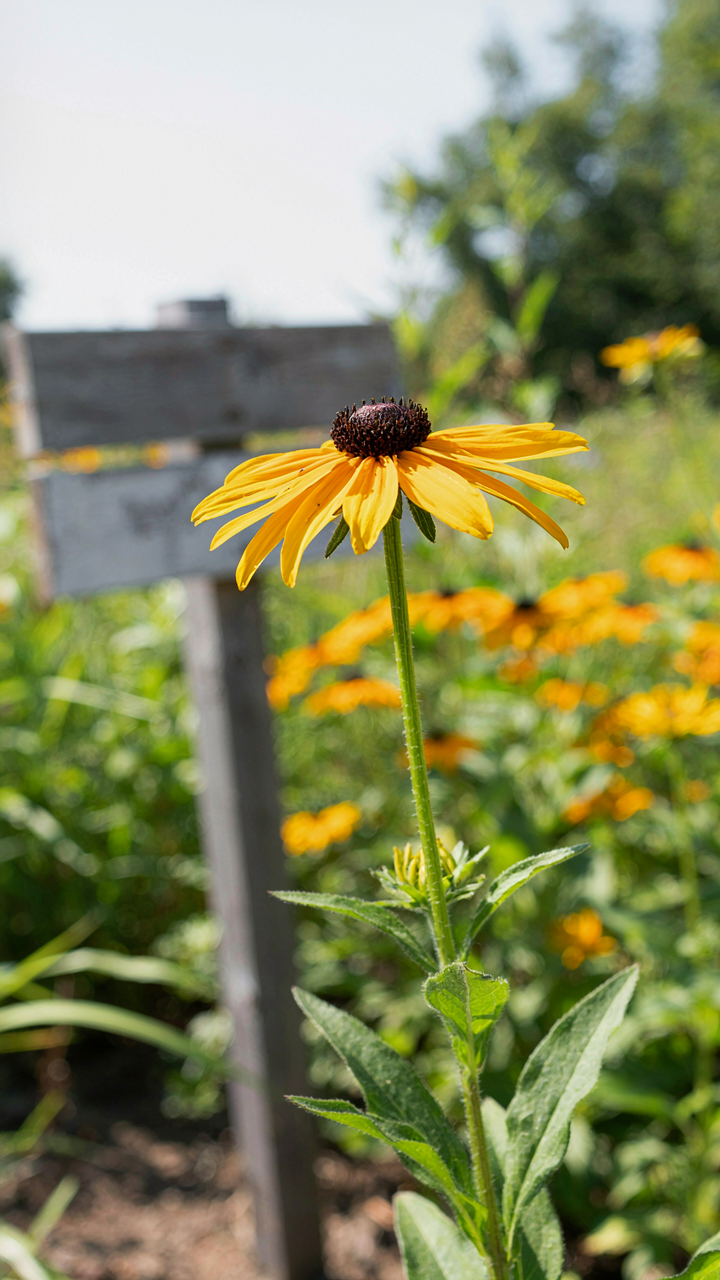
The common advice treats regions as marketing categories instead of ecological realities. Reality is harder. You need to identify which ecotype of a species you’re planting, not just the species name. Black-eyed Susan grows across the continent, but Rudbeckia hirta from the tallgrass prairie grows differently than the coastal ecotype. Seed suppliers rarely distinguish these because it costs more to source correctly. Your job is to either source from native plant nurseries tied to your specific region or build your mix species-by-species using local ecotype data from your state’s native plant society.
Climate Data Predicting Micro Seasonal Shifts
Seasonal timing in your region determines which species actually establish. Soil temperature at planting depth, frost date windows, and drought stress windows are not the same as air temperature. You need ground-level data specific to your site’s microclimate. USDA zones are outdated for precision seeding because they ignore elevation changes, water bodies, and urban heat effects that shift zones by half a zone or more within a few miles.
Pull historical precipitation and temperature data from your nearest weather station for the past five years. Map that against seed germination windows for each species in your mix. If your area gets spring rain in March but hard drought by July, choose species with shallow germination windows, not late bloomers that need sustained moisture. This prevents the common failure pattern: seeds germinate in favorable spring conditions then die during the predictable summer stress your region always faces. Cross-reference your data against blooming calendars and moisture requirements from your regional native plant society, then adjust species selection downward to match actual conditions rather than hoping weather will cooperate.
Sowing The “Wild Flowers” Protocol: Precision Over Volume
The Broadcast Paradox: Why Thin Is In
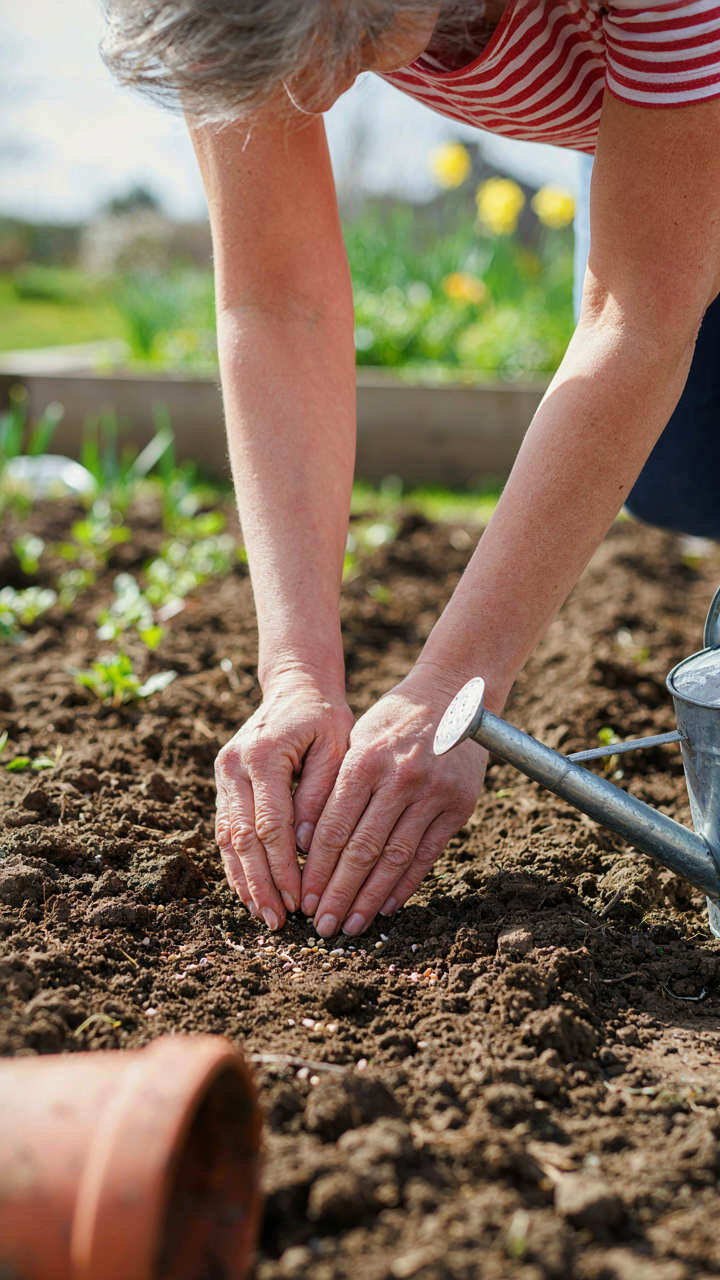
You want visible results fast. That fear of failure makes you overload the soil with seed, thinking density equals certainty. It doesn’t. Broadcasting too much seed creates competition that kills germination rates and produces weak, spindly plants that won’t survive drought or wind. The mechanism here is basic resource scarcity: each seedling competes for water, nutrients, and light. More seeds in the same space means each gets less of everything.
The industry standard is 12 to 15 pounds of seed per acre for typical wildflower mixes, but most amateurs throw down double that and wonder why their display fails by mid-summer. Thin sowing produces robust root systems and plants with structural integrity. Broadcast at 1 to 2 ounces per 100 square feet for full coverage without overcrowding. Press seed into soil contact after spreading to ensure moisture uptake, then water gently until germination begins.
Stratification And Scarification: Mimicking Nature
Botany calls this “seed dormancy breaking,” and it’s the single highest-leverage move in wildflower establishment. Many native species won’t germinate without temperature fluctuation or physical seed coat disruption because they evolved to avoid sprouting in false spring conditions. You’re not being creative when you stratify. You’re replicating the exact conditions that determined which seeds survive in their native habitat.
Cold stratification works for most cool-season species: store seeds in moist sand or peat at 35 to 40 degrees Fahrenheit for 30 days before sowing. Scarification addresses hard seed coats through light abrasion with sandpaper or brief hot water exposure. The protocol is non-negotiable: check your seed mix’s species requirements and apply stratification or scarification before broadcast. Skip this step and germination rates collapse by 40 to 60 percent, wasting your investment on seed that refuses to sprout.
The Wildflower Mix Colors Misconception: Designing With Time
Bloom Sequencing For Year Round Coverage
You want a meadow that looks intentional, not like you scattered whatever was cheapest. That’s the real problem here—and it won’t happen by accident. Think of bloom timing like artillery barrages: you’re not firing one volley. You’re staggering your fire so something lands downrange every week from spring through frost.
The mechanism is simple. Most wildflower mixes dump everything into simultaneous bloom. You get a three-week explosion of color, then brown stems for seven months. The answer isn’t better seeds. It’s deliberately engineering overlap by selecting species with staggered phenology—the botanical term for when plants flower relative to seasonal markers.
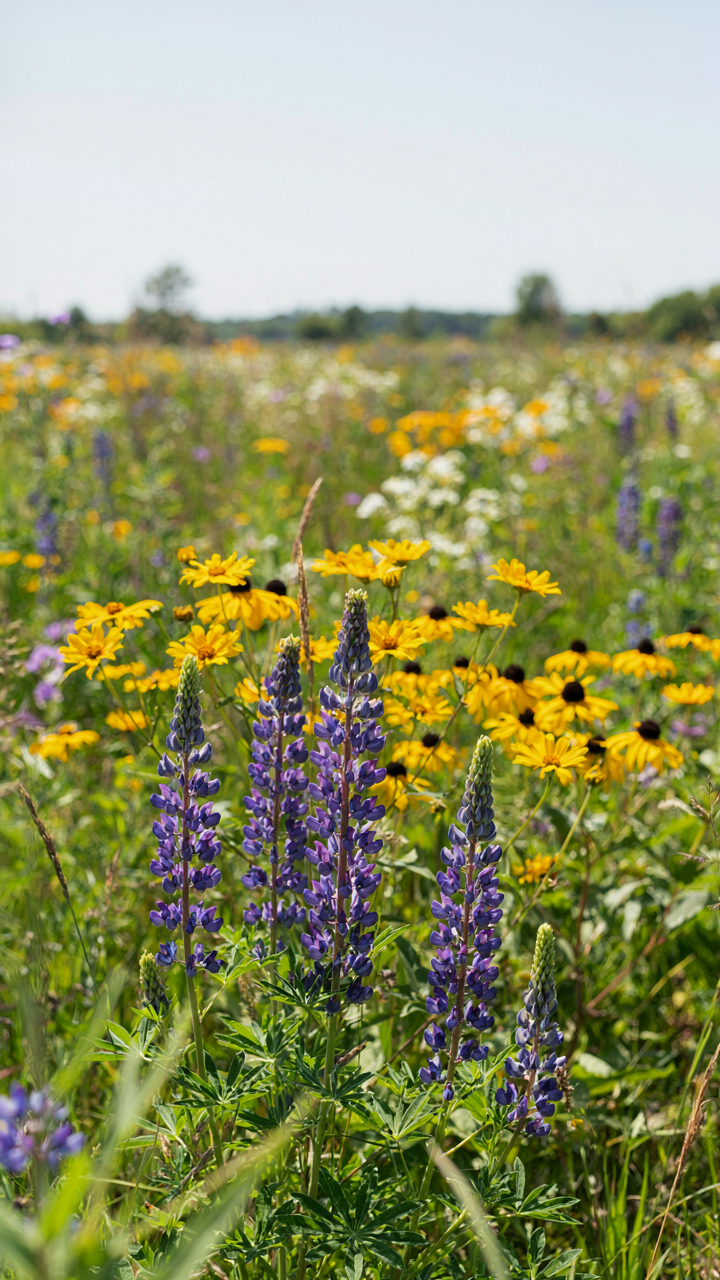
- Early Spring Bloomers (March-May): Lupines, Indian paintbrush, and phlox break dormancy first and establish visual weight before competition intensifies. These set the tone for the season.
- Late Spring To Early Summer (May-July): Coreopsis, black-eyed susans, and cosmos fill the gap when spring bloomers fade. They anchor the middle months when attention drops.
- Mid To Late Summer (July-September): Zinnias, rudbeckia, and blanket flowers maintain momentum through heat. These handle stress better and bridge toward fall color.
- Fall Bloomers (August-November): Asters and goldenrod activate the final window before senescence. Most mixes ignore this entirely, creating a dead zone.
- Height And Density Sequencing: Pair tall bloomers with shorter foreground species in time. Early bloomers should be shorter so later, taller species don’t shade them out prematurely.
Most guides tell you to “choose a mix of early and late bloomers.” That’s useless. You need to map actual species against your growing season, account for your hardiness zone’s frost dates, and weight your percentages toward summer and fall species if your region’s spring arrives inconsistently. Buy the seed mix data sheet and cross-reference bloom windows. Then adjust ratios.
Perennial Versus Annual Strategy For Sustained Performance
You’re not choosing flowers. You’re choosing whether to maintain your investment annually or let it compound. This distinction determines whether your mix becomes a meadow or a garden you replant every spring.
Annuals flower hard and die in one season. They produce enormous seed yields, which means cheap seed and explosive first-year color. Perennials take two years to establish, cost more upfront, but self-seed and strengthen over time. The wrong ratio ruins your long-term economics. Heavy annual mixes need replanting or aggressive management to prevent perennials from taking over. Heavy perennial mixes look sparse in year one and won’t reach maturity until year three.
The real strategy depends on your tolerance for change. If you want maximum color immediately and can reseed annually or broadcast new seed each spring, run 60 to 70 percent annuals. The trade-off: you’re locked into active management. If you’re building for hands-off sustainability and don’t mind a thinner first year, flip it to 60 percent perennials and 40 percent annuals. The annuals fill gaps while perennials establish. By year three, perennials dominate and you mow once yearly without replanting.
Climate shifts matter here. In regions with erratic precipitation, annuals die unpredictably. Perennials have deeper roots and survive drought better. In stable climates with consistent water, annuals give you more flexibility. Map your regional climate pattern first. Then weight your annual-to-perennial ratio against it. Don’t let a seed supplier’s generic “wildflower mix” make this choice for you.
Post Sowing Neglect: The Unsung Hero Of Your Wildflower Garden
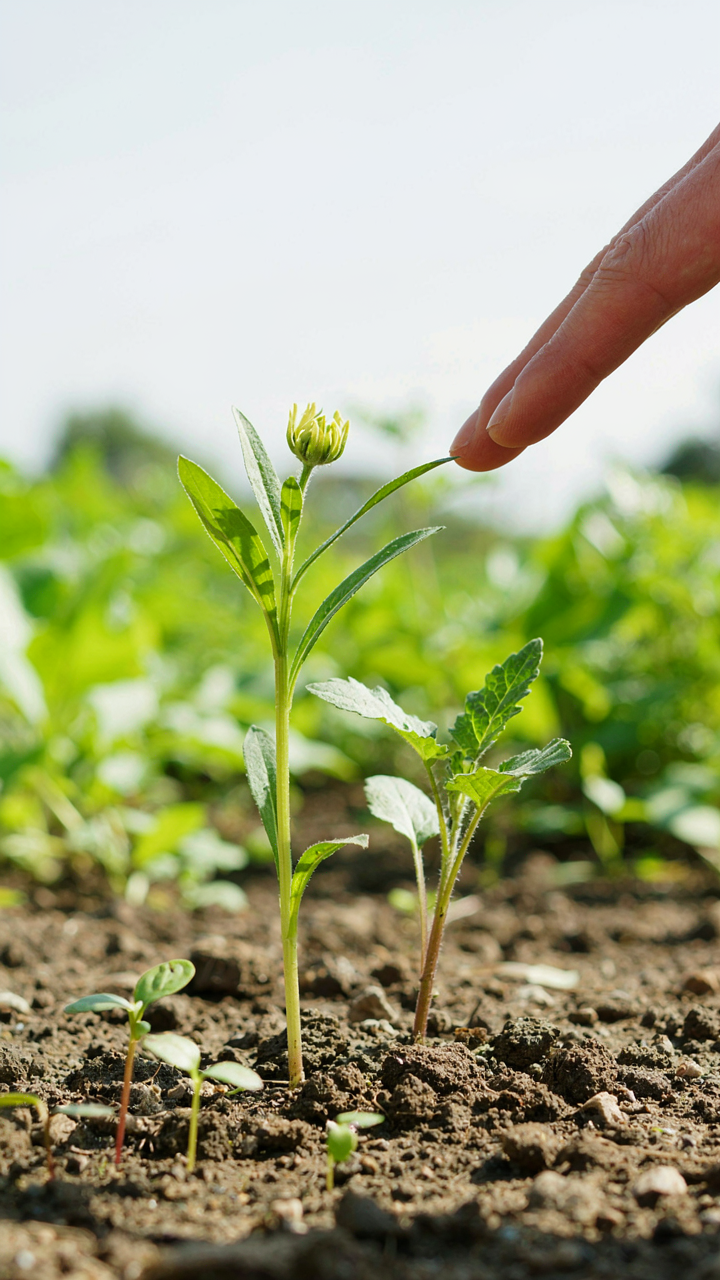
Know Your Weeds From Your Wildflowers
You want to skip the work of actually learning what you planted. The mechanism that kills most wildflower gardens is mistaken identity in month two, when you pull out native seedlings thinking they’re invaders. Wildflower seedlings look nothing like their mature forms. A black-eyed Susan starts as a thin cotyledon with fuzzy leaves. A blanket flower emerges with narrow, almost grass-like growth. Coreopsis looks skeletal and fragile. Weeds you actually need to remove—chickweed, clover, pigweed—have different leaf structures and grow faster than intentional plantings.
The only way past this is fieldwork. Spend thirty minutes after germination begins identifying what your specific seed mix contains. Cross-reference seedling photos from your seed supplier or university extension resources. Mark a few volunteer plants with stakes so you stop second-guessing yourself. This isn’t optional bureaucracy. It’s the difference between a garden and bare soil that looks like you gave up.
Drought Training Starts In Year One
Conventional watering advice treats this like a lawn: consistent moisture until established. That’s backwards. The actual mechanism is adaptation. Plants that never experience water stress develop shallow roots and weak vasculature. When the dry period hits—and it will—they collapse. Wildflowers evolved to survive irregular precipitation. You’re not fighting biology; you’re respecting it.
Water deeply after sowing only to ensure seed-to-soil contact. After germination, reduce frequency immediately. Let the top inch of soil dry between waterings. By month three, water only during visibly wilted conditions. This forces roots downward and triggers the physiological changes that make plants drought-resilient. Stop watering entirely after the first season unless you’re in a true desert zone. The goal is self-sufficiency, which means you must engineer scarcity into the system from day one.
Your Wildflower Mix Success Isn’t About More Seeds; It’s About Less Intervention
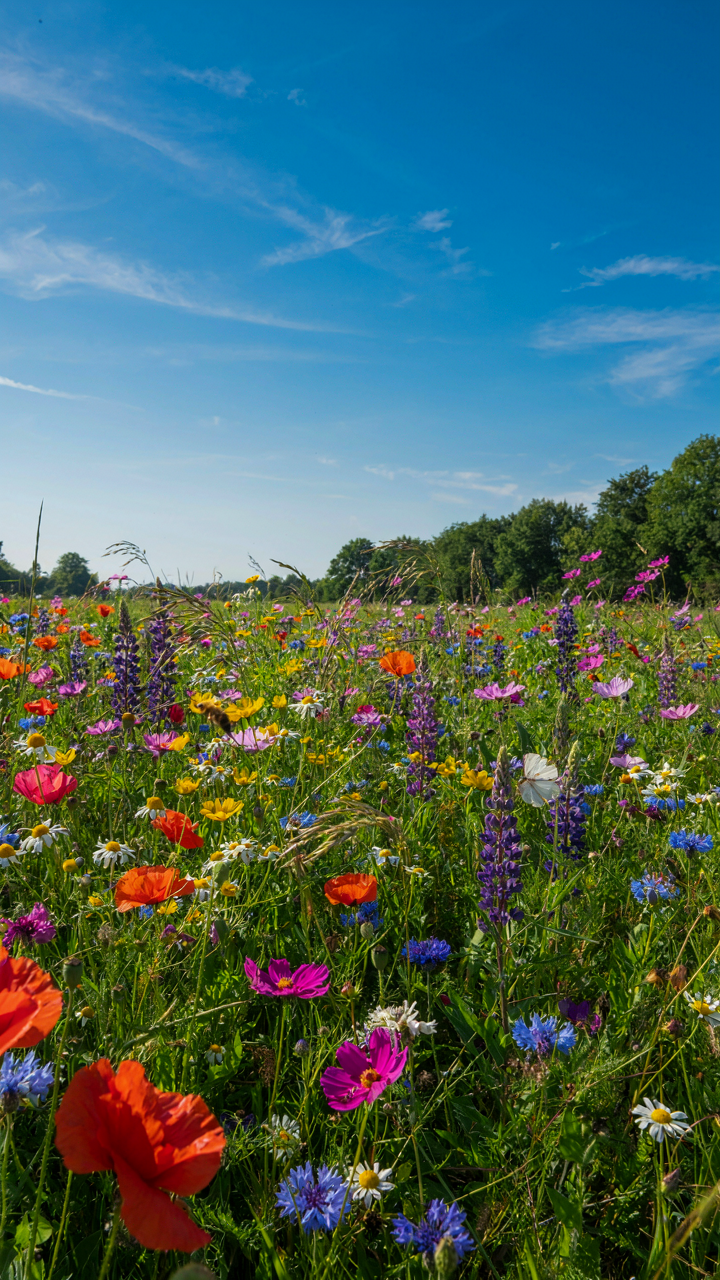
Most people kill their wildflower gardens by trying to control them. You plant the mix, then obsess over watering schedules and fertilizer ratios and soil pH. Stop. The seeds don’t need your management; they need you to disappear. Pick your mix today based on your climate zone, scatter it, water once, then leave it alone for three weeks. Nature doesn’t negotiate with control freaks, and your garden won’t either.



