
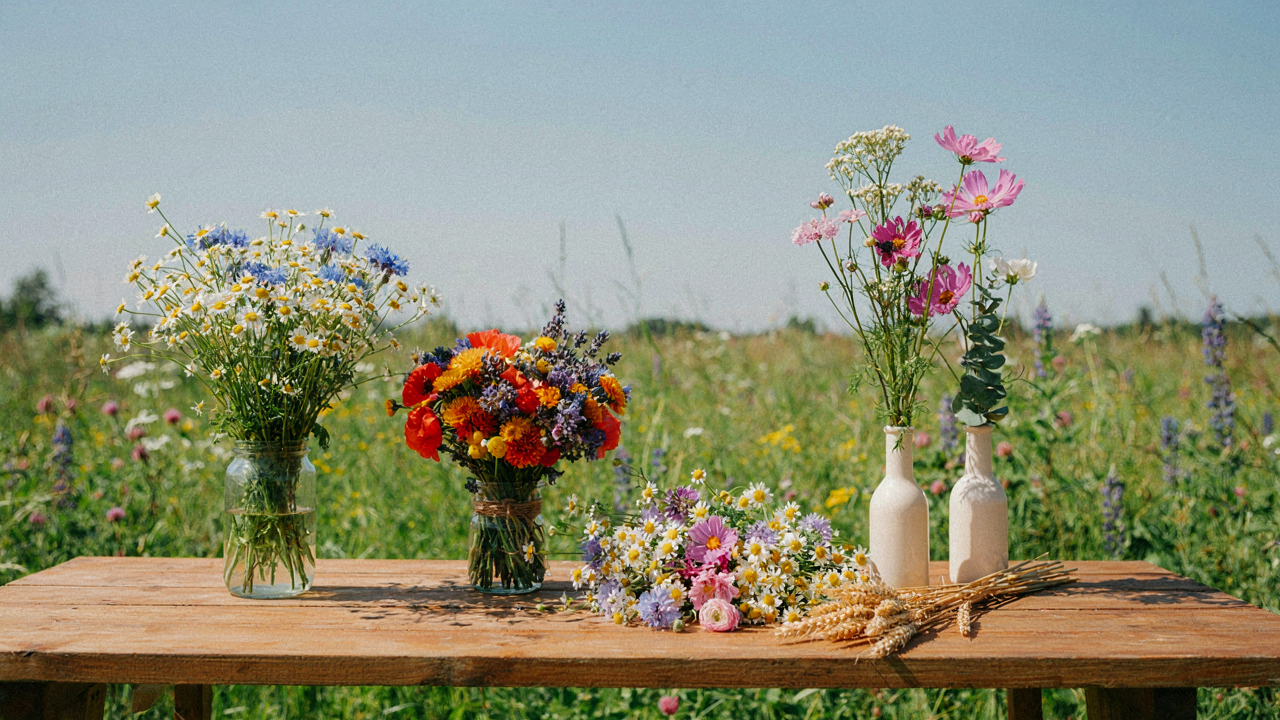
The Illusion Of Effortless Beauty: Why Most “Wild” Bouquets Fail
You’re Betting On Luck, Not Knowledge
You want the aesthetic without the work. That’s the real reason you’re here. The mechanism is simple: most people grab flowers that look pretty, assume they’re safe, and never cross-reference against actual species. Misidentification kills arrangements in two ways. First, you pick immature or toxic plants that wilt in hours. Second, you strip endangered species thinking they’re common because they look similar to what you’ve seen online.
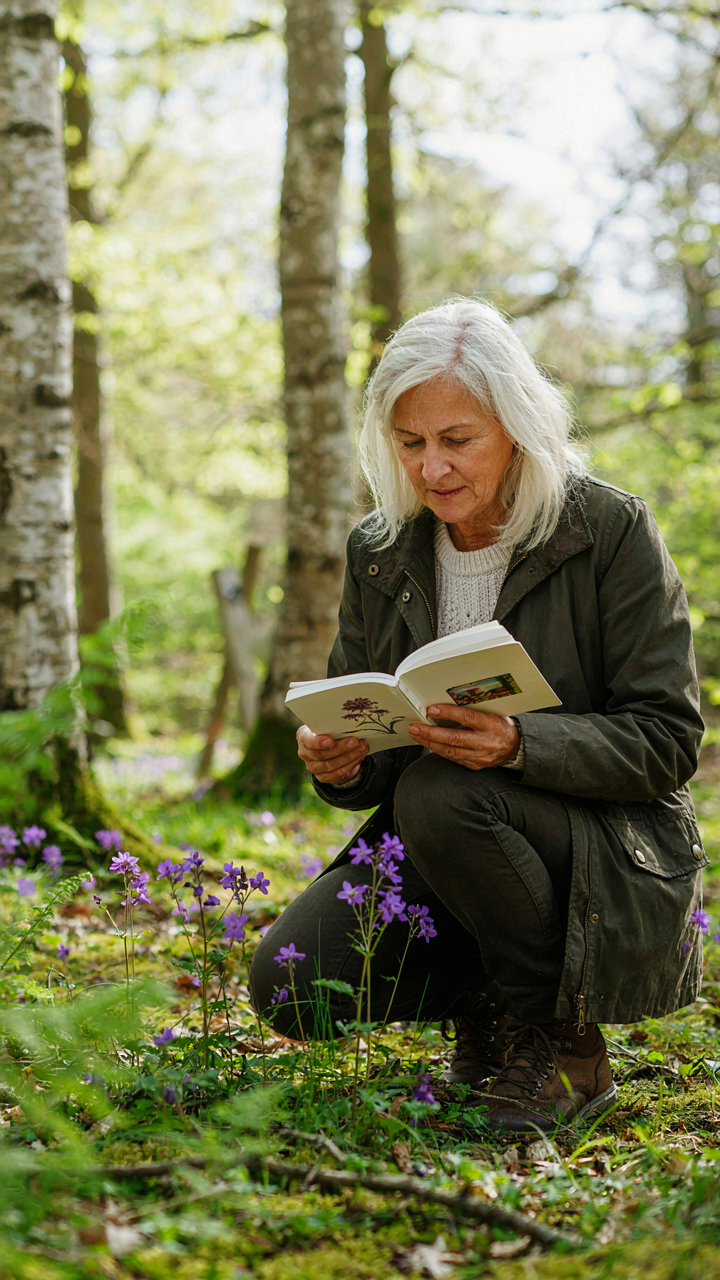
The difference between a bouquet that lasts and one that dies is botanical literacy, not intuition. You need a field guide specific to your region, not Pinterest. Regional guides matter because the same plant name refers to different species across zones. Learn leaf structure, stem characteristics, and flowering patterns before you forage. One wrong ID means you’ve built an arrangement on a foundation that doesn’t exist.
Extraction Without Consequence Is A Myth
Ecology runs on scarcity and regeneration. Think of a wild ecosystem like a bank account: you can withdraw, but not faster than deposits accumulate. When you forage wildflowers, you’re removing seed production, food sources for insects, and ground stabilization. The plants you think are “everywhere” often aren’t. Lady’s slipper orchids look abundant in a patch, but a single plant takes years to mature, and one harvest removes the entire reproductive cycle for that location.
Most foraging advice ignores this because it’s inconvenient. The real protocol requires you to know the plant’s growth rate, local population density, and whether it’s regionally common or rare. Never harvest more than one-third of a patch. Better: take only from plants that produce abundant seeds you won’t disturb. Check your state’s native plant lists and protected species before stepping into any field.
The Forager’s Ethic: A Protocol For Sustainable Wildflower Bouquet Harvesting
Know Your Flora And Local Law
You want permission to take things without asking. That’s the real tension here. But the mechanism is simpler than your guilt: most wildflower harvesting restrictions exist because specific species face extinction pressure, and you need to know which ones before you cut. State wildflower laws vary drastically. Some protect native species entirely. Others allow harvest on private land only. A few have no restrictions. The Forest Service, state wildlife agencies, and local parks departments publish these rules. Check them first. Ignorance doesn’t protect the ecosystem or your liability.
Different regions protect different plants for different reasons. In Texas, lady’s slippers face collection pressure. In California, poppies are protected. In Appalachia, ginseng and trillium have strict limits. The common mistake is assuming “wildflower” means “public resource.” It doesn’t. Private land changes everything legally, but ethical foraging doesn’t shift with property lines. You’re looking for species that regenerate fast, grow abundantly in your region, and have no legal or ecological restrictions. That’s your actual hunting ground.
Cut Smart, Leave Roots Intact
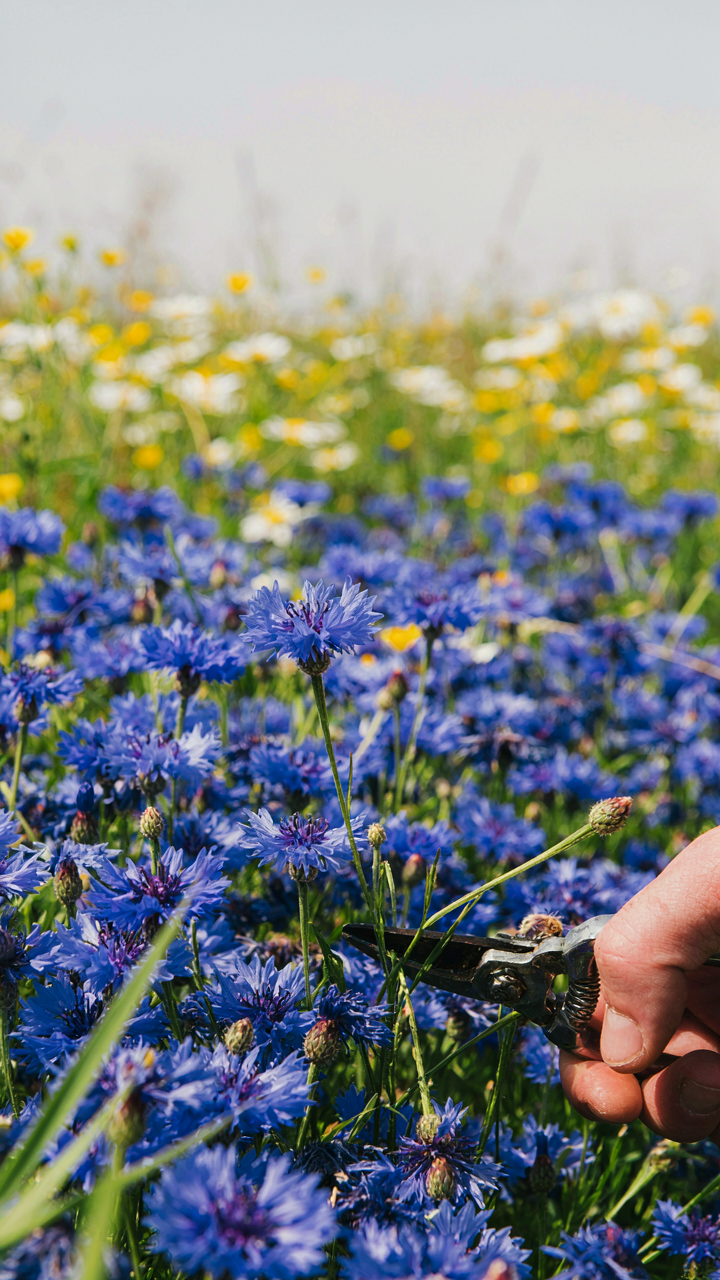
Botany teaches us about resource depletion through repeated harvest. Think of perennial wildflowers as capital, not income. If you remove the root system, you’ve destroyed the asset permanently. Cut flowers at the stem using a sharp knife or pruner, leaving at least two-thirds of the plant standing and the roots undisturbed. This method keeps the plant alive to flower next season.
- Take only one flower per plant: Leave others for pollinators and seed production. This keeps populations stable year after year in the same location.
- Visit different patches each season: Rotation prevents overuse of any single area. Spread your harvest across multiple sites within your region.
- Harvest in early morning or late afternoon: Flowers hold water better then. Cut blooms last longer in arrangements when harvested in cooler hours.
- Avoid rare or uncommon species: Stick to abundant natives like Queen Anne’s lace, coneflowers, and black-eyed Susans that regenerate reliably in your zone.
- Never pull or dig unless roots regrow annually: Perennials with persistent root systems tolerate cutting. Annuals or bulbs do not. Know which is which before you harvest.
Sustainable harvesting is math, not sentiment. The population survives if removal rate stays below regeneration rate. Document what you take from each location each year. If you notice fewer flowers returning the following season, that patch is exhausted and you move on. This isn’t optional if you want bouquets next year.
Beyond The Garden: Discovering Forest Bouquet Wild Flowers
Reading The Forest Floor
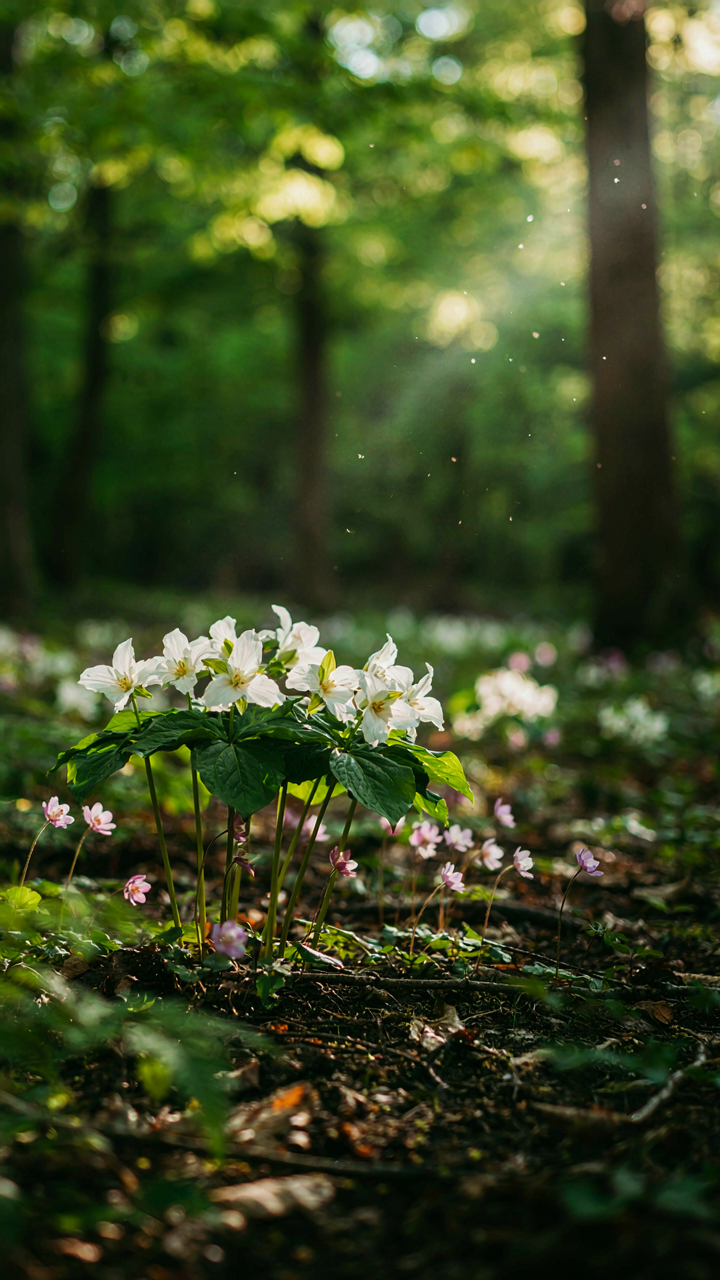
You want forest bouquets because they signal taste to people who notice. Here’s the truth: most people picking forest flowers are just grabbing whatever looks good. The mechanism is recognition. Forest floors operate on a visibility hierarchy. Low-light plants evolved smaller blooms, thinner stems, and clustered growth. You identify them by learning what thrives in shade versus open canopy gaps. Trilliums, bleeding hearts, and wood anemones don’t compete for attention. They compete for survival in dim conditions. Start by observing which flowers appear where sunlight hits the forest in patches.
The common mistake is treating forest identification like garden identification. Forest blooms don’t announce themselves. You spot them by understanding their ecological niche first. Bloodroot appears in early spring before tree canopy closes. Hellebores tolerate deep shade year-round. Lady’s slipper orchids emerge near decomposing wood where nutrient density peaks. You build a mental map by visiting the same forest section across seasons and noting what appears when. This isn’t memorization. This is pattern recognition applied to light, soil, and timing.
Shadow Creates Texture, Not Just Darkness
Design theory calls this negative space. In bouquets, shadows aren’t empty. They’re contrast agents. Dark foliage from woodland plants like hellebore leaves, ferns, and native sedges doesn’t hide your flowers. It isolates them. When you strip a bright wildflower of its garden context and frame it against deep forest textures, the bloom reads clearer to the human eye. The mechanism is visual isolation through value contrast.
Most advice says add greenery for filler. Wrong approach. You’re not filling space. You’re creating depth zones. The darkest elements go deepest in the bouquet structure. Mid-tone ferns layer next. Lighter blooms sit forward. This hierarchy mirrors what happens on the actual forest floor where layered canopy creates visual depth. Build your arrangement by placing dark woodland stems first, then positioning lighter flowers to catch light against that darkness. The bouquet holds tension this way instead of collapsing into visual flatness.
The Uncurated Aesthetic: Crafting A Simple Wildflower Bouquet
Asymmetry Reads As Honest
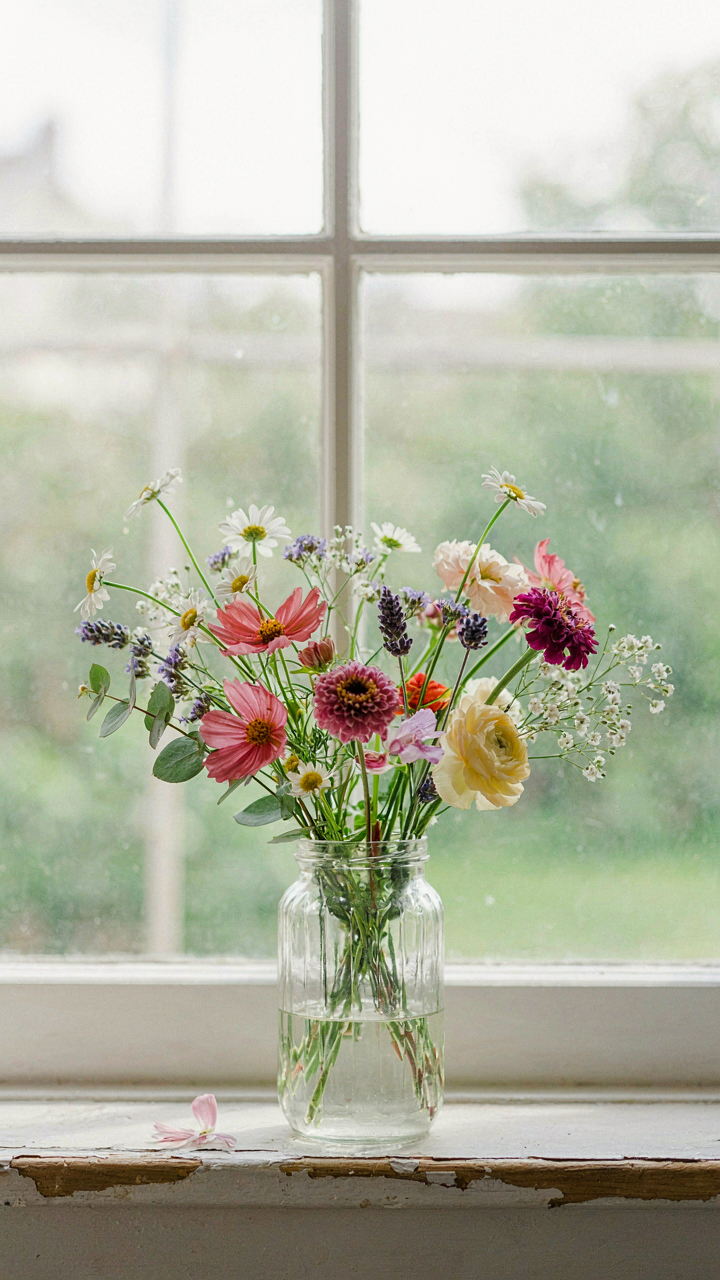
You want people to think you didn’t try too hard. That’s the real reason symmetry matters here—it signals control, which signals effort, which signals you have time to waste on arrangement. Asymmetry works because it mirrors how wildflowers actually grow. Plants don’t follow rules. They compete for light and space. The stems bend at different angles. Heights vary by inches. When you replicate that randomness deliberately, you’re not being lazy. You’re being accurate. The mechanism is recognizable truth. People trust what looks unplanned.
Symmetrical arrangements demand precision. You measure. You rotate stems. You fill gaps intentionally. Wildflowers reject this logic. Grab stems of different lengths. Position the tallest piece slightly off-center. Let shorter stems cluster at angles that look accidental but aren’t. The arrangement should have a forward face and a back. Nothing wraps around perfectly. One side stays denser than the other. This imbalance is the entire point.
Texture Beats Color Every Time
Designers call this principle “visual hierarchy”—the concept that some design elements dominate attention before others do. In wildflower bouquets, texture creates that hierarchy before color even registers. Most people start by hunting for color matches. Wrong entry point. Color alone fades into background noise. Texture creates friction. It makes the eye stop and work. Combine Queen Anne’s lace with black-eyed Susans and you get both ferny delicacy and solid form. Add yarrow or goldenrod for density. The variety in how each stem feels against your hand translates into how the bouquet reads visually.
Texture variation comes from stalk thickness, petal structure, and foliage density. Thin, wispy stems contrast against thick, woody ones. Clustered blooms sit next to single stems with open space. Feathery leaves offset waxy or rigid leaves. This creates actual depth, not the illusion of it. The arrangement doesn’t flatten when viewed from different angles because the texture holds dimension. Choose wildflowers for how they feel first, then confirm the colors work together.
Durability Over Delicacy: Engineering Wildflower Bouquets That Last
Cut Stems Below The Waterline
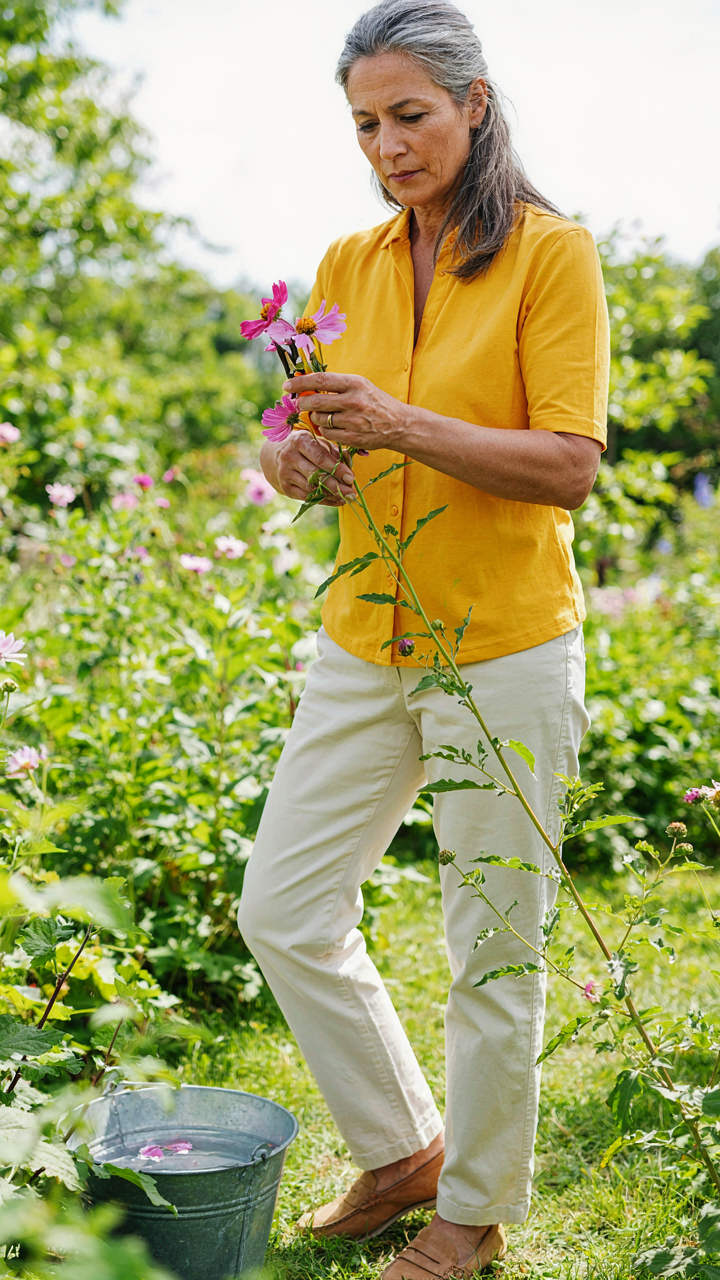
You want your bouquet to last because throwing money away feels worse than admitting you don’t know what you’re doing. The real mechanism is vascular collapse. When you cut a wildflower stem, you expose the xylem and phloem vessels that move water upward. If air enters these tubes before water does, the stem seals itself and blocks hydration. Cut stems at a 45-degree angle, one-quarter inch below the lowest leaf node, using a sharp knife or pruning shears. Never use scissors. They crush tissue and accelerate air blockage.
Place cut stems directly into room-temperature water immediately after cutting. Don’t leave them exposed to air for more than a few seconds. Remove all foliage that would sit below the waterline, as submerged leaves rot and introduce bacteria that clogs vascular tissue. Change the water every two days. Fresh water prevents bacterial buildup and maintains the osmotic gradient that pulls water up the stem. This is not decoration advice. This is plumbing.
Temperature And Humidity Control
Most advice on wildflower preservation stops at “put them in water and change it.” That misses the entire physics problem. Transpiration is the rate at which water evaporates from flower cells and petals. You control bouquet life by controlling the environment where transpiration happens. Keep wildflower arrangements in rooms between 65 and 72 degrees Fahrenheit. Heat accelerates water loss from petals. Humidity above 60 percent slows transpiration without promoting mold.
Position bouquets away from direct sunlight, heating vents, and ripening fruit. UV light damages petal cells and speeds wilting. Heat sources create warm microclimates that draw moisture out faster. Ethylene gas from ripening fruit triggers senescence, the cellular aging process that closes flowers prematurely. Move arrangements to cooler spaces at night if possible. A 10-degree temperature drop slows metabolic activity in flowers and extends vase life by 3 to 5 days per week of display.
The Wild Bouquet As Biomimicry: Nature’s Design Principles
The Math Nobody Admits Controls Your Eye
You want this section to validate that there’s a “right way” to arrange flowers so you stop second-guessing yourself. Here’s the real mechanism: the golden ratio (1.618) appears in nature because it minimizes visual search time. Your brain processes it faster than other proportions, which registers as beauty.
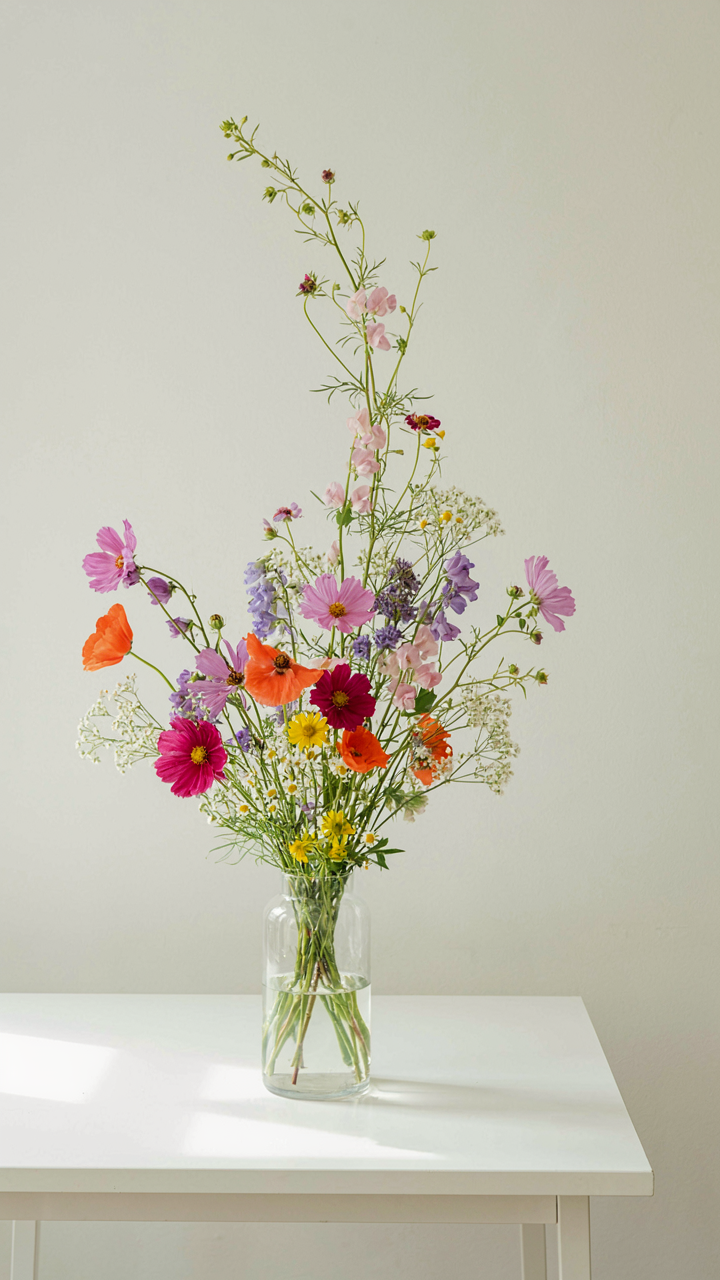
In foraged bouquets, the golden ratio manifests as stem length ratios. If your longest stem is 16 inches, your secondary grouping should land around 10 inches. This isn’t decoration theory—it’s how human vision prioritizes information. When you space foraged stems at golden ratio intervals, the arrangement reads as intentional instead of random, even though you’re using wild material with no symmetry.
Spiral Placement Beats Grid Thinking
Biology uses spirals to pack maximum density with minimum effort—that’s the mechanism here. The Fibonacci sequence (each number the sum of the previous two) governs how plants spiral around a central axis in nature, and foraged bouquets respond to this same logic.
Instead of placing stems in rows or circles, rotate each stem 137.5 degrees around the central axis as you add it. This angle—called the golden angle—produces a spiral that feels natural because it mirrors how sunflowers distribute seeds. Your foraged stems should physically spiral upward from the vase, not radiate outward like spokes. This placement method handles irregular stem lengths and varied flower types because the spiral absorbs asymmetry into a coherent whole. Test it by selecting five stems, fixing the first vertically, then rotating each subsequent stem by the golden angle until you complete one rotation.
Rejecting The Vase: Wildflower Bouquet Outdoor Displays
Setting Bouquets Into Landscape Context
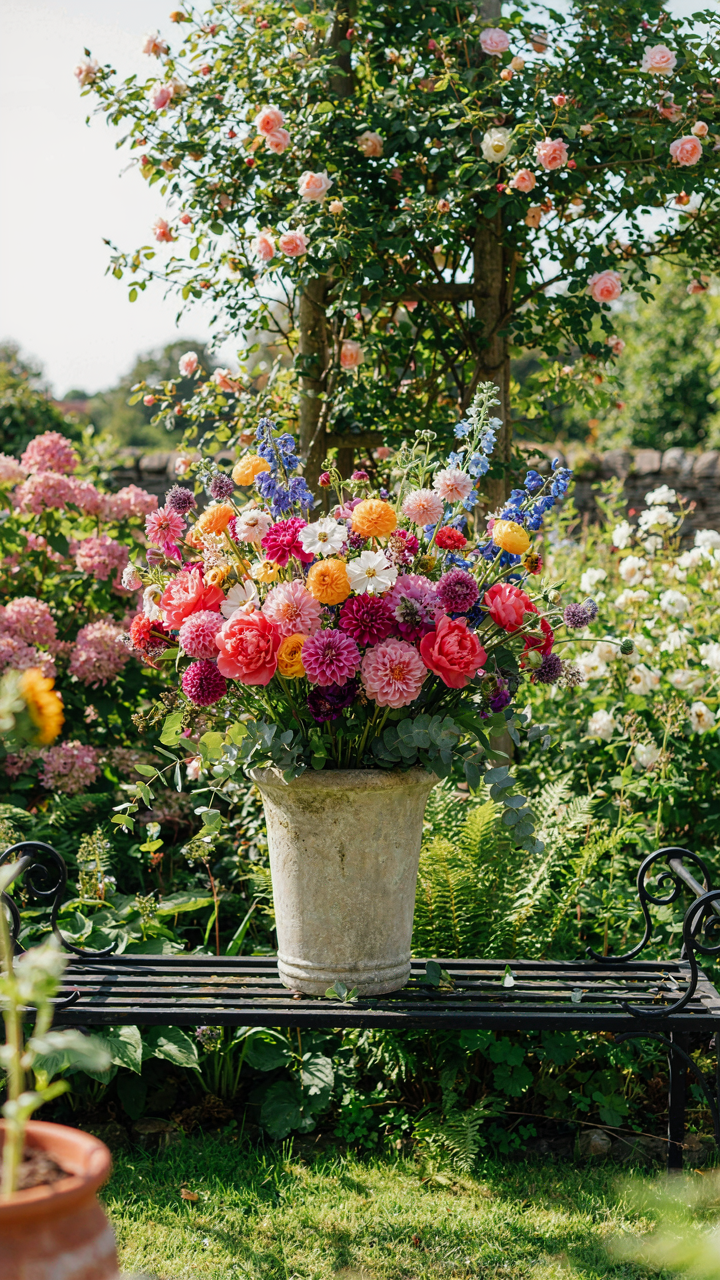
You want outdoor bouquets because they signal you’re too sophisticated for indoor-only flowers—but the real mechanism is that placing them outside extends their visual impact without the labor of maintenance. Think of this through landscape design’s principle of layering: foreground, middle ground, background. A foraged wildflower bouquet becomes your foreground anchor, the detail that makes people stop walking and actually see your property. Position bouquets at eye level on side tables, garden benches, or pedestals near entryways where they interrupt sightlines naturally. The bouquet works hardest when it sits where people already pause—not randomly scattered across a lawn where it disappears into scale.
The environment does half the work for you. Wildflowers arranged outdoors compete with actual plants rather than interior walls, so you need density and structural contrast to win attention. Tall stems like Queen Anne’s lace or goldenrod anchor arrangements against shrub backgrounds. Clustered blooms in purples or yellows pop against green foliage. The bouquet doesn’t need a vase in traditional form—use weathered urns, galvanized containers, or glass vessels that read as deliberate rather than temporary. Your job is positioning and containment, not fighting the outdoor visual language.
Protecting Arrangements From Weather Exposure
Weatherproofing isn’t about wrapping bouquets in plastic—it’s about choosing stems and containers that degrade gracefully rather than fail suddenly. Wildflower durability varies dramatically by species. Zinnias, cosmos, and black-eyed Susans tolerate wind and fluctuating moisture. Delicate flowers like sweet peas collapse within hours of strong rain. The container matters more than most people think: ceramic and terra cotta absorb and release water, creating rot zones in stems. Glass and metal hold water without degrading but require daily emptying after rain to prevent bacterial bloom.
Arrangement density creates an internal microclimate that extends bloom life outdoors. Tightly packed stems shield each other from direct wind and sun. Sparse arrangements dry out or shred within days. Water frequency depends on heat and humidity—morning watering before peak sun is non-negotiable in warm climates. Change water every two days if rain hasn’t diluted it. Remove spent blooms aggressively before they rot into neighboring stems and accelerate decay throughout the bunch. This isn’t maintenance—it’s the cost of outdoor display.
Vintage Vibes Wildflower Bouquet: The Art Of Deliberate Imperfection
Specimen Selection Through Time
You want people to think you didn’t try. That’s the real game here. Vintage bouquets work because they signal restraint and knowledge, not effort. The mechanism is scarcity: flowers with visible age, bent stems, or unusual coloration command attention precisely because they’re harder to use. Most florists discard these specimens. You collect them.
Select wildflowers with structural imperfections that read intentional rather than damaged. Bleached or faded petals from mature blooms, stems with natural curves, seed heads still attached to late-season specimens. Look for flowers that have lived through their environment rather than been preserved in perfect condition. The visual weight comes from asymmetry, not uniformity.
Vintage Containers Complete The Story
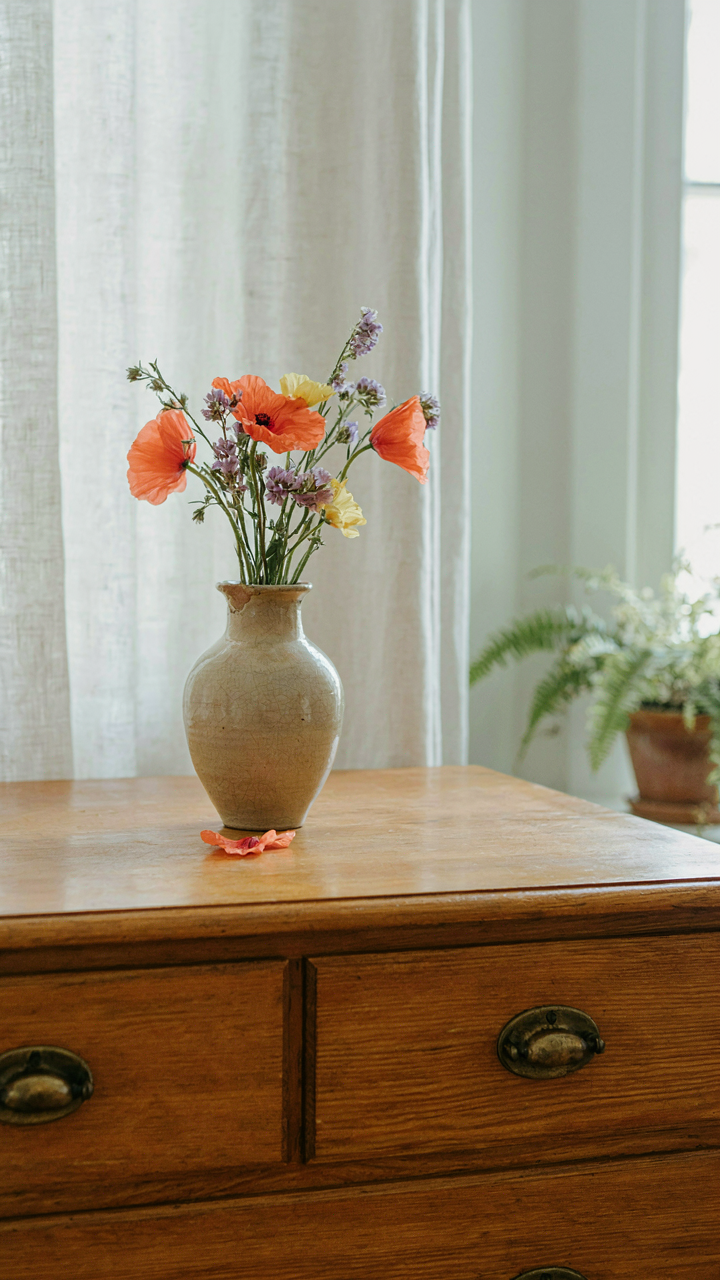
Pairing foraged wildflowers with period vessels isn’t decoration. It’s context. Using borrowed language from archaeology, you’re establishing a coherent “stratigraphic layer” where container and flowers belong to the same narrative timeline. A mason jar from the 1920s with wildflowers says something different than those same flowers in a contemporary vase. The container anchors the entire composition.
Hunt for glass that’s lost its clarity from age, ceramic vessels with crazing, or metal containers with authentic patina. The container must show its own history through discoloration, minor chips, or fading. Mismatched pairs work better than matched sets. Arrange flowers so they obscure part of the vessel’s opening, letting the container and blooms negotiate visual space rather than compete for it.
Cultivating The Wild: When To Choose Growing Over Gathering
Propagating Native Species
You want permission to stop foraging because you’re tired, not because growing is actually better. Here’s the mechanism: propagation works because you control the variables that wild plants won’t give you. Botany calls this artificial selection. With foraged bouquets, artificial selection means you choose which plants survive to flower, eliminating weak genetics and timing gaps that make wild gathering inconsistent.
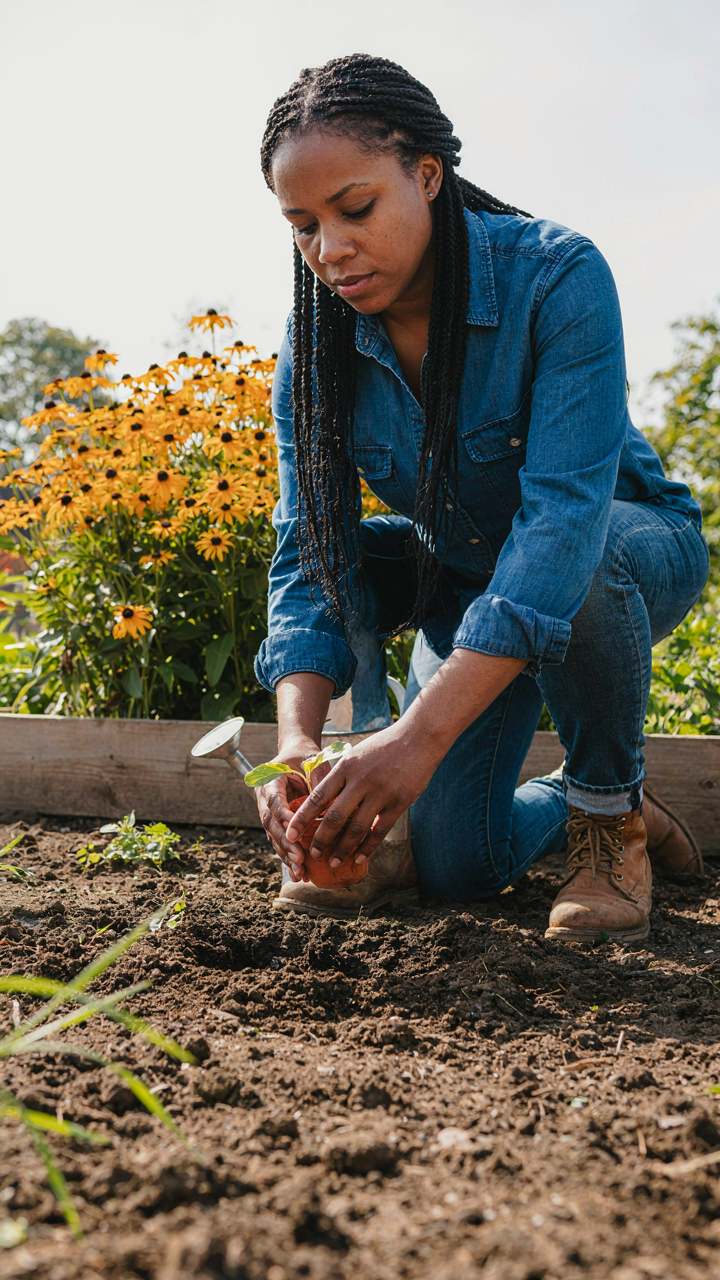
Native species propagate through seed collection, division, or cuttings depending on the plant. Black-eyed Susans divide easily in spring. Coneflowers and bee balm spread through root division. Wildflowers like lupine and larkspur need cold stratification before spring planting to break dormancy. You’re not hybridizing or engineering. You’re accelerating what nature does slowly, then harvesting on your schedule instead of waiting for wild populations to bloom.
Your Own Wild Corner
The consensus says wildcrafting is romantic and sustainable. It’s neither when you’re stripping local populations and driving three hours each season. Ecology uses the concept of carrying capacity: the maximum population an environment can sustain. Your yard’s carrying capacity for foraged-looking bouquets is higher than any public or private wildland you’d raid.
- Zone mapping: Identify your hardiness zone and select native species that establish there without supplemental water once rooted, typically within the first growing season.
- Layered planting: Mix early bloomers like bloodroot with mid-season coneflowers and late bloomers like asters to extend cutting season without replanting.
- Seed saving: Collect mature seeds from your best plants in late summer and fall, then direct sow or store for spring stratification and replanting.
- Succession planting: Stagger sowings every two weeks through spring to prevent simultaneous blooming and create continuous harvest windows across the season.
- Companion layout: Plant nitrogen-fixing species like clover alongside heavy feeders to reduce soil depletion and maintain plant vigor across multiple seasons.
A half-acre dedicated to native wildflowers produces more foraged bouquet material than thirty acres of public land ever will, without legal friction or ecological impact. You cut what you grew, arrange it while it’s still in peak condition, and replant the next season. The mechanism is simple: remove the scarcity that makes gathering feel necessary, and gathering becomes a choice instead of a necessity.
The True Price Of “Free”: Valuing Wild Flowers Bouquet
Ecological Cost Matters More Than You Think
You want to feel good about your bouquet without guilt. That’s the real reason you’re reading this section. But here’s the mechanism nobody admits: wild plants have carrying capacity, which is ecology’s term for maximum population a habitat can sustain. Harvest beyond that threshold and you degrade the ecosystem. A single rare wildflower species can take years to recover from overpicking in a small area.
Most foragers assume wildflowers are infinite because they’re not on a farm. They’re not. Local populations of native species depend on seed dispersal cycles, pollinator relationships, and soil stability. Picking aggressively disrupts all three. The cost isn’t paid at the register. It’s paid by the habitat, stretched across seasons you won’t witness. Know what grows in your region before you harvest. Identify protected species in your state first.
The Labor Equation That Decides Everything
The advice that foraging is “free” is incomplete and lazy. Economics calls this externalities, the hidden costs nobody prices into the final product. Your time hunting, identifying, stripping thorns, conditioning stems overnight, and arranging takes real hours. A florist charges because she prices this labor. You’re doing it for nothing and calling it free.
The real calculation is whether that time spent foraging equals your hourly opportunity cost elsewhere. If you bill at fifty dollars an hour and spend three hours foraging, you’ve invested one hundred fifty dollars of value, not zero. The bouquet isn’t free. You’re paying with hours you could have used differently. Decide consciously whether the foraging itself is the value, or whether you’re just avoiding florist fees while pretending it costs nothing.
Your Pursuit Of Perfection Isn’t About Flowers; It’s About Control. Let Go, And The Wild Flourishes
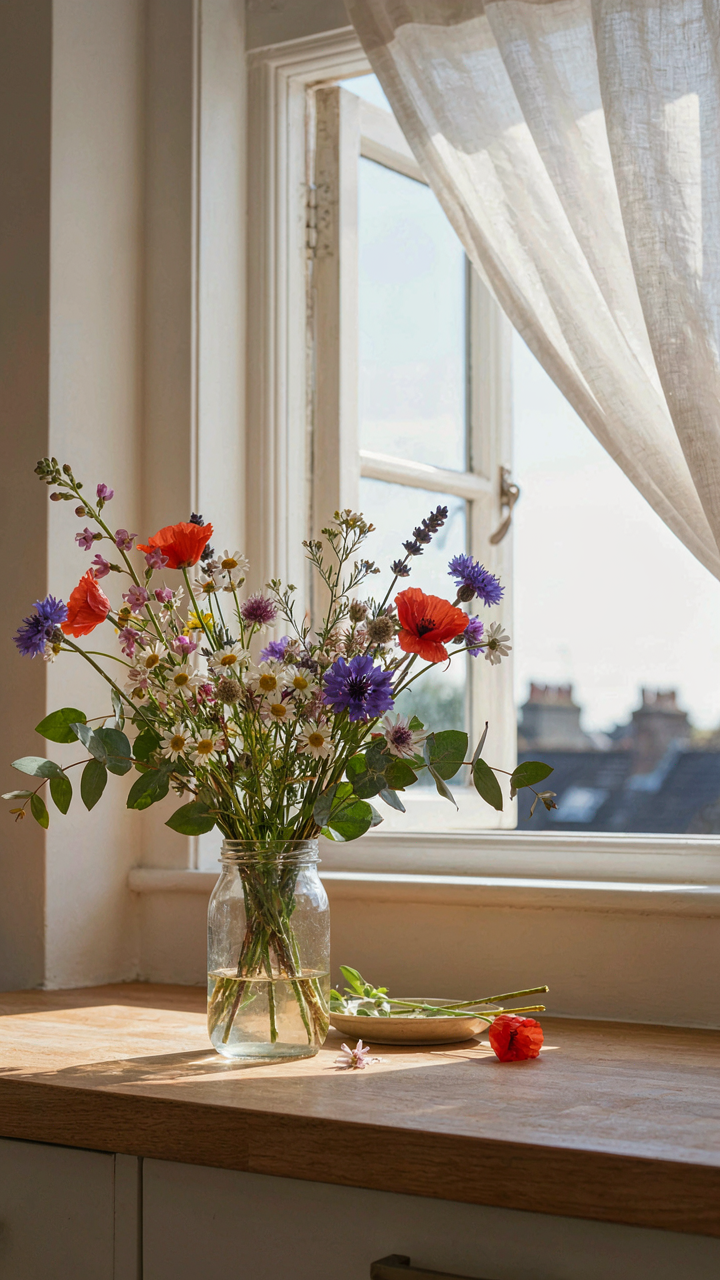
You’ve been trained to curate. To match. To control every variable until the arrangement looks “right.” Foraged wildflower bouquets destroy that impulse. They force you to work with what the land offers, not what you demand. This surrender is the point. Go outside today and grab whatever blooms speak to you without overthinking it. Arrange them loose. Messy. Real. The moment you stop fighting nature for perfection, you finally understand beauty.



