
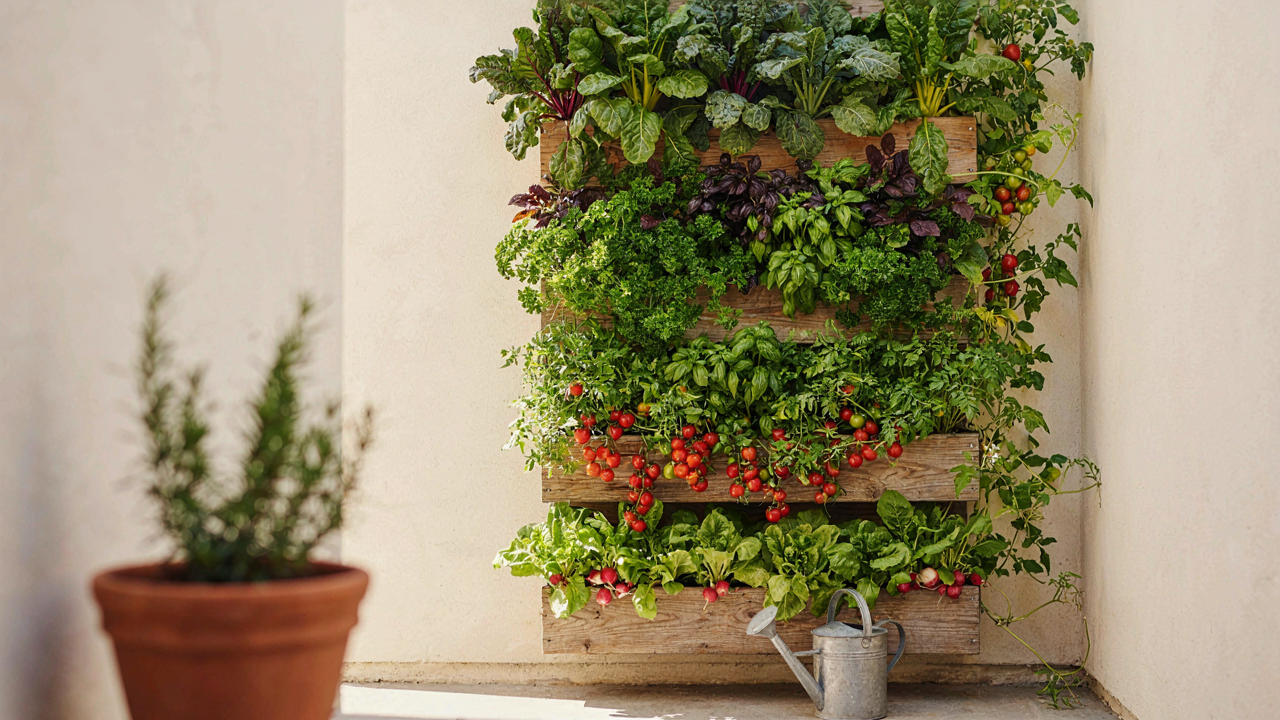
Beyond The Balcony: Reclaiming Vertical Vegetable Garden Design From The Aesthetics Trap
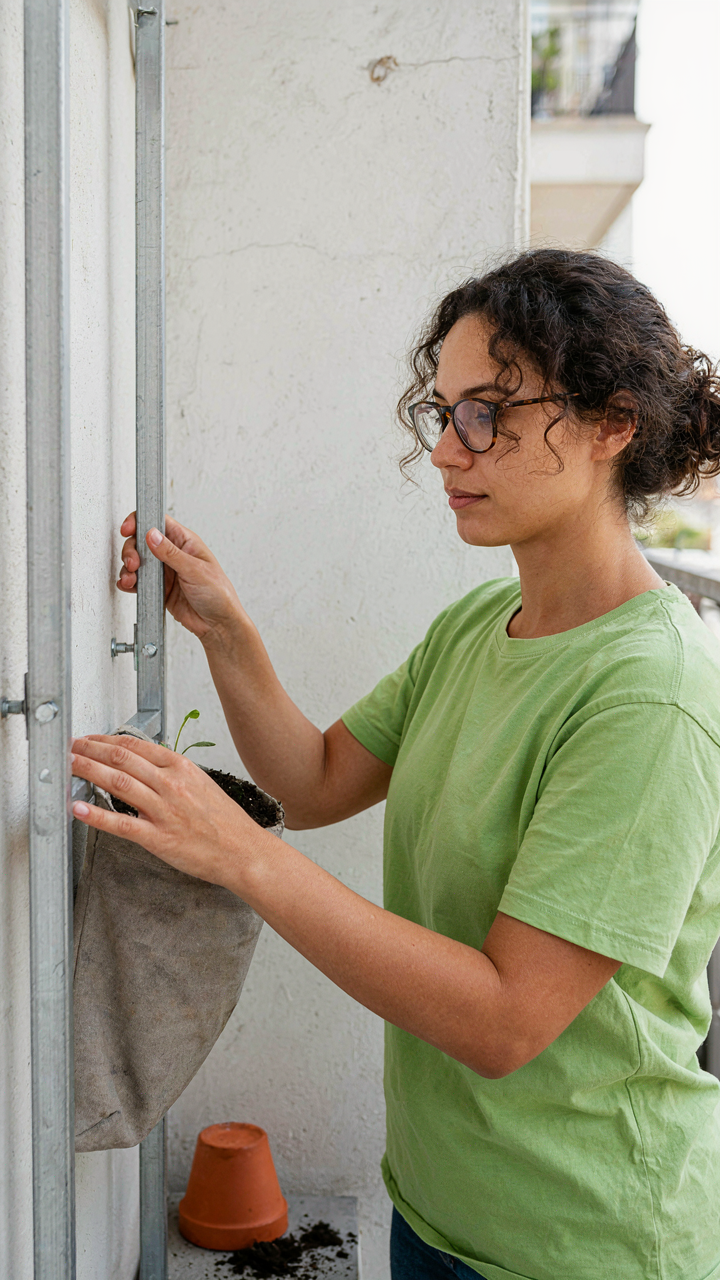
The Structure Matters More Than The Look
You want people to notice your vertical garden and think you have your life together. Here’s what actually determines success: the system either sheds water and feeds roots, or it doesn’t. Industrial design calls this “form follows function,” and in vertical gardening, function is drainage pathways, weight distribution, and access to light. A structurally sound vertical garden that looks plain outperforms a beautiful one that pools water at the base every single time. Most beginners reverse this priority.
The mechanism is simple. Vertical gardens compress plants into stacked layers, which means water runs downward through all layers unless the system forces it to stop and drain. If your structure traps moisture, roots rot. If weight loads unevenly, the frame fails mid-season. If plants at the top shade the bottom tier, lower yields crash. These aren’t aesthetic problems you can Instagram away. They’re physics problems that end your harvest before it starts.
The Easy Systems Always Crack Under Load
Common advice says vertical gardens are maintenance free. That’s incomplete. What people actually mean is they require less horizontal space, not less attention. Most beginner-friendly systems fail because they optimize for assembly ease, not longevity. Stacking pockets, hanging planters, and tiered shelving all work initially. They fail when soil volume increases, water weight multiplies, and seasons change.
The real failure point arrives three to four months in, when the structure hasn’t settled and expanded soil mass strains mounting brackets. Fabric pockets tear. Shelf supports bow. Plastic clips crack. By then, you’ve already bought the plants and invested time. Prevention requires choosing materials rated for wet soil weight, not just dry assembly weight, and anchoring to structural elements like studs or concrete, not drywall. Inspect your frame’s load rating now, before planting.
The Vertical Planting Equation: Maximizing Yield, Minimizing Effort
Sunlight As A Finite Resource
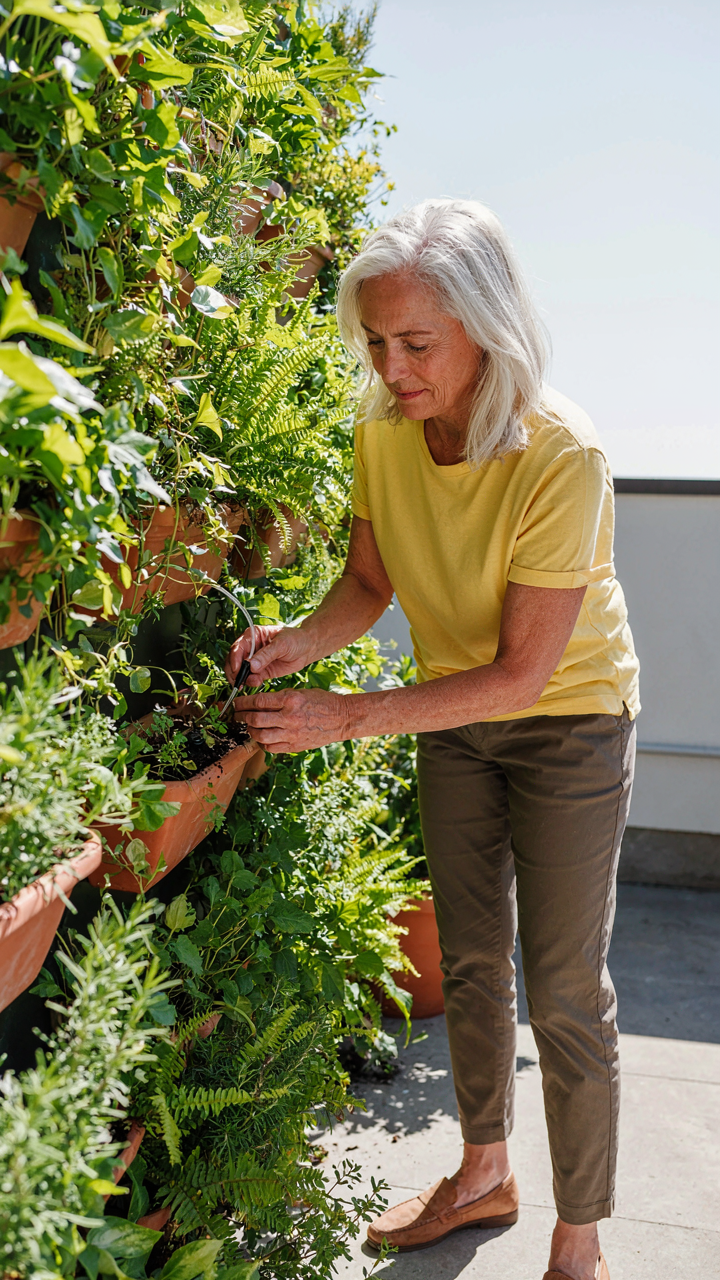
You want to believe vertical gardening solves the space problem without tradeoffs. It doesn’t. Light is the hard constraint. In horticulture, photosynthetically active radiation (PAR) decreases predictably with distance and obstruction. Stack plants vertically and the lower tiers receive 40-60% less usable light than the top. This isn’t opinion. It’s physics applied to chlorophyll.
Place high-demand crops (tomatoes, peppers, eggplant) at the top tier where they catch direct sun. Mid-tier gets partial-shade tolerant crops: leafy greens, herbs, lettuce. Bottom tier handles shade specialists: mint, parsley, shade-adapted lettuce varieties. North-facing walls? Don’t bother unless you’re growing microgreens. South and west-facing exposures maximize daily PAR hours. Rotate seasonal crops by tier, not randomly.
Water Moves Down, Nutrients Follow
The common advice says “vertical gardens use less water.” False. They use water more efficiently because gravity does the delivery work you’d otherwise do with a hose. Nutrient concentration travels with water in drip systems. Top tier absorbs what it needs. Middle and lower tiers catch runoff, diluted but present. This cascading efficiency only works if your system has slope and drainage ports at each level.
Poor nutrient delivery looks like stunted lower plants despite adequate soil. The mechanism: water pools at the top, evaporates or drains away before cycling through lower pockets. Install drip lines with consistent emitter spacing so every tier gets planned water volume, not accidental overflow. Measure soil moisture at each level independently. Never assume top-tier saturation means middle-tier sufficiency. Treat each tier as its own ecosystem requiring separate observation and adjustment.
Gutter Garden Genius: Repurposing For Peak Small Vegetable Gardens

Salvage Strategy: Identifying Overlooked Materials
You want to feel resourceful without actually doing the work of finding materials yourself. Here’s the mechanism: most people see waste because they’ve never trained their eye to see structure. In systems thinking, what matters is the constraint that produces the output. A gutter isn’t a gutter until you decide it’s a gutter. Before that, it’s a linear planter with drainage built in.
Aluminum gutters and vinyl downspouts are designed to move water efficiently. That same property makes them ideal for shallow-rooted crops like lettuce, herbs, and radishes. Start by surveying what’s already abandoned on your property: old guttering from roof replacements, damaged sections neighbors discard, or stock materials from hardware stores sold as seconds. The key is matching material dimensions to plant needs, not retrofitting plants to random salvage.
Modular Growth: Adapting To Space Constraints
Modularity means you build one unit, test it, then duplicate or adjust before scaling. Think of it like iteration in software: each gutter runs independently, so failure of one doesn’t collapse the system.
- Horizontal stacking: Mount gutters at staggered heights on a wall, using brackets rated for the weight of soil and water, typically 10-15 pounds per linear foot depending on fill depth.
- Corner optimization: Run gutters along two perpendicular walls to maximize sun exposure without occupying floor space or creating shading conflicts between rows.
- Bracket spacing: Install supports every 3-4 feet for aluminum gutters, every 2-3 feet for vinyl, to prevent sagging under wet soil load and ensure even water distribution.
- End cap solutions: Use end caps or downward-angled finishes to control water runoff, directing excess toward collection containers rather than flooding the base zone.
- Removable sections: Join gutters with slip couplings instead of permanent fasteners, letting you swap out individual sections for cleaning or crop rotation without dismantling the frame.
The real advantage isn’t aesthetics or the feeling of being clever. It’s that you can add one gutter unit per month as budget allows, test which crops perform, and adjust density without committing capital upfront. Start with three gutters on one wall facing south. Once you’ve grown one cycle and confirmed drainage patterns, add perpendicular sections or a second tier.
The “Root To Shoot” Protocol: Engineering Vertical Vegetable Gardens For Resilience

Soil Substrate Selection As Biological Foundation
You want to skip this section because it sounds boring and you think any dirt works. It doesn’t. Soil in vertical systems operates under physics constraints that ground gardens don’t face: gravity moves water downward faster, compaction accelerates, and root density increases in confined spaces. The substrate you choose either buffers these pressures or amplifies them into crop failure.
The mistake most people make is treating vertical soil like horizontal soil with better drainage. Wrong. Vertical systems need substrates that retain moisture while staying porous enough to prevent anaerobic collapse. Coir, perlite, and aged compost blended together create the right balance. Coir holds water without waterlogging. Perlite keeps air pockets open. Aged compost feeds biology without fresh nitrogen burn. A 50-30-20 ratio works. Don’t use pure peat moss. Avoid heavy garden soil entirely. Test your mix by squeezing a handful after watering: it should hold shape but crumble when poked.
Water Flow Dynamics: Preventing Saturation And Drought
Hydrology governs how vertical gardens live or die. Think of your tower like a water column where pressure increases at the base, not a flat bed where moisture distributes evenly. Bottom tiers get saturated while top tiers dry out within hours. Most beginners fight this by watering more, which kills roots faster.
The mechanism is simple: install a drip line at the top of your system, not scattered irrigation. Let gravity do the work. Water moves down through substrate layers, each tier absorbs what it needs, excess drains to the base. Capture runoff in a tray and recycle it or let it drain completely. Check soil moisture at three heights: top, middle, bottom. Water when the middle layer reads dry to touch. This single protocol prevents ninety percent of vertical garden failures that beginners blame on “bad luck” or “poor seeds.”
Beyond “Set It And Forget It”: The Cybernetics Of Vertical Gardening
Watch What Your Plants Actually Tell You
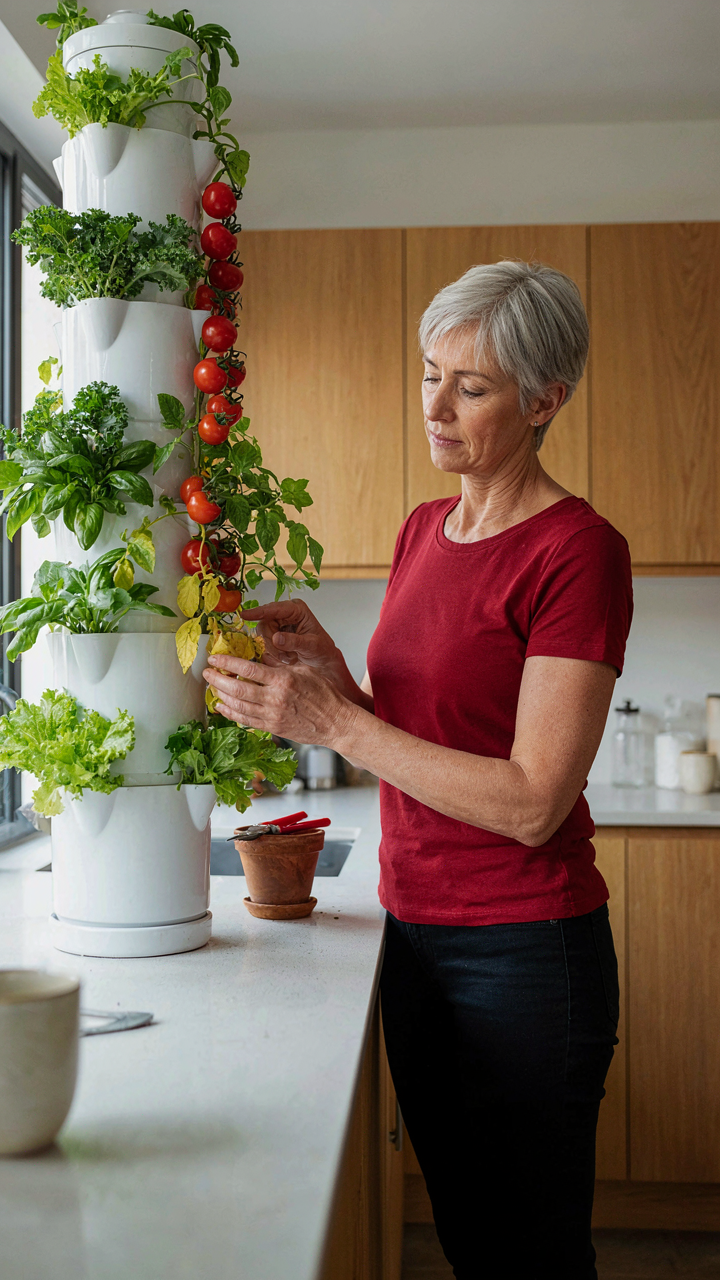
You want to believe vertical gardens run on autopilot because that fits the fantasy you sold yourself about this whole thing. It doesn’t work that way. Cybernetics is the study of feedback loops and control systems, and vertical gardening operates on the same principle: you measure outputs, compare them to desired states, and adjust inputs accordingly. The plant tells you what’s happening through visible signals. Your job is reading them before the problem becomes irreversible.
Leaf color shifts first. Yellowing lower leaves mean nitrogen moves upward through the plant, which is normal. Yellowing across the entire canopy signals deficiency or overwatering. Purple-tinged leaves indicate phosphorus stress or cold exposure. Brown leaf edges point to potassium shortage or salt accumulation in soil. Water droplets collecting on leaves without morning dew suggests humidity is trapping moisture and inviting fungal pressure. These aren’t mysteries. They’re data. The vertical structure amplifies these signals because density is higher and airflow becomes critical for early detection.
Recalibrate When Conditions Shift
Everyone says “adjust as needed” then leaves you guessing. That’s useless advice masquerading as wisdom. Adaptive control means establishing baseline conditions, measuring deviation, then executing a specific correction. Temperature swings between seasons change evaporation rates, which changes how often you water. Shifting light angles as the sun tracks across your growing season alter which plants receive direct versus filtered exposure. Humidity spikes during spring rain require increased air circulation. These aren’t optional tweaks.
Create a simple protocol: measure soil moisture at the same time daily for two weeks to establish your system’s baseline. Track light hours with a basic timer or phone note. Monitor ambient temperature and humidity with an inexpensive sensor. When a variable drifts outside its normal range by more than ten percent, implement one change at a time and observe for three days before making another adjustment. This prevents the amateur mistake of changing everything simultaneously, then having no idea what actually fixed the problem.
Strategic Plant Pairing: Cultivating Biodiversity In Small Vertical Gardens

How Plants Support Each Other Vertically
You want companion planting to feel like a shortcut to effortless abundance. It’s not. The mechanism is simple: certain plants reduce pest pressure and nutrient competition when stacked. In vertical gardens, proximity intensifies everything. Tomatoes planted above basil don’t just coexist—basil’s volatile oils repel spider mites that target tomato foliage. The height separation matters. Pests migrate downward more often than upward, so this vertical order compounds the effect. Marigolds release compounds that deter root-feeding nematodes, but they’re useless jammed beside susceptible plants horizontally. Vertical spacing forces intentional positioning.
The real work is matching root depth to height placement. Shallow-rooted plants like lettuce belong at the bottom tier where soil moisture concentrates. Deep-rooted plants like tomatoes go higher, where they won’t compete for water with densely-packed lower levels. Nitrogen-fixing legumes like peas pull nitrogen from air, not soil, so stack them near heavy feeders like peppers. This isn’t mystical synergy. It’s resource allocation made physical through vertical architecture.
Competition As A Pest Control System
Pest deterrence through proximity works like predator-prey dynamics in ecology, but inverted: you’re crowding the garden so herbivores lose their target. Dense planting with mixed species disrupts the pest’s search image. A whitefly looking for pure tomato foliage finds basil, oregano, and nasturtium instead. Confusion works. Most garden pest advice skips this part and jumps straight to neem oil. That’s incomplete. The structural crowding does work before spraying ever starts.
Tall herbs like dill and fennel tower above low-growing plants, creating a canopy that traps beneficial insects while blocking pest entry vectors. Nasturtiums planted as sacrificial crops at the top tier attract aphids away from crops below. The vertical stack becomes a trap-and-filter system. Position pest-vulnerable plants like kale above nasturtium, not beside it. Pests climb vertically more easily than they fall. Monitor the bottom tier first—that’s where escaped pests concentrate after moving through upper layers.
The Balcony Herb Garden Blueprint: Maximizing Microclimates

Wind Protection And Sun Exposure Optimization
You want this section to work because a dead herb garden on your balcony feels like a personal failure. The real mechanism is that wind and sun don’t operate independently on a balcony—they amplify each other’s damage. Wind accelerates water loss from soil and leaves. Unfiltered sun on that exposed surface intensifies the effect. Together they create a stress environment that kills tender herbs fast, regardless of watering frequency.
Position your vertical garden on the balcony’s leeward side if prevailing winds are strong. Most balconies have a wind-protected corner or edge closest to the building. Herbs like basil, parsley, and cilantro need 6 hours of direct sun but benefit from afternoon shade in hot climates. If your balcony faces west and gets scorching afternoon exposure, use the building’s shadow or a simple lattice panel to filter intensity during peak hours. The goal is consistency, not maximum light.
Container Choice Material Impact On Root Temperature
The material your container is made from determines how fast root temperature swings, and root temperature controls everything about plant survival. Plastic warms quickly and cools quickly. Terra cotta breathes moisture away but stays cooler. Metal heats aggressively and stresses roots in direct sun. On a balcony exposed to wind and variable sun, root temperature fluctuation is your enemy because it triggers bolting, wilting, and fungal stress even when soil moisture is adequate.
- Plastic Nursery Pots: Lightweight and affordable. Temperature swings rapidly. Works best in partial shade or with reflective mulch on the soil surface to buffer heat.
- Terra Cotta: Evaporative cooling keeps roots naturally cooler. Heavy and breaks easily. Requires frequent watering because porosity accelerates moisture loss in wind.
- Fabric Grow Bags: Breathable construction prevents root circling and maintains moderate temperatures. Dries faster than plastic. Ideal for balconies with moderate wind exposure.
- Glazed Ceramic: Reduces evaporation compared to terra cotta. Retains more heat than fabric. Better for cool balconies or herbs that tolerate warmth.
- Recycled Composite: Insulates better than plastic or terra cotta. Moderate weight. Holds moisture longer, reducing watering frequency in windy conditions.
Match your container material to your balcony’s microclimate by testing soil temperature with a probe thermometer at root depth during peak sun hours. If temperature exceeds 75 degrees Fahrenheit consistently, switch to fabric bags or add reflective surface mulch. If soil stays cold and wet, move to glazed ceramic or thin plastic to allow faster drainage and warming. This single adjustment stops most balcony herb failures before they start.
The Vertical Garden Investor: Time, Effort, And Return On Green

What Your Setup Actually Costs
You’re asking this question because you want proof that vertical gardening isn’t a money pit. Here’s the mechanism: ROI in vertical gardens operates on two separate timelines that most beginners confuse into one useless number. Economics calls this the difference between fixed costs and variable costs. Your vertical garden has a fixed cost (materials, installation) that stays the same whether you harvest one tomato or fifty. The variable cost (water, nutrients, labor) changes with each harvest cycle.
A basic vertical system costs between 75 and 300 dollars to build, depending on materials and scale. Most beginners never break even on a single harvest because they measure ROI wrong. They divide total produce value by setup cost and get disappointed. The real calculation: fixed cost amortizes across multiple growing seasons, typically 3 to 5 years of active use. After year one, you’re only tracking variable costs and harvest value. That’s when the math flips and vertical gardens start generating positive returns.
Stacking Your Second And Third Systems
Expansion breaks the beginner’s trap of thinking one system teaches you everything. Scaling is where vertical gardens stop being a hobby experiment and start being a compounding asset. The second unit costs 30 to 40 percent less in effective labor because you skip the learning curve. You know the watering pattern. You know which crops perform. You know which materials fail. Build the second identical system in one afternoon instead of a weekend.
Three systems generate enough consistent harvest to shift from personal use to barter or small-scale sales. You now have redundancy, which eliminates the single-point failure that kills beginner motivation. When one system underperforms, two others carry the output. This is where vertical gardens transition from effort-intensive to maintenance-based. The protocol: build your first system, run it for one complete season, then replicate it twice before attempting any modifications or new crop types.
The Real Obstacle Isn’t Your Garden’s Size, But Your Commitment To Understanding Living Systems
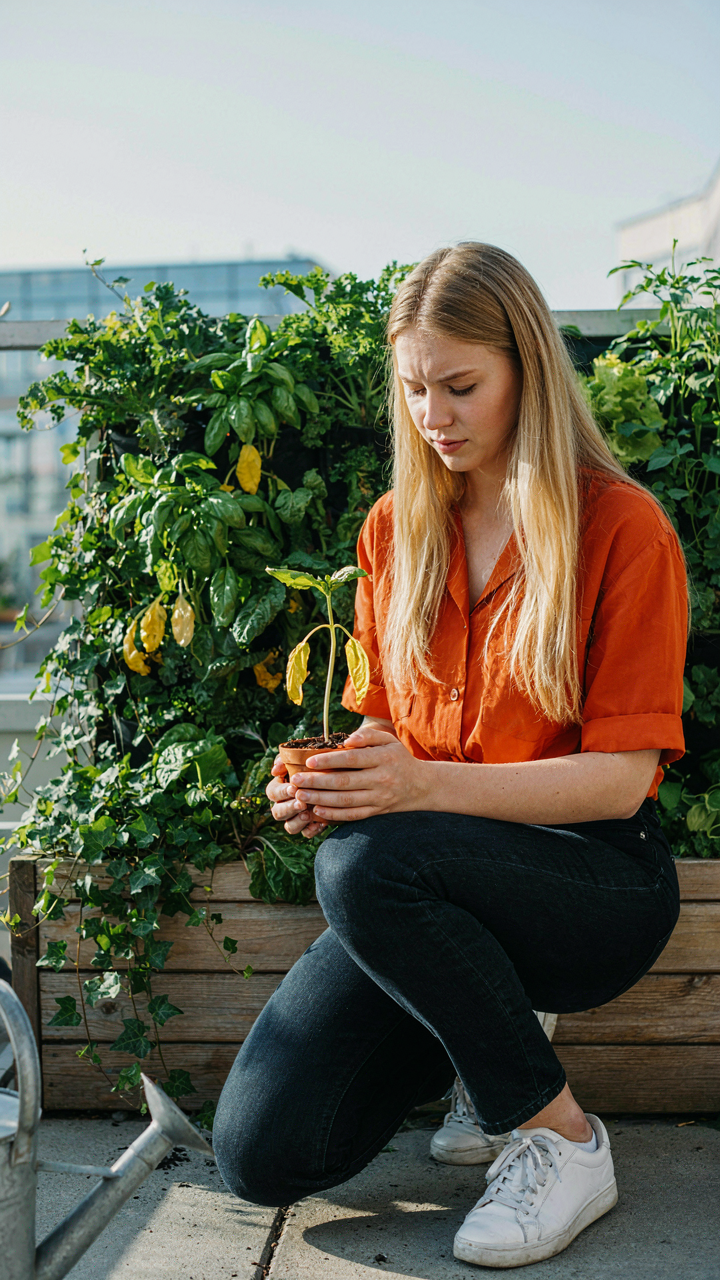
Most people fail at vertical vegetable gardening because they treat plants like furniture. You water on a schedule instead of reading what your plants actually need. You ignore the soil. You skip the observation phase. Today, spend thirty minutes watching your garden. Notice which plants look happy. Notice which ones struggle. This single habit destroys 90% of beginner excuses. You don’t need a bigger garden. You need to stop guessing and start paying attention.



