
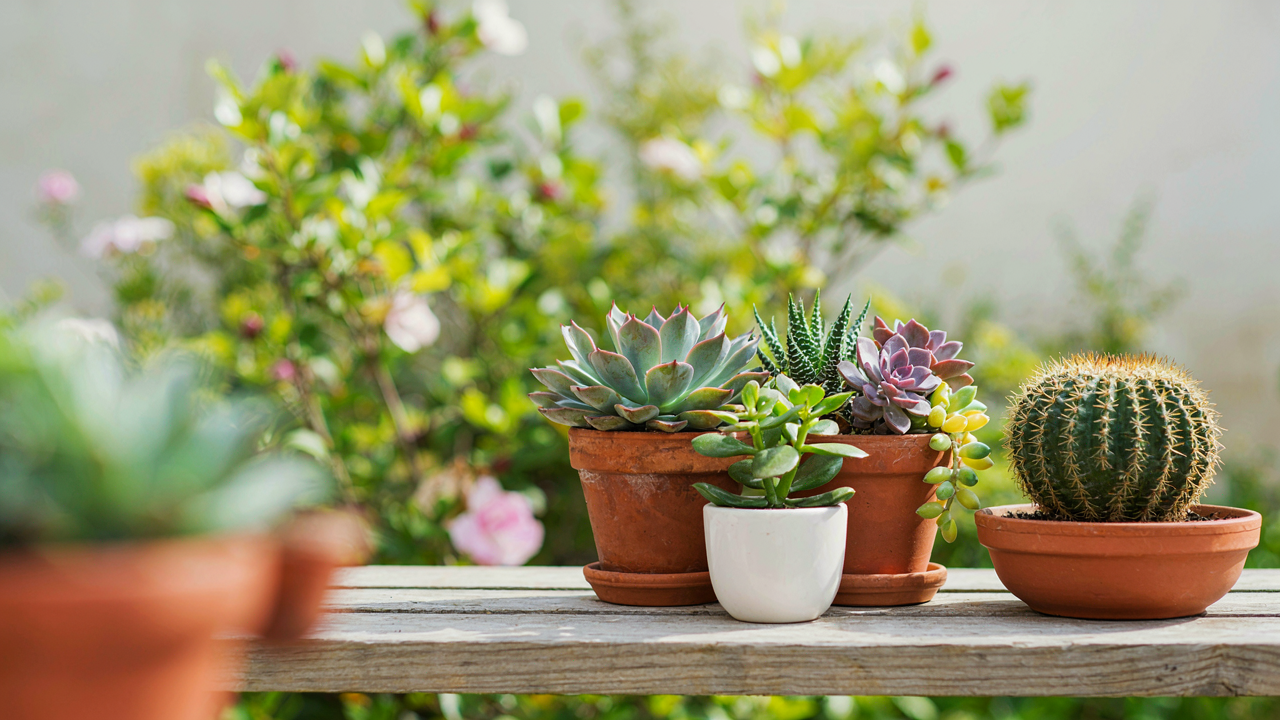
The Succulent Winter Deception: Why Common Advice Fails
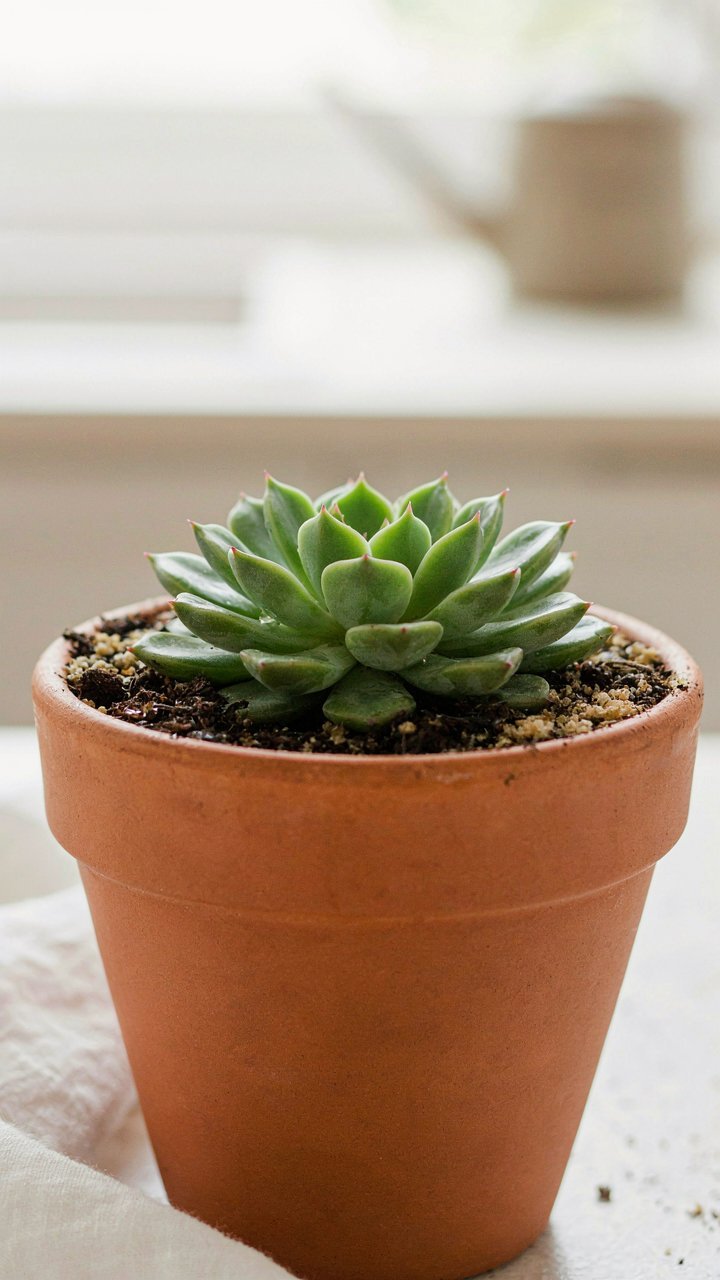
Stop Watering When It Gets Cold
You want permission to neglect your plants without guilt. Here’s the actual mechanism: the advice to “reduce watering in winter” treats succulents like a single organism when they’re not. Different species have different dormancy triggers. Some go completely dormant. Others slow down but keep growing. The consensus says water less. That’s incomplete. You need to know whether your specific plant actually stops growing or just slows it. That distinction determines everything.
Most people drown succulents in winter by following the generic “water sparingly” rule without checking soil moisture first. Soil stays wet longer when temperatures drop and evaporation stalls. Your succulent doesn’t use the water fast enough. Root rot accelerates in cold, soggy conditions because fungal activity persists even when growth stops. Stop treating winter watering like a calendar event. Instead, let soil dry completely between waterings, then wait another week before watering again. Check the soil, not the season.
The Dormancy Shift: What’s Actually Happening
Using biology’s language of metabolic rate, dormancy in succulents is a downshift in cellular activity, not an off switch. When temperatures drop below species-specific thresholds (typically 50 degrees Fahrenheit for most common varieties), the plant reduces photosynthesis and nutrient uptake. Growth slows or stops entirely. This isn’t laziness. It’s resource preservation. The plant knows it can’t sustain normal function in low light and cold without depleting stored reserves faster than it can replenish them.
Dormancy transforms how your care matters. A dormant succulent needs virtually no fertilizer because it’s not building new tissue. It needs minimal water because transpiration nearly stops. It needs light but doesn’t require intense growth conditions. The mistake people make is keeping winter care identical to summer care, which starves the plant of the actual rest it requires. Interrupt dormancy with inconsistent temperatures or excessive watering, and you destabilize the plant’s entire winter survival mechanism. Respect dormancy by backing off on inputs across the board.
The Cold Hardiness Continuum: Not All Succulents Are Created Equal
Identifying Cold Tolerant Vs. Sensitive Species
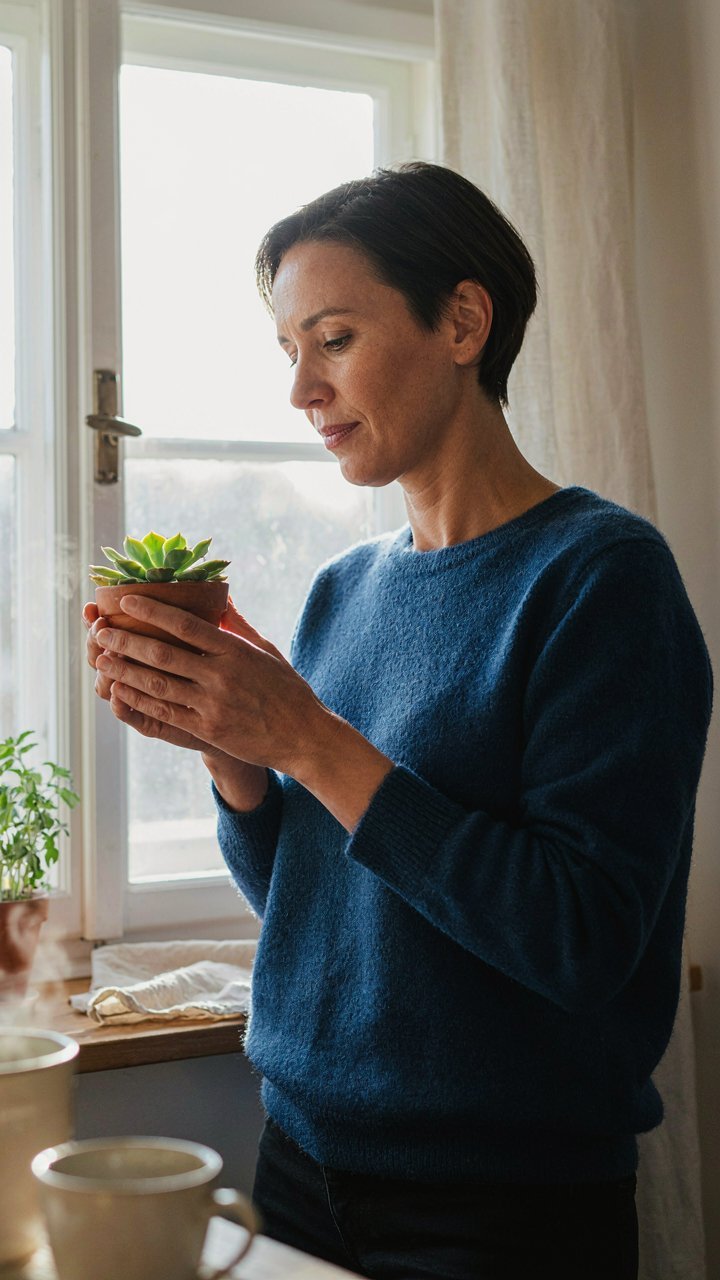
You want to believe your succulent collection is more resilient than it actually is. The real mechanism at work is cellular adaptation: cold-hardy species evolved in alpine or high-elevation environments where they developed antifreeze compounds in their cells. Non-hardy species come from warm deserts where temperatures rarely drop below freezing, so they never developed that chemical protection.
Sempervivum and Sedum species tolerate sustained freezing. Most Aloe, Echeveria, and Jade plants die at or near 32 degrees Fahrenheit. Cold hardiness isn’t about toughness, it’s about whether the plant’s cells can survive ice crystal formation. Check your species against USDA hardiness zones before winter planning. If you own tender species, bring them inside or provide active protection.
Microclimates: Leveraging Your Environment For Survival
Using ecology’s principle of niche, your microclimate is the succulent’s niche: the specific conditions where it either survives or fails. A south-facing wall stays warmer than open ground. A pot against your house radiates retained heat. Wind exposure accelerates moisture loss and cold damage. The same plant dies in one spot and lives thirty feet away.
Map the microclimates on your property before winter arrives. South and west-facing positions hold heat longer. Low-lying areas collect cold air and frost settles there first. Ground-level pots freeze faster than elevated ones because soil conducts cold from beneath. Position tender succulents in your warmest microclimate, or move them indoors entirely. Test placement in early fall to confirm your microclimate choices before the freeze hits.
The Arid Zone Protocol: Mastering Winter Watering

Wait, Then Wait Longer
You want permission to neglect your succulents so you feel less guilty about ignoring them. Here’s the mechanism: dormancy isn’t laziness. It’s a biological state where succulents shut down growth, reduce metabolic activity, and store energy instead of spending it. Watering during dormancy forces the plant to process moisture it cannot use, creating rot from the inside. The soil stays wet longer in cold temperatures because evaporation slows dramatically. Your job is to interrupt that cycle, not feed it.
Winter watering follows a principle from soil science called capillary retention. The soil holds water against gravity, and in cold conditions, that water lingers. Most growers water on a schedule. Stop doing that. Check soil moisture by pushing your finger two inches down. If you feel any dampness, wait another week. Bone dry means the soil pulls away slightly from the pot edge and feels light when you lift the container. That’s your signal to water once, then restart the waiting cycle.
Bottom Up Wins Top Down Loses
The common advice to water the soil and avoid the leaves is incomplete. It misses the actual problem: overhead watering saturates the soil surface, which stays wet longer and traps moisture around the crown. That’s where rot starts. Bottom-up absorption, borrowed from hydroponic growing systems, reverses the water’s path and lets gravity work with you instead of against you.
Place your pot in a shallow dish of water for ten to fifteen minutes. The soil draws moisture upward through the drainage hole, hydrating the lower root zone while the surface stays relatively dry. The crown stays untouched. Remove the pot when the top half-inch of soil feels slightly moist, not soaked. This method works year-round but becomes critical in winter when evaporation can’t salvage your mistakes. Use this technique every two to four weeks during the dormant season, depending on your indoor temperature and pot size.
Light Deprivation: The Silent Succulent Killer

Winter Light Requirements: Maximizing Scarce Resources
You want your succulents to survive winter without effort, but light is the non-negotiable input you can’t ignore. Here’s the mechanism: succulents evolved in high-light environments where photosynthesis runs at maximum capacity year-round. Winter reduces available daylight by 30 to 50 percent depending on latitude. Your plant doesn’t adapt to this shift automatically. It slows metabolism, but if light falls below its threshold, it begins consuming stored energy faster than it replenishes it.
Most succulents require a minimum of four to six hours of direct light daily during winter to maintain dormancy without etiolation or decline. A south-facing window in the Northern Hemisphere delivers the most consistent winter light. East or west-facing windows work if you have no other option, but they deliver fewer total hours. North-facing windows are inadequate for winter survival. Move plants closer to the glass itself to maximize light penetration, and clean the glass monthly because dust reduces transmission by up to 20 percent.
Artificial Grow Lights: When And How To Deploy
Artificial grow lights aren’t optional if your indoor space doesn’t meet the four to six hour minimum. The common advice to buy any LED and assume it works is incomplete. Succulents require specific light wavelengths: red spectrum 600 to 700 nanometers for flowering and growth, blue spectrum 400 to 500 nanometers for vegetative structure. Full-spectrum LEDs labeled 5000K to 6500K cover both ranges effectively. Position lights 6 to 12 inches above the plant canopy. Closer distances increase intensity but generate more heat. Farther distances waste energy with diminishing returns.
Run artificial lights for 12 to 14 hours daily during winter months. Set a timer to automate this so you don’t drift into irregular schedules. T5 fluorescent tubes work but consume more electricity than modern LEDs and generate excess heat. LED grow panels from reputable manufacturers operate at 40 to 50 percent lower wattage than fluorescent alternatives while delivering superior spectrum. After deploying lights, monitor your plants for two weeks. If new growth appears compact and tight rather than stretched, your distance and duration are correct.
The Winterize Succulents Indoors Imperative: Your Unheated Sanctuary

When To Bring Them Inside
You’re not actually worried about killing your succulents—you’re worried about looking like you killed them, about admitting you don’t understand the basic mechanism of plant survival in cold. Here’s the truth: succulents need to move indoors before the ambient temperature drops below 50 degrees Fahrenheit consistently, not when frost threatens. The damage happens in the weeks before visible freezing, when cold slows metabolism and traps water in cells.
- Week One of First Frost Warning: Move tropical and tender succulents indoors immediately. Species like echeveria and jade cannot survive frost exposure without cellular damage that shows weeks later as rot.
- Temperature Drop Below 55 Degrees: Monitor nighttime lows. When your region hits sustained nights in the 50s, bring in any succulent you haven’t acclimated to cold conditions year-round.
- Before The First Hard Freeze: If your area experiences hard freezes, move all succulents inside at least two weeks prior. This buffer prevents shock and allows them to transition metabolically.
- Hardy Species Exception: Sempervivum and sedum tolerate freezing but still benefit from a dry indoor move if you live in humid winter climates. Cold plus moisture equals rot faster than cold alone.
- Container Migration Protocol: Inspect pots and soil before moving. Repot if soil is compacted or retaining moisture, since indoor drainage problems compound cold stress.
Bring them in on a dry day after watering has paused for at least three days. You’re not rushing to save them from a single cold night—you’re positioning them to survive a six-month indoor cycle where the real failures happen.
Indoor Growing Environment
Temperature stability matters more than temperature itself, because the mechanism at work is osmotic pressure: consistent cold allows plants to build cellular tolerance, but fluctuating temps cause repeated freeze-thaw cycles inside the plant tissue. Your unheated sanctuary needs 50 to 65 degrees Fahrenheit at night and no more than 70 to 75 degrees during the day. Don’t overshoot warmth thinking it helps them.
Humidity indoors typically runs 30 to 50 percent in winter—far too high for most succulents. Airflow solves this without adding heat. Position a small fan to move air across your collection for two to four hours daily, breaking the still-air pocket where moisture condenses on leaves and soil. Place succulents near a south or west-facing window for maximum light, then step back and stop watering completely until spring growth resumes.
Winter Succulent Maintenance: Beyond The Basics

Pest Patrol: Vigilance In Dormancy
You want to believe pests hibernate too. They don’t. Winter dormancy in succulents creates the exact conditions pests exploit: reduced plant defenses, slower metabolic recovery, and grower neglect. Think of pest management like epidemiology—disease spreads fastest in populations with weakened immunity. Your dormant succulent is immunocompromised. Mealybugs and spider mites thrive indoors during winter when heating dries air and reduces your inspection frequency.
The standard advice says “pests are less active in winter.” Incomplete. They’re less active outdoors. Indoors, under grow lights or near heaters, populations accelerate. Check leaf undersides and soil surface every two weeks during winter. Spray affected plants with neem oil or insecticidal soap only when temps stay above 40°F, since cold reduces efficacy and can damage foliage. Isolate infested plants immediately—one neglected specimen spreads infestation through your entire collection faster than you’ll notice.
Pruning And Tidying: Strategic Removal For Health
Don’t prune during dormancy—this is backwards. Cutting triggers growth signals when your succulent should be storing energy, not spending it on wound repair and new tissue. Remove only dead leaves and stems that fell to soil level. These trap moisture and create fungal entry points. Diseased tissue comes off regardless of season—rot spreads, so excise it immediately with clean shears.
Late winter, as temps rise but before active growth, is when you prune strategically. Remove leggy growth, dead wood, and stems that crowd the center. This prevents spring fungal infections by opening airflow and reducing winter-stressed tissue that carries disease. Make cuts clean and let them callus before resuming normal watering. Tidy soil surface by removing debris and dead leaves touching earth. One infected leaf touching wet soil becomes a fungal outbreak within weeks.
The Desert Acclimation Strategy: Hardening Your Succulents
Stress As A Tool For Winter Survival
You want your succulents to survive winter without dying, which means you’re actually afraid of losing an investment you’ve already made. Here’s the mechanism: thermodynamics states that systems exposed to controlled stress build tolerance to extreme conditions. Apply this to succulents. Gradual temperature drops trigger the plant to produce compounds that prevent cell rupture when frost hits. Start dropping nighttime temperatures 10-15 degrees below summer levels 4-6 weeks before your first frost date. This isn’t punishment. It’s preparation.
The plant interprets mild cold as a signal to fortify itself. Its cell sap becomes more concentrated with sugars and amino acids, which lowers the freezing point inside cells. Water trapped inside doesn’t crystallize as easily. Without this acclimation period, a sudden hard freeze will rupture cell walls and kill tissue. You can’t reverse this damage. The acclimation window closes fast, so start this process on a fixed calendar date, not when you feel ready.
Progressive Exposure Before The Freeze
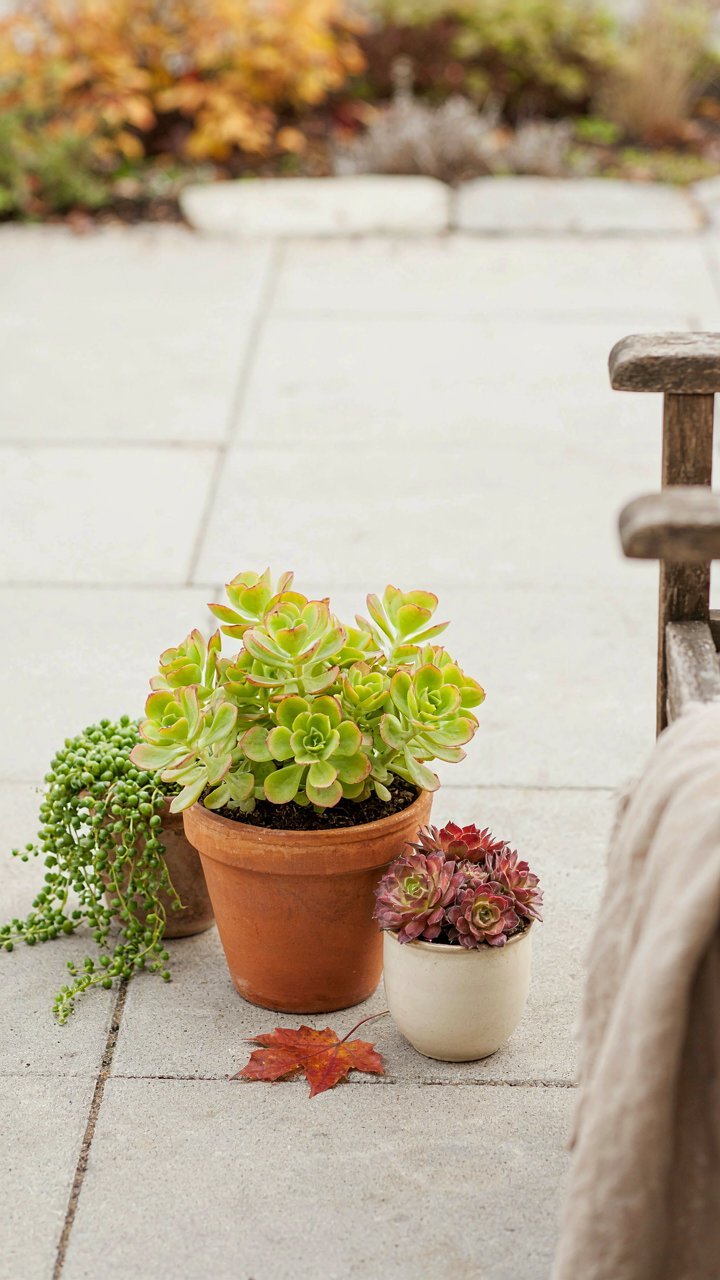
Evolutionary biology teaches us that organisms adapt faster to predictable change than sudden shock. Your succulent does the same. The plant has evolved to read environmental cues, and gradual temperature decline tells it winter is coming. Move succulents outdoors during the day starting in late summer or early fall, pulling them inside before the temperature drops below 50 degrees at night. Extend outdoor time by 2-3 hours every 3-4 days. This teaches the plant’s tissues to tolerate cold without triggering panic mode.
Discontinuous acclimation fails because the plant can’t form a coherent response. Don’t move succulents outside for a day, then leave them indoors for a week, then try again. The inconsistency confuses the plant’s signaling system. Instead, establish a schedule where outdoor time increases steadily through September and October. By the time nighttime temperatures naturally settle at your minimum threshold, the succulent has already adapted its physiology. Pull the plant inside permanently once outdoor lows hit your zone’s hardiness floor.
Resurrection Tactics: Saving Your Dying Winter Succulents
When Rot Becomes The Point Of No Return
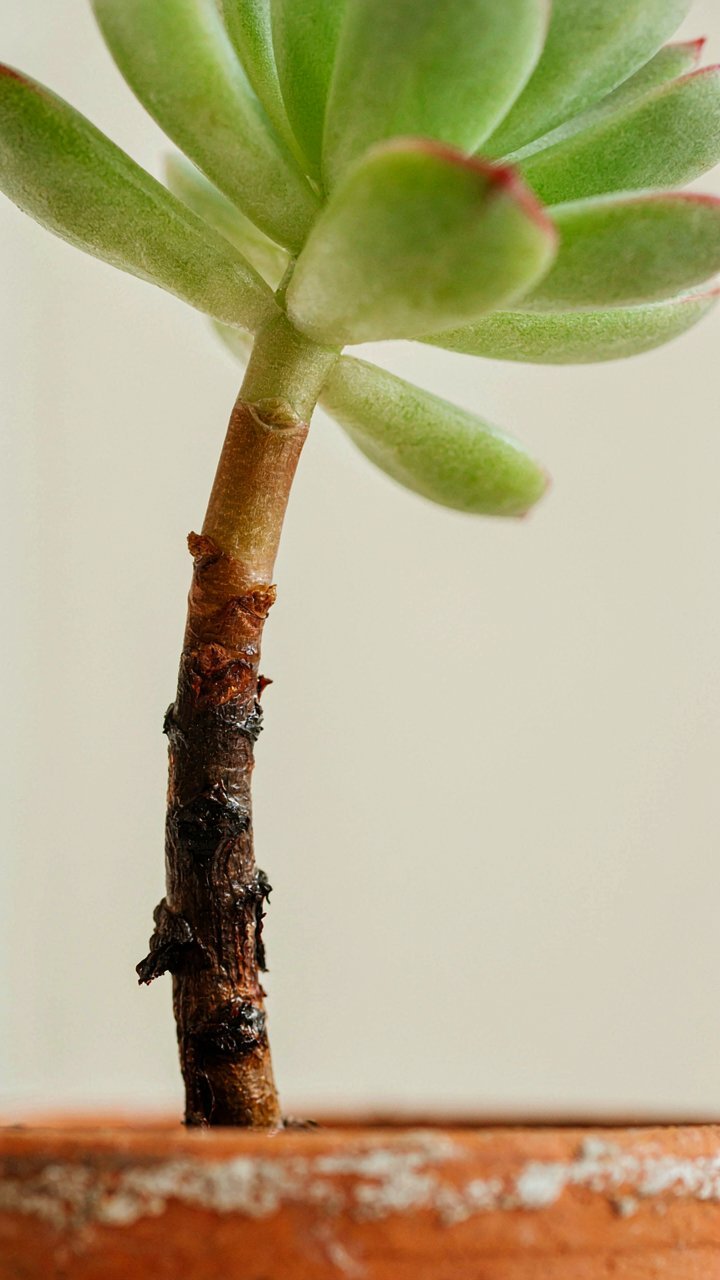
You’re hoping the plant survives because throwing it away feels like admitting failure. Here’s the mechanism: rot is bacterial or fungal colonization of cell tissue. Once it spreads into the core (the rosette center or trunk), the plant is dead—no amount of water restriction or repositioning reverses it. The decay follows a one-way path into the vascular system.
Check for soft, translucent, or blackened sections on stems and leaves. Press gently. If tissue collapses or leaks fluid, the rot has moved past surface damage. Healthy tissue resists pressure and snaps cleanly when bent. If the base of the plant is mushy and the rot extends upward more than one-third of the stem length, propagation is your only move forward.
Propagating From What Survives
Forget the myth that you need a perfect leaf or cutting. Botany teaches us the principle of apical dominance: the top of a plant produces growth hormones that suppress lower development. Remove healthy leaves or cut viable segments above the rot line, discard the compromised material entirely, then let cut ends callus for 3-5 days in dry air before planting.
Place callused cuttings on dry, gritty soil. Wait 10-14 days before watering. Roots form in that window when the cutting is dry and energy moves into survival mode instead of supporting rotted tissue. New growth appears after roots establish. This isn’t a second chance. It’s the only chance.
Your Succulents Die Because You Treat Them Like Houseplants, Not Desert Survivors

Stop watering on a schedule. Stop grouping them with your other plants. Desert plants evolved to survive neglect, not attention. The shift you need: treat dryness as the default state, not an emergency. Pick one succulent today. Skip watering it completely for three weeks. Watch what happens when you stop fighting against what it actually wants. Your succulents don’t need more care—they need less interference.