

Beyond The Buzz: Why Most Pollinator Water Stations Fail
What Everyone Gets Wrong About Water
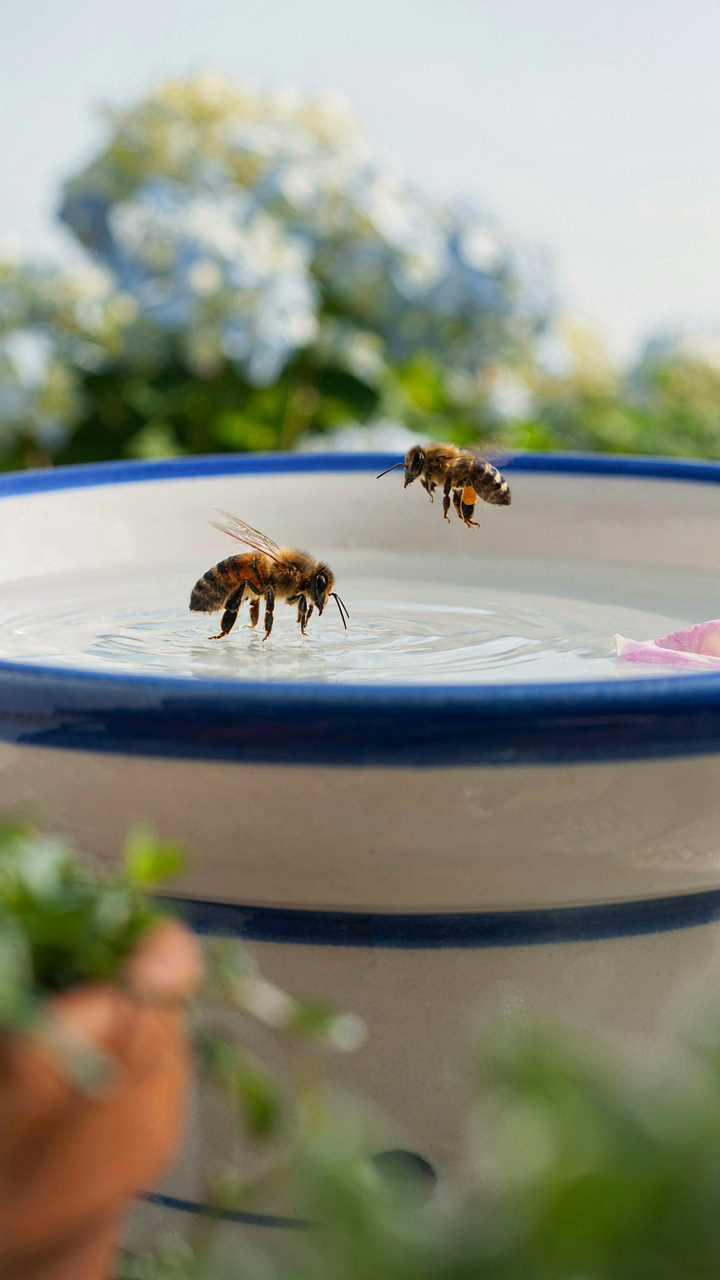
You want to feel like you’re helping without actually changing your yard. The real problem is that most people build water stations that solve for human aesthetics instead of pollinator physics. Bees and butterflies don’t need a birdbath. They need a landing platform with water access that won’t drown them. The mechanism is simple: surface tension. Water alone kills pollinators because they can’t escape the pull. You’ve been setting traps disguised as charity.
Standard advice says “just put out a shallow dish.” That’s incomplete. Shallow doesn’t matter if the surface is smooth. A bee lands on open water and breaks the meniscus. Its legs slip. It drowns before it drinks. The station fails because the designer never asked what actually happens at the water’s edge. You need material that breaks the surface tension and gives footing, not just depth.
Where Thirst Actually Meets Survival
Pollinators exhaust water reserves through thermoregulation and nectar processing, not just drinking. Bee physiology demands constant water access during active foraging, especially in heat or drought. Butterflies need water to absorb minerals their diet lacks. A water station fails when it’s treated as optional infrastructure instead of a seasonal necessity tied to your local bloom calendar. The station must exist when pollinators are most active, not when you remember it exists.
Most stations dry out or become contaminated exactly when they matter most. Algae blooms. Mosquito larvae hatch. The water turns brackish. A functional station requires a refill protocol matched to your climate’s evaporation rate and your region’s pollinator season. Check water depth and clarity every other day during peak foraging. Replace it completely every three days minimum. The mechanism that separates working stations from failures is maintenance frequency, not design complexity.
The “Hydration Harvest” Protocol: Maximizing Water For Bees

Where Bees Actually Find Water
You want this to work without thinking about it constantly. The real mechanism is simple: bees navigate by landmarks and memory, not by searching randomly. They remember water sources the way they remember nectar patches. Place your station where bees already travel, not where you think looks nice. This means near flowering plants, along fence lines, or within 50 feet of existing hive activity if you have it. Bees won’t detour more than necessary. Proximity to forage eliminates the decision entirely.
Sun exposure matters because bees visit water on warm days when they need it most to regulate hive temperature. Morning sun reaching the station by 8 AM captures the peak foraging window. Shade the station itself though, so the water stays cool and doesn’t evaporate faster than bees can drink. The tension resolves with partial shade from a nearby shrub or structure that blocks afternoon heat but allows morning light to draw them in.
Minimal Design, Maximum Function
Everyone oversimplifies water station design, treating it like decoration instead of engineering. Bees need landing platforms first, not just standing water. A bee drowns in open water because it has nothing to grip. The mechanism is grip plus access: rough surface texture plus shallow water depth. Use cork, moss, pebbles, or wood chips floating on the surface or lining the edges. These give legs something to catch. The water depth should stay under half an inch. This prevents submersion while allowing the bee to lower its head and drink.
Container shape matters tactically. Wide, shallow dishes work better than deep cups because bees can approach from multiple angles without reaching into darkness. Terracotta saucers, shallow ceramic bowls, or even a hollowed stone work. Change water every two to three days to prevent mosquito breeding. Stagnant water attracts disease vectors faster than fresh water protects pollinators. Refill from the top, letting old water drain completely, then add fresh water. The protocol is drain, dry, refill, repeat.
Butterfly Garden’s Edge: Water, Not Just Nectar

Puddling Stations: More Than Just A Drink
You want pollinators in your garden because it signals you have your environmental act together. But here’s what nobody tells you: butterflies don’t drink nectar to survive. They drink water and minerals. This is basic biology, and it changes everything about how you design a station. Butterflies extract sodium and amino acids from wet soil and animal waste through their proboscis. They’re mining for nutrients, not hydrating. A puddling station mimics this behavior by concentrating minerals in one spot.
The mechanism is straightforward. Butterflies navigate by sensing moisture and mineral gradients in the air. When you create a concentrated mineral zone, you become a destination. Most “water stations” fail because they’re just shallow bowls with water. That’s incomplete. You need soil, sand, or decomposing matter mixed with water to create the mineral profile butterflies actually seek. The best stations use a blend of garden soil, sand, and compost, kept consistently moist but not waterlogged. Butterflies will return to the same spot daily if the mineral content stays stable.
Attracting Diverse Butterfly Species
Different butterfly species target different mineral profiles and moisture levels. This is evolutionary adaptation, not preference. A Mourning Cloak needs different conditions than a Swallowtail. Understanding this is the only way to build a station that pulls multiple species instead of just one. Mourning Cloaks prefer rotting fruit and fermenting matter. Swallowtails and many brush-footed butterflies target wet soil with sodium deposits. Skippers want shallow, sandy zones. Each has a specific sensing range and search pattern.
The practical move is layering your station into zones. Create a deep, clay-heavy section for species that dig for minerals. Add a sandy, shallow section for skippers. Place decomposing fruit or manure in one corner for fermentation-dependent species. Keep the moisture gradient uneven so different species find their preferred microclimate within the same station. Change the substrate seasonally as certain minerals leach out and new decomposition cycles begin. This prevents the station from becoming a stagnant single-purpose feature and keeps multiple species rotating through.
The Failsafe Water Station Blueprint For Any Garden

What You Actually Need To Build One
You want proof that your effort matters before you invest the time. Here’s the mechanism: pollinators need water sources within their flight radius, and most gardens have zero. Thirst limits their foraging range more than you think. The design principle from hydrology is “capillary action”—water moves through porous material against gravity, which means your station stays wet longer without standing water that breeds mosquitoes. You’re not building an aesthetic feature. You’re building a refueling stop.
The materials list is short because complexity kills deployment. Grab what works, skip the trend pieces.
- Shallow ceramic dish or terracotta saucer: Absorbs and holds moisture. Diameter of 8-12 inches works for most gardens. Avoid glazed finishes that prevent capillary action.
- Pebbles or marbles: Create landing platforms so insects don’t drown. Fill the dish halfway, then add water until pebbles are half-submerged.
- Porous material layer: Cork bark, cork tiles, or untreated wood pieces float or rest on pebbles. Capillary action pulls water up through them continuously.
- Water source: Tap water works. Add it every 2-3 days in dry weather. No treatments needed.
- Placement: Ground level or on a low stand. Within 20 feet of flowering plants. Partial shade prevents rapid evaporation.
Installation takes 10 minutes. The whole operation costs under 15 dollars if you source materials from what you own. Most gardeners overthink this and never start. Don’t be that person.
Keeping It Running Without Becoming A Chore
The standard advice says to clean your station weekly and refresh water daily. That’s incomplete. You don’t need cleaning if you understand what actually fails: algae growth and mosquito larvae, both driven by standing water that sits too long. The real protocol prevents both without extra labor.
Check the station every other day, not daily. Top up water only when the porous material layer feels dry to touch. This rhythm matches evaporation cycles in most climates and keeps mosquito development below the 4-5 day threshold they need to hatch. If algae appears, remove the porous layer, rinse it, and replace it—takes 60 seconds. Never drain the entire dish unless you see mosquito wiggler larvae, which look like tiny moving commas. When that happens, dump the water, scrub the dish dry, refill, and reset the pebbles. One action, problem solved.
From Wildlife Gardening To Bee Garden: Water’s Role

Plants Aren’t Enough By Themselves
You want to feel like you’re doing something meaningful for pollinators without actually understanding what they need. Here’s the mechanism: plants provide food, but water creates dependency. Pollinators visit a garden repeatedly when water is present and scarce elsewhere. In urban and suburban landscapes, standing water is rare. Most gardeners obsess over flower variety and forget that bees, butterflies, and hoverflies need hydration as much as nectar. A water station transforms a one-time feeding stop into a habitation pattern.
Wildlife gardening emerged in the 1970s as a response to habitat loss, but the movement treated gardens like food courts. Pollinators would visit and leave. Adding water shifts the frame from biology to ecology: you’re creating a self-sustaining microhabitat, not just a pit stop. Water stations anchor pollinators to your space because they solve a real problem. A bee can’t drink from a puddle without drowning; it needs landing surface and shallow depth. This is why most gardens with only plants fail to support persistent pollinator populations.
Layering Water Into Your Existing Setup
Most people add a water station after the garden is already built, which wastes the design logic you already have. Wrong approach. Water should integrate with your existing garden zones, not exist as decoration. If you have a flower bed near a seating area, place a water station there. If you’ve planted native flowers in a specific section, stage the water nearby. The proximity reduces pollinator flight distance and increases visits. Water placement multiplies the return on every flower you’ve already planted.
The mechanism is efficiency of movement. Pollinators follow predictable routes through your garden based on food and water proximity. When these resources cluster, they spend less energy traveling and more time pollinating your plants. If your garden already has a composting area or vegetable patch, place shallow water sources between those zones and ornamental flowers. This creates what landscape designers call a corridor, but for insects it’s a fuel-and-water supply line. Build the water station into your garden’s existing traffic pattern, not alongside it.
The Ecology Of Hydration: Applying Systems Thinking

Feedback Loops In Water Availability
You want this section to validate that your water station is “doing something.” The real mechanism is simpler: pollinator populations respond to whether water stays available when they need it, not whether you built it. In cybernetics, a feedback loop means output becomes input that shapes future behavior. Your water station creates a feedback loop when visiting pollinators leave chemical and visual signals that attract more pollinators, which then normalize the site as a resource, which keeps them returning. The loop only closes if water persists.
Most people break the loop by filling stations once and ignoring them. Evaporation during heat spikes, algae blooms in stagnant water, and mosquito breeding cycles interrupt the signal. A functional feedback loop requires you to maintain consistent water depth and quality on a schedule matched to your local climate, not your convenience. This creates the behavioral expectation in pollinator populations that makes the station actually useful.
Resilience Over Mere Presence
Resilience in ecology means a system absorbs stress and recovers function. A single water station with one design fails during the exact conditions pollinators need it most. Instead, you build shallow redundancy: multiple small stations using different materials, placed in different microclimates within your yard or area. One station may dry faster in afternoon sun; another holds water longer in shade. A ceramic dish fails differently than a stone platform with depressions. Pollinators then have fallback options when primary sources fail.
Most advice ignores the seasonal variable. Winter freezing, summer drought, spring flooding, and autumn leaf accumulation all demand different station configurations. Your resilience protocol: maintain three water sources in your primary zone using different depths and materials, rotate maintenance focus monthly based on seasonal pressure points, and document which stations hold water longest during your area’s peak stress period. This generates real data, not guesswork.
The Unspoken Truth About Water For Bees Myths

What Everyone Gets Wrong About Bee Hydration
You want to believe you’re helping, but most “bee water station” advice exists because it sounds good, not because it solves the actual problem. Bees don’t drown in puddles because they’re clumsy. They drown because surface tension pins them underwater when their legs slip. The mechanism is physics, not intent. Smooth water surfaces are death traps. Your tap-filled bird bath isn’t helping. It’s a trap that looks like charity.
The real issue: bees need landing platforms that break surface tension before they drink. Floating cork, pebbles, or moss aren’t decorative. They’re load-bearing infrastructure. Without them, bees land on the water’s edge, their weight distributes unevenly, and surface tension pulls them under. They can’t escape because their exoskeleton repels water by design. Add substrate and you’ve solved the mechanism. Skip it and you’re operating on instinct, not biology.
The Mechanism That Actually Drives Results
Bees locate water sources through chemical signals released by other bees, not by visual search alone. This is how scout bees communicate discovery. A water station with no bees visiting it has failed the recruitment phase, not the design phase. Most people focus on the container and miss this entirely. They build beautiful stations and wonder why nothing shows up. The station works only when it connects to the colony’s communication network.
You accelerate recruitment by placing your station near flowering plants or existing bee activity zones. Bees already moving through those areas encounter the water source and deposit pheromone markers. Other foragers follow those markers and the station becomes part of their route. Distance matters more than aesthetics. A functional station fifty feet from nectar sources beats a perfect one in an empty corner. This is why timing also matters: stations placed during peak foraging season (spring through early fall in most regions) gain traffic faster than off-season installations.
Designing For Impact: Your Pollinator Garden As An Ecosystem
Where You Place The Water Station Matters More Than What You Fill It With
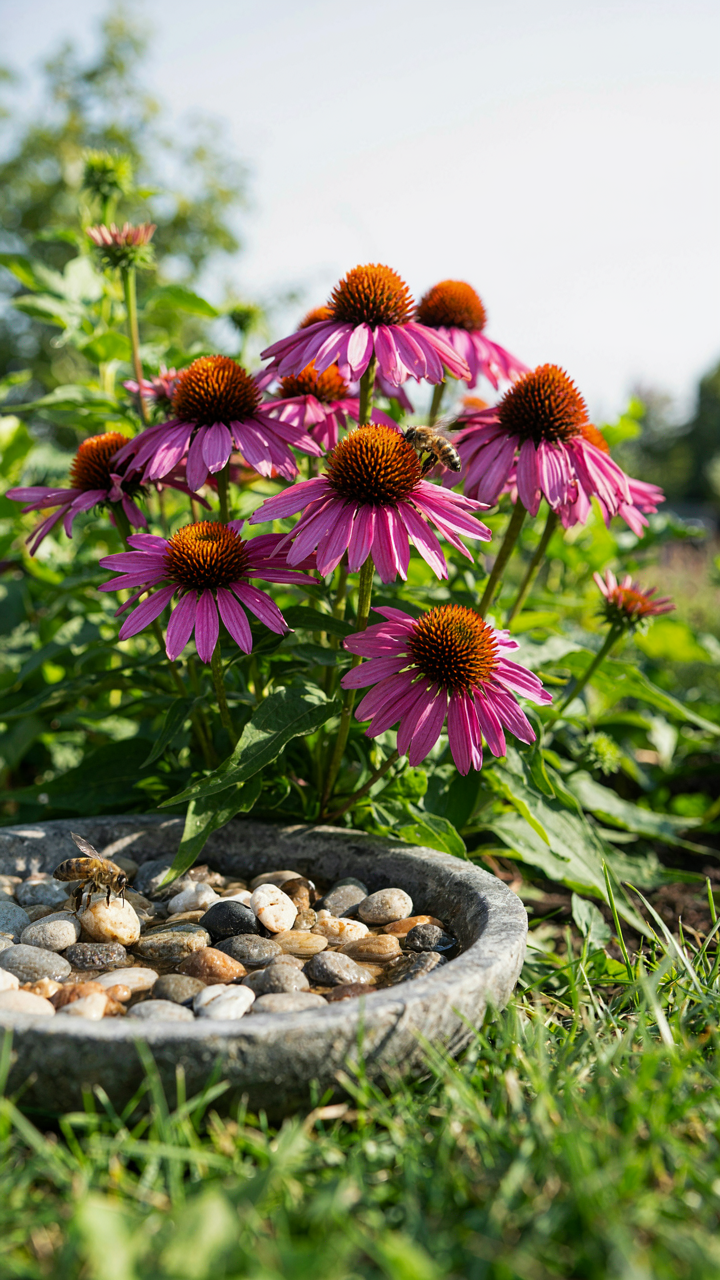
You want to feel like you’re doing something sophisticated. But here’s the mechanism nobody states plainly: pollinator water stations work or fail based on visibility and access, not aesthetics. Think in terms of urban planning—pollinator behavior follows predictable routes through your garden, just like foot traffic follows sidewalks. Place your station where insects already move, not where you want them to move.
Observation beats guesswork. Spend three days watching your garden during peak foraging hours—typically mid-morning through early afternoon. Note where bees cluster on flowers, where butterflies congregate, where hoverflies patrol. Position your water station within 15 feet of these high-traffic zones. Proximity to flowering plants matters because thirsty pollinators won’t deviate far from their nectar source. A water station invisible to their flight path is a wasted setup.
Building Different Zones Within Your Station Area
Microclimate design borrows from thermodynamics—heat absorption, retention, and distribution. Your water station doesn’t exist in one temperature environment, and neither should its design. Create distinct zones that offer refuge before and after drinking, controlling exposure and cooling rates.
Use hardscape strategically. Place rocks or pavers on the sunny side to absorb and radiate heat—bees need warmth to fly efficiently. On the shaded side, add dense plantings or a small shelter structure to drop temperature and reduce wind exposure. Position the actual water container in partial shade but with full visibility from approach vectors. Insects landing in direct sun waste energy thermoregulating instead of hydrating. The mechanism is simple: thermal comfort extends drinking time, which means more actual water intake and safer departure.
The ROI Of Water: Why It Outperforms Fancy Blooming Plants

Water Beats Expensive Planting Programs
You want proof that your effort matters without spending three months and five hundred dollars. Here’s the mechanism: water is a constraint pollinator populations face year-round, but blooming plants are seasonal abundance. Economics calls this the scarcity principle, and pollinator water stations operate on it directly. A single basin with pebbles costs twelve dollars and solves an actual survival problem every day of the year. A native plant garden requires soil work, weeding maintenance, and delivers nectar only during its bloom window. The water station runs while you sleep.
The gap between what people recommend and what actually delivers results lives here. Gardening advice fixates on plants because landscapers sell plants and seed companies profit from the narrative. Water stations don’t generate recurring revenue, so they stay invisible in mainstream guidance. A ten-dollar investment in a shallow dish and gravel outperforms a fifty-dollar perennial in terms of pollinator visits per dollar spent. You measure this by counting visits over two weeks. The plant blooms eight weeks per year. The water runs fifty-two.
Impact Arrives Before The Invoice Does
Setup takes thirty minutes. You’ll see visitor activity within forty-eight hours of placing a water station near existing vegetation or flowering areas. Bees, butterflies, and other pollinators recognize water sources faster than they find new food sources because dehydration kills them before hunger does. A single container with proper drainage and fill maintenance creates observable population density shifts in your yard. No digging. No soil amendments. No waiting for root establishment. The feedback loop closes immediately, which means you know if your setup works before you commit more resources.
The mechanism that makes this work is simple: pollinators need water as urgently as food, but most yards offer neither consistently. When you provide one, you become a resource node in their foraging territory. One water station serves forty to sixty insects per day during peak seasons. Three stations increase that to one hundred fifty. The cost differential between one and three is negligible. Fill your stations every two days during dry periods and monitor visitor behavior weekly. Track which designs attract the most activity, then replicate that design across your property.
The Real Obstacle Isn’t Lack Of Effort; It’s The Delusion That Complexity Equals Effectiveness
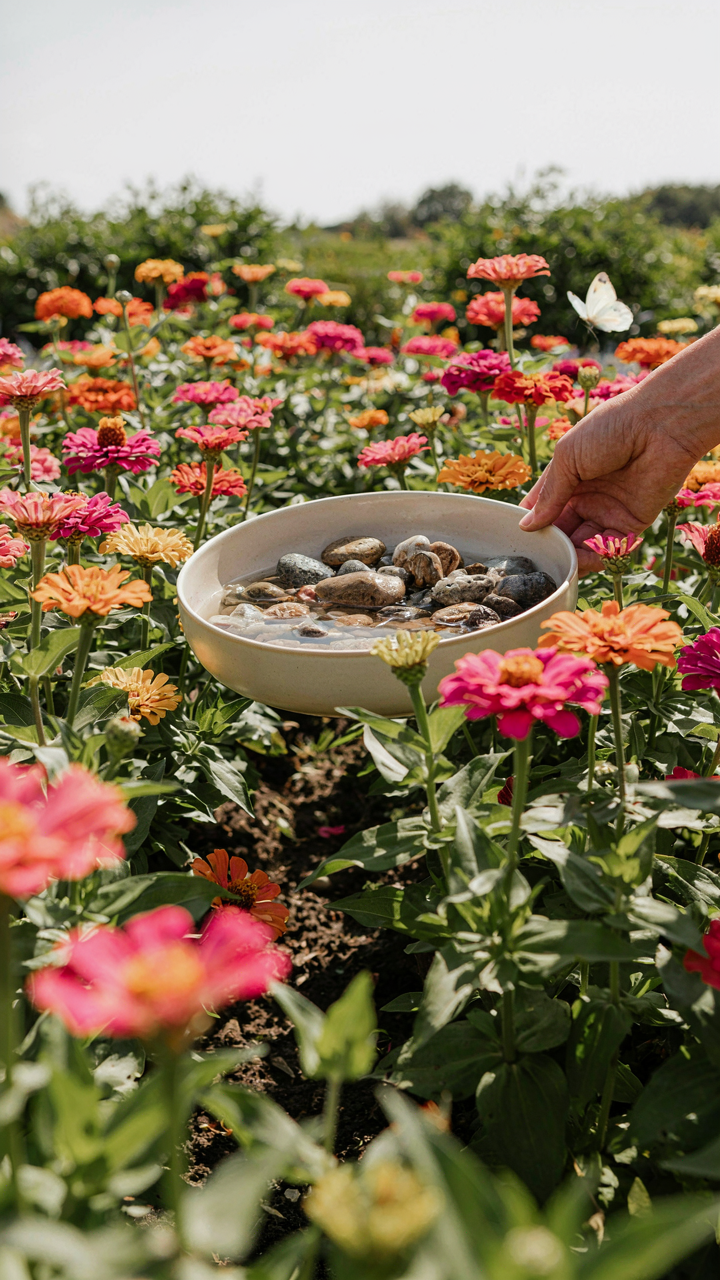
Most people kill their pollinator stations by overthinking them. They wait for the perfect setup, the ideal location, the expensive materials. Meanwhile, a shallow dish of water with pebbles sitting in your yard right now does more work than their plans ever will. Your move today: grab any container, fill it with water, add rocks so insects don’t drown, and place it near flowering plants. That’s it. Stop planning and start doing, because a mediocre water station you actually build beats a perfect one that lives only in your head.



