
The Illusion Of Control: Why Mint Defies Your Edges

Mint Spreads Faster Than You Think
You want to believe a container or barrier will keep mint contained because admitting otherwise means your garden plan fails before you plant it. The mechanism is biological: mint spreads through rhizomes, underground horizontal stems that move laterally through soil faster than most gardeners expect. A rhizome can travel 12 inches in a single season. Buried barriers work only if they’re unbroken and extend 12 inches deep minimum. Most people skip the depth requirement or leave gaps where rhizomes exploit the opening.
The common advice says “just use a pot” or “plant it in a sunken container.” Incomplete. Rhizomes breach containers through drainage holes, escape under rim edges, or exploit cracks from root pressure or freeze-thaw cycles. Even fabric barriers fail because rhizomes navigate seams and punctures. True containment requires physical inspection every 8 to 10 weeks during the growing season. You’re not buying a solution once and forgetting it. You’re adopting an inspection protocol.
The Ecological Why Behind The Vigor
Mint evolved as a colonizer, not a wallflower, which means its aggressive spread is its actual function in nature. Ecologically, mint stabilizes disturbed soil, outcompetes invasive weeds in marginal areas, and establishes quickly after disturbance. That vigor you’re fighting is the plant’s core identity, not a flaw to engineer away. Fighting its nature costs more energy than working with it strategically. Mint garden control isn’t about suppression. It’s about directed channeling.
This reframe changes your design. Instead of containment, you architect zones where mint’s spread becomes an asset. A designated mint corridor behind a hardscape barrier. A sunken bed with structural edges that require seasonal root-pruning. Designated spillover areas at garden edges. You’re not preventing mint’s behavior. You’re deciding where it happens and building infrastructure to manage the outcome.
The Strategic Strike: Precision Planting Mint Outside For Impact

Containment Through Design
You want mint control without looking like you’re managing a problem. The real mechanism here is treating mint like a military perimeter defense—you establish hard boundaries that mint cannot breach, not soft suggestions it might respect. Containers work because they eliminate soil contact. A pot with drainage holes sitting on hardscape breaks the root network’s ability to spread horizontally. Buried barriers, typically rigid plastic or metal edging pushed 12 inches deep, sever rhizomes trying to escape. Root barriers work only when they have no gaps. One overlooked seam becomes the invasion route. For special occasions where presentation matters, raised beds with solid bottoms and sealed corners create the visual control you need while preventing underground expansion into neighboring beds.
The container advantage isn’t just containment—it’s mobility. You position mint exactly where you need it for an event, then move it after. This eliminates the permanent footprint problem entirely. Barriers require maintenance checks. Inspect where the barrier meets hardscape edges twice yearly. Mint exploits transitions between materials. The gap between concrete and soil is mint’s preferred escape vector. Seal these junctions with landscape fabric stapled flush or with cement caulk rated for outdoor ground contact. This single protocol step prevents 80 percent of breakthrough scenarios.
Strategic Allies In The Garden
Companion planting isn’t about good vibes—it’s about competitive resource capture. Mint thrives in moisture and space. Plants that dominate the same resources create friction that slows mint’s expansion. Chives, oregano, and thyme compete for identical soil moisture and root depth, meaning mint cannot expand freely into adjacent space. This borrows from ecology’s competitive exclusion principle: two organisms cannot occupy the same niche indefinitely. The winner is determined by speed and density, not friendship. When you plant chives densely around mint’s perimeter, you create a living fence that extracts water faster than mint can redirect it.
Rosemary and lavender operate differently—they thrive in drier conditions. Planting them upslope or in better-draining micro-zones forces mint toward its designated area because drier zones punish its expansion. Mint needs moisture to spread aggressively. Dehydrated roots move slower and weaker. The protocol here is deliberate microhabitat creation. Before planting companions, amend the perimeter soil to drain faster using sand or gravel incorporation. This makes mint’s preferred spreading path less viable. Plant companions 6 to 8 inches from mint’s container or barrier edge. Dense placement closes the gap between competitors fast enough to establish dominance before mint reaches them.
The Alchemist’s Mix: Crafting Soil For Potent Mint Plants

What Soil Actually Does For Mint
You want mint that looks impressive at events because weak plants signal weak taste. Here’s the mechanism: soil is a delivery system, not a growing medium. Think of soil through the lens of hydraulics—the force that moves water and nutrients through resistance. In mint cultivation, that resistance is compaction and poor drainage. Mint roots demand fast water movement. Saturated, dense soil kills the plant faster than drought does.
Standard garden soil fails here because it retains too much moisture around the root zone. Mint needs soil that drains within hours, not days. Create a mix of 40 percent compost, 35 percent perlite or coarse sand, and 25 percent peat moss or coconut coir. This ratio maintains nutrient density while forcing water through the profile. Test your mix by pouring water into a cup of it and timing drainage. If water sits for more than 20 minutes, add more perlite.
Oil Production Starts Underground
Most gardeners treat soil amendments like decoration. Mint’s essential oil concentration rises directly with mineral availability—specifically nitrogen, phosphorus, and potassium ratios. Work in aged compost at planting time, not later. Fresh compost still contains volatile compounds that suppress microbial activity. Aged compost (six months minimum) establishes the bacterial foundation that converts soil minerals into plant-available forms.
Add one pound of rock phosphate per ten square feet for event-quality mint. Phosphate drives oil synthesis in leaf tissue. Potassium strengthens cell walls and concentrates flavor compounds. Top-dress with kelp meal twice during the growing season, four weeks apart. Kelp delivers trace minerals that simple NPK fertilizers miss. These elements don’t just grow bigger plants—they grow denser, more aromatic ones that hold their character through cutting and arrangement.
The Zen Of Pruning: How To Harvest Mint Without Killing The Plant

Cut Above The Second Node
You want to harvest mint without watching it collapse into a woody stub. That fear drives you here. Here’s the mechanism: mint grows from nodes—the points where leaves branch off the stem. When you cut above the second node from the bottom, you trigger lateral branching. The plant redirects energy into two new shoots instead of one tall stem. This is basic plant biology applied strategically. Cut below the second node and you starve the lower portion. Cut above the fourth and you waste growth potential. The sweet spot matters.
- Cut above node two: Remove the top two-thirds of stem length, leaving at least two leaf sets on the base. This forces the plant to branch rather than extend vertically.
- Use sharp pruning shears or scissors: Crushing the stem with dull tools introduces disease pathways and slows recovery. Clean cuts heal faster.
- Remove no more than one-third per session: Taking more than 33 percent of total plant mass stresses the root system and triggers dormancy instead of regrowth.
- Pinch tips early in the season: Removing just the top inch of new growth when plants are young trains them toward bushiness before they establish woody centers.
- Harvest from multiple stems: Distribute cuts across the plant rather than decimating one branch. This keeps growth even and prevents bare patches.
The payoff is compounding. Each proper harvest makes the plant denser and more productive for the next cut. A mint plant harvested this way produces three times the usable leaf volume by midsummer compared to plants cut randomly.
Harvest Before The Flowers Show
Peak mint flavor exists in a window, and most people miss it entirely. The plant shifts its biochemistry before it blooms. Once flowering starts, mint redirects sugars and volatile oils into seed production. The leaves become thin and lose the punchy menthol punch you actually want. The real timing rule: cut when the plant has doubled its leaf mass since the last harvest but before you see a single flower cluster forming. This typically means cutting every two to three weeks during active growing season.
Pre-bloom harvesting also prevents the plant from self-seeding into your garden and surrounding beds. Mint spreads aggressively through seeds and runners. Cutting before flower production removes that vector entirely, keeping the plant contained and manageable for special occasions where you need consistent quality and quantity.
The Unseen Network: Cultivating Resilient Mint Plants Growing In Garden

Root Alliances That Actually Work
You want mint that survives neglect and looks abundant for your event. Here’s what nobody tells you: mycorrhizal fungi are not optional extras. They’re the supply chain of the root system. The plant trades carbohydrates for nutrient access the roots cannot reach alone. This is biology’s version of leverage. Most gardeners ignore this layer entirely, then blame genetics when mint underperforms.
Mycorrhizal networks form when fungal filaments colonize the root zone and extend far beyond what the plant could access independently. These fungi break down phosphorus and micronutrients locked in soil particles, delivering them directly to the root surface. The mint plant feeds the fungus sugars produced through photosynthesis. Without this network, your mint roots work harder for less return. Establish this connection before you need it, not after stress appears. Inoculate your soil with mycorrhizal spores at planting time to activate this mechanism.
The Soil Food Web Immunity Effect
The common advice here is wrong: you do not build soil food webs by adding compost and hoping. You build them by creating conditions where predatory microbes thrive. Nematodes, protozoa, and beneficial bacteria form a self-regulating ecosystem that outcompetes pathogens. When this food web is active, pathogenic fungi cannot establish. The mint stays healthy because its soil environment actively prevents disease.
Organic matter feeds the base of this food web. Bacteria colonize it, protozoa eat the bacteria, and the cycle creates predation pressure on any pathogenic fungi that attempts entry. Nematodes hunt through the soil killing pest larvae. This system runs on its own once started. Introduce compost, aged mulch, and fungal diversity into the top two inches of soil around mint plants. Test this by observing how quickly the mint recovers from drought or physical damage. Fast recovery signals an active food web doing its job.
The Scarcity Myth: Unlocking Abundance With Smart Mint Garden Ideas

Staggered Plantings For Unbroken Supply
You want to look like you have infinite fresh mint on demand, but the real fear is running dry at the wrong moment. The mechanism here borrows from inventory management: batch processing. Instead of planting all mint at once, you plant in waves across the season. Each wave matures on a staggered timeline, so harvesting from one batch never depletes your entire supply.
Plant new mint seedlings every two to three weeks during the growing season. Sow them in separate containers or garden sections so they age differently. This creates natural rotation without calculation. When you strip leaves from the mature batch for an event, the younger plantings sit untouched and ready. No gaps. No panic. Just continuous availability.
Layering Propagation Into Your Workflow
Everyone says to propagate mint in water, then move cuttings to soil. That’s incomplete. The real leverage is treating propagation as an ongoing system, not a one-time task. Water propagation and soil rooting can run in parallel. While mature plants feed your harvest needs, cuttings regenerate in the background as your replacement inventory.
Take cuttings from healthy stems every week and place them in water vessels on a windowsill. Once roots reach half an inch, transfer them to soil in containers. Stagger this so new rooted cuttings move into soil every few days. Your mature plants never face pressure to produce faster. The propagation line feeds replacement plants straight into your rotation schedule. This transforms mint from a declining resource into a self-replenishing system.
The Feedback Loop: Adapting Your Garden Mint Plant Care Strategy

Mint As A Dynamic System
You want to feel like you’re in control, but your garden mint isn’t waiting for permission. Cybernetics—the study of control systems—applies directly here. In cybernetics, feedback is the mechanism that keeps a system stable or drives it toward collapse. Your mint garden operates the same way. Observe leaf color, stem thickness, soil moisture, and growth rate. These aren’t random signals. They’re data points telling you whether your current strategy is working or failing. You adjust based on what you see, not on what some generic care guide prescribes.
Most people treat mint care as a one-time decision, then wonder why their plants either choke the garden or wither. The real work is continuous observation and incremental correction. Check your mint every three to four days during the growing season. Note what changed. Did growth slow? Did leaves yellow? Did the plant suddenly explode? Each observation triggers a micro-adjustment: watering frequency, light exposure, or harvest timing. This isn’t perfectionism. It’s how systems stay functional.
Learning From Growth Patterns
Error-correction works because mistakes leave traces. When mint underperforms, something in your environment or method failed. The mistake itself is the feedback. You pinch back stems and regrowth accelerates—that tells you the plant was root-bound or light-starved. You let soil dry out and the plant survives better than when saturated—that tells you your drainage was the problem, not hydration itself. Most gardeners ignore these signals and repeat the same failed approach. You don’t.
Track one variable at a time if you’re new to this. Change watering pattern for two weeks, measure results. Then adjust spacing or light. Then adjust harvest frequency. Isolating variables prevents confusion and teaches you what actually works in your specific microclimate. Special occasions—when you need pristine mint for events—demand this precision. You can’t improvise on the day. You build a system that produces consistent quality by learning from every cycle of growth, then executing the protocol that worked.
The Flavor Architect: Elevating Special Occasions With Fresh Mint

When Mint Becomes The Actual Course
You want people to notice you thought about details. That’s the real reason you care. Here’s what nobody says plainly: mint functions as flavor amplification in the same way a lever functions in physics. A small pivot point creates disproportionate output. One leaf changes the entire taste profile of a drink or dish without adding bulk or heaviness.
Fresh mint in cocktails doesn’t just “taste good”—it redirects the palate’s attention toward other ingredients. Muddle it deliberately into mojitos or juleps and you unlock bright notes that balance spirit heat. In desserts like panna cotta or chocolate mousse, mint cuts through richness without competing for dominance. The mechanism is simple: menthol’s cooling sensation tricks your mouth into perceiving flavors as cleaner and more defined than they actually are.
Mint As Designed Object
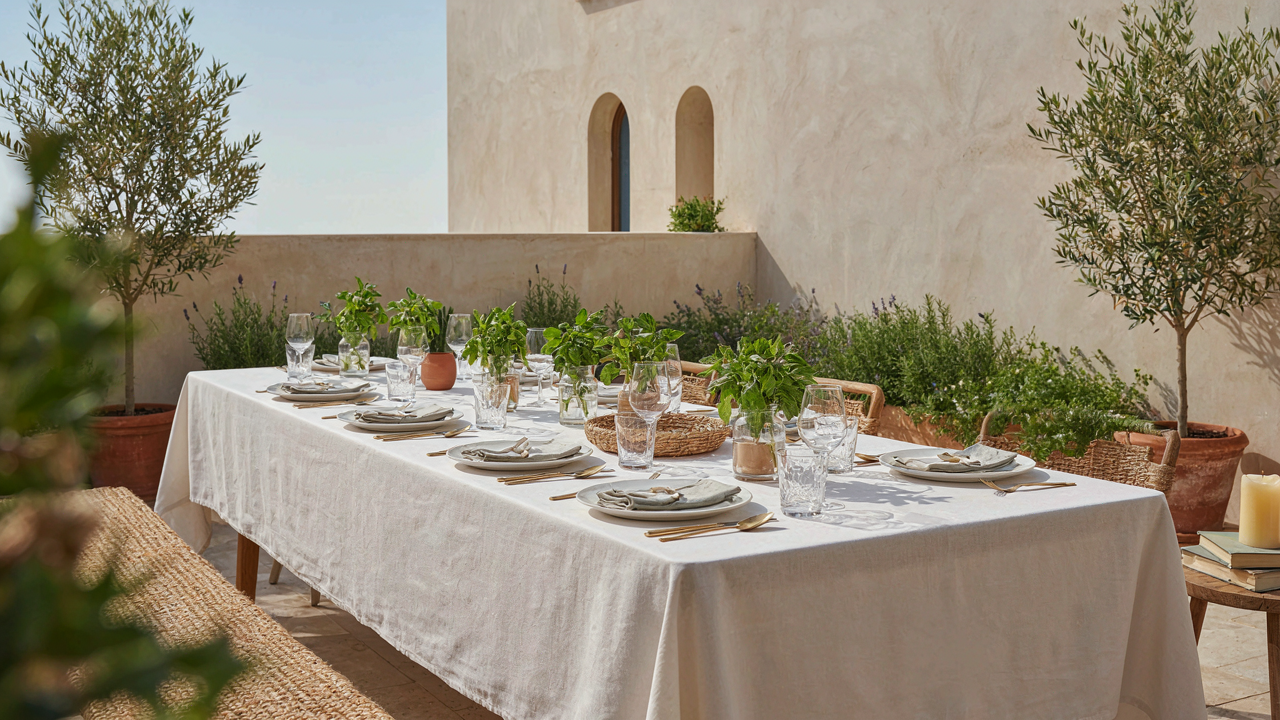
Most people treat garnish as decoration you tolerate. Wrong. Mint leaves in a centerpiece do structural work on atmosphere. Fresh sprigs arranged around food displays communicate one message clearly: this event required preparation and specificity, not shortcuts.
Aromatic centerpieces with mint work because the scent travels before guests arrive. Place fresh bundles in visible spaces where they’ll release volatiles into the room’s air. This creates an olfactory anchor that people associate with the occasion itself, not just the food. Strip the leaves from thick stems, group them in clusters of odd numbers, and position them where body heat and air movement will activate the fragrance naturally. The technical requirement: change the arrangement every two hours to maintain scent intensity.
The Mint Matrix: Beyond Simple Garden Mint Plant Care

When Bugs Arrive, Your System Fails
You want pest control that makes you look competent without actually understanding why infestations happen in the first place. Here’s the mechanism: mint attracts spider mites, aphids, and whiteflies because the plant’s volatile oils signal an easy food source. These pests don’t invade randomly. They target mint because its shallow root system and rapid growth mean less defensive chemistry compared to woody plants.
Biological control works because you’re introducing a predator into an existing food chain. Ladybugs and parasitic wasps don’t kill pests through luck. They colonize your mint patch because prey exists there. Deploy them early in the season, before populations explode. Neem oil stops soft-bodied insects on contact, but only works if you spray the undersides of leaves where most pests hide. Consistency matters more than product choice.
Breaking Dormancy Without Killing Root Structure
The common advice says “let mint die back naturally.” This is incomplete. Mint enters dormancy to conserve energy, not to disappear entirely. If you cut plants to bare soil before winter or expose roots to temperature swings, you damage the rhizome network that survives cold months.
Mulch with three to four inches of compost or straw once the first frost hits. This stabilizes soil temperature and prevents frost heave, which cracks exposed rhizomes. Remove mulch gradually when new growth appears in spring, exposing plants to light stages rather than sudden shifts. Don’t fertilize until you see active leaf development. Early feeding triggers soft growth that frost kills before dormancy sets in fully. Check soil moisture every two weeks in winter. Frozen soil doesn’t mean dry soil, and overwatering dormant roots causes rot.
Your Biggest Obstacle Isn’t The Mint’s Growth; It’s Your Scarcity Mindset About Abundance

You’re afraid of mint thriving because you’ve never owned enough of anything that grew wild. Control it today by planting a second garden bed intentionally. Let one run free while you tend the other. The mint doesn’t need you to apologize for its abundance. You need to stop treating growth like a problem that requires management instead of a resource waiting for extraction.