
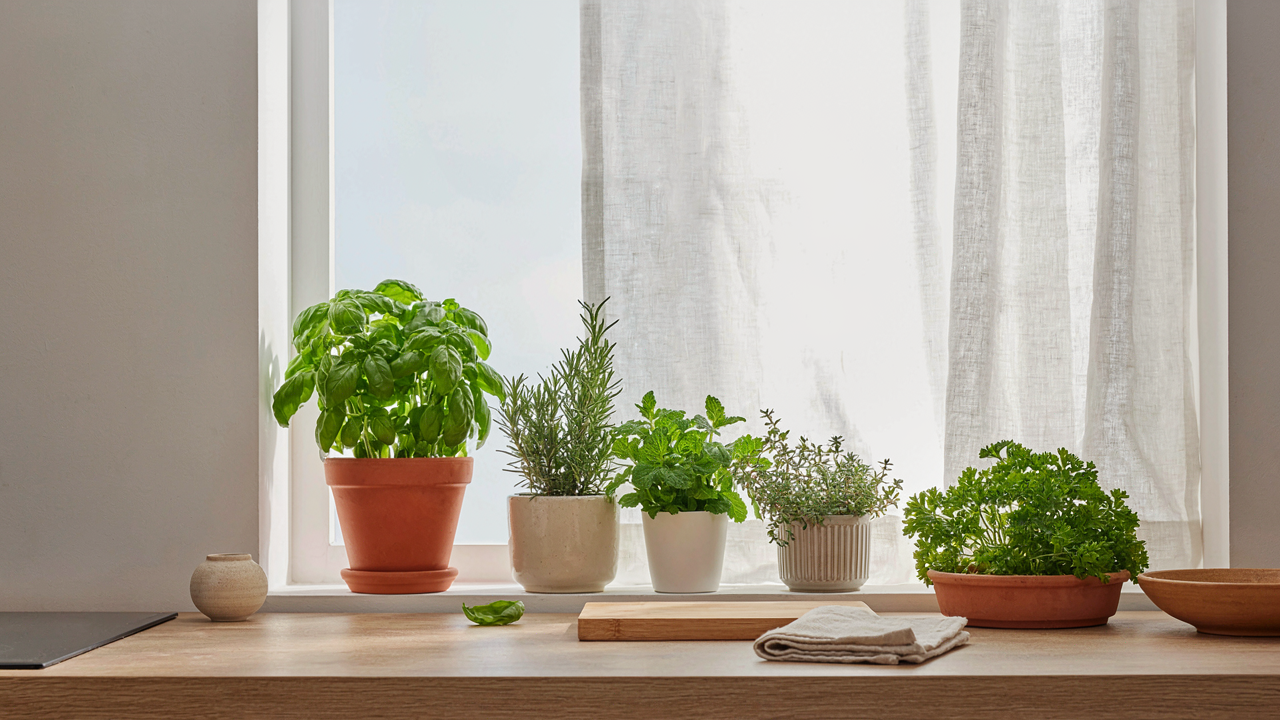
The Illusion Of The Stylish Kitchen Herb Garden

When A Pretty Pot Kills The Plant
You want the herb garden to look intentional. That’s the real driver here—the fear that a functional setup will look lazy or incomplete. But Instagram aesthetics and plant survival operate on opposing mechanics. In biology, this tension is called resource allocation: a plant invests energy either into appearing good or into staying alive. You cannot optimize for both simultaneously. The moment you prioritize the container’s visual weight over drainage holes, soil depth, or light exposure, the herbs begin their slow death. A dead herb in a designer pot is not stylish. It’s evidence.
Most advice tells you to match your pots to your kitchen’s color palette. That guidance misses the mechanism entirely. Your herbs do not care about cohesion. They care about root space, water management, and access to light. The aesthetic layer comes after these functions are locked in, not before. Start by selecting containers based on drainage requirements and plant type. Then, if you want visual consistency, you paint them or cluster them strategically. The styling happens in the constraints of what works biologically, not the other way around.
Build Around Reality, Not Trends
Every few years, the design world cycles through preferred materials for indoor plants: ceramic, macramé hangers, concrete, brass stands, terracotta. These trends flatten by design. What remains constant is that basil needs more light than oregano, mint needs more water than rosemary, and all of them need drainage. Function outlasts trend by definition. Your kitchen herb garden will sit in the same physical location for months. The conditions there—window direction, ambient temperature, humidity level—determine whether plants thrive or stagnate. No material choice changes that reality.
The mechanism here is simple: aesthetic trends have a shelf life measured in months or years. The biological requirements of herbs have a shelf life measured in millennia. When you design your setup, lock in the functional variables first. Pot size, drainage, soil type, light duration, watering schedule. Only after these are decided do you layer in the visual elements. This sequence prevents the common failure where someone redesigns their herb garden for Instagram and watches everything wilt within six weeks. Start with what the plants demand. Style the result.
The Resilient Herb: Why Some Thrive, Others Die

Genetics Determine Your Odds Before You Plant
You want to blame yourself when basil dies in two weeks, but the real reason you’re frustrated is that nobody told you the outcome was decided before the seed hit soil. In botany terms, herbs operate on a spectrum of stress tolerance, and your job is matching that tolerance to your actual conditions, not pretending willpower changes biology. Some species evolved in Mediterranean climates with poor soil and irregular water. Others adapted to humid tropical floors where water never stops. That genetic blueprint doesn’t shift because you like how it looks on your counter.
Resilience isn’t about toughness in the vague sense. It’s measurable: how much drought tolerance a plant stores, how fast it recovers from cold, whether it demands consistent humidity or laughs at dry air. Rosemary survives neglect because it developed shallow roots and waxy leaves to shed water in arid conditions. Cilantro bolts and dies the moment heat spikes because it evolved in cool seasons where bolt meant reproduction before frost killed it. You’re not negotiating with the plant’s preferences. You’re either matching them or watching it fail.
What Your Space Actually Demands
Stop asking what herbs look good together. Start asking what your kitchen actually provides. Most advice treats all indoor spaces as interchangeable, which is lazy and wrong. A south-facing window in Phoenix and a north-facing window in Seattle are completely different growing environments, yet the same herb recommendations get recycled everywhere.
Measure three variables before buying anything: light hours per day, temperature swings between morning and evening, and humidity level. Light is non-negotiable. Basil needs 6 to 8 hours minimum of direct light daily. Parsley tolerates 4 to 6 hours. Mint survives in partial shade. Most people eyeball their kitchen, assume it’s bright enough, and then wonder why growth stalls. Use a phone light meter app for real data. Temperature matters because sudden swings trigger stress responses. A window that’s 75 degrees during the day but drops to 55 at night creates a shock cycle. Humidity in a heated home often drops below 30 percent, which kills tender herbs like basil within weeks. Match the herb to what your kitchen actually does, not what you want it to do.
The Vertical Herb Garden Efficiency Protocol
Stack Plants, Not Shelves
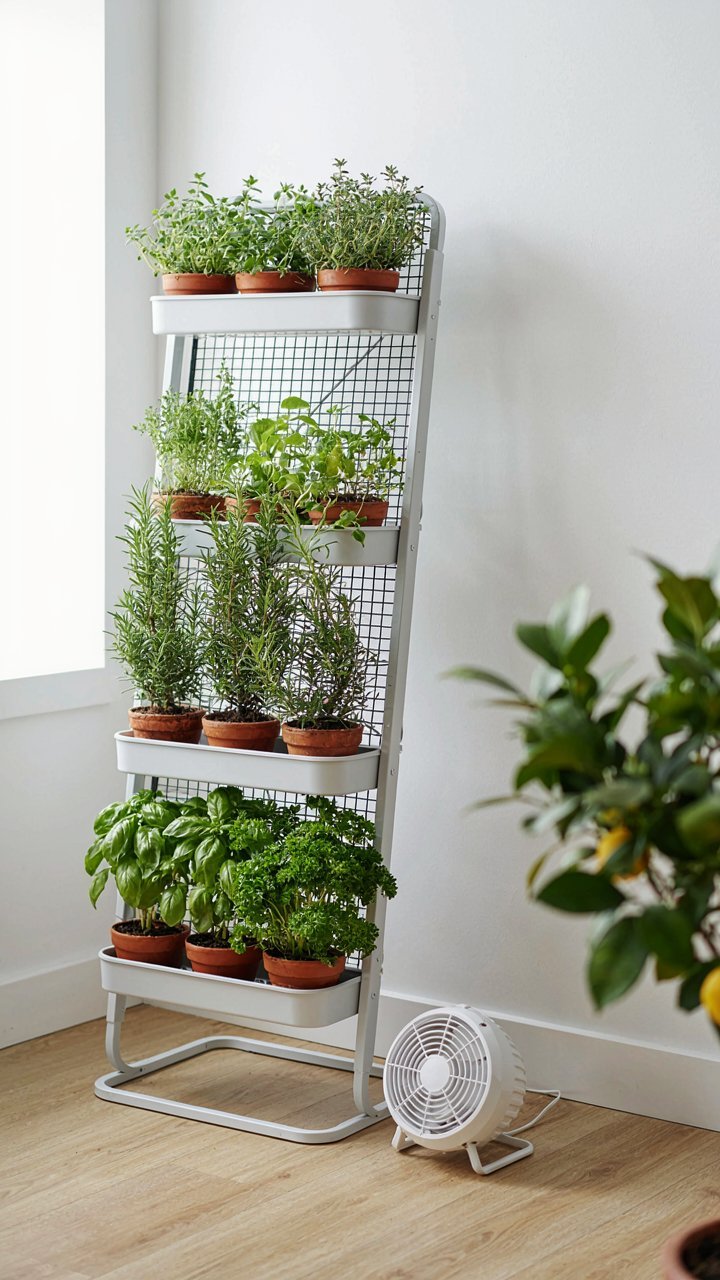
You want vertical because horizontal real estate costs money and you know it. But the real mechanism comes from biology: stacking herb tiers forces you to solve the fundamental constraint of photosynthesis. Plants need light, and vertical arrangements either amplify or strangle that need depending on how you build them.
A vertical garden works because it compresses footprint. Place your fastest-growing herbs at bottom tier, slower ones above. Basil and parsley grow aggressive and won’t shade what matters. Slower performers like rosemary sit higher where partial shade won’t kill them. This isn’t random stacking. It’s triage by growth rate.
Angle For Airflow, Not Aesthetics
Common advice treats air circulation as optional. It’s structural. Stagnant air breeds mold and mites that destroy herbs faster than any other variable. Think of airflow like supply chain logistics: gaps create bottlenecks where disease accumulates.
Tilt each tier forward 15 to 20 degrees. This single angle change lets air move underneath and between plants instead of pooling at the base. Position your vertical frame one to two feet away from walls. Space individual planters so light and wind pass through, not around them. A box fan on low speed positioned to push air upward through the tiers eliminates the remaining gaps. Stagnant air in a vertical garden becomes a pest breeding ground in weeks, not months.
Indoor Herb Garden: The Microclimate Manifesto
Temperature And Humidity Control
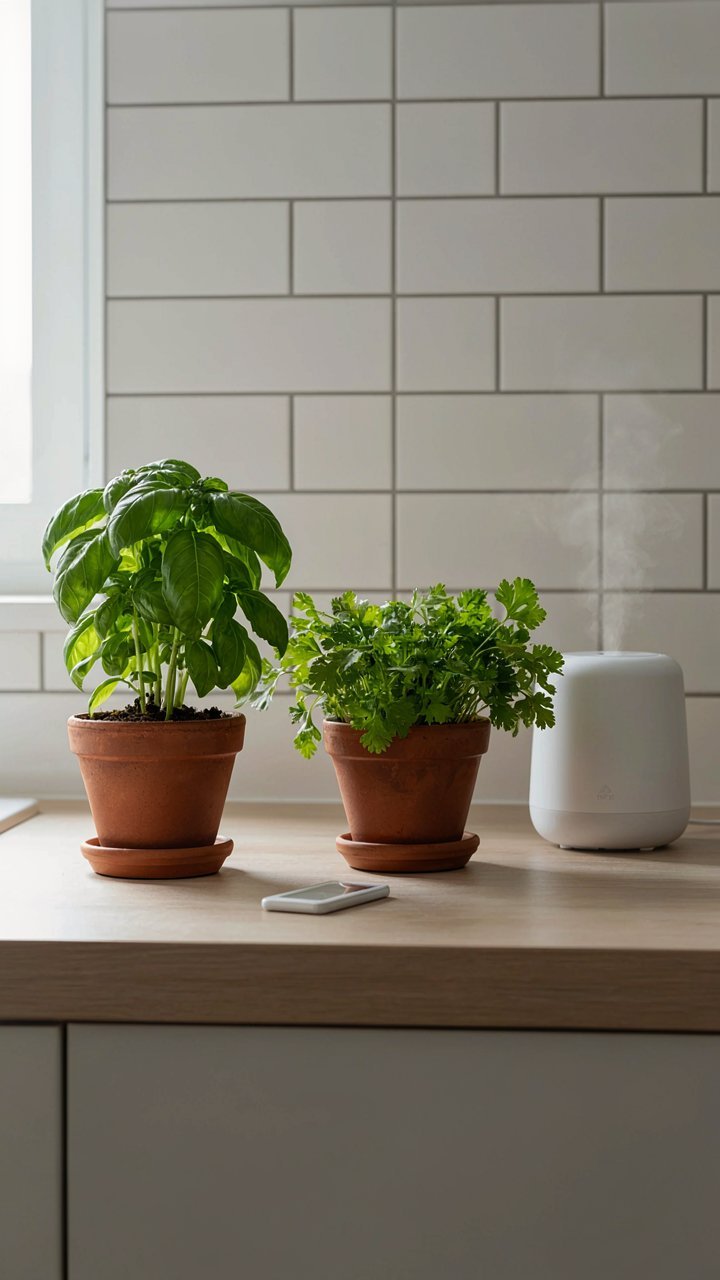
You want your herbs alive and photogenic without the work. Here’s the mechanism: herbs die when temperature swings wildly or humidity crashes because their stomata—the pores plants use to breathe—can’t regulate water loss fast enough. Think of it like physiology: a plant’s internal pressure system depends on stable external conditions. Indoor kitchens are hostile microclimates. Most people ignore this and blame themselves.
Most herbs need 65 to 75 degrees Fahrenheit and 40 to 60 percent humidity. Position your garden away from heating vents, AC units, and cold windows. A humidifier or a water tray beneath the pot solves humidity drops. Check temperature with a basic thermometer. Stability matters more than perfection—small consistent ranges beat dramatic shifts.
Light Placement Strategy
Placement determines survival rate more than any other single variable. South-facing windows give the most reliable light in Northern Hemisphere homes, but intensity changes by season and time of day. North-facing windows produce weak, inconsistent light. East or west windows work if you monitor for afternoon burn on tender species like basil.
Most herbs need six to eight hours of direct light daily. If natural light falls short, position a grow light 6 to 12 inches above the canopy and run it for 14 hours per day. Measure actual light levels if you’re serious about this: cheap light meters cost ten dollars and eliminate guessing. Rotate pots every three days to prevent uneven growth. The baseline protocol: assess your window’s solar angle, then place your garden where it receives uninterrupted morning or midday sun.
The Kitchen Herbs Ideas: Beyond Basic Basil
The High Yield Herbs Nobody Talks About
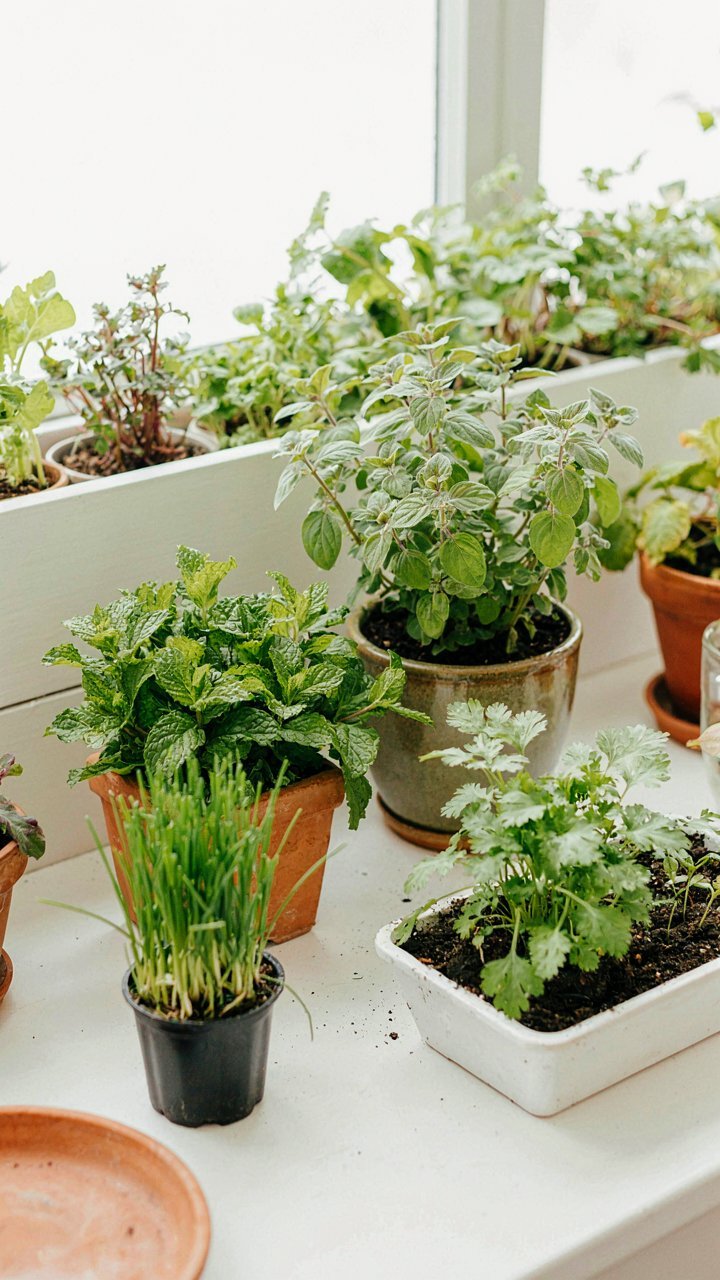
You want this section because basil feels safe, and safe herbs won’t make your kitchen garden look like you actually know what you’re doing. The mechanism is simple: yield economics. Basil produces leaves for maybe four months before bolting. You need herbs that work harder. Think of your counter space as real estate with a rental rate—some tenants pay more than others.
Cilantro, parsley, and mint move fast. They regenerate aggressively and tolerate neglect. Chives stay productive for years without replanting. Oregano and thyme grow woody but consistent. The overlooked ones work because they solve actual problems: cilantro replaces itself through self-seeding, mint expands to fill any container you give it, and tarragon delivers flavor without fussiness. Most people skip these because they sound boring compared to trendy microgreens.
- Cilantro: Bolts quickly in heat, so succession plant every three weeks. Produces harvestable leaves in thirty days. Self-seeds if you let one plant flower and dry.
- Chives: Perennial that regenerates after cutting. Produces year-round in most climates. Minimal water and light requirements compared to basil.
- Tarragon: French varieties deliver intense anise flavor from minimal plant material. One small plant supplies a household for months.
- Oregano: Thrives in poor soil where basil struggles. Dries well and concentrates flavor. Woody stems last multiple seasons.
- Mint: Invasive enough to be reliable. Single cutting regrows in days. Tolerates low light better than most culinary herbs.
The gap between what works and what sells is where real strategy lives. Garden centers stock basil because it moves inventory fast, not because it solves your actual problem. You need herbs that earn their counter space through output and longevity. Start with one plant each of chives, oregano, and mint—then measure which one you actually use.
Perennials Hold Value Longer Than Annuals
Most herb advice treats annuals and perennials as equal choices, which is wrong. A perennial herb is an investment that compounds—it gets established, produces more year over year, and requires replanting zero times. Basil is annual. You buy it, use it, replace it. That’s a recurring cost disguised as convenience.
Perennials like thyme, oregano, sage, and chives don’t need replanting. They winter over in most climates and emerge stronger. Annuals like basil, cilantro, and dill force you to restart the growth cycle repeatedly. The calculus depends on your actual use pattern. If you use cilantro once every three weeks, replanting makes sense. If you harvest basil three times weekly, the annual replanting tax becomes obvious. Perennials occupy the same square inch for years, which matters when kitchen counter space is limited.
The practical protocol: dedicate one corner of your garden to perennials, one to annuals. Perennials form the base layer—they’re always there, always producing. Annuals fill seasonal gaps and cover what the perennials don’t. This structure reduces decision-making and maximizes yield per square inch. One established oregano plant outlasts five seasons of basil replanting and outproduces it by volume.
Herbs Indoors: The Symbiotic System

Growing Things Together Works Better Than Growing Them Alone
You want your kitchen garden to look intentional, not like a scattered collection of impulse purchases. The real mechanism here is resource efficiency. Companion planting in indoor systems borrows from ecology: dominant and subordinate species share the same root zone, competing for water and nutrients in ways that actually reduce total demand. Basil near tomatoes suppresses certain pest populations. Parsley roots go deeper and don’t interfere with shallow-rooted chives. You’re not decorating. You’re building a miniature food web that runs on less attention.
The payoff isn’t sentiment. It’s density. When you stack complementary plants in one container or adjacent pots, you reduce the surface area needed on your counter. You lower watering frequency because the soil microbiome stabilizes. The system self-regulates faster than monoculture ever will. Put fast-growing basil with slower oregano. The basil won’t shade out the oregano because they have different vertical profiles and nutrient timing. Fewer pots. Longer intervals between watering. Better-looking display because it looks composed instead of random.
Mimic What Actually Happens In Nature
Nature doesn’t use static light. It uses cycles. Most indoor herb gardeners ignore this and wonder why their basil gets leggy. The mechanism is photoperiod sensitivity, borrowed from botany: plants don’t just measure light intensity, they measure day length to determine growth stage. Your kitchen gets inconsistent light throughout the day, which confuses the plant’s flowering clock. Basil thinks it’s time to bolt. Cilantro thinks it’s still in germination mode.
Indoor systems that work mimic seasonal light patterns, not just brightness. Use grow lights on a timer that gradually extends to 14-16 hours during growth phase, then drops to 12 hours when you want the plant mature and flavorful. This compresses what takes six months outdoors into eight weeks indoors. The system respects the plant’s actual biology instead of hoping static light will work. Rotate containers weekly to prevent uneven growth. Check soil moisture daily, not by schedule. When the top half-inch feels dry, water until it drains. Stop when it drains. That’s your protocol.
Jardinería En Macetas: The Stoic’s Planter

Container Selection For Real Results
You want the setup to look intentional, like you didn’t just grab whatever was on sale. That’s status anxiety dressed up as aesthetics. Here’s the mechanism: a container’s material determines heat retention, drainage speed, and root temperature stability. Terracotta breathes but dries fast. Ceramic holds moisture longer. Plastic retains heat and cheapens appearance. Concrete or stone lasts decades and handles freeze cycles without cracking. Pick one material per space and commit to it.
Size matters more than style. Most people undersize containers, forcing frequent watering and stunting growth. Basil needs six inches minimum depth. Rosemary needs ten. Larger containers create a moisture buffer you don’t have to micromanage. A five-gallon container outlasts three one-gallon rotations. Drainage holes aren’t optional. Without them, roots rot in weeks regardless of watering discipline.
Watering And Feeding On Autopilot
The conventional advice here is garbage: “Check soil moisture by sticking your finger in.” That’s guesswork dressed as method. Hydrology teaches us about soil water potential. In container gardening, your goal is consistent water availability without saturation. Use this protocol instead: water until it drains from the bottom, then wait until the top inch feels dry. Same time each day eliminates variables.
- Self-watering containers: Built-in reservoirs maintain consistent moisture without daily attention. Ideal for irregular schedules or travel periods.
- Drip irrigation on a timer: Delivers water directly to soil at dawn. Eliminates guessing and works across multiple containers simultaneously.
- Moisture meters under ten dollars: Remove subjectivity from the finger test. Digital readouts show exact soil water content in seconds.
- Mulch layer two inches deep: Slows evaporation, reduces watering frequency by 30 to 40 percent, and keeps soil temperature stable.
- Feeding every two weeks during growth: Use diluted liquid fertilizer at half strength. Container soil depletes faster than ground soil because water leaches nutrients with each drain cycle.
Feeding needs shift with seasons. Spring to early fall demands nitrogen for leaf growth. Cut feeding in half when growth slows in winter. Overfeed and you burn roots. Underfeed and you starve production. The mechanism is simple: constant nutrient availability without excess keeps yields high and flavor dense without pushing the plant into stress mode.
Indoor Herb Garden Ideas: The Anti Fragile Approach

Design For Shock And Recovery
You want your herb garden to look intentional, not like you’re preparing for collapse. Here’s the mechanism: systems designed to absorb disruption without breaking down recover faster than optimized systems designed for one perfect condition. In antifragility theory borrowed from risk management, redundancy isn’t waste—it’s structural integrity. Your herb garden needs the same logic. A single basil plant in a single pot on a single shelf fails when one variable changes: light shifts, you travel for two weeks, a pest arrives. The garden dies. You replace it. Nothing adapts.
Build your layout so multiple growing zones exist in your kitchen. A windowsill setup, a countertop light system, and a backup corner shelf mean if basil fails in one location, it thrives somewhere else. Rotate which plants occupy which zones seasonally. Position containers so sunlight gaps don’t eliminate your entire crop if one plant gets moved or damaged. This isn’t redundancy for show. It’s redundancy for operational continuity. When you design this way, your herb garden survives the inevitable chaos of actual kitchen life instead of collapsing at the first real test.
Overlap Your Species Strategically
Generic advice says grow what you cook with. Wrong framing. The real question is which plants perform the same function so losing one doesn’t crater your kitchen workflow. Basil, oregano, and marjoram all fill the same slot in Mediterranean cooking. Cilantro and parsley both work as fresh garnish and flavor base. Thyme and sage operate in the same flavor band for roasting and soups. When you plant this way, failure of one species doesn’t mean you suddenly can’t make your standard meals.
Pick herbs that share identical growing requirements so you’re not managing five different watering schedules and light levels. Basil, cilantro, and parsley all want consistent moisture and 6-8 hours of light daily. Rosemary, thyme, and oregano all prefer drier soil and handle neglect. Group them by requirement, not by cuisine. If your light system fails temporarily, the drought-tolerant herbs survive while you fix the problem. The tolerant herbs become your buffer. This approach turns a temporary setback into a minor inconvenience instead of a complete restart.
The Cultivation Mindset: Your Kitchen As A Living Lab
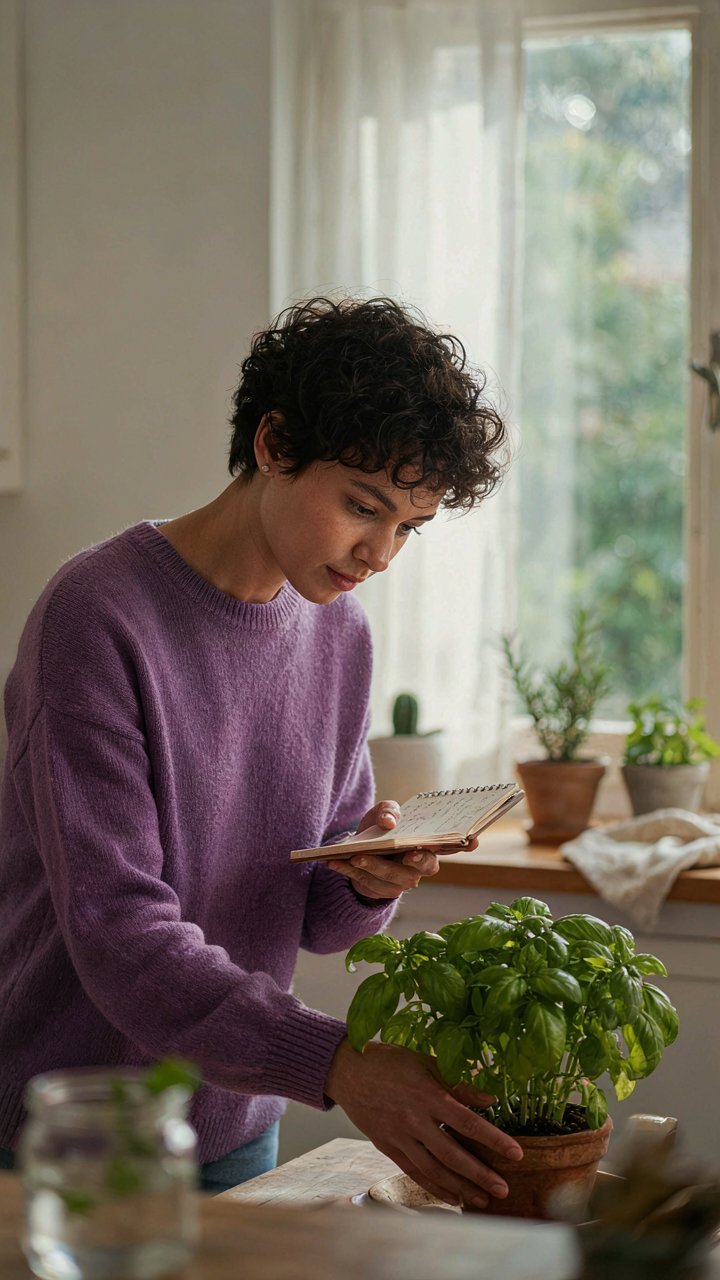
Watch What Actually Happens
You want this section to validate that you’re already doing it right. The real mechanism is simpler: most people treat their kitchen herb garden as a static purchase, not a system that demands feedback. Observation means tracking what dies, what thrives, what you actually use versus what sits untouched. This is biology’s feedback loop applied to your counter. Write down which herbs you harvested last week. Most people can’t answer that question.
The gap between intention and reality lives in the data you refuse to collect. Your basil doesn’t fail because you’re unlucky. It fails because you watered it on a schedule instead of reading soil moisture. Your parsley doesn’t get used because you planted it in a corner and forgot it existed. Start documenting three variables: light hours the plant receives daily, soil moisture when you water, and harvest frequency. After two weeks, patterns emerge that no article can predict for your specific kitchen.
Breaking The Buy And Abandon Cycle
The consumer mentality tells you a better planter or seed variety will fix your problem. It won’t. You’re paying for the feeling of control, not the actual result. A kitchen herb garden succeeds through protocol, not products. Most people buy herbs, use them twice, and compost the rest because they never built a system that forces regular harvesting. The mechanism is behavioral: if you don’t structure a reason to touch the plants, they become decoration that dies.
Build one non-negotiable rule: every time you cook, you harvest from the garden first. Not when you remember. Not when the recipe calls for it. Every meal prep or cooking session starts with a walk to your herb garden to see what’s ready. This single protocol transforms the garden from a nice object to an integrated tool. You harvest more, use more, which triggers faster growth, which makes you harvest again. The cycle sustains itself through action, not intention.
The Stylish Home Is A Mirage; Cultivation Is The Only Reality
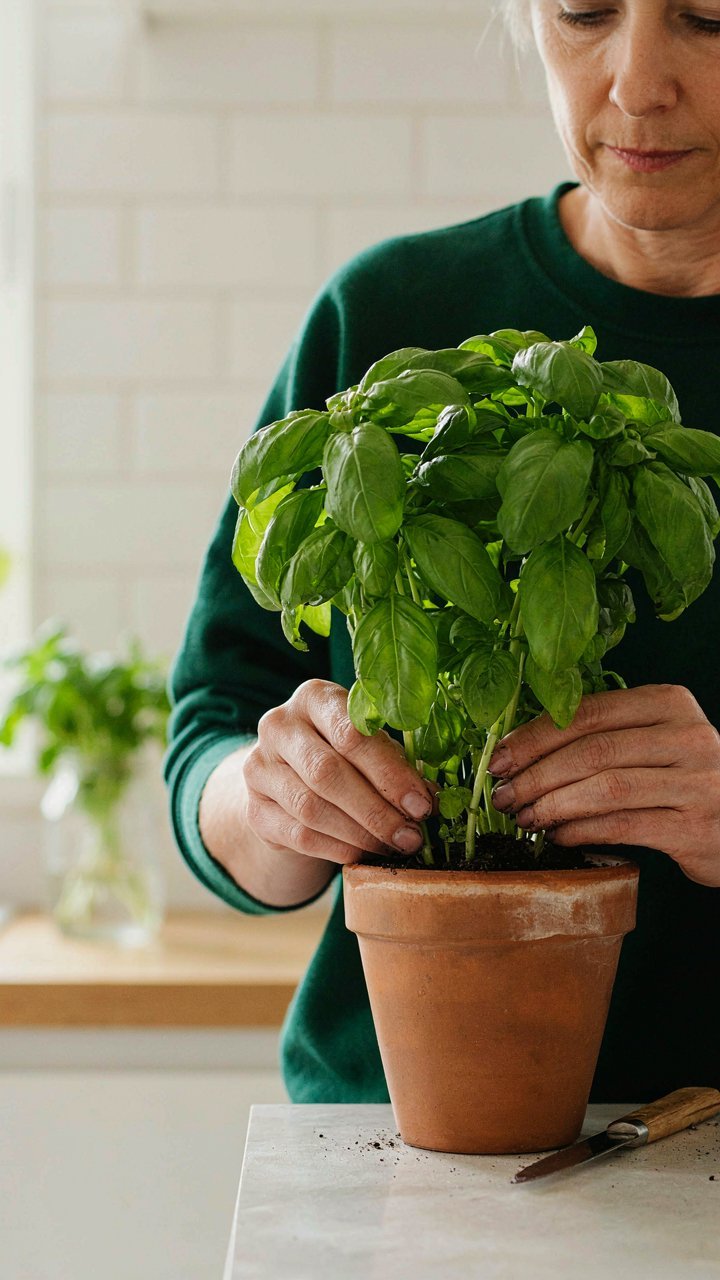
Stop treating your kitchen herb garden as décor. The moment you plant basil, you stop scrolling design blogs and start asking real questions: Does this soil drain? Am I watering at dawn or killing roots? Suddenly your home becomes alive instead of curated. Pick one herb today, get dirt under your fingernails, and realize that style follows from systems, never the reverse. A garden you tend beats a showroom you merely inhabit.