
The Illusion Of The “Beautiful Bouquet”: Why Generic Fails

Mass Market Flowers Don’t Signal What You Think
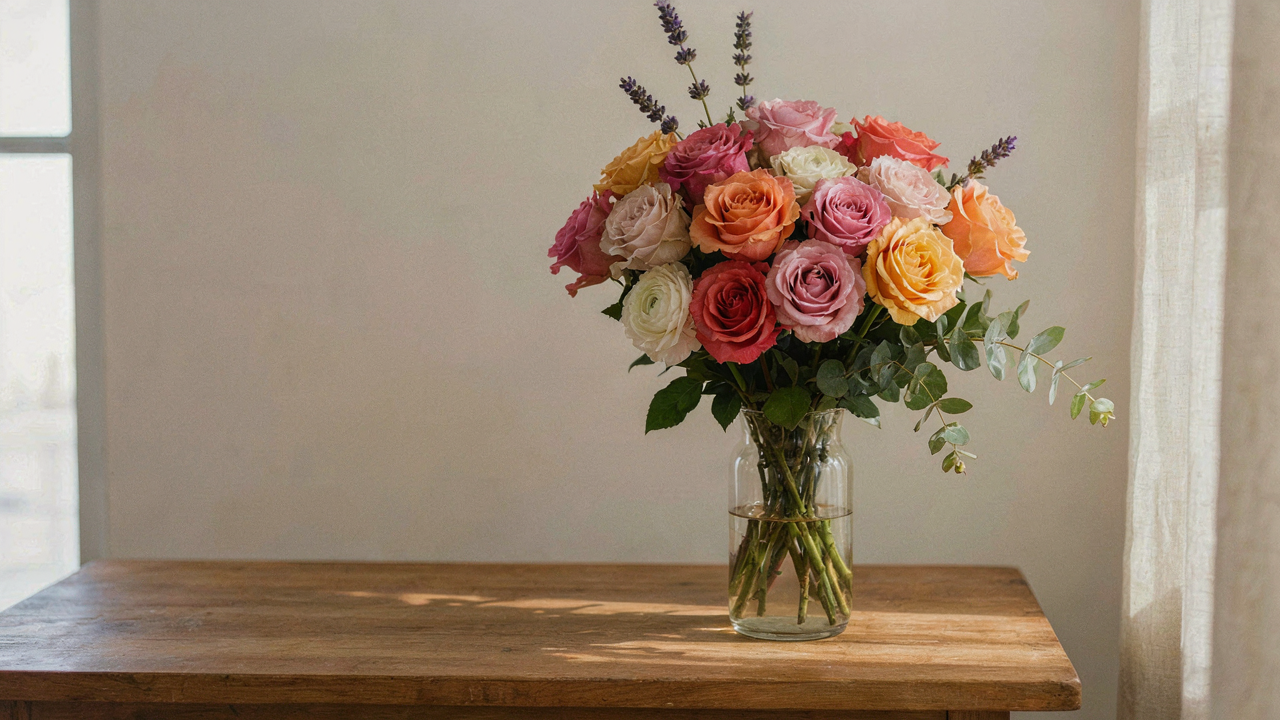
You’re worried the gift won’t look impressive enough. Here’s the mechanism nobody states: mass-market bouquets have inverted the economics of signals. In signaling theory, effort proves intent. A store-bought arrangement from a supermarket shelf signals zero effort and maximum convenience. The flowers arrive pre-arranged, pre-wrapped, pre-decided. Your partner receives a product designed for scale, not for them.
The commodity flower industry optimized for one metric: shelf life and transport durability. This means growers select varieties bred for longevity, not scent, color depth, or uniqueness. You get tulips that last three weeks but smell like nothing. You get roses that arrive already browning at the stem because they’ve traveled four days in a box. The arrangement itself follows templates refined across thousands of deliveries. There is no decision-making visible in it.
When Effort Becomes Currency
The real rule: perceived effort drives perceived value. This isn’t psychology fluff. It’s basic resource allocation. When someone invests time or thought into your gift, they’ve spent something non-renewable. A generic bouquet costs thirty minutes of your attention, maximum. A sourced arrangement costs research, comparison, communication with a florist, and specificity about what your partner actually wants.
The florist who asks you three questions about your partner’s preferences and then selects flowers accordingly makes that effort visible. They might source a variety unavailable at chains. They might design around a color palette you mentioned once. They might include a flower with actual fragrance. The recipient sees this. They calibrate the value not by price but by evidence of thinking. Build your anniversary flower gift by answering one question first: what would require you to know your partner well enough that a stranger couldn’t execute it.
The Intentional Anniversary Bouquet: Beyond Basic Blooms
Flowers That Match Where The Relationship Actually Is
You want the bouquet to say something true about your relationship without looking like you’re trying too hard. That’s the real tension here. The mechanism is simple: flower choice signals relationship stage because each stage has different communication needs, and flowers either amplify or contradict the message you’re sending.
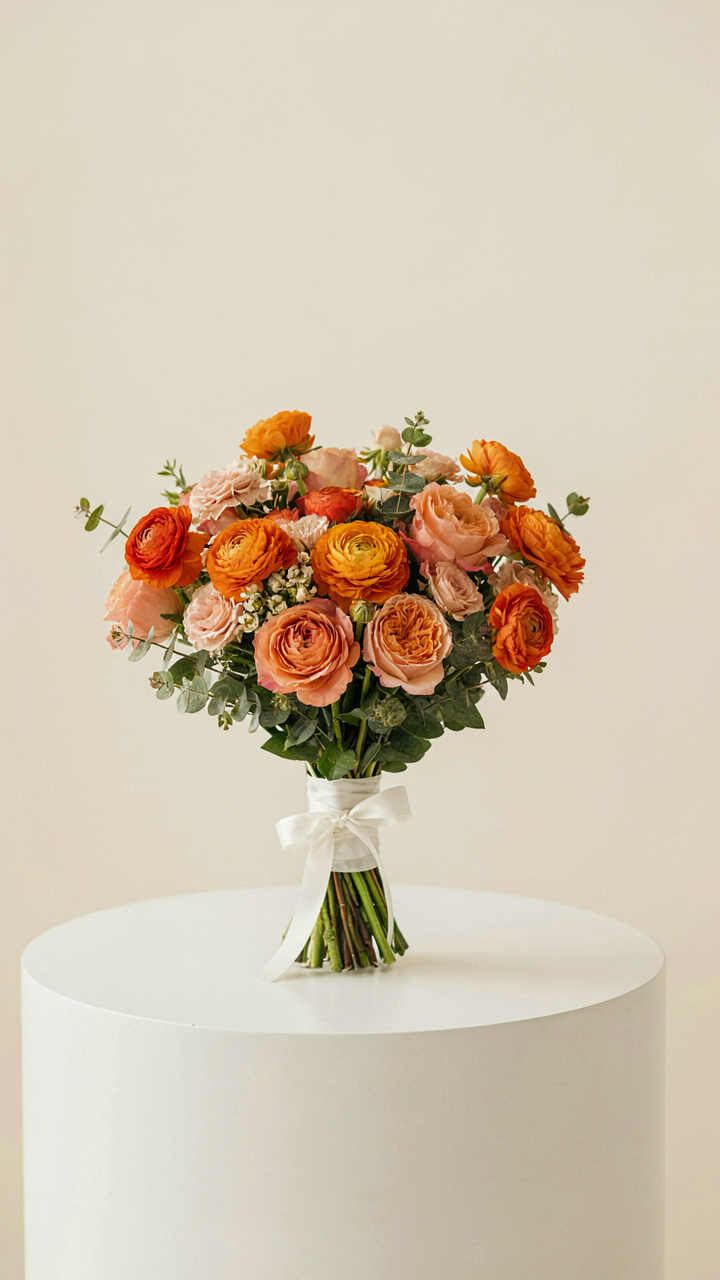
Early anniversaries (one to three years) need flowers that convey momentum and novelty. Tulips, garden roses, and ranunculus work because they have architectural structure and don’t feel like default sentiment. They say you’re paying attention to the specifics, not just grabbing what the florist pushes. The blooms themselves are still opening, which mirrors the relationship phase.
Mid-range anniversaries (five to fifteen years) benefit from flowers with depth and established presence. Peonies, dahlias, and certain hybrid roses communicate stability without boredom. These flowers have complexity in their bloom structure. They’re not trying to prove anything, which matches couples past the performance phase. The selection here shows you understand the relationship’s actual texture, not just its calendar marker.
Long anniversaries (twenty years and beyond) call for flowers that communicate endurance and rarity. Orchids, garden roses with unusual coloration, and permanent dried arrangements become relevant because they don’t wilt predictably. Florists often miss this entirely. A couple at thirty years doesn’t need the same visual language as a couple at three. The flower choice becomes a statement about what you’ve both built, not what you’re still building.
Stories Built Into The Selection Process
Personal narratives don’t happen by accident in flower selection. Most people skip this step because it requires actual memory work. You have to dig into specific moments: where you met, what bloomed that season, what flower was in the room during a significant conversation. These details are the only thing that separates an intentional gift from a generic one.
The mechanism borrowed from narrative design is called “specificity anchoring.” A single specific detail makes everything else believable. If your first date happened in spring and you remember seeing magnolias, sourcing magnolias (or a close seasonal equivalent) for the bouquet creates recognition before conscious thought. The recipient doesn’t need to be told the connection. The visual does the work.
Build the selection backward from a memory, not forward from what’s available. Ask yourself: what flower do I genuinely associate with a moment that matters to both of us? Not what sounds romantic in theory. The answer usually lives in one of three places: a place you’ve been together, a season tied to the relationship’s timeline, or a flower mentioned in conversation that stuck with you. Once you have that anchor, you build the rest of the arrangement around it, using complementary blooms that don’t compete for attention.
The practical step is this: write down one specific memory tied to a flower or season. Then tell your florist that detail explicitly. Not as sentiment, but as a design constraint. A good florist uses constraint as creative fuel, not as a limitation.
The Scarcity Protocol: Making Your Anniversary Rose Bouquet Stand Out
When Seasonality Becomes Your Competitive Edge
You want your gift to feel rare because rarity signals investment and thought. Here’s what matters: florists operate on seasonal cycles, and knowing these cycles gives you leverage that generic “year-round roses” cannot match. Garden roses peak in late spring and early summer. Peonies arrive for a narrow window between May and June. This constraint is your mechanism. When you gift flowers outside their natural season, you’re forcing the florist to source from specialty growers or warehouses, which increases cost and proves deliberate selection on your part.
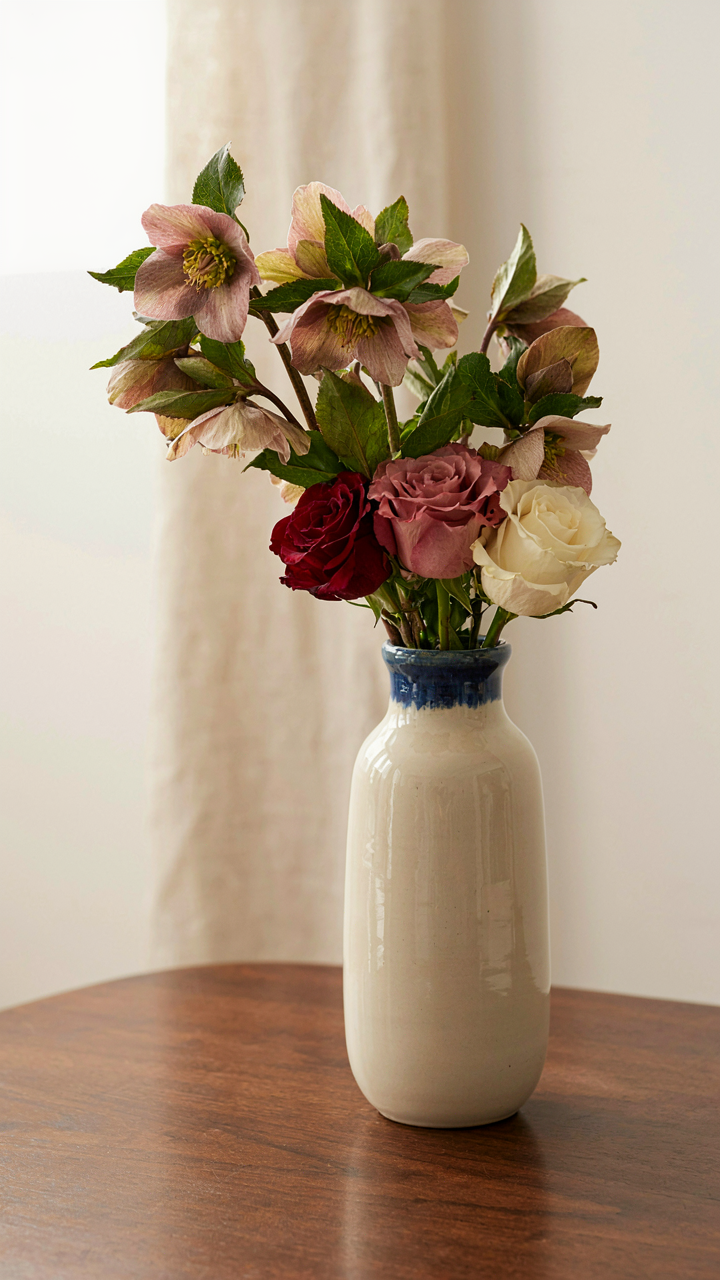
The real move is timing your anniversary gift to align with actual seasonal availability rather than fighting it. A winter anniversary built around winter-blooming hellebores or preserved garden roses signals you understand the calendar. A summer anniversary featuring peak-season peonies costs less but feels more abundant and considered. Most people miss this entirely because they assume flowers exist in permanent supply. They don’t. Work with the season, not against it, and the gift automatically carries more weight because it reflects real constraints you navigated.
Limited Edition Presentations Drive Perceived Value
Building a limited edition flower arrangement isn’t about adding complexity for its own sake. It’s about applying the economics principle of artificial scarcity to a tangible product. You create a constraint that cannot be replicated by ordering the same arrangement twice. One tactic: commission a florist to build your arrangement with a specific rare cultivar available only during a two-week window. Document this limitation in a card. You’ve now created something that literally cannot be purchased again in that exact form.
Another mechanism is the numbered edition approach. Partner with a florist to design three specific anniversary arrangements, each available only in runs of five or ten during your chosen month. You’re the first recipient of Edition One. This isn’t marketing fluff. The florist physically limits production and you now own something with documented scarcity. The psychological effect on the recipient is sharp and measurable: they know this arrangement cannot be casually replicated because the materials or the numbered slot no longer exist. This is how you move beyond “nice flowers” into territory where the gift holds meaning beyond aesthetics.
Preserved Roses: The Anti Ephemeral Statement
Why Permanence Matters More Than You’ll Admit
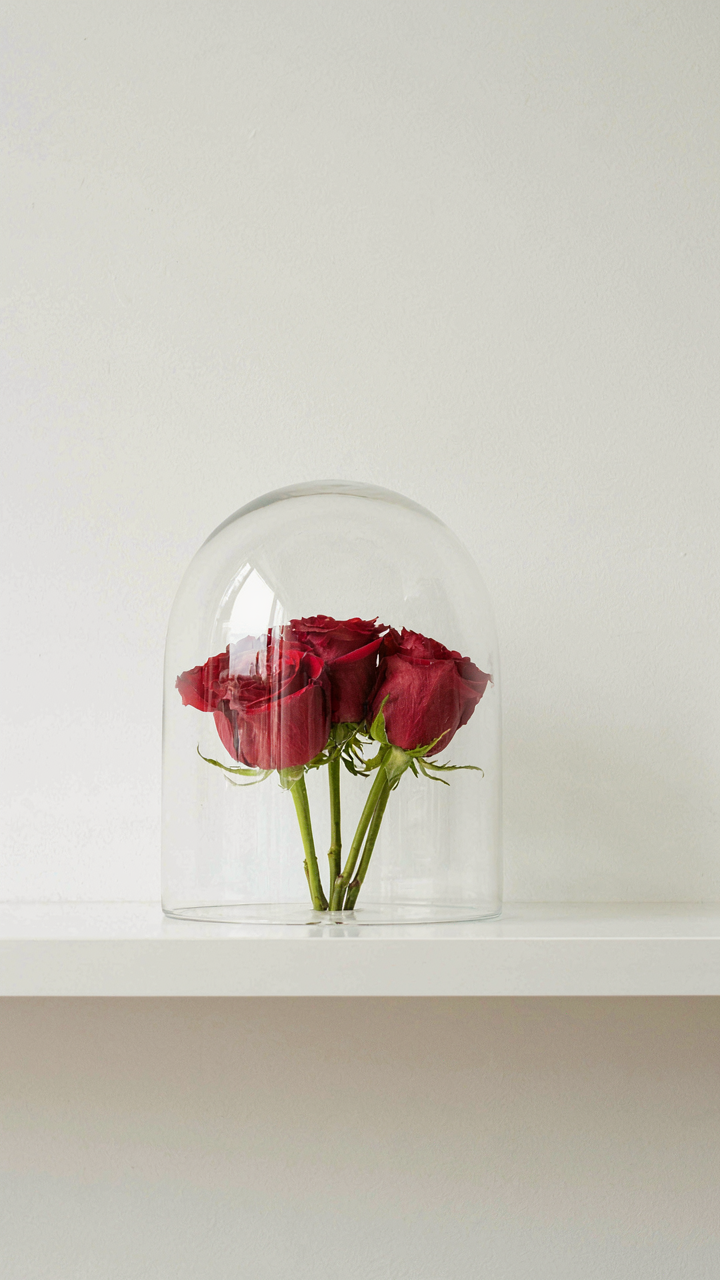
You want proof the relationship will last. That’s the real driver here, not sentimentality. Preserved roses work because they operate on the scarcity principle from economics: they defy the natural decay curve that kills fresh flowers in days. A fresh bouquet dies on schedule. A preserved rose forces a choice: either throw it away deliberately or let it sit as ambient evidence that what you built together survives time. The psychology flips. Instead of watching something wilt, you watch something endure.
Preserved roses use a glycerin replacement process that halts cellular degradation. The flower stays intact for years, sometimes a decade, because water no longer feeds the decay cycle. This isn’t preservation theater. It’s a material fact that changes the emotional calculus of the gift. Your anniversary doesn’t need to collapse into memory every seven days.
The Enduring Gift In Practical Terms
Most people buy fresh flowers because that’s what anniversaries have always meant. Wrong. Fresh flowers work for apologies or casual gestures. For anniversaries, they’re a renewal statement that disappears before the next week. Preserved roses let you build a physical artifact of the relationship. It sits on a shelf, a desk, or nightstand. It doesn’t demand maintenance. It doesn’t brown and drop petals across surfaces. It simply exists as a marker.
The mechanism is simple: order a preserved rose arrangement four to six weeks before your anniversary, selecting colors or configurations that match your spouse’s actual aesthetic preferences, not generic “romantic” defaults. Display it in a low-humidity space away from direct sunlight to maximize its lifespan. The gift does the work for you, requiring no replanting, no daily watering, no guilty disposal after the petals fall. It becomes part of the environment, a quiet anchor that doesn’t demand attention but doesn’t fade either.
The Signal To Noise Ratio: Happy Anniversary Bouquet Messaging
What Your Arrangement Actually Communicates
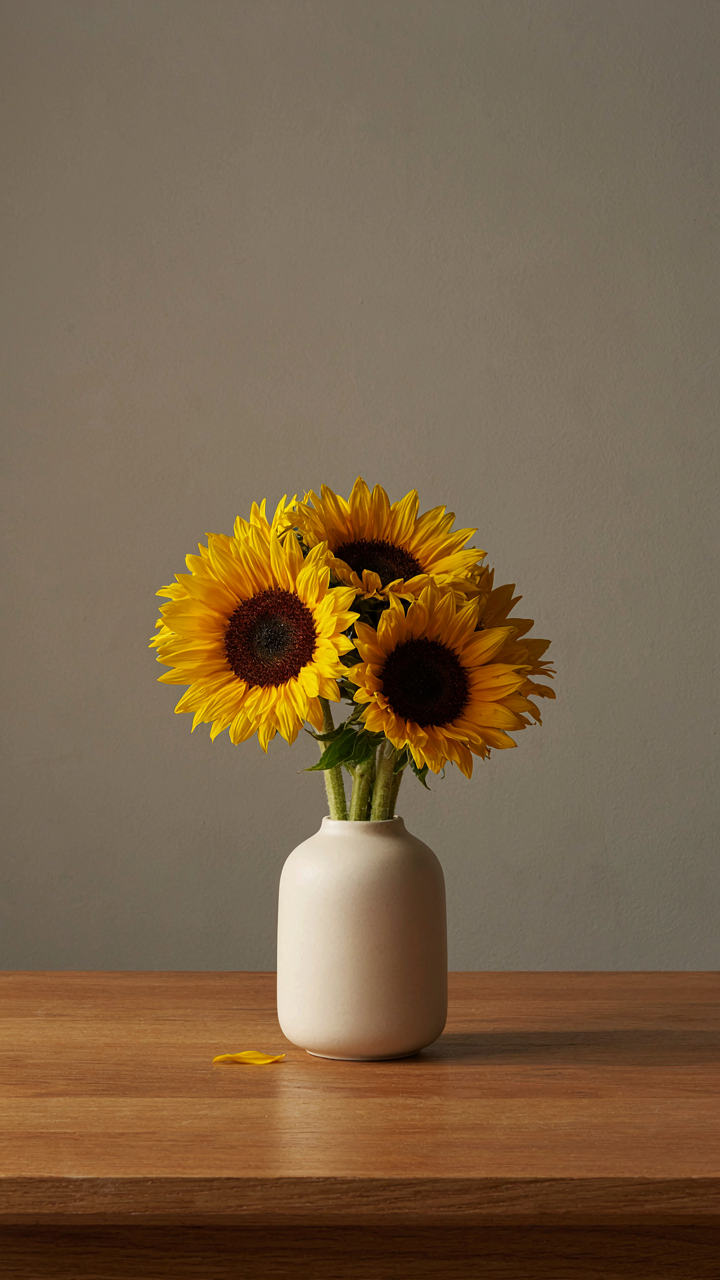
You’re worried the flowers won’t say what you mean, so you’re hoping the right combination will fix a lazy choice. That’s the real problem here. Information theory treats communication as signal versus noise. A bouquet is your signal. Everything else is noise. The flowers themselves carry meaning only when they cut through the recipient’s daily visual clutter and land as intentional, specific, and unexpected in the right way.
Most anniversary bouquets fail because they’re generic. Red roses say nothing specific to a 15-year marriage versus a 2-year one. The recipient processes them as “expected,” which isn’t a message—it’s background radiation. Your job is to make the flowers stand out not through size or cost, but through deliberate choice that contradicts what they predicted you’d send. That’s when the gift shifts from decoration to communication.
The Economy Of Visual Restraint
People think more flowers equal more emotion. Wrong. More flowers equal more noise drowning out your signal. Remove everything that doesn’t reinforce your specific message about this anniversary and this person. If you’re celebrating stability, a tight mono-stem arrangement in one color speaks louder than a explosion of mixed varieties competing for attention.
The mechanism is contrast. A simple arrangement in an unexpected color or texture stands out precisely because it violates the recipient’s expectation of what an anniversary bouquet looks like. They notice it. They remember it. They tell people about it. That’s not a feeling—that’s the arrangement functioning as intended. Choose three elements maximum: flower type, color, and one textural component. Everything else you cut.
The “Anniversary Flowers” Deep Dive: Uncovering Hidden Meanings
What Flowers Actually Signal Beyond Their Color
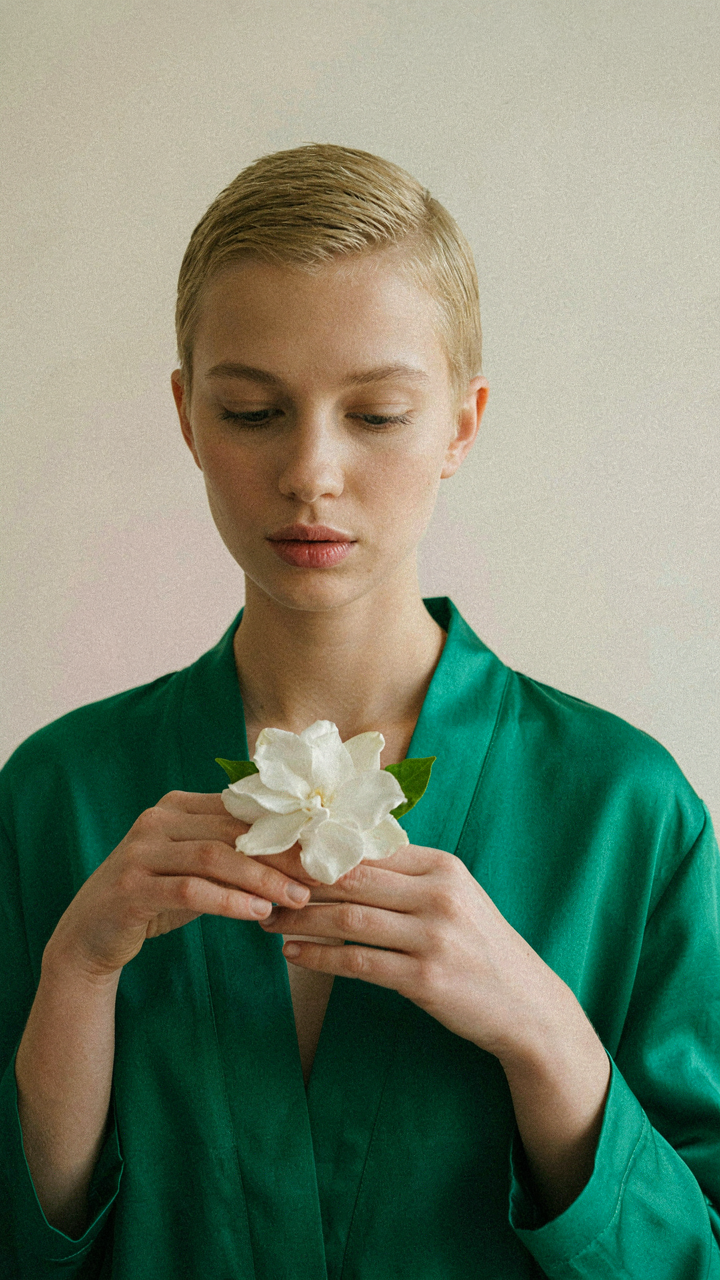
You care about this section because you want to avoid looking like you put zero thought into a gift. The mechanism is simple: flower type communicates specificity. Anyone can grab red roses. The person who knows that peonies signal ten years of marriage, or that gardenias mean secret love in Victorian flower language, shows they researched. They invested cognitive effort. That gap between generic and intentional is where perceived value lives.
Flower type carries harder information than color alone because it’s rooted in botanical origin and historical association. Roses come from Central Asia. Tulips trace to the Ottoman Empire. Peonies dominate East Asian gardens. These origins shaped how different cultures assigned meaning to each bloom. A peony anniversary gift to someone with Chinese heritage reads differently than the same flower to someone with no connection to that tradition. The flower’s origin story becomes part of the gift’s subtext whether you acknowledge it or not.
Where Personal History Overrides Tradition
Consensus advice says to follow the flower chart: red for passion, white for purity, yellow for joy. That’s incomplete. Cultural significance matters less than whether your recipient has a personal association that contradicts the traditional meaning. If someone’s mother grew sunflowers and died five years ago, a sunflower bouquet triggers grief, not celebration. Your job is to ask one direct question before buying: does this flower carry personal weight for them?
The mechanism here is psychological anchoring. The first strong emotional memory attached to a flower overrides any cultural symbolism. That memory becomes the true meaning. You can’t predict this without asking or knowing their history. The gift either lands because you understood the real context, or it misfires because you followed a generic chart. Before selecting flowers, map what matters to this specific person. That step determines whether the gift reads as thoughtful or tone-deaf.
Beyond The Bloom: The Experiential Flower Bouquet Anniversary
Flowers As The Opening Move
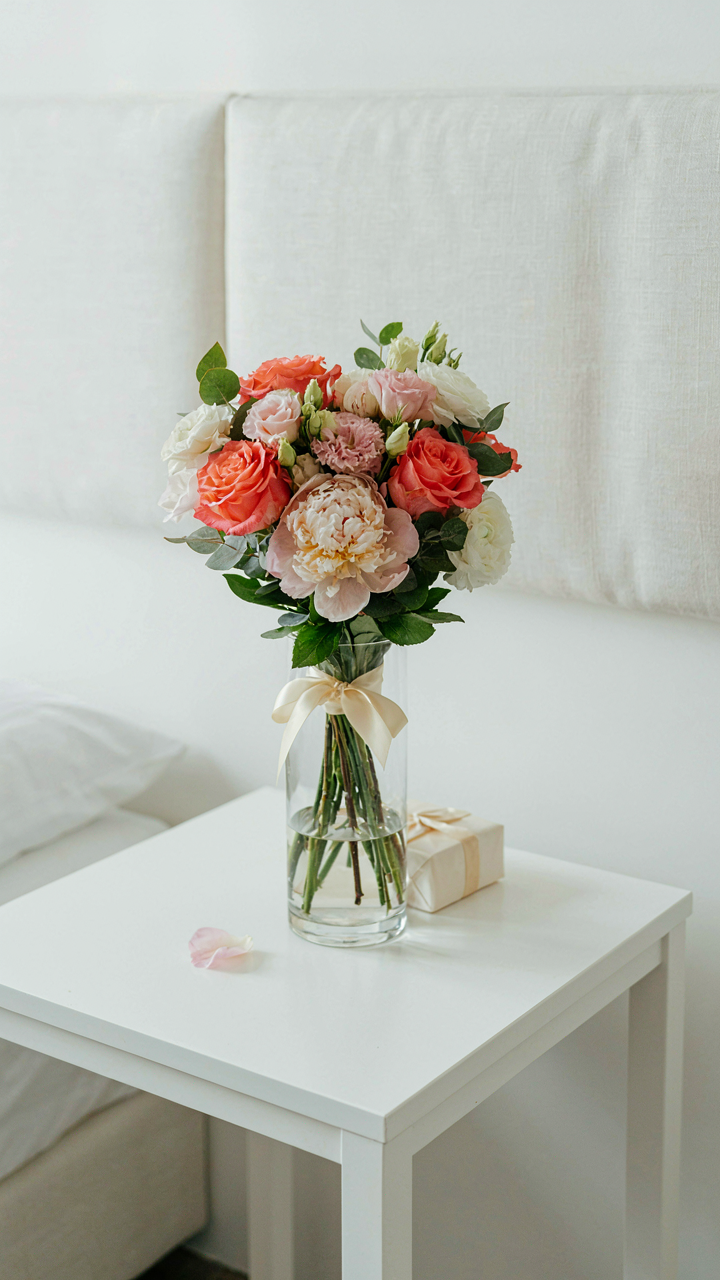
You want this gift to feel rare. That’s the real driver. Most anniversary gifts sit on a shelf and fade into the background noise of your relationship. The mechanism is simple: flowers alone trigger a dopamine hit that lasts about three days. Pair flowers with an experience and you’ve reframed the gift as a shared memory, not an object. The experience becomes the artifact. The flowers become the signal that something deliberate is happening.
Bundle the bouquet into a planned moment instead of handing it over in isolation. A dinner reservation where flowers arrive at the table. A weekend trip where they wait in the hotel room. A hike where you’ve arranged for someone to deliver them at a specific overlook. The flowers aren’t the gift anymore. They’re the punctuation mark on an experience you designed. This is how you make it stick.
Building Tension Before The Reveal
The common advice says “surprise them with flowers.” That’s backward. Surprise without anticipation is just a jolt. What works is signaling that something is coming without revealing the full picture. This uses the principle of delayed gratification from behavioral economics: people value outcomes more intensely when they’ve waited for them than when they receive them immediately. Drop hints. Change your behavior slightly. Schedule the day differently. Let them feel that something is being planned.
Create a specific window where they know something happens but not what. Tell them to block off Saturday evening without details. Send a single cryptic message a day before. Ask what flowers they actually prefer weeks in advance under the guise of casual conversation, then use that intel. The anticipation reshapes how they experience the moment. When the bouquet arrives within that context of waiting, it lands differently. The gift works because they’ve had time to construct meaning around it before it exists.
The Strategic Recipient Analysis For An Anniversary Bouquet Flowers
Who Actually Receives The Bouquet
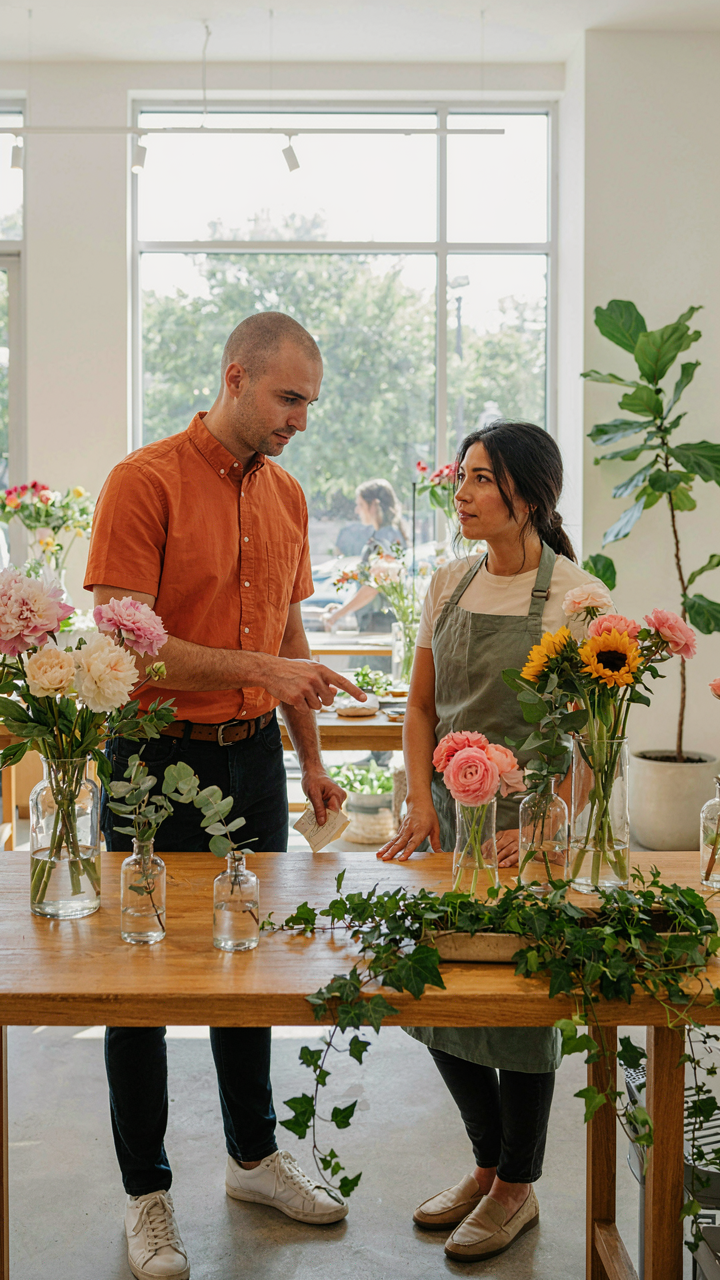
You want to believe the bouquet matters equally to everyone, but that’s denial. The person receiving it has a specific history, psychology, and set of unmet needs that determines whether flowers land as thoughtful or generic. This is segmentation thinking from direct marketing: you’re identifying which recipient profile you’re actually buying for, then building backward to the right flowers.
A spouse of twenty years processes flowers differently than someone in year two. A person who grew up in a house full of plants reads flower choice as cultural fluency. Someone who’s never received flowers before interprets the gesture entirely through novelty. The bouquet doesn’t change. The recipient’s interpretation does.
The Mechanism Of Personal Preference Over Assumption
Most people default to “flowers are flowers” and pick based on what looks expensive or trendy. That’s the lazy move. Real targeting means knowing whether your recipient actually likes cut flowers, prefers low-maintenance blooms, has color sensitivities, or associates certain flowers with grief or difficult memories.
The effective protocol: ask oblique questions weeks before the anniversary. What flowers do they notice in public spaces? Have they mentioned disliking certain scents? Do they keep plants alive or let them die? Do they prefer arrangement density or minimal, spacious design? Build a one-paragraph profile from these answers, then match flower types and arrangement structure to that profile. The bouquet becomes predictable to them because it reflects what they’ve already told you.
Curating The Beautiful Bouquet Of Flowers: A Connoisseur’s Approach
Fewer Stems, Sharper Impact
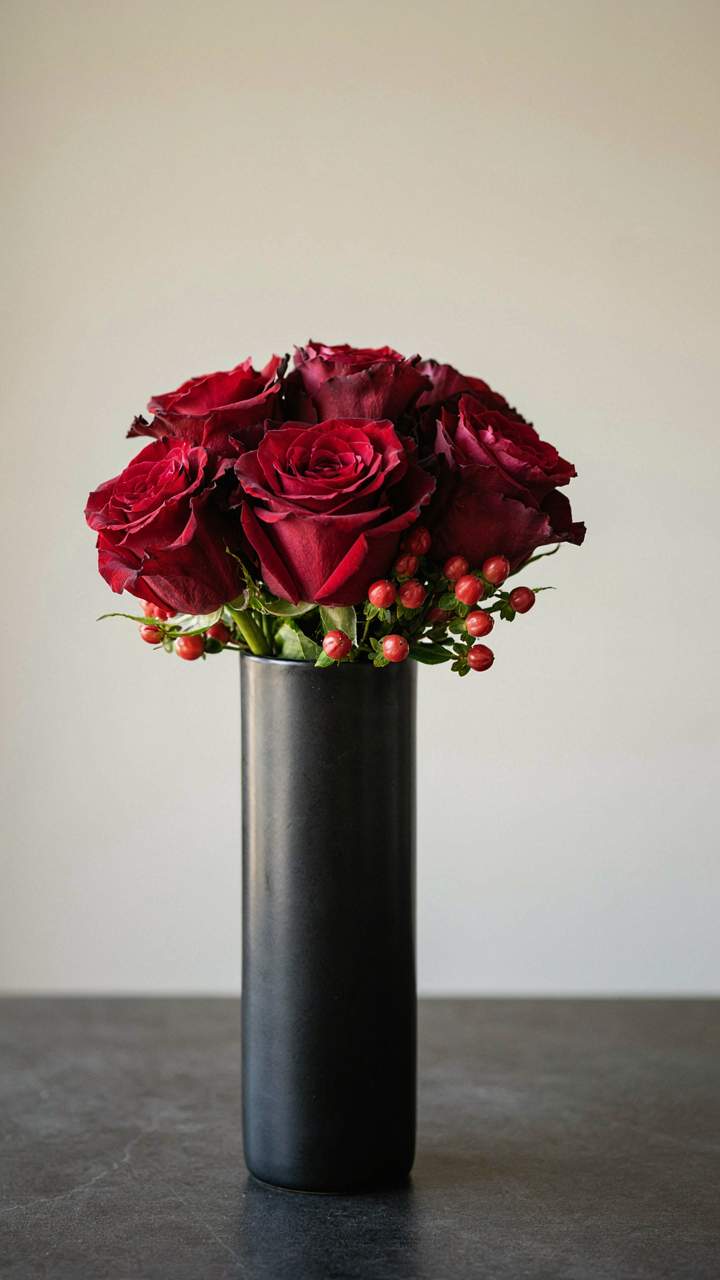
You want the recipient to think you know something they don’t. That’s the real reason this matters. The mechanism is scarcity and density. In economics, scarcity drives perceived value. Apply that to flowers: five premium stems create more visual weight and memorability than fifteen commodity blooms. A tight arrangement of garden roses and hypericum berry reads as intentional. A loose spray of filler material reads as filler.
Quality stems cost more per unit but produce better ROI on perception. Choose flowers with thick stems, tight petals, and zero bruising. Roses, peonies, and dahlias hold their form longer than cheaper alternatives. Skip the statice and solidago that florists use to mask weak arrangements. Every stem should earn its space through color, texture, or form contribution.
- Garden Roses Over Spray Roses: Thicker stems, more petal layers, hold shape for two weeks versus five days. Each bloom reads as a decision, not filler.
- Seasonal Over Year-Round: Peonies in spring, dahlias in fall, tulips in winter. Seasonal flowers cost less because they’re abundant, arrive fresher, and signal you paid attention to timing.
- Odd Numbers In Groupings: Three stems of one type, five of another. Even clusters feel accidental. Odd numbers create rhythm and intentionality.
- Single-Variety Arrangements: Ten stems of one flower type beats a mixed parade. Repetition builds visual authority and ages better than diversity.
- Specimen Blooms As Anchors: One large peony or garden rose becomes the focal point. Surrounding stems support rather than compete, doubling perceived investment.
The difference between a gift that lands and one that doesn’t is whether the recipient can sense discipline in the selection. They won’t know why. They’ll just know it mattered.
The Container Speaks Before The Flowers Do
Presentation isn’t decoration. It’s the frame that signals whether the arrangement is an afterthought or a statement. Most anniversary flowers arrive in clear glass vases that do zero work. Clear glass broadcasts “generic floristry.” Opaque containers, ceramic vessels, or matte finishes force the eye to focus on the flowers themselves and create context that suggests intentionality.
The vase proportions must match stem count. Tall, narrow vessels work for three to five stems. Wide, low bowls suit ten to fifteen stems. Mismatch creates visual chaos. Florists default to twelve-inch vases regardless of content because it’s standard. You override standard by specifying vessel dimensions alongside stem selection. The recipient keeps the vase after flowers die. That’s your real legacy.
Your Greatest Obstacle Isn’t Finding The Right Flower, But Overcoming Your Own Lack Of Intention
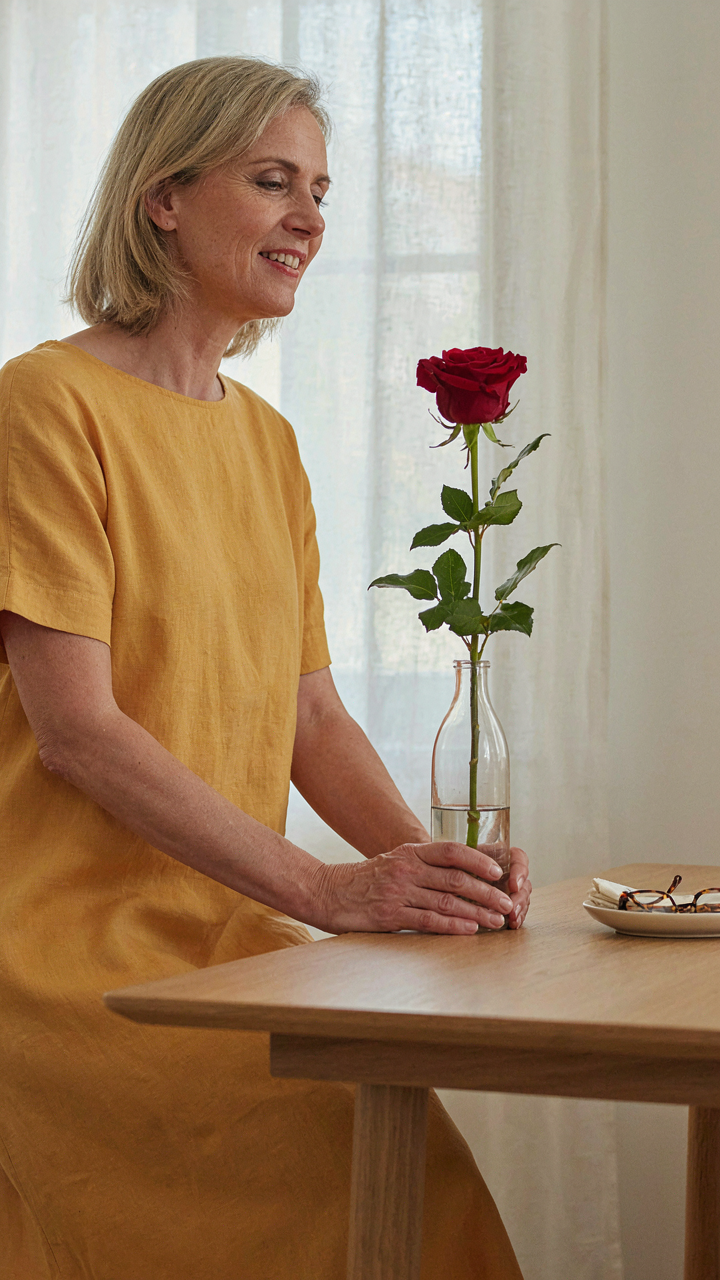
Most people buy a flower gift for anniversaries because they feel obligated. They panic two days before and grab whatever looks decent. That’s not romance. That’s avoidance. The real move is deciding right now, today, that your partner deserves something you actually thought about. Pick a flower that means something to you both. Order it tomorrow. Stop treating anniversaries like a box to check and start treating them like a chance to prove you still choose them. Your gift only hits hard when your intention comes first.



