
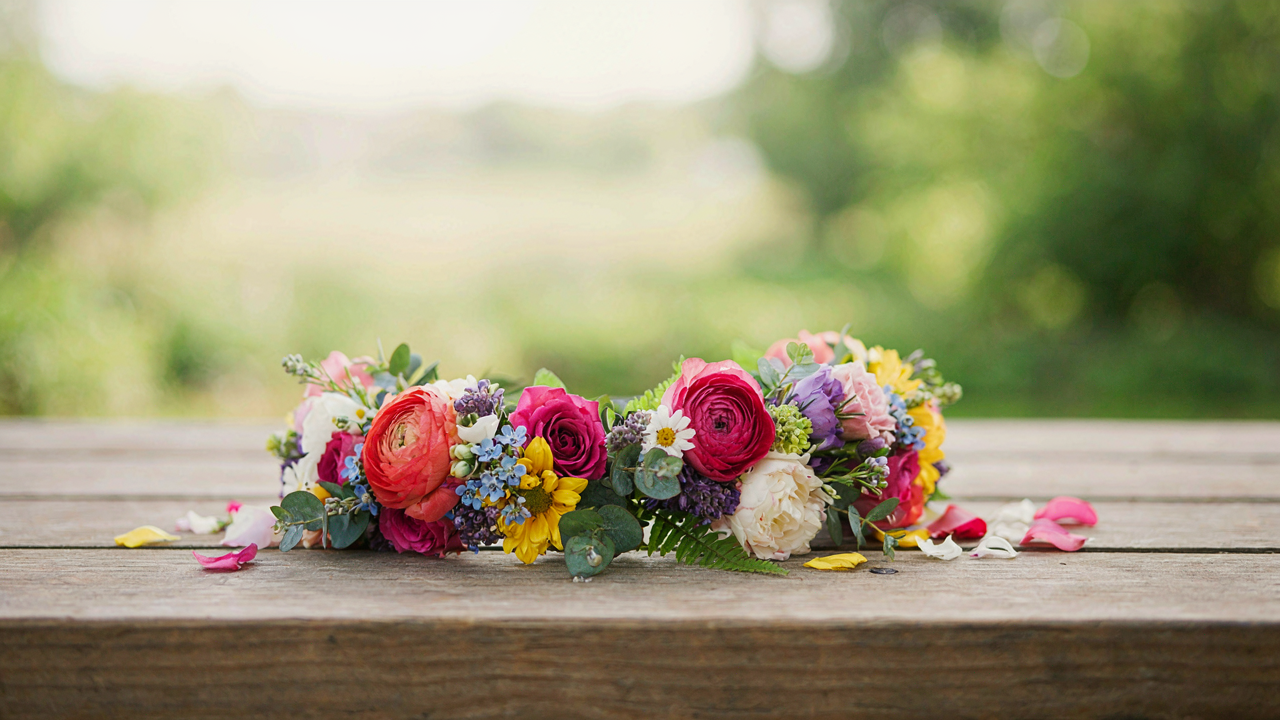
The Floral Headpiece Delusion: Why “Pretty” Misses The Point
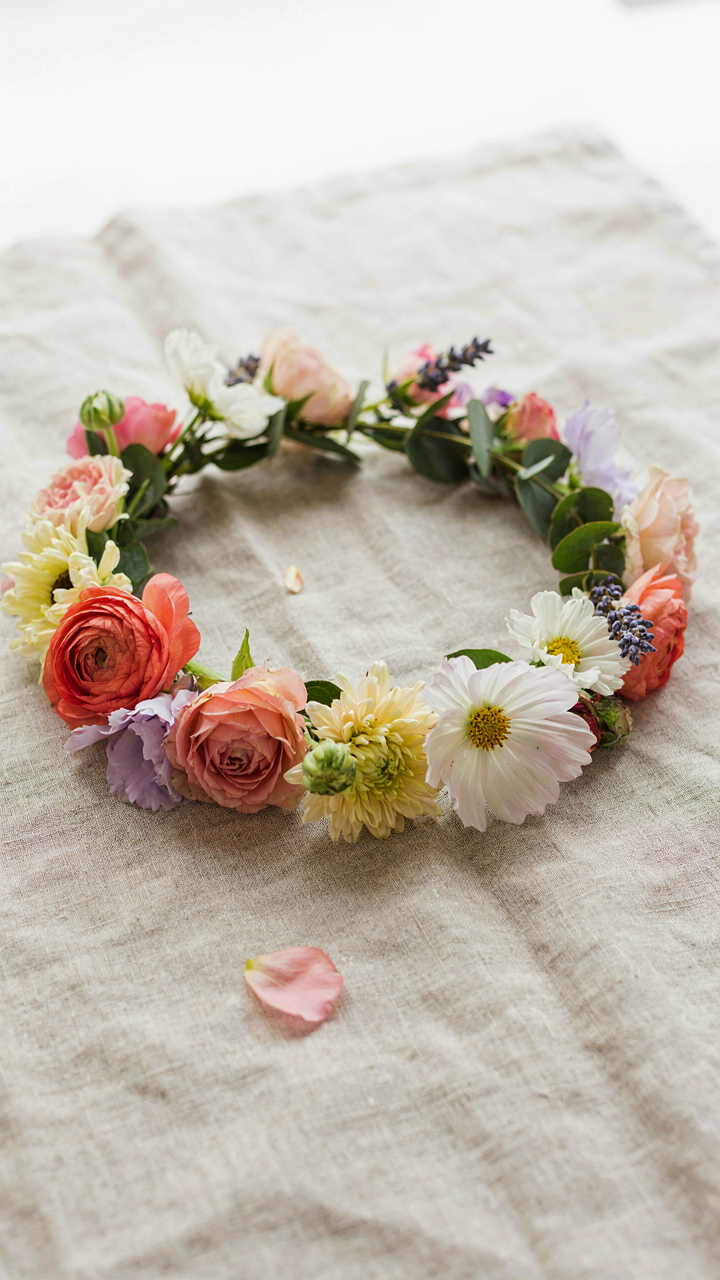
Sterile Perfection Kills The Frame
You want the flower crown to make you look good in photos. That’s the real motive. But here’s what actually matters: a flower crown works like signal amplification in communications theory. It doesn’t create beauty—it magnifies whatever emotional state you’re already broadcasting. Most people build crowns chasing symmetry and flawless blooms. They miss the mechanism entirely.
Dead-center symmetry reads as artificial. Your brain evolved to detect living things, and living things are asymmetrical. A flower crown with intentional gaps, stems showing, one side slightly heavier than the other, creates recognition. The camera captures that raw signal. The viewer feels presence instead of decoration.
The Raw Material Problem
Nobody talks about this part. When a flower crown looks “too designed,” it signals effort over authenticity. Commercial flower crown tutorials push uniform stems, tight binding, and color-matched petals. That advice is incomplete. What actually moves a viewer is the evidence of selection, not the evidence of perfection.
Use stems of different heights. Let some greenery show in clusters. Include flowers at different stages of bloom. The slightly imperfect crown registers as chosen, not manufactured. Your photoshoot captures intention. The viewer sees someone making a deliberate choice, not following a template. That distinction changes how people perceive the entire image.
Deconstructing The Daisy Flower Crown Myth: Artifice Vs. Ancient Power
What Daisies Actually Signal
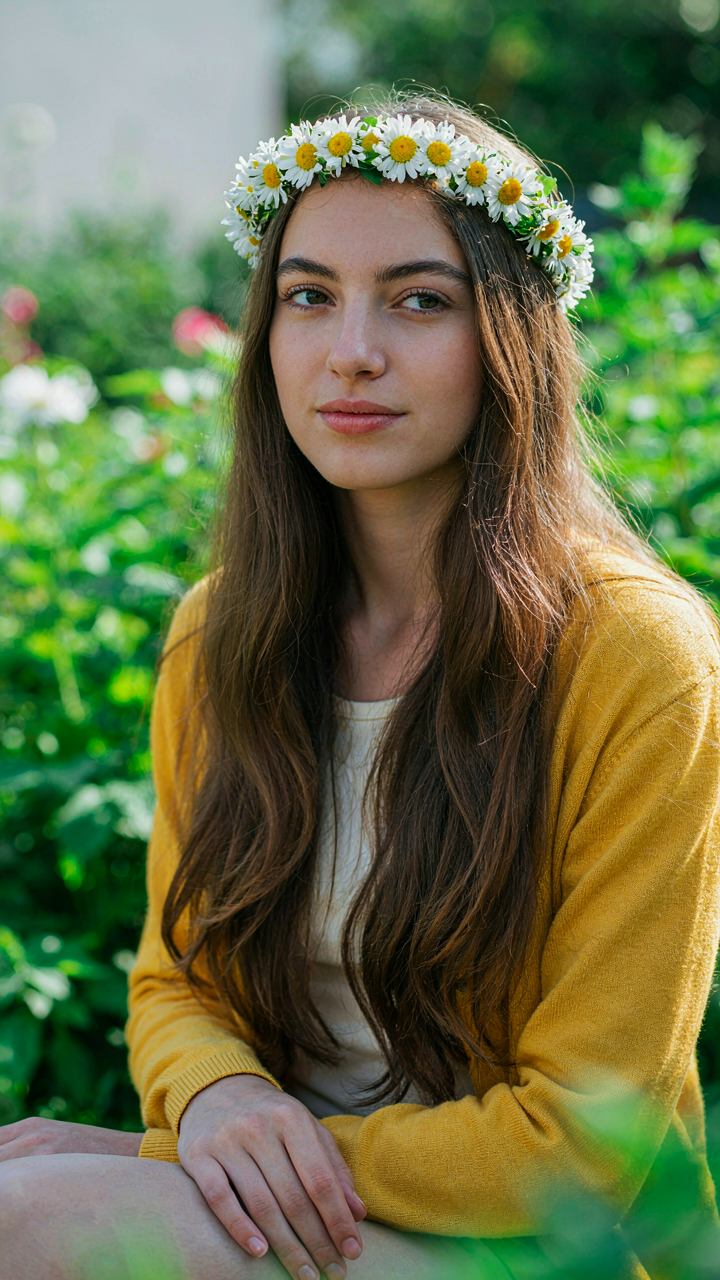
You want daisies because they feel safe. They signal innocence without requiring you to think hard about what that means in a photograph. But here’s the mechanism: daisies work in visual hierarchy the same way a base note works in perfume chemistry. They recede. They don’t demand attention, which makes everything else in the frame stronger. Daisies mean new beginnings and purity historically because they bloom in spring and their white petals against yellow centers create visual simplicity. That simplicity is the real asset in a photoshoot. When your viewer sees a daisy crown, their eye doesn’t get tangled in complexity. It moves where you direct it.
The common advice treats daisies as “cute” and stops there. Wrong. Daisies work because they solve a specific problem: they add visual interest without competing for dominance in the frame. In portraiture, that’s critical. A rose crown pulls focus to itself. A daisy crown lets the face remain the subject. This is why daisy crowns work across age ranges and skin tones in ways more aggressive florals don’t. The symbolic weight of innocence and renewal isn’t decoration. It’s a tool that changes how viewers interpret the entire image.
Coroas De Flores: Design Intent Beyond Display
Cultural flower crowns, particularly coroas de flores traditions from Latin American and European contexts, weren’t accessories. They were status markers and ceremonial tools with specific material logic. Using them in modern photoshoots without understanding that logic means you’re borrowing the aesthetic while missing why the structure actually works. Real coroas de flores use wired stems, layered binding techniques, and weight distribution principles built from generations of wedding and religious ceremony practice. That engineering matters. A loose interpretation looks fragile. Proper construction looks intentional.
When you build or source a coroa de flores style crown for a photoshoot, you’re inheriting a design system, not just a look. The materials matter: fresh flowers wired into flexible but stable forms, spacing that accounts for how fabric and skin interact, weight that doesn’t tire the wearer. If your crown is drooping by shot three, you’ve broken the visual contract the cultural tradition established. Commit to the construction standards or choose a different approach. Authenticity in borrowed cultural elements means respecting the engineering that made them functional in the first place.
The Beltane Bloom Blueprint: Reclaiming Ritual, Not Redundancy
When Fertility Rites Became Your Photoshoot
You want the flower crown to mean something beyond the algorithm. That’s the real motive here. The mechanism is this: Beltane—the Celtic fire festival marking May 1st—used flower crowns as a biological signal, not decoration. Women wore them to communicate fertility status during the crossing between seasons. The flowers weren’t random. They were calendars made visible, tied to reproductive cycles and livestock breeding. Modern photoshoots strip this function away and rebrand it as aesthetic. Knowing the original purpose rewires how you select and position the crown in front of a lens.
Beltane crowns served a practical function in an agrarian society. Specific flowers bloomed at specific windows, and their presence communicated critical information about timing, readiness, and seasonal transition. This wasn’t sentiment. It was biology made social. When you reconstruct a flower crown for photography today, you’re working with the same botanical calendar, even if you’ve forgotten it. The difference between a crown that lands and one that feels hollow comes down to whether you’re following seasonal bloom patterns or grabbing whatever’s available at the grocery store. One has structural integrity. The other is decoration pretending to be something.
What Season Actually Demands
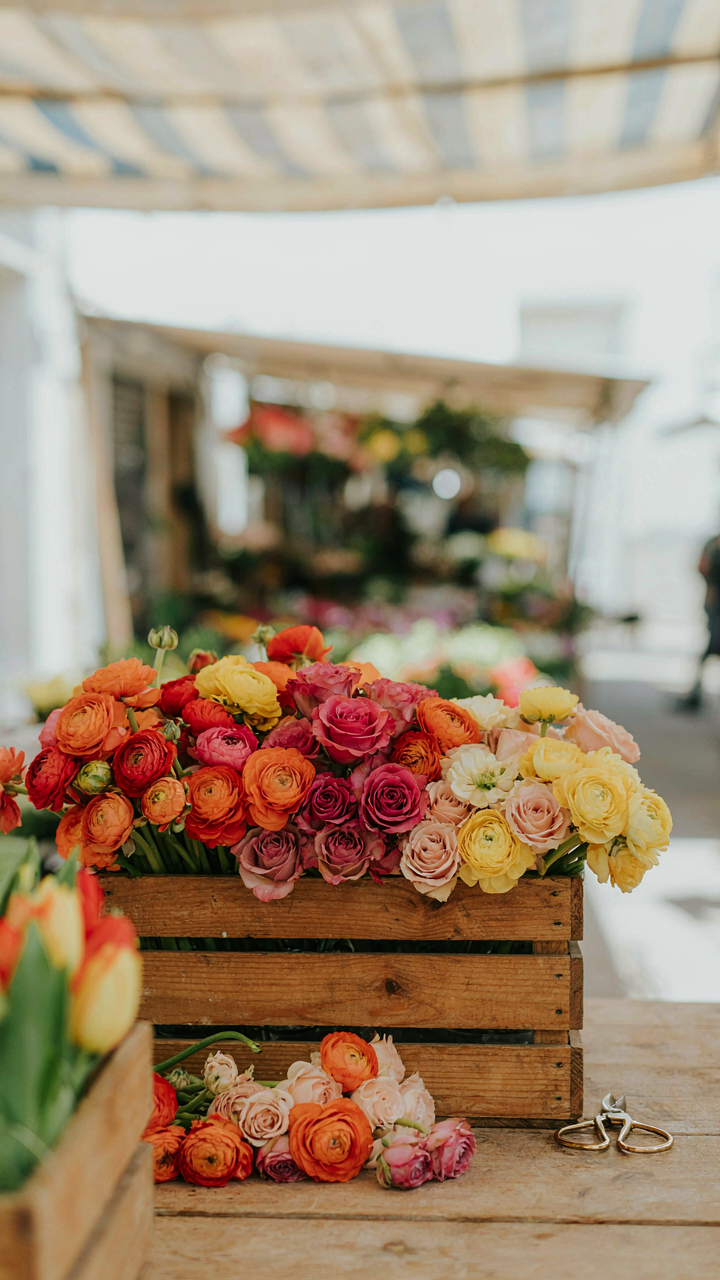
Ecology teaches feedback loops. A flower crown for photoshoots is a feedback loop between soil, climate, and bloom time. Most advice tells you to pick “whatever looks good.” That’s incomplete. The real constraint is what actually grows when you’re shooting. Spring crowns build from early bulbs and fresh growth: ranunculus, hyacinth, early roses. Summer explodes into dahlias, garden roses, and herbs with visual weight. Fall demands texture: hypericum, eucalyptus, darker tones. Winter requires forced blooms or dried material. The crown should reflect what the earth is actually producing in that moment, not what a vendor has flown in from three continents away.
Seasonal alignment also controls your budget and crown longevity. Out-of-season flowers cost 40 to 60 percent more and wilt faster under heat and camera lights. In-season blooms hold structure longer because they’re at peak ripeness. Your shoot lasts four hours. A crown built from May dahlias will collapse by hour three. The same crown built from early May ranunculus and garden roses will photograph fresh through the final frame. The mechanism is simple: choose what grows now, not what Instagram suggests.
Diy Flower Crown Protocol: Crafting Impact, Not Just ‘Cute’
Where To Source Real Materials
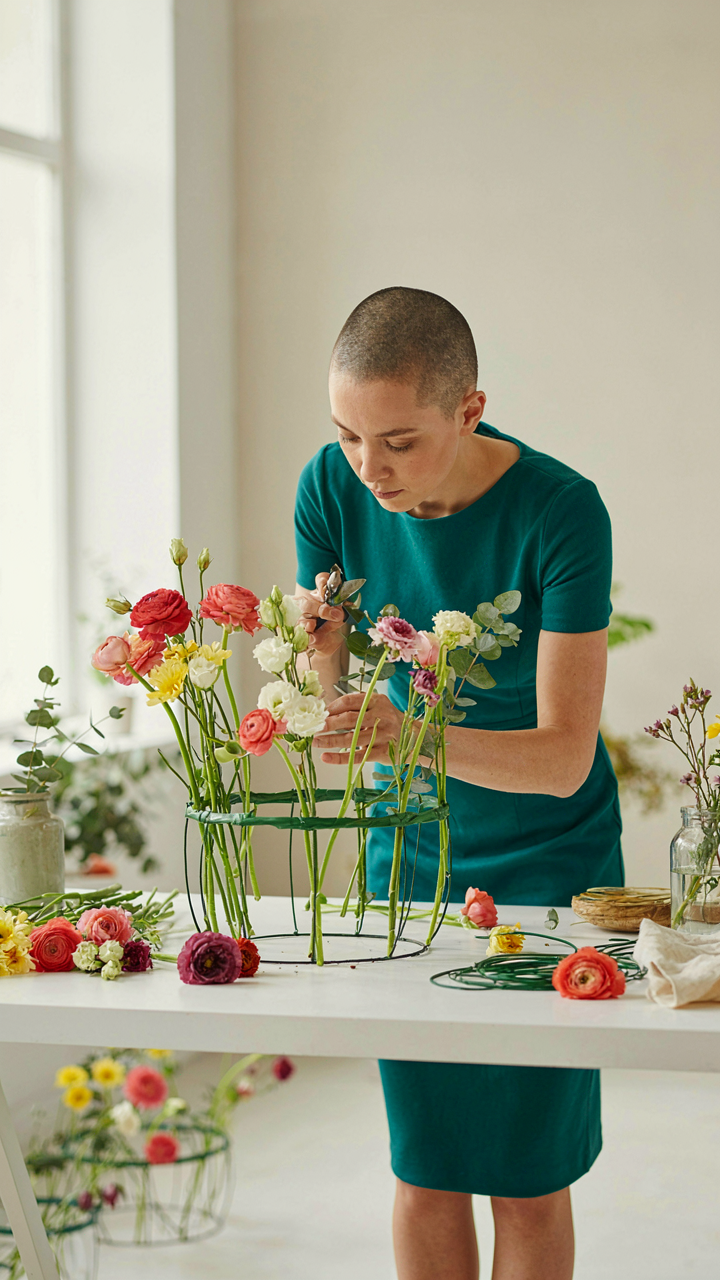
You want the crown to look effortless in photos, which means you’re banking on material quality to do the work for you. That’s the mechanism: sourcing determines whether your crown looks fresh at frame one and frame one hundred. Local flower markets, native plant suppliers, and ethical growers give you flowers with intact stems, longer vase life, and colors that photograph true instead of muddy. Wild foraging works if you know what you’re harvesting and have permission to harvest it. Anything else is just guessing.
Ethically grown flowers cost more upfront but save production time on set. A wilted petal or brown edge forces reshoots or digital cleanup. Most photographers don’t mention this part of their cost structure. Source from growers who can tell you harvest date and storage conditions. That information predicts crown performance under lights and through multiple takes.
Building For Movement, Not Display
Construction technique is load-bearing engineering applied to organics. Your crown must survive camera angles, head turns, wind, and the physical reality that flowers wilt under stress. Most tutorials skip this and land you with a crown that looks intact in the mirror but collapses under the weight of a photographer’s expectations and a three-hour shoot.
Build on a base that doesn’t absorb water and won’t rot: floral foam wrapped in waterproof tape, or a pre-formed wire frame lined with moss that’s been conditioned to hold moisture without becoming heavy. Secure stems with floral wire, not just floral tape. Wire prevents shift. Space flowers to allow airflow and reduce crushing when the wearer moves. Test the crown on the actual model before the shoot day, not during it.
Hairstyle With Flower Crown: The Art Of Deliberate Disruption
Hair As The Frame
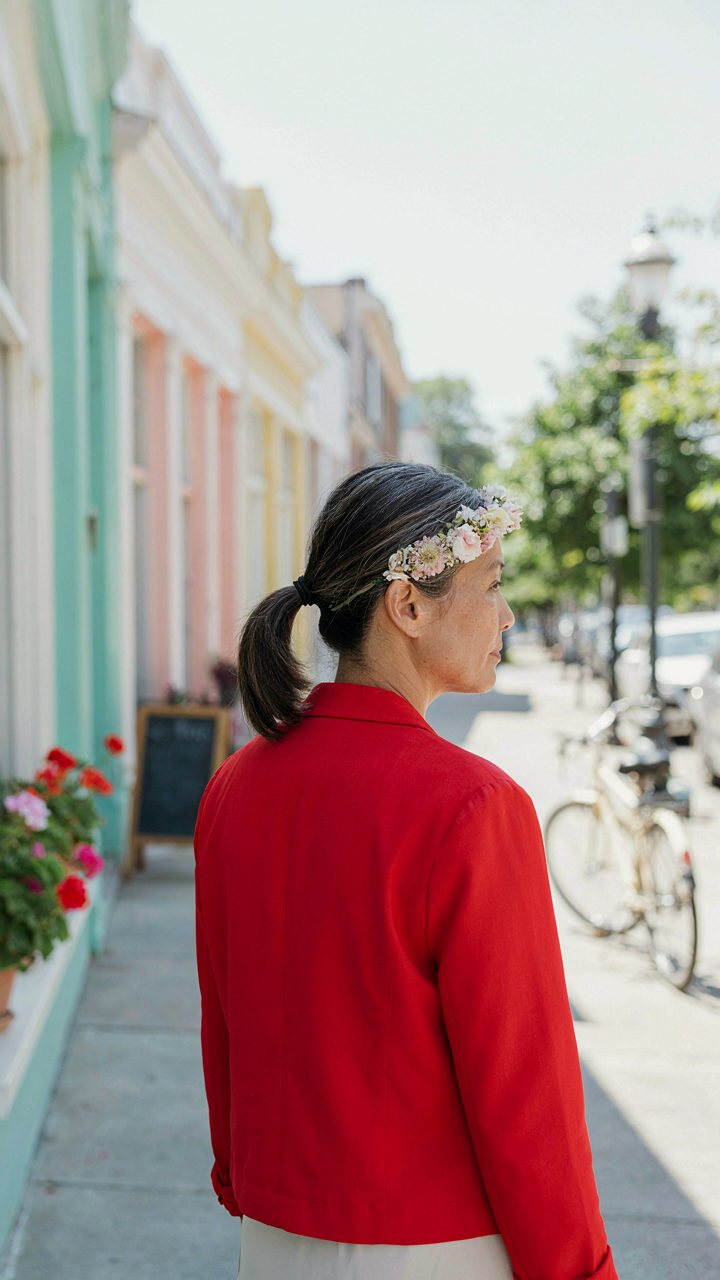
You want people to notice the crown without admitting you spent thirty minutes engineering it. The mechanism is contrast. Your hair works as a visual anchor that either competes with the crown or amplifies it. Tight, pulled-back styles recede into background. They let the crown dominate the frame. Loose waves and texture fight for attention, splitting the viewer’s eye between two focal points.
The real leverage lives in proportion and negative space. Slicked styles or low ponytails create visual silence around the crown, making it read as the dominant object. High-volume hair at the crown’s level creates noise. Pull hair back at the sides and leave length down the back. This creates a defined perimeter. The crown sits in its own visual zone, untouched and commanding.
Breaking The Expected Pairings
Most advice pairs flower crowns with soft, romantic hairstyles. This is lazy consensus that wastes the crown’s actual power. Pair a delicate flower crown with a sharp, geometric braid. Pair it with a severe center part and slicked edges. Pair it with an asymmetrical cut or an undercut that shows scalp. These combinations create tension. Tension holds attention in photographs.
The pairing works because it breaks the signal people expect. A flower crown with romantic hair says “I’m trying to be feminine.” A flower crown with structural, modern hair says “I’m making a choice.” Photographers see the difference. The camera captures intention. When you place soft elements against hard lines, neither neutralizes the other. Both strengthen the image. Choose your hairstyle first based on the statement you want. Then fit the crown into that statement, not the other way around.
The Unconventional Wedding Hair With Flower Crown Manifesto
Personality Over Convention
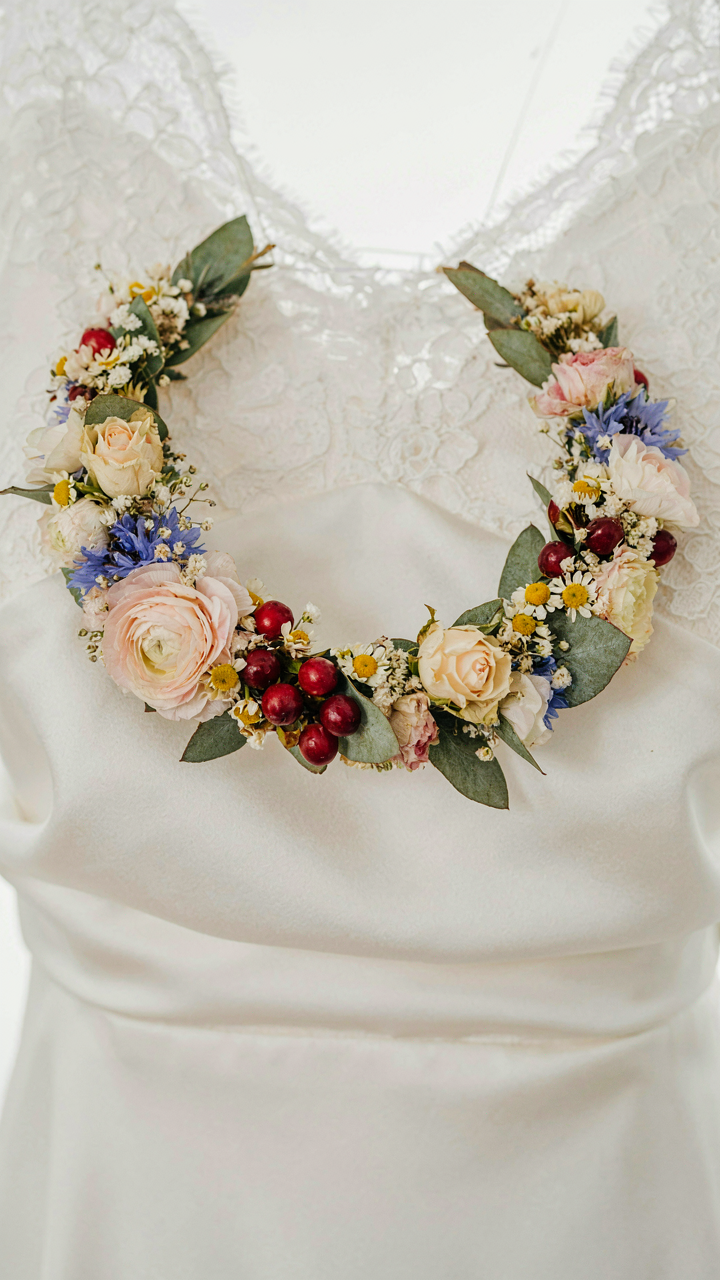
You want the crown to say something about you without screaming it. Most wedding advice pushes the safe route: pale roses, baby’s breath, symmetry. That’s consensus, which means it’s invisible. The mechanism is simple: constraint breeds distinctiveness. You work inside the boundary of “still looks like a wedding” while breaking the pattern everyone expects. Asymmetry, unexpected color, scale variation, material mixing. These moves read as intentional, not accidental.
The real play is choosing flowers and textures that contradict each other slightly. Pair delicate with structural. Use matte leaves against glossy berries. Add dried elements with fresh. This creates visual tension that photographs pick up immediately. Your face becomes the focal point because the crown creates interest without demanding all the attention. The camera sees craft, not costume.
Longevity Through Biology
The survival window for cut flowers isn’t magic, it’s biology. Flowers don’t wilt because time passes. They wilt because they dehydrate and bacteria colonize the cut stem. Treat a flower crown like a hydration system that needs active maintenance, not a static decoration. Water absorption tape, floral foam, and stem wrapping all do the same job: preserve the vascular pathway. Start with flowers that hold moisture well. Hypericum berries, carnations, and spray roses outlast garden roses by hours. Eucalyptus and olive branches add duration without adding weight.
Build the crown the morning of the shoot, not the night before. Mist it hourly. Wrap the base in damp moss and secure it inside a plastic tube hidden against your scalp. This extends viability by six to eight hours, which covers most full-day shoots. The protocol is simple: assess your timeline, pick hardy specimens, hydrate before assembly, and refresh water every two hours. Skip this and your crown looks wilted in half your images.
Flower Crown Photoshoot Dynamics: The Hunter Gatherer Approach
Location Scouting As Tactical Positioning
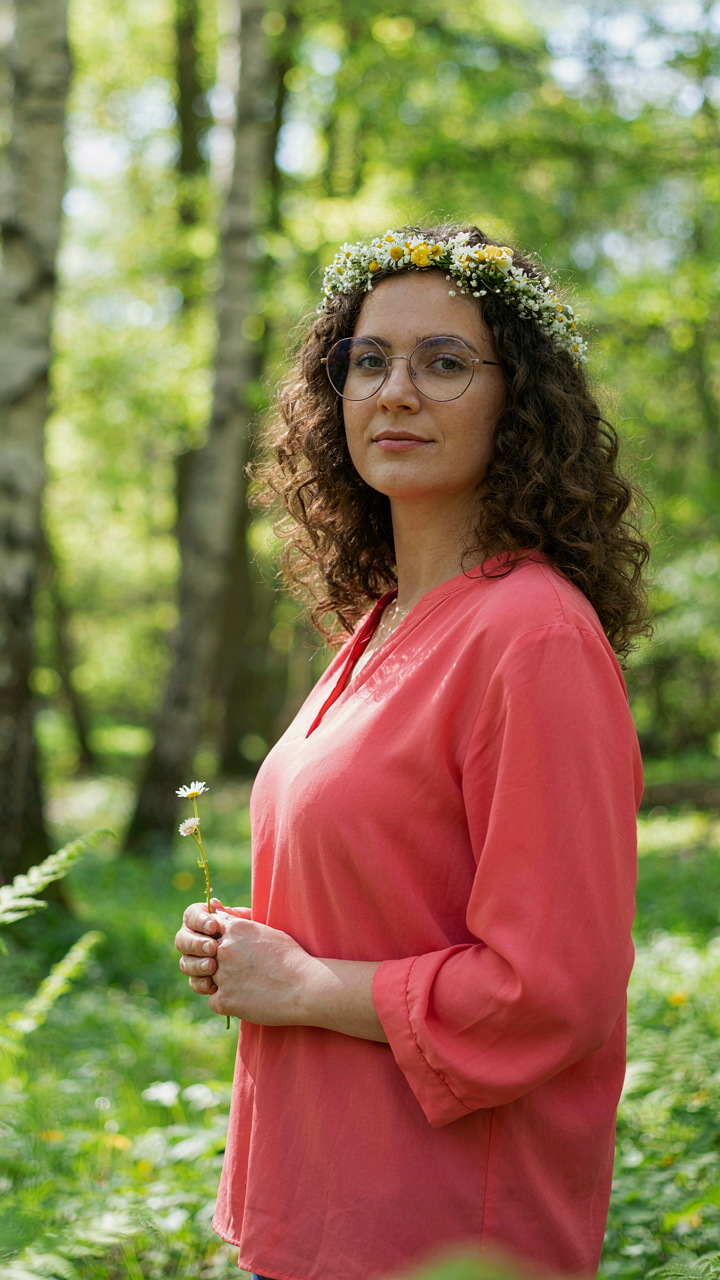
You want the crown to look effortless because you’re afraid your effort shows. Military strategy calls this “terrain advantage”—the position that wins before engagement starts. Scout locations like you’re mapping supply lines. Light direction matters more than the crown itself. Identify where sun hits at specific times. Identify where shadows create depth. Identify natural frames: tree canopies, rock formations, water edges. Bad light kills a crown faster than bad design.
The real work happens before the shoot. Most people show up to a random field and hope. That’s waste. Walk the space at the same time you’ll shoot. Note how light moves across surfaces. Note where the background separates from the subject. Note ground conditions—mud, dry grass, uneven terrain all change how the crown sits on the head and reads in frame. Document these details with photos or notes.
Posture And Expression Without Vanity
Biology teaches us that bearing and posture communicate dominance and vulnerability before conscious thought registers. When wearing a flower crown, the wearer’s instinct is to perform femininity or softness—that’s conditioning, not primal expression. Strip that away. The crown sits differently when the subject stands rooted versus posed. Eyes forward and slightly down reads as presence. Forced smiling reads as performance. Jaw tension reads as self-consciousness.
Direct the subject to stillness first, not emotion. Let them settle into the space. The crown’s weight and balance will communicate naturally once the body stops fighting itself. A flower crown functions best when treated as an object of weight and presence, not decoration. This shifts the entire dynamic of how the subject holds themselves and how the camera reads the image.
Transcending Trends: Cultivating Your Signature Floral Crown
What Actually Resonates With You
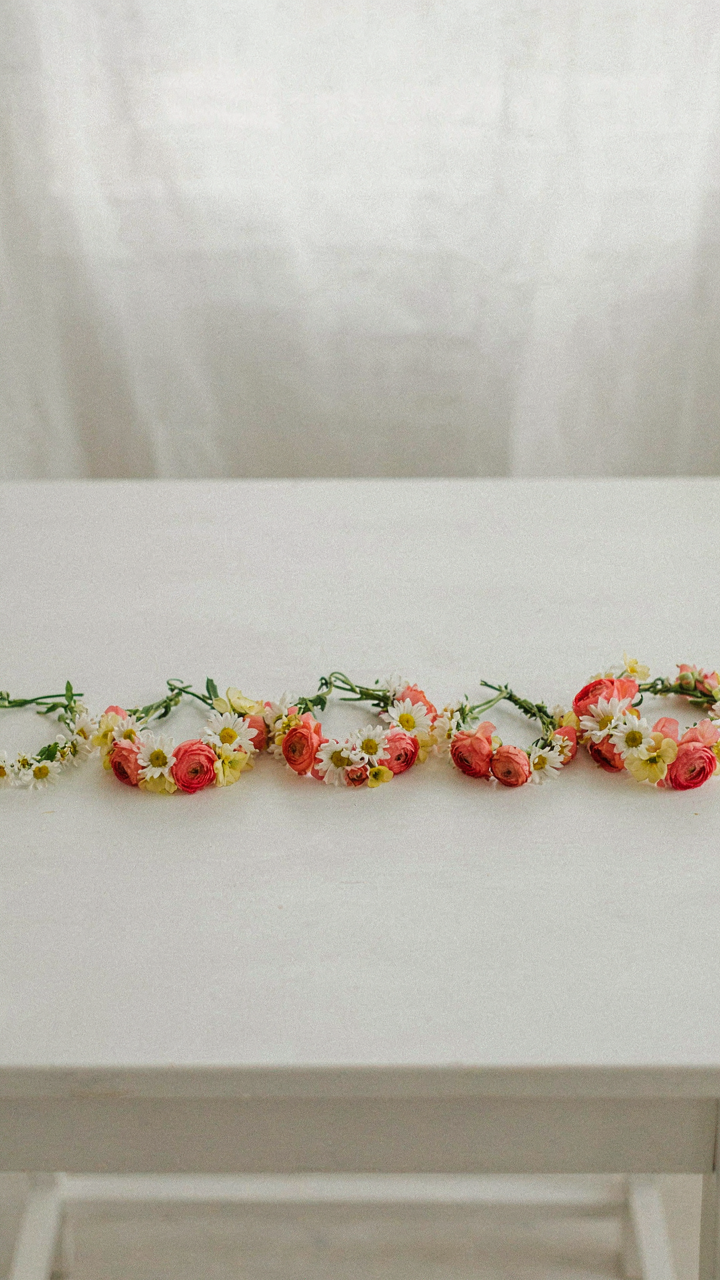
You want permission to stop copying what works for everyone else. Here’s the mechanism: personal aesthetic isn’t discovered through mood boards—it’s built through constraint and repetition. Pick three flower types you genuinely prefer, not the ones Instagram validates. Use them across ten different crown variations. Your eye will train itself to spot which combinations feel honest versus forced.
The gap between trend-following and signature style is specificity. Generic crowns use whatever’s in season. Yours uses the same three flowers in different densities, colors, and placements. This creates recognition without copying. After five shoots with your constraint, you’ll spot patterns in what photographs well, what photographs honestly, and what photographs like everyone else’s work.
Building Something Nobody Else Owns
The copycat trap isn’t about intention—it’s about attention. You absorbed the same visual references as thousands of other creators. Breaking this requires a documented protocol, not inspiration. Study three flower crowns you hate as much as three you admire. Write down exactly why. The reasons will reveal what you’re actually reacting to versus what you’re just consuming.
Then commit to one contrarian choice per crown. Use dried flowers when trends demand fresh. Use asymmetrical placement when balanced dominates. Use single-stem focal points instead of dense clusters. Document these experiments across twelve shoots minimum. The pattern you build becomes your actual style—not a refinement of someone else’s, but something with a clear mechanism behind every choice.
The Real Obstacle Isn’t Finding The Right Petals, But Shedding The Fear Of Being Seen Untamed
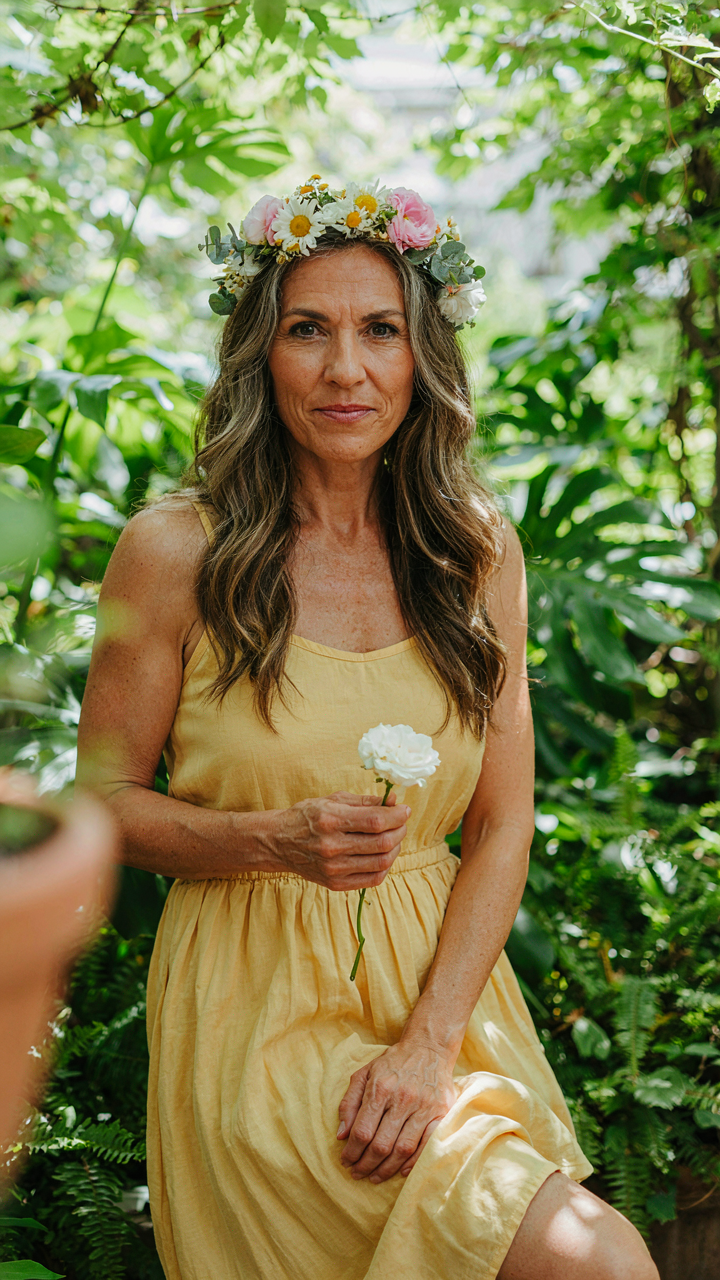
You already know how to make a flower crown. What you don’t know is that you’re waiting for permission to look strange in front of a camera. Stop waiting. The difference between a forgettable photo and one people actually remember isn’t the flowers. It’s you believing you deserve to take up space looking exactly like this. Pick three flowers from your yard today. Arrange them. Shoot yourself. Untamed is the only version of you worth capturing on film.



