
Field Day Games Everyone Will Remember and Enjoy
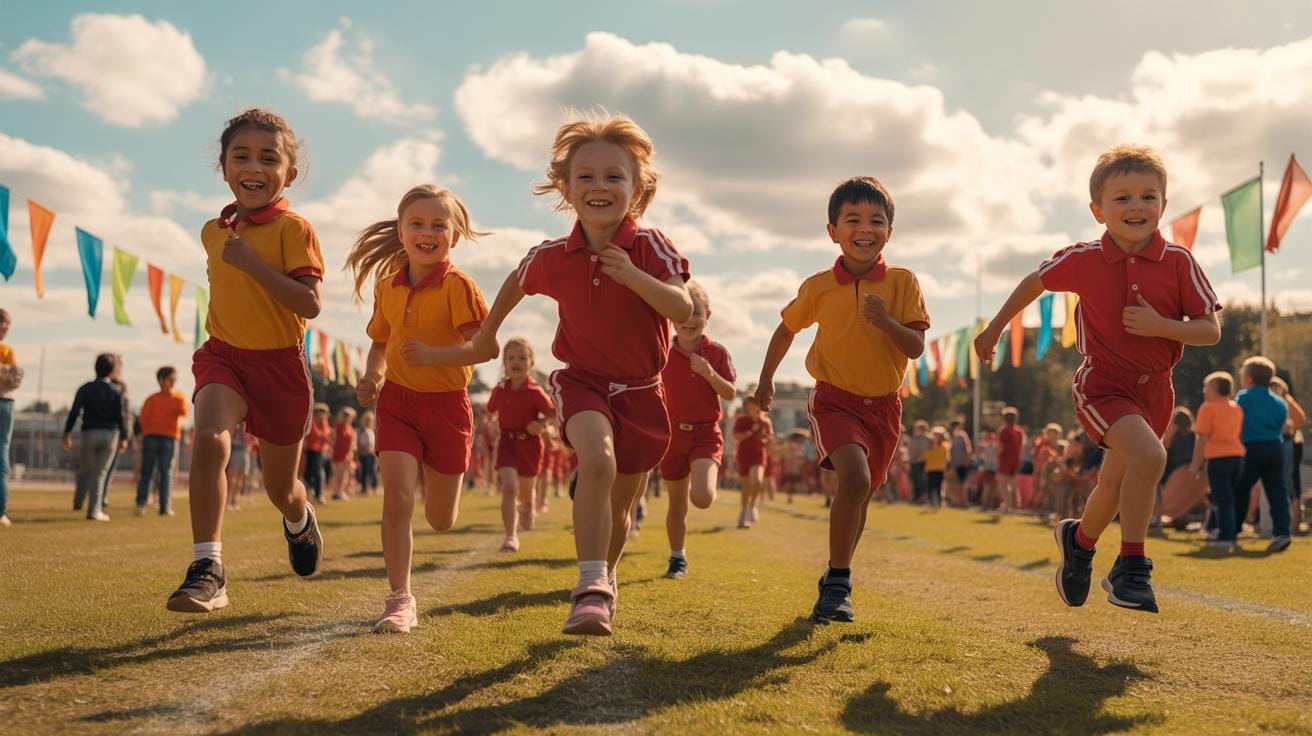
Field day games bring people together for fun, laughter, and a bit of friendly competition. These outdoor activities have been a favorite way for schools, communities, and families to bond and enjoy time in the fresh air. They are simple to set up and can be adapted to include everyone, regardless of age or skill. This article explores various field day games that everyone will remember and enjoy, offering ideas and tips for your next event.
You will learn about classic games that have stood the test of time and discover how to organize them so that all participants have a great experience. Whether you want to plan for kids, adults, or a mixed group, this guide will help you create a field day filled with fun and memorable moments.
Classic Field Day Games Everyone Love
Some games just stick around, year after year. Maybe it’s because they’re easy to set up or because everyone, no matter their age, can jump in without much practice. Either way, classic field day games have a way of pulling people together, encouraging both play and a little friendly competition.
Take the three-legged race, for instance. It’s simple — you tie one leg of two players together, and they have to coordinate running to the finish line. It’s funny to watch and requires a surprising amount of teamwork. You might trip and stumble a bit, but that’s part of the fun.

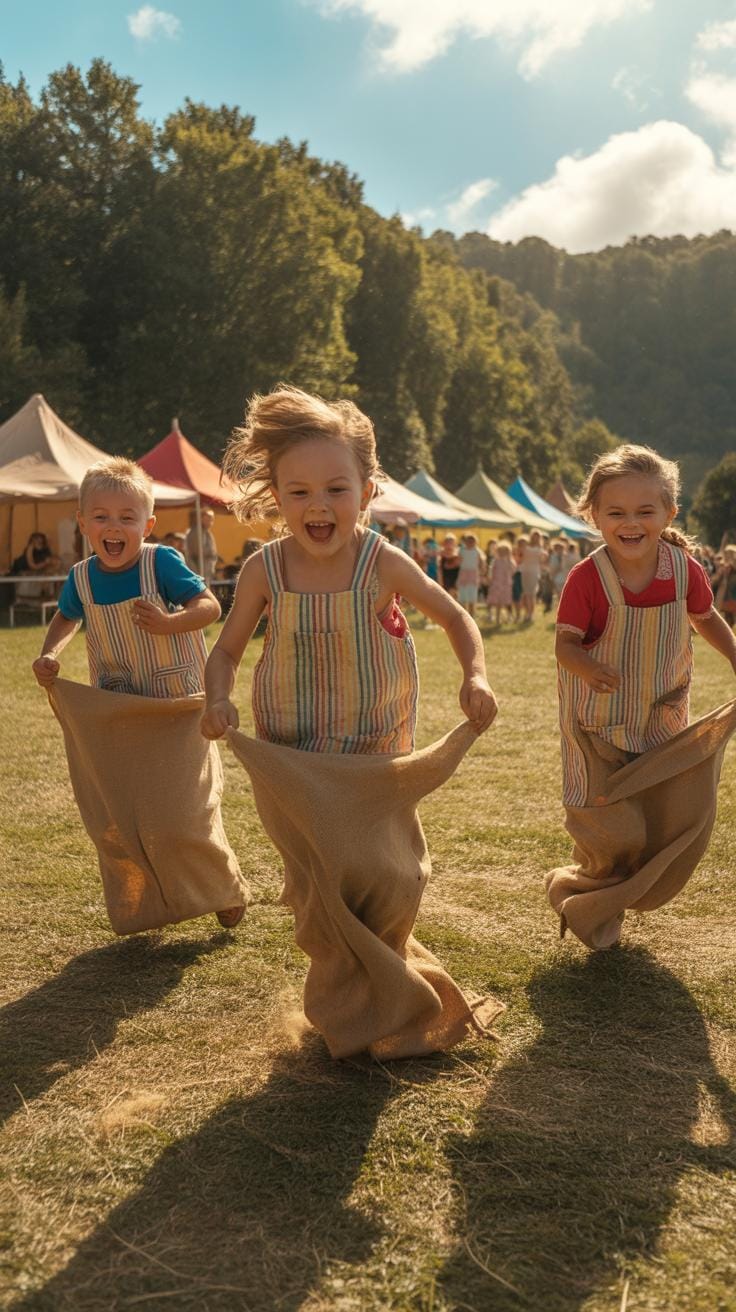
Another popular one is the sack race. Just grab a burlap sack, hop inside, and race to the end. It’s a bit awkward, but that’s what makes it entertaining for spectators and players alike. It tends to level the playing field since speed isn’t everything; balance and rhythm matter more.
Then, there’s the potato sack toss or bean bag toss, which mixes skill and chance. Players aim for a target, and the simple goal makes it approachable for almost everyone. Plus, it breaks up the running and jumping with a calmer activity.
Each of these games shares a few things that make them memorable:
- Clear, straightforward rules that don’t overwhelm.
- Opportunities for teamwork and communication.
- A bit of silliness and room for mistakes, making it okay to be less than perfect.
What’s interesting is how these games sneak in a lot of activity without it ever feeling like work. You might even find that the laughter and shared challenge matter more than who crosses the line first. Do you remember a game that made you laugh until you couldn’t run straight? That’s the magic here.
Classic Field Day Games Everyone Loves

Relay Races and Sack Races
Relay races are as straightforward as they come: teams of runners take turns sprinting a set distance, handoff—the baton, usually—to the next teammate. It keeps everyone involved, from the fastest runners to those who might prefer cheering on their pals. The quick pace, the anticipation at each exchange, it really pulls in the crowd. Organizing them means marking clear lanes and ensuring fair timing, but a stopwatch and some cones often do the trick.
Sack races bring a bit of controlled chaos. Players hop inside a sack, racing toward the finish line, which can feel delightfully awkward, often leading to laughter and falls. The simple rules—jump forward without stepping out—make it easy for all ages. It’s the kind of game where winning is fun, but the wobbly journeys are what stick in the memory. Setting a spacious course helps keep things safe and lively.
Tug of War and Three-Legged Races
Tug of war splits players evenly on each side of a rope, pulling against each other until one side crosses a marker. It’s simple but demands teamwork and strength, though surprises come when coordination wins over brute force. That balance between power and strategy draws everyone in, from participants to spectators rooting loudly.
Three-legged races bind two runners’ adjacent legs together and send the pair down a course. This mix-up in movement forces communication and sync, which, well, isn’t always smooth. That awkwardness is part of the charm; how the teams adjust on the fly keeps things interesting—and maybe a bit frustrating. Getting teams to practice before racing slightly eases the chaos, but honestly, it’s those stumbles and laughs that make this one memorable.
New Game Ideas to Refresh Your Field Day
Obstacle Courses and Egg-and-Spoon Races
Obstacle courses can be more than just the usual cones and ropes. Think about mixing different challenges that test coordination and agility—maybe crawling under tables, hopping through hoops, or balancing on a low beam. Setting up small stations can keep the energy flowing and prevent long wait times. The key is to make sure each part is fun, but tricky enough to push participants a bit without making it frustrating.

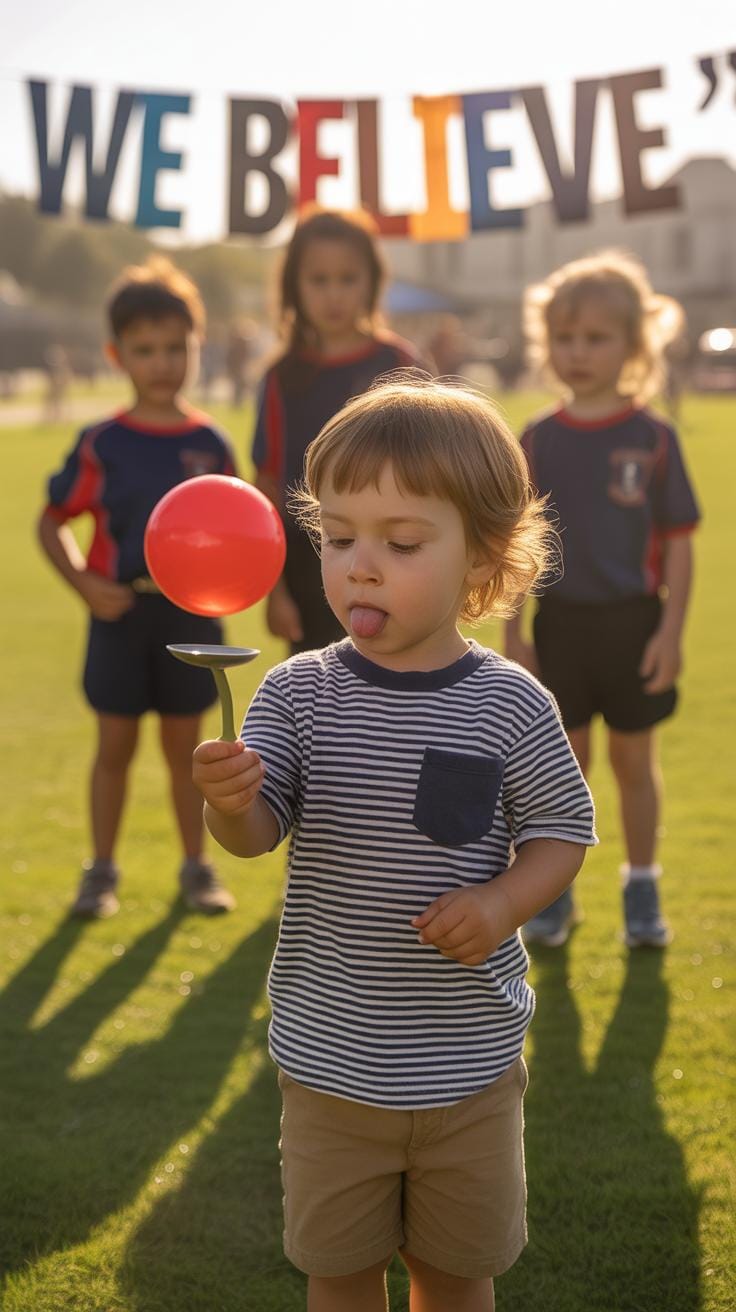
Egg-and-spoon races are classic, but you can tweak them to add interest. For example, using different sized spoons, or requiring racers to navigate a short zigzag path rather than a straight line, ups the challenge. Some groups have tried mixing in light obstacles or even pairing racers to pass the egg between themselves, which makes teamwork a real factor. Balancing that egg while concentrating on your steps is tougher than it sounds—and that’s where the laughs come in.
Water Balloon Toss and Freeze Tag
Water balloon toss feels perfect for warmer days, and it’s simple to set up with just a bucket and balloons. You can create pairs that gradually take a step back after each successful toss, making it trickier over time. The fun is in the suspense—everyone waits to see when a balloon will pop, ending the round with surprise and cheers. It’s a great way to cool down and get a little wild, though you might want to have a cleanup plan in place.
Freeze tag fits well into field days if you adjust the rules a little to keep things safe and fair. For instance, you can have “safe zones” where players can catch their breath, which also prevents the game from getting overly competitive or rough. Some versions encourage teammates to “unfreeze” one another by tagging, which helps build camaraderie. It’s a simple game, yet it gets people moving and laughing, especially later in the day when a lighter, playful activity is welcome.
Organizing Your Field Day

Choosing Games that Fit Your Group
Picking the right games can feel tricky, especially when you have a mix of ages and abilities. Think about who’s playing: younger kids might enjoy simpler activities like sack races or relay tosses, while teens and adults could handle more demanding challenges such as tug-of-war or obstacle courses. Sometimes, you want activities that everyone can join, regardless of skill level or fitness. Games like a three-legged race or team scavenger hunts work well because they encourage teamwork without being too exhausting.

Also, consider how many participants you have. Too many players in a single game can cause chaos, but too few might make some activities feel boring or unbalanced. Sometimes smaller groups mean you need more stations or parallel games running simultaneously. It’s a bit of a balancing act, but thinking ahead here saves headaches during the event.
Preparing and Gathering Necessary Equipment
Once you decide on games, gather what you need early. Common items include cones, ropes, bean bags, hula hoops, and stopwatches. Sometimes simple things like buckets or old tires come in handy—don’t overlook everyday objects. Label boxes or bins by game type to streamline setup and teardown. I’ve learned the hard way that scrambling for gear at the last minute only adds stress.
Storage matters, too. If your field day spans multiple days or repeats yearly, find a place to keep equipment dry and accessible. Portable carts or bags with compartments can save time. And don’t forget backup items—balls go flat, ropes can fray. Bringing extras or having quick fixes ready keeps the day on track, if you ask me.
Safety and Fair Play in Field Day Games
Setting Ground Rules for Safety
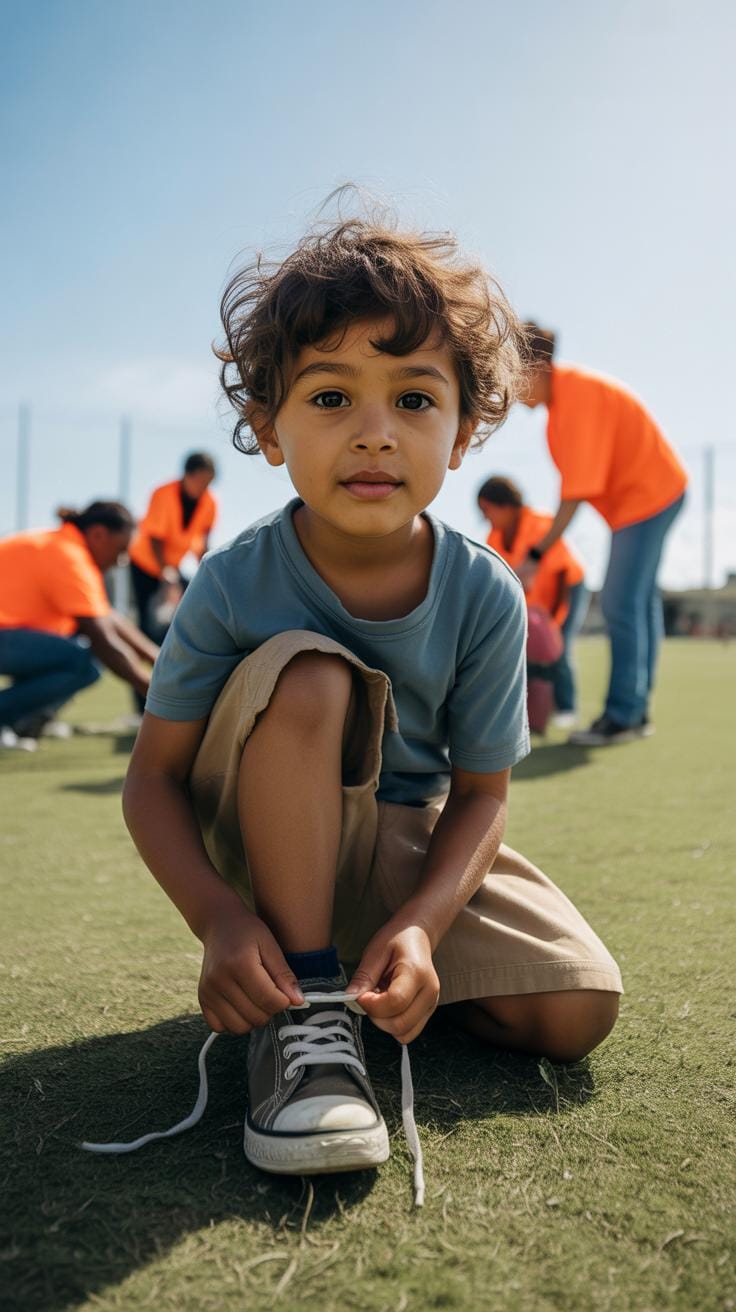
Starting your field day with a clear focus on safety makes a big difference. Everyone should warm up before jumping into the games — even simple stretches can lower injury risk. I remember one time skipping warm-ups and ending up with a sore calf; it’s easy to overlook but shouldn’t be.

Supervision is key, too. Having adults or organizers keep an eye on activities helps spot hazards or rule bending quickly. It doesn’t have to be strict policing, just attentiveness. Also, check your equipment. Balls without air, cracked batons, or uneven surfaces aren’t just annoying—they can cause real problems.
Don’t forget to remind participants about playing within their limits. Sometimes the eagerness to win overshadows common sense, and people push too hard. Setting boundaries like no roughhousing or staying inside marked areas keeps things safer without killing the fun.
Encouraging Good Sportsmanship
Field day can get competitive, but keeping respect central makes the day better for everyone. You can encourage kindness by calling out positive behavior—like congratulating opponents or helping someone who falls. These small actions often stick longer than the game results.
It’s tempting to focus on winning, but maybe think about what really matters here. Are we just racing for a trophy, or building teamwork and good memories? Sometimes, when a game gets too intense, a quick reminder about fair play can ease tensions. You might see a player roughhousing less if you highlight respect as part of the challenge, not just speed or strength.
Ask yourself—how do you react when things don’t go your way? Sharing stories about turning a loss into a learning moment can inspire others. It’s a subtle shift, but it helps ground competition in fairness and shared enjoyment, which is what truly lasts.
Getting Everyone Involved
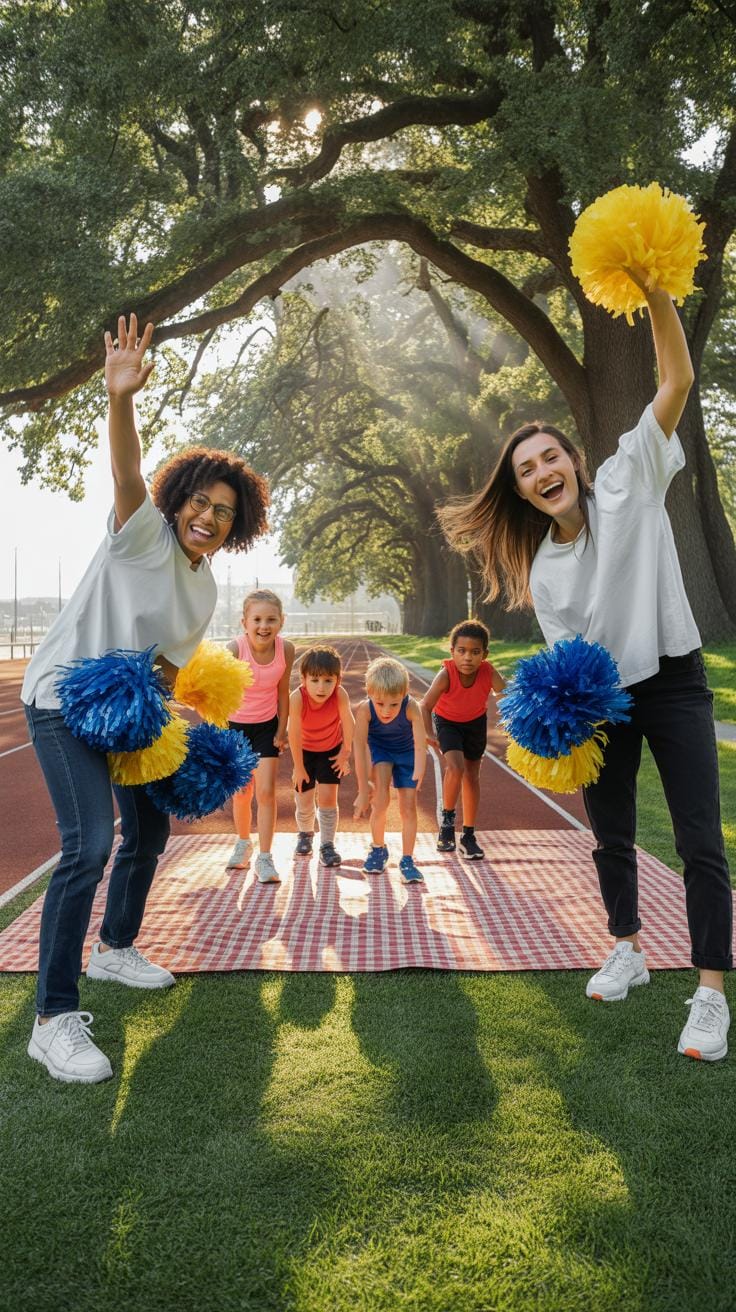

Getting all participants engaged in field day games can sometimes feel tricky, especially when some may be shy or less physically active. Still, encouraging everyone to join is worth the effort because even small roles or simpler tasks can boost confidence and create smiles.
Some strategies I’ve seen work well include:
- Offering multiple ways to participate—maybe letting quieter kids be scorekeepers or helpers if they’re hesitant to jump in right away.
- Starting with easy, low-pressure games so no one feels overwhelmed from the start.
- Breaking groups into smaller teams to make the social setting less intimidating.
You might wonder, how do you keep things fair when skill levels vary so much? That’s where adapting games becomes a real lifesaver.
Adapting Games for Different Skills
Not every game fits all skill sets out of the box. With a few tweaks, though, nearly any activity can include everyone. For example, in a relay race, you could allow walking instead of running or assign tasks based on ability, like simple passes instead of tricky maneuvers.
Sometimes changing the rules a bit—like enlarging the target area in a beanbag toss for younger or less agile players—makes a big difference. You want the focus to be on participation and fun, not just competition.

Small adaptations show that each player matters, even if their abilities differ widely.
Building Team Spirit and Cooperation
Team-based games can really shine in bringing people together. When players rely on one another, it nudges them to communicate, cheer, and even lean on teammates who might need extra support.
I’ve noticed teams often bond over shared challenges, whether the goal is winning or just finishing the task. Team spirit doesn’t just happen; it’s built in those moments where someone passes the baton, lends a hand, or offers a few encouraging words.
It makes you wonder—could these small interactions be the real highlight of field day? Perhaps the game itself matters less than the connections created along the way.
Field Day Games for Educational Benefits
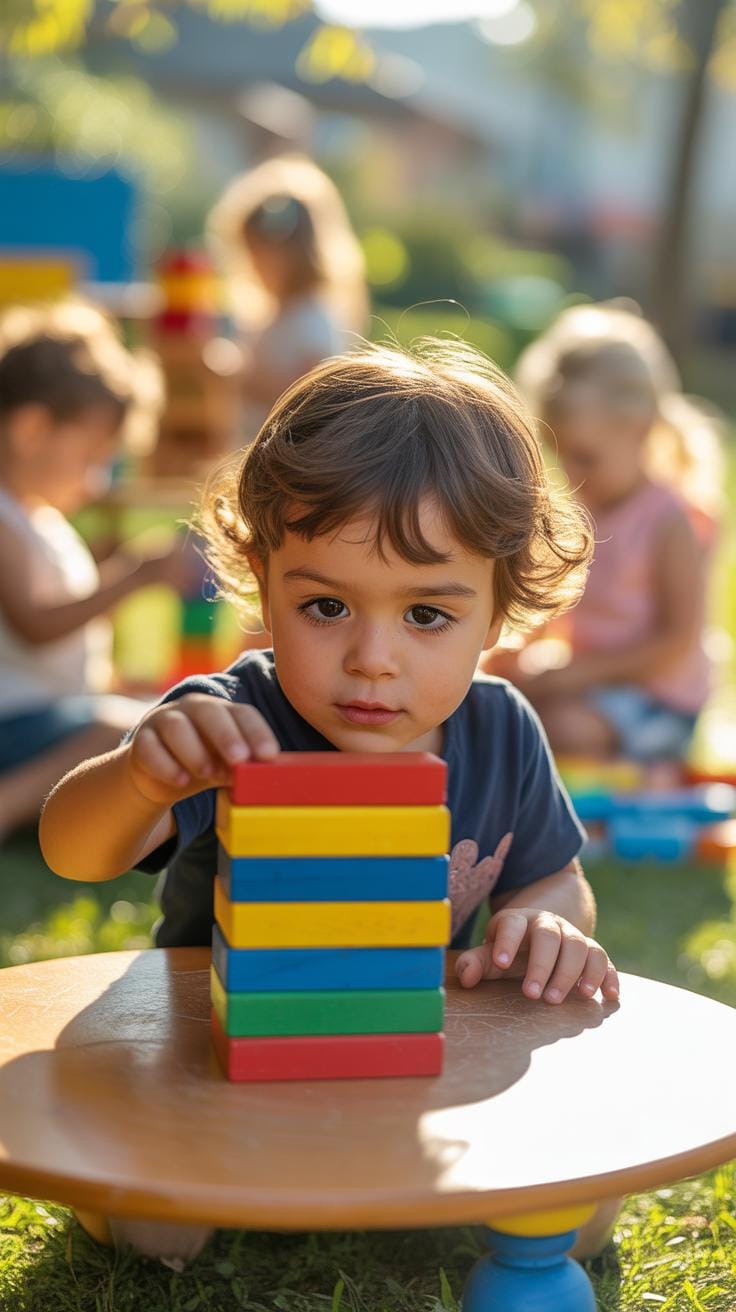

Field day games do more than just keep participants moving—they also promote important learning and developmental goals. When kids—and adults too—jump into activities like sack races, relay challenges, or tug-of-war, they’re naturally working on their motor skills and coordination.
Think about it: balancing while hopping in a sack or timing a baton handoff in a relay requires focus and bodily control. These physical demands help sharpen muscles and improve agility. Even activities that seem simple encourage spatial awareness and reflexes, which are useful beyond the field.
But the benefits aren’t only physical. Many games require players to pay attention, listen to rules, and adapt quickly. This sharpens concentration better than you might expect. Teams need to figure out strategies and work together, which nudges social skills forward too.
Try noticing how a group solves issues when a game’s not going as planned. It’s teamwork mixed with problem-solving in real time. Sometimes the lessons come with laughter or frustration, and that’s part of the learning too.
- How does changing roles in the game affect a child’s ability to focus and cooperate?
- Can the competitive spirit of certain games help improve mental alertness without causing stress?
- In what ways do repeated game rules enhance memory and listening skills?
In my experience, some of the most memorable moments arise when players realize they’re learning things without even noticing—it’s subtle but powerful. Field day games sit at the intersection of fun and growth, helping people develop in ways that stick long after the day ends.
Capturing Memories of Your Field Day

Taking Impactful Photos and Videos
Photos and videos do more than preserve moments; they bring back feelings you might forget later. When capturing your field day, focus less on posed shots and more on spontaneous ones. Try zooming in on faces showing surprise, laughter, or determination—those moments tell the real story.
Moving action shots can be tricky. Use burst mode or continuous shooting to catch multiple frames; one of them will likely capture just the right moment. Pay attention to lighting and backgrounds—sometimes a simple angle change can make a big difference. Don’t hesitate to get low or up high for unique perspectives.
Besides the big events, small but meaningful details matter too: hands gripping a relay baton, a team huddled together, or sneakers kicking up dirt. These subtle images often evoke the strongest memories.
Sharing Stories to Keep the Spirit Alive
Photos and videos alone don’t capture everything. Encourage participants to share their own stories—maybe a funny race mishap or a surprising moment of teamwork. These narratives add depth and personality to the day.
You might collect these stories through informal conversations, a shared online space, or even a simple notebook at the event. Memories told in personal voices resonate. They make the experience more than just a record of activities—they make it part of the community’s ongoing story.
Thinking about your own takeaways from the day, what stands out? Is it a moment of quiet encouragement or an unexpected victory? Sharing these reflections invites others to see the event in new ways, keeping the spirit alive well after the last game ends.
Planning for Next Year and Beyond

Gathering Feedback from Participants
As the day winds down and smiles fade into tired yawns, getting honest feedback can feel tricky. People might say everything was great, but were there spots that dragged or games that felt repetitive? To find out, try simple, direct questions rather than long surveys. Short polls or even casual chats can reveal what really stuck in people’s minds. You might ask what their favorite game was and what they wished had been different. Sometimes, the quietest voices have the most surprising insights—don’t overlook one-on-one talks or small group feedback sessions. Keeping it informal opens room for honesty, even if it’s just a few offhand remarks about timing or snacks. Gathering this feedback early, right after the event, ensures the impressions are fresh, before people forget details or drift away.
Involving a Wider Community
Expanding who participates can breathe new life and some unpredictability into your field day. Invite neighboring schools, local clubs, or groups you might not have considered before. It might feel awkward at first—will they say yes? But broadening the circle often brings in fresh energy and new perspectives. Sometimes guests bring ideas or games nobody thought of, breaking the routine in good ways. Also, engaging parents or local volunteers can ease the burden on organizers, while weaving stronger bonds across different parts of the community. Just think—would your field day be the same year after year without fresh faces and new stories? Probably not. So don’t hesitate—cast a wider net and see what happens. You may be surprised at how welcoming and engaged your event becomes.
Conclusions
Field day games offer a chance to connect with others while engaging in active play. The simple and inclusive nature of these games makes them accessible for all, promoting teamwork and physical activity. By choosing games that fit your group and following organized planning tips, you can ensure everyone has a great time and leaves with happy memories.
Your next field day can be a successful event that encourages participation and enjoyment. Use the ideas and advice shared here to create a welcoming environment where everyone can share smiles, laughs, and challenges together. Field day games are not only about competition but celebrating togetherness in a refreshing outdoor setting.