
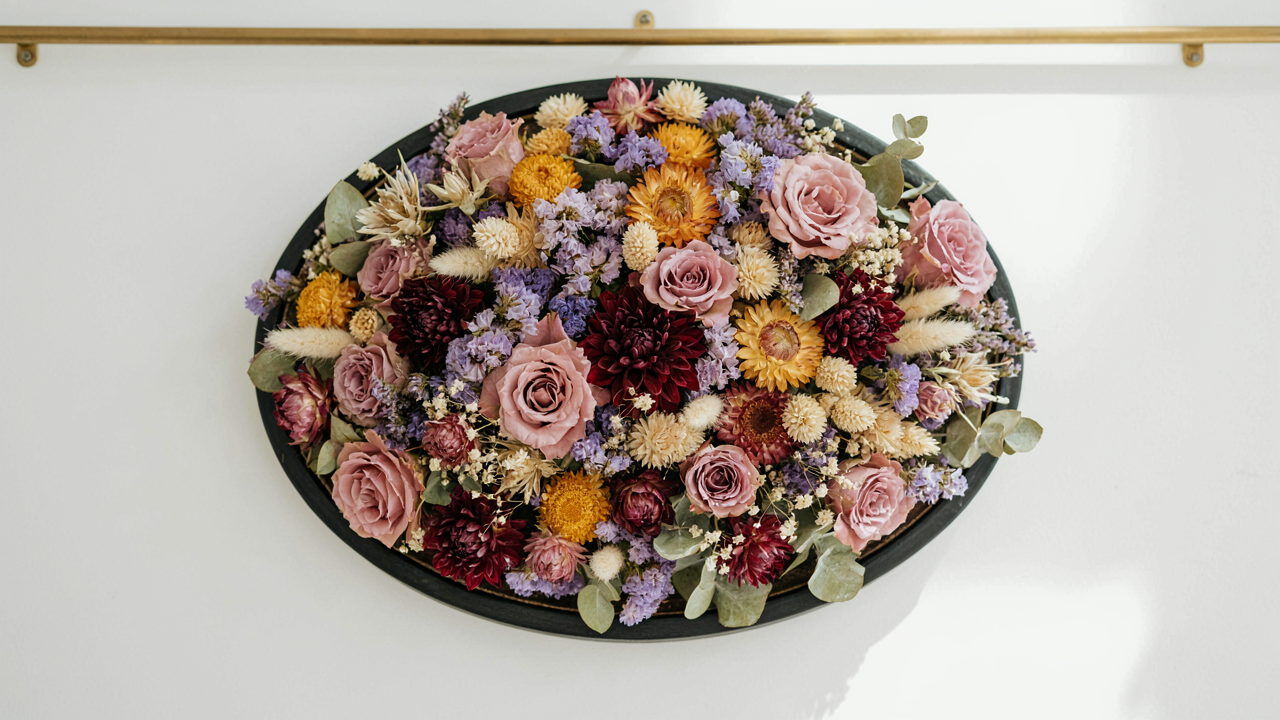
The Illusion Of Freshness: Why Dried Is Superior
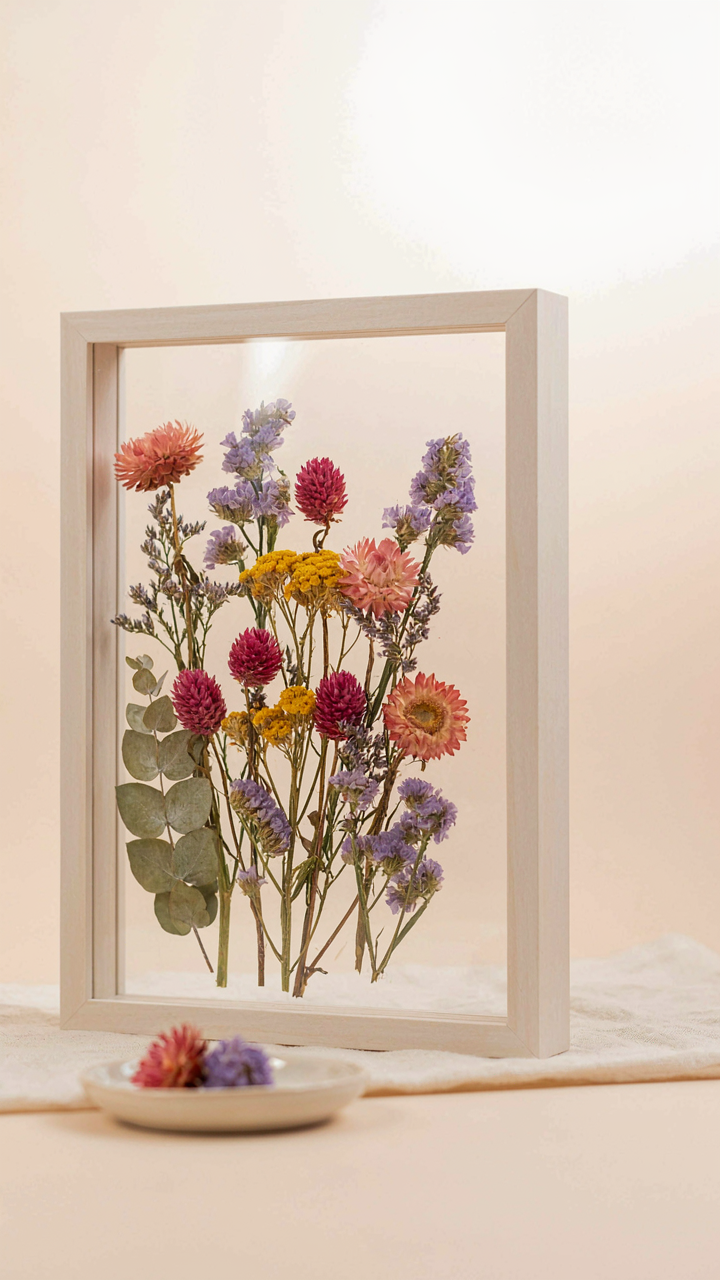
Fresh Flowers: A Fleeting, Costly Charade
You want the prestige of a living arrangement without admitting you can’t maintain it. Here’s the mechanism: fresh flowers decay on a predictable curve. Ethylene gas accelerates cellular breakdown the moment you cut the stem. Within days, petals brown, water clouds, and the arrangement demands daily maintenance or looks like neglect. You’re not buying beauty—you’re buying a countdown timer disguised as decoration.
The economics expose the real problem. Fresh flowers cost three to five times more than their dried equivalents, require replacement every seven to fourteen days, and demand active management (water changes, stem trimming, temperature control). Most people buy fresh arrangements for events, not daily life, because the math doesn’t work. The frame sits on a shelf, and you’re replacing dead flowers monthly while pretending it’s intentional. Dried flowers eliminate this trap entirely.
Dried Florals: True Preservation, Lasting Impact
Biology offers the answer here. Dried flowers undergo desiccation—the removal of water content that halts decay. Once moisture leaves the cellular structure, decomposition stops. The arrangement you frame today will hold its form and color for years, not days. This is preservation, not postponement. The pigment doesn’t fade dramatically like people assume; proper drying locks the color into place through a controlled moisture extraction process.
The design advantage compounds over time. A dried flower frame becomes a permanent installation, not a recurring expense or maintenance burden. You set it once and forget it. No watering, no replacement cycles, no guilt when life gets busy. This shifts dried flower work from temporary decoration to collected art. The frame ages without the arrangement degrading, which means you can actually design something worth keeping rather than something designed to be discarded.
Beyond The Press: Superior Drying Techniques For Dried Floral Art
The Hanging Method That Actually Works
You want to skip the hassle and still get results that look intentional rather than like you forgot flowers in a corner. Air drying works because it’s passive—gravity and airflow do the labor while you move on to the frame design. Hang stems upside down in bundles of three to five flowers, spacing them so air reaches all sides. A dark, dry room with minimal light prevents color fade. This takes ten to twenty days depending on stem thickness and humidity.
The mechanism nobody explains plainly: moisture leaves through the stem first, then the petals. When you hang inverted, capillary action pulls remaining water downward and out through the cut ends instead of pooling in the flower head. Most people fail here because they bunch flowers too tight or hang them in humid kitchens where condensation reverses the process. Choose a closet, attic, or garage where relative humidity stays below sixty percent.
Silica Gel: The Precision Alternative
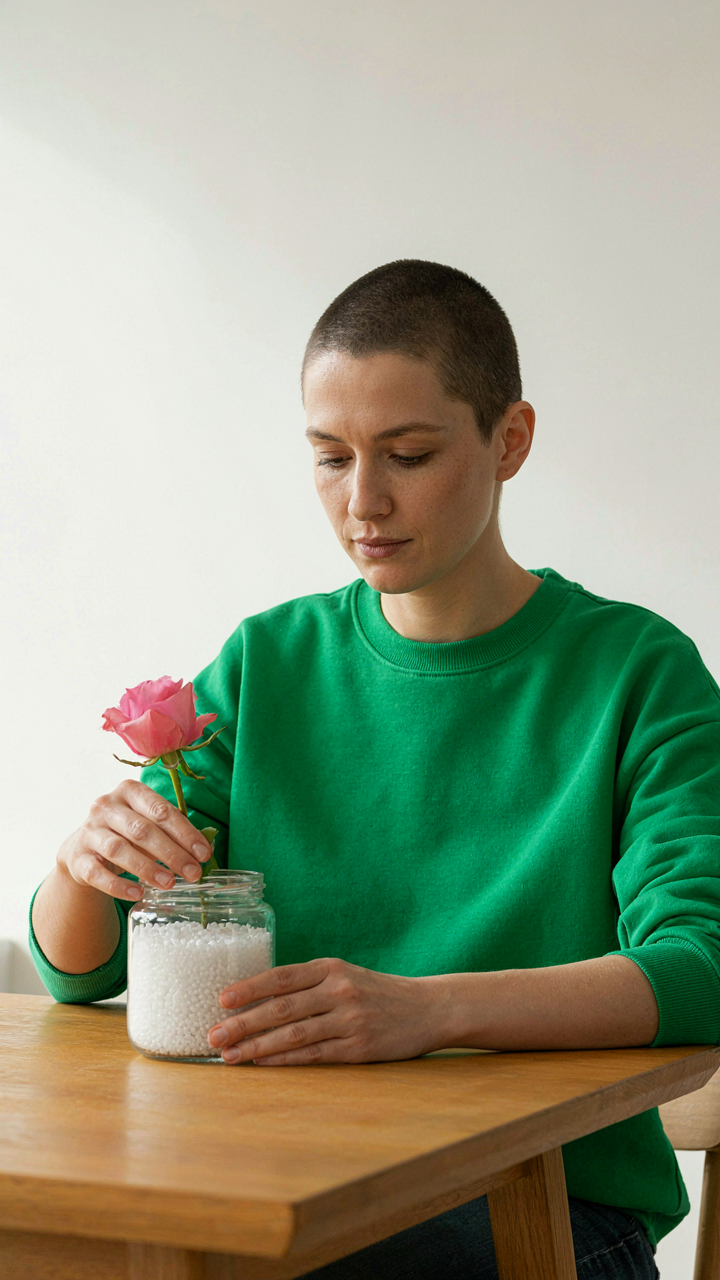
Silica gel preserves color saturation where air drying fades. Borrow the chemistry principle of desiccation—removing moisture by absorbing it into a material rather than letting it evaporate. Silica gel beads absorb water vapor directly from flower tissues in three to seven days, locking pigments in place before oxidation occurs. You bury flowers face-up or side-lying in a sealed container filled with beads, creating a controlled moisture environment that air drying cannot match.
The payoff is vibrant reds, purples, and oranges that stay true for months instead of dulling to brown. Pour a one-inch layer of fresh beads into an airtight container, lay flowers on top without crowding, then gently pour more beads around and over until fully covered. Seal it and mark the start date. When dry, carefully pour off the beads into a sieve, then store flowers in airtight conditions until framing. Never expose silica-dried flowers to humidity—they reabsorb moisture quickly and lose their crisp texture.
The Deconstructed Bloom: Reimagining Fleurs Séchées Composition
Structure Borrowed From Load Bearing Walls
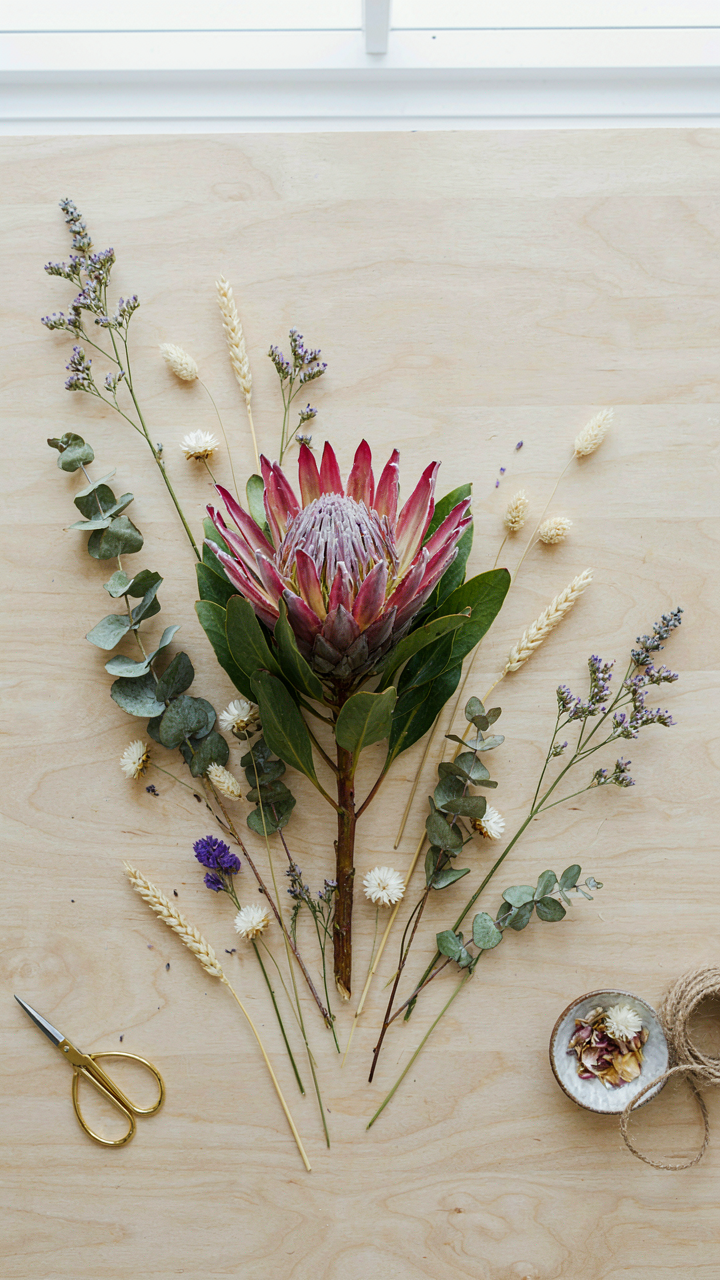
You want your frame to feel intentional instead of random. That requires stealing from architecture, which solves load and balance through placement, not decoration. In dried flower composition, load-bearing points are your focal blooms—the largest or most visually dominant flowers that anchor the entire piece and force your eye to move through the frame deliberately. Everything else hangs from these anchor points through directional lines created by stems, leaves, and smaller supporting elements. This is structural integrity applied to dried material.
The mistake most people make is treating every bloom equally, spreading them across the frame like they’re afraid of empty space. That creates visual noise, not composition. Instead, identify one or two dominant flowers as your load-bearing elements. Position them off-center, slightly toward a corner or edge. Build secondary blooms and filler around them in a way that guides movement—usually along lines that mirror the viewer’s natural eye path. The frame’s edge acts as your structural wall. This protocol transforms a scattered arrangement into something that holds visual weight.
Emptiness As The Active Element
Negative space isn’t wasted real estate—it’s the working surface that makes your blooms legible. Graphic designers understand this; they call it “breathing room.” Without it, every element competes for attention and you read nothing clearly. In dried flower work, the frame’s empty sections do the actual labor of defining what matters. A cluster of baby’s breath loses impact when surrounded by more filler. That same cluster reads as intentional detail when it has clear space around it.
Most frames fail because they’re overstuffed. Creators fear the blank areas, so they add more material until everything blurs together. The counter-move is deliberate restraint. Leave 30 to 40 percent of your frame empty, minimum. This forces the dried materials you do place to work harder for their visual presence. Placement becomes precision instead of coverage. Before sealing your frame, step back and ask where your eye actually lands first. If it lands on the emptiness, you’ve succeeded.
The Frame Is The Foundation: Elevating Pressed Flower Art
Frame Selection: More Than Just An Afterthought
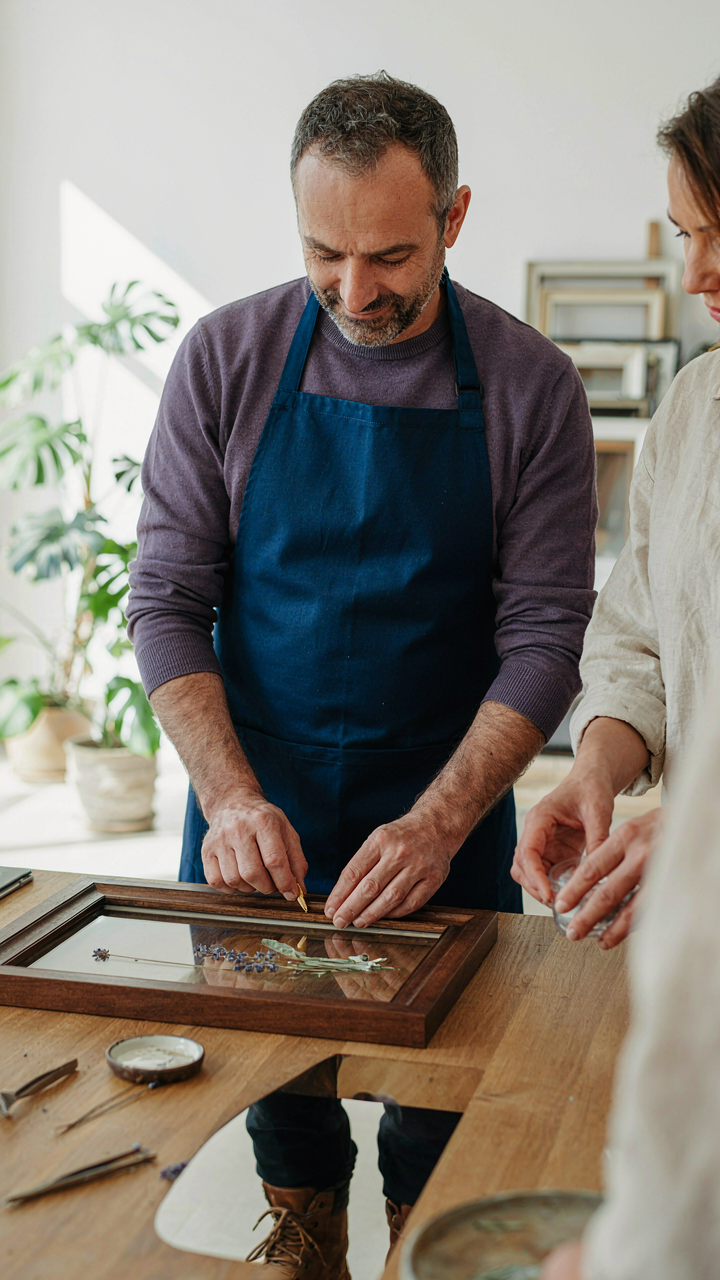
You want the frame to disappear so people focus on the flowers. That’s backwards. The frame either protects your work or it doesn’t. Think of the frame as structural engineering: load-bearing walls don’t vanish, they enable everything built inside them. Wood frames with rabbet joints distribute pressure evenly across the mounting surface. Aluminum frames offer rigidity but conduct temperature shifts faster, stressing adhesives. The material you choose determines how your flowers survive the next five years.
Frame depth matters because flowers need distance from glass. Spacers create air circulation that prevents mold growth against the glass surface. Shallow frames trap moisture directly against petals and leaves. A one-quarter-inch gap is functional minimum. Wood frames rated for museum-quality work use acid-free components throughout. Skip the cheap plastic frames entirely. They warp under humidity changes and compress your work at angles that crack stems.
Mounting Methods: Securing Your Legacy, Not Just Petals
The common advice says use glue and hope. That’s how you lose pieces. Archival-quality mounting uses micro-adhesives applied in points, not lines. This method comes from textile conservation, where conservators preserve fabrics by anchoring them without creating stress points. Glue applied in a continuous bead creates expansion and contraction zones that tear delicate material. Instead, use pH-neutral adhesive at three to five strategic contact points per flower stem.
Fishing line mounting works for heavier arrangements. Thread passes through pre-drilled backing without damaging petals. The backing material must be acid-free museum board or cotton rag paper. Acid accelerates decomposition. Test any adhesive on throwaway flowers first. Heat, humidity, and UV light will test your mounting choice harder than anything else. The flowers won’t move if you secure them correctly the first time.
The Unseen Enemy: Protecting Your Dried Flower Framed Art
Light Wavelengths Destroy Color Fast
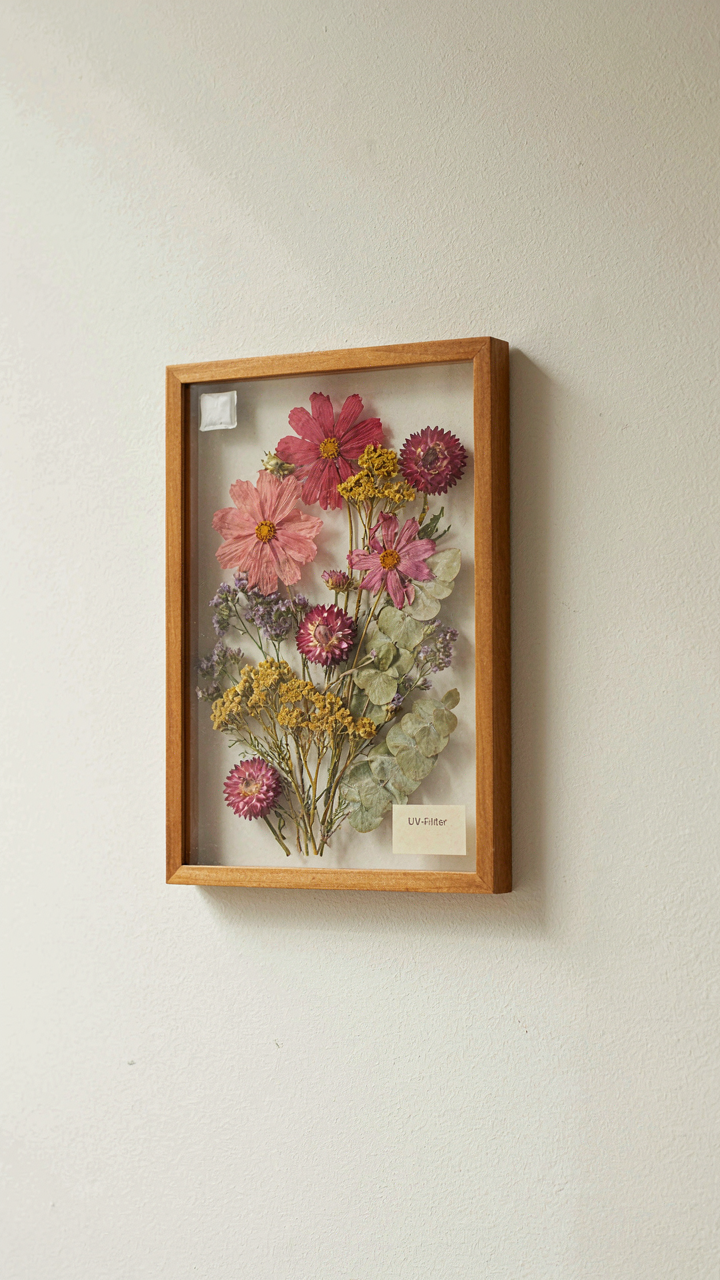
You want your frames to last because you’ve invested time and money into something that looks expensive. Here’s the mechanism: UV radiation breaks chemical bonds in flower pigments. This isn’t a slow fade over decades. It’s degradation that accelerates predictably based on light intensity and duration.
UV damage follows the physics of photochemistry. Think of it like oxidation in reverse—light energy actively strips color from petals rather than time alone doing it slowly. Flowers exposed to direct sunlight lose vibrancy within months, not years. The mechanism is real and measurable. Use UV filtering glass, not standard glazing, and position frames away from windows receiving direct afternoon light.
Moisture Creates The Breakdown Path
Humidity doesn’t just make things damp. It’s the vector that enables mold, bacterial growth, and structural collapse of dried plant matter. You control this or your frame becomes a petri dish nobody sees until decay is visible.
Dried flowers exist in a state of equilibrium with their environment. Fluctuating humidity—50% one day, 70% the next—forces water molecules in and out of cell walls repeatedly. This mechanical stress fractures fibers and weakens structural integrity. Keep frames in spaces where humidity stays between 35 and 50 percent year-round. Use silica gel packets inside sealed frames and maintain consistent room conditions rather than moving frames between different environments.
The Alchemist’s Toolkit: Essential Supplies For Dried Flowers Crafts
The Tools That Actually Matter
You want to believe you need specialty equipment because it feels like insurance against failure. You don’t. The real mechanism here borrows from industrial design: constraint drives innovation. Fewer tools force you to solve problems with intention instead of buying your way out of them. A basic kit solves 95% of frame assembly work. The remaining 5% requires one or two specialized additions, not a closet full of equipment.
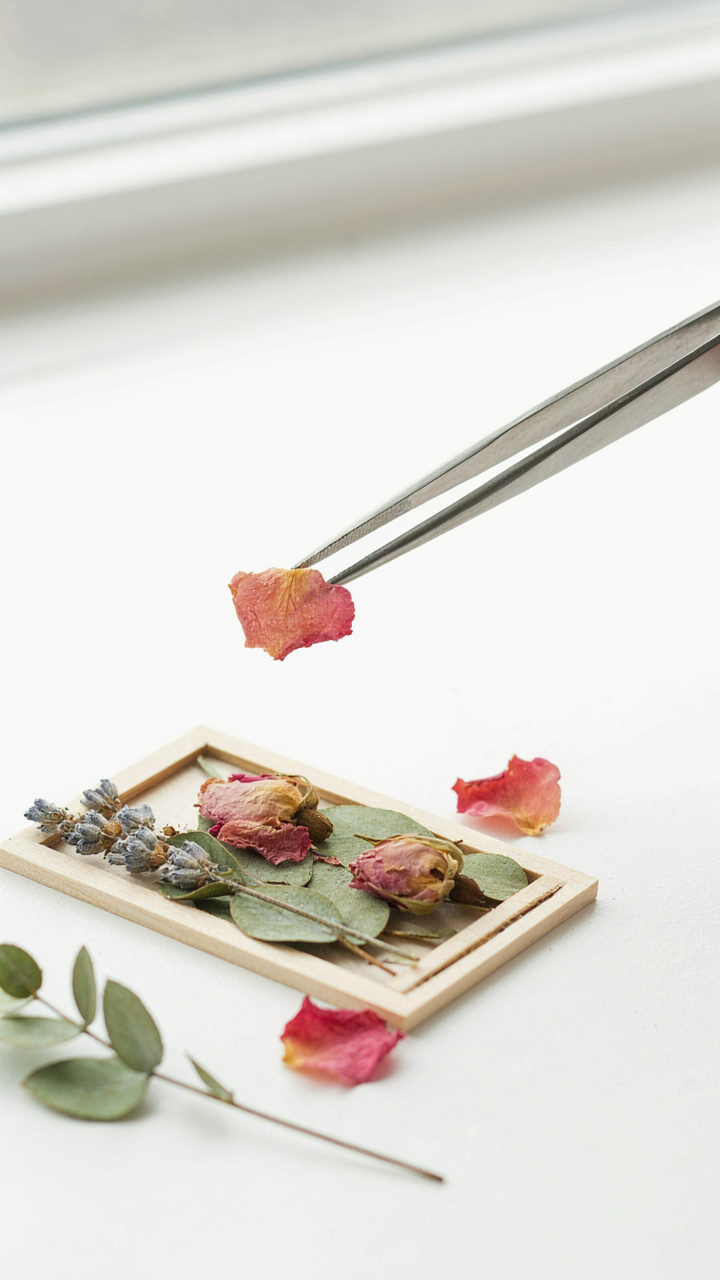
- Tweezers: Precision placement of small stems and delicate petals. Straight or curved tips both work, though curved allows better control in tight frame spaces.
- Small scissors or craft knife: Clean cuts on stems prevent crushing. Sharp edges preserve the structural integrity of dried material.
- Ruler or straightedge: Ensures balanced composition within frame boundaries. Prevents off-center arrangements that read as amateur.
- Soft brush: Removes dust and debris without damaging fragile petals. Natural bristles work better than synthetic for delicate flowers.
- Glass cleaner and lint-free cloth: Crystal-clear glass makes or breaks the final piece. Smudges destroy the entire visual impact instantly.
Stop looking for the perfect tool. Most arrangements fail because people overthink equipment instead of understanding how dried flowers actually behave in a frame. Gather what you have, make one piece, then add tools only when you hit a specific problem you cannot solve with what exists on your desk right now.
Adhesives: Invisible Support For Lasting Arrangements
The wrong adhesive choice ruins work months after completion. Most people use hot glue because it sets fast, then watch their arrangements fall apart as the glue fails under frame pressure and temperature fluctuation. Adhesive selection is a chemistry problem: you need a material that bonds plant matter to backing without degrading over time, without yellowing glass, and without creating visible residue.
Floral foam remains the standard because it holds dried material mechanically rather than relying on pure glue strength. Wood glue works when applied thin on stem-to-foam contact points. Tacky putty offers repositionability during arrangement but provides weaker long-term hold. For direct glass contact (rare in quality work), use museum-grade adhesive rated for botanical preservation, though this adds cost most frames don’t justify. The adhesive disappears only when the backing system does its actual job: the foam or support structure carries weight, adhesive just locks position.
Beyond Imitation: Originality In Nature Crafts And Deco Floral
Stop Copying What Works
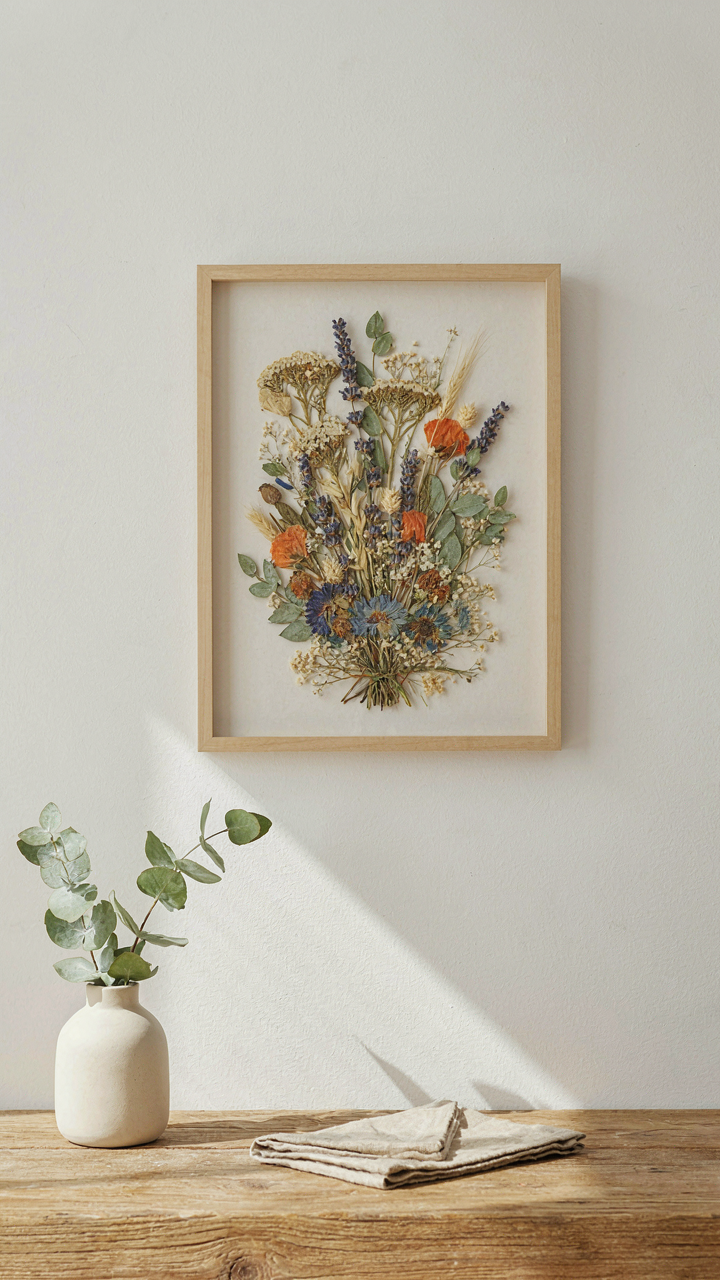
You want permission to copy trends because copying removes risk. But that’s the mechanism working against you: trends flatten dried flower frames into interchangeable objects. Originality isn’t about rebellion for its sake. It’s about building something that only your specific skill set, access to materials, and visual preferences can produce. Once that happens, you own a category instead of occupying shelf space in someone else’s.
The common advice says “find your style.” That’s useless. Style emerges from constraint, not intention. Limit your color palette to flowers you can source locally. Restrict frame sizes to dimensions your workspace handles efficiently. Work with one drying method consistently until you internalize its quirks. These boundaries force decisions that stamp your work. Generic advice skips this entirely.
Where Your Story Lives In The Frame
Personal narrative sounds precious until you realize its mechanism: specificity triggers recognition in viewers while generalness triggers nothing. A dried flower frame commemorating your grandmother’s garden species carries weight a “wildflower medley” never will. The frame becomes documentation, not decoration. That shift changes who buys it and why they keep it.
Start with an actual event, location, or relationship. Name the flowers by their source, not their appearance. Track the season they bloomed, the reason you pressed them, the person they connect to. These details don’t go on the label. They live in your mind and transfer through your hands into composition choices. That invisible layer is what transforms assembly into authorship.
The Resilient Art: Mastering Longevity In Dried Flower Frame Art
What Actually Kills Your Frames
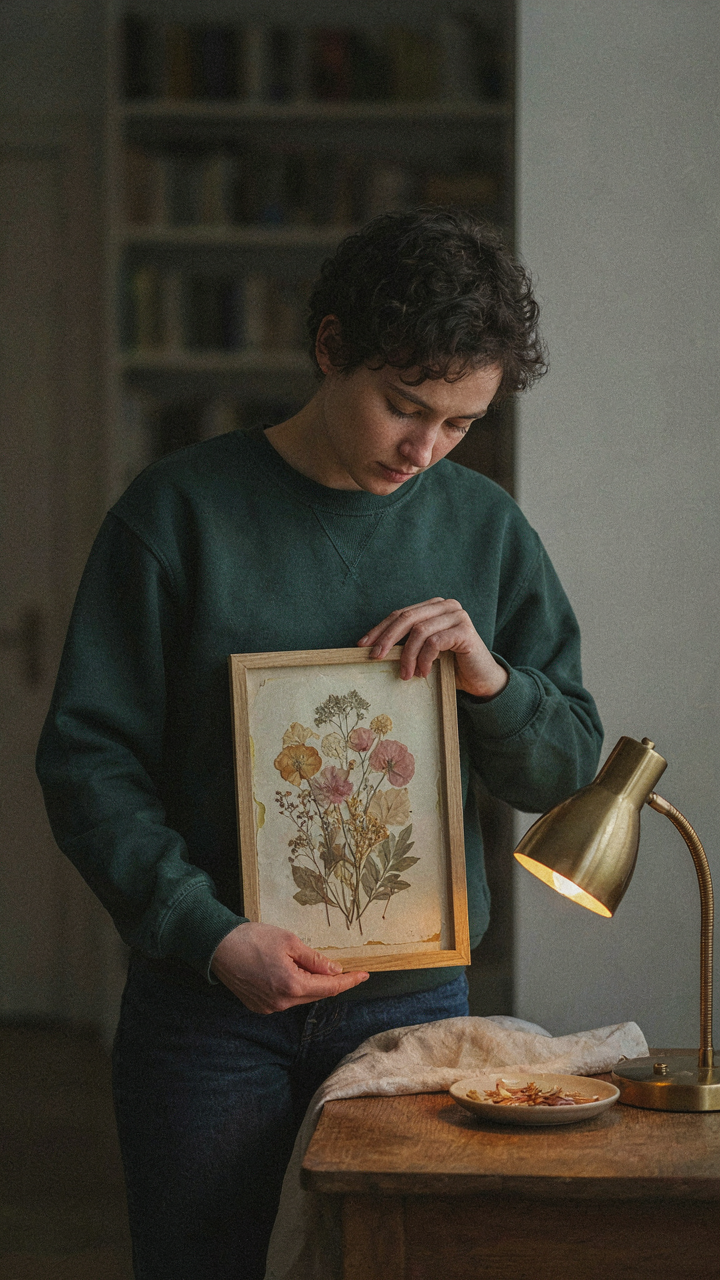
You want these pieces to last because you’re selling them or gifting them, and deterioration feels like failure. The real mechanism is simple: dried flowers degrade through light exposure and humidity fluctuation, not time alone. UV radiation breaks down cell structure. Moisture spikes trigger mold. Temperature swings crack stems. Most people blame age when they should blame environment. Control those three variables and your frames outlast the trend that inspired them.
The common advice says “keep them out of sunlight” and calls it done. That’s incomplete. Direct sun is the obvious enemy, but indirect UV penetrates standard glass for years. You need either UV-filtering glass or acrylic that blocks 99 percent of UV rays. Low humidity matters more than people admit. Flowers desiccated to 8-12 percent moisture content stay stable. Humidity above 60 percent opens the door to fungal growth. A sealed frame with silica gel packets embedded in the backing material maintains that low-moisture environment passively.
Repair Without Starting Over
Think of dried flower degradation like structural engineering: once failure begins, you manage the fracture, not reverse it. Discoloration is permanent. Brittleness cannot be softened. But you can arrest decay and make partial restoration look intentional rather than broken. Remove the piece from the frame. Replace visibly compromised flowers with botanically similar specimens in the same color family. Reinforce fragile stems with thin floral wire behind the backing board. Reassemble with fresh preservation materials.
Some damage serves the aesthetic if you frame it correctly. A faded petal cluster becomes a tonal accent. A split stem becomes negative space. The key is that you make the choice consciously, not reactively. Reframe every three to five years if the piece is in a humid climate or high-traffic space. Reframe every seven to ten years in controlled, dry environments. This is not maintenance. This is scheduled intervention.
Your Fear Of Permanence Is The Real Barrier To Creating Art That Lasts
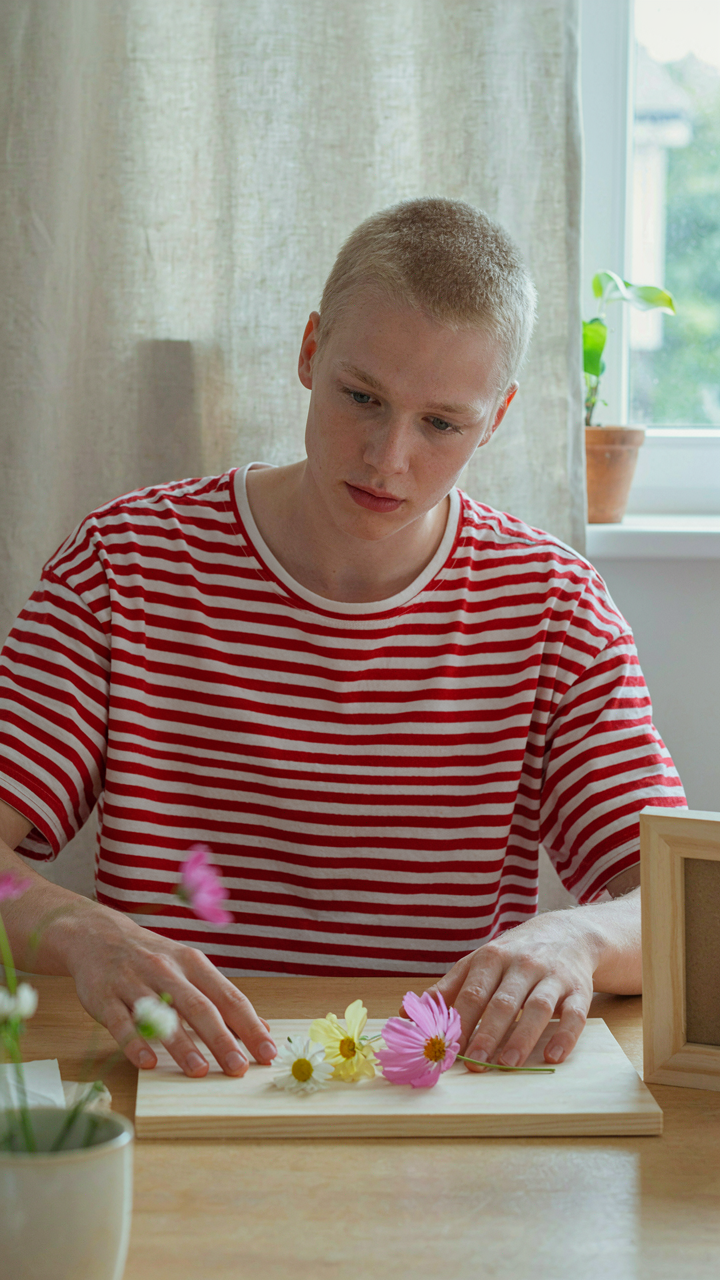
Most people never make dried flower frame art because they confuse impermanence with failure. Flowers fade. That’s not a flaw in the medium, it’s the entire point. You’re not building something that lasts forever. You’re building something that forces you to show up and create again. Pick three flowers from your yard today. Buy a frame. Arrange them. Stop waiting for the perfect setup to create something that matters right now. The art isn’t the flowers. The art is the decision to make something instead of consuming someone else’s.



